

- The Planet Where It Rains Liquid Glass – 7 Alien Worlds Defying Known Physics - November 14, 2026
- Stars Consuming Entire Worlds – 6 Planetary Systems Swallowing Their Own Worlds - November 14, 2026
- The Ground Liquefies Like Water – 6 Silent Fault Lines Geologists Watch Closely - November 14, 2026
There was a time when the Midwest’s reputation for wild weather felt almost charming. Winters were cold, springs brought storms, summers got hot. Residents adapted, built storm cellars, and kept an eye on the western sky. That rhythm, while occasionally brutal, was at least familiar.
Something has shifted. The patterns that generations of Midwesterners learned to read are becoming less reliable, more chaotic, and in some cases, genuinely dangerous in ways the region hasn’t seen before. The data from the past few years tells a story worth paying close attention to.
A Record-Breaking Warmth That Rewrote the Books
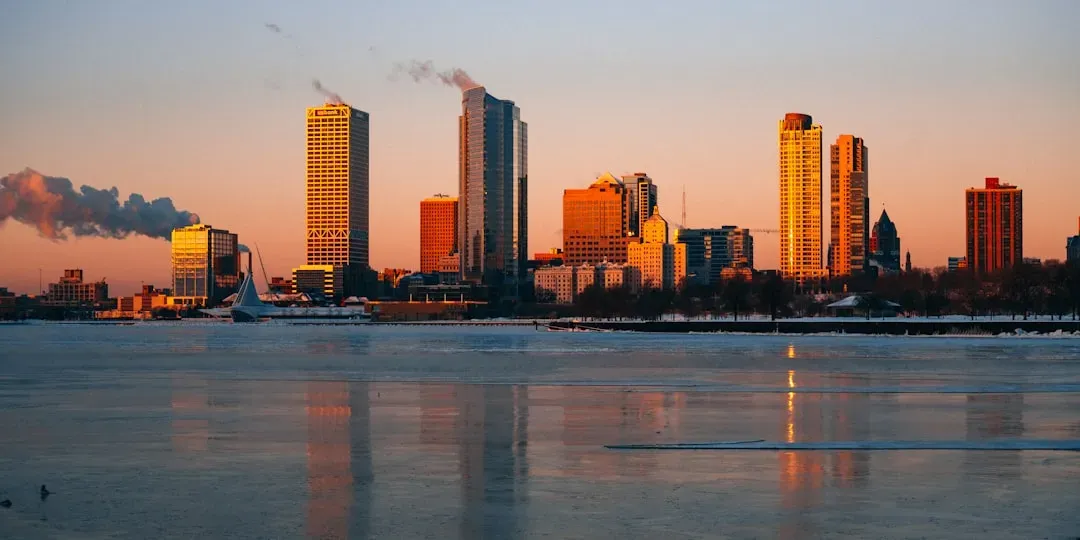
In 2024, the Midwest experienced significant climate anomalies, matching 2012 as the warmest year since 1895, with an average annual temperature of 52.2°F, more than three degrees above normal. That kind of deviation isn’t a blip. It’s a structural change in what the region’s baseline feels like.
Six states including Indiana, Kentucky, Michigan, Minnesota, Ohio, and Wisconsin each recorded their warmest year ever, while Illinois and Missouri had their second warmest, and Iowa ranked third. When nearly every state in the region breaks or approaches an all-time heat record in the same year, the conclusion is hard to avoid: the Midwest’s climate is being remade from the ground up.
The Tornado Alley Shift Nobody Saw Coming
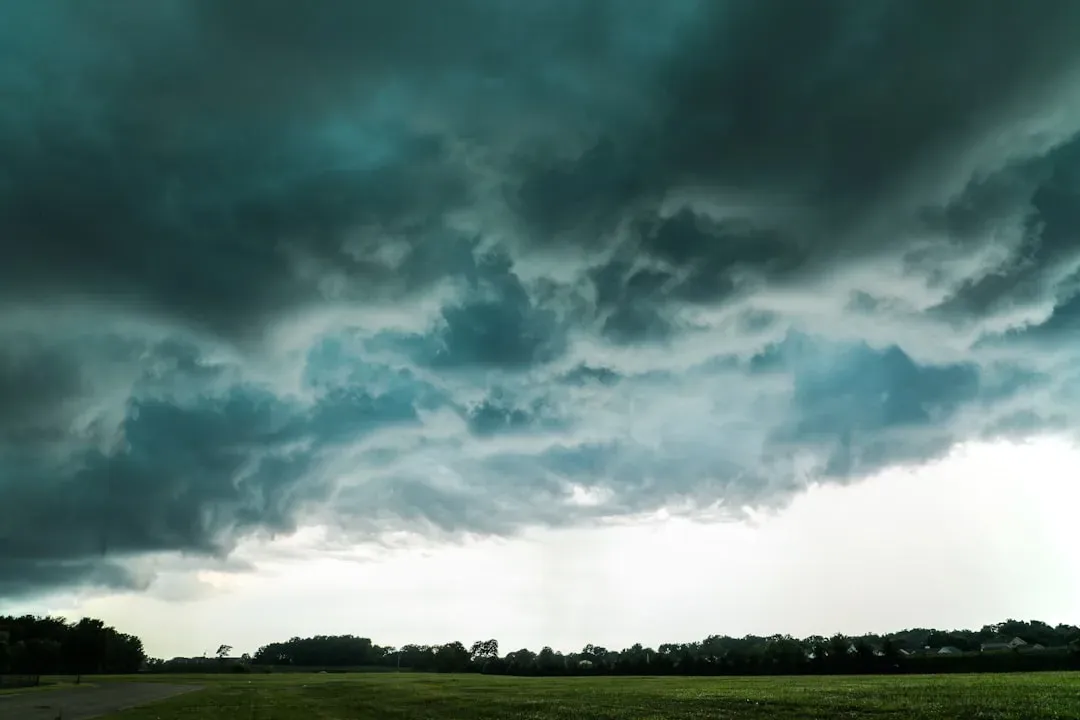
According to a report published in the April 2024 issue of the Journal of Applied Meteorology and Climatology, since 1951 tornado activity has been shifting away from the Great Plains and toward the Midwestern and Southeast United States. For decades, residents of Oklahoma and Kansas absorbed the brunt of America’s tornado fury. That assumption is increasingly outdated.
Ohio, located hundreds of miles from traditional Tornado Alley, recorded 71 tornadoes in 2024. By comparison, Oklahoma, the storm-prone center of the original Tornado Alley, averages just 69 per year. The numbers alone reframe the conversation about which communities need to take tornado preparedness seriously.
Illinois and Missouri Are Shattering Tornado Records
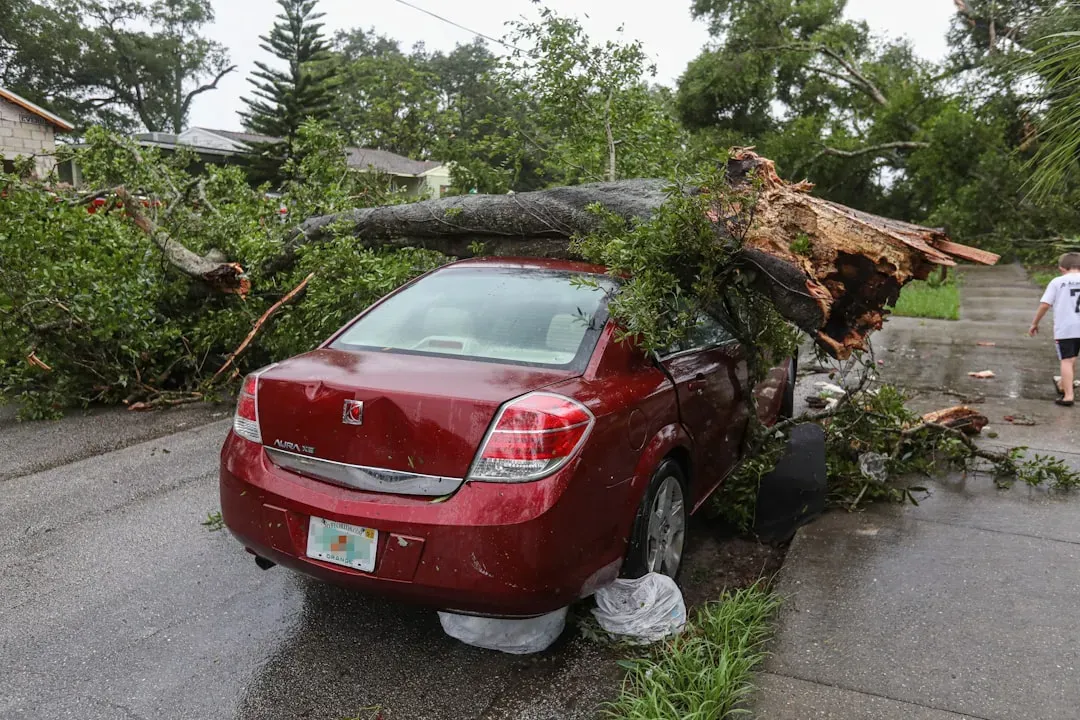
Illinois may have nearly broken its own record of 139 tornadoes set in 2024, with a preliminary count of 146 tornadoes in 2025. That’s not a seasonal anomaly. Two consecutive years of historic tornado counts in a single state signals something more persistent at work.
Missouri also broke its annual record for tornado reports at 117, which includes the May 16 tornado that hit St. Louis, killing five people and causing more than one billion dollars in estimated damage. Arkansas, Kentucky, Missouri, Illinois, Indiana, and Tennessee all saw heavy tornado activity during that same stretch.
The 2026 Severe Weather Season Started Like Nothing Before It
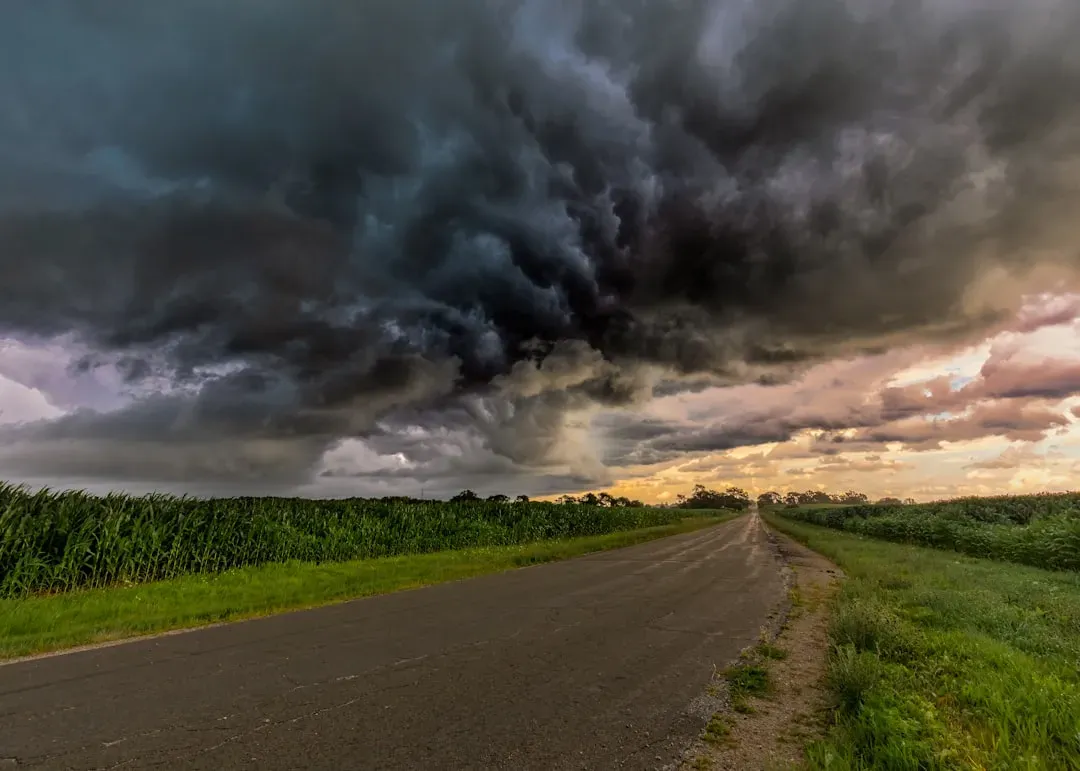
The 2026 severe weather season got off to a very busy start, and as of mid-April, there had been 11 individual thunderstorm events associated with at least one report of severe weather within the NWS Chicago forecast area alone. For context, the average number of days with severe weather from January 1 through April 30 is typically around four.
The Lower Great Lakes region has become a hotspot for severe weather in 2026, with a corridor from eastern Iowa into southern Wisconsin and northern Illinois proving remarkably active. One outbreak alone generated nearly 700 severe weather incidents with close to two dozen tornadoes across the central United States. The pace has been striking even by recent elevated standards.
Tornado Season Is No Longer Confined to Spring
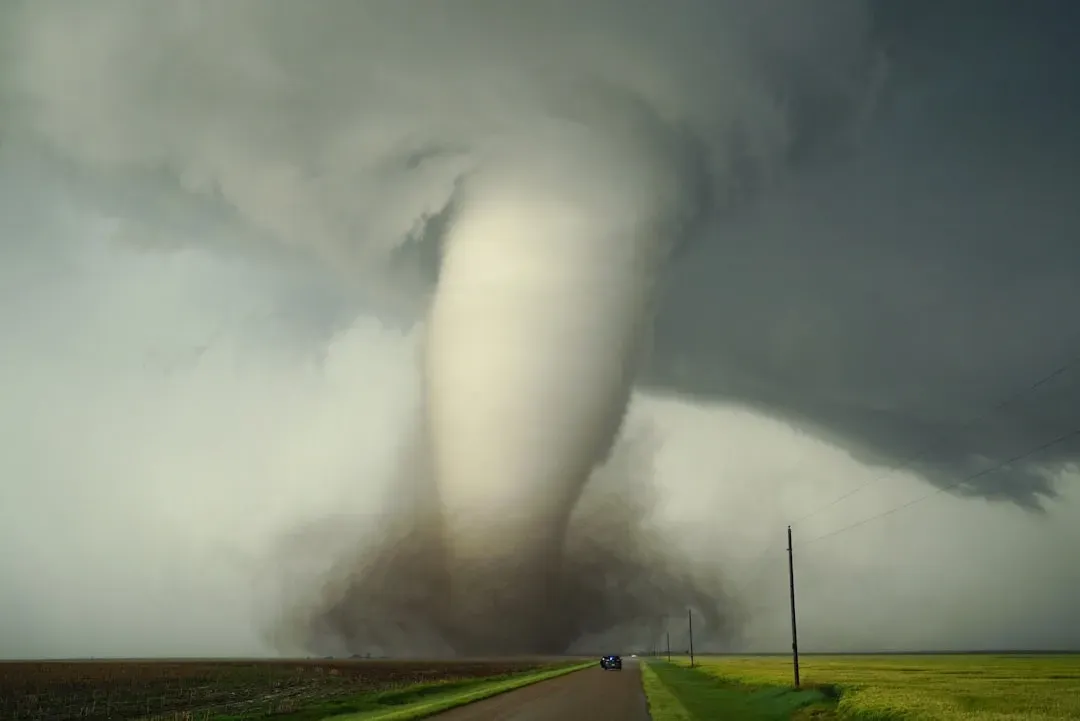
Activity is becoming more concentrated, with more tornadoes occurring on fewer days, and there are also changes in the seasonality of tornadoes: less frequent in the spring and summer, and more frequent in the fall and winter. For communities that historically only worried about severe weather from April through June, this is a genuinely new threat to absorb.
Winter tornadoes have become more frequent over the eastern United States, from the Southeast to the Midwest, particularly in Kentucky, Illinois, and Indiana. That shift carries real weight for communities that historically prepared for severe weather only in April and May. Preparedness culture in the Midwest hasn’t fully caught up with this new reality yet.
Drought and Flood in the Same Year, Sometimes the Same State
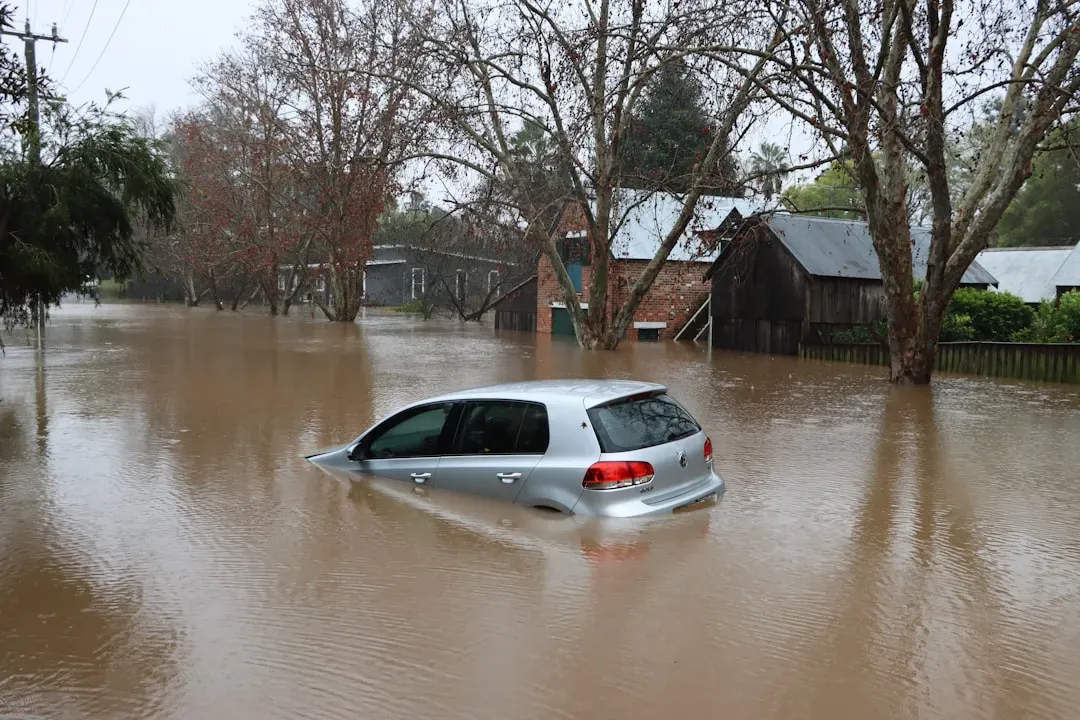
Drought conditions varied dramatically throughout 2024. Initially, more than three-quarters of the Midwest faced drought, particularly in Iowa. While spring rains offered some relief by June, dry summer weather led to an exceptional D4 drought in southeast Ohio by August. The swing from near-flood conditions to extreme drought within a single growing season is becoming a defining pattern.
Annual precipitation totals in the Great Lakes Basin were near to below normal in 2024, but with significant seasonal variability: wet summer conditions gave way to a very dry fall and widespread drought. Large swaths of Missouri and Illinois entered 2026 still in moderate or severe drought, carrying over conditions from the previous year. The feast-or-famine water cycle is making agriculture and infrastructure planning far more difficult.
The Great Lakes Are Showing Their Own Warning Signs
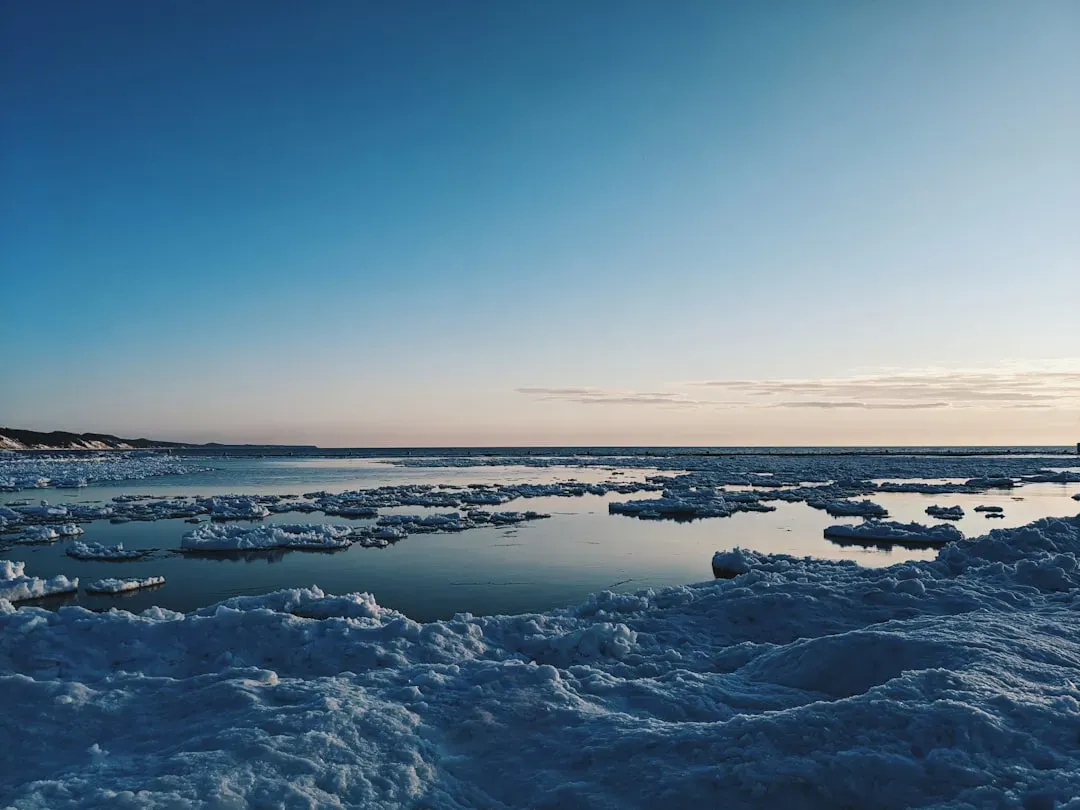
At 4.3% areal coverage, Great Lakes annual average ice cover in 2024 was the lowest on record. Ice cover on the Great Lakes does more than just look dramatic in winter photographs. It regulates lake-effect snowfall, controls evaporation rates, and buffers shoreline erosion during storm seasons.
During the summer of 2025, air temperatures around the Great Lakes were up to four degrees Fahrenheit warmer than normal, and record warm June-July overnight low temperatures were measured in 12 U.S. counties surrounding the lakes. Research from the Great Lakes Integrated Sciences and Assessments Center indicates that the strongest evidence now points to increasing variability in lake level fluctuations, which means the region faces both flooding and water shortage risks in ways that are genuinely hard to predict season to season.
Climate Change Is Reshaping the Atmospheric Ingredients
The eastward shift in tornado activity is attributed to a combination of factors including climate change, the warming of the Gulf of Mexico’s waters, and a dip in the cold jet stream pattern. Warmer Gulf waters push more moisture northward, and a more unstable jet stream creates the kind of dramatic clashes between air masses that fire off severe weather.
Temperatures across the Midwest during early severe weather events in 2025 were forecast to be 15 to 25 degrees Fahrenheit above mid-March averages. Human-caused climate change is making this kind of early-season warmth more likely, allowing temperatures to reach levels that support thunderstorm development. The atmospheric fuel for storms is now available earlier in the year and across a wider geography than at any documented point in the region’s history.
The Population Risk Is Growing Alongside the Weather Threat
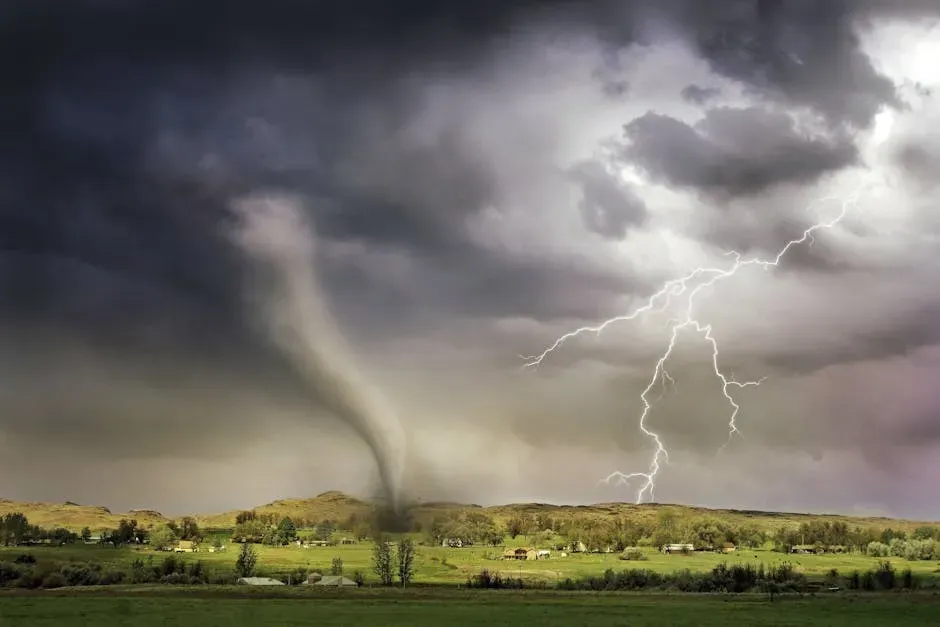
Where and when tornadoes most frequently occur is significant not only for the research community but also for public perception and risk awareness. Some research shows that tornado casualties are more likely in the eastern United States and during the cold season, partly because of preconceived notions of a “tornado alley” confined to the Great Plains and a “tornado season” limited to spring.
Over the past few decades, the United States has seen a broad shift in tornadoes in three interconnected ways: to the east, earlier in the year, and clustered into larger outbreaks. The Midwest’s dense population of mid-size cities, many of which lack the storm-hardened infrastructure of Plains communities, now sits increasingly in the crosshairs. The weather is not waiting for the culture of preparedness to catch up.
