


- 9 Items Experienced Skywatchers Bring Along That Beginners Always Wish They’d Packed - November 12, 2026
- I Moved to Tornado Alley in Oklahoma – 7 Things I Did Not Anticipate About Storm Season - November 12, 2026
- VR tool shows how rising seas could flood Fort Lauderdale - November 12, 2026
Drive into Yuma on almost any day of the year and you’ll notice something right away: there’s rarely a cloud interrupting the view. Locals barely mention it anymore, but for outsiders the sky here feels almost suspiciously consistent, day after day, season after season.
That consistency isn’t folklore or civic boosterism. It’s backed by decades of meteorological data, and it has earned this small Arizona city a title that sounds almost too tidy to be true: the sunniest place on Earth.
A record confirmed by more than one authority
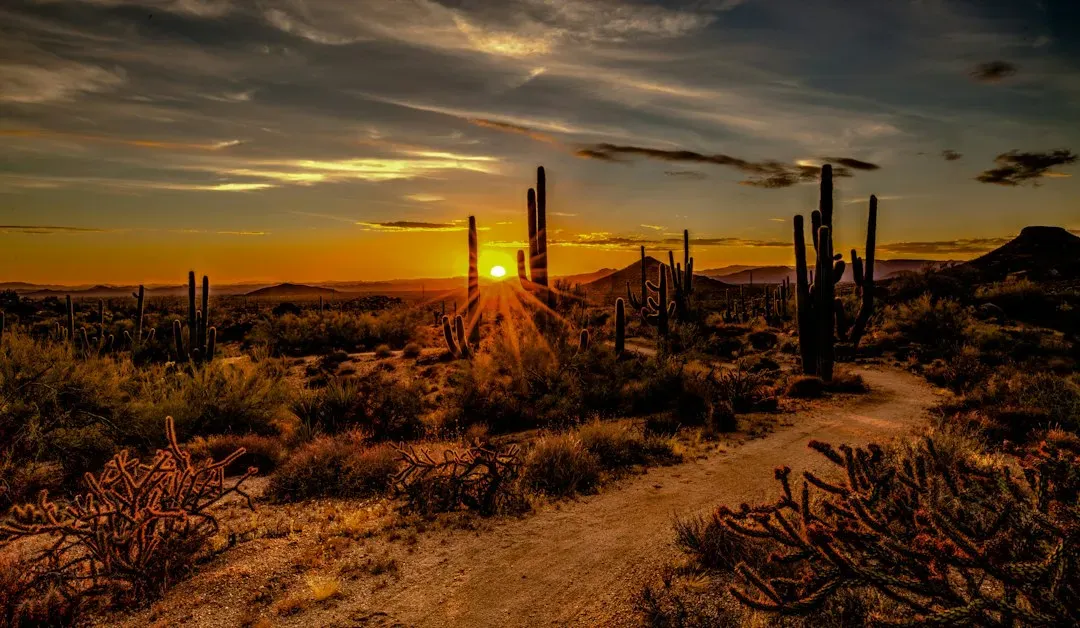
According to Guinness World Records, Yuma is the “Sunniest City on Earth,” promising sunshine and warm weather at least 91 percent of the year. That figure hasn’t come from a single enthusiastic tourism board. Yuma has also been recognized by the National Weather Service as the sunniest city in the United States.
The World Meteorological Organisation has named Yuma, Arizona, the sunniest place on earth. When two separate record-keeping bodies land on the same conclusion using different methodologies, it stops looking like a coincidence and starts looking like a genuine climatological fact about this stretch of the Sonoran Desert.
The numbers behind the claim

Sunshine duration isn’t measured by vibes. It’s tracked with instruments that record the number of hours direct sunlight actually reaches the ground, uninterrupted by cloud cover. Yuma shines the brightest at 91 percent of daylight hours per year, a mean of 4,055 hours per year out of 4,456 possible.
Other sources land in a slightly different but comparable range. Yuma holds the Guinness World Record for the “Sunniest City on Earth”, averaging a whopping 4,015.3 hours of sunshine per year. Put that against the national picture and the gap becomes obvious: compare this to the U.S. average of 2,734.6 hours, and you can see why Yuma’s so special.
Sunlight hours change with the seasons, but never disappear
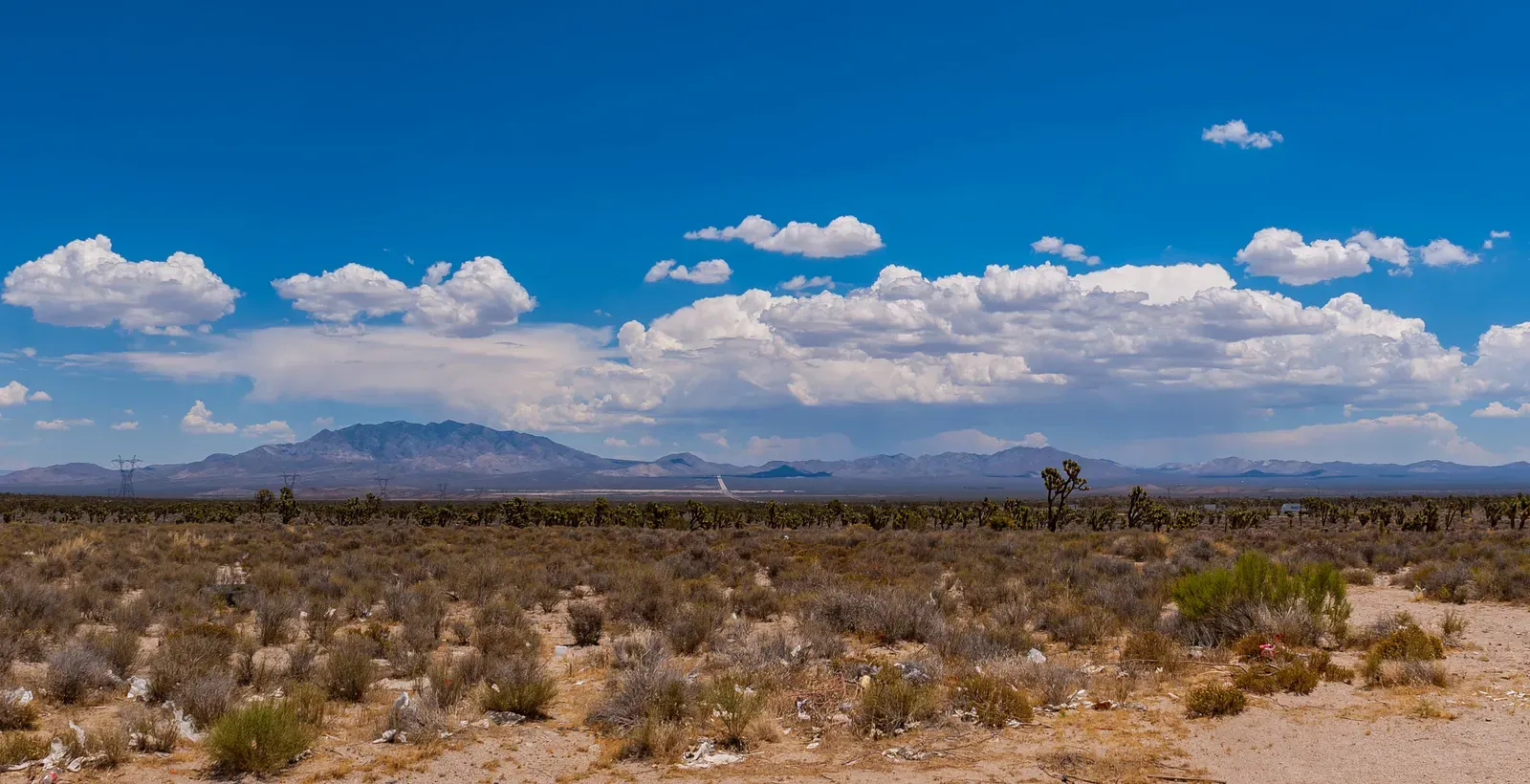
Yuma doesn’t lose its sunshine advantage once summer ends, which is part of what makes the record so durable. On average, Yuma basks in 13 hours of daily sunlight during the summer and 11 hours in the winter. That’s a modest seasonal swing compared to cities further north, where winter daylight can shrink dramatically.
Some monthly breakdowns push the summer figure even higher. Sunshine hours are abundant with a peak of 14.3 hours in June. Even in the depths of winter, the sun is rarely absent for long, which is exactly why the city’s yearly average stays so far ahead of the pack.
Geography does most of the heavy lifting
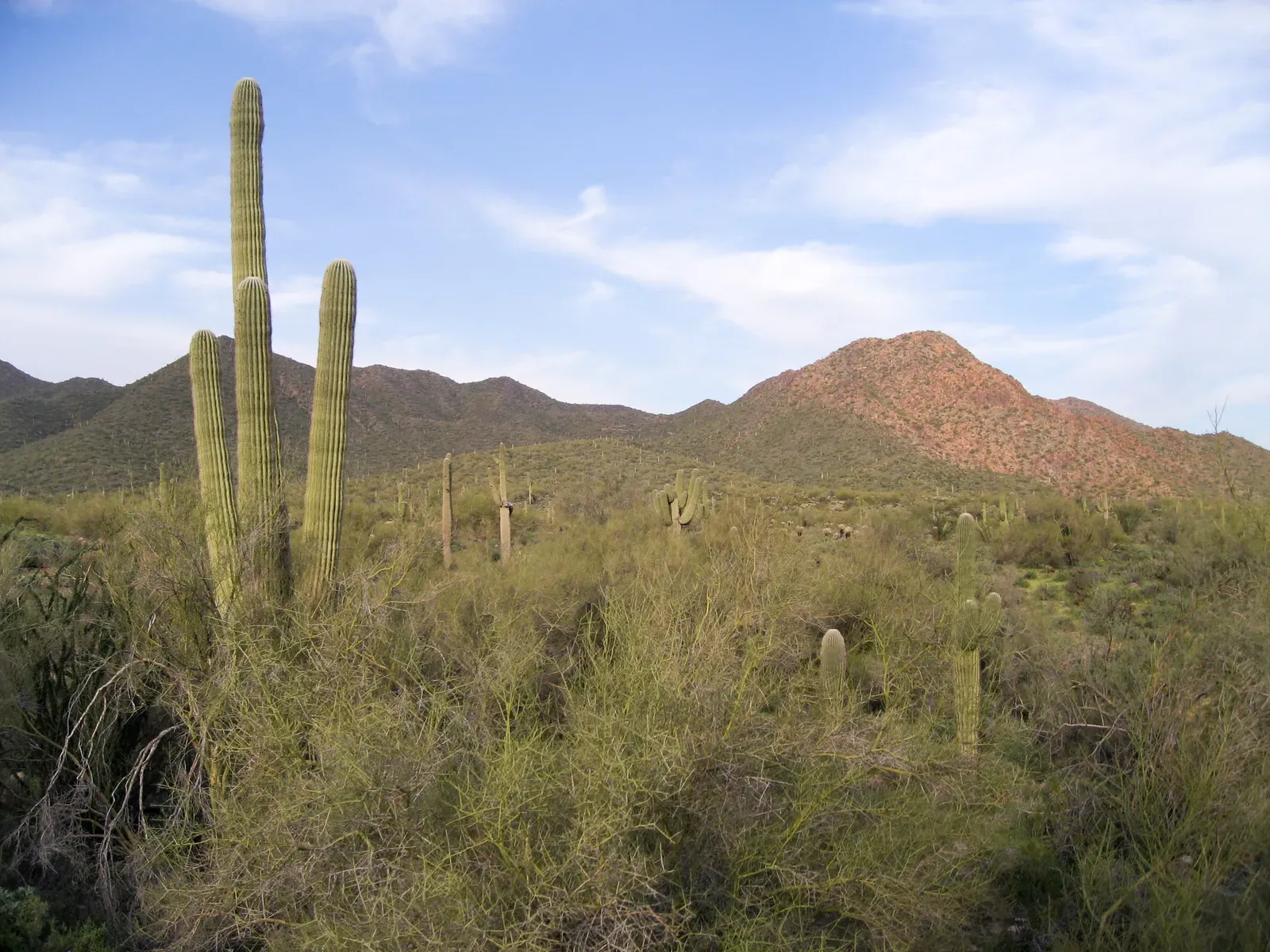
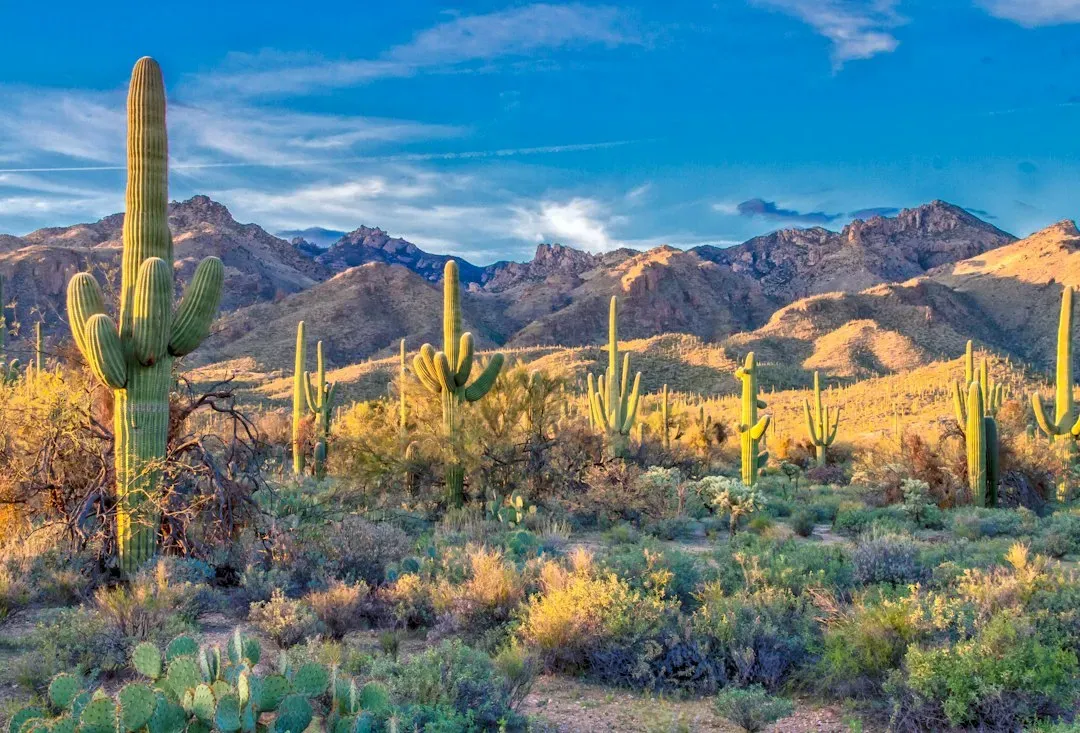
No city earns a title like this by luck alone. Located in the southwestern corner of Arizona near the borders of California and Mexico, Yuma sits in the Sonoran Desert, one of the hottest and driest regions in North America. That desert setting starves the atmosphere of the moisture needed to build clouds in the first place.
Mountains play a quiet but crucial role too. The surrounding desert landscape contains very little moisture, which limits cloud formation, and mountain ranges nearby also block weather systems coming from the Pacific Ocean. Storms that might otherwise roll in off the coast simply run out of steam before they reach the Yuma valley.
Almost no rain to get in the way
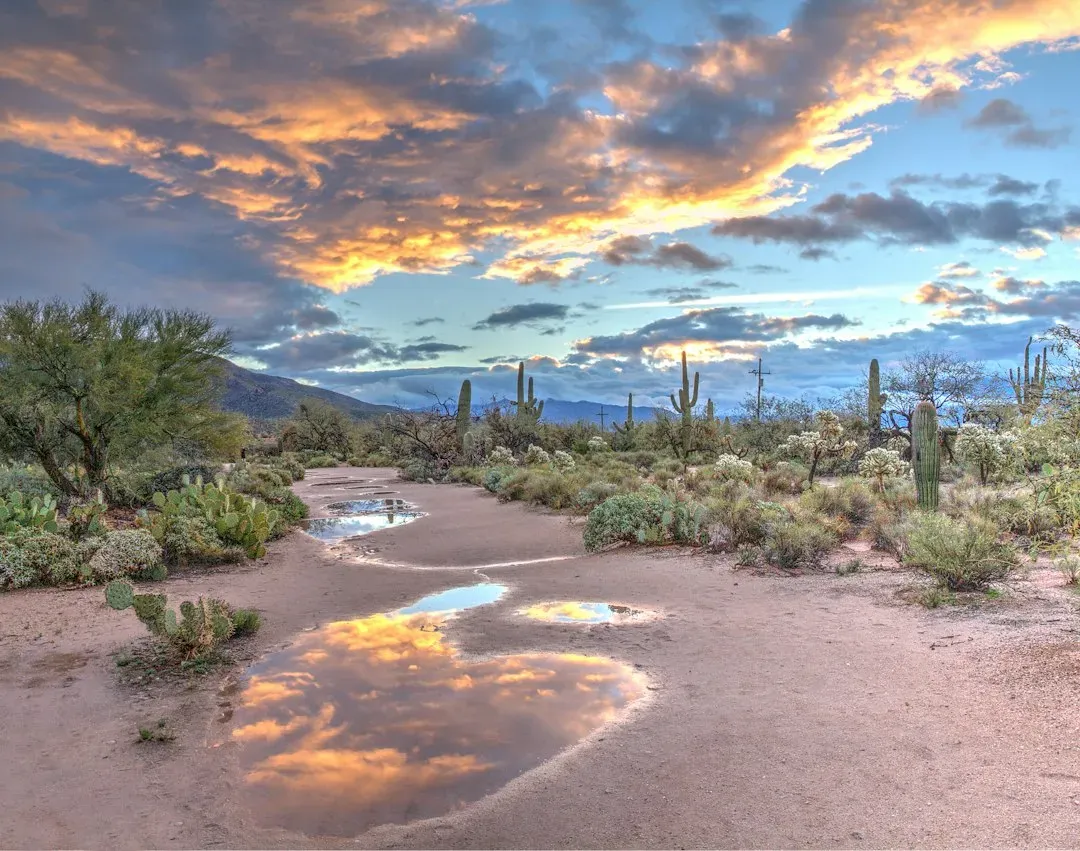
Clear skies and low rainfall tend to travel together, and Yuma is a textbook case. Yuma only receives an annual rainfall of three inches, so there is no need for rainboots or a raincoat. Some climate datasets put the number even lower, closer to two and a half inches depending on the measurement period.
The dryness isn’t confined to Yuma alone; it’s regional. The number of days with measurable precipitation can vary from around 70 in the Flagstaff area to 15 in the Yuma area. Fewer rainy days mean fewer clouds, and fewer clouds mean more uninterrupted sun exposure across the calendar year.
The heat that comes bundled with all that sun
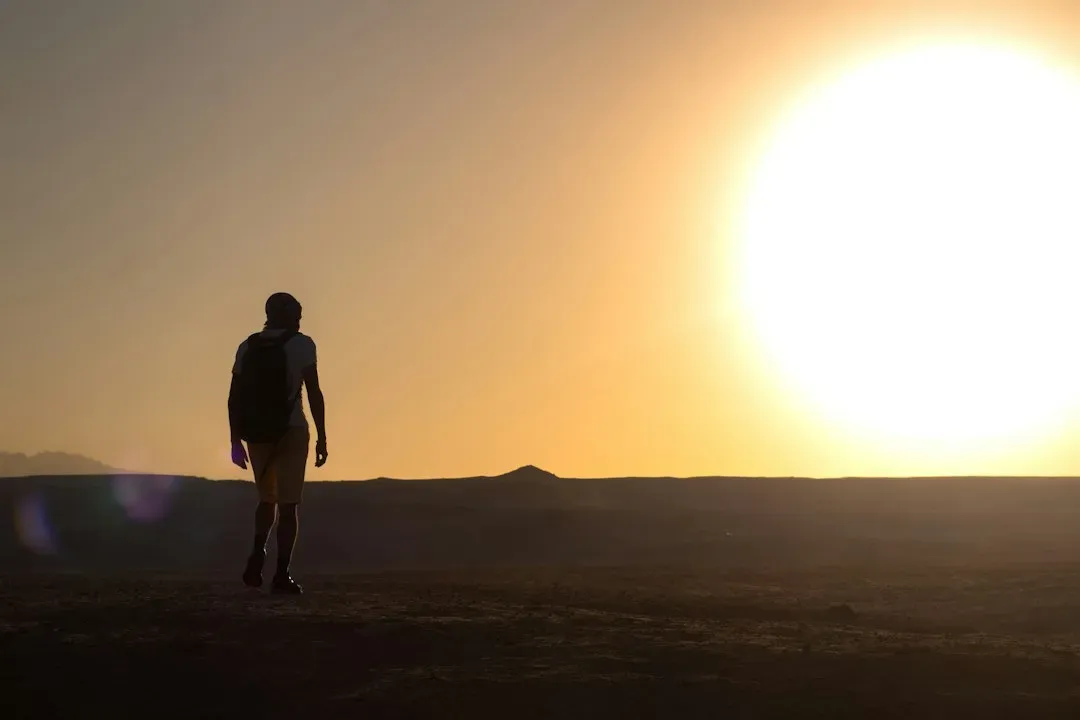
Sunshine this reliable has a cost, and it shows up on the thermometer. Rainfall does not exceed 200mm per year and temperatures exceed 40°C practically 100 days per year. That’s well over 100 days a year with highs above 104 degrees Fahrenheit, a stretch that shapes daily life in the city.
The extremes on record are striking even by desert standards. In January of 2007, Yuma witnessed a record low of 13°F, but the city made up for it on July 28, 1995, with a record high of 124°F. Residents have adapted, largely by rearranging their schedules around the hottest hours rather than fighting them.
Mild, comfortable winters draw a seasonal population

The flip side of brutal summers is a winter season that reads almost like a reward. Anywhere from 70,000 to over 85,000 out-of-state visitors make Yuma their winter residence. These seasonal residents, often called snowbirds, arrive from colder states specifically to trade snow shovels for short sleeves.
Yuma winters allow for vegetables and citrus to flourish as hard freezes are rare, and when temperatures begin to rise again and the fresh smell of orange blossoms consumes the air, residents know spring has begun. It’s a mild, predictable rhythm that stands in sharp contrast to the punishing heat of July and August.
An agricultural powerhouse built on light

All that sunshine isn’t just a comfort statistic, it’s an economic engine. Yuma’s weather makes it an agricultural powerhouse, growing over 175 types of crops, with lettuce as the largest, and Yuma County provides 90 percent of all leafy vegetables grown from November to March in the United States. Farmers here plan entire growing seasons around a sun exposure schedule that other regions simply can’t match.
Combine that light with irrigation, and the numbers become even more impressive. Rich river bottom soils and irrigation from the Colorado River have made Yuma one of the most important producers of winter vegetables in the United States, and up to 90 percent of the leafy vegetables grown in the U.S. from November to March originate in Yuma. The nickname “Winter Lettuce Capital of the World” isn’t an exaggeration so much as a straightforward description.
Clear skies also matter to the military

Consistent, predictable weather has practical uses beyond farming and tourism. Yuma is also known for its large military population due to several military bases, including the Marine Corps Air Station Yuma. Reliable visibility and minimal weather disruption make the area well suited for flight training and testing operations that depend on predictable conditions.
It’s easy to overlook this angle when talking about sunshine records, but weather stability has quietly shaped Yuma’s role as a military hub for decades. Training schedules that would be disrupted elsewhere by storms or fog rarely face that problem here. The same skies that ripen lettuce and draw snowbirds also keep runways clear almost year round.
How Yuma stacks up against other sunny contenders
Yuma isn’t sitting alone at the top of a short list, but it is decisively ahead of its closest rivals. Coming in at number two, just below Yuma, is Phoenix, which averages 3,871.6 hours of sunshine each year, while Tucson and Flagstaff round out Arizona’s showing with 3,806 and 3,475.4 hours respectively. Three of the ten sunniest cities in the country sit within the same state, which says something about Arizona’s overall climate pattern.
Globally, the picture gets a bit more complicated. Yuma has been ranked as the sunniest city in the world, with over 4,000 hours of bright sunshine annually, though many climatological books suggest there may be sunnier areas in North Africa, in the belt encompassing northern Chad, the Tibesti Mountains, northern Sudan, southern Libya, and Upper Egypt. Those regions lack the dense, long-term weather station networks that make Yuma’s numbers so well documented, which is part of why Yuma keeps the official title even as researchers acknowledge the Sahara’s sparsely measured interior might rival it.
The takeaway on America’s sunniest corner
Yuma’s sunshine record isn’t a marketing gimmick dressed up as science. It’s the product of a specific combination of desert dryness, mountain shielding from Pacific storms, and a location far enough south to avoid the seasonal daylight swings that affect cities further north.
That same sunshine shapes nearly everything about life there, from the crops in the fields to the snowbirds filling RV parks each winter to the flight schedules at the local air station. It’s a rare case where a headline statistic and the everyday reality of a place line up almost perfectly.
