

Saudi Arabia

Saudi Arabia sits at the very bottom of the 2026 Climate Change Performance Index, ranked dead last among the 63 countries and the EU bloc that the index tracks. The Climate Action Tracker rates Saudi Arabia’s overall climate action as “Critically Insufficient”. That is not a borderline call; it is the lowest possible rating a country can receive.
The numbers back up the rating. Saudi Arabia’s emissions are projected to rise to 819–845 MtCO2e in 2030, excluding land use changes, a 13–17% increase from 2019 levels, even though the country already has one of the world’s highest per capita emission levels. A new NDC submitted in December 2025 did little to change the picture, since the new climate commitment largely mirrors its previous submission, offering neither stronger ambition nor greater transparency. Riyadh has also been described as leading a small bloc of oil producing nations working actively against a global fossil fuel phase down.
Iran

Iran’s situation is unusual because the country is barely part of the process at all. Following the recent US withdrawal, the United States joined Iran, Libya, and Yemen as the only countries not party to the agreement. That means Iran has no binding NDC to be judged against in the first place, which is arguably worse than having a weak one.
Where Iran does get measured, on national climate policy quality, it fares poorly. The United States, Argentina, Hungary, and Iran are lowest in the Climate Policy category of the 2026 index. Combined with its position outside the Paris framework entirely, Iran effectively has no meaningful international climate accountability structure to answer to.
United States

The United States formally exited the Paris Agreement in early 2026, a shift with global consequences given the size of the American economy. On January 27, 2026, the U.S. withdrawal from the Paris accord took effect, with the United States joining Iran, Libya, and Yemen as the only countries not party to the agreement. The IEA now simply classifies the United States as having no NDC submitted, due to its withdrawal from the Paris Agreement.
The 2026 Climate Change Performance Index captures just how sharp this fall has been. The three last placed countries in the CCPI are Saudi Arabia, Iran, and the USA. One of the report’s authors described the shift bluntly, noting that the USA has suffered a particularly remarkable decline, ranking third to last in the overall standings just behind Russia. A previous administration had submitted a fairly ambitious plan, but that pledge no longer carries any formal weight now that the country has left the agreement.
Russia

Russia’s climate policy tells a story of quiet backsliding rather than dramatic exit. The Climate Action Tracker notes that Russia’s existing policies indicate no real commitment to curb emissions, leading at best to stabilising, but more likely to continuously rising emissions. Its overall rating has been downgraded to Russia’s weak NDC and climate policies result in the CAT giving Russia an overall rating of “Critically Insufficient”.
Renewable energy targets have also slipped. Russia’s 2024 target of a 4.5% share of renewables electricity generation, excluding hydropower, was missed, and Russia now aims to increase the share to just 3.3% by 2042. Even its newest emissions goal, signed into an executive order in 2025, is set at a level the country is expected to reach anyway without any additional effort, since Russia is already set to achieve its 2035 emissions target under current policies, which would lead to an emissions level of 35% below 1990 levels. Meanwhile, Arctic drilling plans continue to expand rather than shrink.
China

China’s position is more complicated than a simple failing grade, because the country is simultaneously the world’s largest renewable energy builder and its largest coal user. The Climate Action Tracker rates China’s climate targets and policies as “Highly insufficient,” a rating that indicates China’s climate policies and commitments are not consistent with the Paris Agreement’s 1.5°C temperature limit. Its newest five year plan actually lowered ambition on one key metric, since China’s 15th Five-Year Plan, released in March 2026, adopts a more cautious approach by setting a 17% carbon intensity reduction target for 2030, lowered from the previous 18% goal after it was missed.
Coal remains the sticking point. Despite falling utilisation rates, 291 GW of coal capacity remained in the pipeline in 2025, and the Climate Change Performance Index confirms that China, at 54th, is a very low climate performer in the CCPI, with the lack of targets and coal dependence continuing to pull down the country’s performance. Electric vehicle growth has been genuinely impressive, but it has not yet translated into the binding emissions caps that would move China out of the bottom tier.
Australia
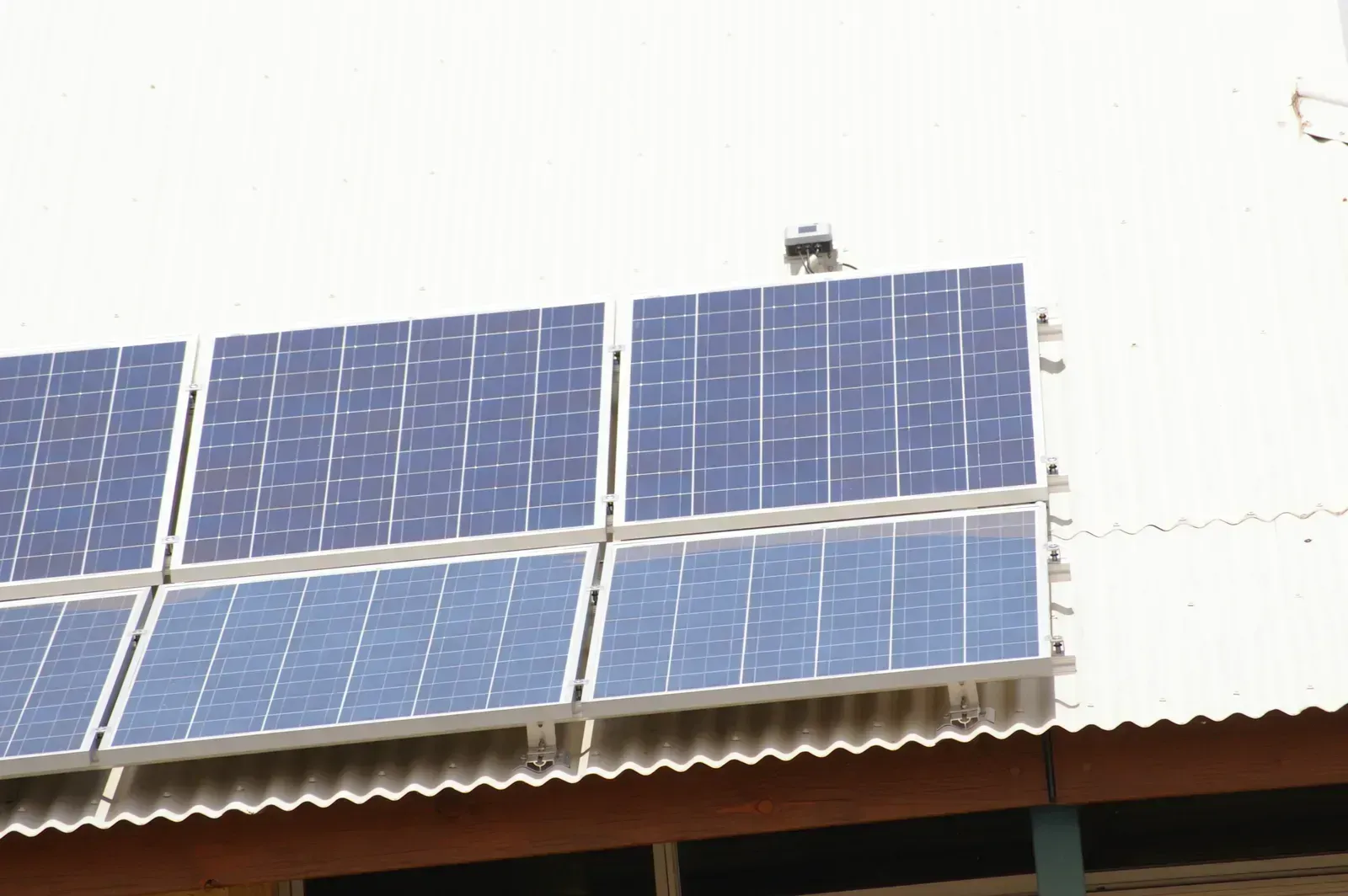
Australia continues to sit among the group of G20 nations rated worst by the 2026 index. The report lists Australia by name alongside other chronic underperformers, noting that ten G20 countries continue to be classified as very low performers, including Turkey, China, Australia, Japan, Argentina, Canada, Korea, Russia, the USA and Saudi Arabia. The country has made some genuine progress on rooftop solar and grid renewables in recent years, which makes its overall low ranking somewhat frustrating for observers who track the sector closely.
The core problem is exports rather than domestic electricity alone. Australia remains one of the world’s largest coal and gas exporters, and approvals for new fossil fuel projects have kept coming even as renewable capacity grows at home. That mismatch between a cleaner domestic grid and an expanding fossil fuel export industry is exactly the kind of gap that keeps pulling its overall score down.
Turkey
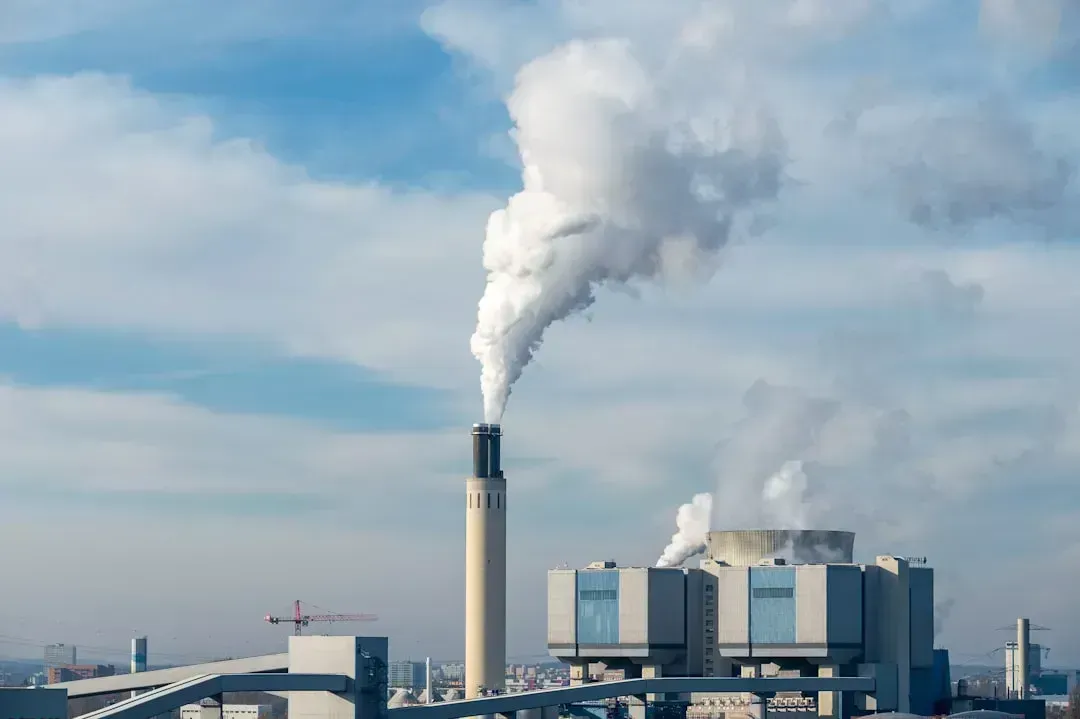
Turkey is another G20 economy that the 2026 index places firmly in the lowest performance bracket, grouped with the same cluster that includes Russia and Saudi Arabia. As the report states, ten G20 countries continue to be classified as very low performers, including Turkey, China, Australia, Japan, Argentina, Canada, Korea, Russia, the USA and Saudi Arabia. Coal fired power still supplies a large share of the country’s electricity, and that dependence has proven difficult to shift.
Unlike some of its G20 peers, Turkey has not put in place the kind of binding domestic climate legislation that would give its long term targets real teeth. Ambitious sounding pledges have not been matched by the sector specific policies, subsidy reforms, or investment shifts needed to bring them within reach. The result is a country whose stated intentions and actual trajectory continue to diverge.
Argentina

Argentina’s climate ranking has slipped in recent years alongside broader shifts in domestic politics. The 2026 index places it among the worst performing G20 members, and it appears repeatedly in the lowest bracket for climate policy specifically, since the United States, Argentina, Hungary, and Iran are lowest in that category. It is also named directly as one of the weakest overall G20 performers, alongside Saudi Arabia and the United States.
Much of this reflects a retreat from earlier climate commitments rather than a case of never having them. Budget and institutional cuts affecting environmental and climate bodies over the past couple of years have weakened the country’s capacity to implement the targets it originally agreed to. The gap between paper commitments made under previous governments and current administrative follow through has widened rather than narrowed.
Canada

Canada’s inclusion among the bottom tier of G20 economies might surprise people who associate the country with strong environmental rhetoric. Yet the 2026 rankings place it squarely in that group, noting again that ten G20 countries continue to be classified as very low performers, including Turkey, China, Australia, Japan, Argentina, Canada, Korea, Russia, the USA and Saudi Arabia. The disconnect largely comes down to the size of its oil and gas sector relative to its population.
Canada has some of the highest per capita emissions among wealthy nations, driven heavily by oil sands production and continued LNG export expansion. Federal carbon pricing and clean electricity policies exist, but they have not been strong enough to offset growth in extractive industries. The result is a country with credible sounding long term targets sitting alongside near term emissions trends that barely move.
South Korea
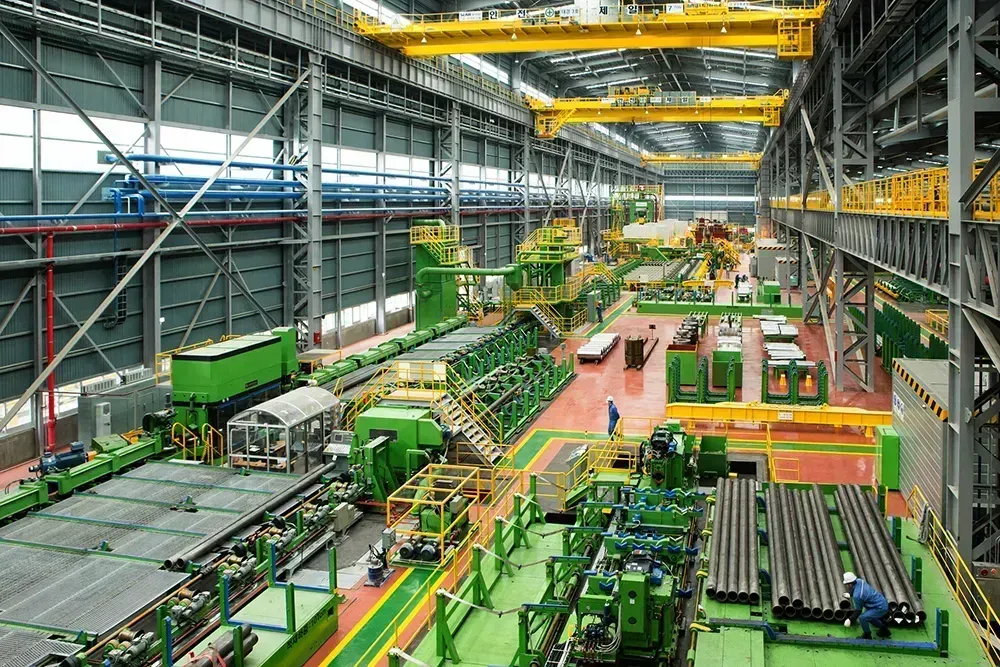
South Korea rounds out the list of chronically low performing G20 economies in the 2026 index, grouped once more with the same set of countries, as ten G20 countries continue to be classified as very low performers, including Turkey, China, Australia, Japan, Argentina, Canada, Korea, Russia, the USA and Saudi Arabia. Heavy industry, particularly steel, petrochemicals, and shipbuilding, makes up an outsized share of the country’s economy and its emissions profile.
Coal power also remains stubbornly embedded in the national grid despite years of stated ambition to move away from it. Renewable energy investment has grown, but not at the pace needed to offset the emissions load coming from export oriented heavy manufacturing. South Korea’s climate targets on paper are not unreasonable, but the industrial base underpinning the economy makes them genuinely hard to hit without deeper structural change.
Where the numbers leave us
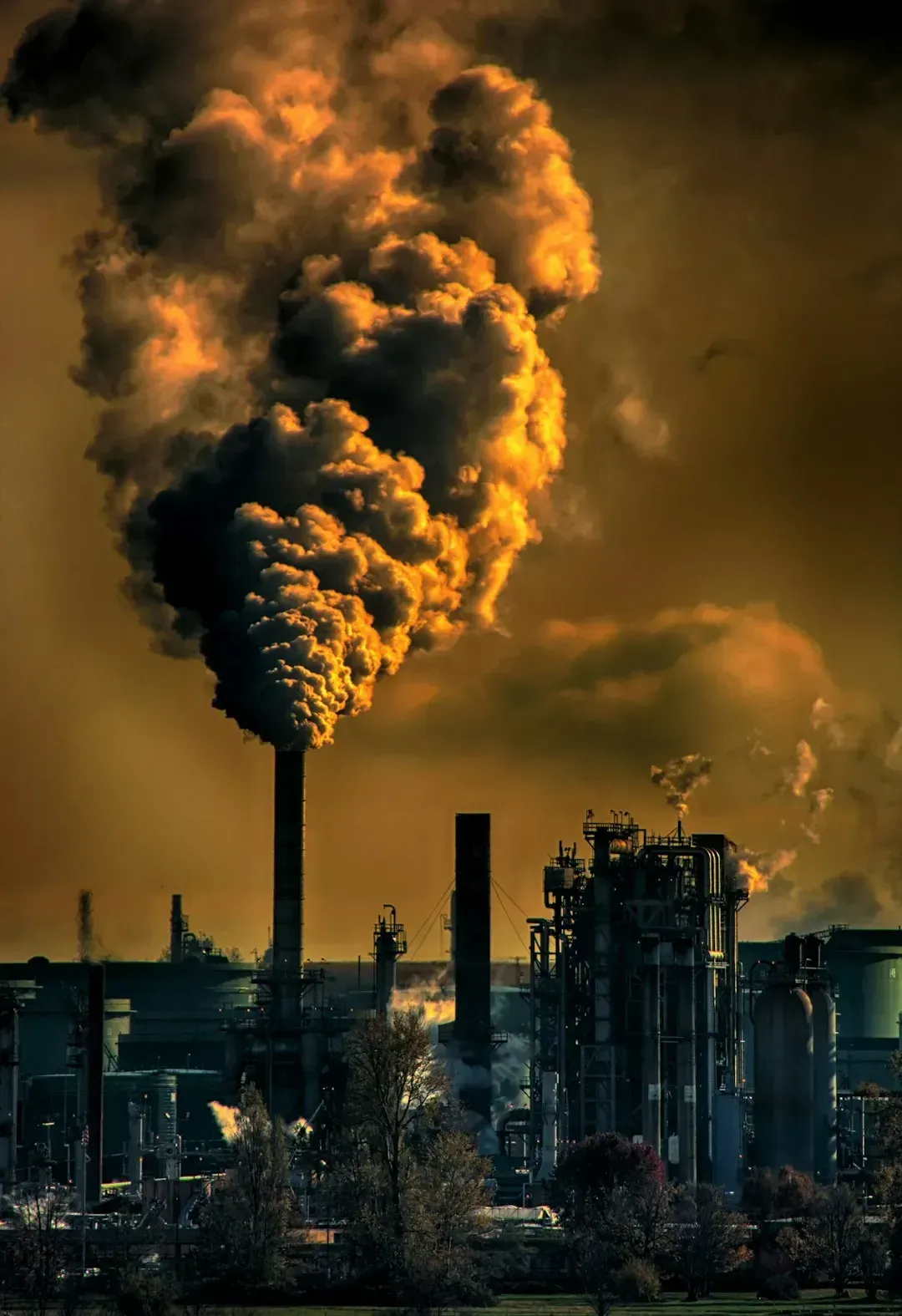
What stands out across this group is not that these countries lack targets on paper. Most of them have submitted NDCs, published net zero dates, or signed onto renewable energy pledges at international summits. The failure sits almost entirely in the space between announcement and implementation, whether that means missed renewable targets in Russia, expanding coal pipelines in China, or an outright exit from the framework in the case of the United States. The 2026 rankings also make one thing clear: petrostates and heavy industrial economies dominate the bottom of every list, regardless of which organization is doing the measuring. Until fossil fuel revenue and heavy industry output stop being treated as untouchable, the countries named here are likely to keep occupying the same low rungs when the next round of assessments comes out.

- The Shoreline Sucked Dry in Seconds – 5 Tsunami Signals Beachgoers Mistake for Low Tide - November 14, 2026
- 9 Dark-Sky Destinations Around the World Where the Stars Look Unreal - November 14, 2026
- The Fault Line That Never Slips – 7 Locked Seismic Zones Overdue for a Massive Release - November 14, 2026
