
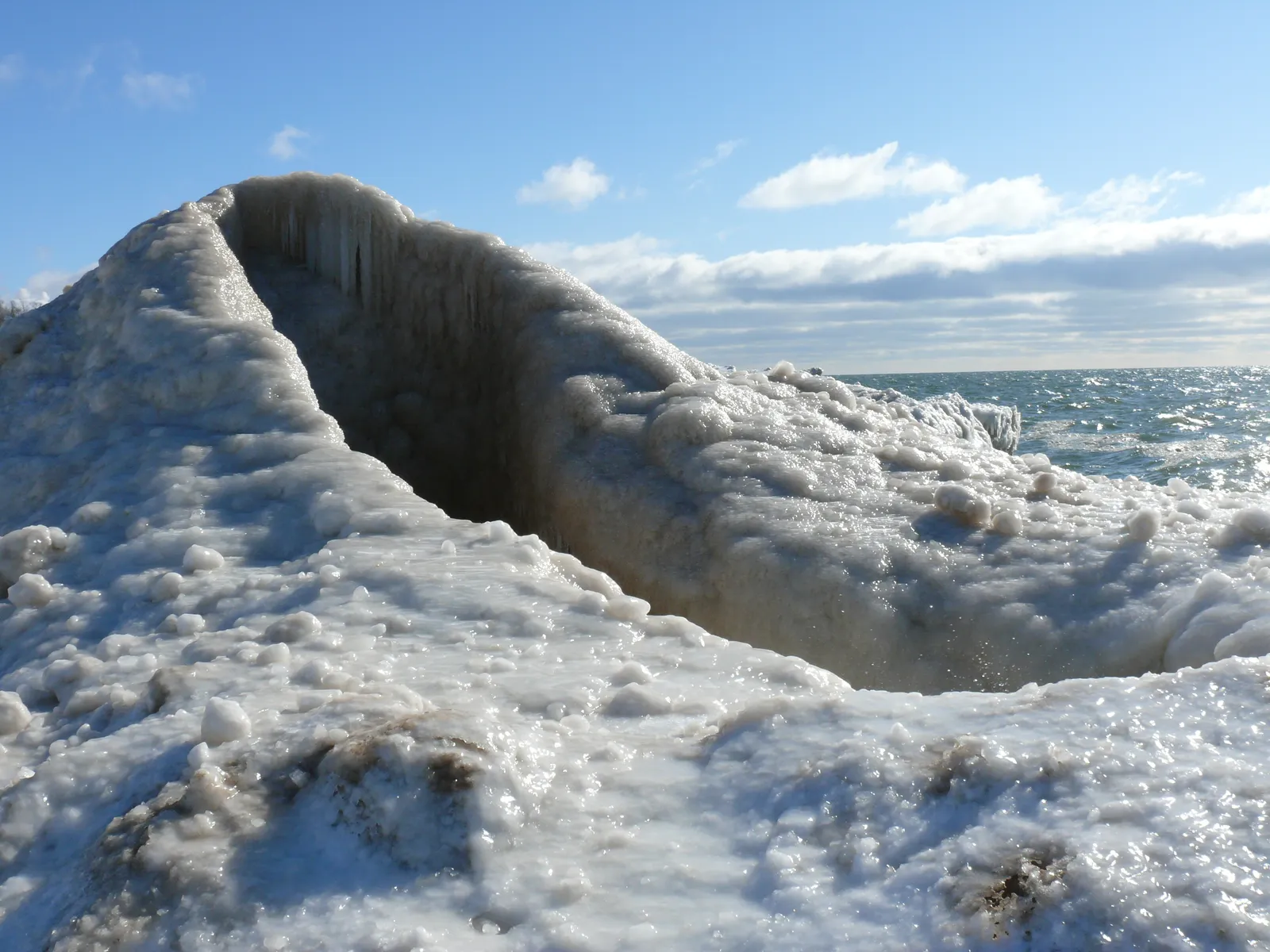
Strictly speaking, true cryovolcanoes don’t exist on Earth. The term describes volcanoes that spew water, ammonia or methane rather than molten rock, and scientists associate them with icy worlds like Saturn’s moon Enceladus, Neptune’s moon Triton and the dwarf planet Ceres. Our planet is simply too warm and rocky for that kind of activity.
Still, Earth has plenty of places where ice, water and slush behave in ways that look remarkably like volcanism. Some are cone-shaped mounds that really do spout water, others are frozen towers sitting on top of genuine volcanoes. Here are six of them, each with a different kind of icy strangeness.
Ice Volcanoes on the Great Lakes Shore
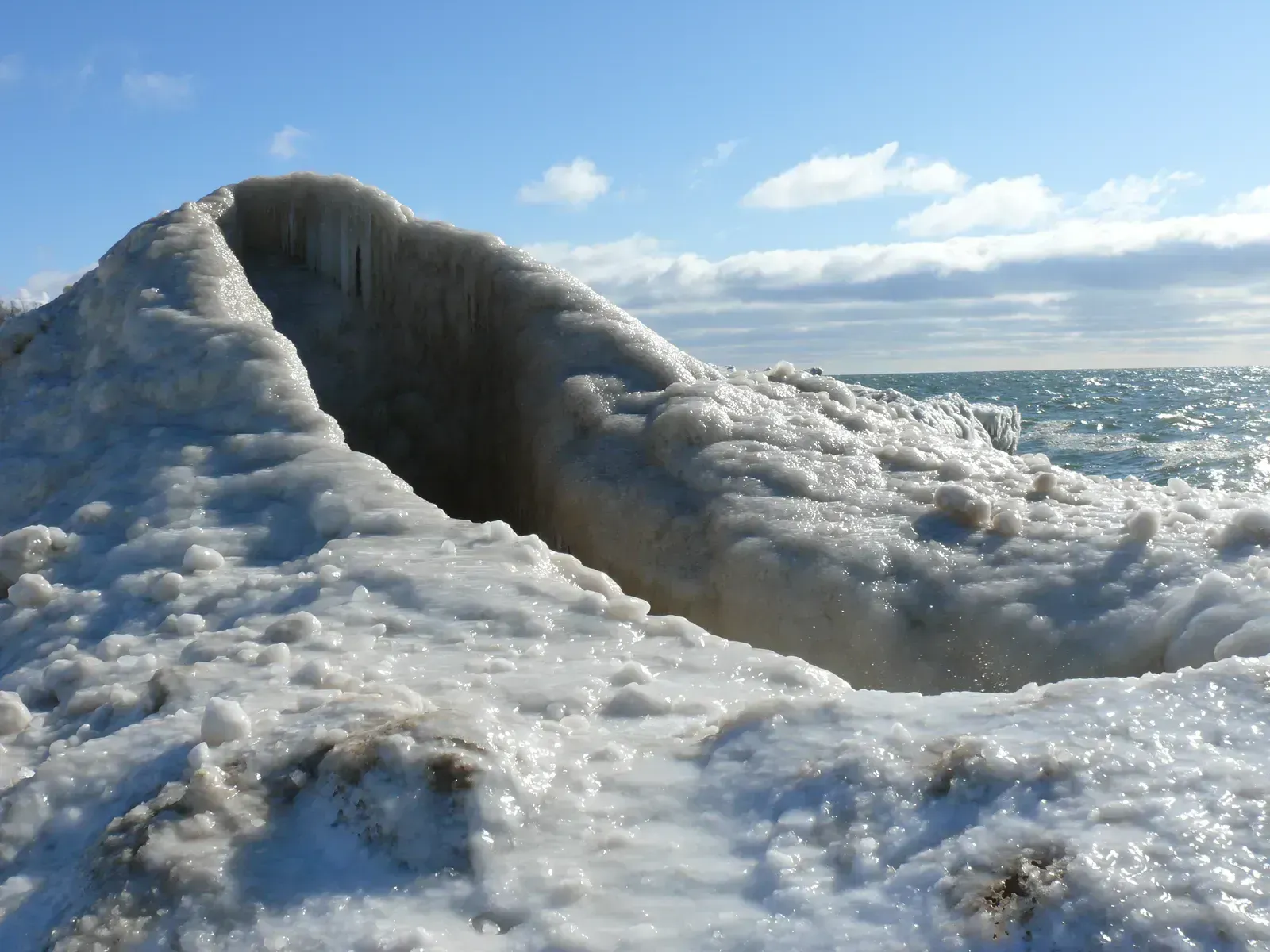
During cold winters, shelf ice builds along the shores of the Great Lakes, and waves pushing underneath can force water up through cracks. The water freezes into cone-shaped mounds that can grow to several meters tall. They’re called ice volcanoes, and the name fits the shape surprisingly well.
These mounds are driven by wave pressure, not by heat from below. A cone can erupt spray and slush for hours, then collapse suddenly when the ice underneath gives way. That instability is why park authorities and the U.S. National Weather Service warn people to stay off shelf ice and keep their distance from the mounds.
Mount Erebus and Its Fumarolic Ice Towers
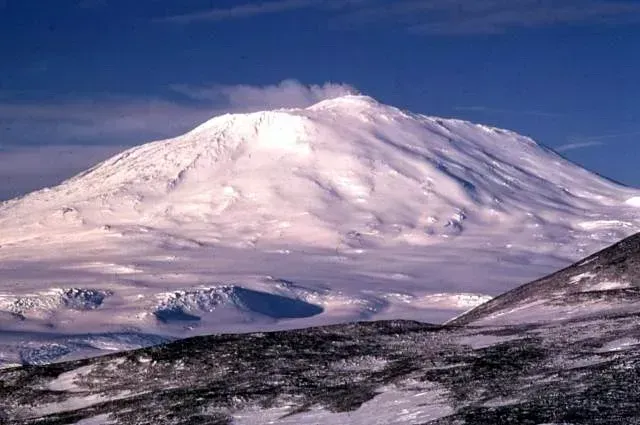
Mount Erebus on Ross Island is Antarctica’s most active volcano, and it’s known for a long-lived lava lake in its summit crater. Around the upper slopes, steam from volcanic vents meets air far below freezing. The vapor freezes on contact and builds hollow chimneys of ice.
These fumarolic ice towers can reach several meters in height, and some link up with ice caves carved out by warm gas underneath. Researchers have studied the caves partly because they host microbial life fed by volcanic heat. It’s a rare case of fire and ice sharing the same mountainside.
The Steam Caves Inside Mount Rainier
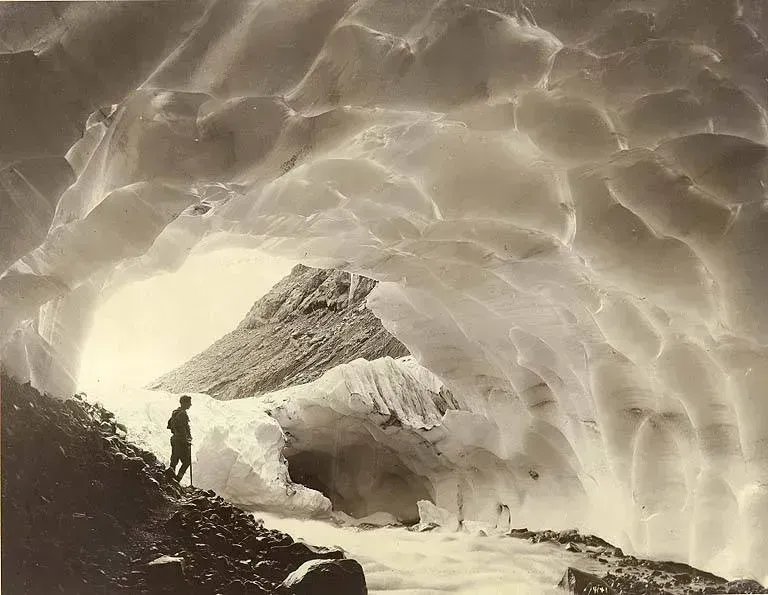
Mount Rainier in Washington State is an active stratovolcano, and its summit craters are capped by glacier ice. Heat escaping through volcanic vents has melted a network of passages through the ice and snow. The result is a maze of steam caves, which scientists and mountaineers have explored for decades.
Where warm vapor meets the cold cave walls, the moisture refreezes into delicate ice formations. The caves also act as a natural thermometer for the volcano, since changes in how much ice melts can hint at changes in underground heat. Rainier is closely monitored by the U.S. Geological Survey for that reason.
Grímsvötn and the Fire Beneath Vatnajökull
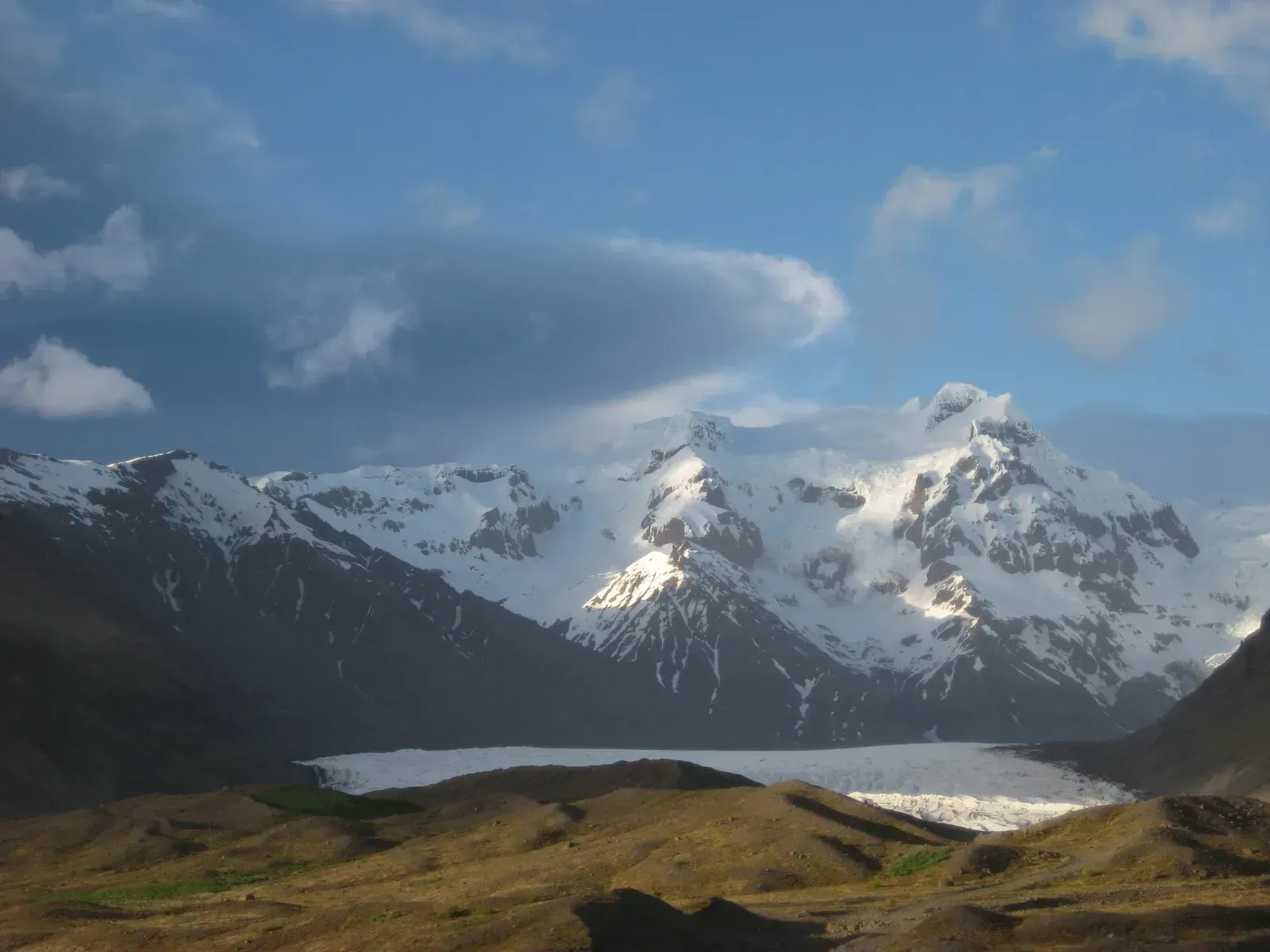
Iceland’s Vatnajökull is the largest ice cap in Europe, and Grímsvötn is one of the country’s most active volcanoes, sitting beneath it. Eruptions there melt huge amounts of ice from below. Meltwater collects in a subglacial lake that can drain suddenly in a flood called a jökulhlaup.
Grímsvötn has erupted several times in recent decades, including a well-known ash producing eruption in 2011. The ice doesn’t erupt itself, but it shapes everything about how the volcano behaves. Water, steam and ash get mixed together in ways that make the eruptions explosive and hard to predict.
Pingos Near Tuktoyaktuk
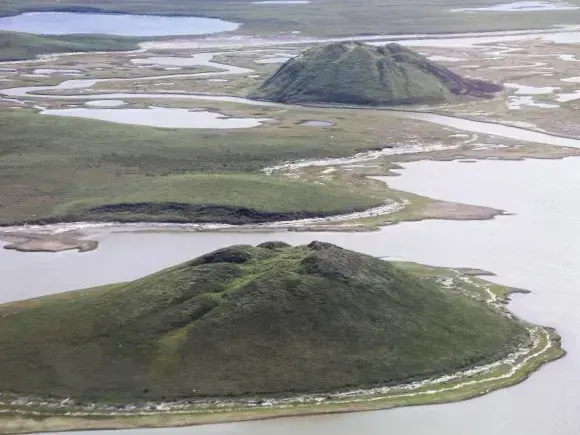
Pingos are ice cored hills that push up from permafrost in the Arctic. Near Tuktoyaktuk in northern Canada, a cluster of them rises from flat tundra, and some stand taller than a ten story building. They form when groundwater freezes and expands, heaving the soil above it into a dome.
Many pingos have a crater like collapse at the top where the ice core has begun to melt, so they can look like small dormant volcanoes. They aren’t erupting, but they’re slow, frozen cousins of the process that drives icy moons. Climate warming is a concern for them, since thawing permafrost can eventually flatten these landmarks.
Håkon Mosby Mud Volcano Under Arctic Seas
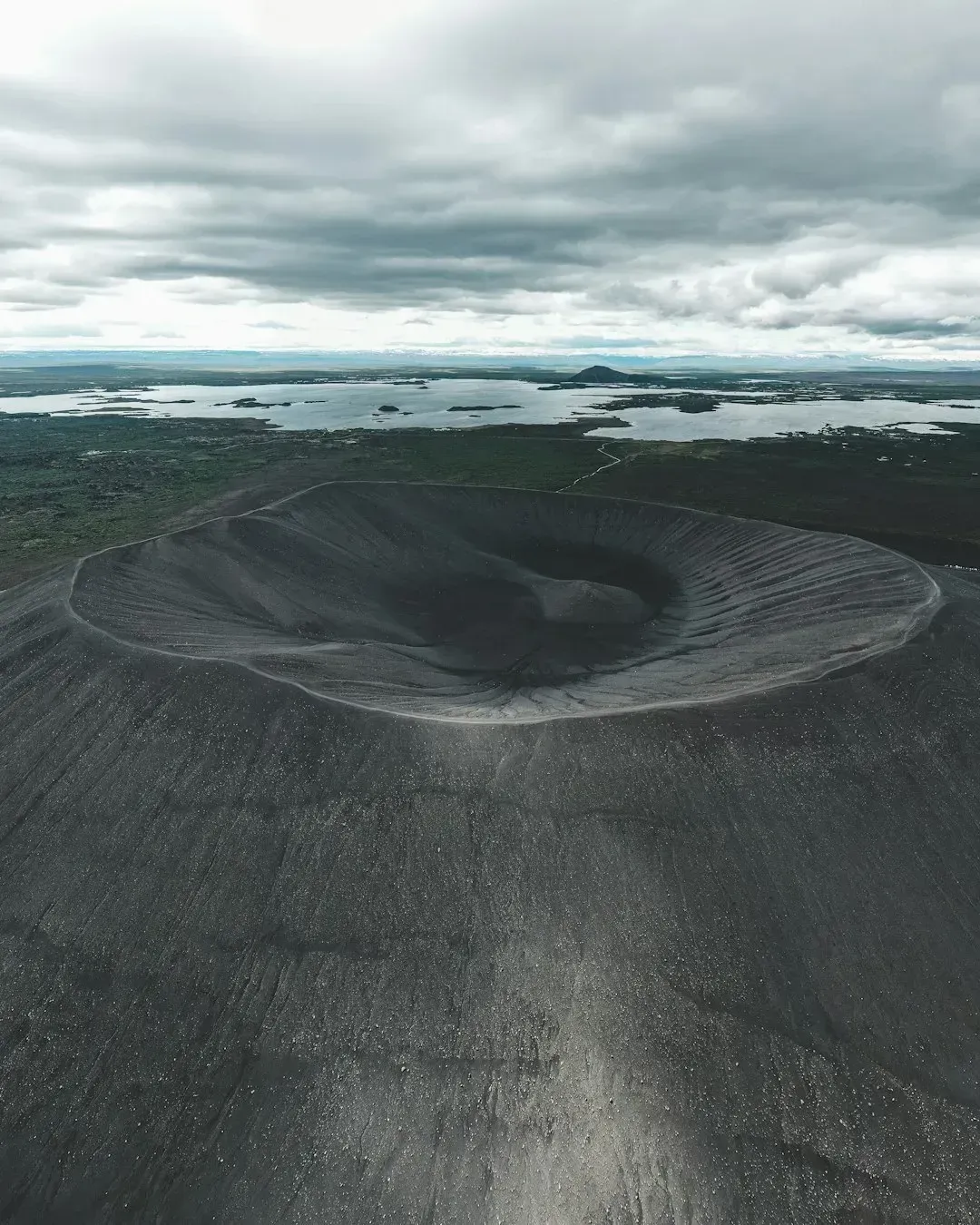
On the seafloor of the Barents Sea, the Håkon Mosby mud volcano pushes up a mix of mud, water and gas from deep sediments. The seabed there is cold, close to freezing, and methane can lock into ice like crystals called gas hydrates. Scientists have studied the site as a natural laboratory for cold seep ecosystems.
Though it’s a mud volcano rather than an ice one, the process has a distinct cryovolcanic flavor. Cold fluids rise from below and build a cone in a frozen environment. Researchers sometimes use sites like this to think about how similar processes might work on icy bodies elsewhere in the solar system.

- The Shoreline Sucked Dry in Seconds – 5 Tsunami Signals Beachgoers Mistake for Low Tide - November 14, 2026
- 9 Dark-Sky Destinations Around the World Where the Stars Look Unreal - November 14, 2026
- The Fault Line That Never Slips – 7 Locked Seismic Zones Overdue for a Massive Release - November 14, 2026
