

- The Planet Where It Rains Liquid Glass – 7 Alien Worlds Defying Known Physics - November 14, 2026
- Stars Consuming Entire Worlds – 6 Planetary Systems Swallowing Their Own Worlds - November 14, 2026
- The Ground Liquefies Like Water – 6 Silent Fault Lines Geologists Watch Closely - November 14, 2026
Fire usually gets described as an ending. For a surprising number of plants, it’s the signal to start. Their seeds can sit dormant in soil or inside tough cones for years, waiting for heat, smoke, or both.
This kind of dependence is well documented in fire-prone regions such as California, Australia, and South Africa. Here are six plants whose life cycles are tied closely to flame, based on long-established botanical research.
Lodgepole Pine and Its Serotinous Cones
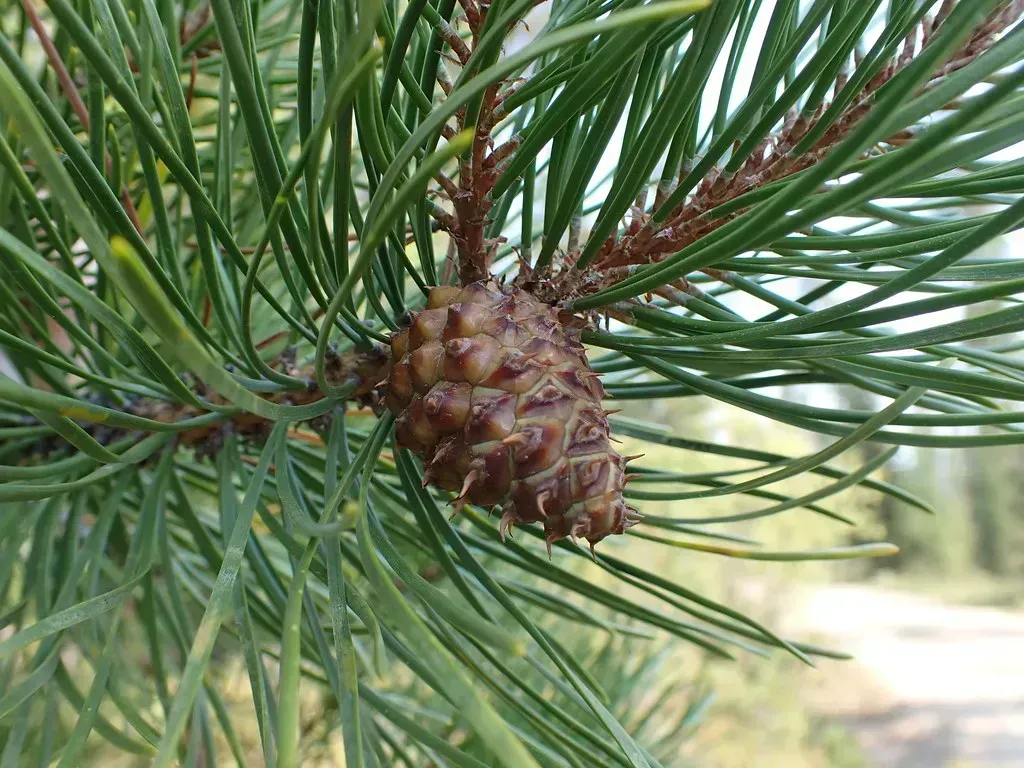
Many lodgepole pines in the Rocky Mountains carry serotinous cones, which are sealed shut with resin. The resin melts only at high temperatures, so the cones stay closed on the tree until a fire passes through. Seeds can remain stored in the canopy for years.
After a blaze, the cones open and release seeds onto ground that has been cleared of competing plants and enriched with ash. This is one reason lodgepole forests often regrow as dense, even-aged stands. Not every lodgepole population is serotinous, though, and the trait varies by region and fire history.
Jack Pine in North American Forests
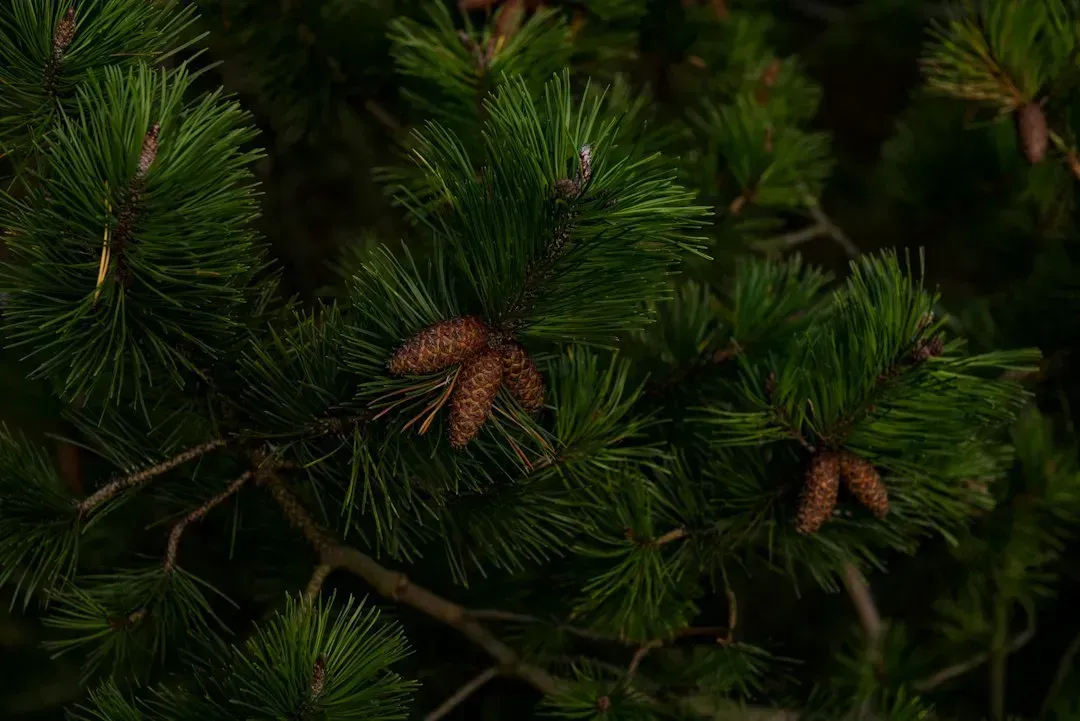
Jack pine, common across Canada and the northern United States, also relies heavily on sealed cones. Its cones are known to open under intense heat, letting seeds fall onto freshly burned soil. Foresters have long noted that jack pine regenerates especially well after stand-replacing fires.
The species is also tied to the survival of the Kirtland’s warbler, a rare bird that nests in young jack pine stands in Michigan. That link shows how a single fire-dependent plant can shape an entire habitat. Without periodic fire or management that mimics it, those young stands become scarce.
Giant Sequoia in the Sierra Nevada
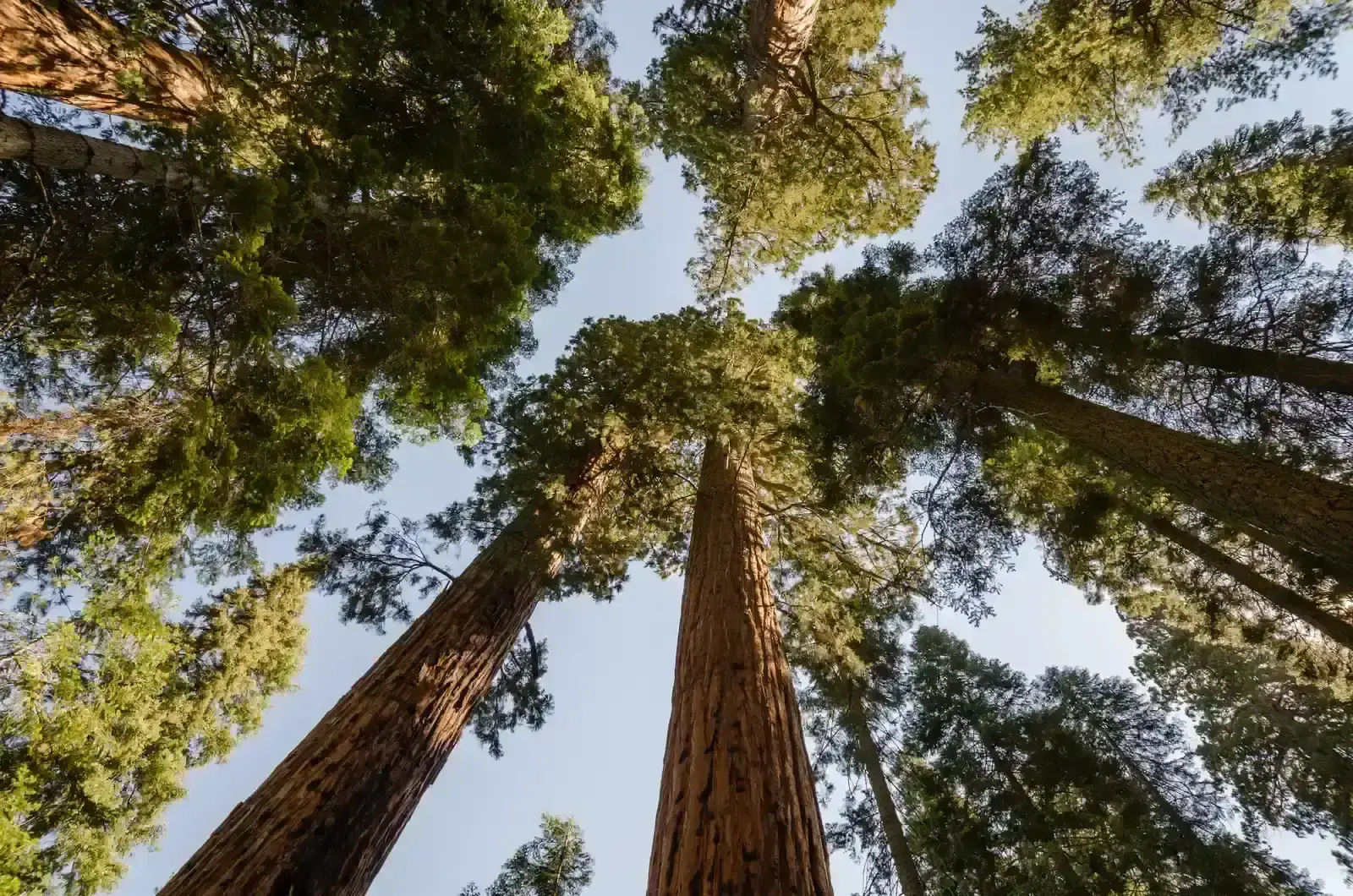
Giant sequoias don’t need fire to survive as adults, since their thick bark protects them well. Their seedlings, however, need fire to thrive. Heat dries the cones and helps release seeds, while fire clears the forest floor of litter and shade.
Bare mineral soil and more sunlight give sequoia seedlings a far better chance of establishing. Recent severe fires in California, including the 2020 and 2021 blazes, killed a notable portion of mature sequoias, according to National Park Service assessments. That has made the balance between beneficial fire and destructive fire a pressing concern for managers.
Banksia in Australia
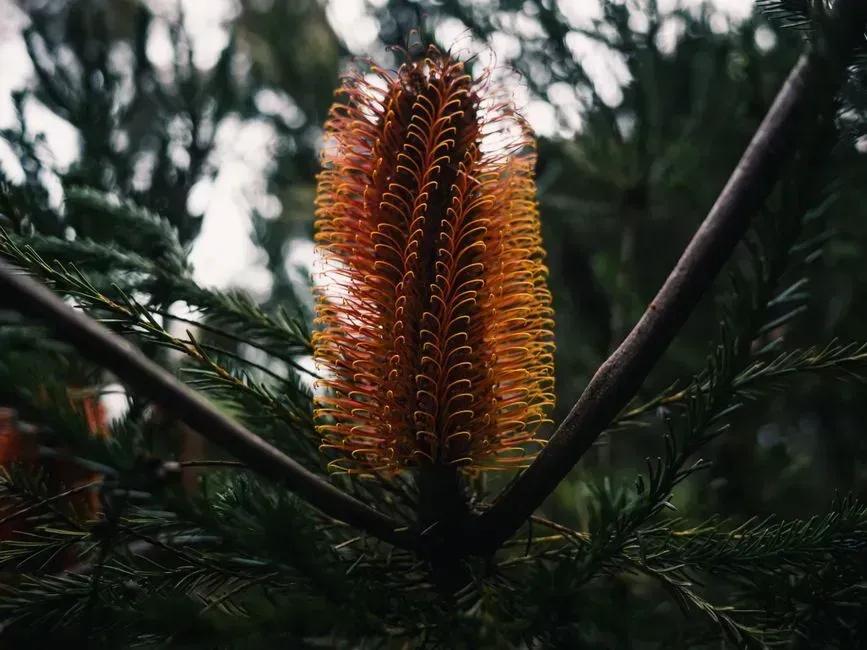
Many Australian banksias hold their seeds in woody follicles, which can remain on the plant for years. Fire triggers these structures to open, and the seeds are released into a cleared, nutrient-rich seedbed. Researchers describe this as a classic form of canopy seed storage.
Some species resprout from woody swellings at the base, while others rely entirely on seed. If fires return too frequently, young plants may not mature enough to produce seed. That’s a recognized risk for banksia woodlands under changing fire patterns.
Fire Poppy in California Chaparral
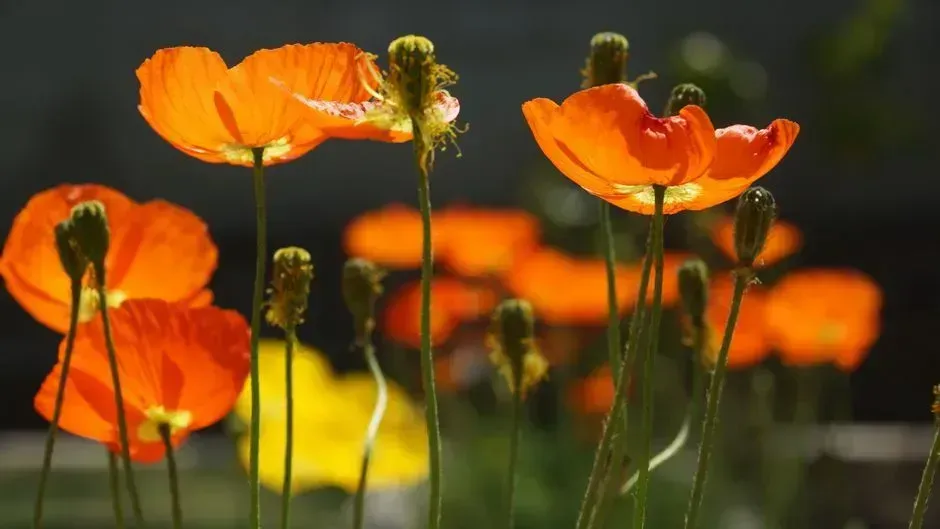
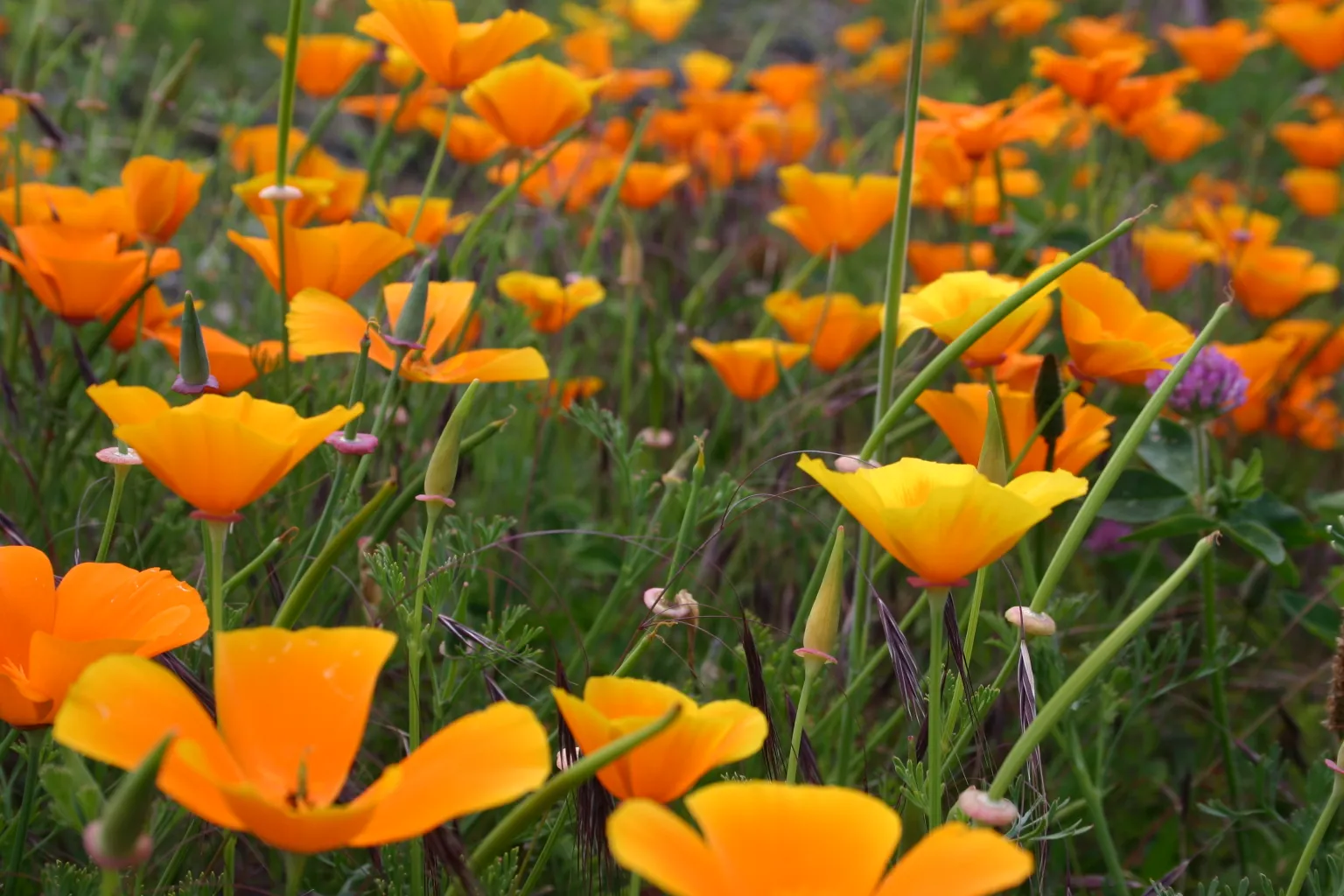
The fire poppy, Papaver californicum, is a striking example of a “fire follower.” Its seeds can lie dormant in the soil for decades and tend to appear in large numbers only after chaparral burns. Chemical cues from smoke and charred wood are thought to help break that dormancy.
Blooms are most abundant in the first spring following a fire, then fade as shrubs regrow and shade the ground. Because of this, a field of orange flowers on a blackened hillside isn’t a coincidence. It’s a seed bank responding to precisely the conditions it evolved for.
Fynbos Proteas in South Africa
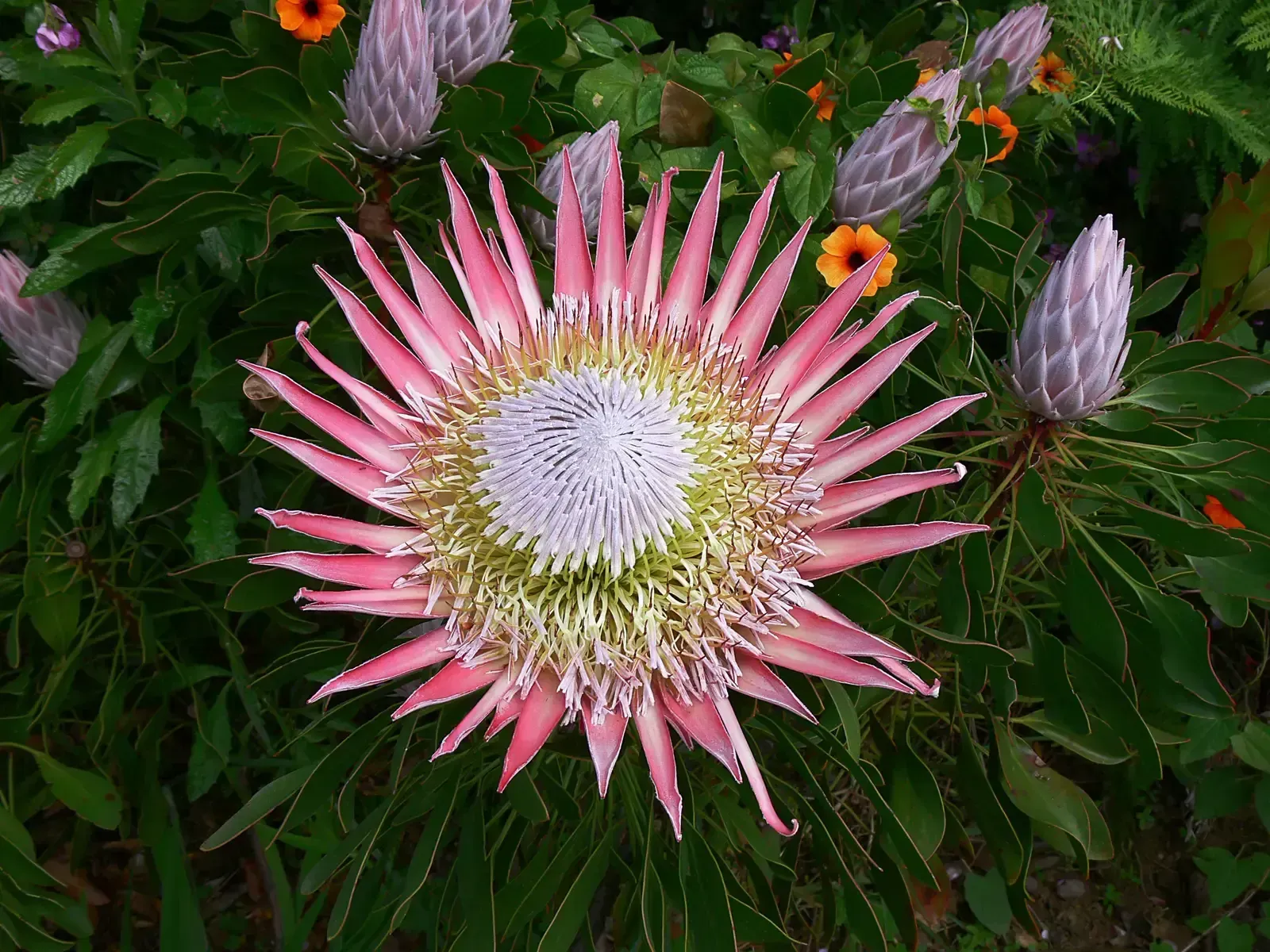
South Africa’s fynbos region is one of the most fire-adapted plant communities in the world. Many proteas store seeds in cones or heads that open after fire, and smoke has been shown to stimulate germination in numerous fynbos species. Research on smoke-derived compounds, including karrikins, grew out of work on this kind of plant response.
Fynbos typically burns on cycles of roughly a decade or more, and that rhythm matters. Burn too often and seed stores run out, while too long without fire can reduce regeneration and diversity. For many of these plants, the timing of flame is as important as the flame itself.
