


- Atlantic Hurricane Activity Has Often Rebounded After Strong El Niño Years, Records Show - November 15, 2026
- The Planet Where It Rains Liquid Glass – 7 Alien Worlds Defying Known Physics - November 14, 2026
- Stars Consuming Entire Worlds – 6 Planetary Systems Swallowing Their Own Worlds - November 14, 2026
An organic label tells you how a crop was grown. It says very little about how far the crop traveled to reach your kitchen. A bag of organic berries can cross an ocean by air and still carry the same green seal as a bag picked ten miles away.
That gap matters more for some foods than others. The swaps below focus on the cases where a nearby, in season option tends to make more sense than a shipped one, and they say plainly where the evidence is mixed.
Local Seasonal Asparagus Instead of Flown In Spears
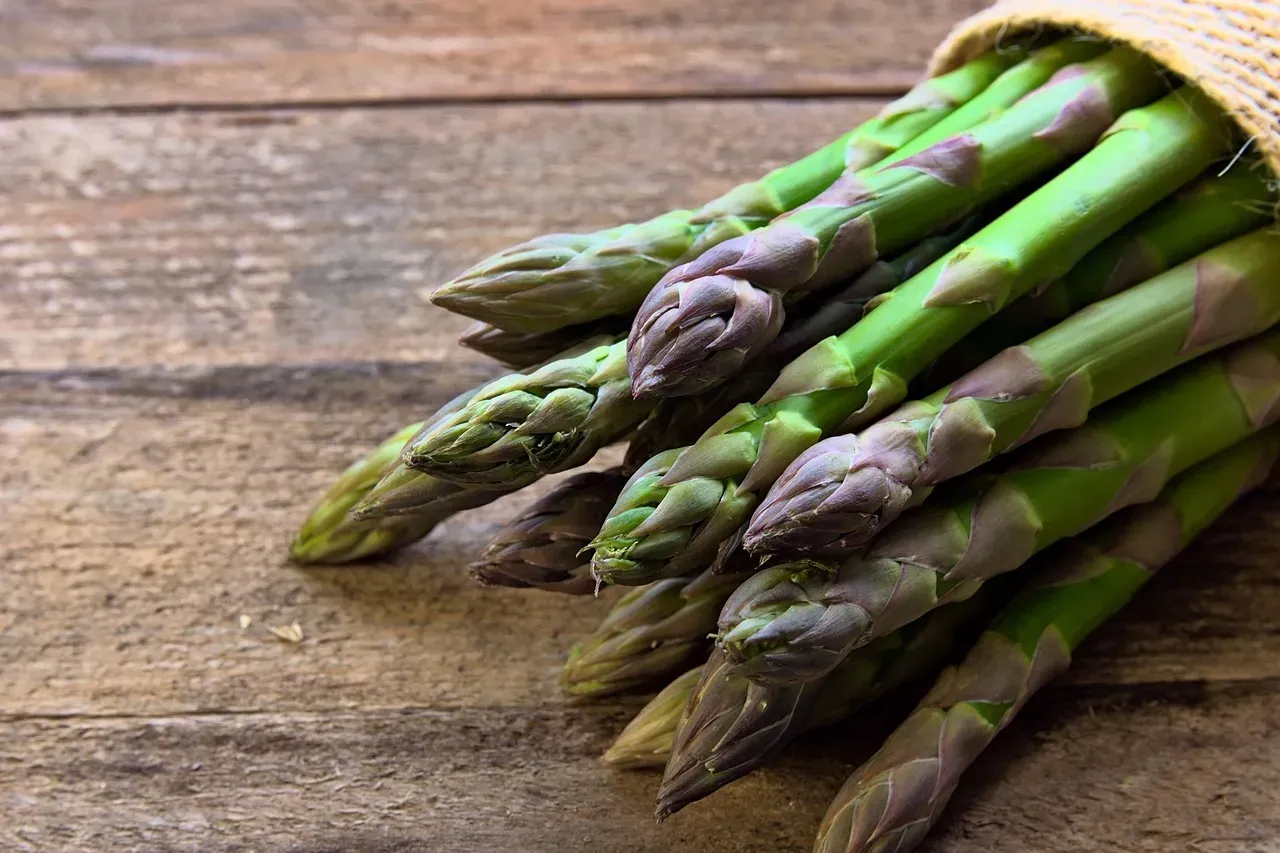
Asparagus is a textbook case for choosing local. Asparagus flown in from another continent can result in several kilograms of carbon dioxide per kilogram of produce, compared to a fraction of that when grown locally in season. Air freight is the reason, since it carries a much higher emissions load per unit of food than other transport modes.
The window is short, which is part of the appeal. Spring spears from a nearby farm are fresher, and you aren’t paying for an overnight flight in carbon or in price. Buy them in season, then skip them for the rest of the year.
Nearby Orchard Apples Instead of Shipped Organic Fruit
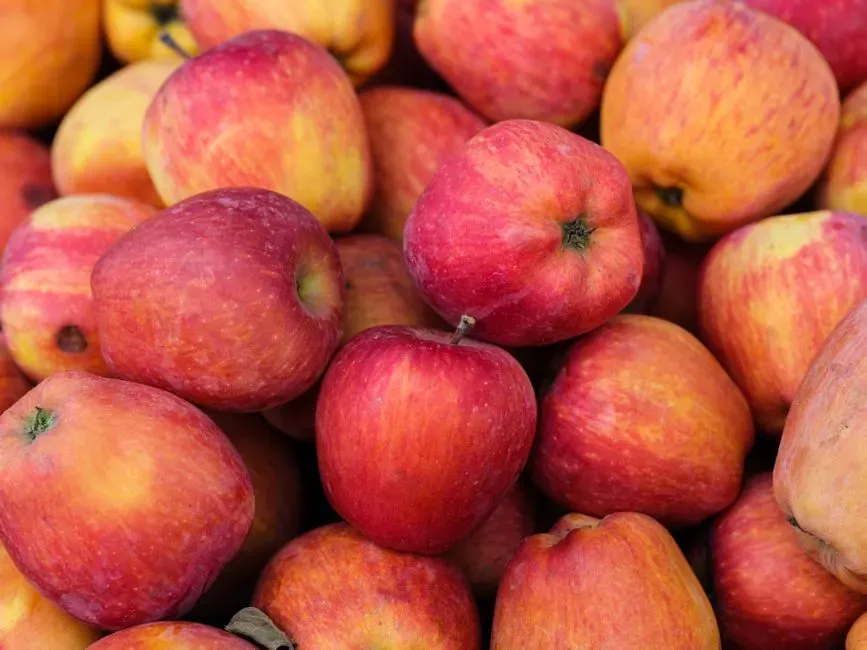
Apples store well, which makes them one of the easier local swaps. Regional growers can supply fruit for many months after harvest, so you rarely need an imported substitute. Shipping by sea is relatively efficient, so the climate gap here can be modest.
The stronger argument is practical. Local fruit often travels fewer days from tree to shelf, and you can ask the grower directly about their methods. If the orchard isn’t certified, a conversation at a market stall can tell you a lot about spraying and soil care.
In Season Greens From Regional Growers
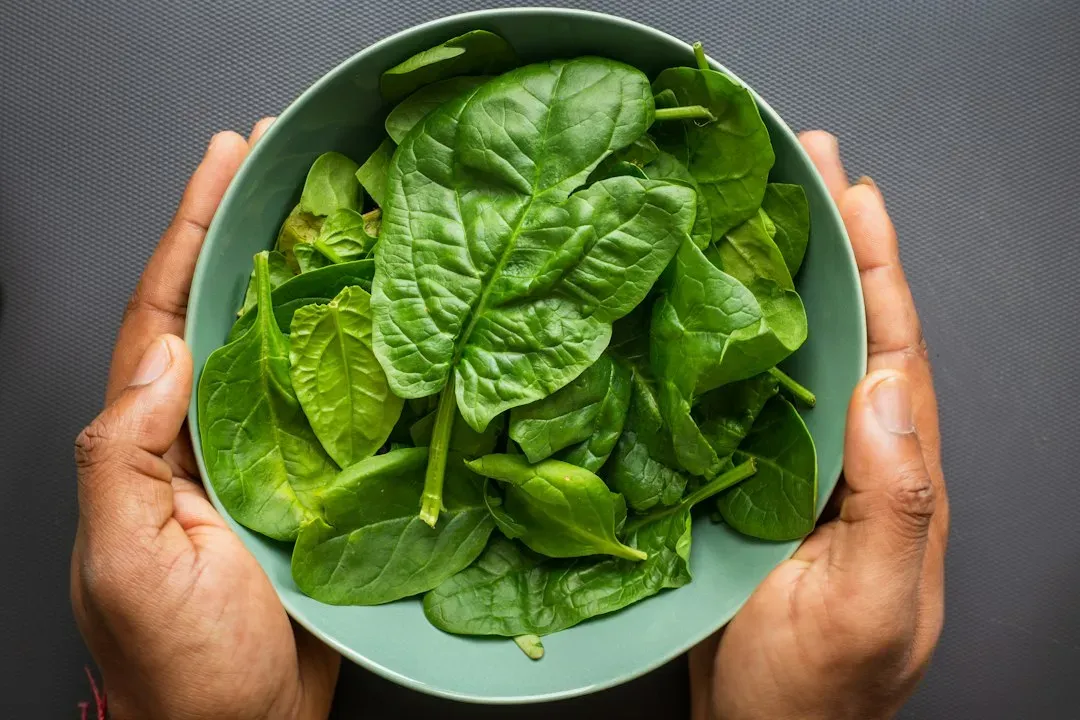
Leafy greens spoil quickly, so long supply chains lean on refrigeration and fast transport. Local greens skip much of that. Spinach, kale, and lettuce grown within driving distance spend less time in cold storage and arrive in better shape.
Season matters here as much as distance. Local seasonal food is great, but local out of season food grown in heated greenhouses can have a larger carbon footprint than imported alternatives. So the swap works best in the months when your region grows greens outdoors.
Locally Milled Grains and Oats
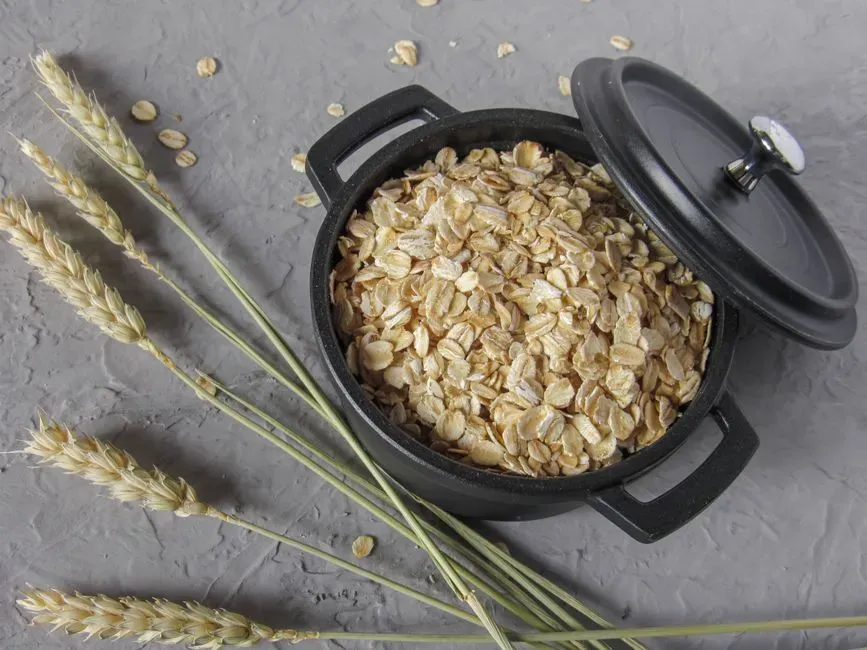
Grains travel well, which is why they move around the world in bulk. That also means local versions are a choice about supply chains and community more than a dramatic climate win. Many regions now have small mills selling oats, wheat, and rye from nearby fields.
Shipping by sea is the least carbon intensive way to move food over long distances. The Nature Food study found that 93 percent of international food transport relies on shipping, a relatively low carbon option. A local mill won’t transform your footprint, but it does shorten the chain and gives you someone to ask about growing practices.
Regional Root Vegetables Instead of Imported Organic Stock
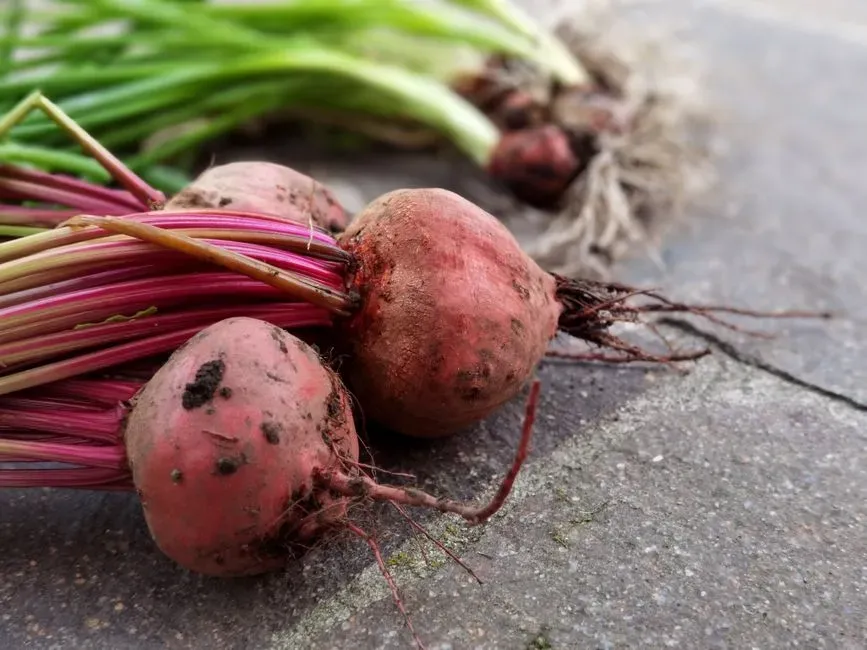
Carrots, beets, potatoes, and onions are built for storage. A cellar or cold room lets regional farms sell them through winter, so imports are rarely necessary. These crops also don’t need heated greenhouses or air freight to reach you.
Ask for them at farm stands or through a vegetable box scheme. Dirt on the skin is a small sign that they came straight from nearby soil, not through a long distribution network.
Local Berries in Peak Season

Berries are fragile, and that’s what makes imported ones tricky. Delicate fruit is often moved by air or in tightly controlled cold chains to protect it. Strawberries or blueberries picked nearby can be harvested riper because they don’t have to survive a long trip.
Freezing is a useful workaround. Local berries bought at peak and frozen at home give you winter fruit without the need for a long haul shipment. Check labels on supermarket berries so you know where they came from.
Regional Dairy and Eggs Instead of Distant Organic Brands
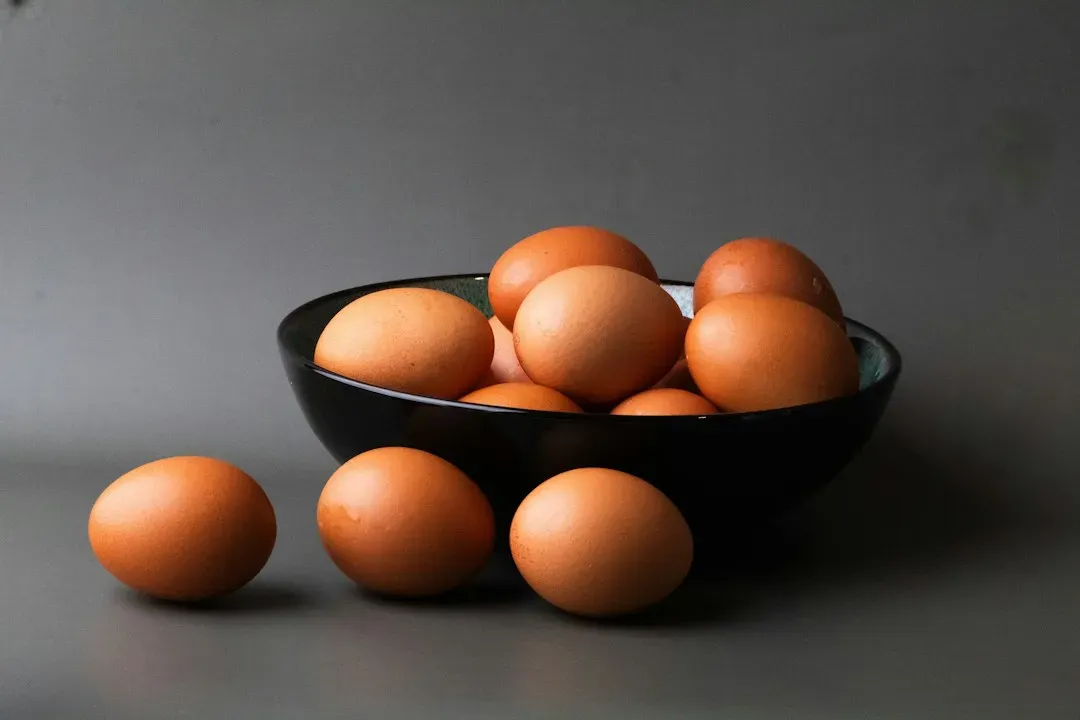
Dairy and eggs are where the numbers get complicated. Production, especially of animal products, is the dominant factor in a food’s climate impact. Most life cycle assessments show transport emissions usually account for less than a tenth of the total.
So a nearby farm isn’t automatically greener, and distance alone shouldn’t decide the matter. Still, regional producers shorten the cold chain and let you check animal care and feed yourself. Cutting back on meat tends to matter more than where it comes from. The lead author of the Nature Food study said eating local should be paired with eating seasonal and reducing meat consumption.
What the Research Says About Distance

The numbers are worth keeping in view. Global food miles emissions account for nearly one fifth of total food system emissions, according to research published in Nature Food. Yet ending all international food transport would cut food miles emissions by just 9 percent.
Domestic travel counts too. While international transport drives 71 percent of food miles, domestic transport emissions are 1.3 times higher overall. Local buying helps most when it means seasonal food, avoids air freight, and doesn’t involve a long solo car trip.
