


- Atlantic Hurricane Activity Has Often Rebounded After Strong El Niño Years, Records Show - November 15, 2026
- The Planet Where It Rains Liquid Glass – 7 Alien Worlds Defying Known Physics - November 14, 2026
- Stars Consuming Entire Worlds – 6 Planetary Systems Swallowing Their Own Worlds - November 14, 2026
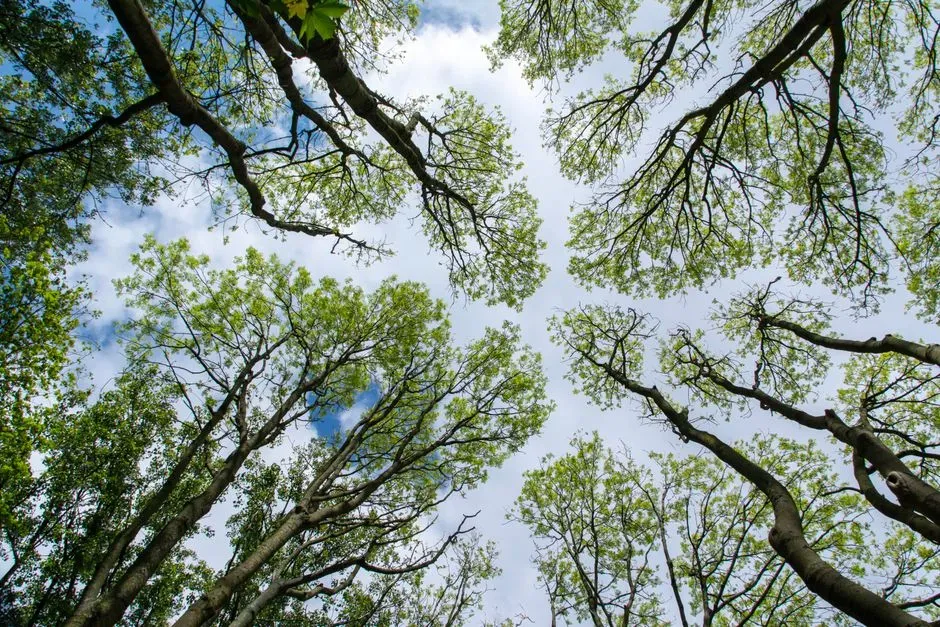
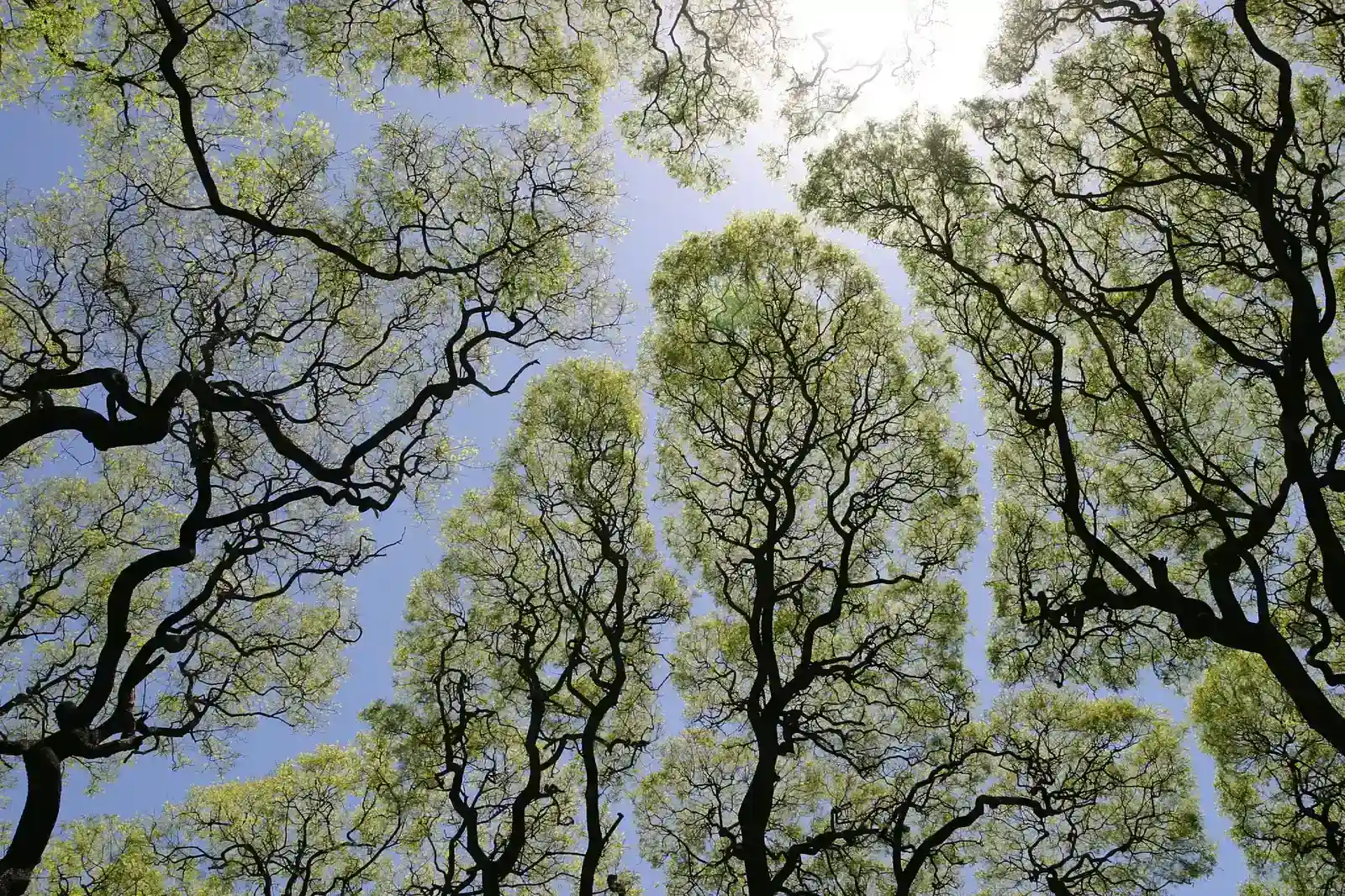
Stand in certain forests and look straight up, and you’ll see something that seems almost designed. The treetops form a pattern of bright channels, like rivers of sky running between islands of leaves. The crowns sit close together, yet they hardly ever merge.
This is called crown shyness. It has been documented in forests from Malaysia to North America, and scientists still disagree about exactly why it happens. What follows are five patterns that seem to govern it, along with what researchers can and can’t say about each.
Rule One: Neighbors Keep Their Distance
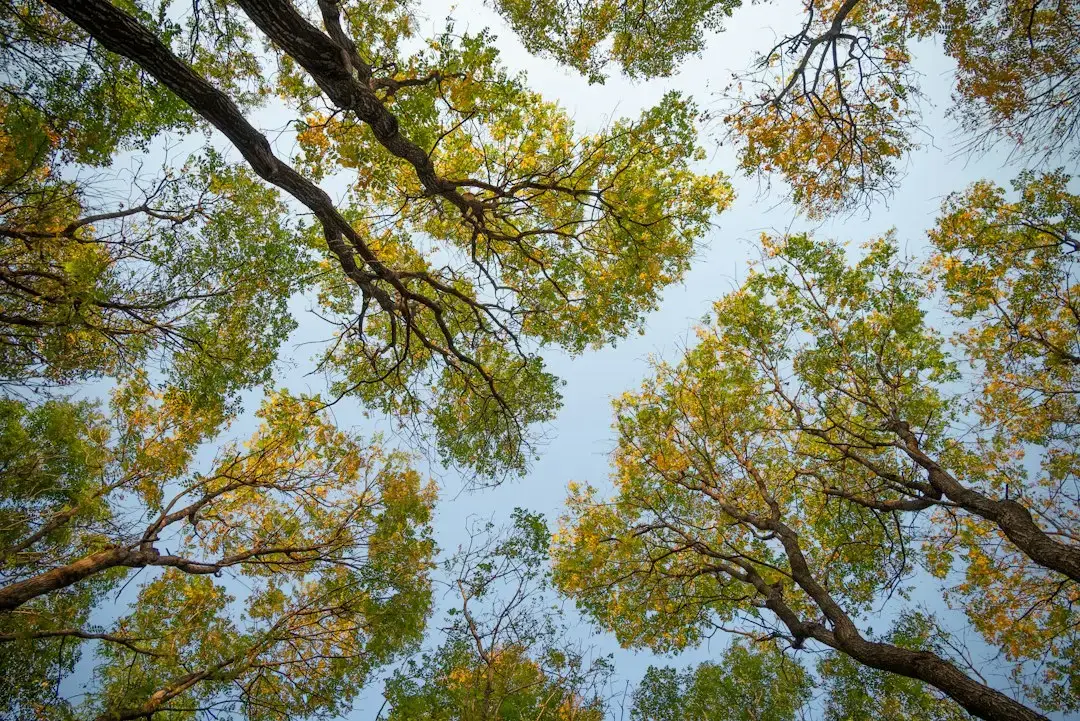
The defining feature is the gap itself. In affected stands, the outer edges of neighboring crowns stop growing before they interlock, leaving a narrow, visible border. From below, the canopy looks like puzzle pieces that have been pulled slightly apart.
The gaps are often only a few centimeters to a few tens of centimeters wide. That’s small enough to miss from the ground but obvious in a photograph taken looking up. The effect tends to be clearest on calm days with a clear sky.
Rule Two: It Shows Up Across Many Species
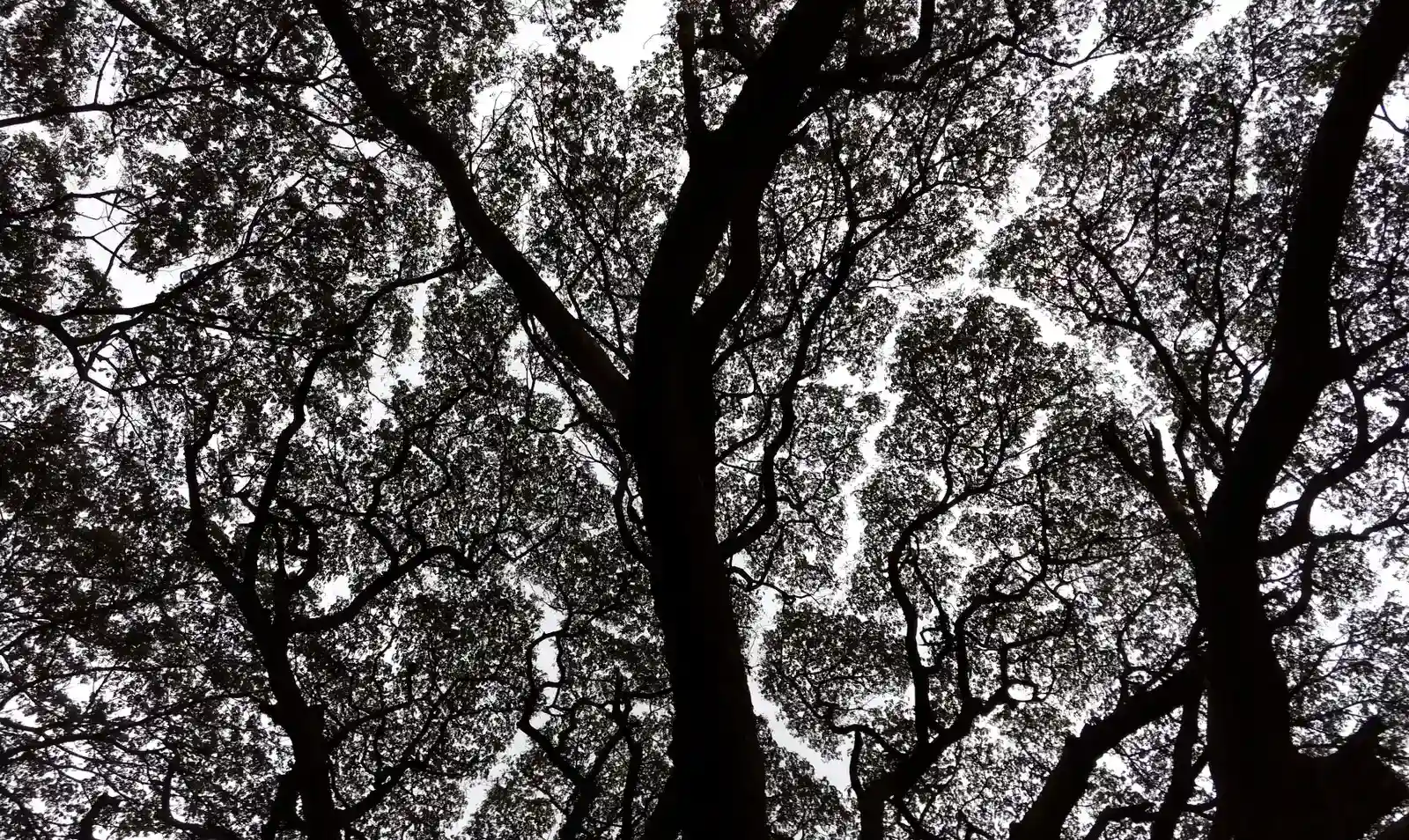
Crown shyness isn’t limited to one kind of tree. It has been reported in tropical hardwoods such as kapur (Dryobalanops aromatica) in Malaysia. It has also been reported in conifers such as lodgepole pine and in mangroves and some eucalypts.
Even so, not every tree of a given species does it, and not every forest shows it. Researchers note that it is more common in some stands than in others, which suggests that local conditions matter as much as genetics. That uneven pattern is one reason a single explanation has been hard to pin down.
Rule Three: Wind May Do the Pruning
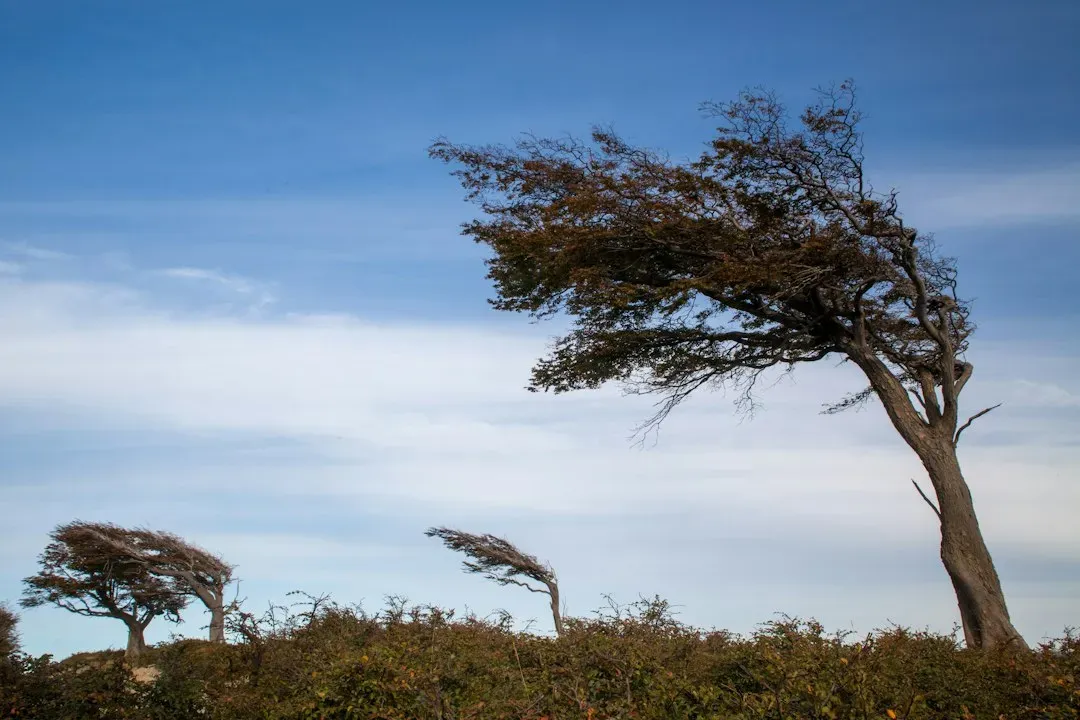
The most widely discussed explanation is mechanical. When branches sway in the wind, their tips collide and rub against each other. That abrasion can damage young shoots and leaves, so growth at the contact points gets cut back.
Field work in tropical forests in the 1980s supported this idea, showing that colliding branches could injure each other’s tips. The theory also fits the observation that the gaps are most obvious in exposed, windy places. Still, it doesn’t easily explain gaps in stands that see little wind.
Rule Four: Light Might Be the Signal
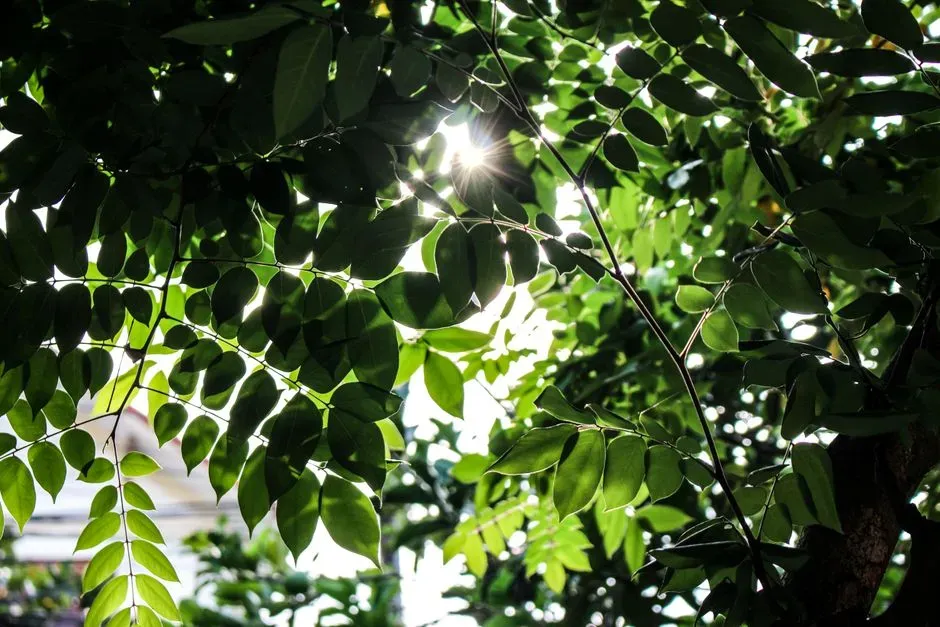
A second explanation involves light. Plants can detect the ratio of red to far red light, which changes when leaves from nearby plants reflect and filter sunlight. Some researchers have suggested that shoots use this cue to stop growing toward a neighbor.
Experiments on young plants have shown that growth can respond to these light signals. It’s a plausible mechanism, and it could work alongside wind damage instead of replacing it. However, direct proof that light sensing is what creates the gaps in mature forest canopies remains limited.
Rule Five: The Gaps May Serve a Purpose
Some scientists have asked whether the gaps benefit the trees. One proposal is that open channels make it harder for leaf eating insects to crawl or spread from one crown to the next. Another is that the gaps let more light reach lower leaves, which could improve photosynthesis across the whole stand.
These ideas are hypotheses, not settled findings. Researchers have not agreed on whether the gaps are an adaptation or simply a side effect of wind and growth patterns. The question is still open.
Where the Evidence Stands
Crown shyness is real, widespread, and easy to photograph, yet its cause isn’t fully resolved. Wind abrasion and light sensing are the two best supported explanations, and they may both play a part.
Insect defense and light sharing remain possible benefits rather than proven ones. The best way to see it for yourself is to find a stand of trees on a clear day and look up.
