

- Record planetary extremes loom as the world’s largest climate summit begins - November 12, 2026
- Will travel insurance cover weather-related flight delays and cancellations? - November 11, 2026
- 8 Cities Where the Weather Changes So Fast Locals Carry Everything - November 11, 2026
U.S. Space & Rocket Center, Huntsville, Alabama
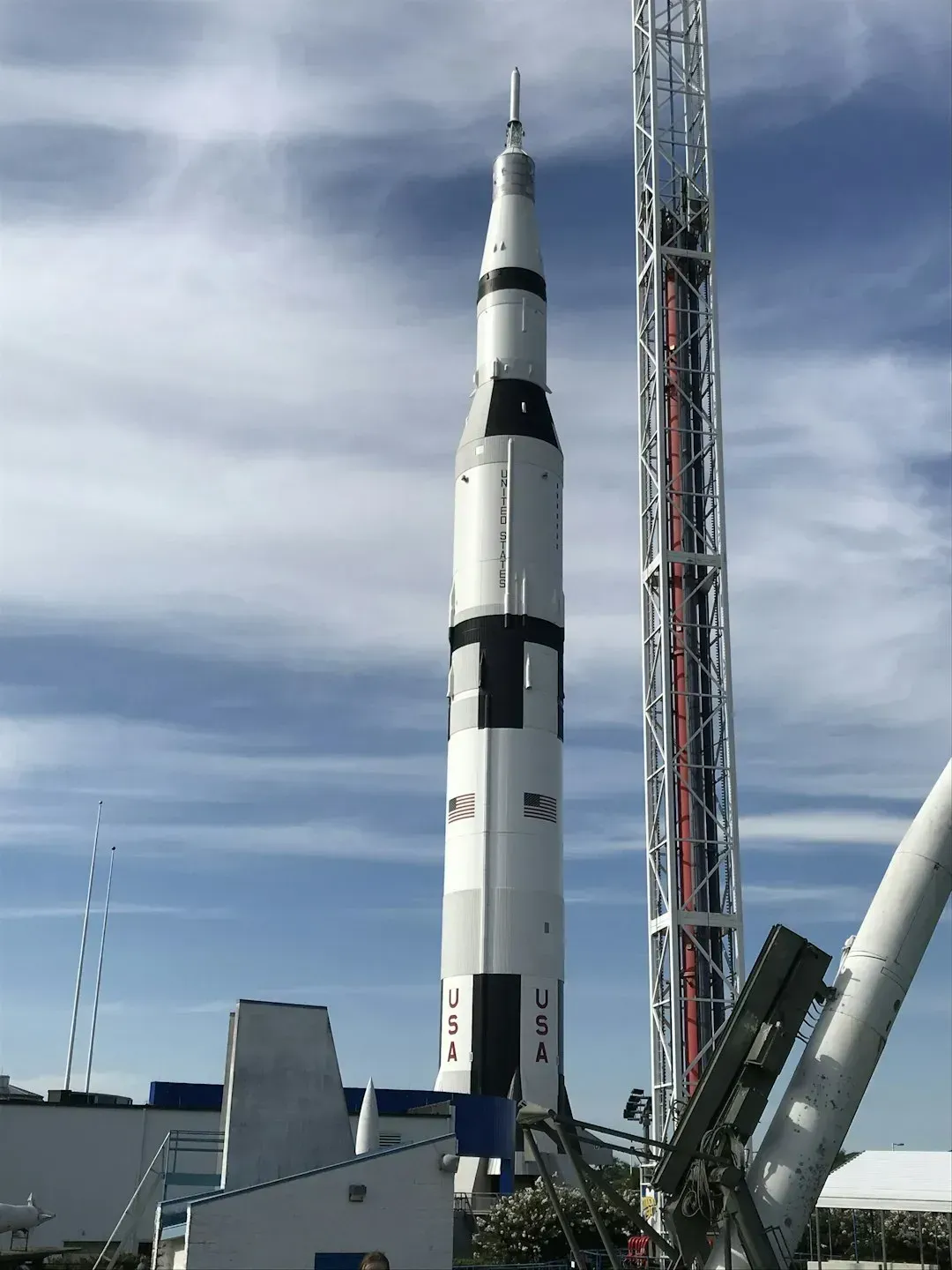
Huntsville earned its “Rocket City” nickname because this is where Wernher von Braun’s team turned a sleepy Alabama town into the technical heart of America’s space program. Von Braun and his team of rocket scientists transformed Huntsville from a place known as the “Watercress Capital of the World” into a technology center that today is home to the second largest research park in the United States and the U.S. Space & Rocket Center. The museum itself is enormous, and it ranks among the largest museums of its kind in the world, with the largest collection of space artefacts.
The centerpiece is hard to miss from the highway. In 1999, a full-scale model of the Saturn V rocket was erected, standing nearly twice as tall as the vertical Saturn I rocket that had served as a distant landmark since 1969. The site also hosts the original Space Camp, and more than 750,000 students and adults have conducted simulated missions there over the years. Give yourself a full day here, since visitors can stand beneath the world’s only full-stack Space Shuttle, complete with two solid rocket boosters and external tank, or walk the length of a suspended authentic Saturn V moon rocket.
Marshall Space Flight Center, Huntsville, Alabama
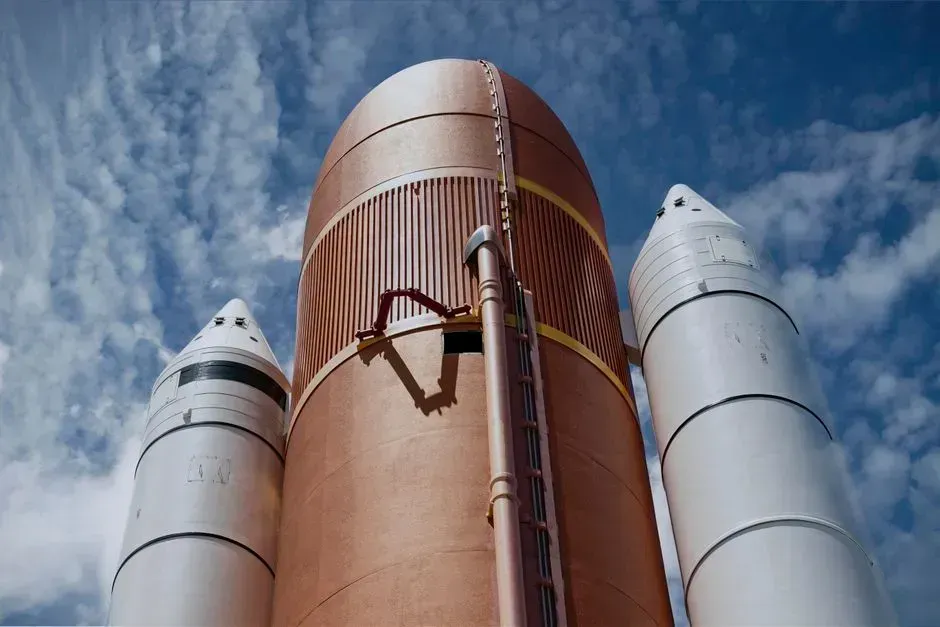
Just next door to the Rocket Center sits the working facility that made Huntsville’s reputation possible. The U.S. Space and Rocket Center is right next door to NASA Marshall, where NASA develops and tests a wide range of items relating to the U.S. space program, with a major focus on rocket engines. Marshall isn’t generally open for casual walk-in visits the way a museum would be, but its presence shapes everything around it, from the research park that grew up beside it to the engineers who still call Huntsville home.
For travelers, the practical move is to treat Marshall as context rather than a separate ticketed stop. Driving past the perimeter or catching a glimpse of the campus from the Rocket Center grounds is often enough to appreciate that Huntsville isn’t a museum town pretending to have space history. It’s an active NASA center with a museum attached, which is a different and more interesting thing entirely.
INFINITY Science Center, Pearlington, Mississippi
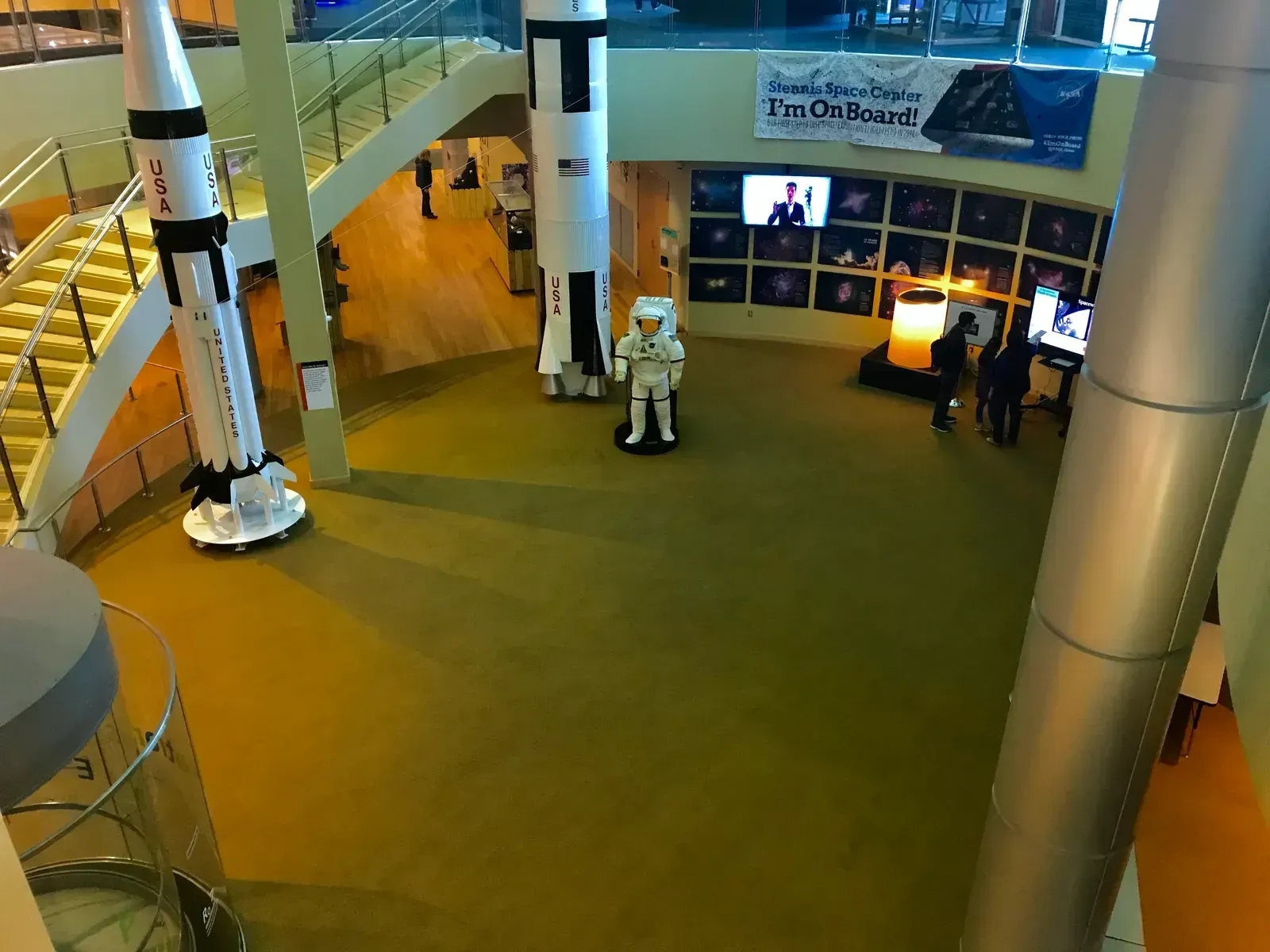
Heading south and west along the Gulf Coast, INFINITY Science Center makes a natural highway stop just off Interstate 10. Located on the Mississippi Gulf Coast, it is a non-profit science museum that also serves as the official visitor center for NASA Stennis Space Center. The museum sits on 35,000 square feet of Earth science, space, engineering and technology content, spiced with innovative programming and interactive experiences that appeal to all ages.
Inside, the exhibits lean into both halves of Stennis’s mission. There’s a shuttle flight deck landing simulator, model planes, and space suits, alongside a mid-century re-creation of Wernher von Braun’s office that once overlooked Stennis from the campus tower. The film “Swamps to Space” is worth catching too, since it covers Stennis Space Center’s beginnings in the marshes of Hancock County, along with recognition of the towns displaced when the government invoked eminent domain in 1961.
NASA Stennis Space Center, Bay St. Louis, Mississippi
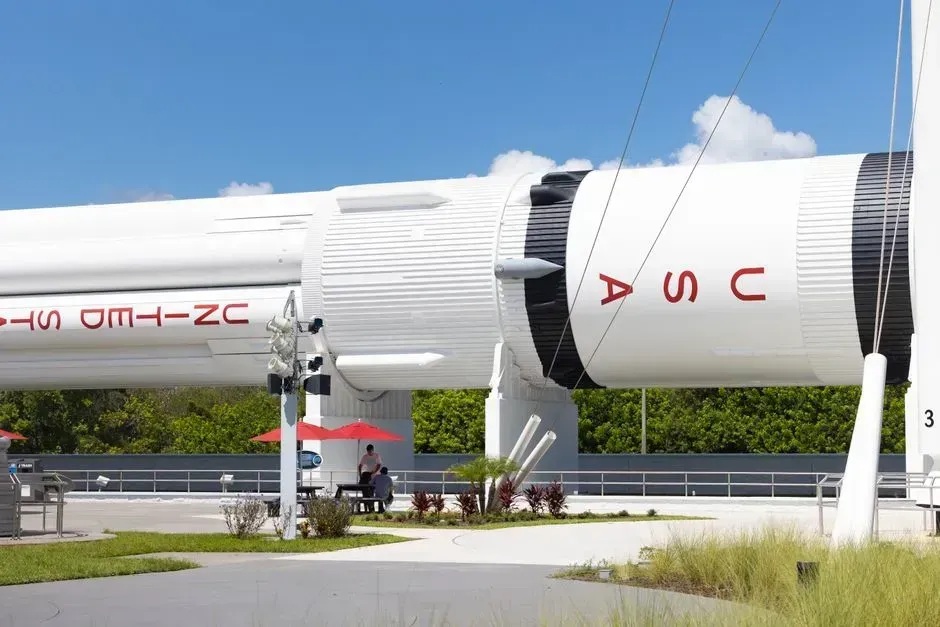
Stennis itself is a working test site rather than a tourist attraction, but it deserves its own stop on the itinerary because of what it actually does. NASA’s Stennis Space Center in south Mississippi operates as the agency’s primary, and America’s largest, rocket propulsion test site. The scale of the operation is genuinely surprising for a rural stretch of the Gulf Coast: more than 50 federal, state, academic, public, and private organizations are located onsite, and their combined workforces of more than 5,200 employees would rank among the top 10 Mississippi companies in size.
Stennis has been testing rocket engines for decades, and the numbers back that up. In 1975, NASA Stennis conducted its first test of a space shuttle main engine, and the next 34 years of shuttle engine testing would help define the center and its future as the nation’s premier propulsion test site. Today the site continues testing hardware for the Artemis program, tying it directly to the next generation of moon missions.
Michoud Assembly Facility, New Orleans, Louisiana
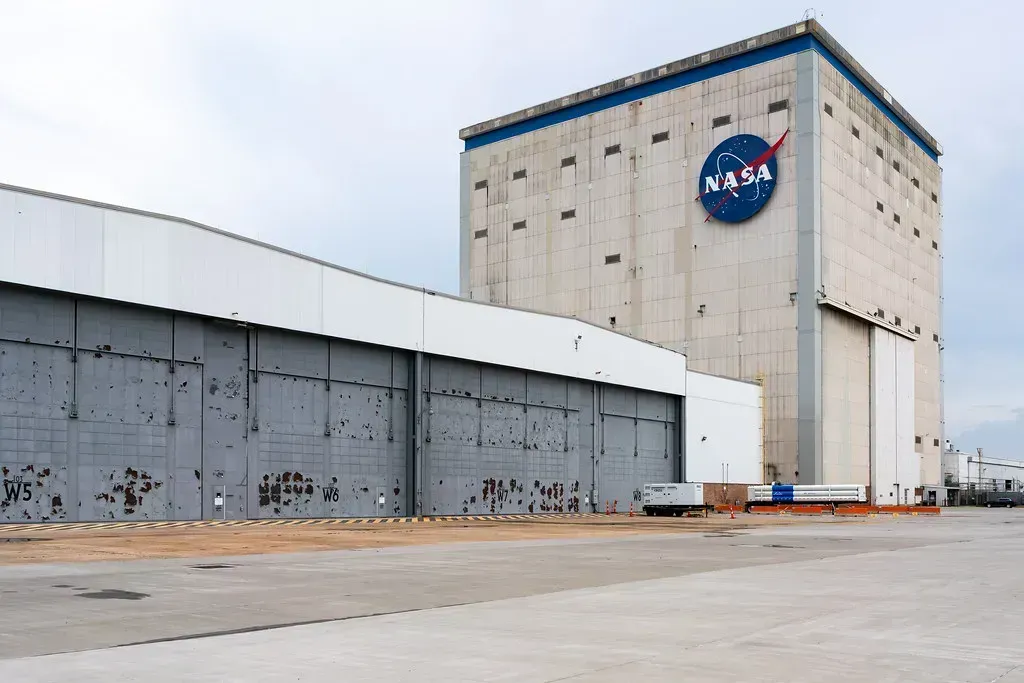
Tucked into eastern New Orleans, Michoud Assembly Facility is one of NASA’s least publicized but most important sites, historically responsible for building the massive fuel tanks and rocket stages that never could have been trucked in from anywhere else. It’s where the external tanks for the Space Shuttle program were manufactured for decades, and it now builds core stages for the Space Launch System rocket used in the Artemis missions. Public access is limited compared to the other stops on this list, since Michoud remains an active manufacturing facility rather than a visitor complex.
Still, driving past or catching a scheduled tour when one is offered gives a sense of just how much of America’s rocket hardware has physically passed through the Louisiana bayou before ever reaching a launch pad. It’s a useful reminder that the space program isn’t only about launch sites and mission control rooms. Somewhere, massive metal structures the size of buildings have to actually get built, and for the biggest ones, Michoud has quietly been the place for over sixty years.
Space Center Houston / NASA Johnson Space Center, Houston, Texas
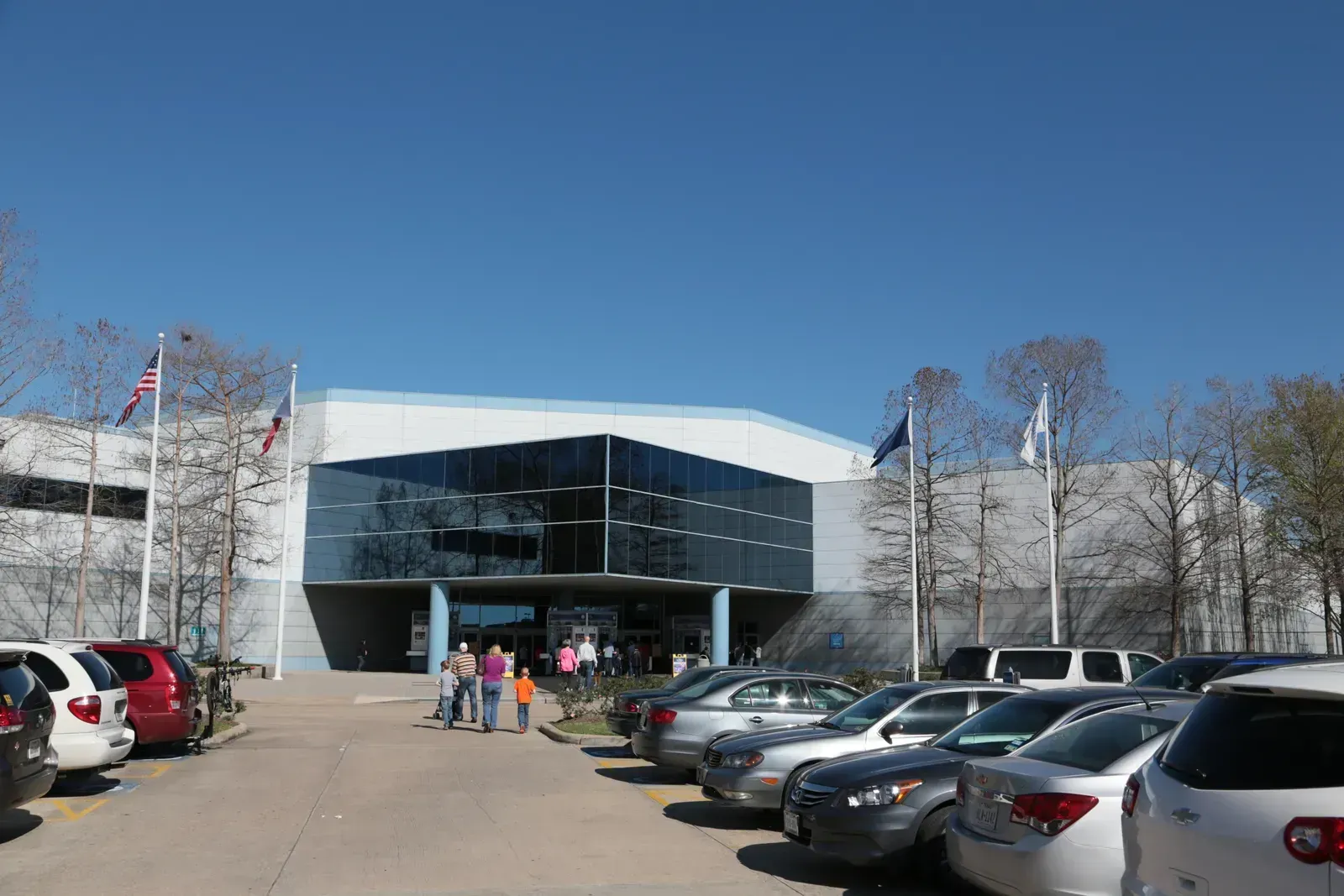
Space Center Houston is the public-facing museum, and NASA Johnson Space Center is the working campus behind it, and the distinction matters once you arrive. Johnson Space Center, commonly shortened to JSC, is the working campus across NASA Parkway, and NASA identifies it as the home of America’s astronaut corps, Mission Control, and major International Space Station, Orion and Gateway activities. The way most visitors actually see that campus is through the tram system, since a standard admission ticket does not permit unrestricted walking through the NASA campus, and NASA Tram Tours are the normal route into the visitor-accessible parts of JSC.
The tours cover real, functioning history rather than replicas. Tram tours are the most popular attraction at Space Center Houston and fill up quickly, giving visitors the option of visiting Rocket Park, home of the 363-foot-tall Saturn V rocket, and the Astronaut Training Facility tour featuring the Space Vehicle Mockup Facility used for astronaut training. Because JSC is an active facility, a tour description should be treated as an expected itinerary rather than a guarantee that every listed building will be open on any given day.
New Mexico Museum of Space History, Alamogordo, New Mexico
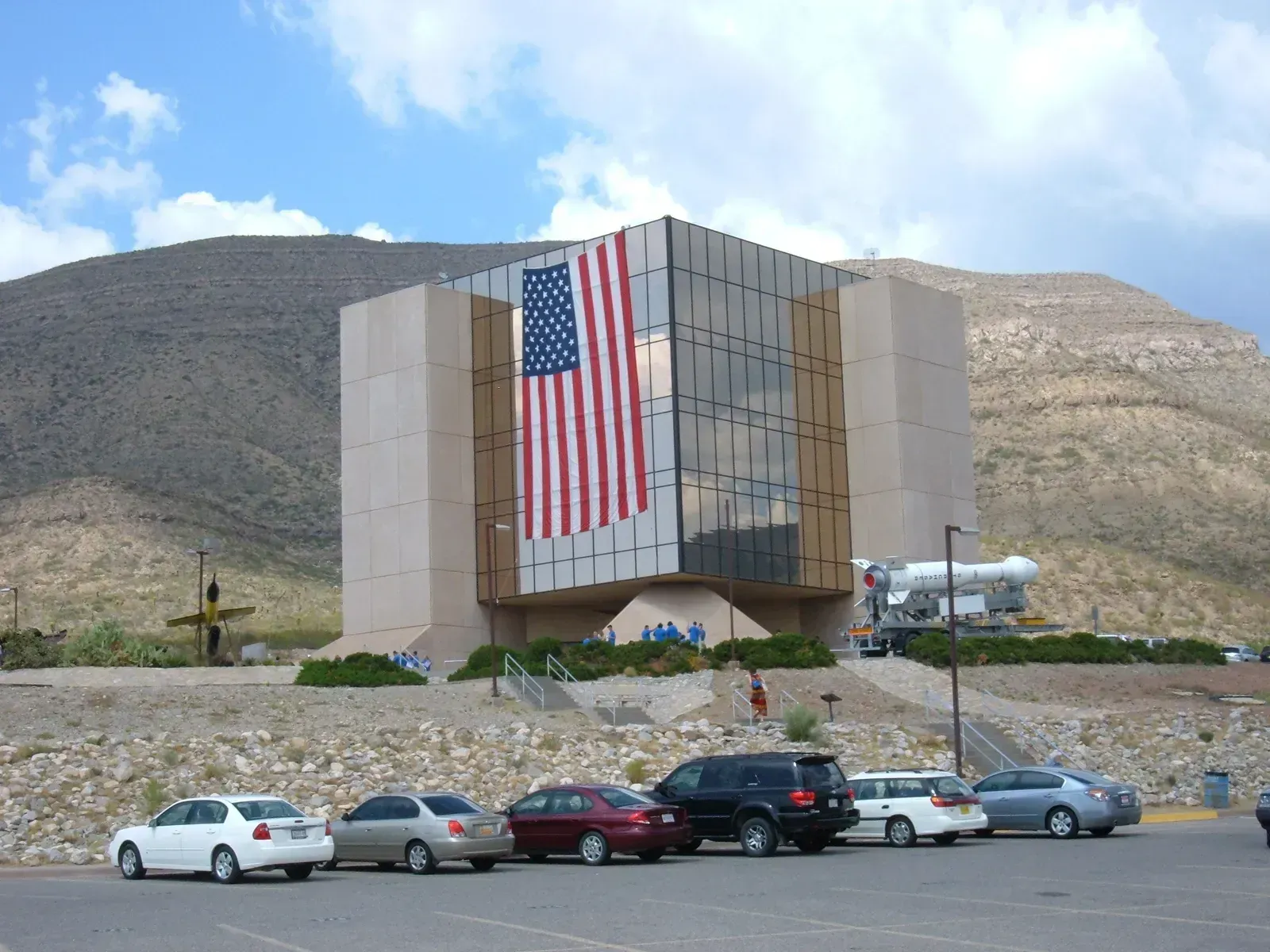
Set against the backdrop of the Sacramento Mountains, this museum sits close to White Sands and traces its roots to the early rocket testing that happened in the New Mexico desert after World War II. The exhibits move chronologically from captured German V-2 hardware through the Mercury and Gemini eras and into the Space Shuttle and modern commercial spaceflight periods. It’s a smaller, quieter stop than Houston or Huntsville, but that’s part of its appeal for travelers who want context without crowds.
The museum also anchors the International Space Hall of Fame, which recognizes astronauts, scientists, and engineers from around the world rather than focusing narrowly on American achievements. For a Southern road trip that’s otherwise heavily weighted toward Alabama, Texas, and Florida, Alamogordo adds a useful desert-testing chapter to the story. Rockets were flying and failing in these dry basins years before Cape Canaveral became the household name it is today.
White Sands Missile Range Museum, White Sands, New Mexico
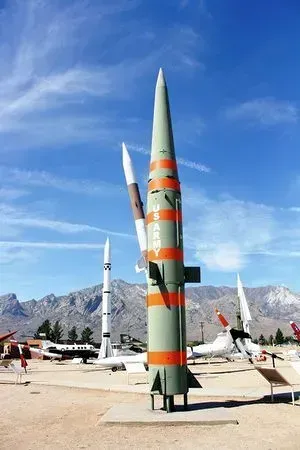
A short drive from Alamogordo, White Sands Missile Range Museum sits at the site where the United States tested captured V-2 rockets in the years right after World War II, before Cape Canaveral existed as a launch facility. The outdoor missile park displays dozens of rockets and missiles across decades of American testing, giving a hands-on sense of how quickly rocket technology evolved between the 1940s and the space race. It’s free to visit, which makes it an easy addition even on a tight schedule.
What makes this stop worthwhile is the sense of continuity it provides. The same broad desert basin that hosted early V-2 launches later supported shuttle landings and continues to support missile and rocket testing today. Few places in the country let you stand in one spot and mentally connect eight decades of American rocketry so directly.
Kennedy Space Center Visitor Complex, Merritt Island, Florida
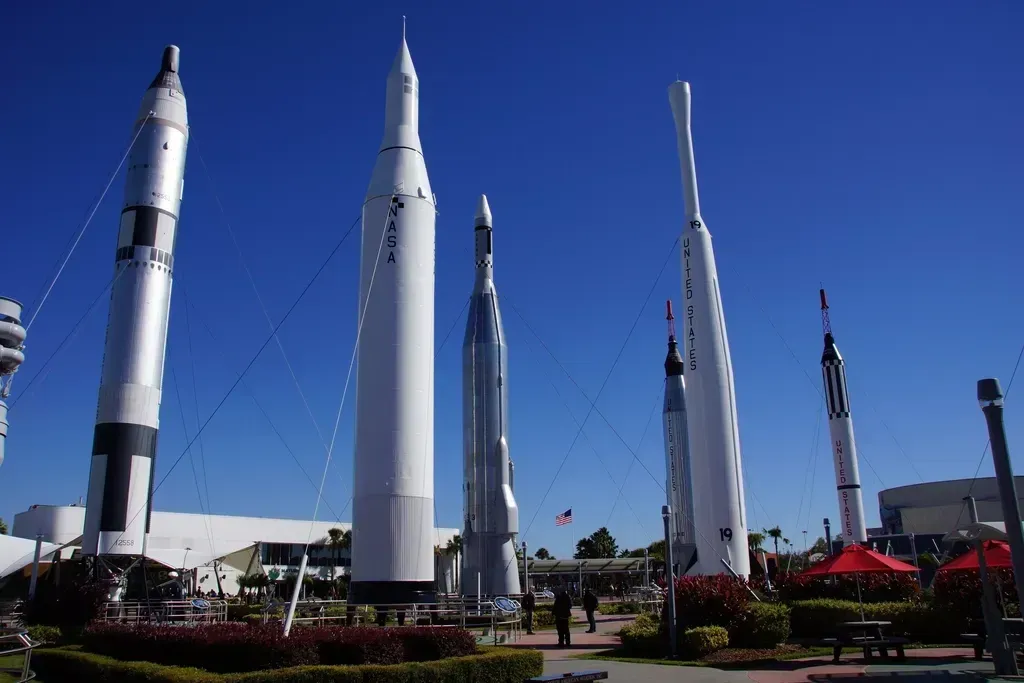
By the time a Southern space road trip reaches Florida, it arrives at the most recognizable stop of them all. Built in 1967, the visitor complex is today one of Central Florida’s most popular tourist destinations. It’s organized thoughtfully too, since Kennedy Space Center Visitor Complex is organized into Mission Zones where attractions and tours are grouped by chronological era, letting visitors get an up-close, hands-on feel for the story of humans in space from the dawn of exploration to current missions.
The Space Shuttle Atlantis exhibit remains the emotional centerpiece for most visitors, and it contains the Atlantis orbiter itself along with the Shuttle Launch Experience, a simulated ride into space, while the center also provides astronaut training experiences including a multi-axial chair and Mars Base simulator. A bus tour is included with general admission, and it encompasses the separate Apollo/Saturn V Center, where the actual scale of a Saturn V rocket becomes clear in a way photographs never quite capture.
Cape Canaveral Space Force Station and Launch Complex 39A, Florida
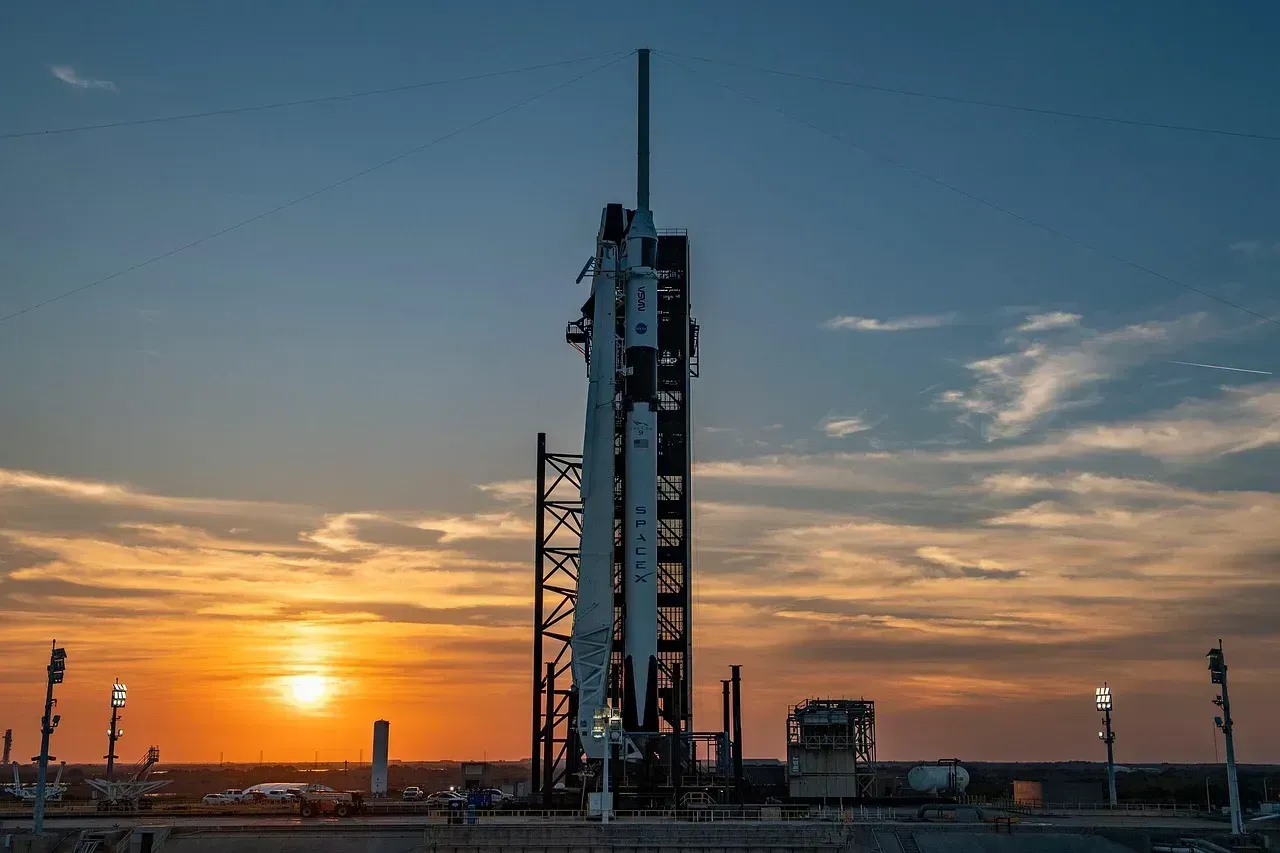
Just north of the Kennedy Space Center Visitor Complex sits the launch infrastructure itself, including the historic pads that sent Apollo astronauts to the moon and now support commercial crewed missions to the International Space Station. Launch Complex 39A, in particular, carries a direct line of history from the Apollo program through the Space Shuttle era and into the current commercial launch age. Access to the working parts of Cape Canaveral is restricted, but the area remains one of the best places in the country to actually witness a live rocket launch from a reasonable distance.
For travelers timing their trip around a launch, this stop can be the highlight of the entire itinerary rather than a footnote. Seeing a rocket physically leave the ground, with the sound arriving seconds after the light, is an experience no museum exhibit fully replicates. It’s also a fitting place to end a Southern space history road trip, since it connects the earliest testing grounds in New Mexico and Alabama all the way through to rockets still leaving Earth today.
