

- Real Estate Analysts Just Changed Their Mind About the Safest Places to Buy – Here’s Why - November 12, 2026
- Black Holes Firing Beams at Near-Light Speed – 5 Cosmic Engines Warping Spacetime - November 12, 2026
- Silent Rogue Worlds Drifting in Total Dark – 6 Planets Ejected From Their Star Systems - November 12, 2026
1. Restlessness and agitation during prolonged confinement
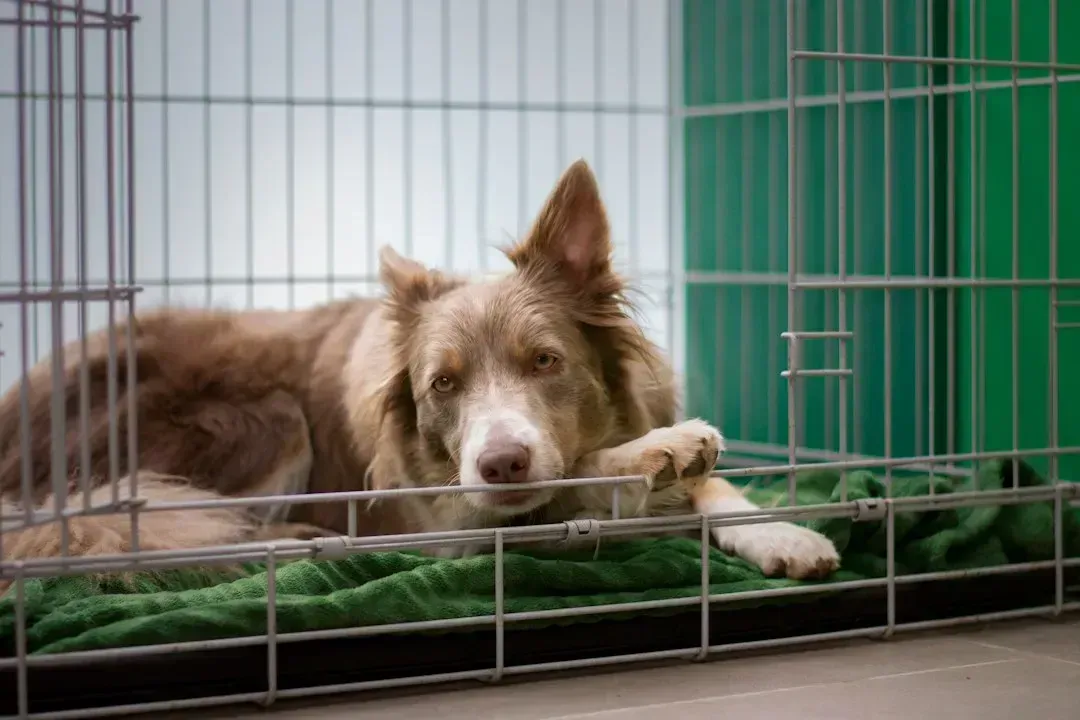
One of the earliest and most consistent behaviors researchers documented was simple restlessness. Dogs placed in increasingly smaller enclosures to mimic the eventual capsule aboard Sputnik 2 often grew fidgety and unsettled the longer they stayed inside. To adapt the dogs to the confines of the tiny cabin of Sputnik 2, they were kept in progressively smaller cages for periods of up to twenty days, and the extensive close confinement caused them to stop urinating or defecating, made them restless, and caused their general condition to deteriorate.
This wasn’t a minor inconvenience for the research team. It signaled that confinement alone, separate from any actual flight stress, was enough to produce measurable physiological and behavioral strain. Laxatives did not improve their condition, and the researchers found that only long periods of training proved effective. The lesson stuck with Soviet engineers well into the human spaceflight era.
2. Elevated heart rate and blood pressure under simulated launch stress
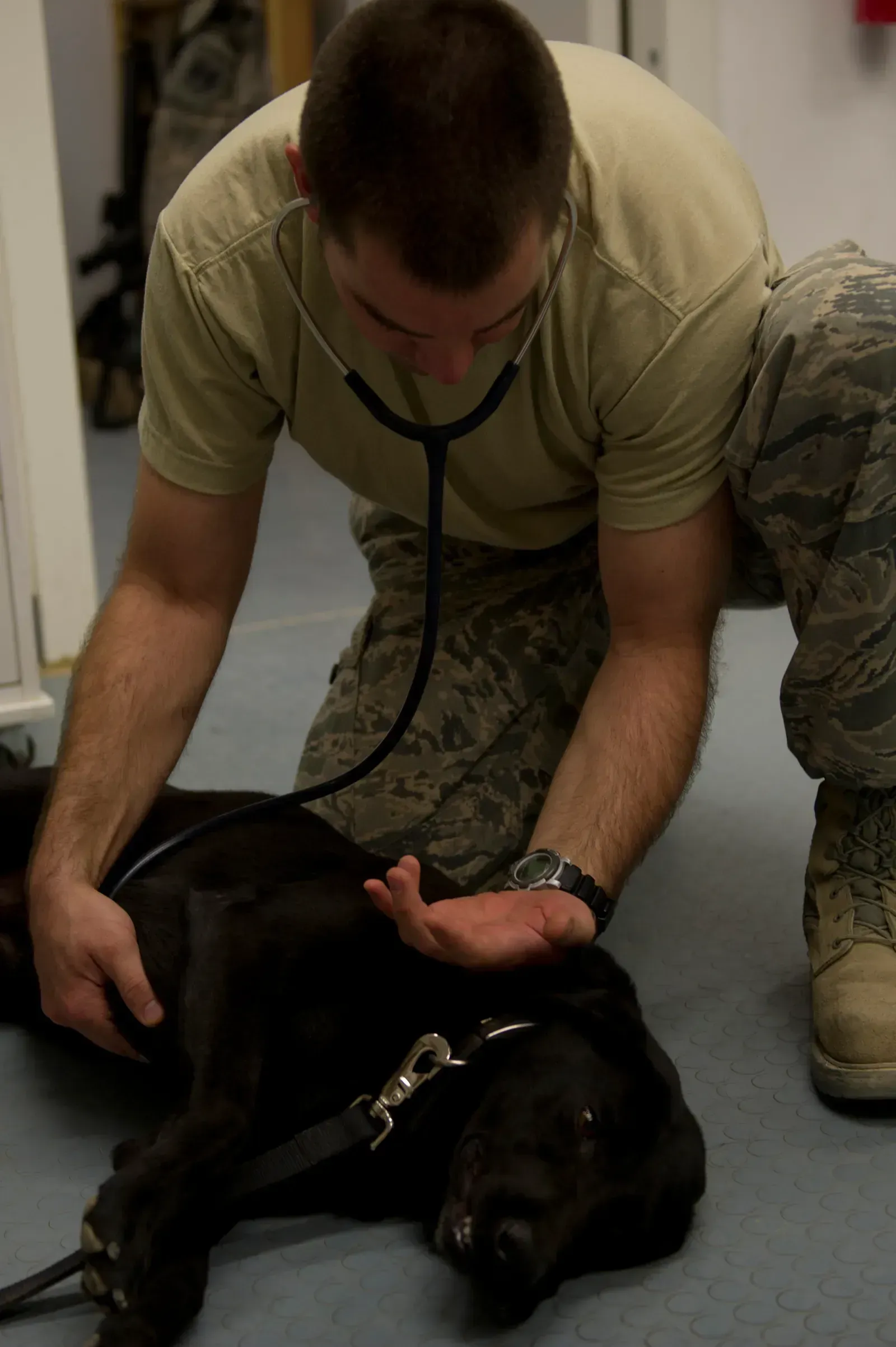
When dogs were exposed to machines that simulated the noise and vibration of an actual rocket launch, their bodies reacted in ways that were impossible to hide. The dogs were also put in centrifuges to simulate the force of a rocket launch and put in machines that made the noises of the spacecraft, which made their heart rates double and their blood pressure increase. These weren’t subtle shifts.
Some records get even more specific about the scale of the change. This caused their pulses to double and their blood pressure to increase by 30 to 65 torr. For scientists trying to figure out whether a living creature could survive the mechanical violence of a launch, these readings were the closest thing they had to a direct answer.
3. Attempts to escape tight confinement cells
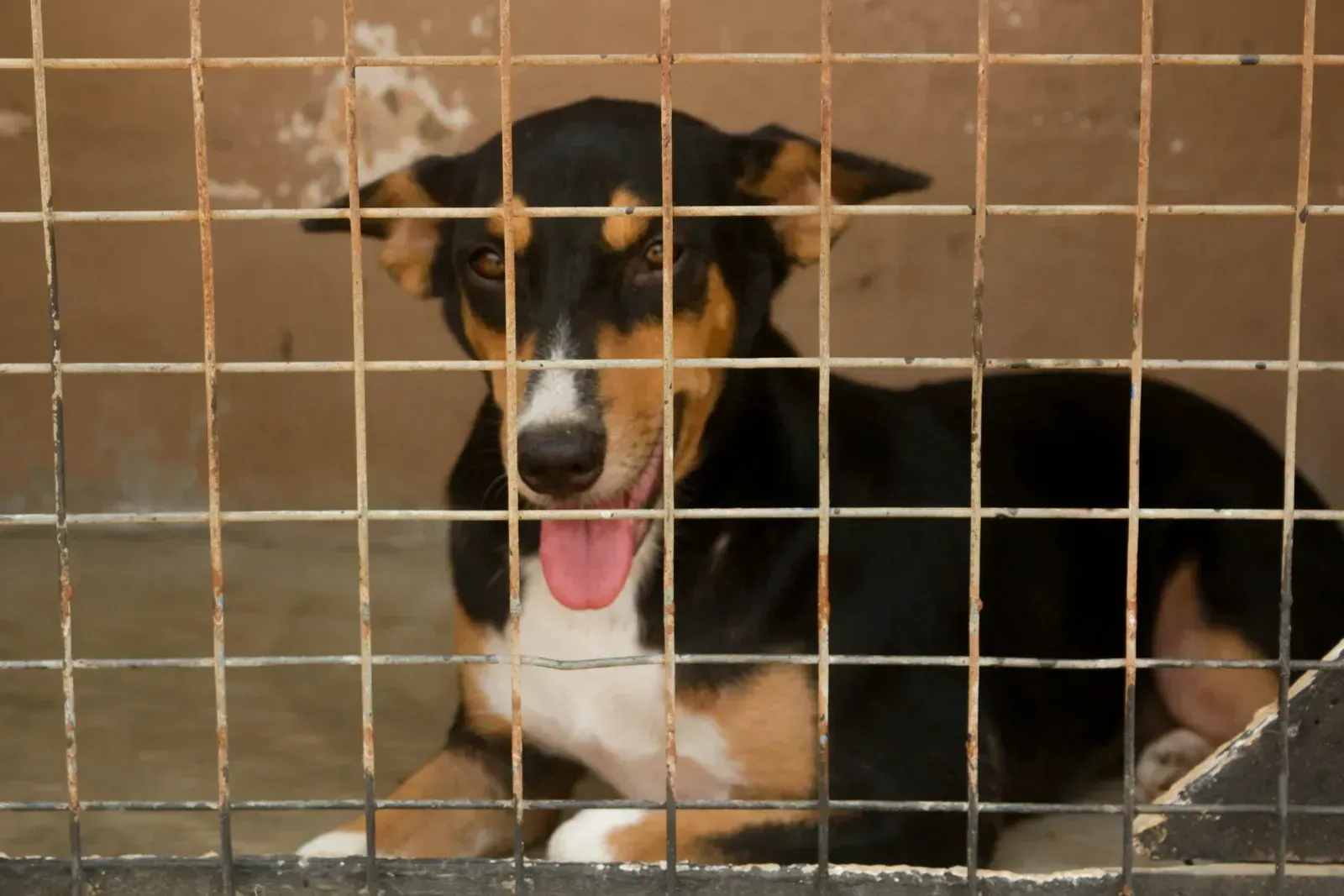
Not every dog accepted the training calmly on the first try. Researchers noted a near universal instinct to fight against the restriction the moment it was introduced. All of the dogs struggled to escape the first time they experienced the tight confinement cell, though those who responded more favourably stayed in the programme.
This early panic response became, in effect, a screening tool. Dogs who kept struggling were less likely to be chosen for further stages of training. Some of them adapted, and many did not, but they were all actors, not just recipients of action, so what the researchers viewed as training and screening worked for the dogs as a kind of self-selection.
4. Gradual adaptation to isolation and sensory deprivation

Beyond physical confinement, some dogs were subjected to isolation chambers meant to mimic the silence and sensory emptiness of orbit. This was a different kind of stress test, one aimed less at the body and more at the mind. Some dogs were placed in isolation chambers to prepare them for the sensory deprivation of spaceflight.
Over repeated exposures, researchers saw a pattern of gradual tolerance rather than distress. Dogs seemed to learn that the isolating conditions were temporary, and that handlers would return. They did not like the centrifuge, the vibrostand and the isolation chamber, but they learned that these conditions were temporary and that their human partners would care for them afterward.
5. Learned tolerance of pressure suits and equipment
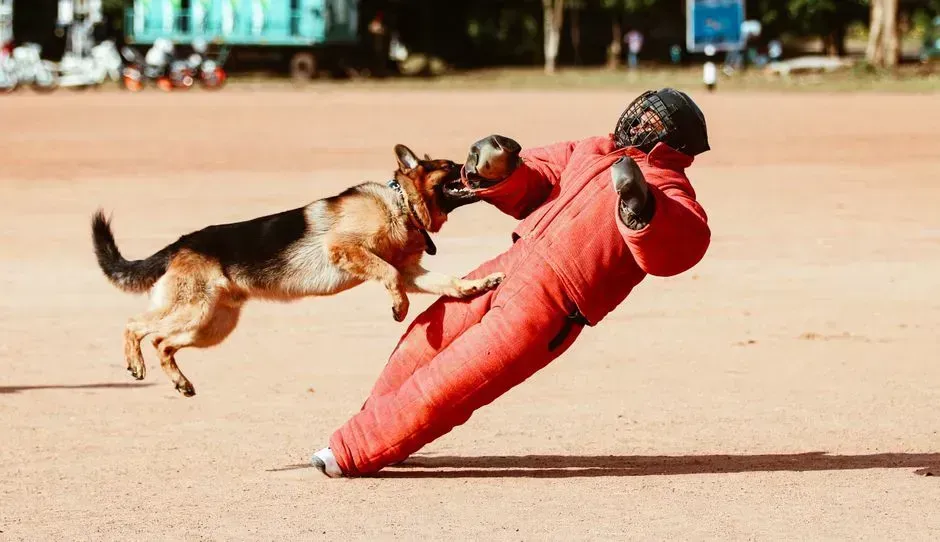
Dogs bound for orbital or suborbital flight had to wear custom pressure suits, which were, by any dog’s standard, deeply unnatural things to have strapped to their bodies. Training involved stretching out the time each animal spent wearing this gear. They wore spacesuits for increasingly longer periods to adapt to the restrictive garments.
This kind of exposure training worked much like confinement training: short sessions building toward longer ones until the behavior of resistance faded. The dogs wore pressure suits with acrylic glass bubble helmets. Getting an animal calm enough to tolerate a sealed helmet took patience most people would not associate with 1950s Soviet science.
6. Stillness and reduced activity during extended standing exercises
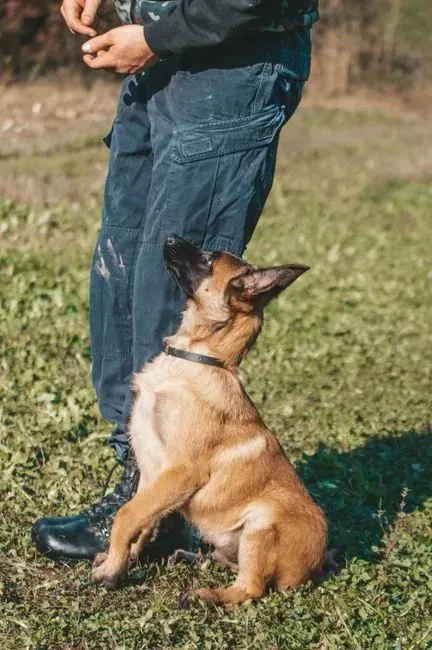
Because the eventual flight would require dogs to remain essentially motionless for hours, part of the regimen involved teaching them to stay still voluntarily. This is a behavior most dogs do not offer naturally, given the chance to move. Training included standing still for long periods of time, being placed in simulators that acted like a rocket during launch, riding in centrifuges, and being kept in progressively smaller cages to prepare for confinement in the module.
Researchers found that dogs who mastered this stillness were more likely to remain calm once inside the actual capsule. It was less about obedience in the traditional sense and more about physical endurance paired with a kind of learned patience. Dogs that could not settle into stillness tended to wash out of later training stages.
7. Acceptance of specialized feeding routines
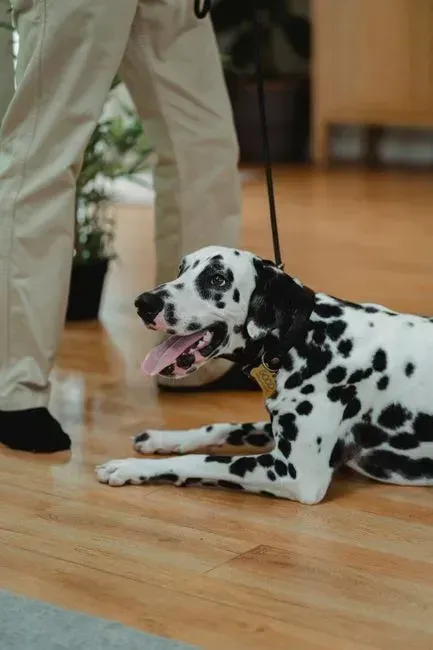
Space capsules had no room for ordinary food bowls, so dogs had to be trained to eat a strange, gel-like substance dispensed automatically. This required overcoming an animal’s normal skepticism about unfamiliar food and unfamiliar delivery methods. The dogs were trained to eat a special high-nutrition gel, which would be their food in space.
The formula itself was carefully engineered for the task. In preparation for orbital flights, a special jelly-like food, consisting of breadcrumbs, powdered meat, and beef fat was created for the dogs. Getting dogs to accept this without hesitation, even under stress, was treated as its own behavioral milestone.
8. Calm temperament as a predictor of mission success
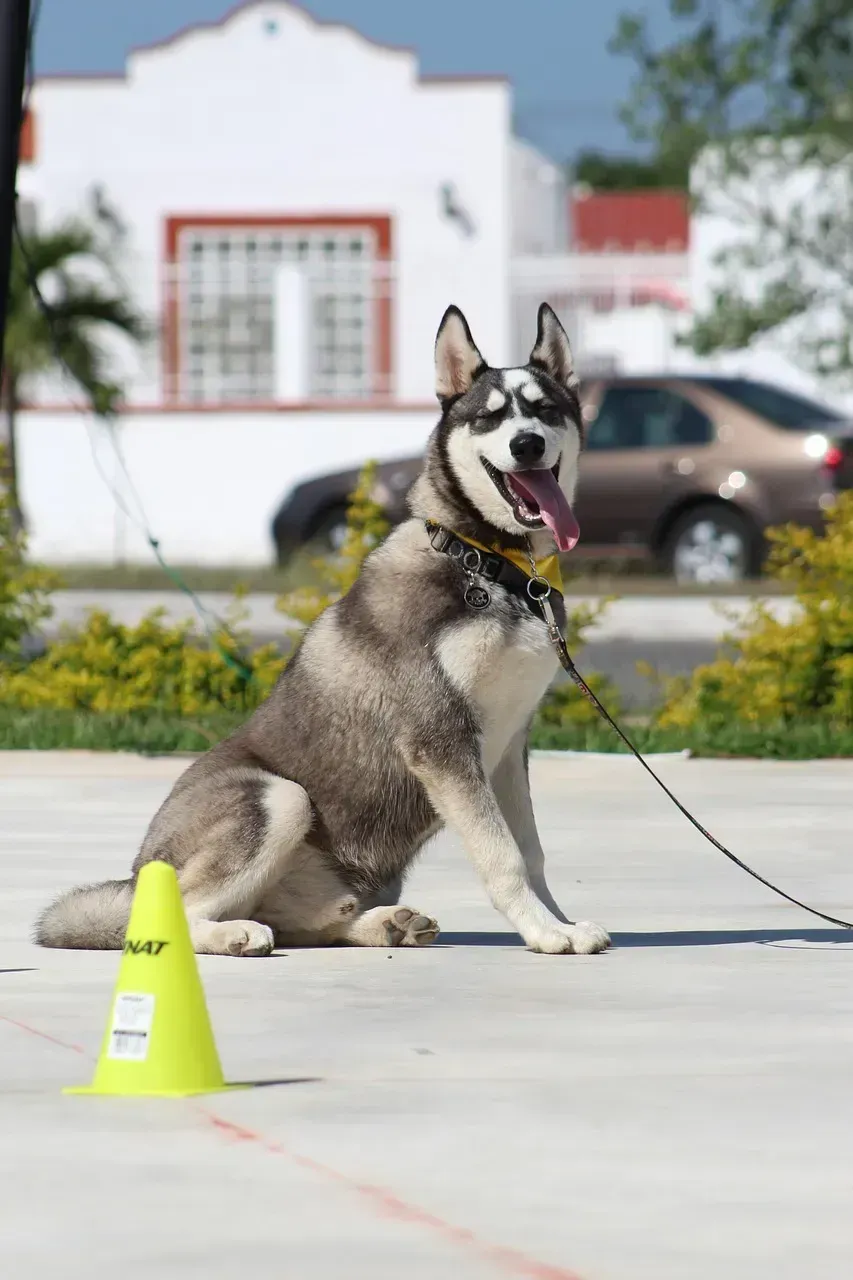
Perhaps the most telling behavioral observation involved not what happened during training, but which dogs handled it best from the start. Laika herself became something of a case study in this. She was described as quiet and charming, an unassuming dog with a calm demeanor, according to Dr. Vladimir Yazdovsky, one of the Russian physicians part of the Soviet space program.
Her temperament wasn’t incidental to her selection. These lovely qualities made her fit for such a grim mission, since her calm temperament is likely what allowed her to endure the challenges of training better than many of her peers. Scientists effectively used disposition as a screening criterion long before they fully understood the physiological toll spaceflight would take.
These eight patterns, restlessness under confinement, spiking heart rates, escape attempts, gradual adaptation to isolation, tolerance of pressure suits, learned stillness, acceptance of new feeding methods, and calm temperament as a predictor of success, together formed the behavioral roadmap that guided the Soviet space program’s earliest decisions. The animals could not report what they experienced, but their bodies and reactions told researchers almost everything they needed to know before a single human ever left the ground.