

Watch any launch broadcast and it’s easy to assume the hard part is over once the rocket clears the tower. In reality, that’s just the opening scene. Most planetary missions spend years, sometimes the better part of a decade, coasting through space before they ever reach their target.
The delay isn’t a sign of slow engineering or bad planning. It’s the product of physics, distance, and a handful of practical constraints that every mission designer has to work around. Here’s a closer look at what actually stretches these journeys out.
1. The distances involved are almost incomprehensible
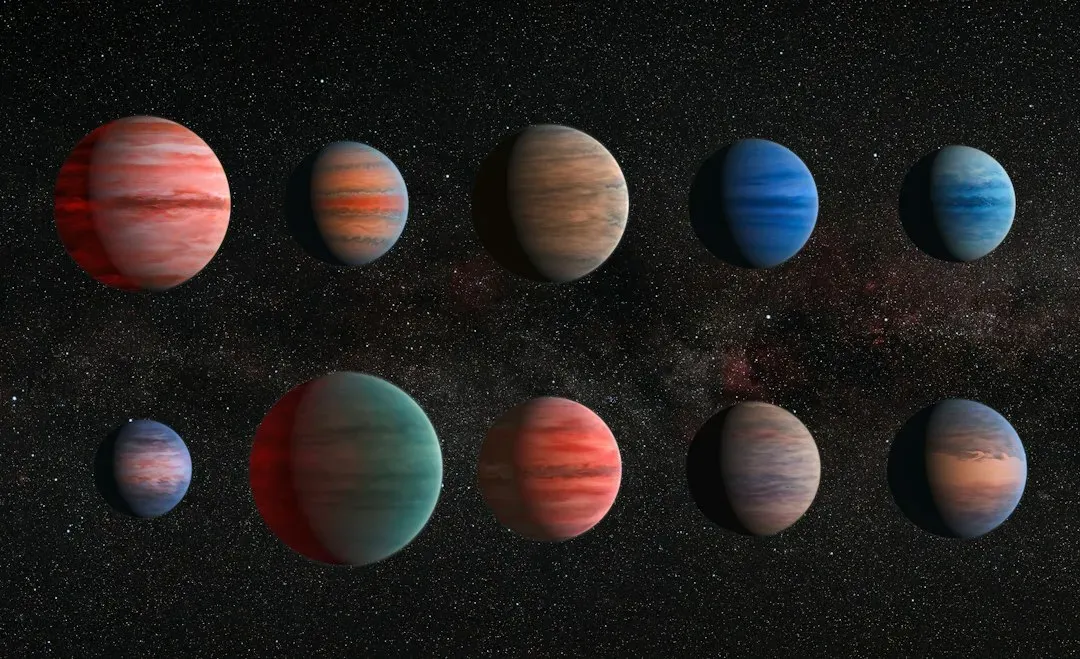
Space is big in a way that’s genuinely hard to picture. Mars, our closest planetary neighbor most of the time, sits tens of millions of miles away even at its nearest approach, and that gap widens dramatically depending on where both planets are in their orbits. Jupiter and its moons are on another scale entirely.
Europa Clipper, NASA’s mission to Jupiter’s icy moon, illustrates this well. The spacecraft will travel 1.8 billion miles (2.9 billion kilometers) to reach Jupiter in April 2030. That’s not a typo or an exaggeration. It’s simply what it takes to get somewhere five times farther from the sun than Earth.
2. Rockets can’t just point and go in a straight line
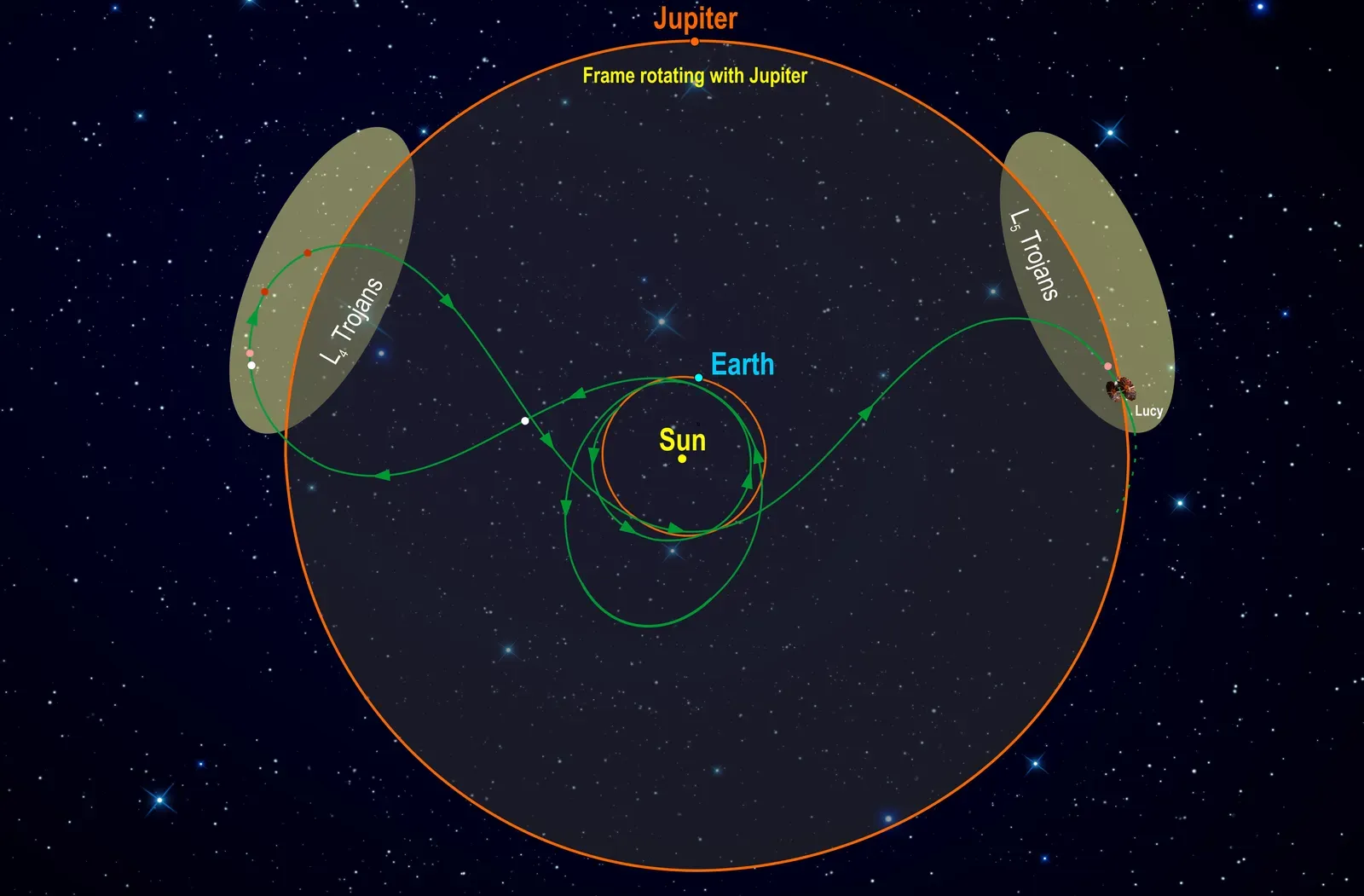
Spacecraft don’t travel like bullets aimed at a fixed target. They have to match orbital paths, accounting for the fact that both Earth and the destination planet are constantly moving around the sun at different speeds. This means engineers plot curved, looping trajectories rather than direct shots.
These paths, often based on what’s known as a Hohmann transfer orbit, are fuel efficient but not fast. They take advantage of the natural mechanics of orbits rather than fighting against them, which keeps missions affordable but adds months or years to the trip. Cutting travel time would mean burning far more fuel than any current rocket can carry.
3. Launch windows dictate the whole timeline
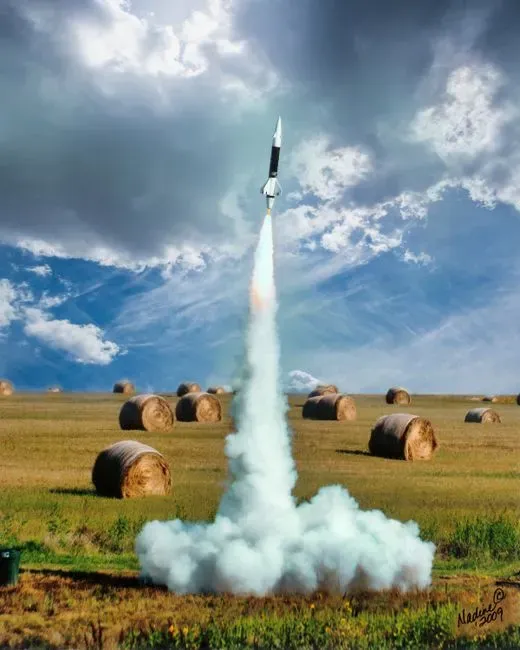
Missions can’t launch whenever it’s convenient. Planets need to be in specific positions relative to each other, and those alignments only happen periodically, sometimes just once every year or two.
Europa Clipper’s team faced this exact challenge. The spacecraft needs to fly by Mars, then Earth, to gain velocity for its journey out to Jupiter, and the planets are constantly moving around the Sun, so mission designers had a limited set of choices for when Mars and Earth would be in the right places at the right times. Miss the window, and the mission could be delayed by years while everyone waits for the next opportunity.
4. Gravity assists take time to set up and execute
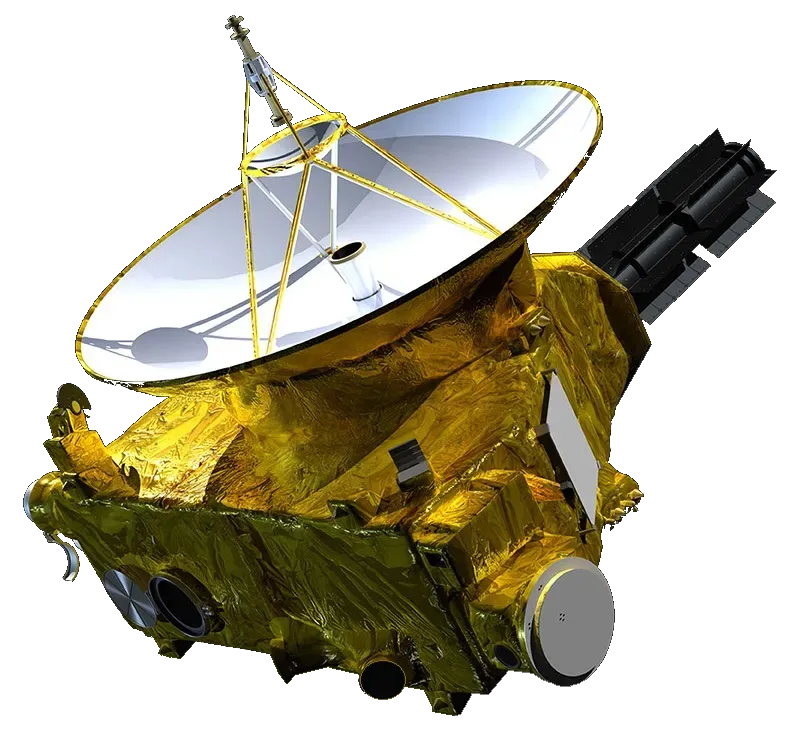
Many missions rely on flying close to other planets to steal a bit of their orbital momentum, a maneuver known as a gravity assist. It’s an elegant trick that saves enormous amounts of fuel, but it only works if the spacecraft’s path brings it near the right planet at the right moment.
Europa Clipper uses this approach twice. Europa Clipper will travel 1.8 billion miles over more than five years to reach the Jovian system in April 2030, using gravity assists of two other planets, flying by Mars in February 2025, then back by Earth in December 2026, to increase its momentum. Each flyby has to be timed precisely, which stretches the overall journey but avoids the need for a much larger, heavier rocket.
5. Spacecraft weight and fuel limits force slower, longer routes
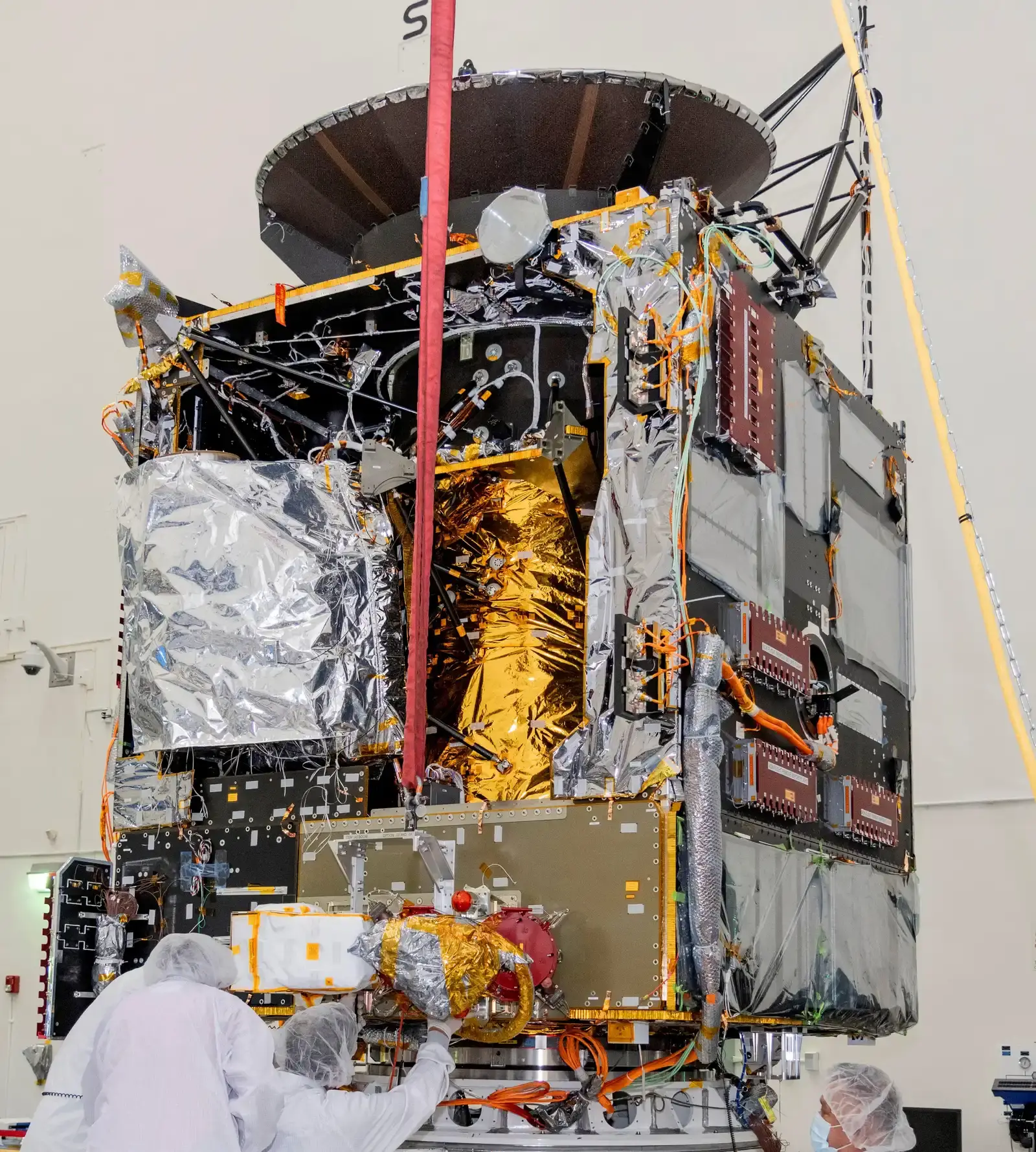
Every pound of fuel a spacecraft carries is a pound that has to be launched, which makes speed a tradeoff engineers can’t ignore. Carrying enough propellant for a fast, direct trajectory would make missions prohibitively heavy and expensive, so designers favor efficient but slower paths instead.
NASA’s Psyche mission, headed to a metal rich asteroid between Mars and Jupiter, shows this tradeoff clearly. In August 2029, after a six-year journey of about 2.2 billion miles (3.6 billion kilometers), the spacecraft will start orbiting the asteroid for at least 26 months. The spacecraft uses ion propulsion, a slow but remarkably fuel efficient system that builds up speed gradually rather than in one dramatic burn.
6. Precision landings and arrivals require careful, gradual approach phases
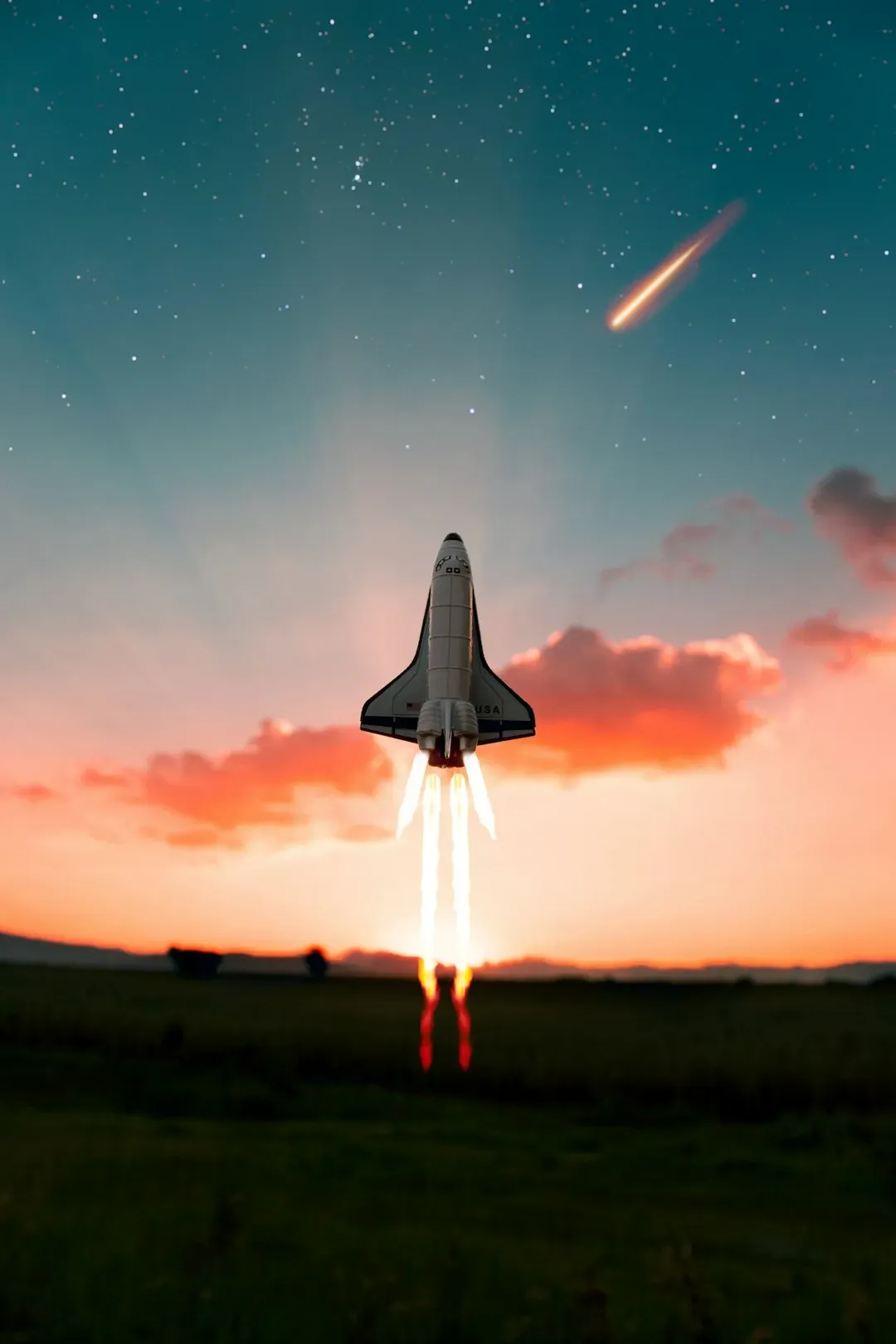
Reaching the neighborhood of a planet isn’t the same as arriving at your destination. Missions typically spend the final stretch of their journey slowing down, adjusting course, and calibrating instruments before any real science can begin.
Psyche’s approach phase demonstrates this well. Psyche will finally reach its destination, having travelled over 450 million kilometres, and will then enter an approach phase lasting 100 days, before settling into the asteroid’s orbit. That gradual, careful arrival isn’t wasted time. It’s what allows the spacecraft to slip into a stable orbit instead of overshooting or crashing.
Put together, these constraints explain why headlines about missions reaching Jupiter, Mars, or distant asteroids often come years after the launch itself made news. The physics involved isn’t likely to change anytime soon, though propulsion technology continues to inch forward. For now, patience remains as much a part of planetary exploration as the engineering itself.

- Should You Rinse Recyclables Before Binning Them? What Recycling Programs Advise - October 16, 2026
- The Largest Camera Ever Built for Astronomy: How Rubin Observatory Will Map the Sky - October 16, 2026
- How Much Energy a Hurricane Releases Compared With Global Electricity Use - October 16, 2026
