

- Rain Shadows: Why One Side of a Mountain Range Can Be Lush and the Other Dry - October 13, 2026
- What Atmospheric Rivers Are and How They Bring Flooding to the US West Coast - October 13, 2026
- White Roofs, Shade Trees and Cool Pavement: 6 Ways Cities Are Cooling Their Streets - October 12, 2026
Getting to the Moon took more than powerful rockets and brilliant engineering. It also took discipline, an almost obsessive attention to protocol, and a willingness to follow rules that left little room for improvisation. NASA’s Apollo astronauts operated under a strict code of conduct designed to keep them alive, keep the mission on schedule, and protect the scientific value of everything they touched.
Some of these rules were written into official flight manuals, while others became unspoken norms shaped by the culture of the astronaut corps itself. Looking back at them today offers a window into just how controlled and calculated the entire Apollo program really was, even amid the chaos of exploring an alien world for the first time.
1. Follow the checklist exactly, no exceptions
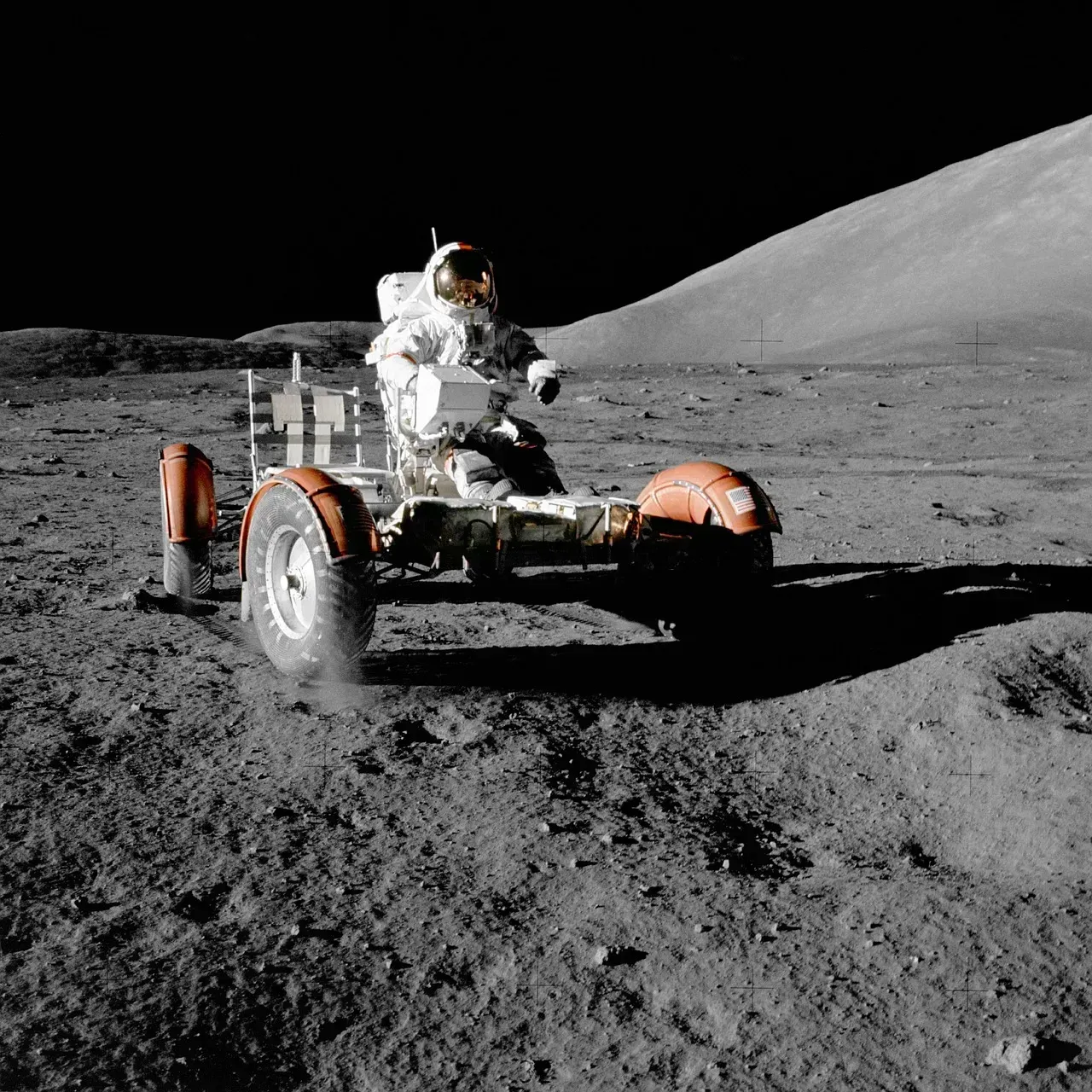
Every task an Apollo astronaut performed, from flipping a switch to stepping onto the lunar surface, was governed by a written checklist. These checklists were so detailed that crews trained on them for months before launch, memorizing sequences down to the second. Deviating from the script risked cascading failures, since spacecraft systems were tightly interdependent and errors could compound quickly.
Mission Control expected astronauts to read back instructions verbatim to confirm understanding, a practice borrowed from aviation. This rigid adherence to procedure is often credited with helping crews recover from emergencies, including the Apollo 13 crisis, where following newly improvised checklists precisely made the difference between survival and disaster.
2. Maintain strict radio discipline

Communication with Mission Control followed a formal structure, with astronauts using call signs and standardized phrasing rather than casual conversation. This wasn’t about formality for its own sake; clear, predictable language reduced the chance of miscommunication during high stakes moments like descent and landing. Every word exchanged over the radio was recorded and later studied, so precision mattered enormously.
Astronauts were trained to report status updates in a calm, measured tone regardless of what was actually happening in the cabin. This composure became something of a hallmark of the Apollo program, reinforcing public confidence even during genuinely dangerous situations.
3. Submit to pre-flight medical quarantine

Starting with Apollo 12, NASA required crews to enter a period of medical isolation before launch to minimize the risk of illness derailing a mission. Astronauts were kept away from crowds, monitored closely by flight surgeons, and restricted in who they could interact with in the weeks leading up to liftoff. A single cold could threaten a mission worth hundreds of millions of dollars, so the agency treated crew health as a critical operational concern.
This quarantine period also gave doctors a baseline understanding of each astronaut’s physical condition, which proved useful for comparing data after the mission. The practice reflected how much NASA valued predictability, even when it meant limiting astronauts’ personal freedom in the final days before spaceflight.
4. Adhere to strict sleep and rest schedules

Mission planners built structured sleep periods into every Apollo flight plan, understanding that fatigue could compromise judgment during complex operations. Astronauts were expected to rest during designated windows, even if excitement or stress made sleep difficult. Mission Control tracked crew rest closely, sometimes adjusting later procedures if a crew reported poor sleep.
This wasn’t always easy to enforce in practice, since the cramped spacecraft and the sheer novelty of the experience made genuine rest elusive for many astronauts. Still, the expectation itself shaped how missions were scheduled, with activities generally organized around preserving alertness for the most demanding phases of flight.
5. Limit personal items to an approved kit
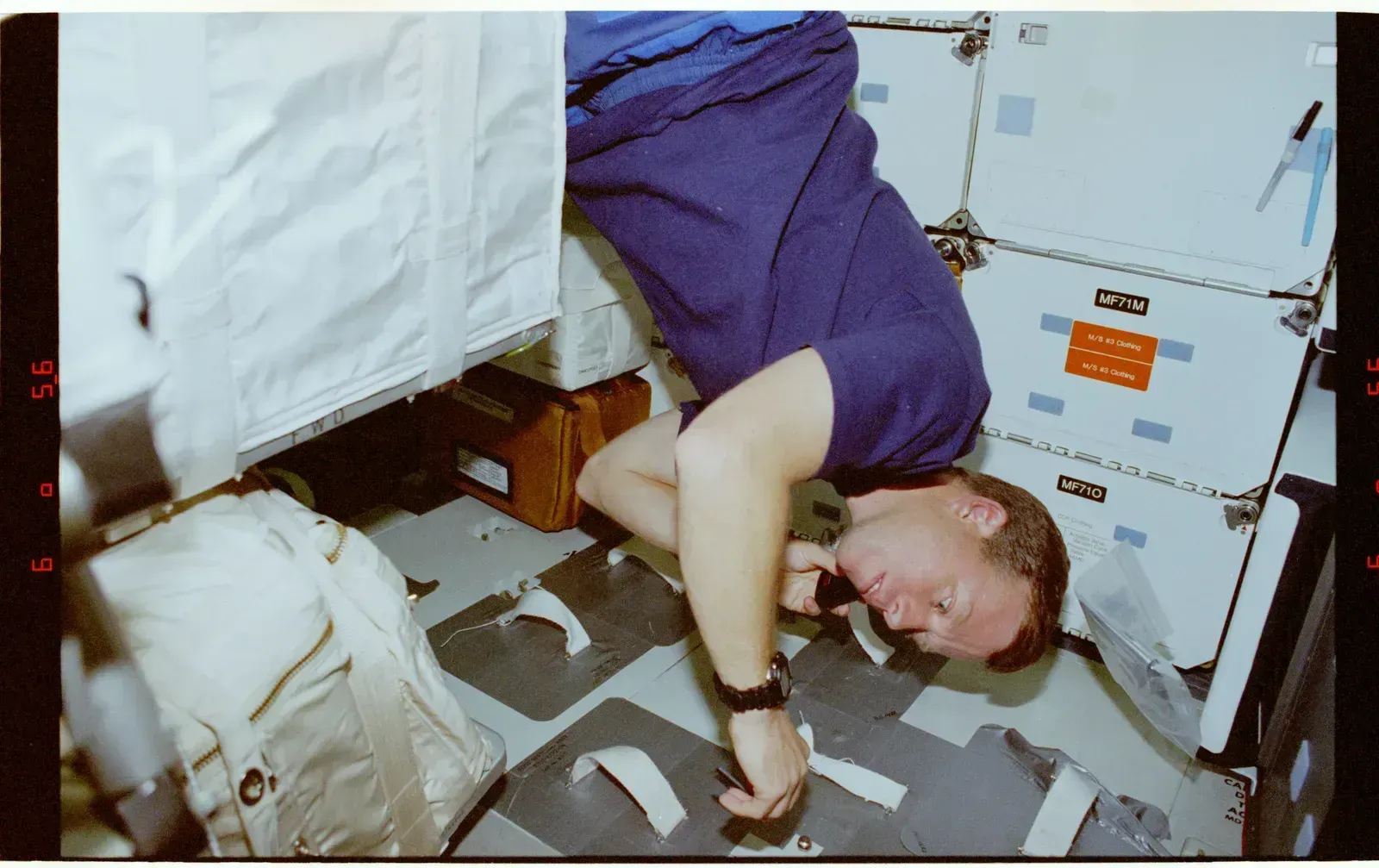
Astronauts were permitted to bring a small number of personal items aboard, packed into what NASA called a Personal Preference Kit. Everything included had to be approved in advance, with weight and size restrictions tightly enforced given the spacecraft’s limited capacity. This meant astronauts had to choose carefully among mementos, family photos, or small keepsakes they wanted to carry to the Moon and back.
The rule wasn’t purely bureaucratic. Weight budgets on Apollo spacecraft were calculated to the ounce, since every extra gram affected fuel consumption and mission margins. Even personal sentiment had to compete with the hard physics of spaceflight.
6. Respect strict time limits on lunar surface activities
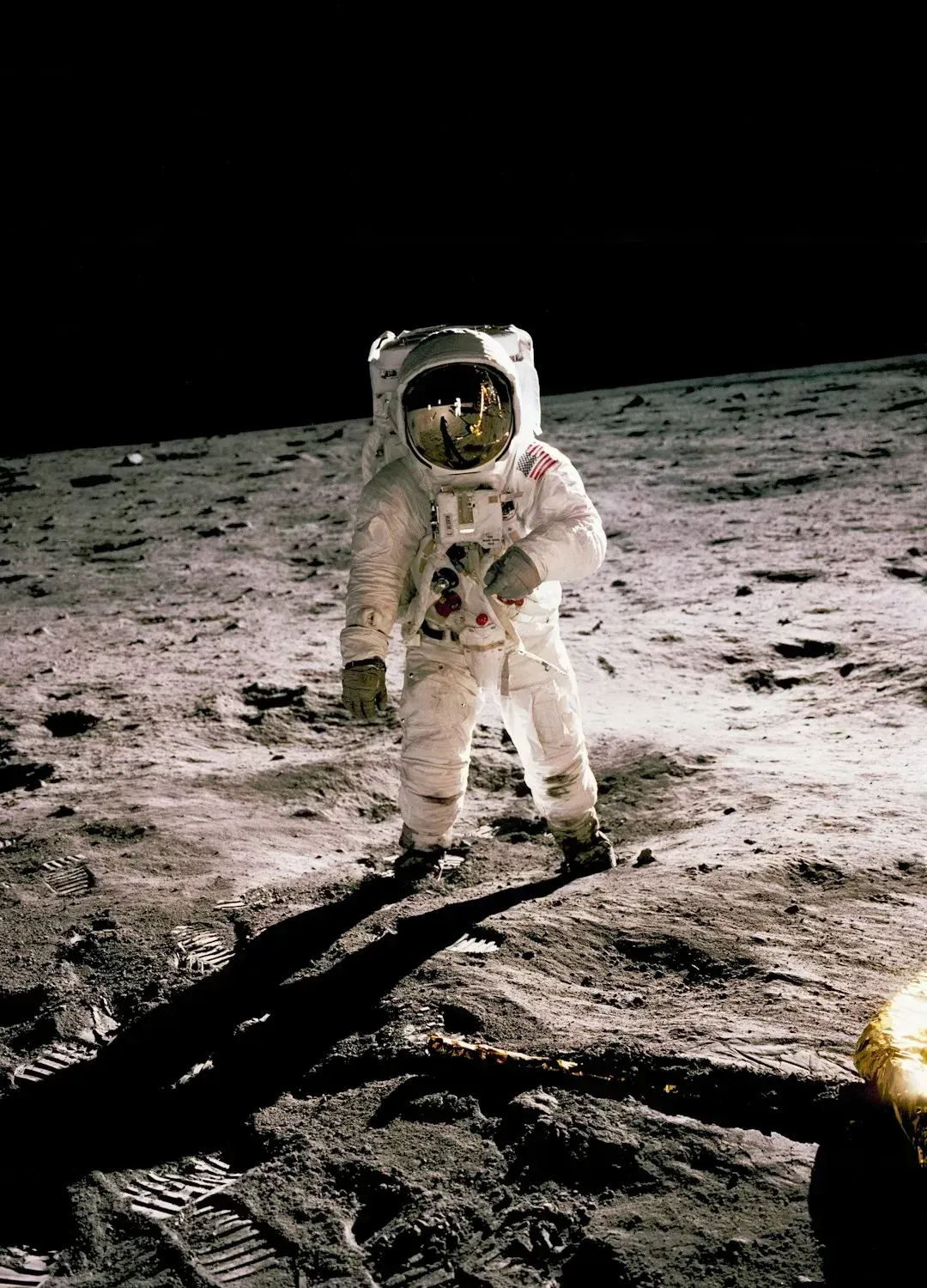
Extravehicular activities on the Moon were scheduled down to the minute, with astronauts required to track their oxygen supply, cooling system performance, and physical exertion throughout each moonwalk. Mission Control monitored these parameters in real time and could order an early return to the lunar module if readings suggested rising risk. Astronauts trained extensively to recognize their own limits and to communicate honestly about fatigue or equipment concerns.
These constraints reflected the unforgiving nature of the lunar environment, where suit failures or overexertion could prove fatal within minutes. Discipline around timing wasn’t optional, it was a survival requirement built into every EVA plan.
7. Handle lunar samples according to strict contamination protocols
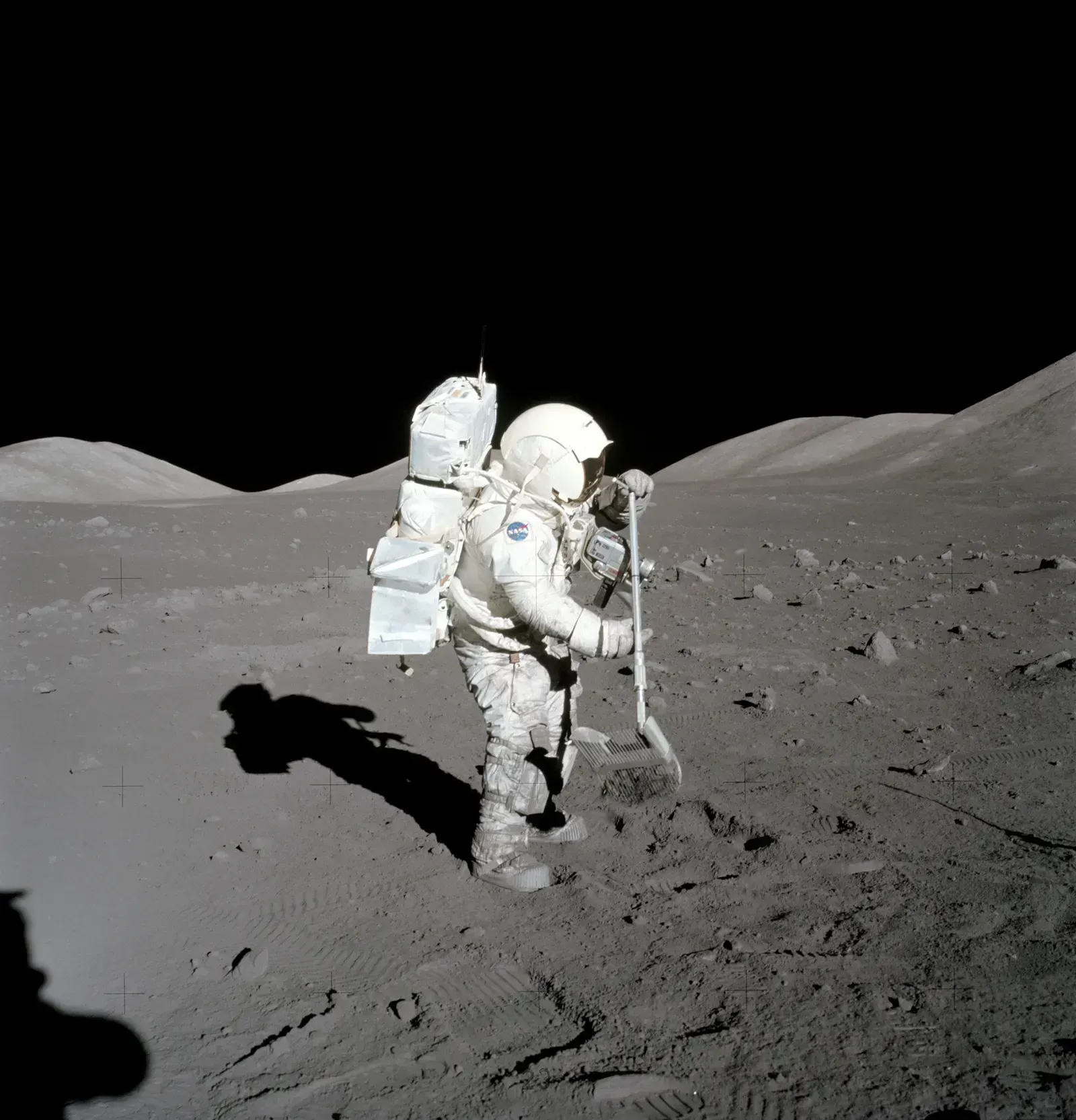
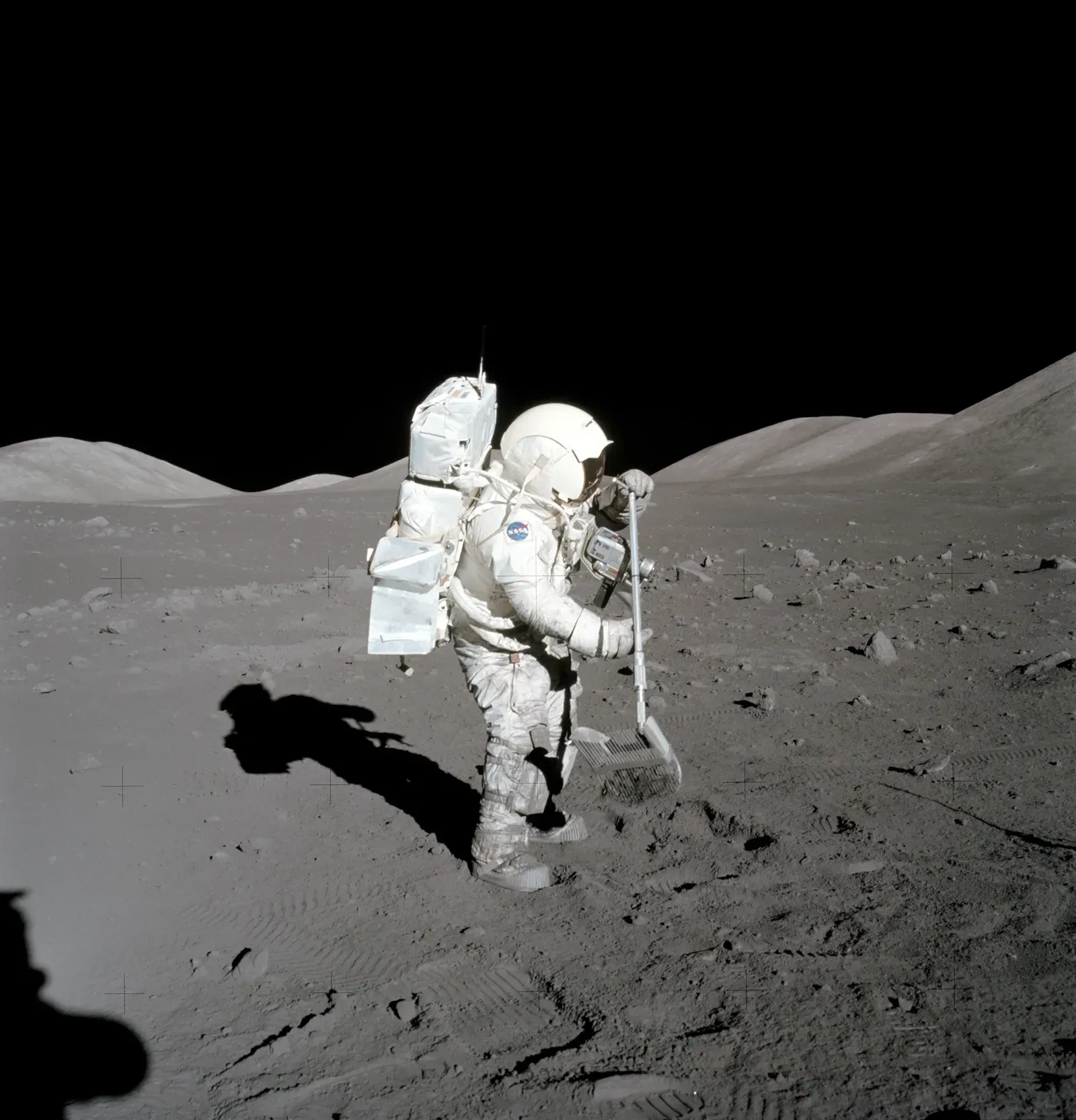
Collecting Moon rocks wasn’t as simple as picking them up and stuffing them into a bag. Astronauts followed detailed procedures for handling, labeling, and sealing samples to prevent contamination from Earth materials or human contact. Special containers were used to preserve the scientific integrity of the rocks, since even trace contamination could compromise years of geological research back on Earth.
Photography accompanied nearly every sample collected, documenting its original position and orientation before it was disturbed. This meticulous documentation allowed scientists to reconstruct the geological context of each specimen long after the astronauts had returned home.
8. Submit to post-mission quarantine when required

For the earliest Moon landings, astronauts entered quarantine again immediately after splashdown, this time to guard against the theoretical possibility of introducing unknown lunar microorganisms to Earth’s biosphere. Apollo 11, 12, and 14 crews spent around three weeks isolated in a specially designed facility, undergoing medical observation the entire time. This precaution was eventually dropped for later missions once scientists grew confident that the Moon posed no biological risk.
Even though the quarantine was later understood to be largely unnecessary, it demonstrated how seriously NASA treated unknowns in early space exploration. Astronauts accepted the isolation without much public complaint, understanding it as part of the broader responsibility that came with being first.
9. Follow the chain of command without exception
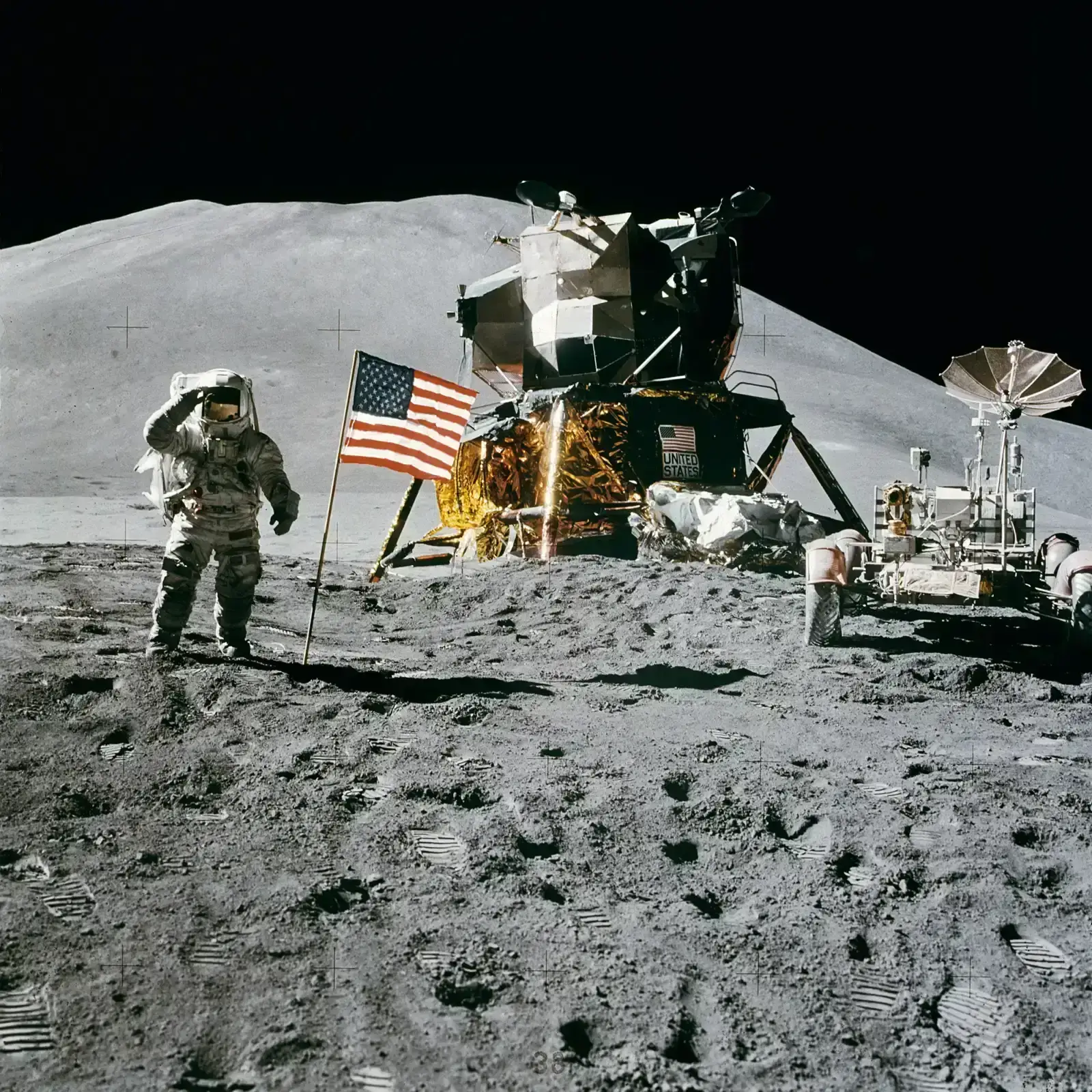
Each Apollo mission operated under a clear command structure, with the mission commander holding final authority over decisions made aboard the spacecraft. This hierarchy mattered enormously during emergencies, when quick, decisive action was required and debate could cost valuable time. Crew members trained together for years specifically to build the kind of trust that made this command structure function smoothly under pressure.
Ground control maintained its own parallel authority, particularly around go or no-go decisions for major mission phases like descent, ascent, and reentry. Astronauts were expected to defer to Mission Control’s calls on these critical junctures, even when their own instincts suggested otherwise, reflecting the deeply collaborative nature of how Apollo missions were actually flown.
10. Conduct regular systems checks throughout the mission
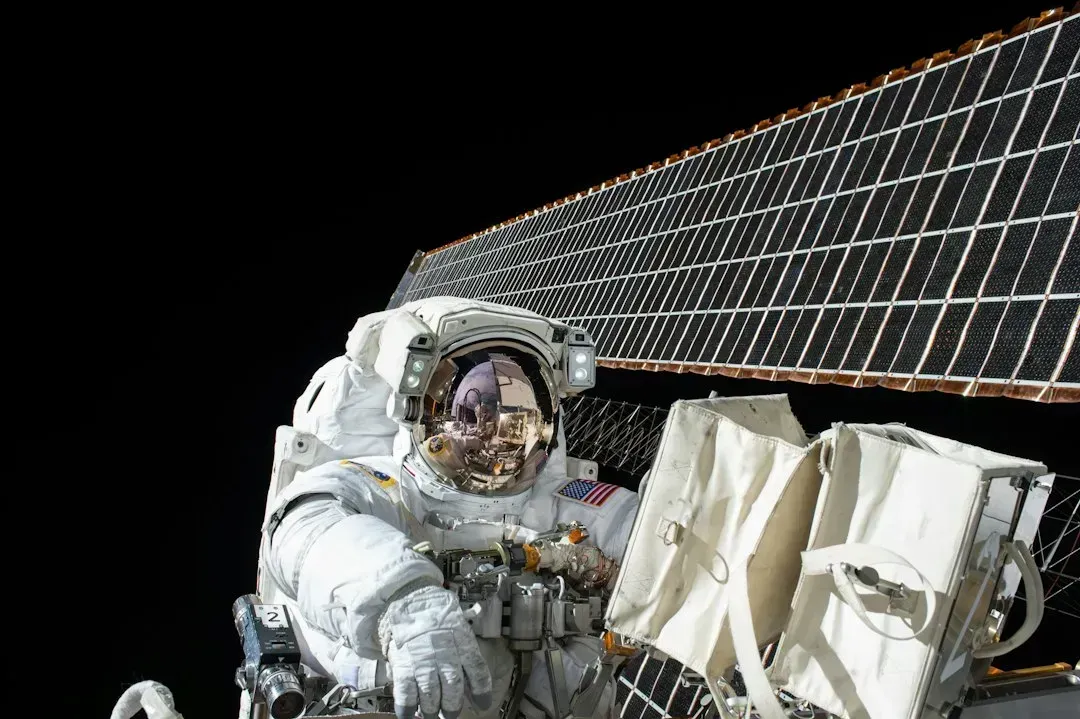
Astronauts were required to perform scheduled inspections of spacecraft systems throughout every phase of flight, checking everything from oxygen levels to electrical circuits. These checks followed standardized intervals baked into the flight plan, ensuring that potential problems were caught early rather than discovered during a crisis. The famous “problem” that triggered the Apollo 13 emergency was first identified through exactly this kind of routine monitoring.
Redundancy was built into nearly every system, but redundancy only helps if someone notices when something has gone wrong. Regular systems checks gave astronauts and Mission Control a continuous stream of data, allowing them to catch anomalies before they escalated into mission-ending failures.
11. Document everything with photography and notes
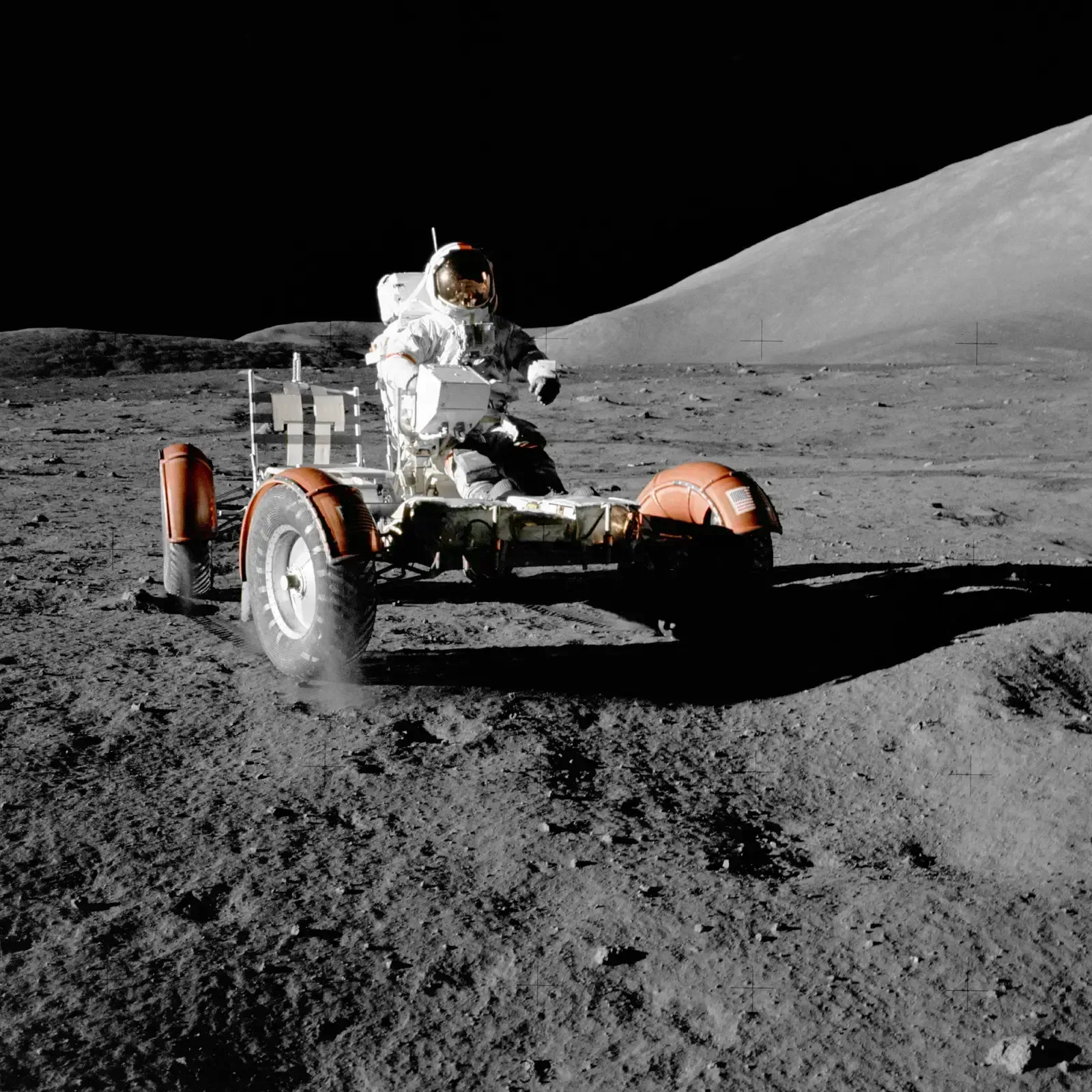
Cameras were treated almost as seriously as life support equipment on Apollo missions, with astronauts trained extensively in using specialized Hasselblad cameras mounted to their suits. Every notable feature, sample, and experiment deployment was expected to be photographed according to specific procedures, since these images later became invaluable scientific and historical records. Verbal notes recorded during EVAs supplemented the photography, capturing observations that images alone couldn’t convey.
This documentation requirement meant astronauts were essentially working as scientific technicians even while managing the physical demands of moving in bulky suits under lunar gravity. The result is a photographic archive that remains one of the most studied visual records in the history of exploration.
12. Maintain composure and professionalism under extreme stress

Perhaps the least formal but most consistently enforced rule was simple: astronauts were expected to remain calm and professional no matter what happened. This applied whether facing a life threatening malfunction or the surreal disorientation of standing on another world. Training programs deliberately simulated stressful scenarios repeatedly so that composure became second nature rather than something astronauts had to consciously force.
This expectation shaped public perception of the astronaut corps as almost superhumanly steady, though in reality it reflected years of deliberate psychological preparation. The steady voices heard during moments like the Apollo 13 crisis weren’t accidents of personality, they were the product of a program built around discipline at every level.
Taken together, these twelve rules reveal just how much structure sat beneath the awe inspiring images most people associate with Apollo. The missions succeeded not simply because of daring or ambition, but because every astronaut agreed to operate within a framework designed to manage risk at every turn. That balance between human courage and procedural discipline remains one of the most enduring lessons from the Apollo era, one that continues to inform how space agencies plan crewed missions today.
