


- Tree Rings as Climate Archives: Tracing Centuries of Drought and Rainfall - October 14, 2026
- How Climate Change Affects Snowfall and Snowpack in Mountain Regions - October 13, 2026
- From Cumulus Cloud to Severe Storm: The Life Cycle of a Thunderstorm - October 13, 2026
1. California

California sits at the top of nearly every climate comparison for good reason. Based on criteria involving comfortable temperatures, dry weather, and clear skies, California has the best weather in all 50 states, with coastal cities in south and central California experiencing only 20 inches of rain per year and temperatures typically between the low 60s and 85 degrees. Cities like Los Angeles back this up with heavy sunshine, since Los Angeles reports sunshine for 73% of the year.
The state’s size means conditions vary a lot inland and in the mountains, but the coastal strip from San Diego up through the Central Coast is what earns California its reputation. Cities such as San Diego, San Francisco, and Santa Barbara all keep their annual temperature spread under 16°F, which is a big reason locals rarely think much about the weather at all. That narrow swing between winter and summer is really the defining trait of a mild climate, more so than raw warmth.
2. Hawaii

Hawaii’s islands offer a different kind of mildness, one built on tropical stability rather than dry desert air. Hawaii sustains 75 to 85°F year-round with mild trade winds, and sea breezes help decrease the temperature change. That kind of narrow range is rare anywhere else in the country, and it holds true across nearly every month.
The tradeoff is humidity, which climbs higher than in California’s drier climate. Tropical dampness can surpass 70%, which makes dehumidifiers beneficial indoors to avoid mold, even with hot weather. Still, for anyone who wants to avoid winter altogether, Hawaii offers about as close to a constant summer as the U.S. gets, just with a bit more moisture in the air.
3. Florida

Florida wins on raw average warmth. State-wide averages of annual temperatures range from a high of 70.7 degrees Fahrenheit in Florida to a low of 26.6°F in Alaska, making it the warmest state in the country on paper. Winters here barely register as cold by national standards.
Florida has the mildest winters in the continental U.S., with average winter lows, usually recorded in January, ranging from approximately 52°F to 68°F. Snow is essentially nonexistent, and the sunshine state owes its balmy winter temperatures to tropical winds that regularly sweep across parts of the state, especially in Miami, Tampa, and Orlando. Summers bring their own challenges with heat and humidity, but the winter mildness is hard to match anywhere outside Hawaii.
4. Arizona

Arizona earns its spot mostly through its cooler months rather than its brutal summer heat. Daily peak temperatures from October to April generally remain in the ideal range of 65 to 85 degrees in much of the southern part of the state, which covers roughly seven months of comfortable, dry weather. That stretch is long enough to define the state’s overall climate character for many residents.
Dryness is the other half of the equation. Tucson sees only 11 inches of rain a year and basks in sunshine during 85 percent of daytime, giving it one of the driest, sunniest profiles in the country. The summer heat is real and intense, but for eight or nine months of the year, Arizona’s low-elevation cities offer some of the most pleasant conditions anywhere in the Southwest.
5. South Carolina

South Carolina blends warmth with a milder overall profile than its Gulf Coast neighbors. South Carolina is the eighth-hottest state in the United States, with an annual temperature of 63.4°F, and its subtropical climate gives it long hot summers and mild winters in its eastern and southern regions. That combination keeps most of the state comfortable outside of peak summer.
Elevation plays a role here too. The northwestern areas of South Carolina tend to have cold winters, especially at high elevations, so the mildest conditions are concentrated along the coast and lower-lying regions. Charleston and the surrounding coastal belt tend to represent the state’s best year-round weather, avoiding the sharper temperature swings found further inland.
6. Louisiana

Louisiana’s winters are short and gentle, even if its summers can be intense. Louisiana winters are short and mild, and occur from December through February, leaving the bulk of the year in a warm, stable pattern. That short cold season is a major reason the state shows up on multiple best-weather rankings.
Humidity is the tradeoff, driven by the state’s position near the water. Louisiana has a subtropical climate with long, hot, and humid summers and short, mild winters, and its position on the Gulf of Mexico gives it a considerable wet season and high humidity. Outside of the hottest stretch of summer, though, Louisiana avoids the deep freezes and prolonged gray stretches that define winters in much of the rest of the country.
7. Georgia

Georgia sits comfortably in the group of states with warm, forgiving climates rather than extreme ones in either direction. It shares the broader Southeast pattern where the Southeast region has a sub-tropical climate characterized by hot, humid summers and mild winters. That structure applies well to most of Georgia, particularly its southern and coastal counties.
Winters rarely bring the kind of hard freezes or sustained snow that define northern states, and the growing season stretches long, a hallmark of a genuinely mild climate. Coastal Georgia, especially around Savannah, tends to track closely with South Carolina’s coastal conditions, benefiting from the same moderating effect of the Atlantic. It is not as dry as Arizona or as consistently mild as California, but it avoids the harshest extremes in both directions.
8. Texas
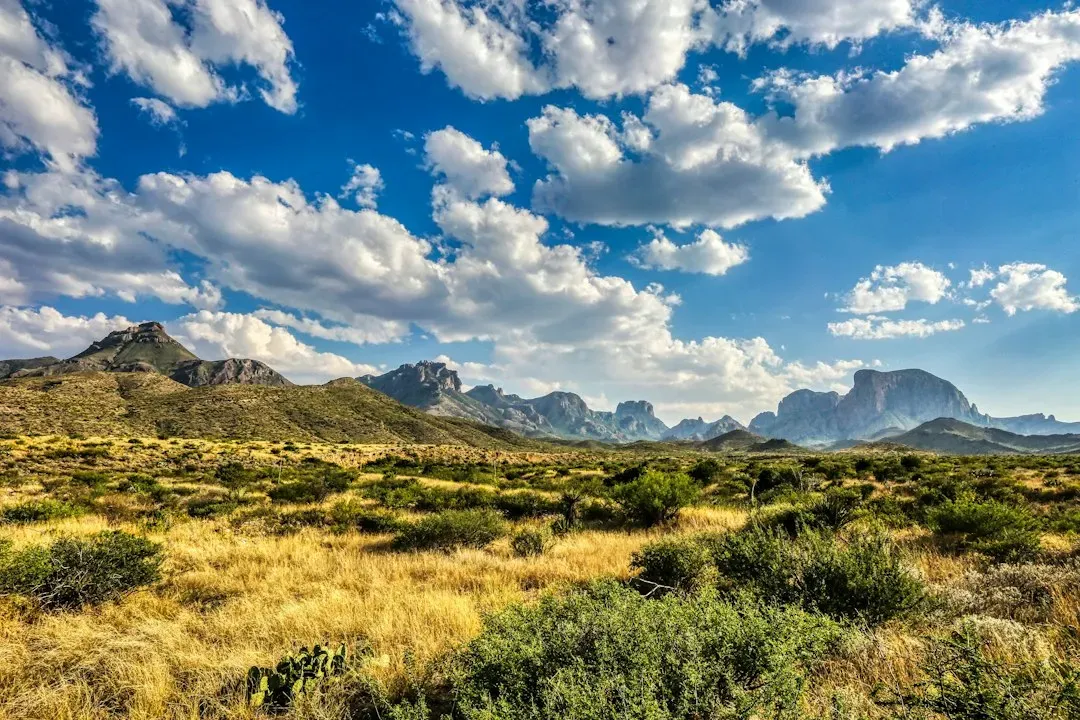
Texas is large enough to contain several climates at once, but its overall averages land it firmly among the milder states. With an average annual temperature of 65.8°F, Texas is the fourth-hottest state, with arid and semi-arid climates in its west and humid, sub-tropical climates in its east. That range means residents can generally find a corner of the state that suits their comfort level.
Winters tend to stay manageable across most of the state. In January, Texas’s coldest month, the average high temperatures are between 52°F and 71°F, which keeps the cold season short and relatively gentle compared to states further north. Summer heat is the bigger challenge, particularly in the western deserts, but the winter mildness helps balance the annual picture.
9. Delaware

Delaware is a smaller, less obvious name on this list, but it consistently appears among states with balanced, moderate weather thanks to its position along the Mid-Atlantic coast. The ten states in the U.S. with the best weather are California, Hawaii, Texas, Arizona, Florida, Georgia, South Carolina, Delaware, North Carolina, and Louisiana, placing Delaware squarely among the milder climates nationally.
Its coastal location tempers both summer heat and winter cold compared to inland states at similar latitudes. Delaware does not offer the dramatic warmth of Florida or the dry consistency of Arizona, but its moderate four-season pattern, without the harsh extremes found in the Midwest or Northeast interior, is exactly what keeps it on climate rankings that reward balance over intensity. Taken together, these nine states show that mild weather comes in more than one form. Some rely on dry air and narrow temperature swings, like California and Arizona. Others lean on short, gentle winters despite humid summers, as with Florida, Louisiana, Georgia, and South Carolina. Texas and Delaware round things out by avoiding severe extremes in either direction, while Hawaii stands apart entirely with its steady tropical rhythm. Anyone comparing these states for a move or a long visit will still want to weigh humidity, rainfall, and seasonal quirks against personal preference, since averages only tell part of the story.
