

Most of us learned recycling as a simple routine: sort the bin, feel good, move on. The habit is worth keeping, but a lot of the folklore around it doesn’t hold up against the data.
Some of these misunderstandings are harmless. Others quietly clog sorting facilities or create false confidence about how much waste is really being handled. Here are eight worth correcting.
The Chasing Arrows Symbol Means an Item Is Recyclable
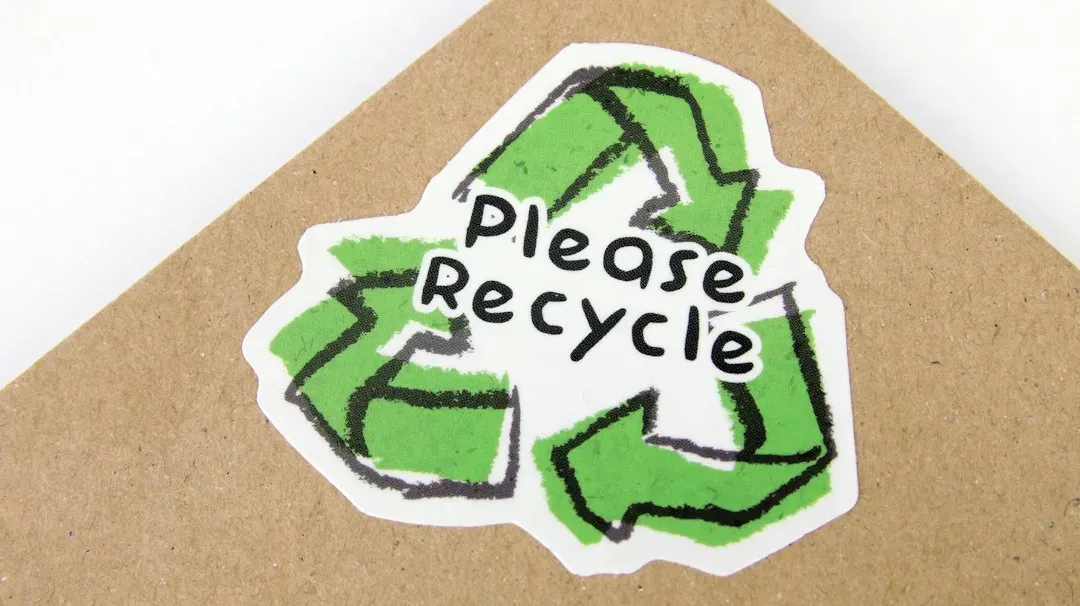
That little triangle of arrows looks like an official promise. In practice, the plastics industry created the resin identification code in 1988 to tell different plastic polymer types apart. It was never meant as a guarantee that your local program will take the item.
The number inside the symbol only names the type of resin. Whether a container gets recycled depends on your community’s sorting equipment and on whether a buyer exists for that material. Check your local program’s list instead of trusting the symbol.
Most Plastic Ends Up Recycled
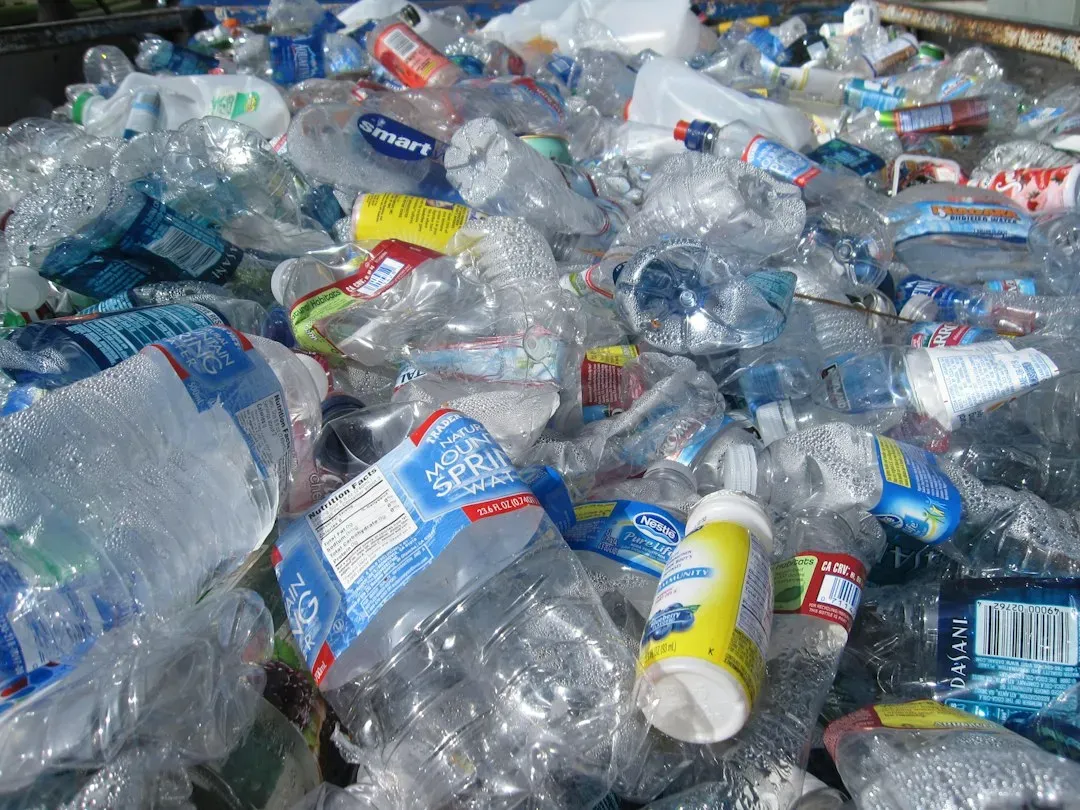
The numbers say otherwise. The EPA reported roughly three million tons of plastic recycled in 2018, an 8.7 percent recycling rate. That was the last official figure in that series.
Since then, independent analyses have put the number lower. The California Attorney General’s office says the U.S. rate is hovering around five percent. Even the higher official figure means the vast majority of plastic is landfilled or burned.
Tossing In Doubtful Items Can Only Help
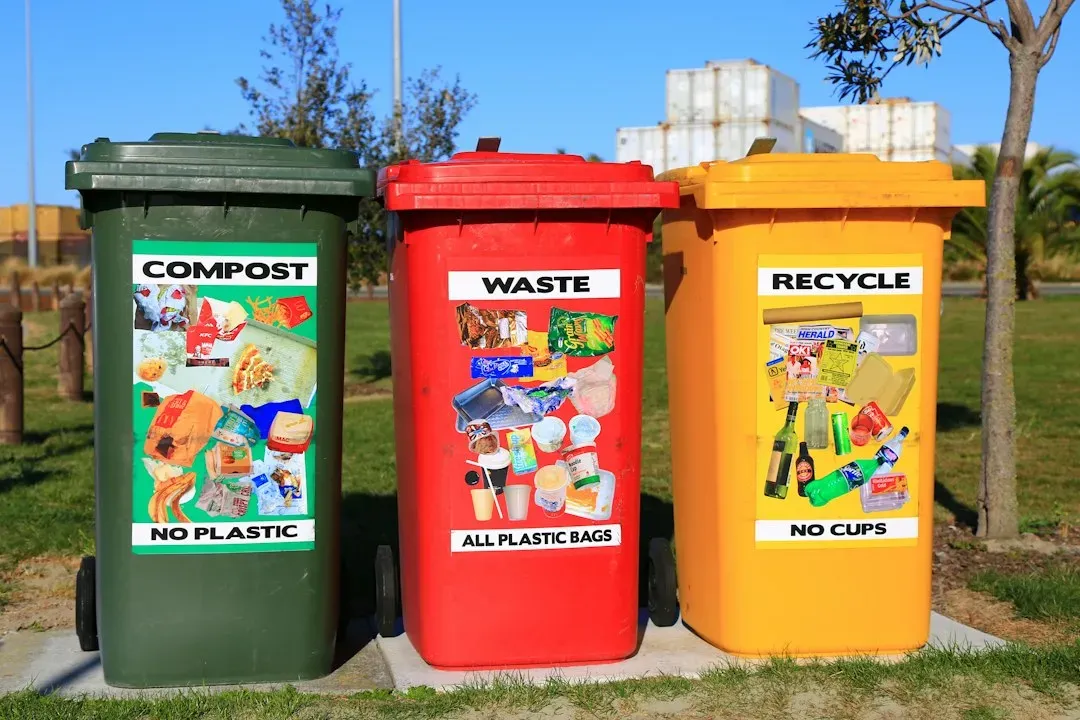
It feels generous to put a questionable item in the bin and let the pros decide. Yet some materials end up in a landfill or incinerator simply because they should not have been recycled in the first place. Greasy food containers, tangled plastic bags and mixed materials can foul a load of otherwise good material.
Recycling programs run best on a short, accurate list. When in doubt, look up your own program’s rules. Guessing usually creates more work at the sorting plant.
Everything That’s Easy to Recycle Already Gets Recycled
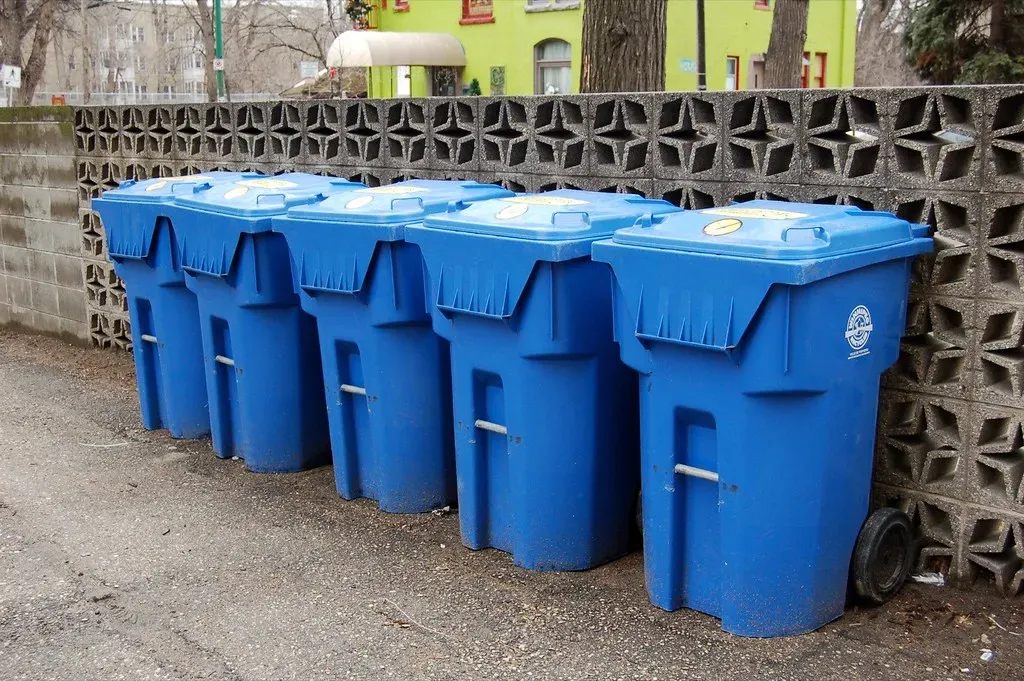
Glass, aluminum, steel and paper are the classic success stories, so it’s tempting to assume they’re covered. An older set of figures cited by Western Illinois University’s sustainability office shows otherwise. It says 78 percent of glass containers, 60 percent of aluminum cans, 41 percent of steel cans and 45 percent of paper and paperboard packaging weren’t recycled. Those numbers are dated, so treat them as an illustration rather than a current measurement.
The gap points to a different problem than technology. Much of it is habit, since many Americans focus on recycling in the kitchen but forget bathrooms, laundry rooms and garages. Empty shampoo bottles and cleaning product containers often go straight into the trash.
Plastic Shipped Overseas Is Recycled There
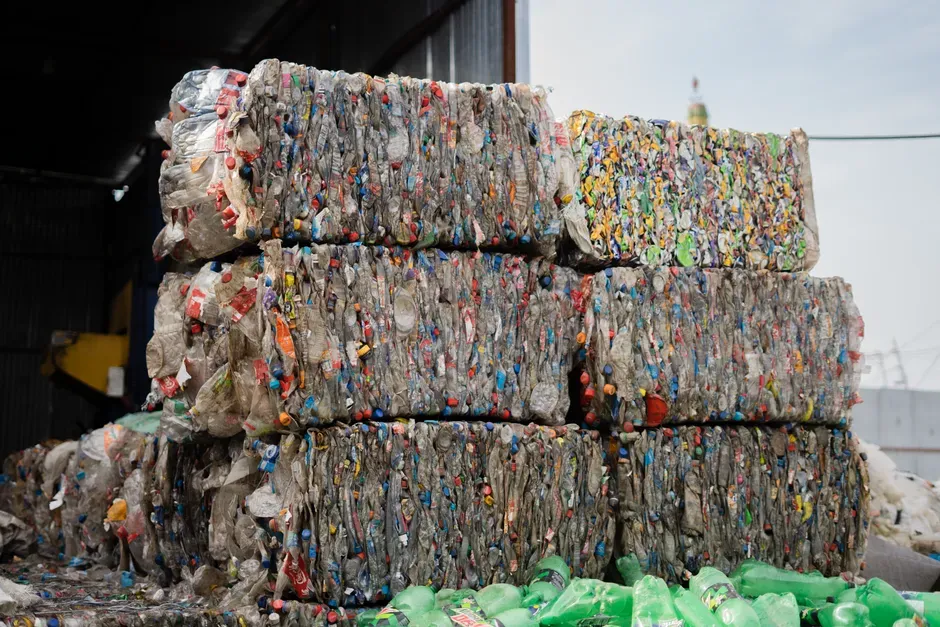
For years, exports let the U.S. count plastic as recycled the moment it left the country. The EPA’s peak reported rate of 9.5 percent in 2014 also counted exported material as recycled, even though much of it was burned or dumped. Being counted and being recycled are not the same thing.
Then the market shifted. China’s import ban cut into a trade that had lifted the U.S. rate, and since 2018 no country has fully replaced that capacity. That’s a big reason recent estimates have slipped.
Recycling Turns Old Plastic Into New Plastic Forever
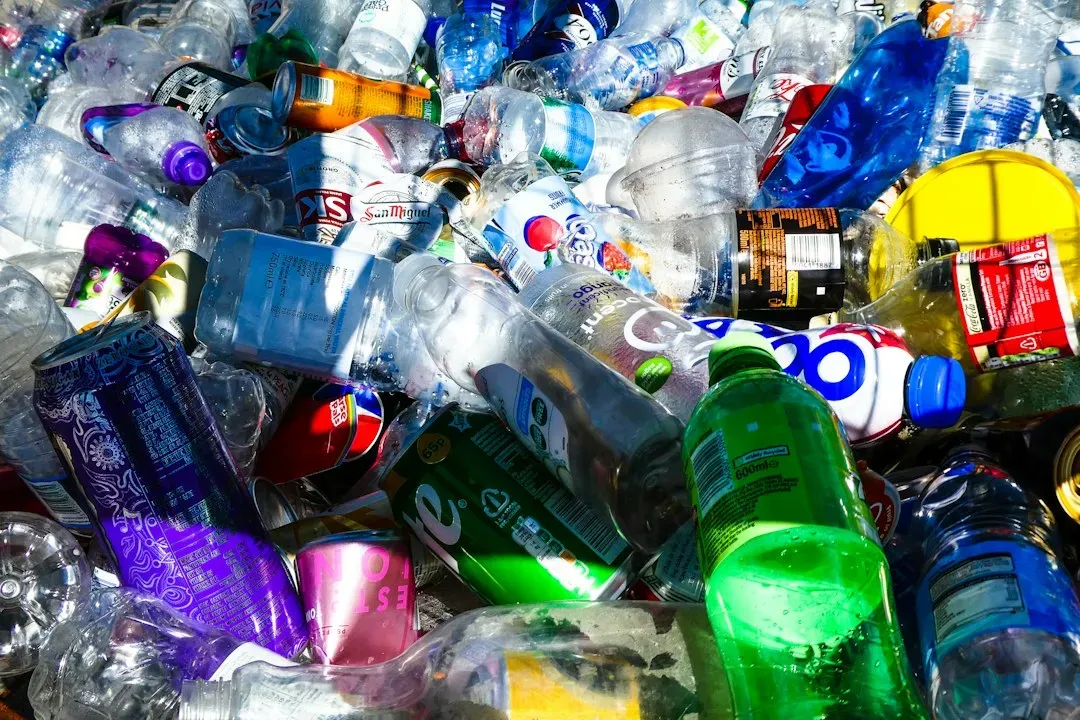
The idea of a closed loop is appealing, but the process loses material along the way. One analysis found that 30 percent of collected PET bottle material is disposed of during recycling. That figure comes from an advocacy report, so read it as one estimate rather than a universal rule.
Recycled plastic also often becomes something different from what it started as. The EPA notes recycled plastics show up in toothbrushes, plastic construction timber and carpets. Those are useful products, yet they’re not always a bottle becoming a bottle again.
Better Recycling Alone Will Solve Plastic Waste
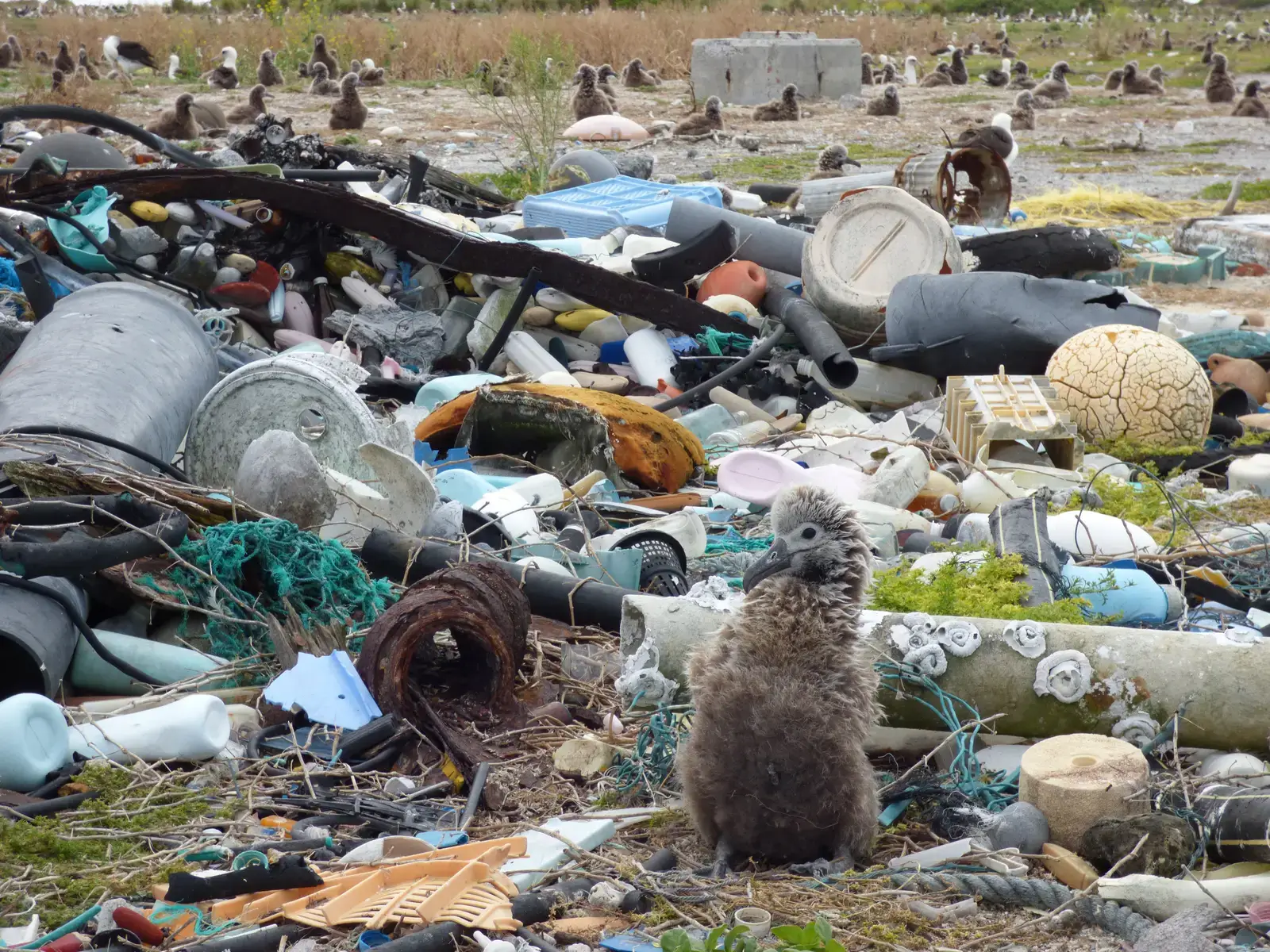
Recycling helps, but it’s chasing a growing target. From 1980 through 2018, U.S. plastic waste generation rose fivefold, from 7.4 to 35.7 million tons a year. The recycling rate never came close to keeping pace.
The global picture looks similar. More than 400 million tons of plastic waste are produced worldwide each year, and only five to six percent is recycled. Cutting how much single use plastic gets made in the first place is a separate lever that recycling can’t replace.
All Plastics Are Equally Hard to Recycle
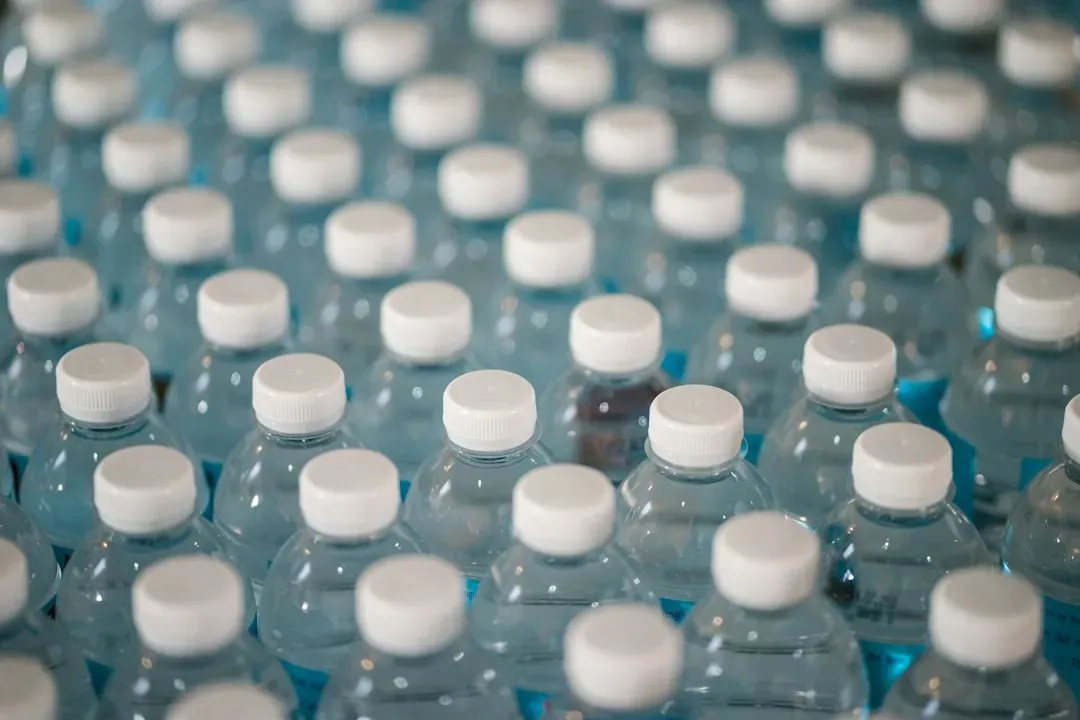
Here’s the myth that runs the other way. Overall plastic recycling is low, but certain containers do far better. In 2018, the recycling rate for PET bottles and jars was 29.1 percent, and for natural HDPE bottles it was 29.3 percent.
That’s why programs focus on bottles, jugs and jars, and often turn away clamshells, cups and films. Knowing which shapes and resins your program accepts makes your effort count, because the plastics with working markets are the ones worth sorting carefully.

- Blue whales vanish from the Galápagos, and scientists suspect El Niño - November 11, 2026
- 8 Famous Battles That Were Decided by the Weather - November 11, 2026
- Black Sunday 1935: 9 Photos From the Worst Dust Storm of the Dust Bowl Era - November 11, 2026
