

- Record planetary extremes loom as the world’s largest climate summit begins - November 12, 2026
- Will travel insurance cover weather-related flight delays and cancellations? - November 11, 2026
- 8 Cities Where the Weather Changes So Fast Locals Carry Everything - November 11, 2026
Most people picture a national park as a place you can drive through in an afternoon. The biggest ones in the country don’t work that way. Some have no roads at all, and a few are larger than entire states in the Northeast.
Ranked by total area, the top four all sit in Alaska, and the fifth is the largest park in the lower 48. Acreage figures below come from the National Park Service and are rounded, since boundaries and survey numbers shift slightly between sources.
1. Wrangell St. Elias National Park and Preserve, Alaska
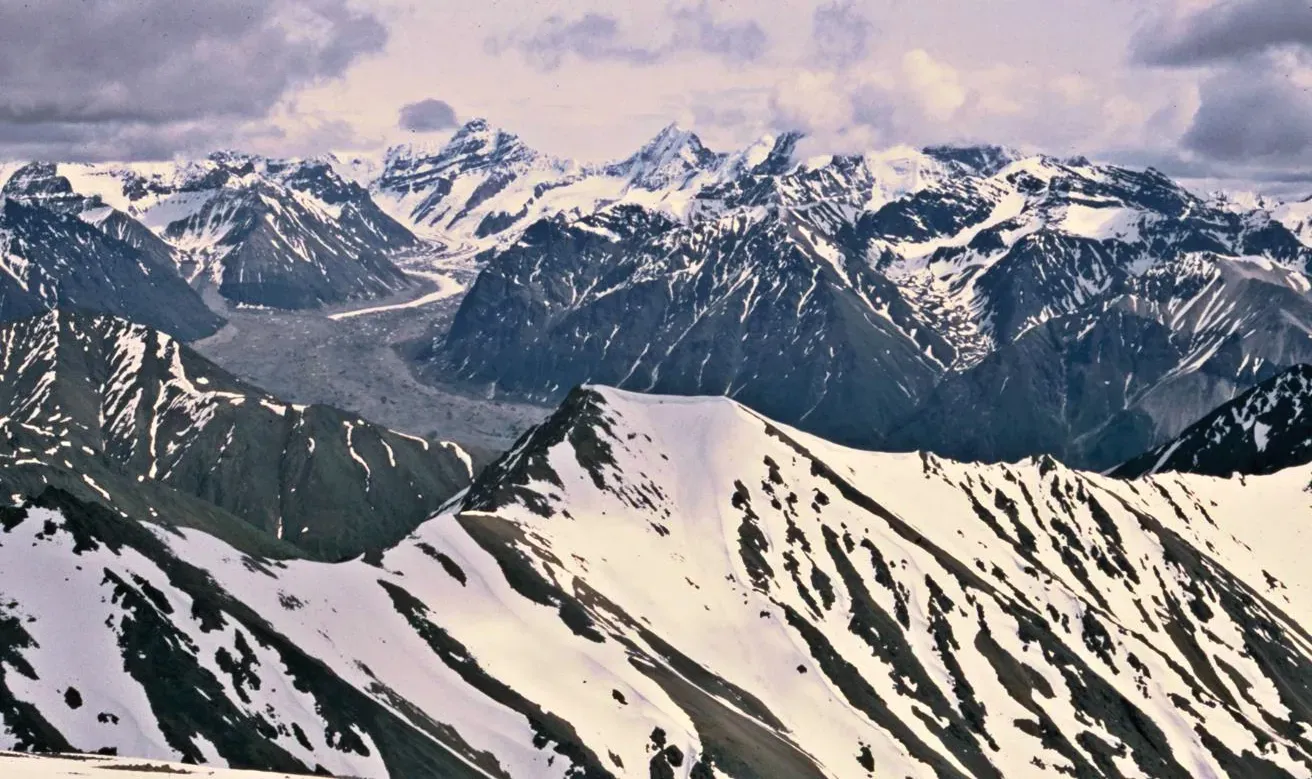
Wrangell St. Elias is the largest national park in the United States by a wide margin. The park and preserve together cover roughly thirteen million acres, and the park portion alone is around eight million. That makes it larger than Switzerland, which is a comparison the National Park Service itself likes to use.
The landscape is mostly glaciers and mountains. Mount St. Elias rises to about eighteen thousand feet, and the region is part of a large international World Heritage Site shared with Canada’s Kluane and neighboring Glacier Bay. Only two rough gravel roads, the McCarthy Road and the Nabesna Road, reach into it, so many visitors arrive by small plane.
2. Gates of the Arctic National Park and Preserve, Alaska
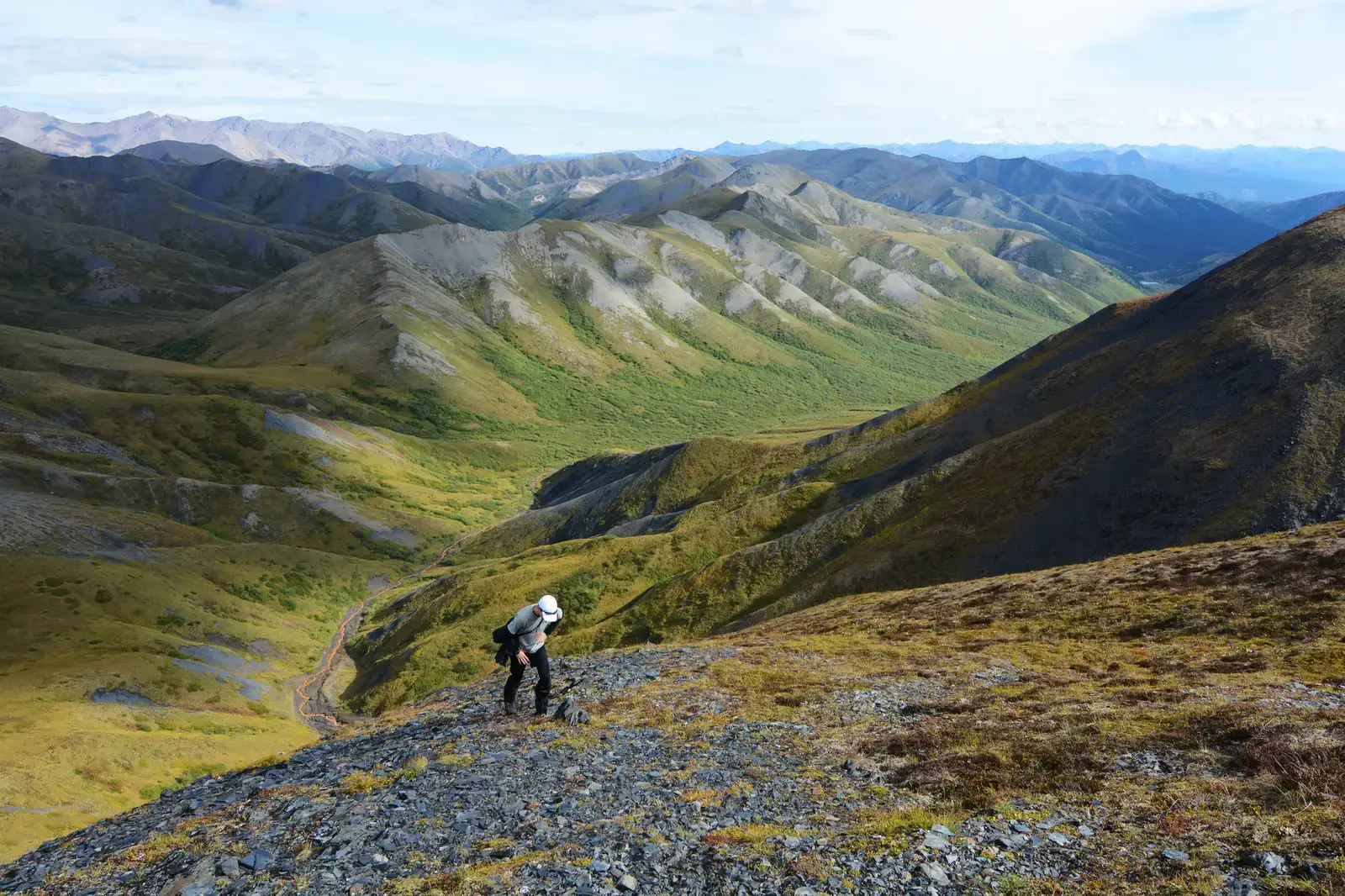
Gates of the Arctic comes in second at about seven and a half million acres. It lies entirely north of the Arctic Circle, in the central Brooks Range. There are no roads and no maintained trails inside its boundaries.
Getting there usually means a bush plane from communities such as Bettles or Coldfoot. Because of that effort, it ranks among the least visited parks in the whole system. For those who make the trip, it offers rivers, tundra valleys, and a rare sense of real solitude.
3. Denali National Park and Preserve, Alaska
Denali covers a little over six million acres, and it’s probably the best known of the Alaskan giants. Its centerpiece is Denali itself, at roughly twenty thousand feet the tallest peak in North America. Wildlife such as grizzly bears, caribou, moose, and wolves are commonly seen from the park road.
That single road runs about ninety two miles into the interior. A landslide at a spot called Pretty Rocks has restricted travel deep into the park since 2021, and the National Park Service has been working on a long term fix. It’s worth checking current road status on the park’s official site before planning a trip.
4. Katmai National Park and Preserve, Alaska
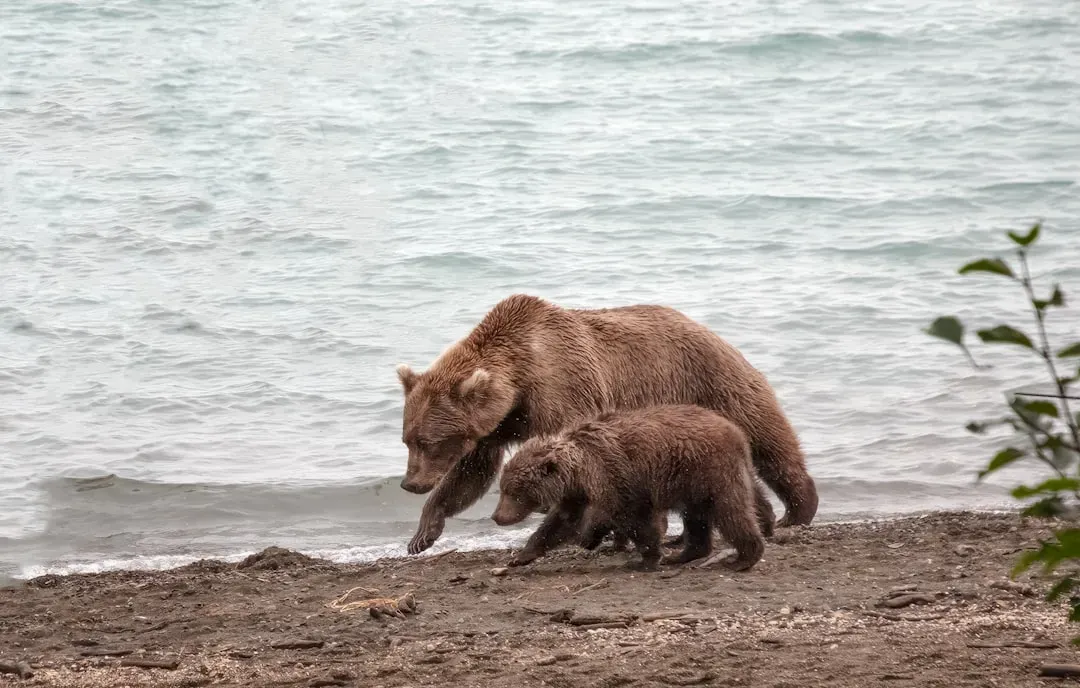
Katmai spans about four million acres on the Alaska Peninsula. It’s famous for its brown bears, which gather at Brooks Falls each summer to catch salmon. That scene drives the annual Fat Bear Week contest, which draws attention from well beyond Alaska.
The park also protects the Valley of Ten Thousand Smokes, a volcanic landscape created by the 1912 eruption of Novarupta. Like most of Alaska’s parks, it isn’t connected to the road system. Visitors typically fly in from King Salmon or reach it by boat.
5. Death Valley National Park, California and Nevada
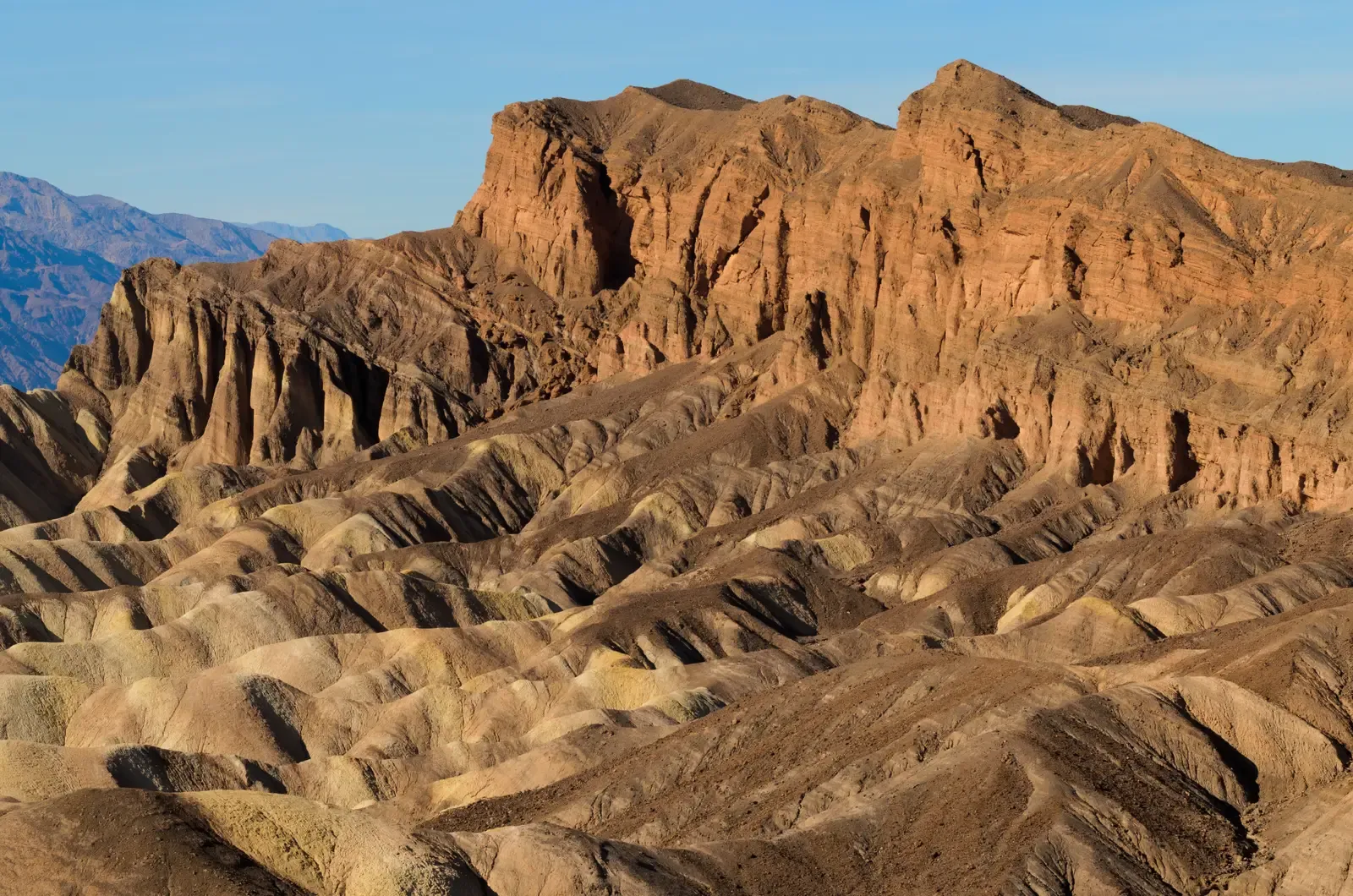
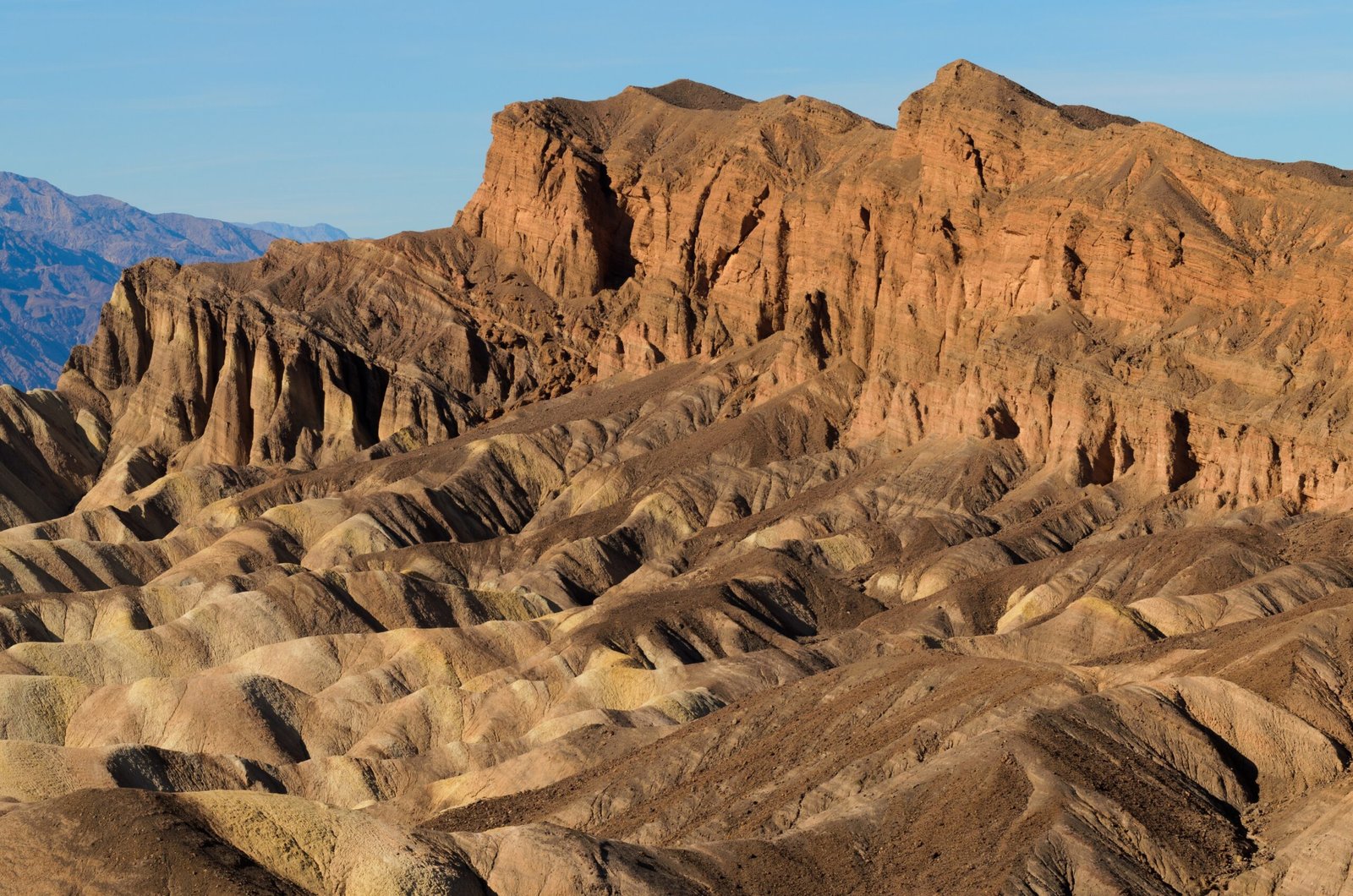
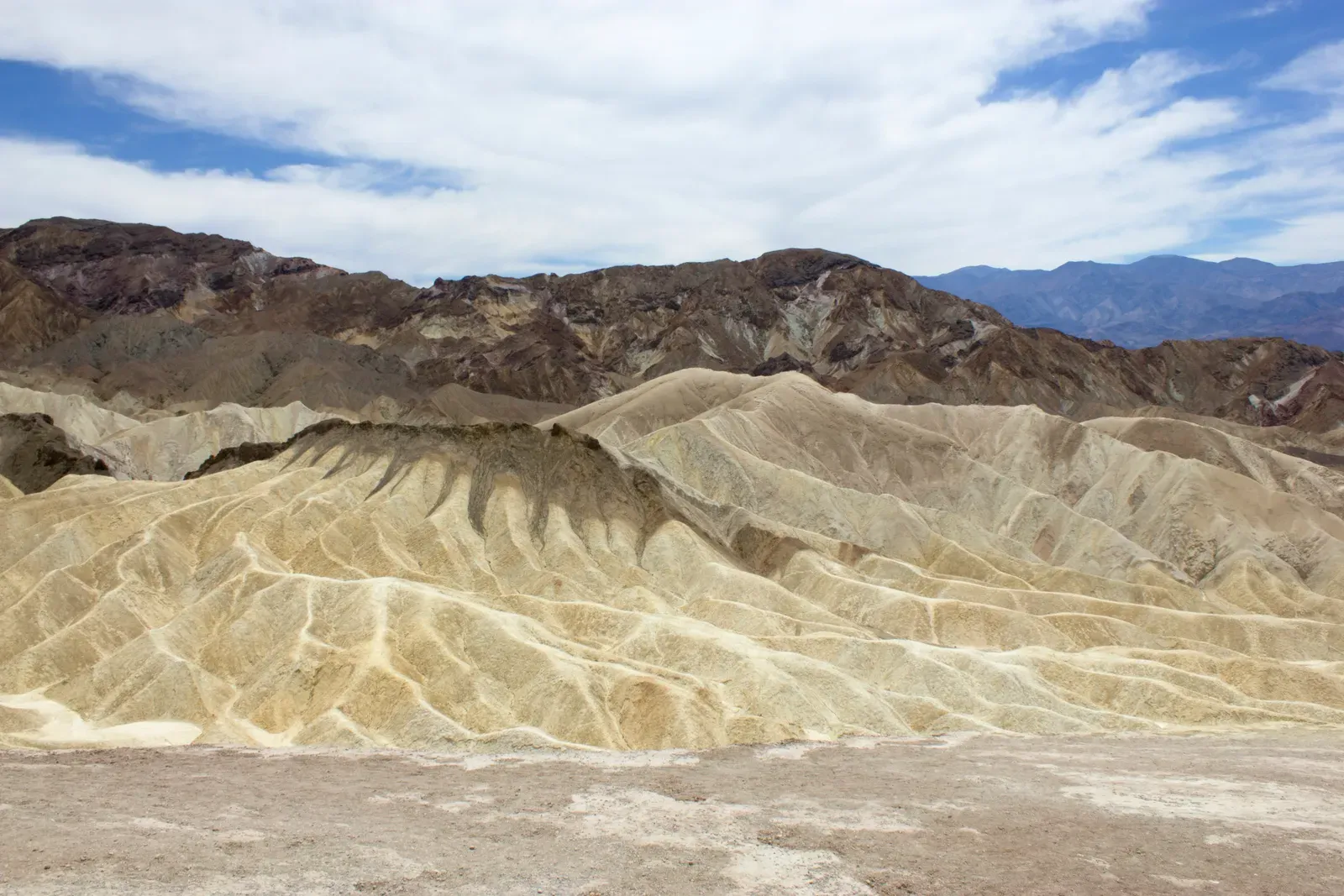
Death Valley breaks the Alaska streak. At roughly three and a half million acres, it’s the largest national park in the contiguous United States. Most of it is designated wilderness, and it stretches across eastern California with a portion in Nevada.
The park is known for extremes. Badwater Basin sits about 282 feet below sea level, the lowest point in North America, and a temperature of 134 degrees Fahrenheit was recorded in 1913 at Furnace Creek. Unlike the Alaskan parks, it’s reachable by paved roads, and it draws more than a million visitors in a typical year, mostly in the cooler months.
Final Thoughts
Four of the five biggest parks are in Alaska, and only Death Valley is easy to reach by car. If you’ve been to just one of them, chances are it’s that one.
