

- 9 Items Experienced Skywatchers Bring Along That Beginners Always Wish They’d Packed - November 12, 2026
- I Moved to Tornado Alley in Oklahoma – 7 Things I Did Not Anticipate About Storm Season - November 12, 2026
- VR tool shows how rising seas could flood Fort Lauderdale - November 12, 2026
Ask most people to picture a desert and they’ll describe sand dunes, a blazing sun, and maybe a lonely camel. That image is popular, but it isn’t how scientists define the term. A desert is mainly a place that receives very little precipitation, and temperature has little to do with it.
A common threshold is less than about 250 millimeters (10 inches) of precipitation a year. By that measure, some surprising landscapes qualify, including icy, foggy, and even snowy ones. Here are nine of them.
Antarctica
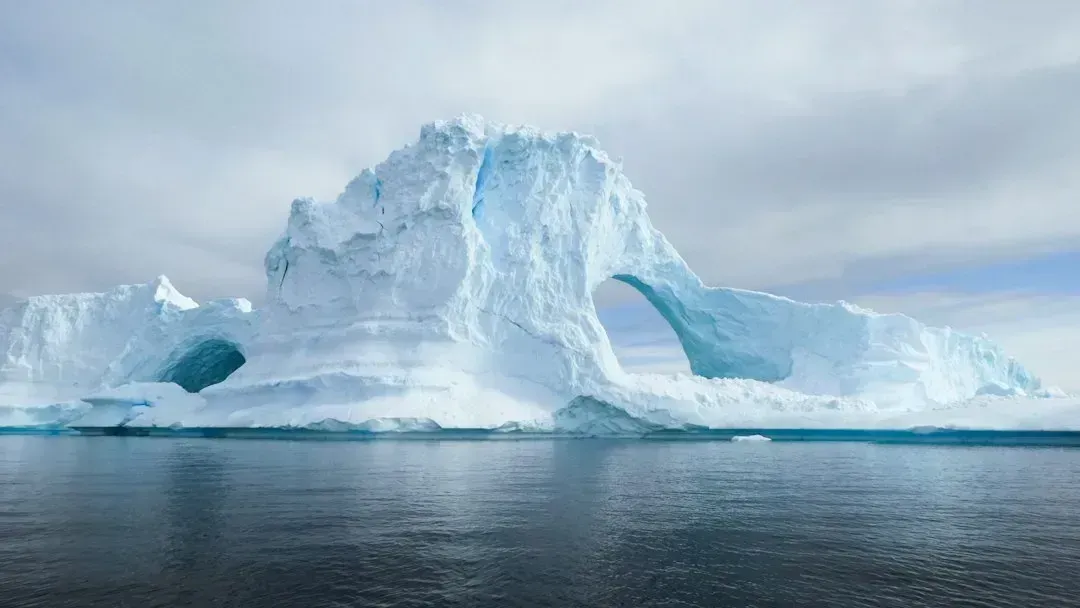
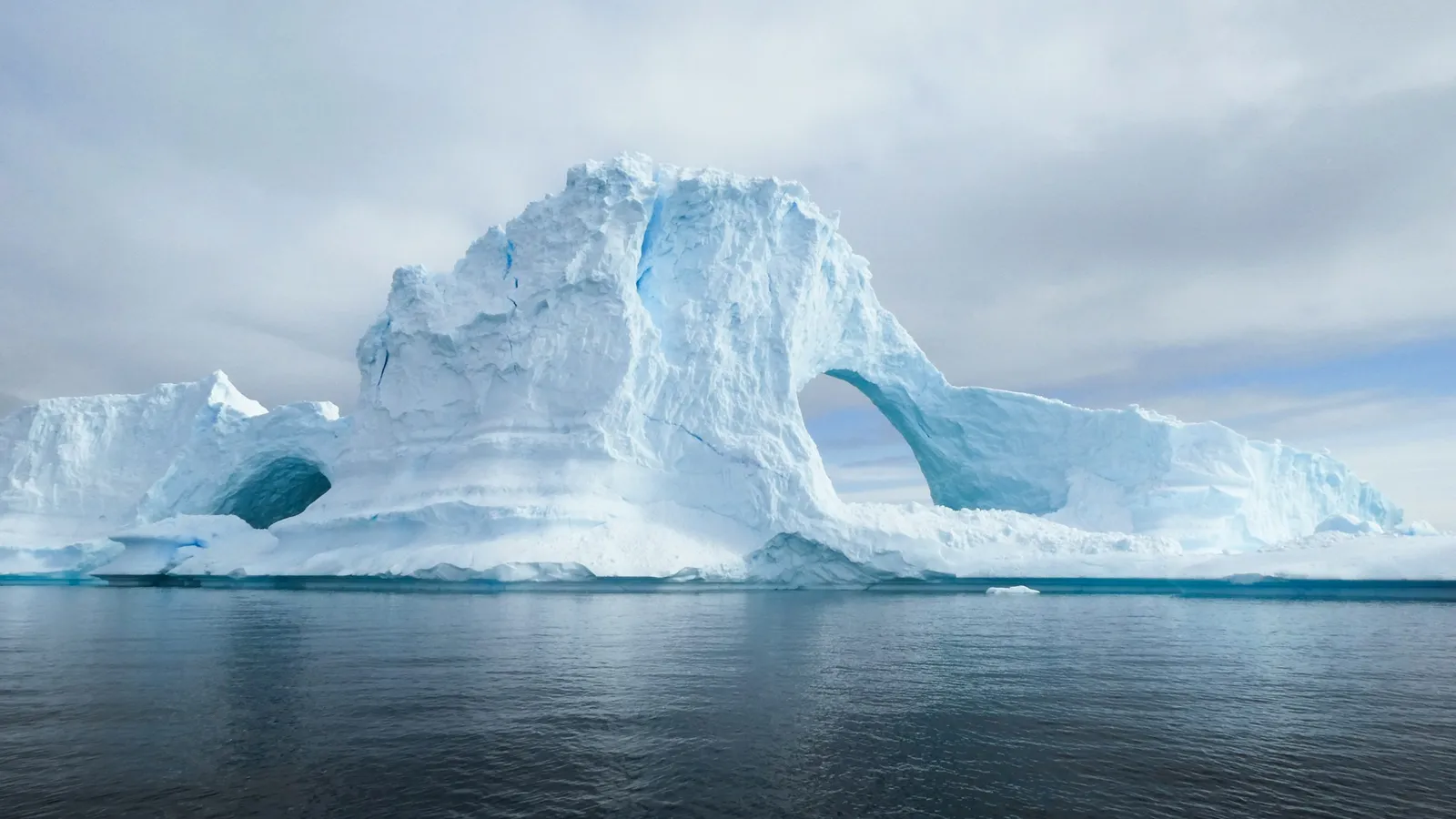
Antarctica is the largest desert on Earth, covering roughly 14 million square kilometers. Most of the continent gets very little precipitation, and the interior receives only a few centimeters of water equivalent each year. That’s drier than many famous hot deserts.
The ice sheet is thick because snow that falls barely melts or evaporates, so it builds up over thousands of years. The Dry Valleys region is even more extreme, with parts that have gone without snow or rain cover for a very long time. Scientists often compare these valleys to Mars.
The Arctic
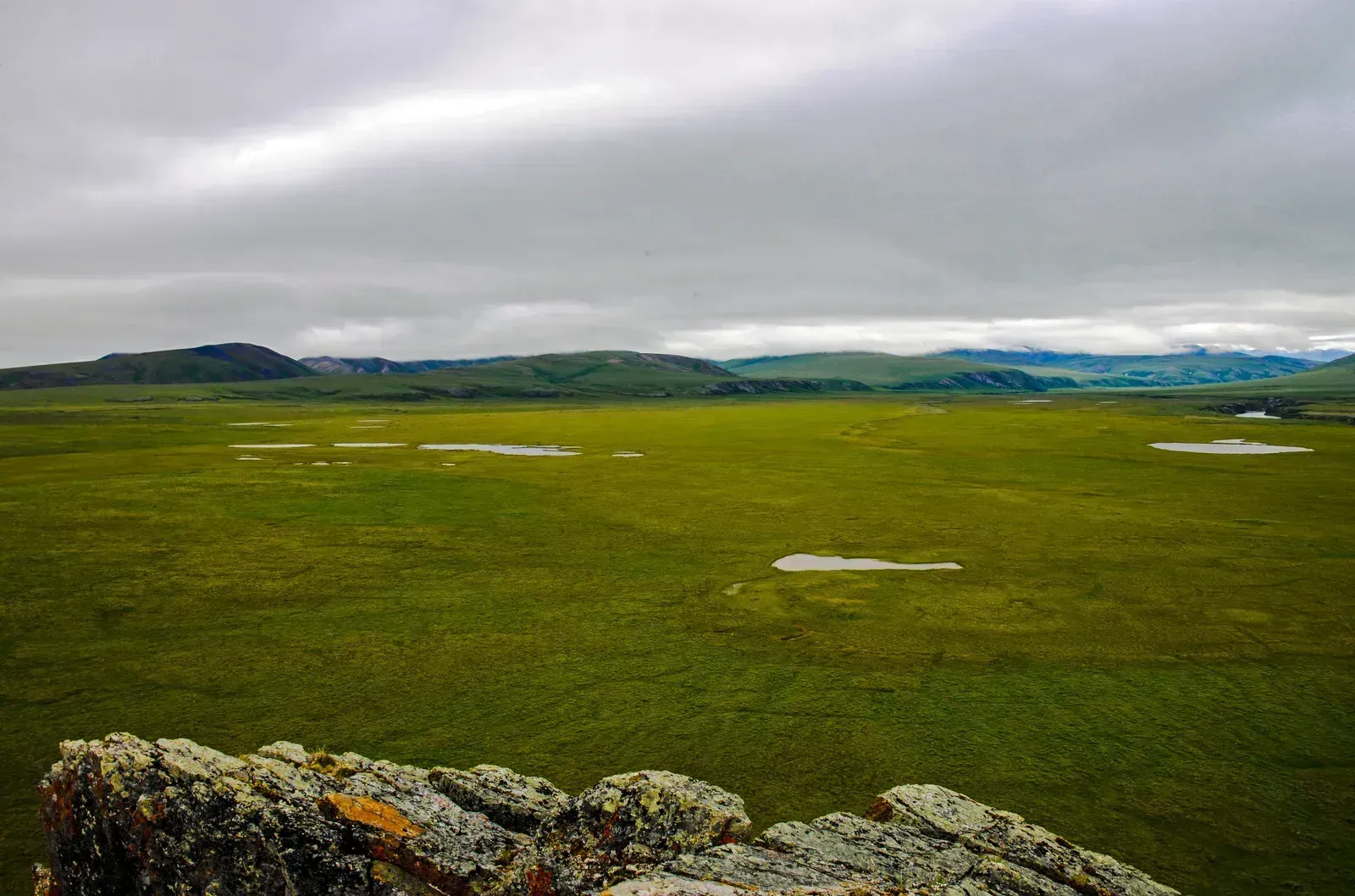
The Arctic polar region is the second largest desert type on the planet. Large stretches of the Arctic tundra and the ice-covered ocean receive only modest precipitation, often well under 250 millimeters a year. Cold air simply can’t hold much moisture.
The ground often stays frozen, so the little water that does fall is locked away as ice or permafrost. That means plants struggle, which is one reason the tundra looks so bare. Warming is now changing this landscape quickly, though the region still counts as a polar desert by traditional definitions.
Greenland’s Ice Sheet Interior
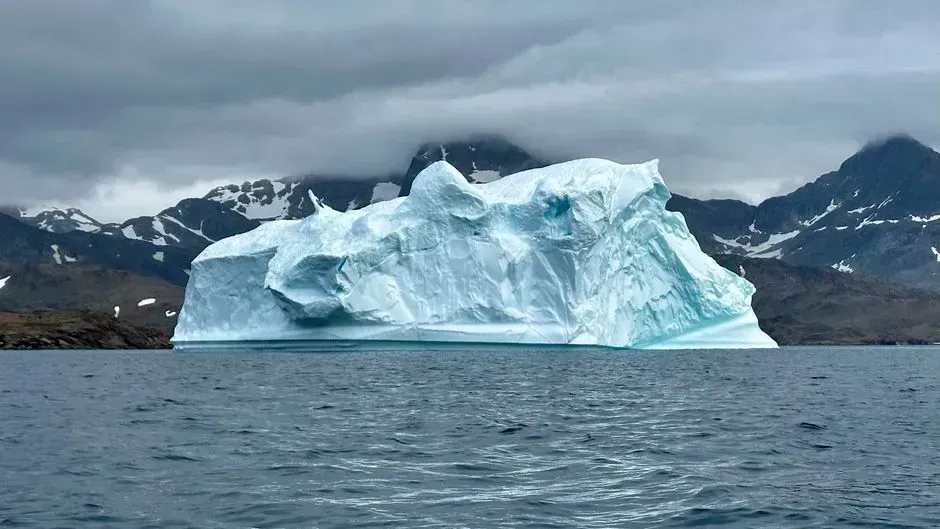
Greenland is famous for ice, so it feels odd to call it dry. Yet the northern and interior parts receive very low precipitation, which qualifies them as polar desert. The ice there is the result of a long buildup, not heavy snowfall.
Snow in the far north falls lightly and stays put, compacting into ice over centuries. The southeast coast is a different story, with much heavier snowfall. It’s a good reminder that one country can hold very different climate zones.
The Gobi Desert’s Cold Steppes
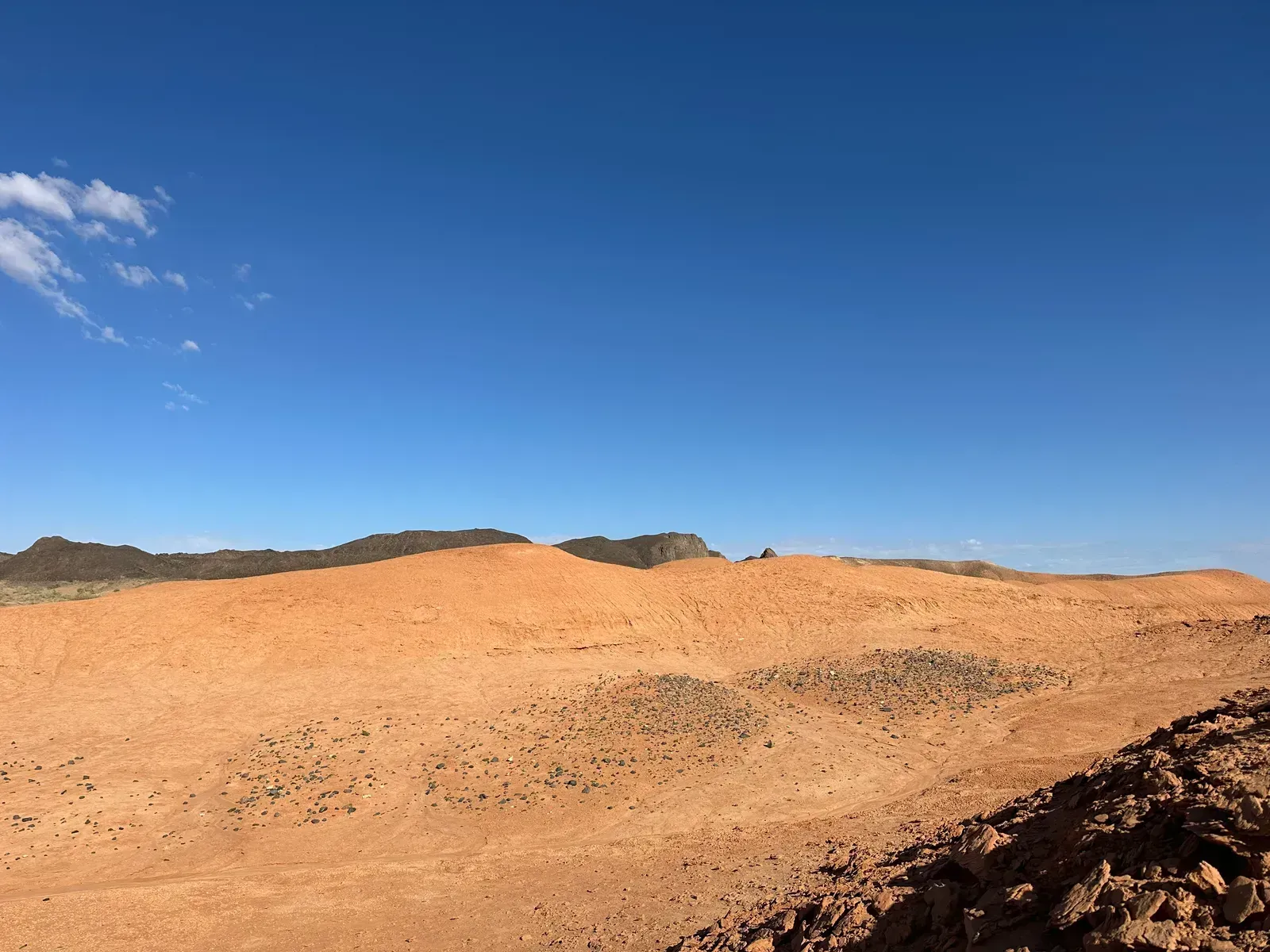
The Gobi in Mongolia and northern China is a cold desert, and many people don’t expect that. Winters are harsh, with temperatures that can drop far below freezing, and snow does fall in places. Yearly precipitation is low across most of it.
Much of the Gobi is rocky ground and gravel rather than towering sand dunes. That surprises visitors who arrive expecting a classic Sahara look. Its dryness comes from its position far from oceans and behind mountain ranges that block moisture.
The Great Basin
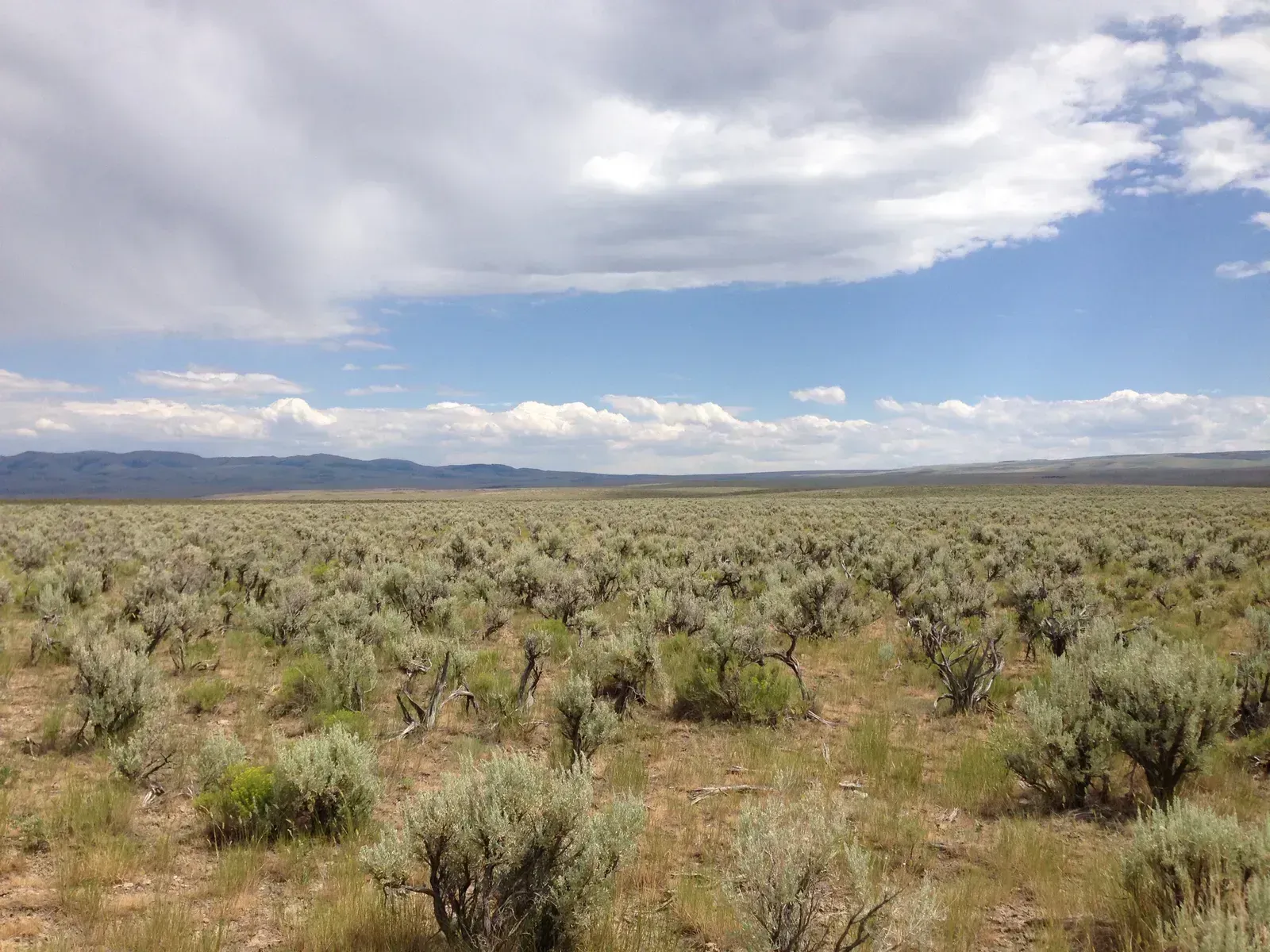
The Great Basin covers much of Nevada and parts of Utah, California, Idaho, and Oregon in the western United States. It is the largest desert in the country, and it’s known as a cold desert. Mountain ranges to the west block much of the moisture coming from the Pacific.
This is called a rain shadow effect. Winter snow is common in the higher ranges, but the valleys stay dry. Sagebrush covers huge areas, and the landscape looks quite different from the cactus scenes of the Southwest.
The Atacama’s Foggy Coast
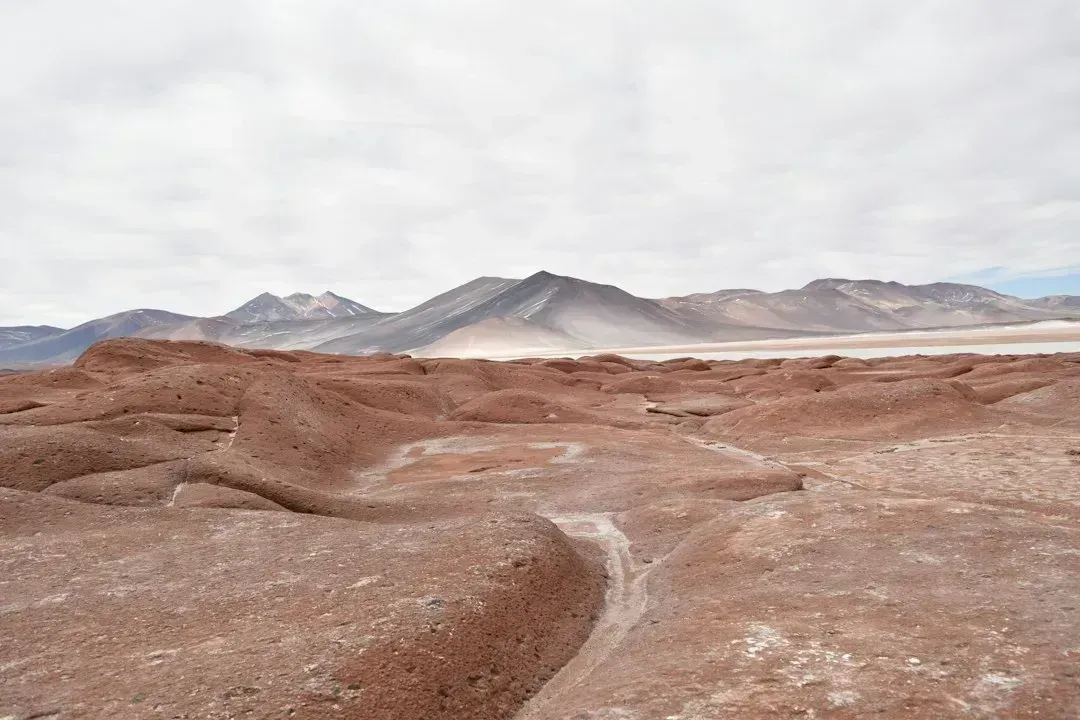
The Atacama in Chile is often named the driest non-polar desert in the world. Some weather stations there have recorded almost no rain for years at a time. Still, it isn’t a hot sandy stretch everywhere.
Along the coast, cool ocean currents and fog bring a little moisture to certain plants and animals. The high altitude areas can even get light snow. The Atacama shows that a desert can be cool, cloudy, and very dry all at once.
Patagonia
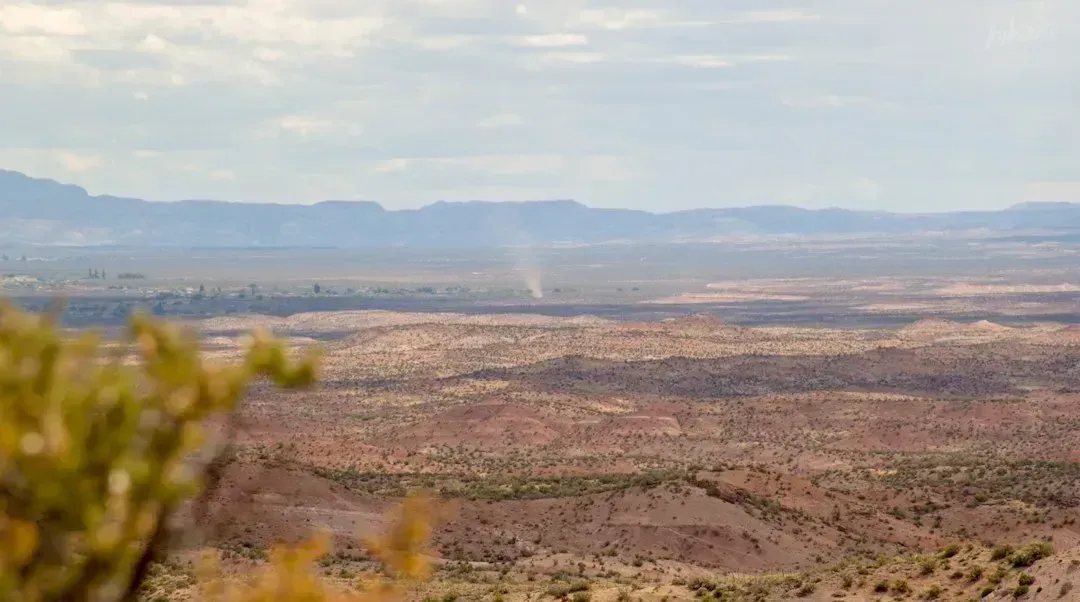
Patagonia, spread across Argentina and Chile, is the largest desert in South America by many accounts. It’s also known as a cold desert with windy plains and steppe. Many people picture glaciers and mountains, and those are real, yet much of the eastern side is dry.
The Andes block moisture from the Pacific, leaving the plateau to the east with little rain. Strong winds add to the dryness by carrying off water. It’s an unusual mix of scenic peaks and arid ground.
The Namib Desert
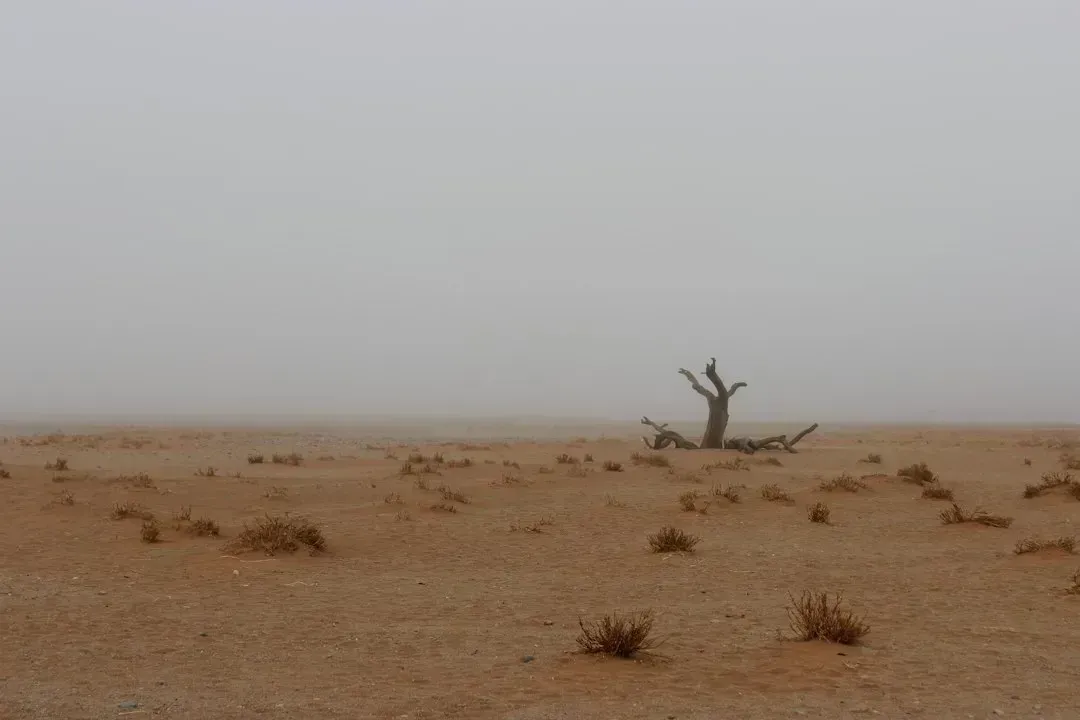
The Namib, along the coast of Namibia, is one of the oldest deserts in the world. It’s dry because of the cold Benguela Current, which cools the air and reduces rain. Instead of rain, it often gets fog rolling in from the Atlantic.
Some animals, such as certain beetles, have adapted to collect water droplets from that fog. So the desert hosts specialized life despite little rainfall. It sits right beside the ocean, which is a striking contrast for a place so dry.
The Arabian Desert
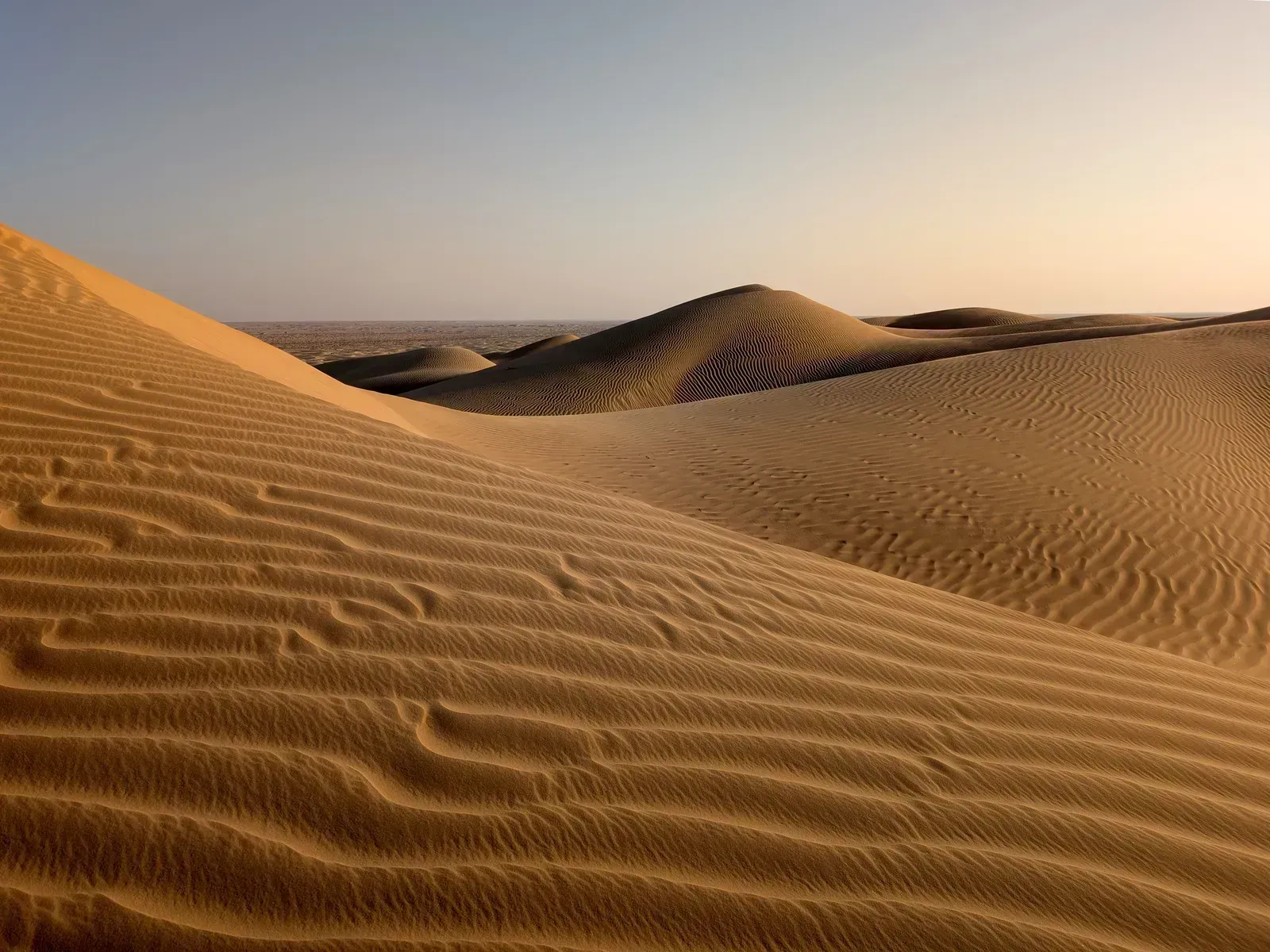
The Arabian Desert covers most of the Arabian Peninsula and is one of the largest deserts in the world. Everyone expects heat there, and summers are indeed severe. Yet nights in winter can get quite cold, and frost can occur in some areas.
It includes the Rub’ al Khali, or Empty Quarter, one of the largest continuous sand areas on Earth. Rainfall is rare and irregular, sometimes arriving in short heavy bursts. It’s a classic desert, but the details, like cold nights, often go unnoticed.
