


- 10 Traditional Building Techniques From Hot Climates Architects Are Revisiting - November 10, 2026
- 2026 Atlantic hurricane season winding down? El Niño eases late-season storm threat - November 10, 2026
- Could the Great Pacific Garbage Patch be altering the ocean’s color? - November 10, 2026
Nobody has ever dropped a probe into the interior of an ice giant. Neptune and Uranus keep their depths hidden, and the only spacecraft to visit either planet were brief flybys. So when scientists talk about diamonds falling through them, they’re working from experiments done here on Earth.
Those experiments have piled up over the past several years, and the newest ones arrived in 2026. Together they offer a clearer, though still partial, picture of what may happen thousands of miles below the clouds.
Why Anyone Suspected Diamonds in the First Place
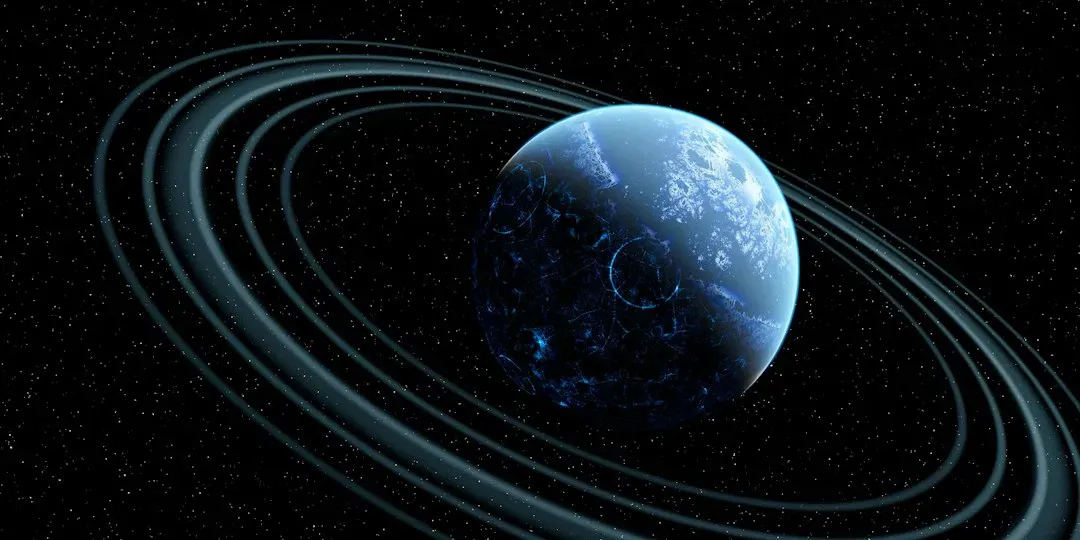
The idea comes from the chemistry of the ice giants. These planets have relatively small rocky cores covered by a mantle of slurried water, ammonia and methane ices, wrapped in a thick atmosphere. Methane matters most here, because it is built from carbon and hydrogen.
Under enough pressure, those hydrocarbons are expected to break apart. Extreme pressure squeezes the hydrogen and carbon so that solid diamonds form and sink slowly deeper into the interior. It was a prediction from physics long before it was something anyone could test.
Where the Diamonds Would Form
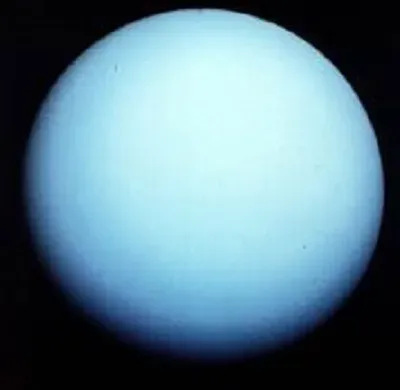
The depth is considerable. The glittering precipitation has long been hypothesized to arise more than 5,000 miles below the surface of Uranus and Neptune. That puts it far beneath anything a telescope can see.
The two planets share a similar architecture, which is why they’re usually discussed together. Both contain solid cores surrounded by a dense slush of different ices. In planetary science, the word “ice” here refers to compounds of hydrogen with lighter elements, not frozen water alone.
The First Direct Look at Diamond Rain Forming

The landmark test used a plastic as a stand in for methane derived compounds. The team studied plastic simulating compounds formed from methane, the molecule that gives Neptune its blue cast. The work took place at the Linac Coherent Light Source, a facility at SLAC.
The method was a combination of two tools. Scientists recreated similar conditions with high powered optical lasers and watched small diamonds form in real time with X rays. The diamonds that appeared were only a few nanometers wide.
Adding Oxygen to a More Realistic Mix
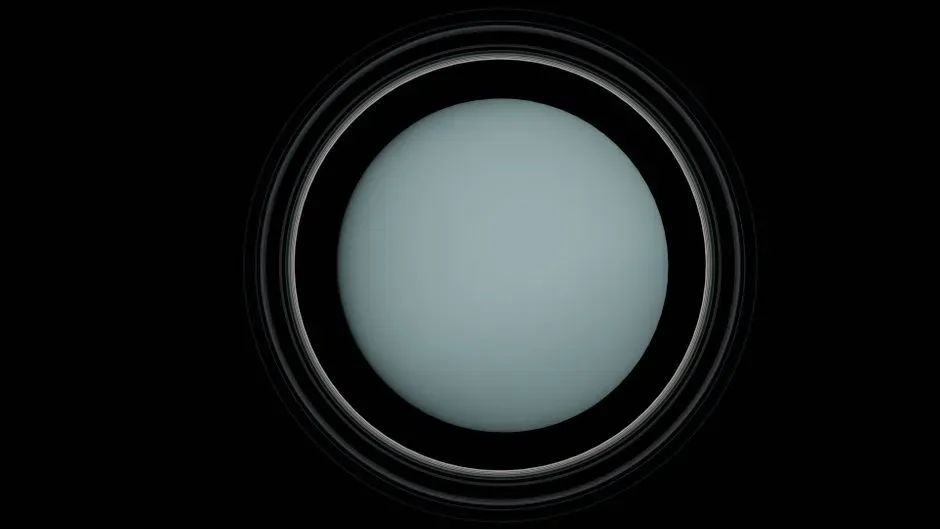
The early experiment had a limit. Those results were rather limited because the setup only included carbon and hydrogen. Real ice giants are messier than that.
A later SLAC team tried to close the gap. It included oxygen, which is abundant in the atmospheres of the ice giants. The goal was to see how quickly and easily diamonds could grow once other chemistry was in the mix.
How Big Could the Diamonds Get?

Laboratory diamonds are tiny, but the planets have far more time and space. The research team predicts that on Uranus and Neptune the diamonds would become much larger, maybe millions of carats in weight. That is a projection, not a measurement.
There’s also the question of motion. Researchers think it’s possible that over thousands of years the diamonds slowly sink through the planets’ ice layers. So the rain would be a very slow one.
What Nanodiamonds Revealed About Planet Chemistry
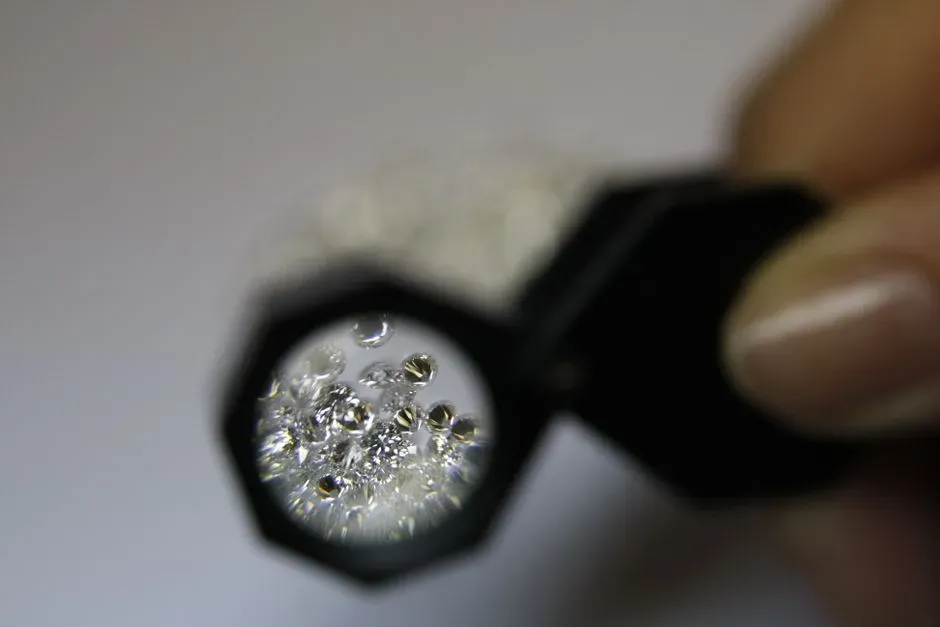
A separate line of work, reported in 2025, kept its focus on the size of the crystals. Though the diamonds measure only a few nanometers, other questions about the chemical composition of the gases on the two planets become easier to answer. In other words, small samples can still carry large clues.
Dominik Kraus of the Helmholtz Junior Research Group at HZDR drew a broader lesson from it. He said previous simulations had not been accurate. The data point toward refining the models, including those used for planets beyond our solar system.
The 2026 Experiment That Melted Diamond

The newest result moves from forming diamond to destroying it. Marius Millot and colleagues published “Diamond melting in shock compression experiments at 1 TPa pressures” in Nature Physics in 2026. The team used the Omega Laser facility at the University of Rochester.
The conditions were severe. Tiny diamond samples were shock compressed to temperatures hotter than the surface of the Sun and pressures higher than the center of Neptune and Uranus. Even then, the researchers could still measure atomic structure, temperature, density and optical reflectivity.
Diamonds That Float on Liquid Carbon

One finding sounds backward at first. The melting experiments confirm that diamond floats in metallic liquid carbon at high pressures, much like ice cubes float in a glass of water. It helps settle a decades old conflict between theory and observation.
This matters because a floating diamond wouldn’t sink the way a falling one does. The result also gives modelers firmer numbers, since the pressures tested exceeded those expected inside ice giants. That gives planetary scientists a stronger foundation for modeling how Neptune and Uranus formed and how their interiors have evolved.
Why It Matters for Magnetic Fields and Fusion
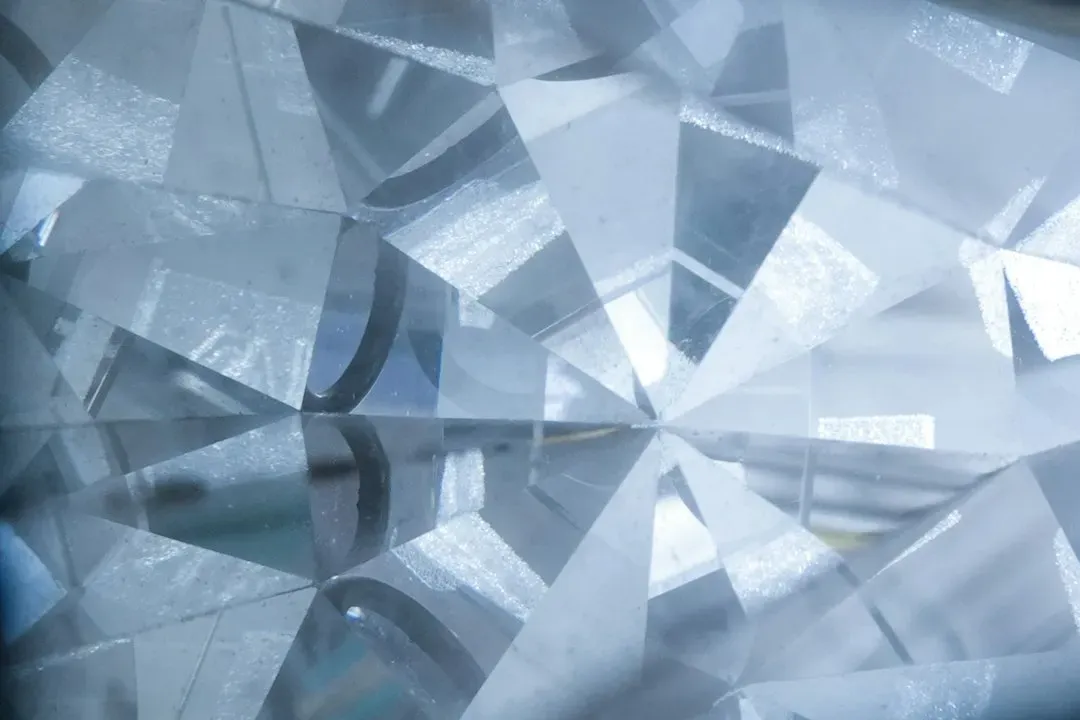
Moving carbon can change how a planet behaves. Changes in composition and the movement of dense carbon phases can alter heat transport and influence dynamo action, affecting intrinsic heat flux and magnetic field geometry. That links a lab curiosity to features astronomers actually observe.
The same data have an Earthbound use. The technique could triple the energy gains for some fusion reactors. Diamond capsules are used in fusion experiments, so knowing exactly when they melt is practical information.
What Researchers Plan Next
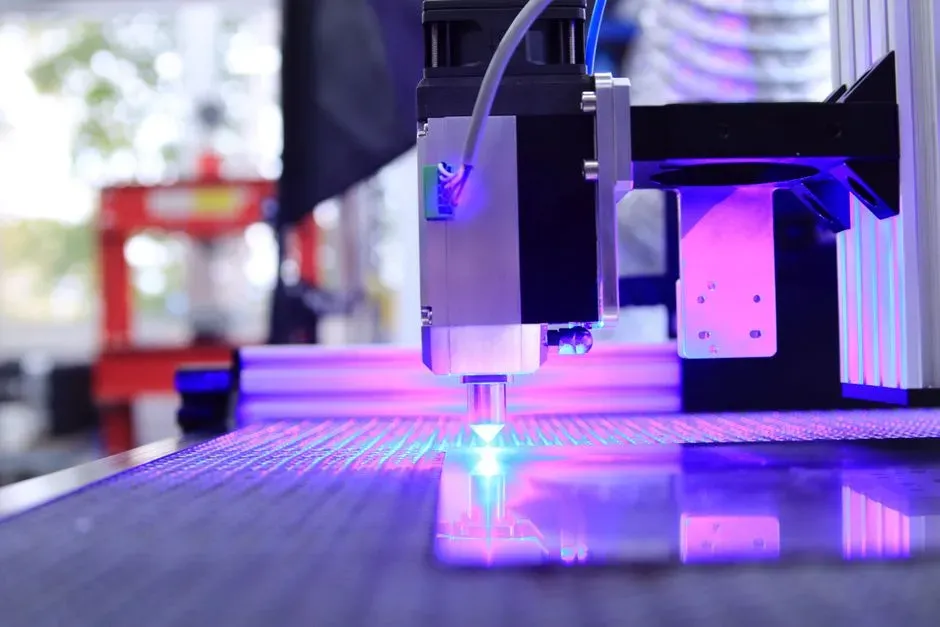
The work isn’t finished. The LLNL team plans to use the experimental capabilities of the National Ignition Facility to study diamond at harder to reach, unprecedented extreme conditions. Further steps include independent replication, refined measurements and integration into planetary interior models.
Comparison with real observations will be the final test. Data from spacecraft missions and telescopes will be important for judging how laboratory scale processes scale up to whole planet behavior. Until then, diamond rain on Neptune and Uranus remains a well supported hypothesis, built from lab results rather than direct sightings.
