

Plenty of people believe that scrubbing at the sink is the humbler, more eco-friendly choice. It feels frugal. A big machine that hums for a couple of hours seems like it must be wasteful. The research mostly points the other way, though, with a few interesting exceptions.
Below, we sort the common claims into myth and fact, using published studies and testing from recent years. Some of the biggest studies have industry ties, so we’ll flag those too.
Myth: Hand Washing Obviously Uses Less Water
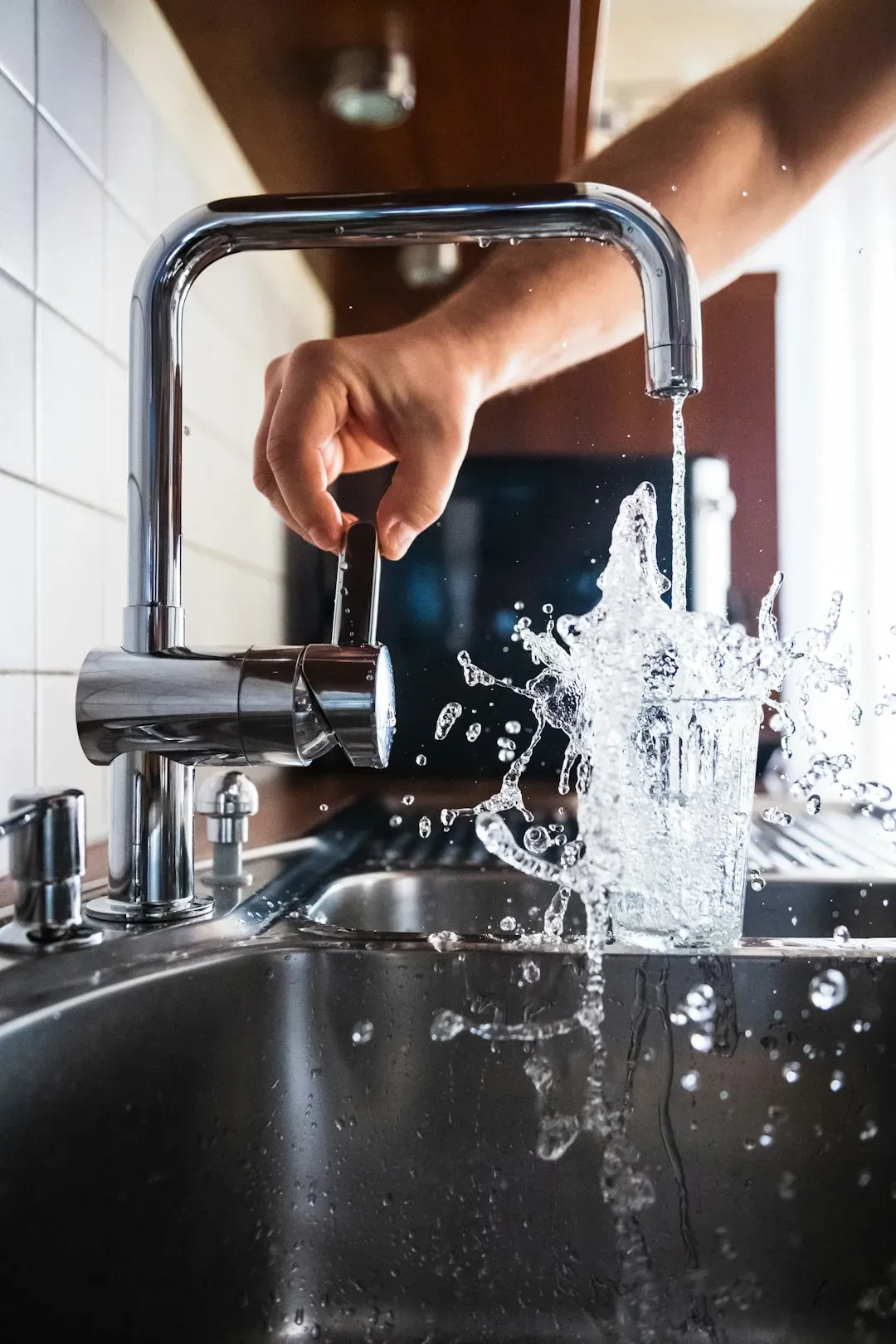
It’s easy to assume a sink of suds beats an appliance. Yet the numbers don’t back that up. Consumer group Choice reports that a full dishwasher uses about 13 litres of water to clean 144 items, while washing the same load by hand averages about 100 litres, based on a University of Bonn study.
Testing by Which? points the same direction. Its in-depth testing found dishwashers use almost 80% less water per full wash than washing up by hand. Even a relatively inefficient model still beats handwashing on water use.
Fact: Handwashing Habits Vary Wildly

The averages hide a huge spread. The Bonn researchers found actual hand-washing usage ranged from 33 to 440 litres. So a careful washer can do much better than a careless one.
The tap itself matters too. Most U.S. household faucets flow at about 2.2 gallons per minute, so ten minutes of continuous running uses 22 gallons. Leaving the water on is where hand washing goes wrong.
Fact: Heating Water Drives the Carbon Footprint

Water use is only half the story. Hot water takes energy, and that’s where most emissions come from. In a University of Michigan study, typical machine practices produced less than half the greenhouse gas emissions and used less than half the water of typical manual practices, and most emissions were tied to heating water.
That’s why using less hot water matters more than almost anything else you do. A dishwasher heats a small amount of water, while a running tap keeps pulling fresh hot water from your heater.
Myth: Dishwashers Are Always the Winner

There’s one real exception. The two-basin method, where dishes are soaked and scrubbed in hot water and then rinsed in cold water, was associated with fewer greenhouse gas emissions than machine dishwashing. Careful hand washing can be greener.
The catch is that it takes discipline. Consumer Reports notes that an Energy Star dishwasher came second for energy efficiency and needed less water than any other method. So the machine wins on water, while a frugal basin routine can edge it on emissions.
Fact: Pre-Rinsing and Heated Drying Waste Resources
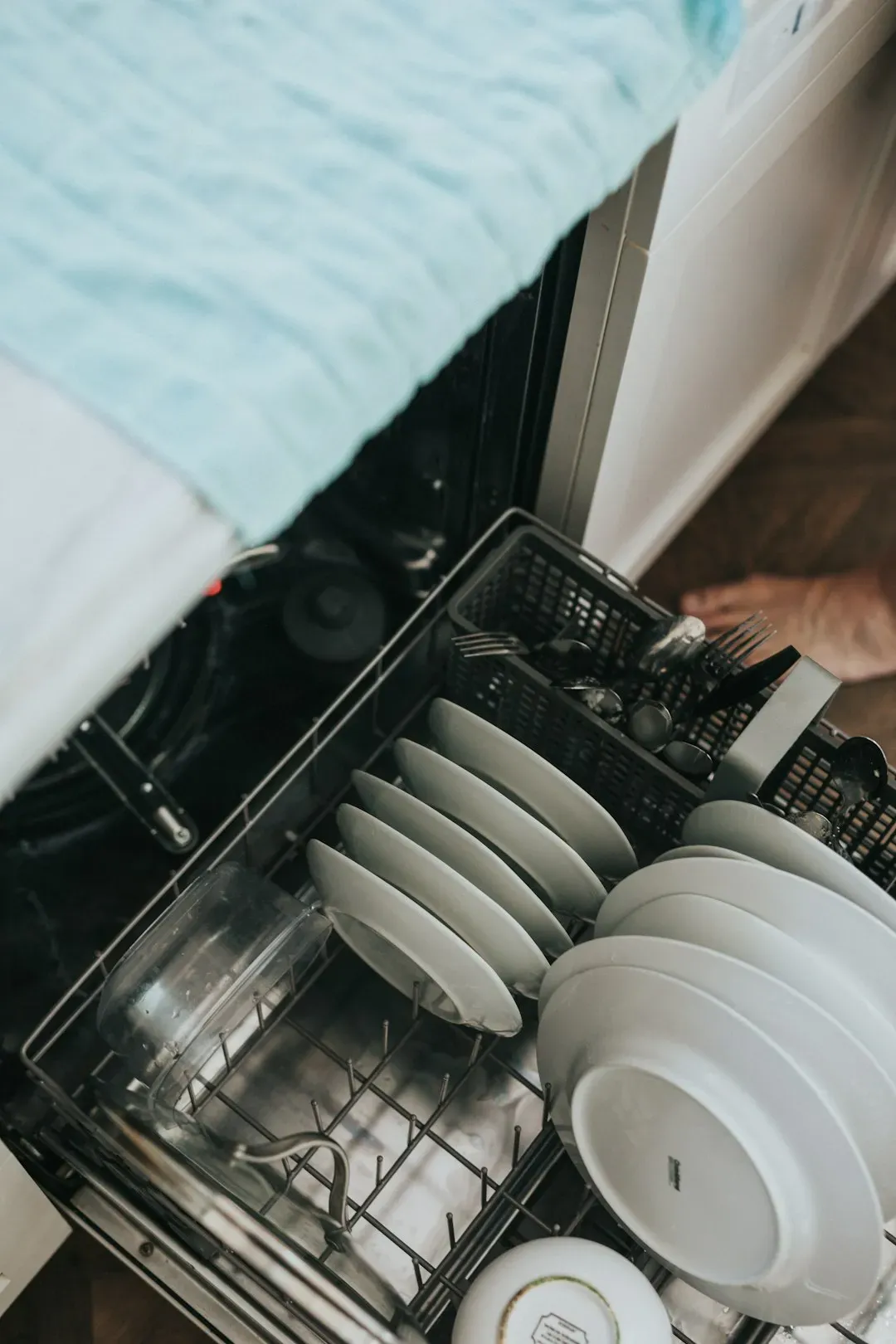
Dishwasher users often undo their own savings. The Michigan study identified pre-rinsing and heated drying as the main problems, and cutting them reduced emissions by 3 percent and 11 percent respectively.
The fix is simple. Researchers recommend scraping food into the trash instead of rinsing, turning off heated dry, and running the machine only when it’s full.
Myth: Older Studies Settled It Either Way
Older claims still circulate. A 2013 UCLA study reportedly found handwashing and dishwasher energy use came out in a dead heat. That’s often cited, but it predates much of the newer testing.
The Michigan work was broader. It looked at cradle-to-grave impacts, including making and disposing of dishwashers, along with emissions, water, energy, waste, and cost. That makes it a more complete picture than kitchen-only comparisons.
Fact: Industry Funding Deserves a Footnote

Transparency matters here. The Michigan study was partially funded by Whirlpool and used 38 Whirlpool employees in a company lab, though independent University of Michigan researchers did the analysis.
That doesn’t invalidate the findings. They line up with independent consumer testing, such as the Which? results above. Still, it’s a good reason to treat any single number cautiously and look at the overall pattern.
Fact: Efficiency Standards Make Newer Machines Better

Certification helps. The U.S. Department of Energy caps standard dishwashers at 5 gallons per cycle, and Energy Star models use about 3.5 gallons. Eco programs trim consumption further.
Modern features also help. Many machines have auto programs that adjust the cycle and water to soil levels. If your dishwasher is very old, upgrading could still make a difference, though the footprint of manufacturing a new one is also worth weighing.
Conclusion: The Greener Choice Is Usually the Machine
For most households, a full, scrape-don’t-rinse dishwasher load with no heated drying beats typical hand washing on both water and emissions. The one strong rival is disciplined two-basin washing, which can match or beat it on carbon.
So the greenest dishes are the ones washed deliberately, whether by a full machine or a careful basin. A running tap is the one habit that loses either way.

- I Asked AI and a Waste Auditor How to Cut My Household Trash – Where They Disagreed - November 12, 2026
- Einstein’s equations suggest gravity can reconnect like the sun’s magnetic field - November 12, 2026
- This Map Shows Which States Get the Most Severe Storms Each Year – And It’s Not What You’d Expect - November 12, 2026
