

Ask most people which planet is the hottest, and the answer comes quickly: Mercury, because it’s closest to the Sun. It sounds logical. Distance from a heat source should decide the outcome.
The real answer sits one orbit farther out. Venus holds the title, and it does so by a wide margin. The reasons say a lot about how atmospheres shape worlds.
The Number That Settles the Argument
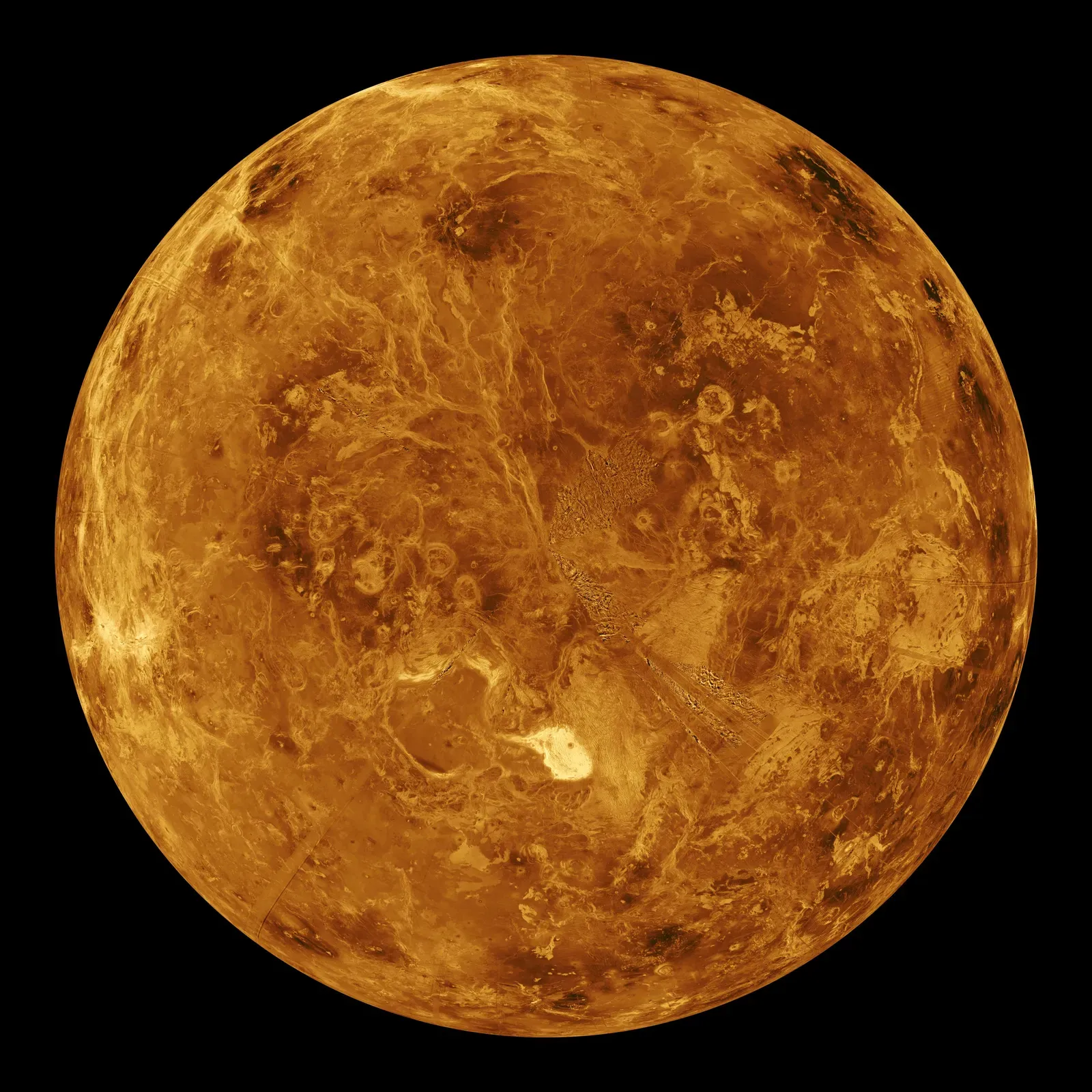
NASA lists the average surface temperature on Venus at roughly 867°F, or about 464°C. That’s close enough to 900°F that the rounded figure is fair. The temperature barely changes between day and night, or between the equator and the poles.
Mercury can’t match that average. Its sunlit side reaches about 800°F, but that heat doesn’t last. Venus stays at the same blistering level nearly everywhere, all the time.
Why Mercury Loses Despite Being Closer
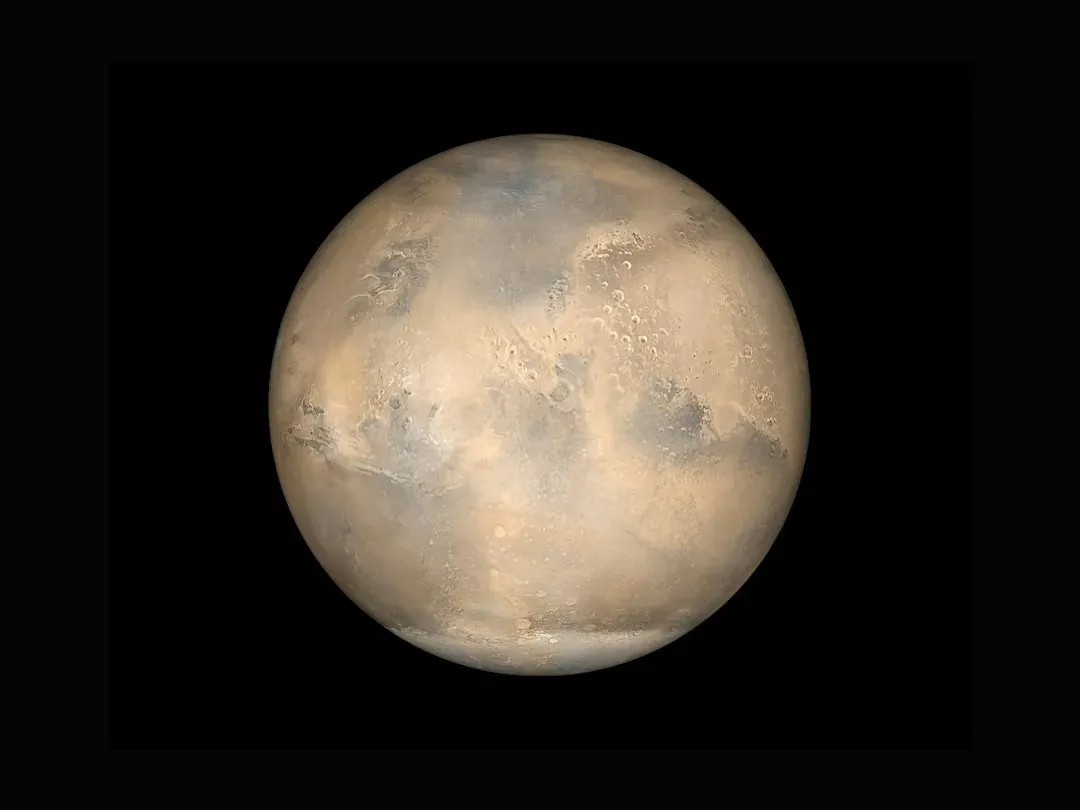
Mercury orbits the Sun at an average distance of about 36 million miles. Venus orbits at roughly 67 million miles. By sunlight alone, Mercury should win easily.
The difference is that Mercury has almost no atmosphere to hold heat in. Its surface warms fast under direct sunlight, then loses that warmth just as fast. Venus, with a thick blanket of gas, keeps nearly everything it receives.
A Greenhouse Effect Taken to the Extreme
Venus’s atmosphere is made up of roughly 96 percent carbon dioxide. That gas lets sunlight reach the surface but traps the infrared heat trying to escape. The result is a greenhouse effect far stronger than anything on Earth.
Scientists often point to Venus as a warning about runaway warming. Its early history may have included oceans, though that remains a subject of active research. Whatever happened, the planet ended up with a surface hot enough to melt lead, which liquefies at around 620°F.
Crushing Pressure on Top of the Heat
Temperature isn’t the only hazard. The air pressure at the surface of Venus is about 90 times that of Earth at sea level. It’s comparable to being nearly a kilometer beneath the ocean.
At that pressure, the carbon dioxide behaves more like a thick fluid than a light gas. Any spacecraft must be built to resist both extreme heat and tremendous squeezing. Few materials and electronics handle both for long.
Clouds of Sulfuric Acid
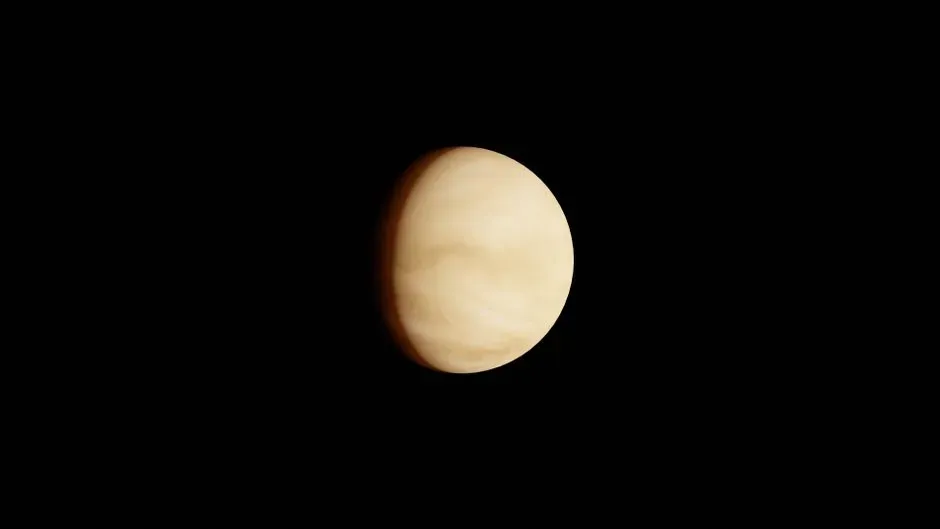
High above the surface, Venus is wrapped in clouds made largely of sulfuric acid droplets. These clouds reflect much of the sunlight that strikes the planet, which is why Venus shines so brightly in our night sky. It’s a bit ironic that something so reflective hides such a hot surface.
The clouds also hide the ground from ordinary cameras. Radar became the main tool for seeing through them. NASA’s Magellan spacecraft used radar in the early 1990s to map most of the planet’s surface.
Mercury’s Extremes Run in Both Directions
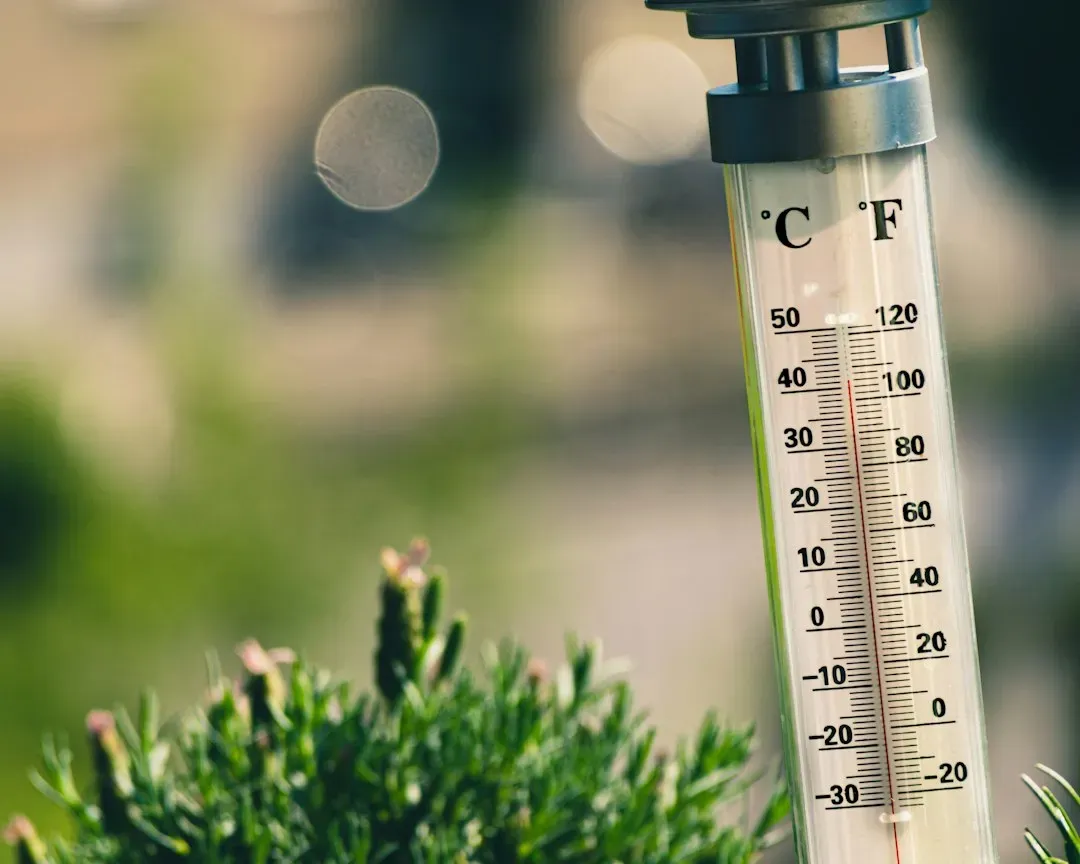
Mercury isn’t mild by any measure. Daytime surface temperatures can hit about 800°F, while nighttime readings drop to around negative 290°F. That’s a swing of more than a thousand degrees Fahrenheit.
Even so, Mercury has shown evidence of water ice in permanently shadowed craters near its poles. Those spots never see direct sunlight. It shows how a planet without an atmosphere can hold both scorching and freezing places side by side.
What Landers Have Survived on Venus
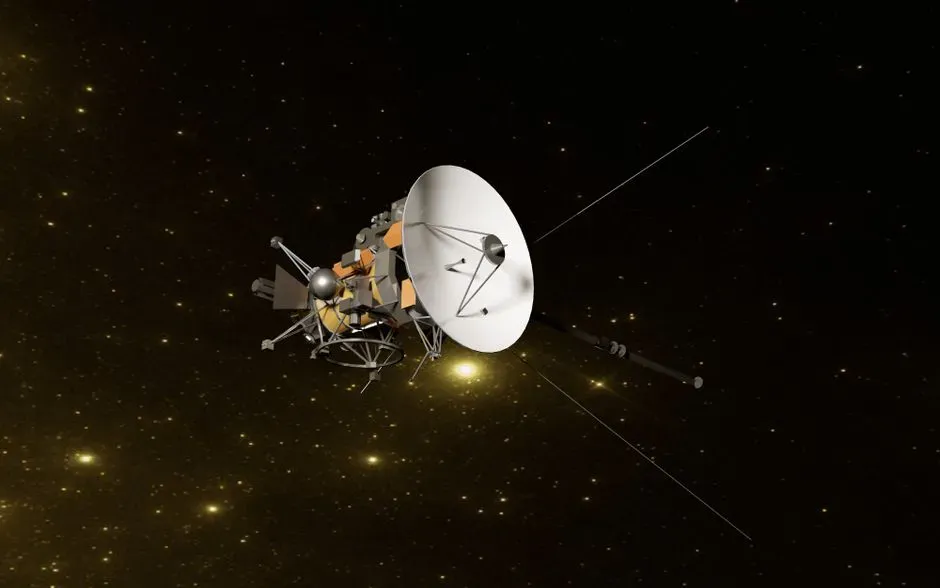
The Soviet Union’s Venera program sent several probes to the surface of Venus. Venera 7 in 1970 became the first spacecraft to transmit data from the surface of another planet. Venera 13 in 1982 lasted about two hours, a record for Venus landers that still stands.
Those short lifespans tell the story. The heat and pressure eventually overwhelm any electronics. No lander has operated there for longer since.
A Slow, Backward Spinning Neighbor
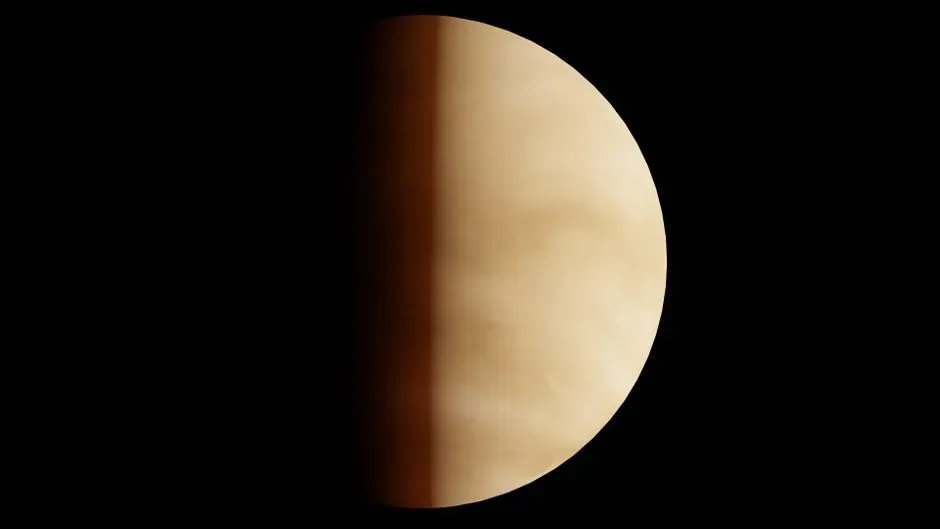
Venus rotates backward compared with most planets, and it does so slowly. One full rotation takes about 243 Earth days, which is longer than its 225 day year. A single day on Venus, from sunrise to sunrise, lasts about 117 Earth days.
That odd rotation doesn’t cool the night side, because winds in the dense atmosphere spread heat around the globe. The upper clouds circle the planet in just a few Earth days. This helps explain why surface temperatures stay so uniform.
New Missions Aimed at Venus
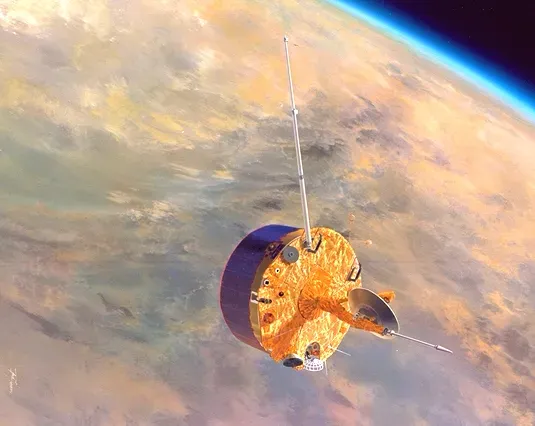
Interest in Venus has returned in recent years. In 2021, NASA selected two missions, DAVINCI and VERITAS, to study the atmosphere and map the surface in more detail. Both have faced schedule and budget questions in recent years, so launch timing remains uncertain, with current plans pointing to around the early 2030s.
The European Space Agency is preparing its own orbiter, EnVision, and India is developing a mission called Shukrayaan. These efforts aim to learn how Venus lost its Earth like qualities, and whether it ever had oceans. Results will come years from now, but the target is clear.

- How and When to Watch the Orionid Meteor Shower This October - November 12, 2026
- Blue whales vanish from the Galápagos, and scientists suspect El Niño - November 11, 2026
- 8 Famous Battles That Were Decided by the Weather - November 11, 2026
