


- Will travel insurance cover weather-related flight delays and cancellations? - November 11, 2026
- 8 Cities Where the Weather Changes So Fast Locals Carry Everything - November 11, 2026
- 10 Traditional Building Techniques From Hot Climates Architects Are Revisiting - November 10, 2026
Toilets on Earth depend on gravity, and the space station doesn’t have any to offer. Everything that leaves the body there has to be guided by moving air, and then collected, stored or recycled.
The setup is more than a curiosity. It’s tied directly to the station’s water supply, which is why the bathroom is considered part of the life support system.
Why Gravity Is the Problem
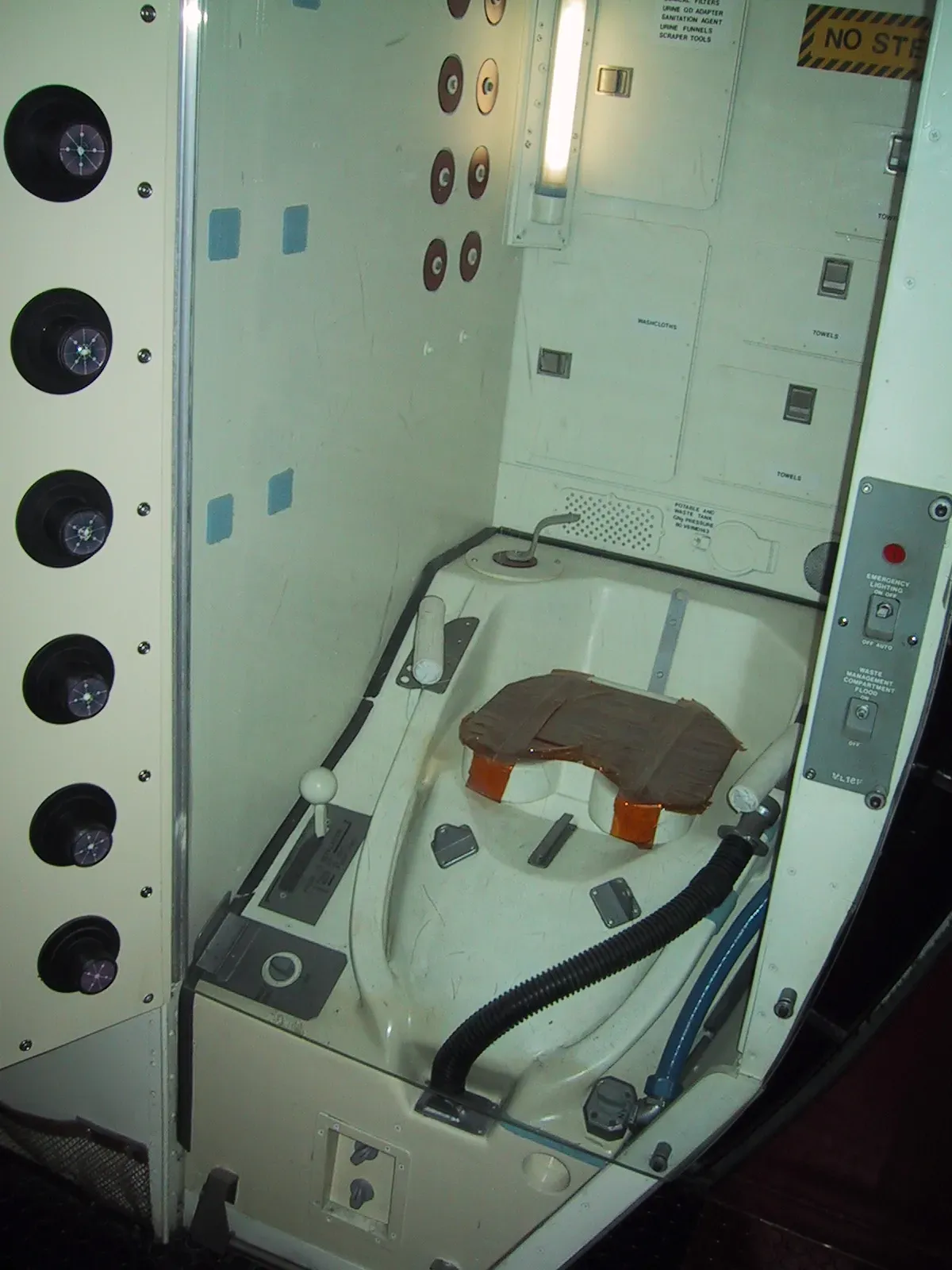
In microgravity, liquids and solids don’t fall. They float, drift and stick to surfaces. A toilet there has to replace gravity with something else.
That something is airflow. Fans create suction, and the whole design depends on keeping that suction steady so nothing escapes into the cabin.
The American Toilet: The UWMS
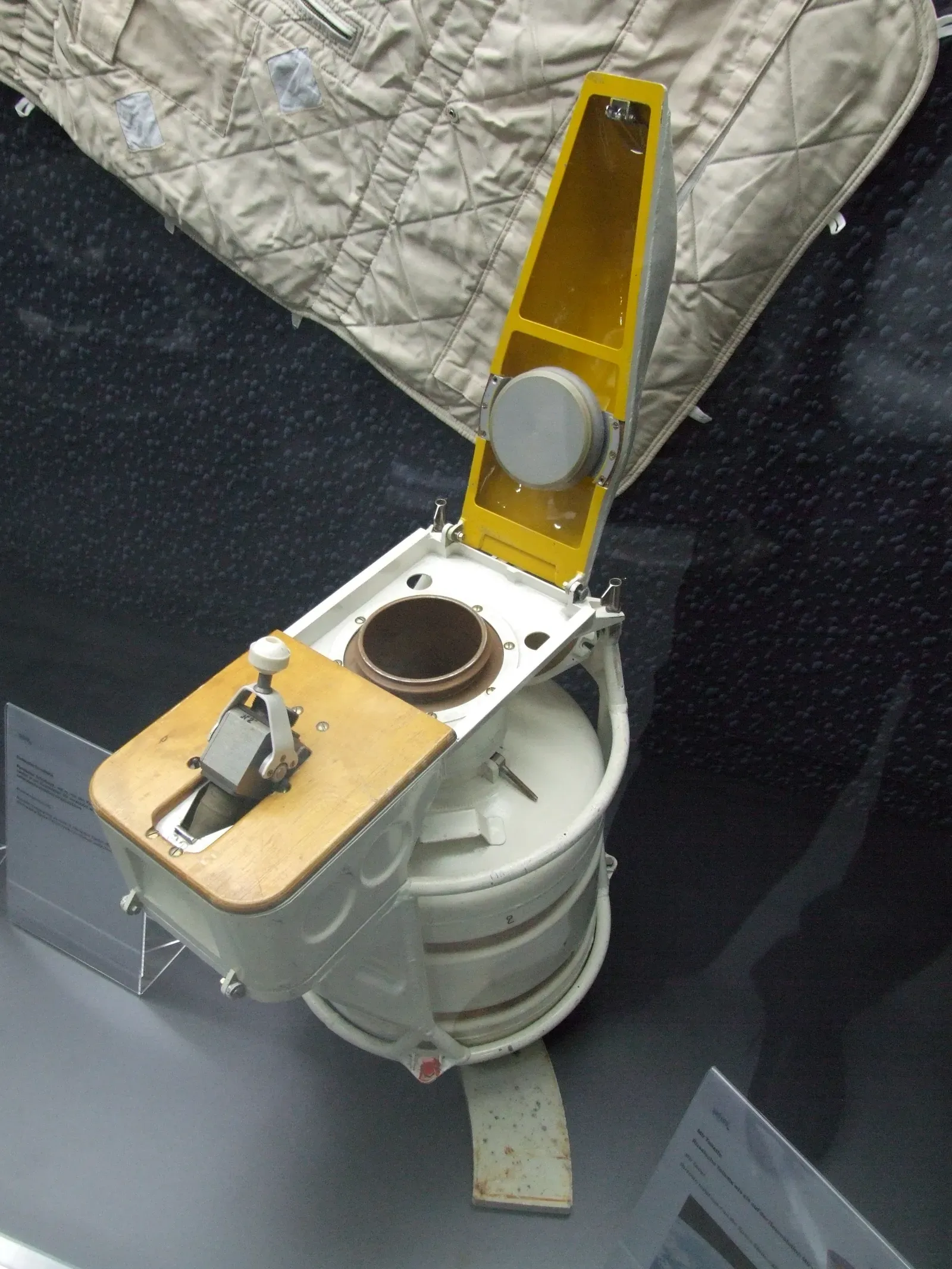
The toilet on the US segment is officially the Universal Waste Management System. It cost $23 million to develop. It reached the station in 2020 aboard a Northrop Grumman Cygnus cargo vehicle.
It stands 28 inches (71 centimeters) tall, which makes it about half the size of the Russian built toilets on the station. The smaller size matters because space inside the station is limited.
Staying in Place
Astronauts can’t just sit down and relax, since any push would send them drifting. Foot restraints and thigh bars hold them against the seat. A good seal between body and seat is also needed for the airflow to work properly.
Training on the ground helps with this. Crew members practice positioning before launch, because getting it wrong in orbit is messier than on Earth.
How Liquid Waste Is Collected
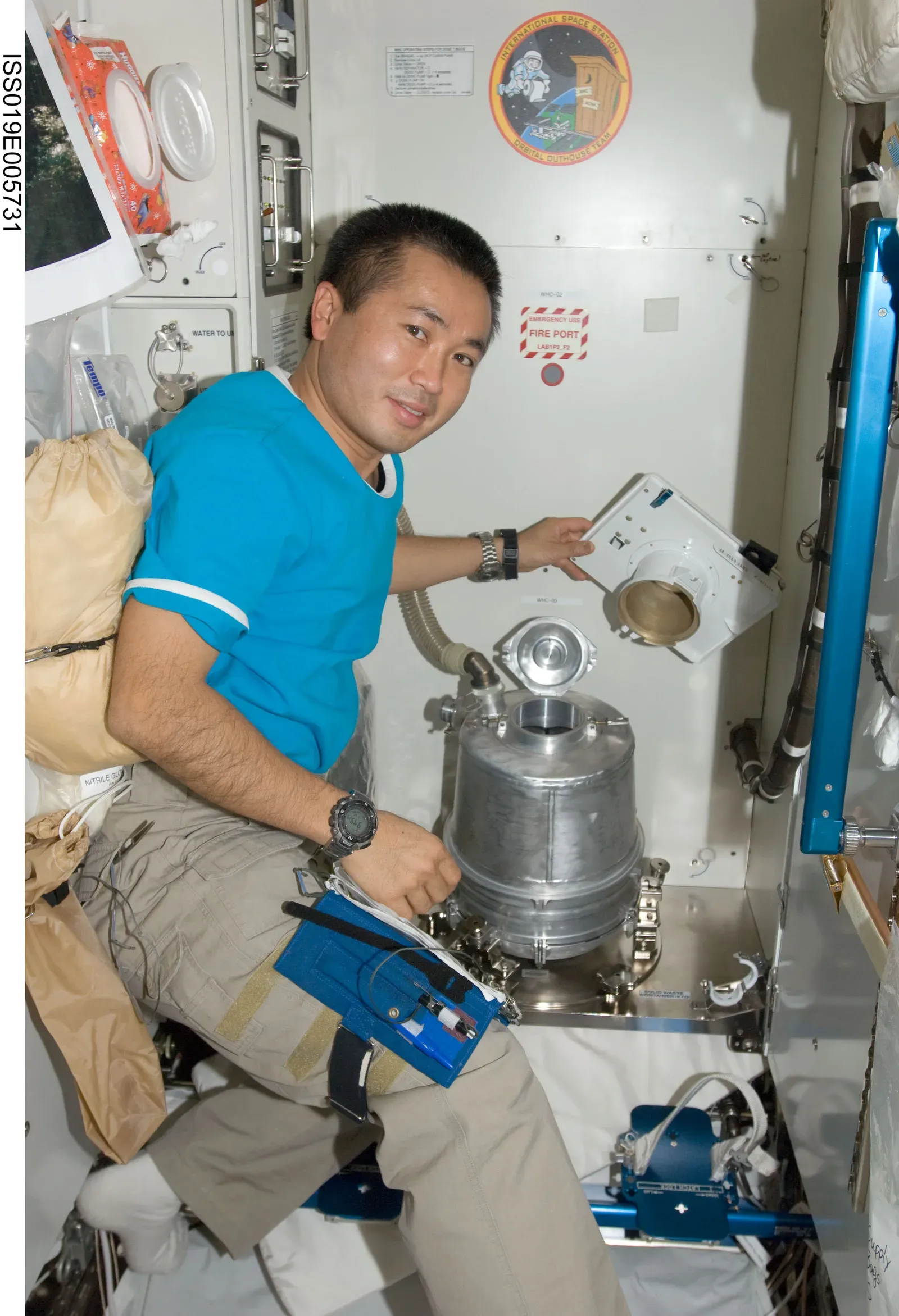
Urine goes into a hose with a funnel on the end. Air pulls it away from the body and into the system, much like a vacuum cleaner. Each astronaut has a personal funnel attachment for hygiene.
Behind the scenes, the liquid doesn’t stay raw for long. A pretreatment solution stabilizes the flushed urine chemically for storage and later distillation, and it prevents mineral buildup that could clog the hardware.
What Happens to Solid Waste
Solid waste is handled differently. It’s captured with the help of airflow and sealed into a storage container. The container is not recycled on board.
When full, the waste is moved to a cargo vehicle that’s not coming back to Earth. That vehicle burns up on reentry through the atmosphere, taking the waste with it.
Turning Urine Into Drinking Water
Water is too valuable to throw away. Each crew member needs about one gallon (3.8 liters) of water daily for drinking, food preparation and hygiene. Shipping all of it from Earth would be expensive and impractical.
That’s why the toilet feeds the recycling system. Urine is collected by the toilets and passed to the Water Recovery System, which also collects sweat and moisture from exhaled breath. That water goes to the Water Processor Assembly, which turns it into drinkable water.
Inside the Urine Processor
The Urine Processor Assembly does the heavy lifting. It recovers roughly three quarters of the water from urine using heat and vacuum compression. The recovered water then moves on for more treatment.
NASA’s technical material also notes that the process is energy efficient. The heat needed to boil the pretreated urine at reduced pressure comes from the condensed product water.
The Brine Processor Closes the Gap
Distillation leaves behind brine, and brine still holds water. A Brine Processor Assembly was added to the urine processor to extract that remaining water. Inside it, warm, dry air evaporates water from the leftover brine.
A filter separates contaminants from the water vapor, which is then collected to become drinking water. NASA’s paper says the brine processor raises total water recovery from urine brine beyond ninety five percent.
The Overall Recovery Rate
During a demonstration in microgravity, the brine processor helped the life support system reach its ninety eight percent water recovery goal. That figure covers the station’s combined system, which includes urine, sweat and humidity from the air.
The target has a purpose beyond the station. Long duration crewed exploration missions require about ninety eight percent water recovery. The ISS toilet and its recycling chain are a working test of that requirement.
