


- NASA invites students to design a moon base in $1 million challenge - November 11, 2026
- Why Some People Can Feel a Storm in Their Joints, According to Experts - November 11, 2026
- 7 Foods That Taste Better on a Rainy Day, According to Chefs - November 11, 2026
Space books can be intimidating. Shelves are crowded with orbital mechanics, mission acronyms and thick histories that assume you already know your Apollo from your Artemis.
Still, a handful of titles welcome newcomers without talking down to them. The nine below were chosen for clarity, readability and a real sense of story, and each has been in print long enough to be well established.
A Brief History of Time by Stephen Hawking
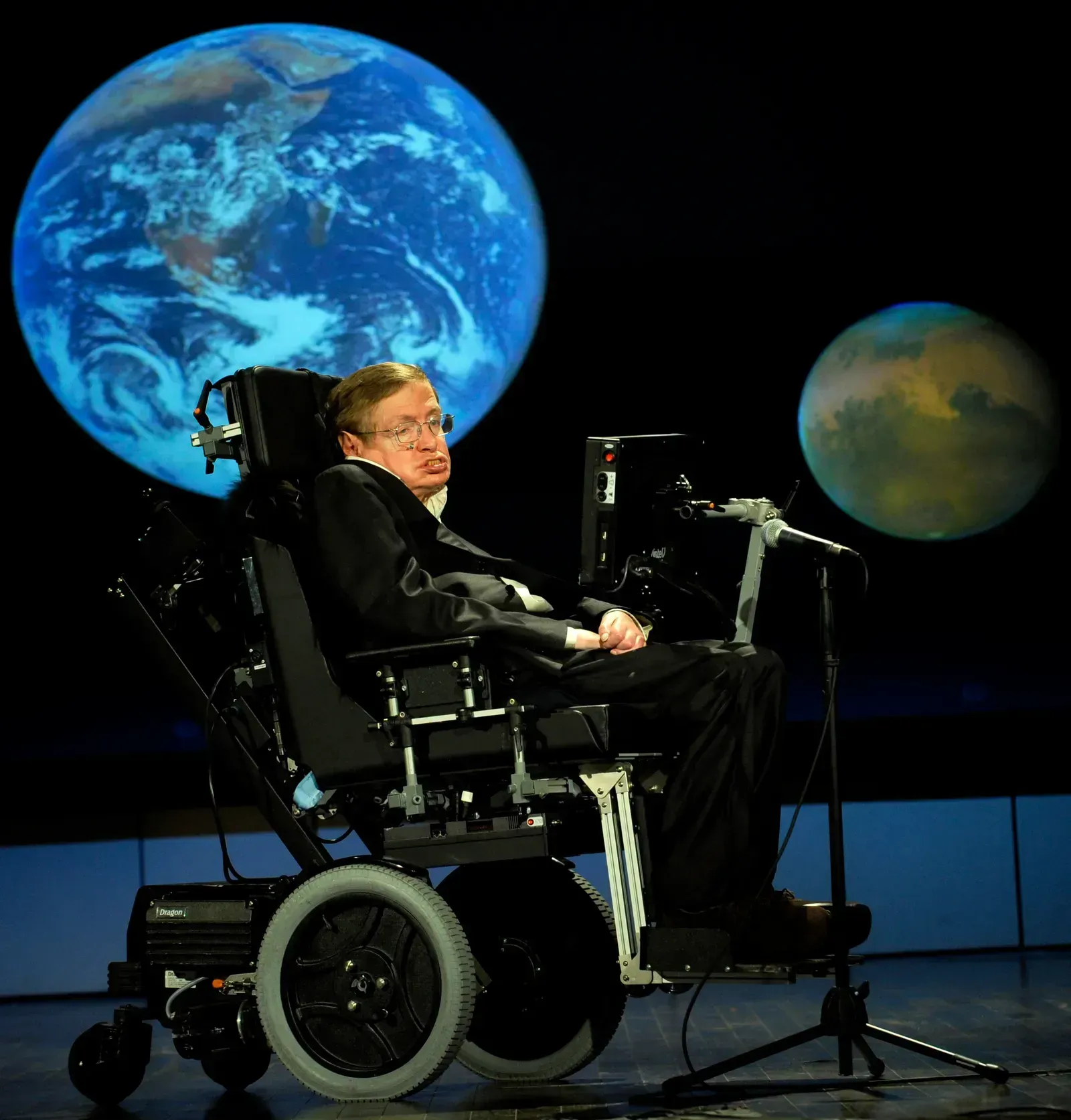
Published in 1988, this is one of the best known popular science books ever written. Hawking set out to explain the universe’s origins, black holes and the nature of time for readers without a physics background.
It leans more toward cosmology than spaceflight, so treat it as a starting point for the big questions behind exploration. Some passages ask for patience, though the short chapters make it easy to read in small sittings.
Cosmos by Carl Sagan
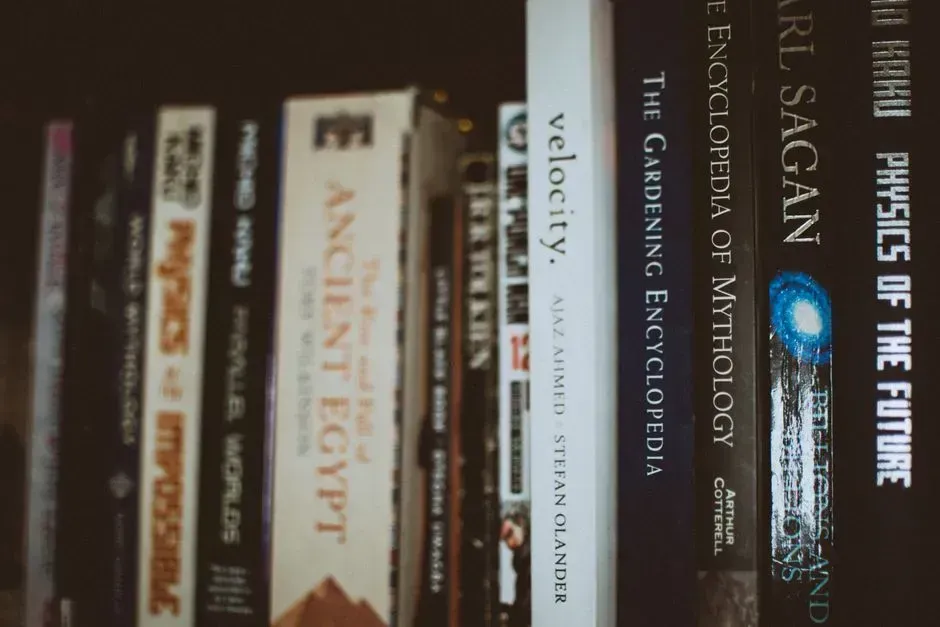
Sagan’s 1980 book grew out of his television series and still reads warmly today. It moves from ancient astronomy to the search for life, with a gentle, curious voice throughout.
Some scientific details have been updated since it appeared, so read it for perspective rather than current data. Its real gift is making you care about the cosmos before you know any of the jargon.
Astrophysics for People in a Hurry by Neil deGrasse Tyson

Released in 2017, this slim book packs the universe into short chapters. It covers the Big Bang, dark matter and the makeup of planets in plain language.
It works well as a first pass if you have limited time. Readers wanting deeper detail on missions will need to follow it with something more historical.
Carrying the Fire by Michael Collins
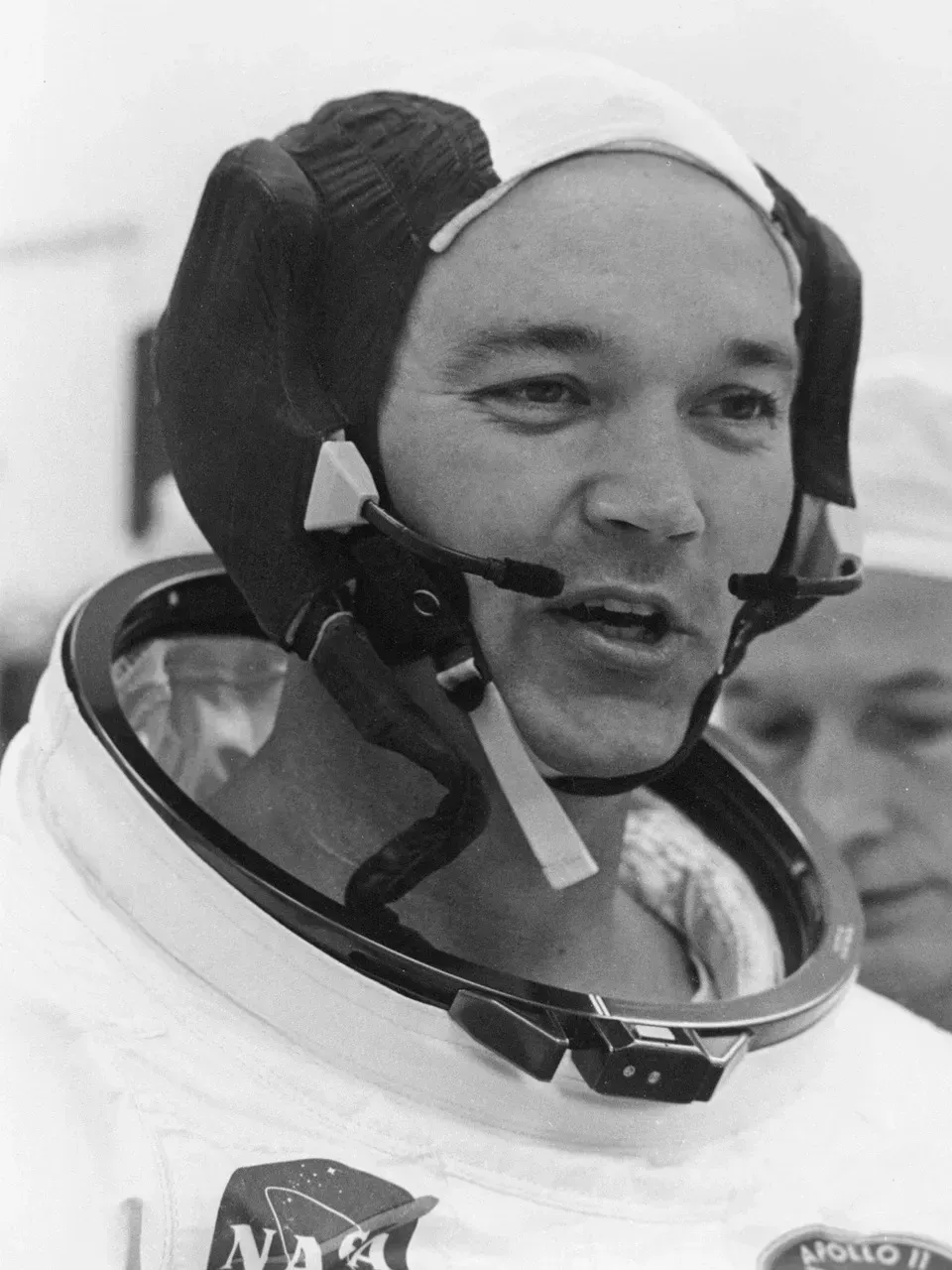
Collins flew on Apollo 11 and orbited the Moon while Neil Armstrong and Buzz Aldrin walked on it. His memoir, first published in 1974, is often praised as one of the most readable astronaut accounts.
He writes with humor and honesty about training, fear and the strange solitude of lunar orbit. For a first-hand look at Apollo, it’s hard to beat.
Liftoff by Eric Berger
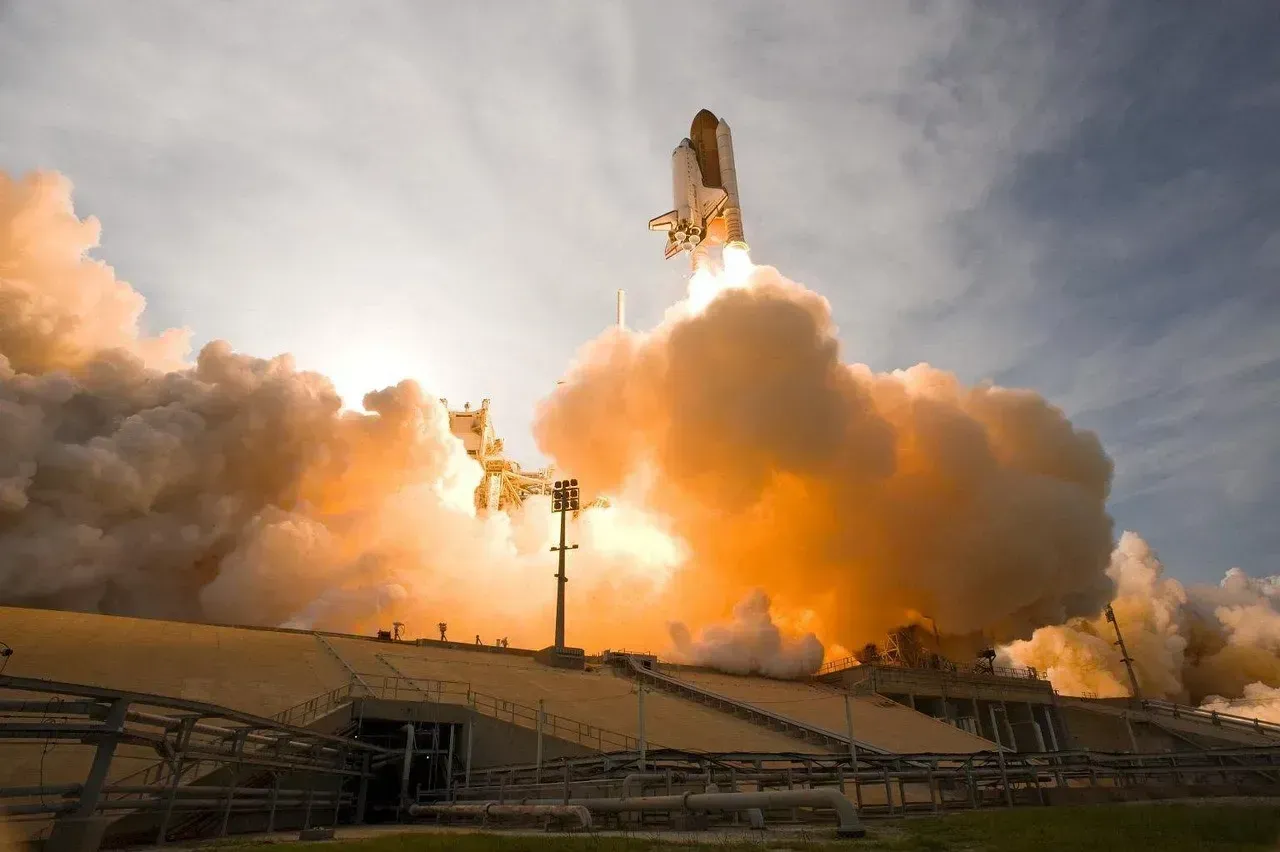
Berger, a senior space editor at Ars Technica, wrote this 2021 account of SpaceX’s difficult early years with Falcon 1. It follows the company’s near failures before its first successful orbital launch in 2008.
It offers a useful way into the modern commercial space era. Since it focuses on the early period, you’ll want current news to follow what SpaceX has done since.
Hidden Figures by Margot Lee Shetterly

This 2016 book tells the story of the Black women mathematicians who worked at NASA and its predecessor during the space race. It was adapted into a well known film, but the book goes deeper into the history of the workplace and the era.
It shows that exploration depended on many people beyond the astronauts. Readers new to the subject often find it a human and approachable way in.
The Right Stuff by Tom Wolfe

Wolfe’s 1979 classic follows test pilots and the Mercury Seven astronauts. His style is lively and sometimes irreverent, closer to a novel than a textbook.
It captures the culture of early American spaceflight better than most histories. Expect a few embellished flourishes, since it’s narrative journalism rather than a strict record.
An Astronaut’s Guide to Life on Earth by Chris Hadfield
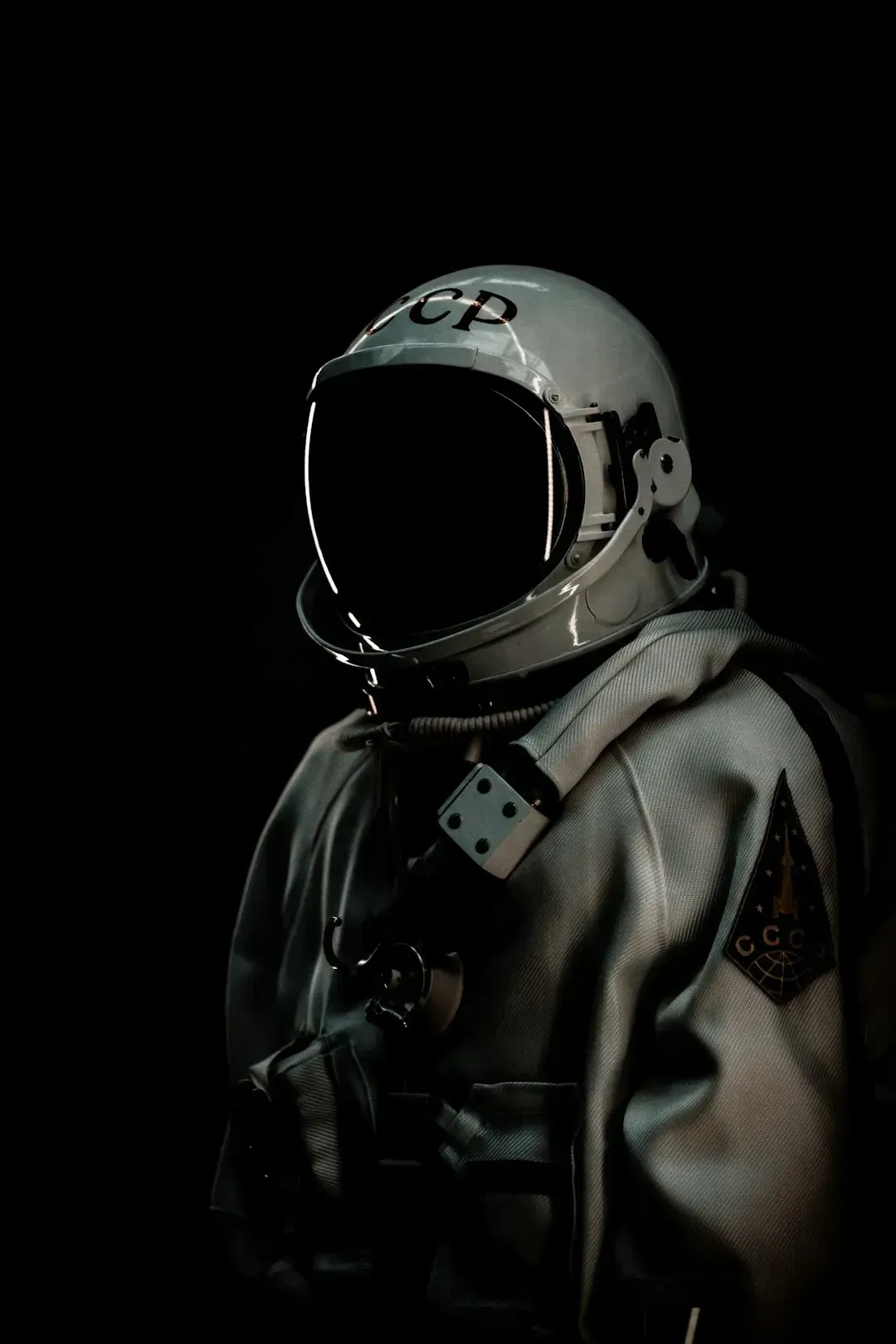
Hadfield, a Canadian astronaut who commanded the International Space Station in 2013, published this memoir in 2013. He describes training, spacewalks and the mindset needed to prepare for problems before they happen.
It’s practical, cheerful and full of small details, like what daily routines look like in orbit. Anyone curious about what astronauts actually do will find it engaging.
Packing for Mars by Mary Roach
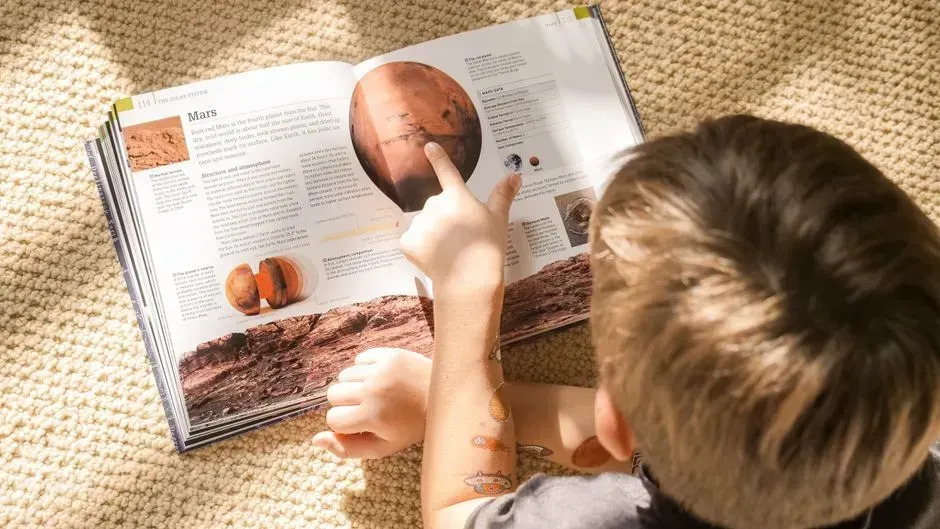
Roach’s 2010 book looks at the odd, human problems of long space travel, from isolation to bathroom logistics. She researched it through interviews and visits to research facilities.
It’s funny without being flippant, and it explains why sending people to Mars is so hard. Some mission details have moved on, though the human challenges it describes remain relevant.
