

Hike up to a high snowfield in midsummer and you may find the surface stained pink, red, or even a rusty orange. It looks like spilled fruit punch, or something far stranger. People have noticed it for a very long time, and the explanation turns out to be alive.
The colored patches are real, natural, and surprisingly well studied. Behind them sits a tiny organism with a clever survival strategy, and a growing body of research on what it does to snow and ice.
What Watermelon Snow Actually Is
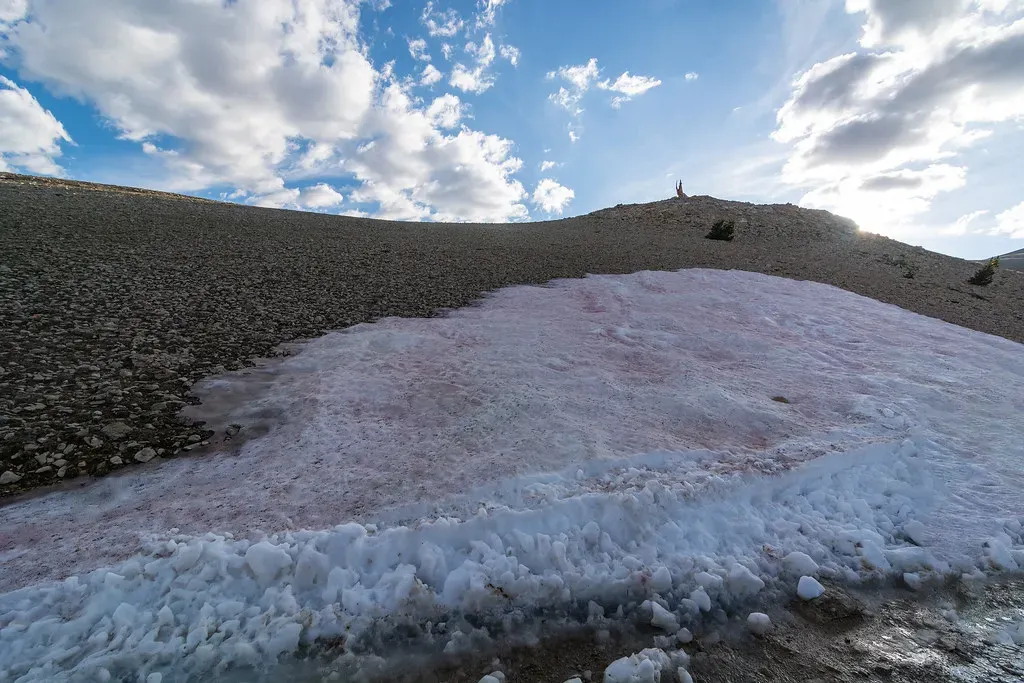
Watermelon snow is also called snow algae, pink snow, red snow, or blood snow. It is a phenomenon caused by Chlamydomonas nivalis, a green alga that holds a secondary red carotenoid pigment called astaxanthin alongside its chlorophyll. So the alga is green at heart, but it wears a red coat.
The name comes from the color and, according to some accounts, a faint fruity look. The algae turn the snow a startling shade of red. Nothing about it involves real fruit or blood, which is a relief for hikers who spot it.
The Cold Loving Organism Behind the Color
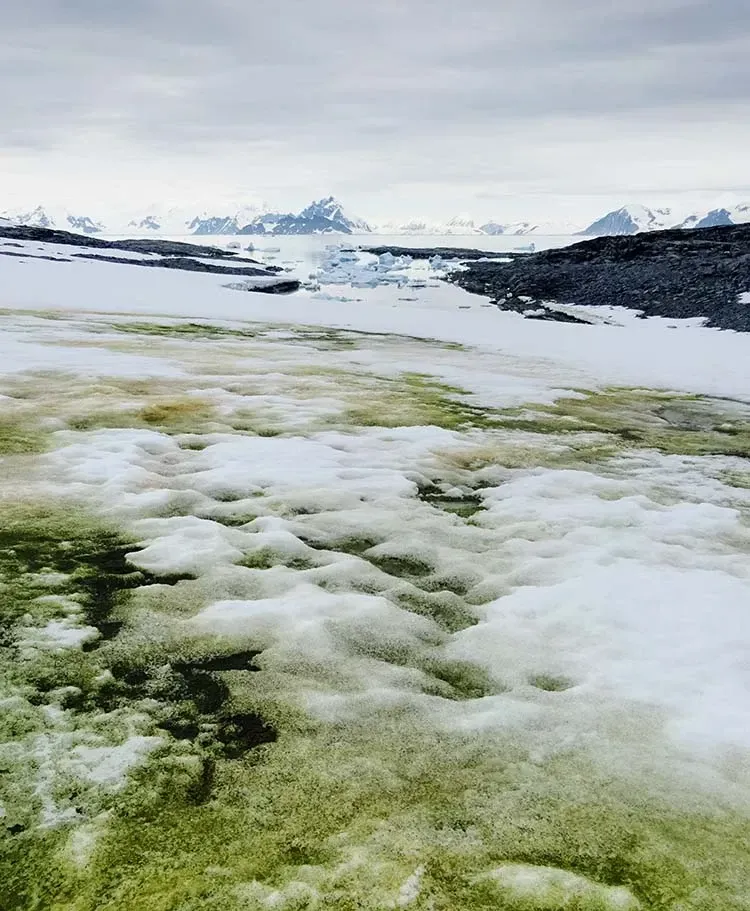
Snow algae are built for conditions that would kill most freshwater species. This alga appears to be cryophilic, meaning cold loving, and it thrives in freezing water. Scientists call organisms like this psychrophiles.
Even frozen ground is watery in the right places. Snow algae flourish when water and nutrients are released from melting snow, supported by a large ecosystem of bacteria and fungi. That means a bloom is really a small community, not a lone species.
Why the Snow Turns Pink
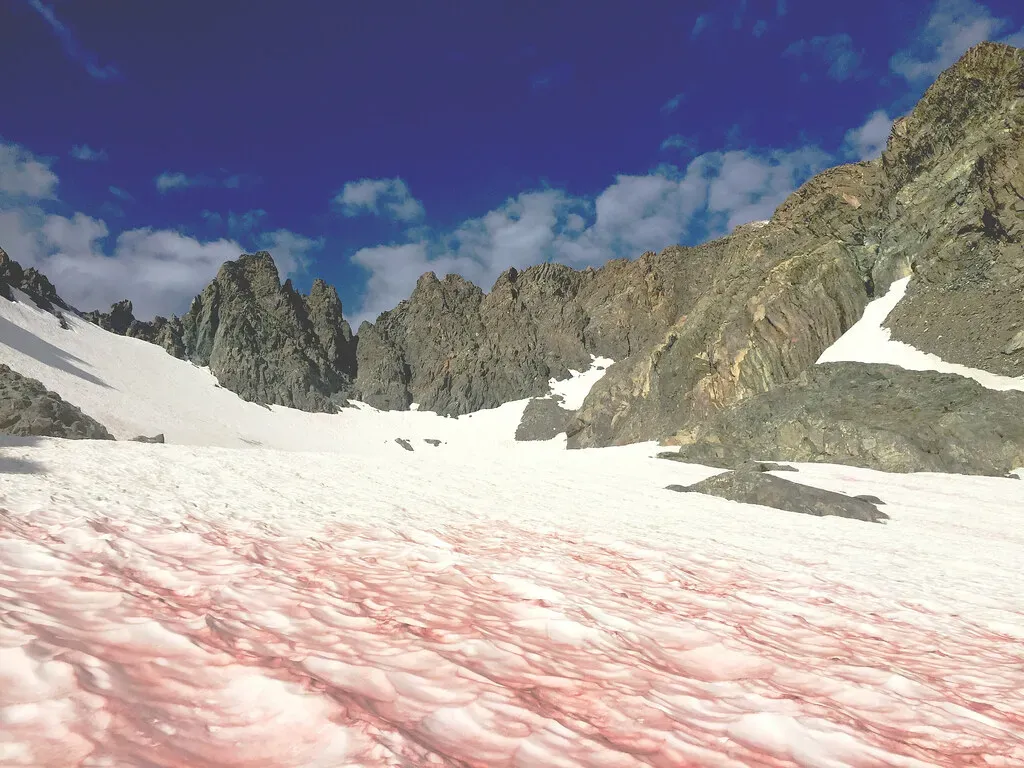
The color is a form of sunscreen. High mountain snow gets intense sunlight, including a lot of ultraviolet radiation. As the alga produces more carotenoids in response to strong solar radiation, it becomes darker in color.
Research on the alga’s biology points the same way. The photoprotective effect of astaxanthin is one of the adaptations that helps explain why it became so dominant in snow algae communities. The pigment protects the cell while turning the snow surface red.
A Life Cycle Written in Snow
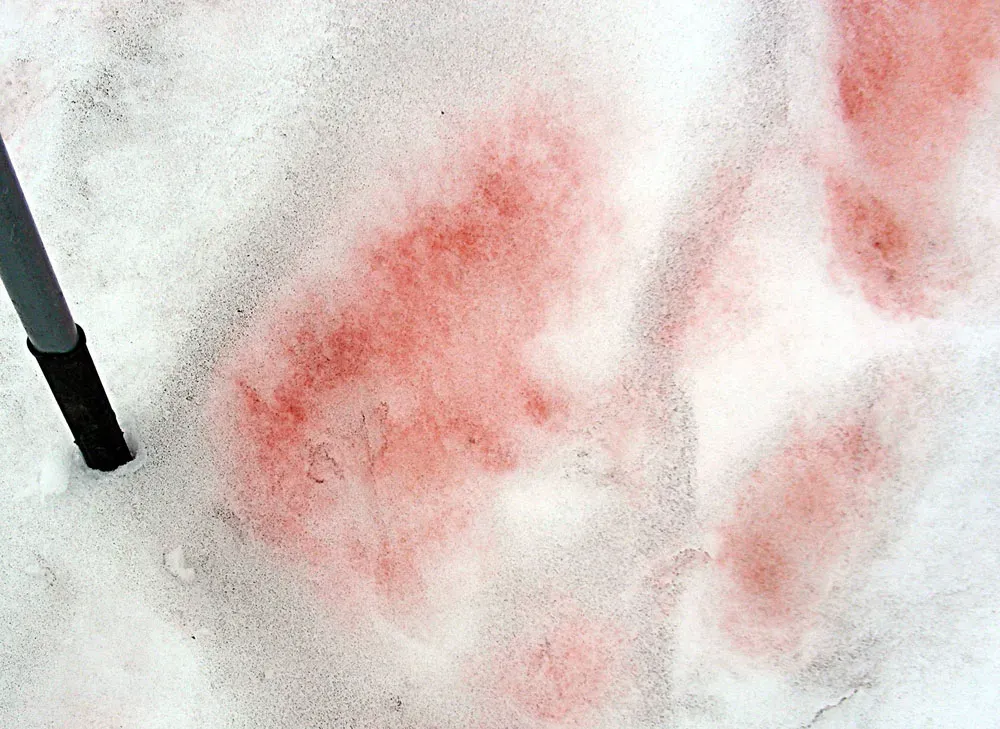
The alga’s year follows the seasons. Green motile offspring are produced in the spring and throughout the summer. These swim through meltwater films between snow grains, then move toward the surface as the snowpack softens.
Winter brings a different form. They develop into red dormant cysts as winter begins, and remain cysts until spring. That resting stage is where the organism spends most of its life.
Not Just One Species
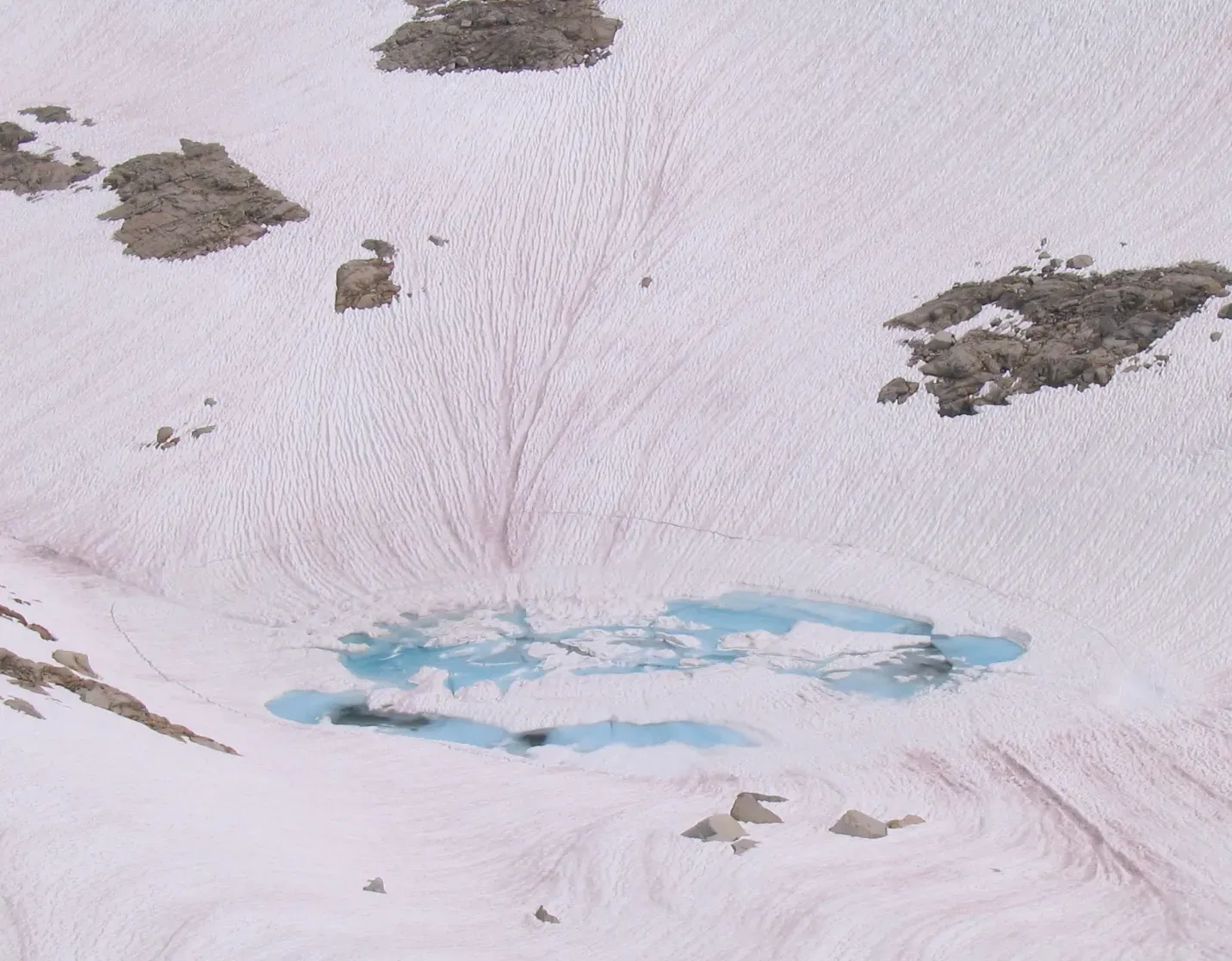
The old name is a bit of a shortcut. A more recent study shows the alga responsible for most red snow fields does not belong to the genus Chlamydomonas, and was placed in a new genus, Sanguina. Sanguina includes S. nivaloides, which produces red snow, and S. aurantia, which causes orange snow.
Other groups play a part too. Four known genera cause red snow: Sanguina, Chlainomonas, Chlamydomonas, and Chloromonas. Researchers are still sorting out the family tree, so the popular name remains a bit loose.
Where You Can Find It
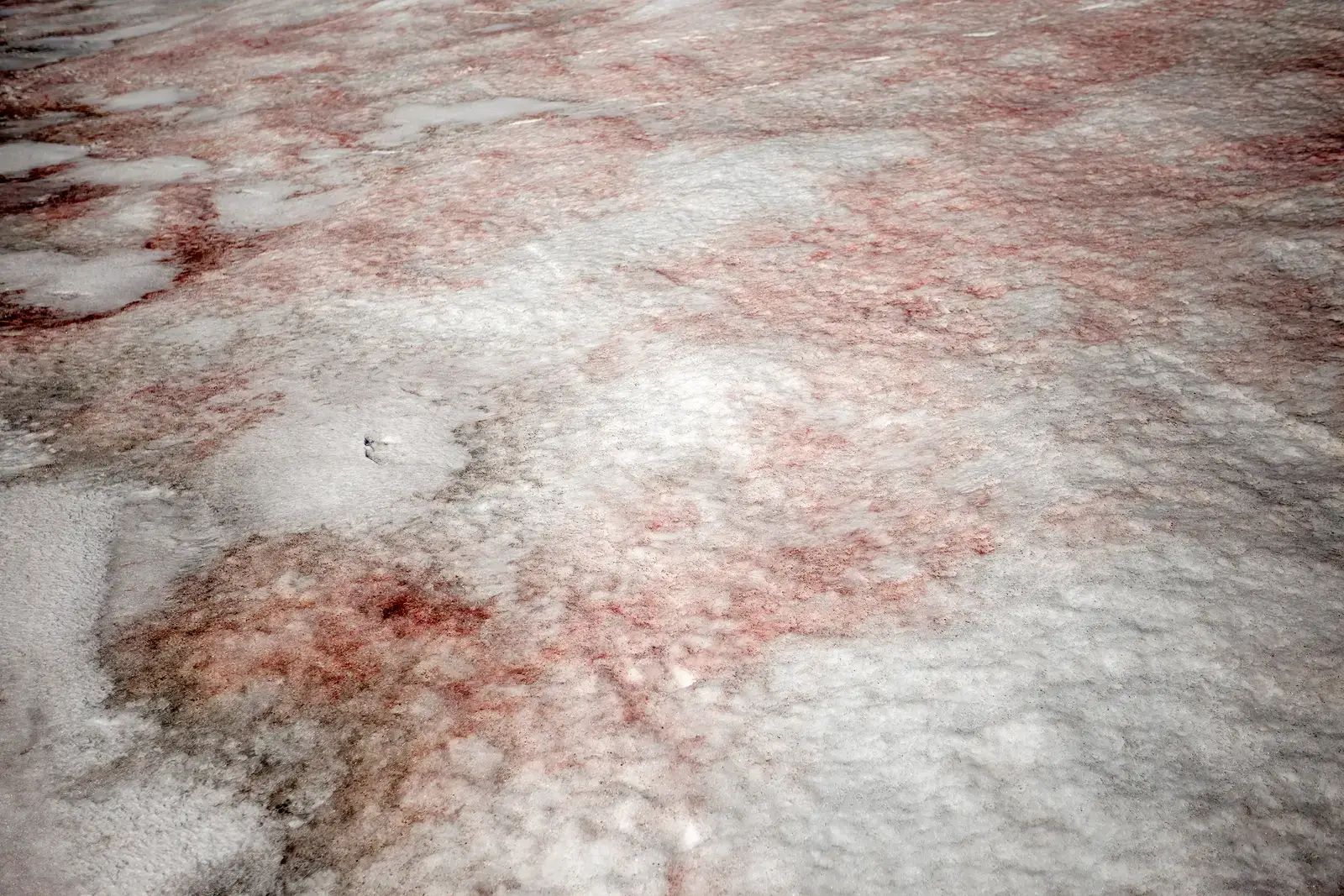
The phenomenon is widespread. It is common during summer in alpine and coastal polar regions worldwide, including California’s Sierra Nevada. Reports come from the Alps, the Rockies, the Arctic, and Antarctica.
Researchers say the reach is wide but the details are fuzzy. Snow algae are considered cosmopolitan, yet the mechanisms behind their dispersal and migration are not clear. Wind, birds, and meltwater are all plausible carriers, though the full picture is still being worked out.
How Pink Snow Speeds Up Melting
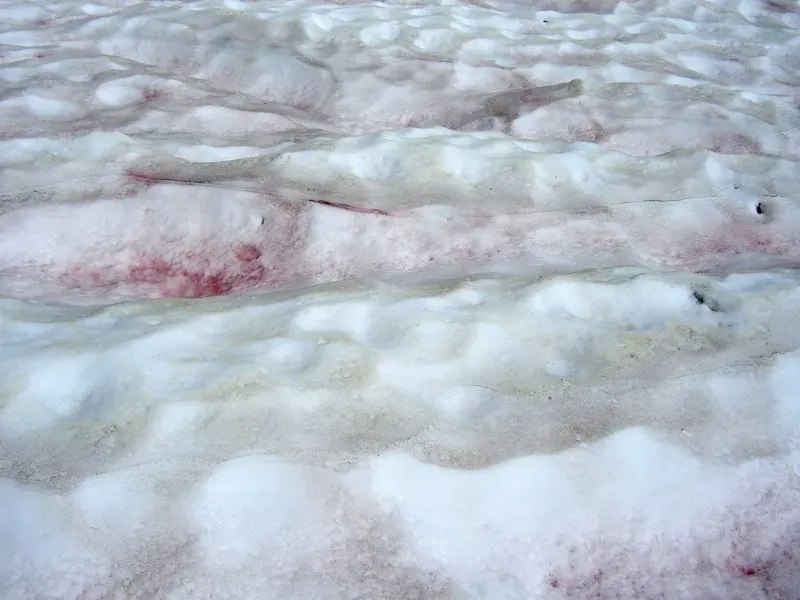
Fresh snow is a mirror for sunlight. Sparkling white snow is the most naturally reflective surface on Earth, and when blooms darken it, it absorbs more heat and melts more quickly. Scientists call this reduced reflectivity the albedo effect.
The size of the effect has been measured. Researchers have found that patches of watermelon snow can decrease surface albedo by up to 20 percent. A study of Arctic samples reported a smaller figure, finding that the reddish snow was 13 percent less reflective.
What the 2024 Glacier Research Found
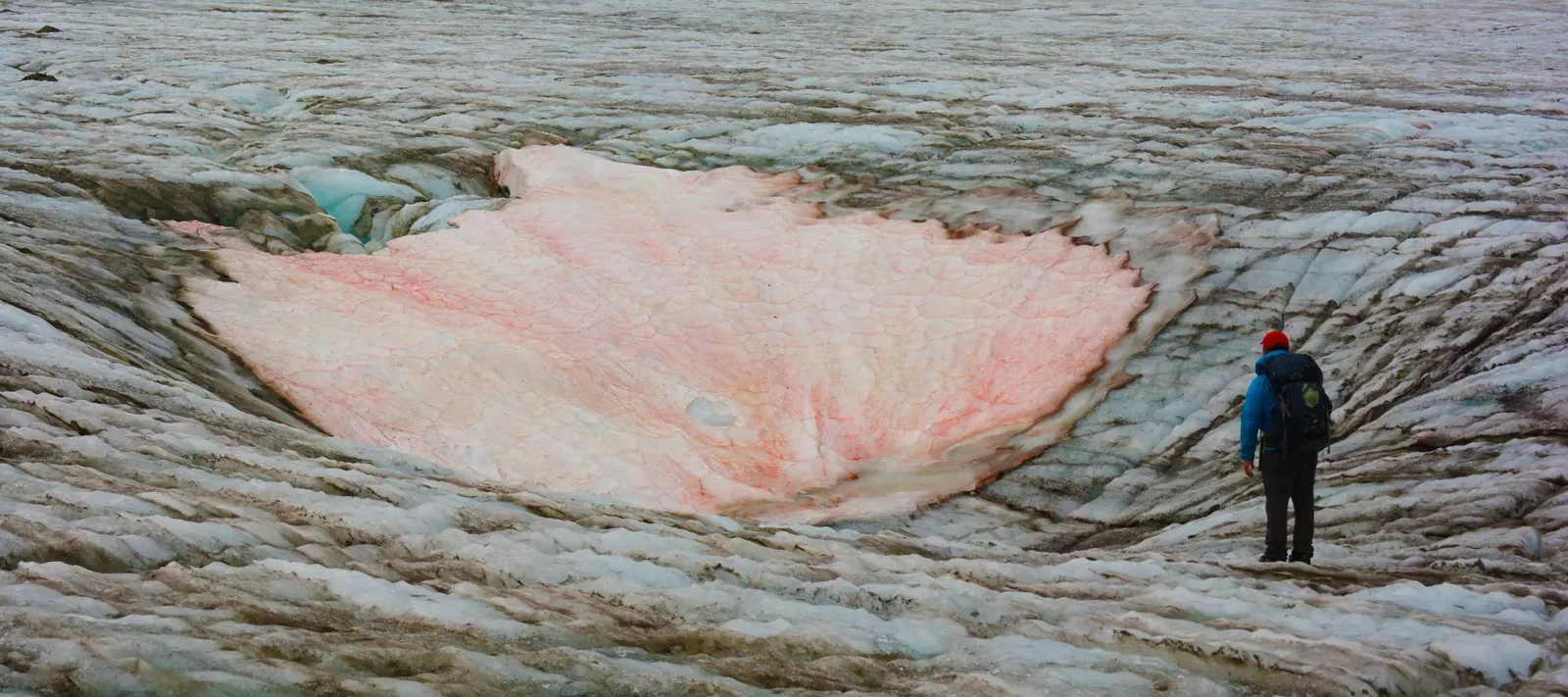
A study in Science Advances put numbers on how far the blooms extend. It found watermelon snow across 5 percent of the total glacier area in northwestern North America, including Alberta, British Columbia, Alaska, Idaho, Montana, and Washington State. That work was widely covered in early 2024.
Lynne Quarmby, a researcher on the topic, said the team wanted to study climate effects on the blooms and the blooms’ effect on climate. Coverage noted that global warming still poses a far greater threat to mountain glaciers than the algae do. The algae add to melt, but they are not the main driver.
A Possible Feedback Loop
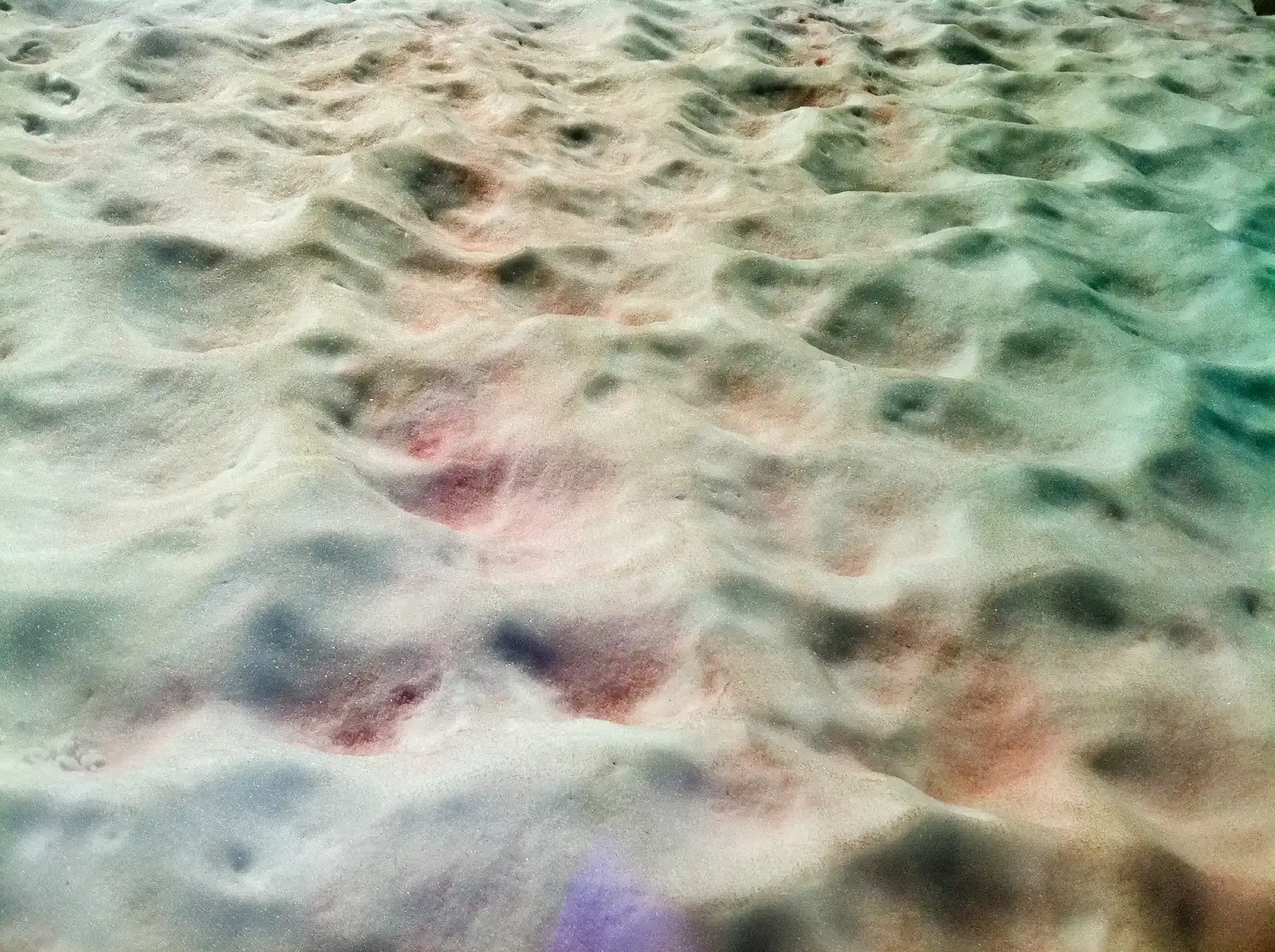
Scientists have raised a worry about a self reinforcing cycle. If microbes help melt snow, that water might help even more algae grow, creating a feedback cycle where increased melting sets up conditions for more melting. Because the effect is not measured everywhere, it is best described as plausible rather than settled.
The algae also do something useful in one sense. Through photosynthesis, the blooms act as carbon sinks and absorb carbon dioxide from the atmosphere. Whether that offsets the extra melt is one of the questions researchers keep working on.
Why Researchers Still Study It
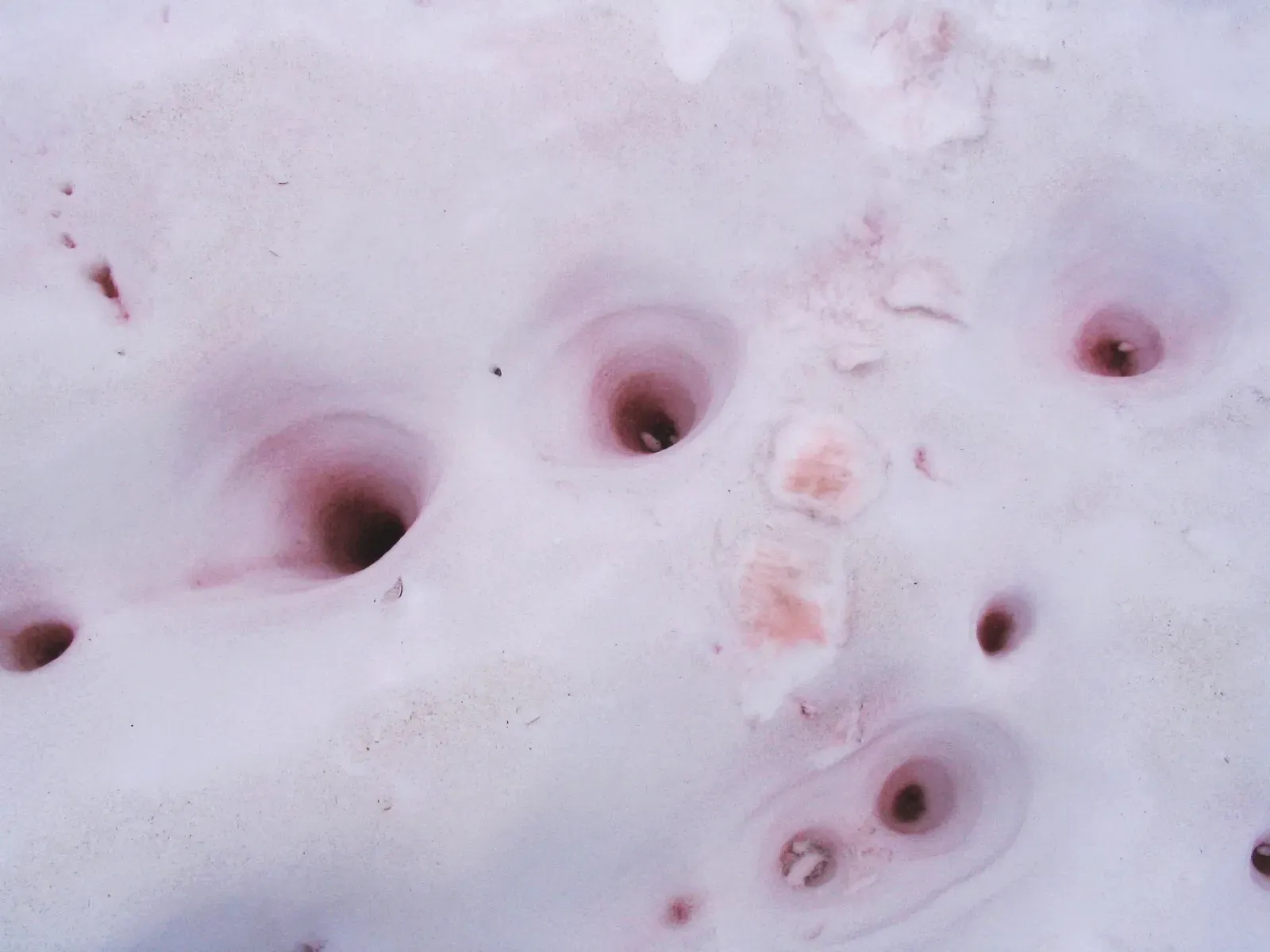
Snow algae are far from fully understood. Relatively little is known about them, though C. nivalis has drawn attention as a model organism for cold adaptation. Studies have looked at how it copes with sudden temperature swings and strong light.
The organism also has a long paper trail. The first account of microbial communities that form red snow was made by Aristotle. Modern work continues to refine its classification, its life cycle, and its role in the melting of mountain snow and ice.

- Blue whales vanish from the Galápagos, and scientists suspect El Niño - November 11, 2026
- 8 Famous Battles That Were Decided by the Weather - November 11, 2026
- Black Sunday 1935: 9 Photos From the Worst Dust Storm of the Dust Bowl Era - November 11, 2026
