

- The Planet Where It Rains Liquid Glass – 7 Alien Worlds Defying Known Physics - November 14, 2026
- Stars Consuming Entire Worlds – 6 Planetary Systems Swallowing Their Own Worlds - November 14, 2026
- The Ground Liquefies Like Water – 6 Silent Fault Lines Geologists Watch Closely - November 14, 2026
A Rover That Kept Its End of the Bargain
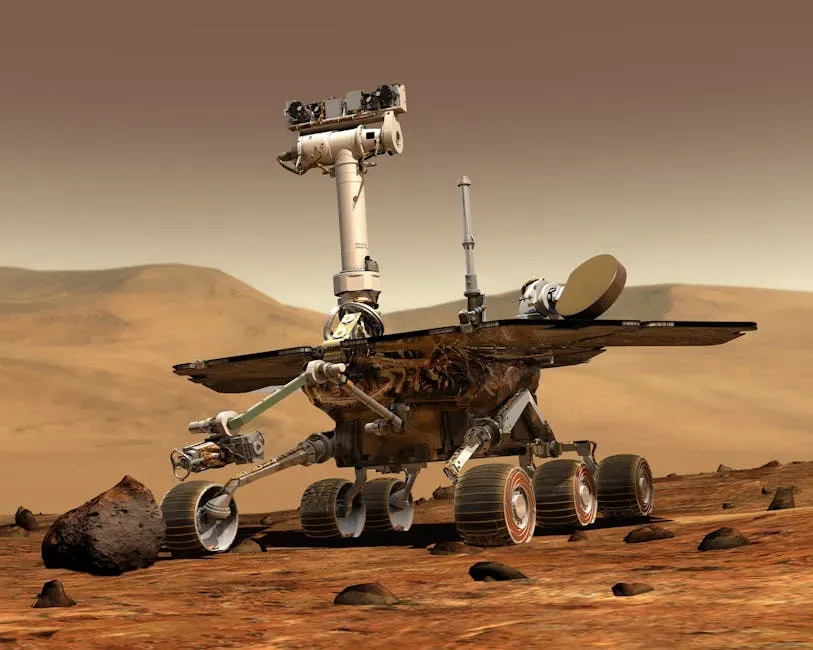
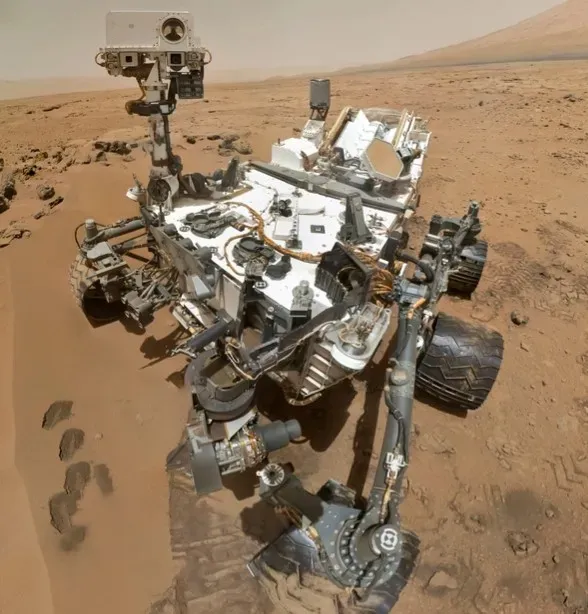
The NASA Perseverance rover has been gathering rocks and dust since it landed on Mars in February 2021, working through a mission that always depended on a second act. It was built to fill a set of cigar-sized titanium tubes with cores of Martian rock, soil, and even atmosphere, storing them for a future spacecraft to carry home. That patience has paid off on the collection side, at least.
As of July 2025, 33 out of 43 sample tubes have been filled, including 8 igneous rock samples, 13 sedimentary rock sample tubes, 3 Igneous/Impactite rock sample tubes, a Serpentinite rock sample tube, a Silica-cemented carbonate rock sample tube, two regolith sample tubes, an atmosphere sample tube, and three witness tubes. Some of those tubes were dropped deliberately as insurance. From 21 December 2022, Perseverance started a campaign to deposit 10 of its collected samples to the backup depot (Three Forks), to ensure that if Perseverance runs into problems, the MSR campaign could still succeed. The rover did its job. What comes next was always the harder question.
Why Jezero Crater Was Worth the Trip
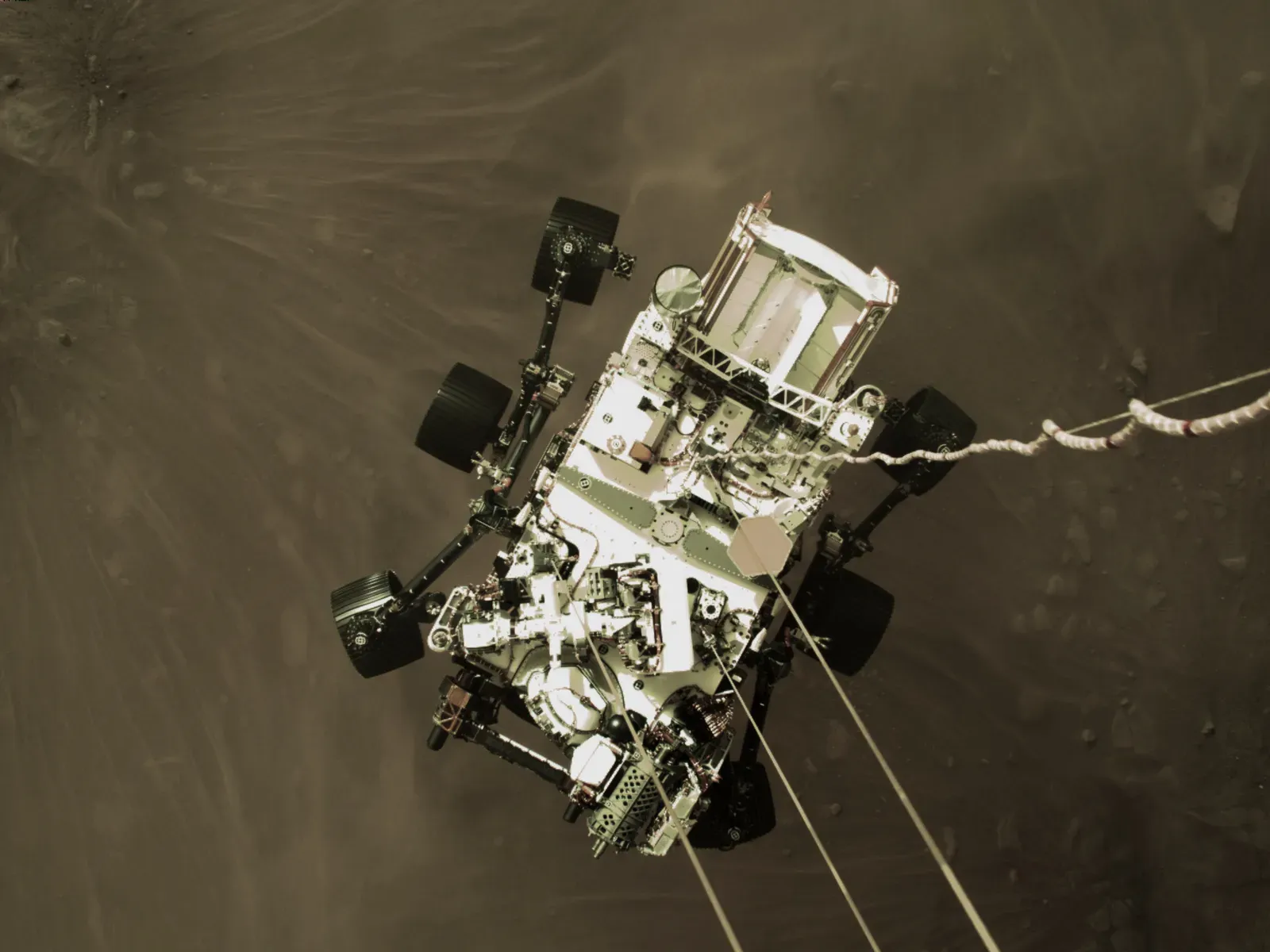
Perseverance didn’t land at Jezero Crater by accident. Jezero Crater tells a story of the on-again, off-again nature of the wet past of Mars. More than 3.5 billion years ago, river channels spilled over the crater wall and created a lake. Scientists see evidence that water carried clay minerals from the surrounding area into the crater lake. That combination of standing water and mineral-rich sediment is exactly the kind of setting where, on Earth, microbial life tends to leave traces.
Conceivably, microbial life could have lived in Jezero during one or more of these wet times. If so, signs of their remains might be found in lakebed or shoreline sediments. That is the scientific bet underlying the entire sample return effort: that somewhere in those 33 filled tubes sits physical evidence, not just data, of whether Mars was ever alive. No orbiter camera or rover instrument can settle that question on its own.
The Rock That Raised the Stakes
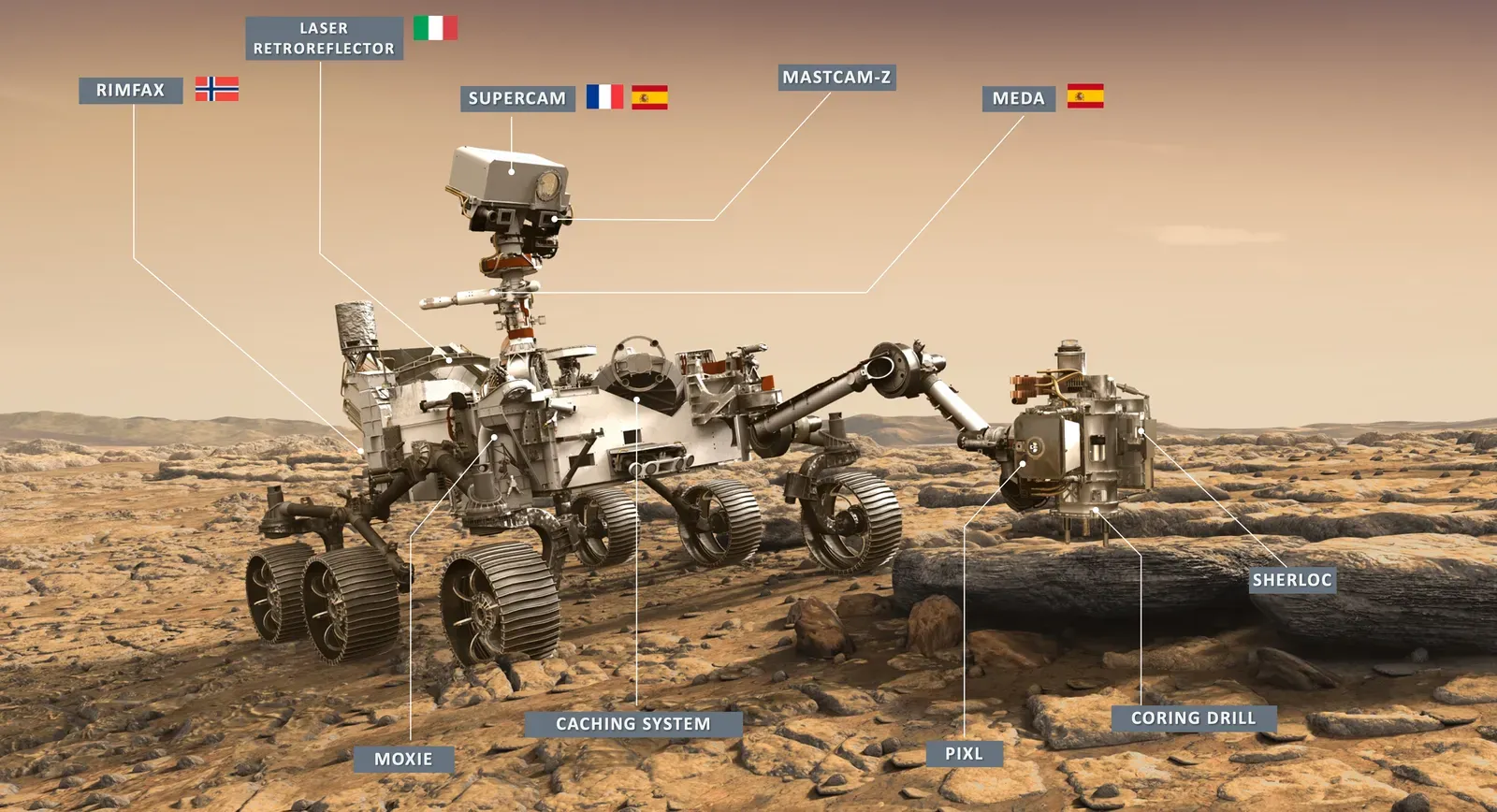
In 2024, Perseverance found something that made the case for sample return more urgent. Perseverance was exploring a region of rocky outcrops in an area called Bright Angel when its cameras detected an arrowhead-shaped rock with colorful spots. Scientists named the rock Cheyava Falls. As Perseverance’s WATSON imager on the turret at the end of Perseverance’s arm took a closer look, it saw intriguing millimeter-sized “leopard spots” and took a sample, called Sapphire Canyon. The finding was significant enough to go through formal peer review before publication.
Scientists were careful not to oversell it. While peer reviewers couldn’t come up with anything to disprove the hypothesis, researchers emphasized the findings still are not definitive. There are abiotic explanations and while they are less likely, they can’t be ruled out. The only way to move past educated guessing, they agreed, was making a final determination requires bringing the sample back to Earth. That single sentence captures why the entire campaign existed in the first place.
An Engineering First With No Room for Error
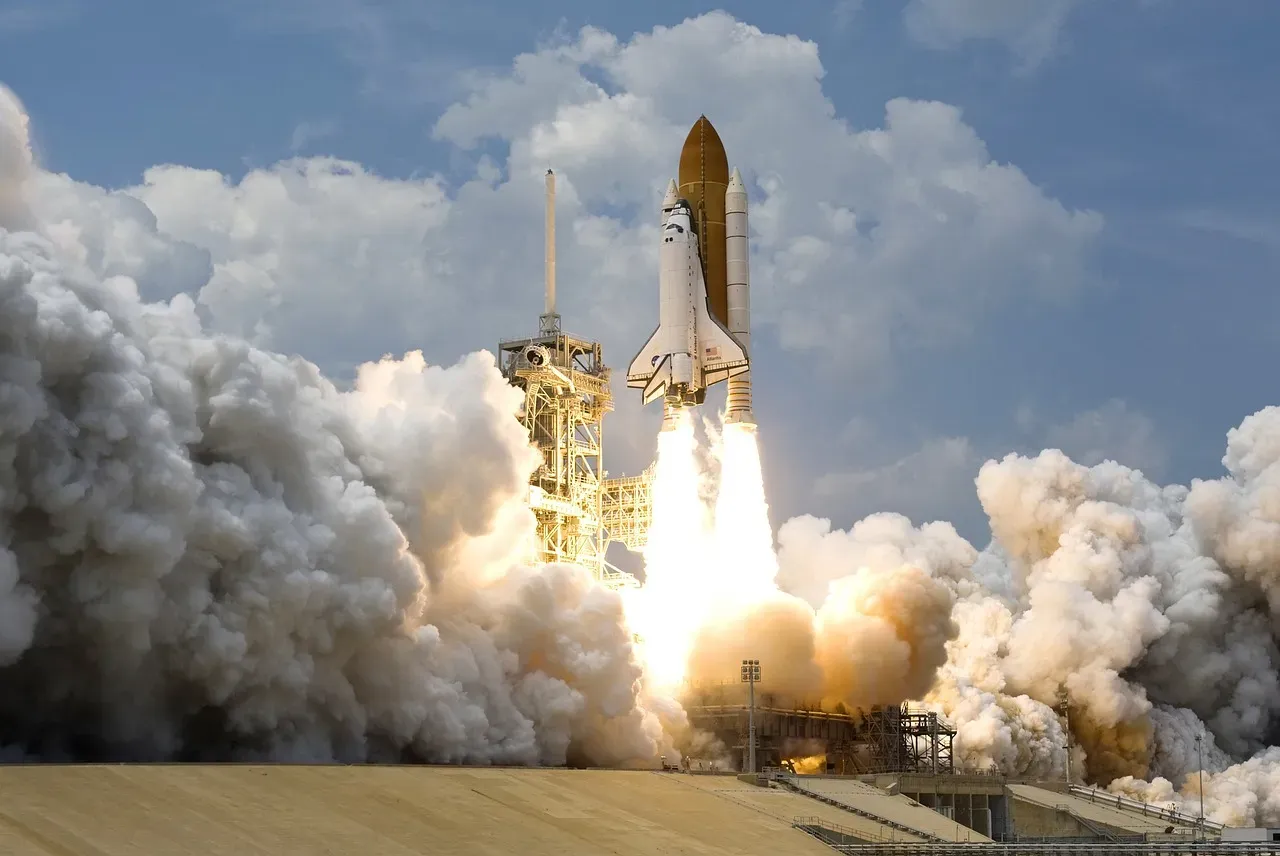
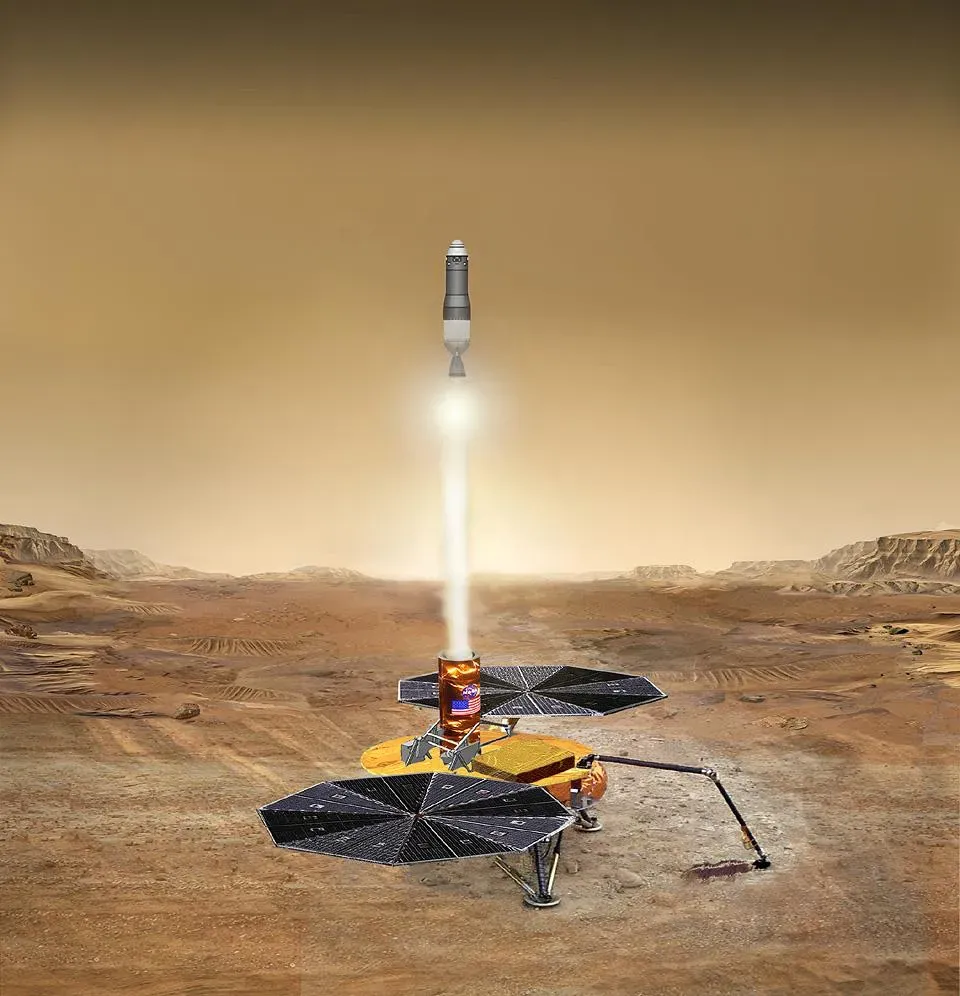
Getting samples off Mars was never going to be routine. This strategic NASA and ESA partnership would be the first mission to return scientifically selected samples from another planet and the first launch from the surface of another planet. No spacecraft has ever fired a rocket engine while sitting on Martian soil, and there was no way to test the real thing beforehand.
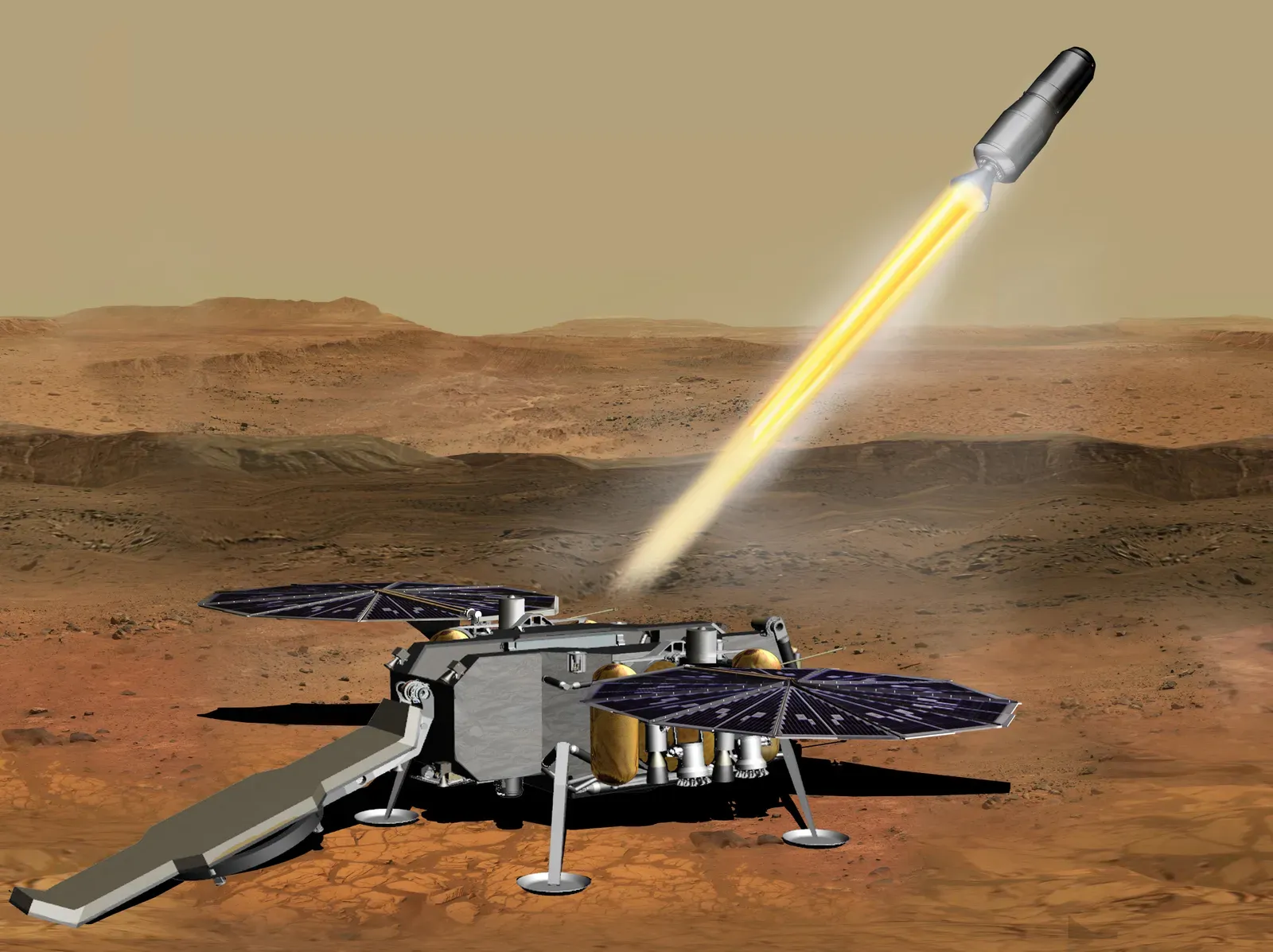
The plan called for a lander to meet Perseverance, load its samples into a Mars Ascent Vehicle, and then launch that rocket into orbit for a rendezvous with a European spacecraft. Even NASA’s own reviewers acknowledged the difficulty. The Mars Ascent Vehicle is still a first. Autonomous rendezvous and capture in Mars orbit remain among the mission’s hardest tasks. Every one of those steps needed to work perfectly, on the first try, tens of millions of miles from any engineer who could fix it.
A Budget That Broke the Mission Before It Launched
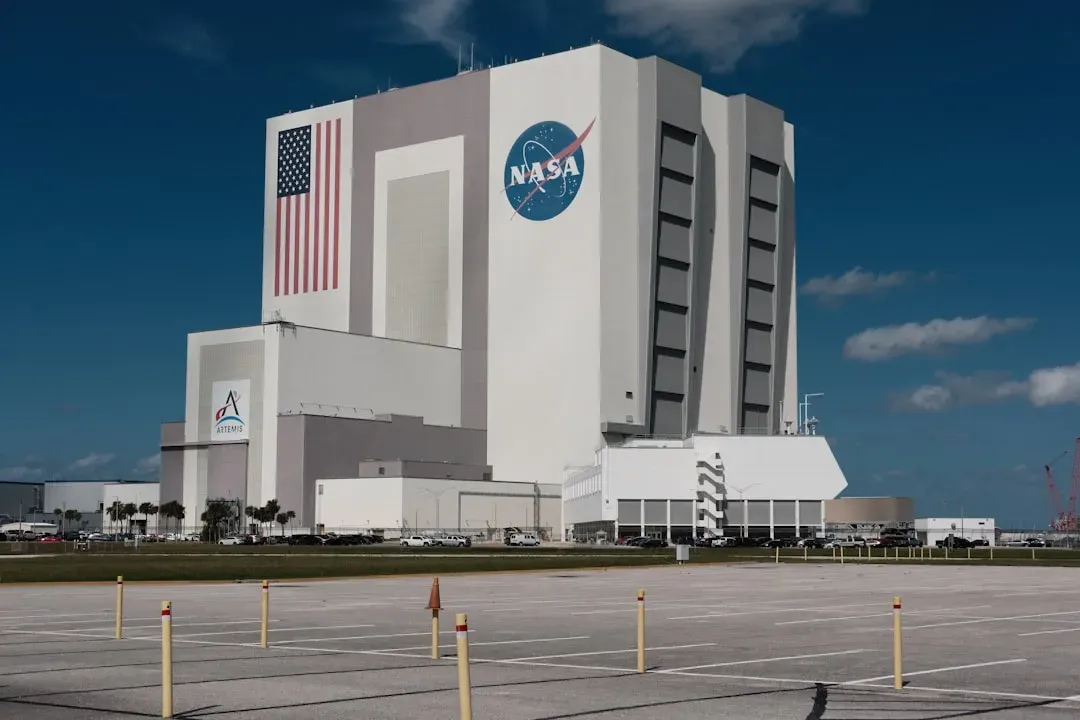
Ambition has a price, and this one kept rising. In September 2023, an independent review board concluded the original multi-spacecraft sample return mission could cost as much as $10.9 billion, $4 billion to $5 billion more than originally expected. And even at that price, the mission would be stretched out and samples would not get back to Earth before 2040. For a mission first pitched at roughly six billion dollars with a 2028 launch, that was a stunning reversal.
In April 2024, NASA reported that the originally projected cost of $7 billion and expected sample return of 2033 was updated to an unacceptable $11 billion and return of 2040 instead, prompting the agency to search for a better solution. A twelve-year slip and a near-doubling of cost is the kind of number that gets a program cancelled, or at minimum sent back to the drawing board entirely. NASA chose the drawing board first.
Two Paths Forward, and a Decision Nobody Wanted to Make
Rather than pick a single redesign, NASA hedged its bets. To maximize chances of successfully bringing the first Martian rock and sediment samples to Earth for the benefit of humanity, NASA announced Tuesday a new approach to its Mars Sample Return Program. The agency will simultaneously pursue two landing architectures, or strategic plans, during formulation, encouraging competition and innovation, as well as cost and schedule savings. One option reused the “sky crane” landing system that had already worked twice on Mars. The other leaned on commercial heavy-lift rockets from companies building next-generation launch vehicles.
The new estimates were far more modest than the $11 billion figure that had triggered the crisis. The newly proposed strategies provide the potential to return the samples to Earth as early as 2035, or as late as 2039, and with costs that range from $5.5 billion to $7.7 billion. Still, NASA declined to commit to either path immediately. NASA is expected to confirm the program, and its design, in the second half of 2026, officials said, pushing the real decision more than a year down the road.
Guarding Against Contamination From Another World
Bringing Martian material to Earth carries a risk that has nothing to do with rocket engines. Risks of cross-contamination of the Earth biosphere from returned Martian samples have been raised, though the risk of this occurring is considered to be low. Still, low risk is not zero risk, and mission planners built the entire architecture around never letting that possibility slip through the cracks.
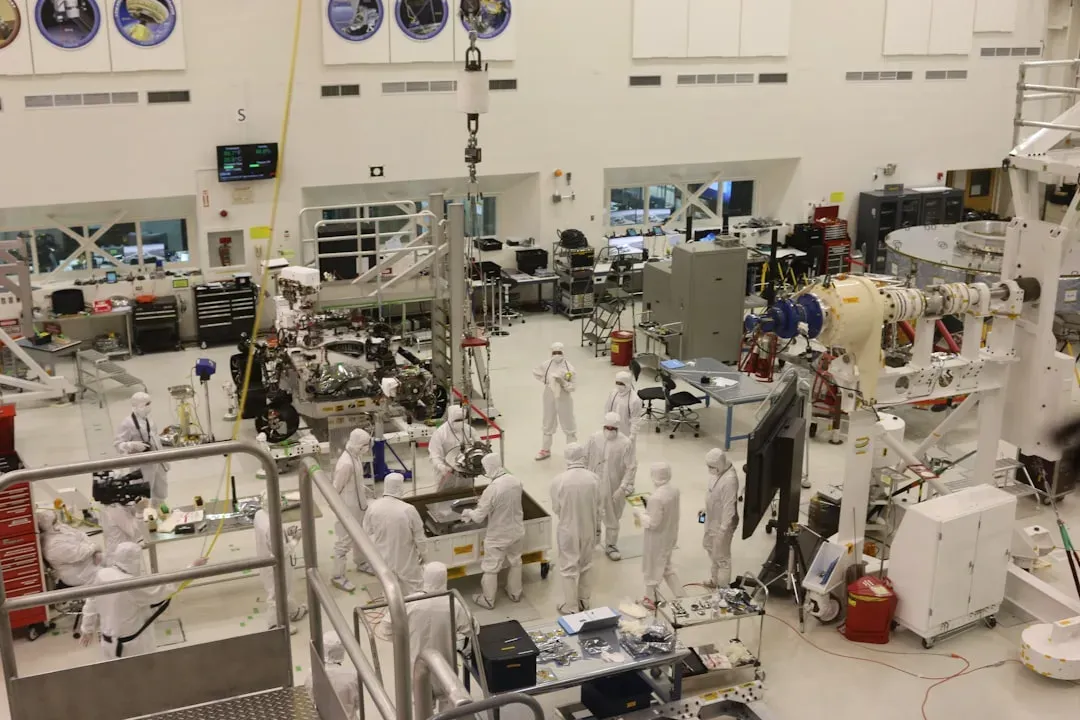
Engineers redesigned how samples would be loaded to reduce any chance of Martian dust escaping containment. The revised loading system places the sealed tubes into the container in a way that reduces external dust. Fewer surface handoffs mean fewer paths for contamination. The goal is to simplify the proof that the outer surfaces of the return system never contacted martian material. Once the capsule reached Earth, it would enter what officials called restricted return, meaning layered containment, validated sterilization where appropriate, and receiving in a purpose-built facility that combines high biocontainment with ultraclean lab practices.
China’s Simpler Bet on the Same Prize
While NASA studied and restudied its options, another country kept moving. Tianwen-3 is scheduled to launch in 2028 and aims to return samples to Earth by 2031. That timeline would put Chinese scientists in possession of Martian rock years before any NASA-ESA sample could realistically arrive.
The Chinese approach trades scientific breadth for speed. The Chinese mission takes a simpler approach than the original NASA plan. Rather than collecting samples from a range of geologically diverse sites across a long traverse, Tianwen-3 would land at a single location and use a “grab and go” architecture to collect material from that one area. The scientific return would be narrower than what MSR was designed for, but the mission is more likely to actually deliver samples on a realistic timeline. If it succeeds, China will be the first country to return samples from Mars, a significant milestone in planetary exploration and a substantial shift in the balance of international space leadership.
The Cancellation Nobody Could Stop
The decision that had been delayed for years finally arrived, and not through a NASA press conference. Congress released a compromise spending bill for the present financial year that backs the White House’s effort to kill the Mars Sample Return program. Although the bill must be passed by both congressional chambers and signed into law, it effectively signals the end of MSR. The program that had once been planetary science’s top priority was cut with a single line of budget text.
Lawmakers did leave a narrow opening. The agreement provides the request of $110,000,000 for the Mars Future Missions program, including existing MSR efforts, to support radar, spectroscopy, entry, descent, and landing systems, and translational precursor technologies that will enable science missions for the next decade, including lunar and Mars missions. A Planetary Society official noted the money could allow NASA to hit the reset button on the program sometime in the future, though nothing in the bill guarantees that will happen.
What Happens to the Samples Now
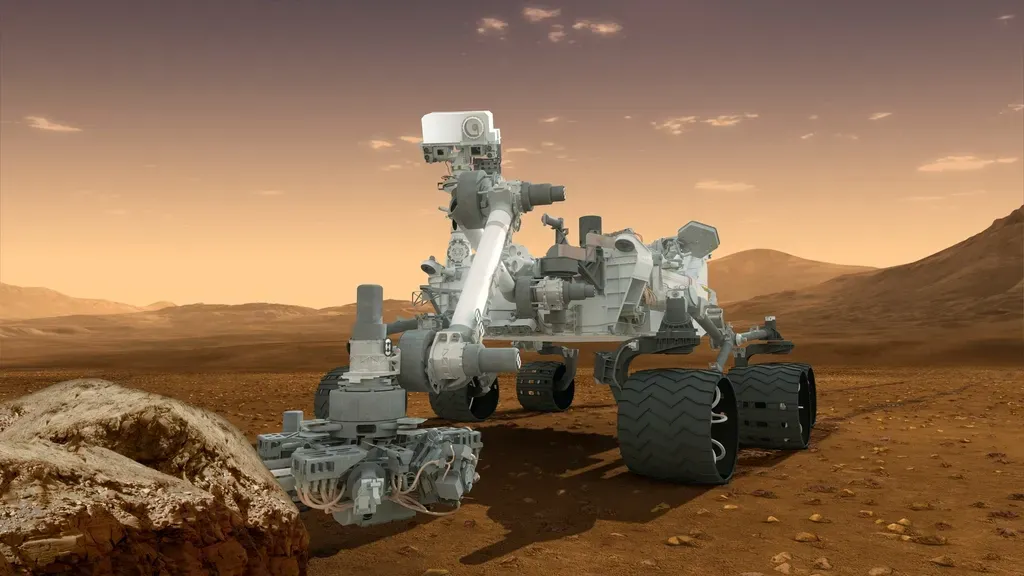
Perseverance is not going anywhere, but it is not immortal either. Its plutonium power source has about 10 years of juice left, putting a hard deadline on handing off the samples to a stationary MSR lander if there is no fetch rover. On the European side, the partner spacecraft that was supposed to carry the samples home has already been shelved. After the USA cancelled the sample return mission, ESA was considering repurposing its Earth Return Orbiter for a standalone one-way mission to Mars, possibly launching in 2032. However, in early 2026, ESA member states decided to cancel the orbiter and the agency began discussions about reusing certain technologies developed for the mission.
For now, the tubes stay where Perseverance left them, sealed and waiting in the Martian dust. The rocks themselves are in no danger; Mars is cold and dry enough to preserve them for a very long time. What is missing is not the sample, but the ride, and as of mid-2026, nobody in Washington or Paris has committed to building one.
