


- 9 Items Experienced Skywatchers Bring Along That Beginners Always Wish They’d Packed - November 12, 2026
- I Moved to Tornado Alley in Oklahoma – 7 Things I Did Not Anticipate About Storm Season - November 12, 2026
- VR tool shows how rising seas could flood Fort Lauderdale - November 12, 2026
How researchers measure sky darkness
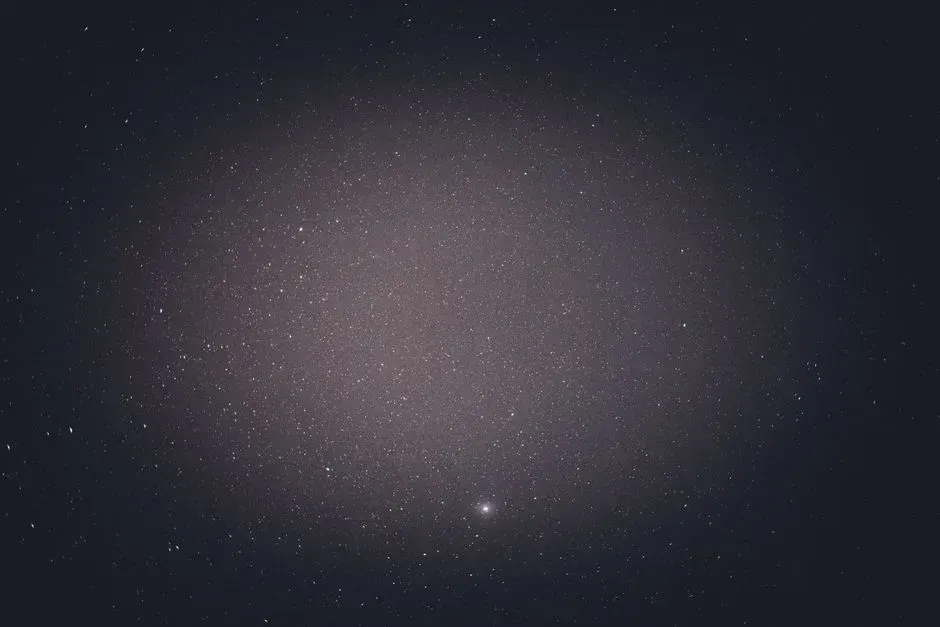
Most modern rankings lean on the Bortle scale, a nine level system created by amateur astronomer John Bortle back in 2001 that remains the standard reference for describing how dark a sky actually is, created by amateur astronomer John Bortle in 2001 to measure night sky brightness on a 1 to 9 scale, and it’s the standard reference for describing how dark a sky actually is, from a pristine Class 1 to a washed-out inner-city Class 9. A Bortle 1 rating is about as dark as skies get on this planet, while a Bortle 1 sky reveals the Milky Way so bright it can cast shadows, while at Bortle 7 or higher it all but disappears.
A recent nationwide study combined that scale with annual cloud cover data to produce a “star visibility score” for every state, and the results reshuffled a lot of assumptions people had about where to go stargazing. The analysis weighed the Bortle scale against average annual cloud cover per state to produce a star visibility score out of 10. The findings matter because, as the researchers pointed out, roughly 80% of North Americans live under light-polluted skies, so knowing exactly where to escape that glow has real practical value.
South Dakota tops the list
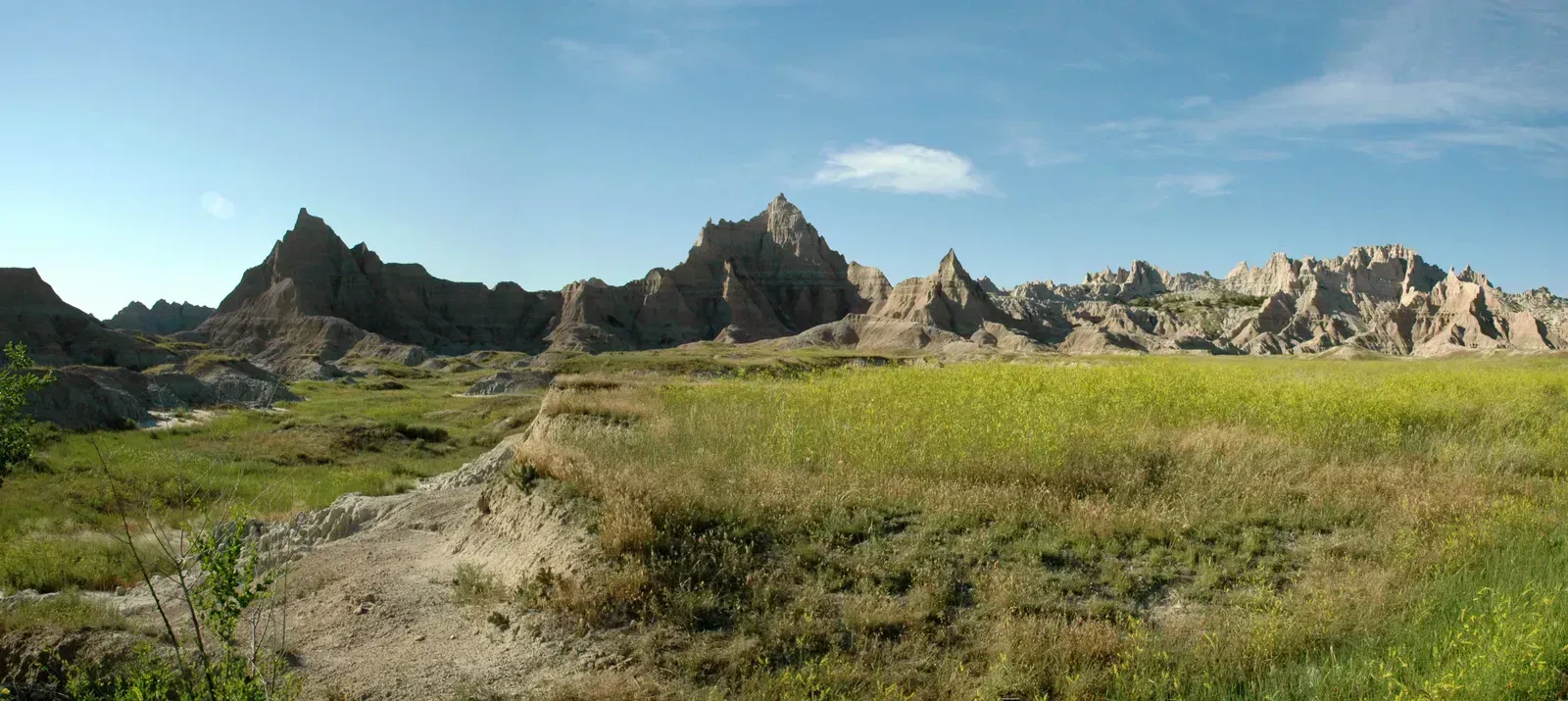
South Dakota came out on top of the most recent nationwide comparison, and by a fairly comfortable margin. South Dakota ranks first with a score of 7.79, with over half the state falling between Bortle scale 1 and 3, and 9.42% falling at Bortle scale 1, the most favorable rating possible and the highest of any state in the country.
Part of what pushes South Dakota ahead is simply weather. Cloud cover averages just 11.65% annually, so clear skies are the rule. Within the state, one county stands out even further: Sanborn County is the standout, scoring 8.78 with the entire county sitting within the optimal Bortle range, and famous landscapes like Badlands National Park add a dramatic backdrop to the experience.
Wyoming holds a strong second place
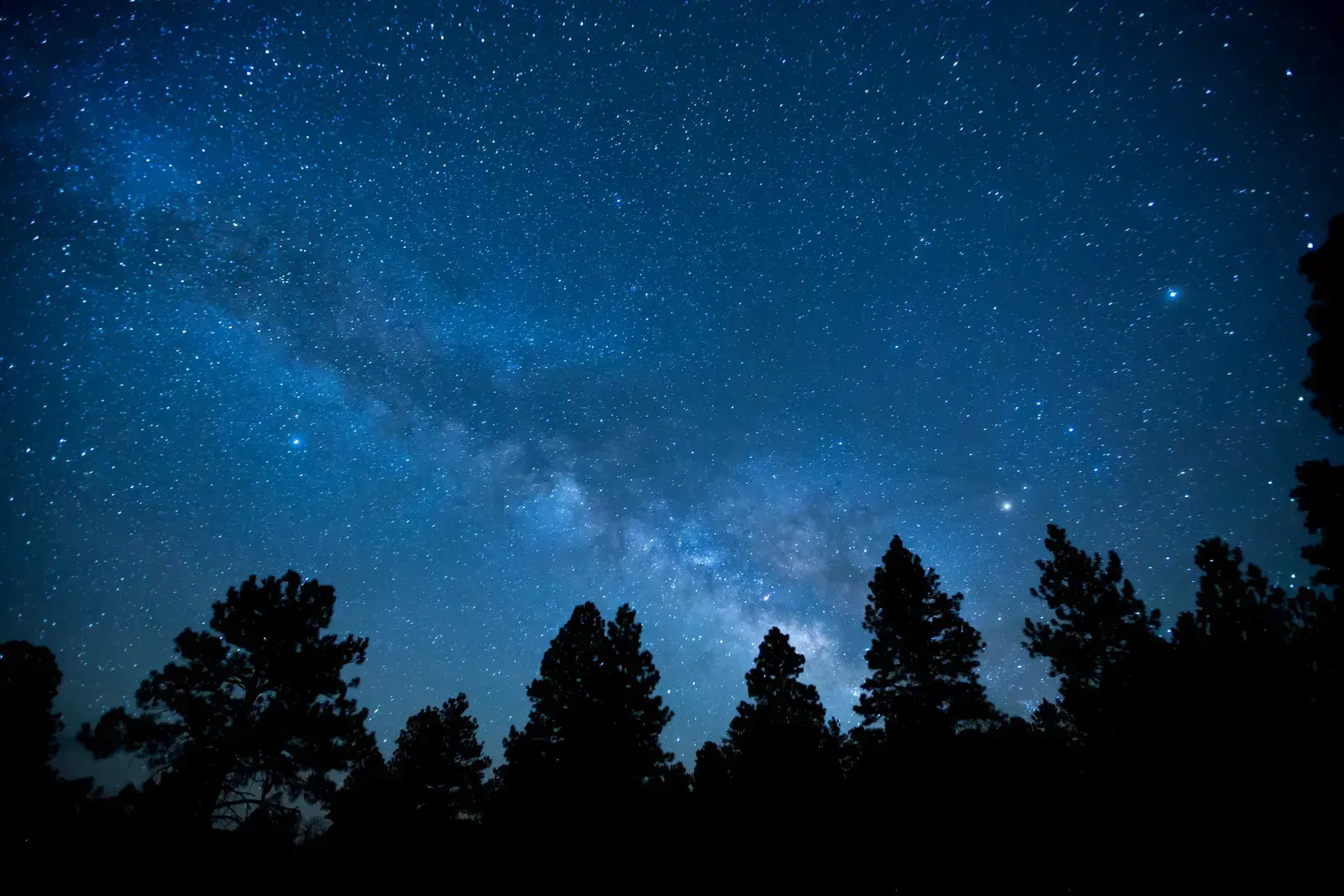
Wyoming isn’t far behind South Dakota, and it has an interesting policy story behind its ranking. Wyoming comes in second at 7.65, helped by being one of 19 states with laws limiting light pollution. That legal framework appears to make a measurable difference, since almost half of the state, 46.3 percent, falls into Bortle scale 1 through 3.
For travelers looking for a specific destination inside the state, Hot Springs County stands out as the prime spot for viewing, with a star visibility score of 8.71 out of 10. Wyoming’s low population density across most of its land area is really the underlying reason so much of the state stays this dark, and it’s a pattern that repeats across most of the top performing states.
Alaska rounds out the top three
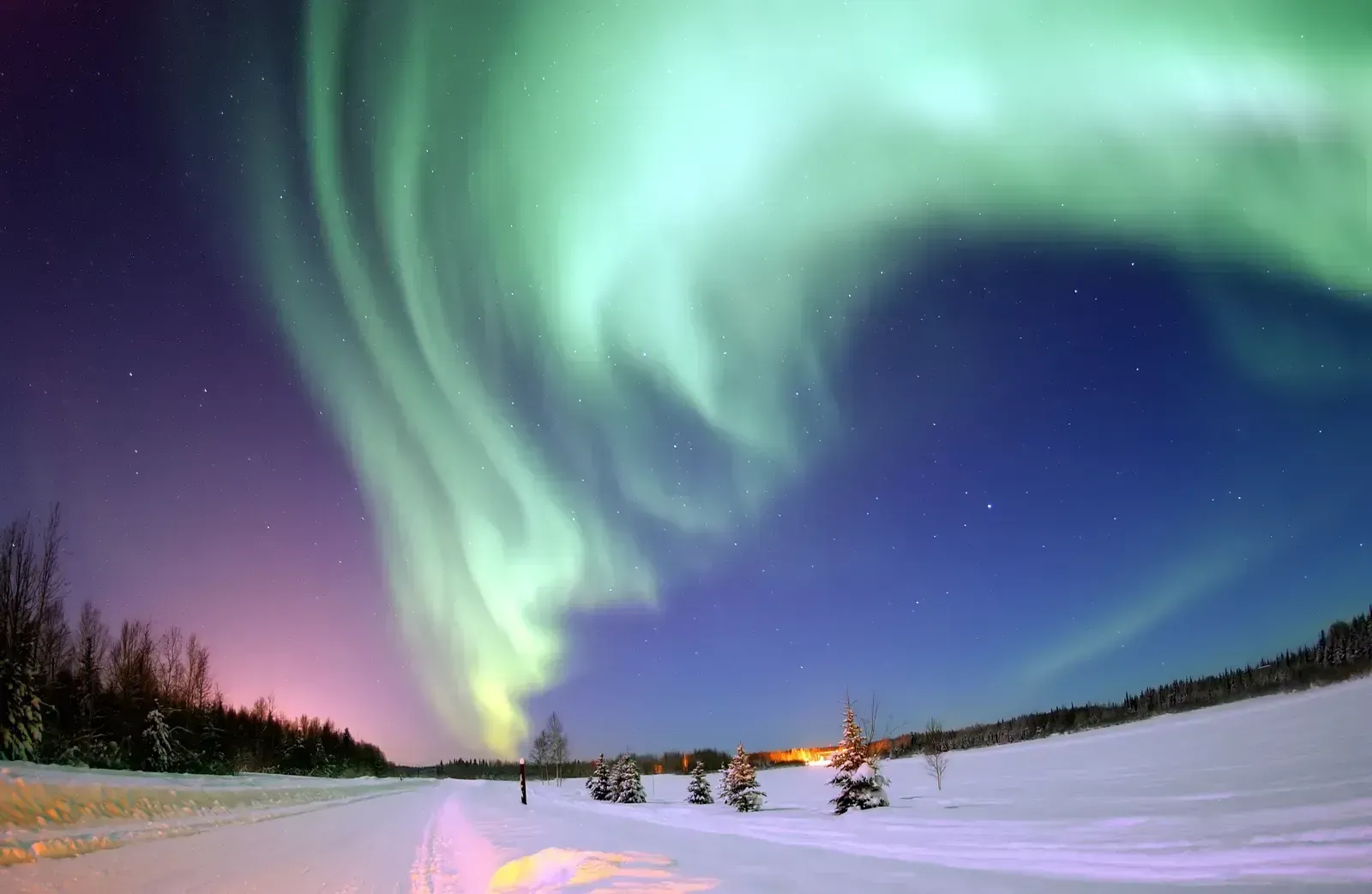
Alaska’s position on this list surprises fewer people, given its remoteness, but the numbers back it up clearly. Alaska came with a star visibility score of 7.64 out of 10, with 31.74 percent of the state categorized as Bortle scale 1-3, and 6.23 percent of the area having an “excellent dark sky.”
Cloud cover helps too. There is just 11.30 percent of cloud coverage per year in Alaska, solidifying its position in third place. Alaska also has a bonus most other states can’t offer: a real shot at seeing the aurora, which turns a good stargazing trip into something even rarer.
The Mountain West’s cluster of dark sky states
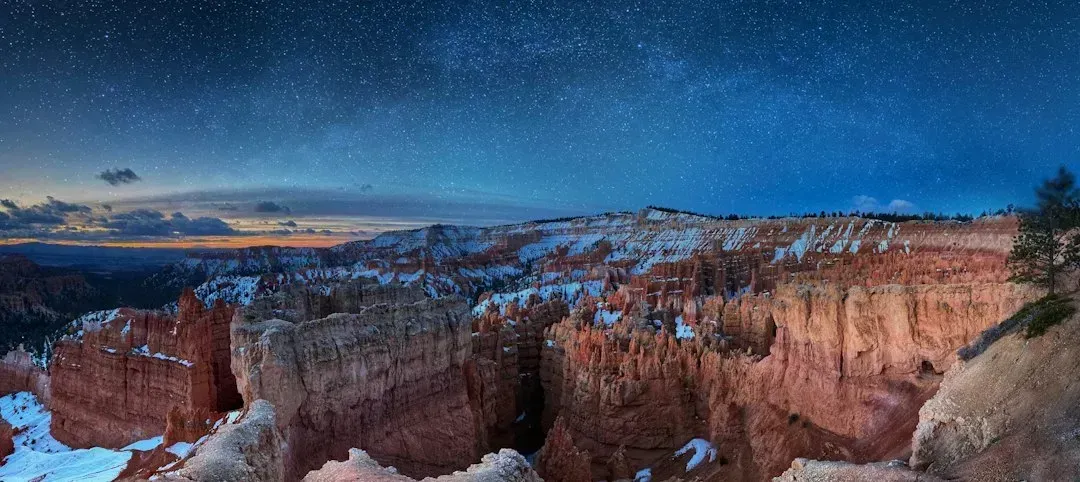
Beyond the top three, a cluster of Western states consistently shows up in dark sky conversations, largely because of open land and high elevation. The darkest locations in the US, including parts of Nevada, Utah, New Mexico, and central Idaho, can reach Bortle 1 to 2 on clear, moonless nights. Utah in particular has built something of a reputation around this.
Utah alone has over 20 certified dark sky locations, and other top states include Arizona, New Mexico, Colorado, and Texas. Nevada deserves a specific mention too, since Great Basin National Park has become something of a poster child for the region. Great Basin National Park in Nevada tops recent national park stargazing rankings, with a pristine Bortle 1 sky, IDA Dark-Sky certification, and high-altitude vistas from Wheeler Peak above 13,000 feet.
Pockets of darkness on the East Coast
The Eastern half of the country generally struggles with light pollution simply because of population density, but a few states manage to carve out surprisingly dark corners. New Hampshire is one of them. Class 2 and 3 dark skies abound in the White Mountains, including at the summit of Mount Washington, the highest peak in the Northeast United States.
Virginia offers something similar, though it takes more effort to find. As with much of the East Coast, it’s difficult to find truly dark skies in Virginia, but James River State Park is an International Dark Sky Park with a Class 3 sky, one of the darkest places you can go without leaving the state. These pockets prove that even crowded regions can protect small windows of genuine darkness if the land and the will to preserve it line up.
Texas shows the biggest internal contrast
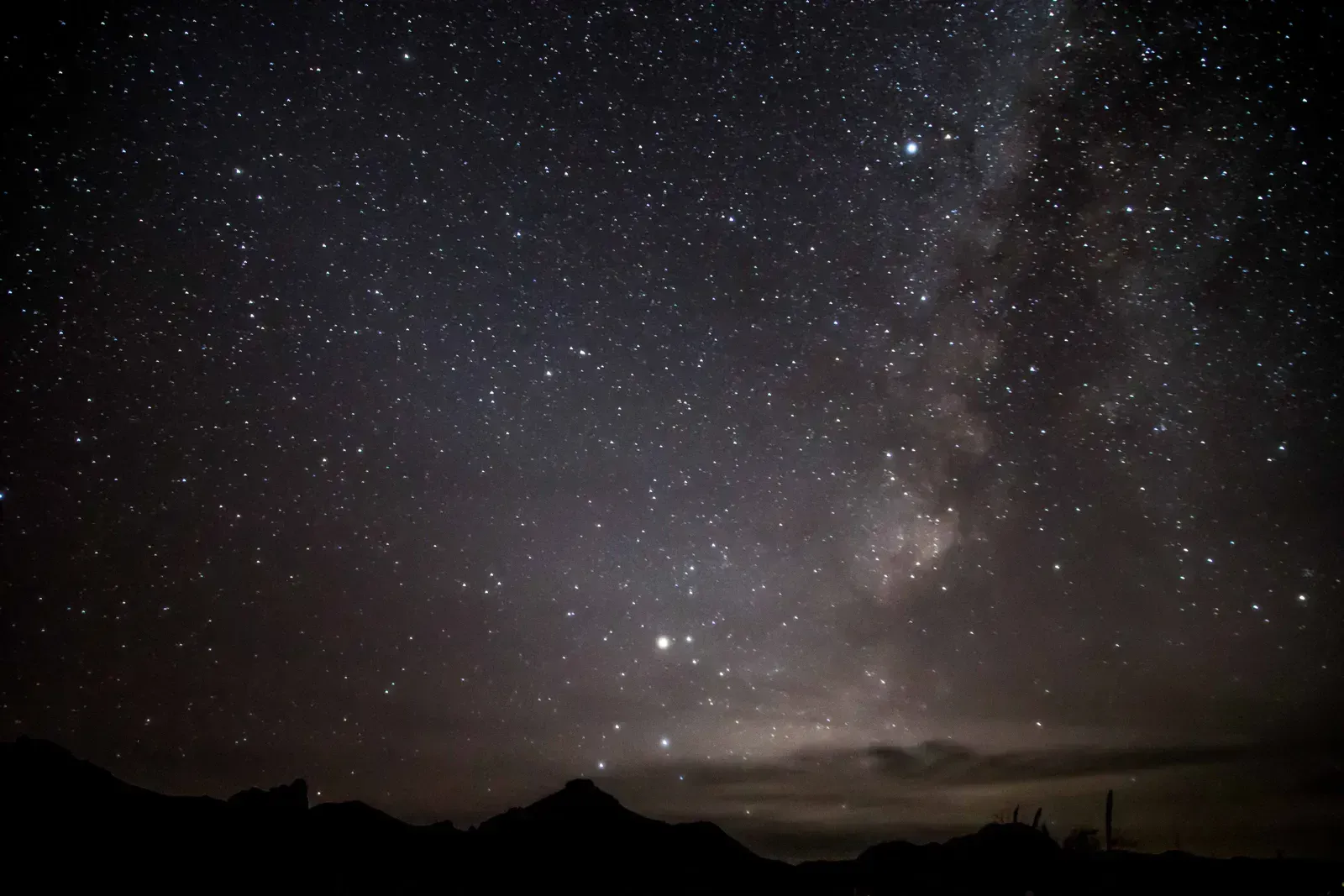
No state illustrates the split between urban glow and rural darkness quite like Texas. On one end, its major cities weigh the whole state down. Texas is home to some of the worst light pollution in the country around Austin and Houston.
Yet drive far enough from those cities and the picture flips entirely. Cochran County scores a near-perfect 9.14, with the entire area falling within the optimal Bortle range. Big Bend adds another data point in the state’s favor, since Big Bend National Park has the least light pollution of any national park in the U.S. Texas is a reminder that statewide averages can hide huge local variation.
States with laws on the books
Legislation turns out to be a meaningful factor in how dark a state’s skies stay over time. Wyoming’s high ranking is partly explained by regulation, and it’s not alone. Wyoming is one of 19 states with laws limiting light pollution.
These laws typically address things like outdoor lighting fixtures, shielding requirements for streetlights, and restrictions near observatories or protected natural areas. States without similar rules tend to see steady erosion of dark sky quality as development spreads, since unshielded lighting scatters upward regardless of how rural the surrounding land is. Regulation alone doesn’t guarantee dark skies, but it clearly correlates with states that rank well.
The most light-polluted states
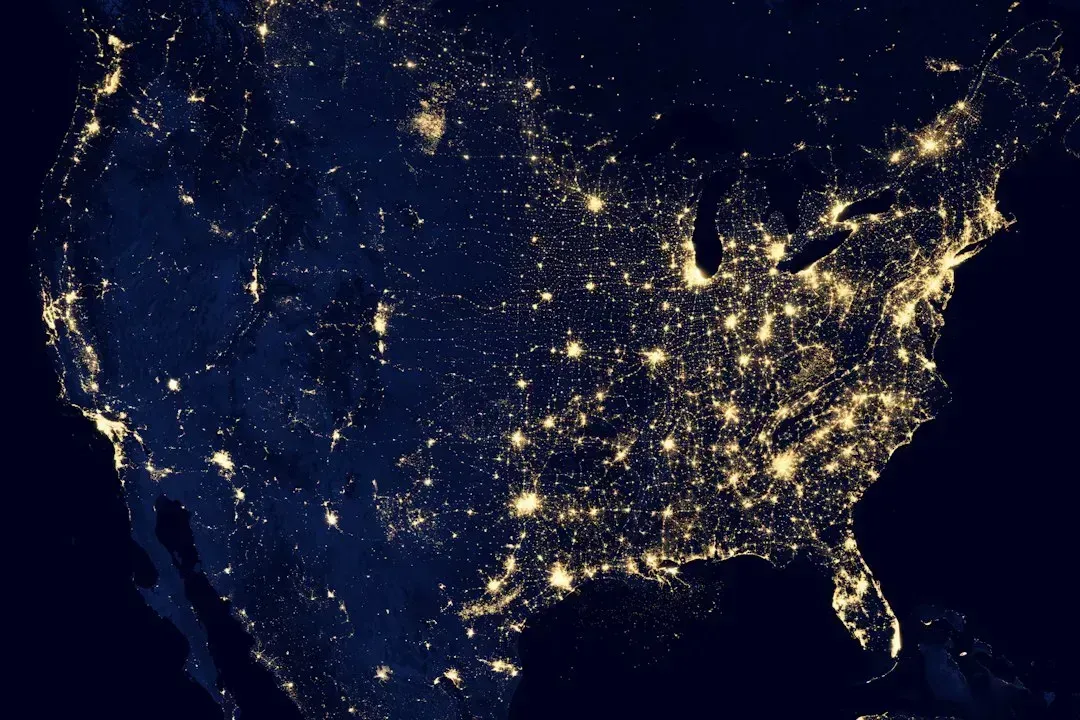
At the opposite end of the spectrum, dense Northeastern states dominate the bottom of the list. Rhode Island sits in last place by a wide margin. Rhode Island scores a 0.56 out of 10, with only 0.05% of the state having a Bortle classification between 1 and 3, none of it reaching Bortle 1, and annual cloud cover sitting at nearly 14.5%.
That combination of small land area, high population density, and cloudier weather is a tough one to overcome. It’s a useful reminder that light pollution rankings aren’t purely about population size, since even a small state can end up near the bottom once nearly every square mile sits within reach of some form of artificial lighting.
Planning around timing and technology
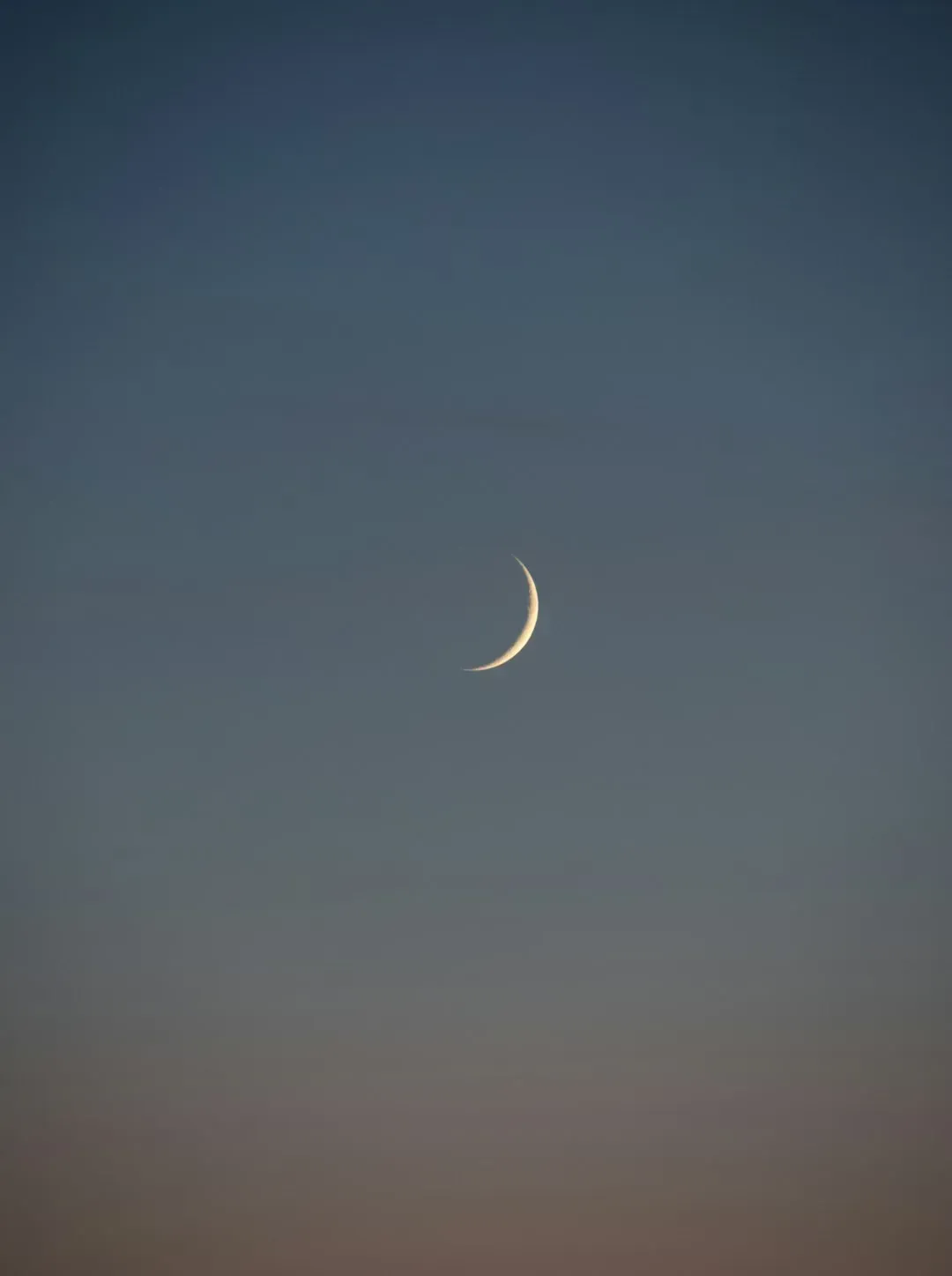
Even in a state with strong dark sky credentials, timing still matters enormously. Plan visits around the new moon, ideally visiting in the week before or the few nights after, to avoid moonlight washing out the stars. Skip this step and even a Bortle 1 location can look disappointingly average.
Tools have also caught up with the demand. Several free tools now show over 100 certified International Dark Sky Places plotted on a map, along with a moon phase widget that tells you whether tonight is good for stargazing. Checking a light pollution map before booking a trip has become as routine as checking a weather forecast, and for good reason.
Final thoughts
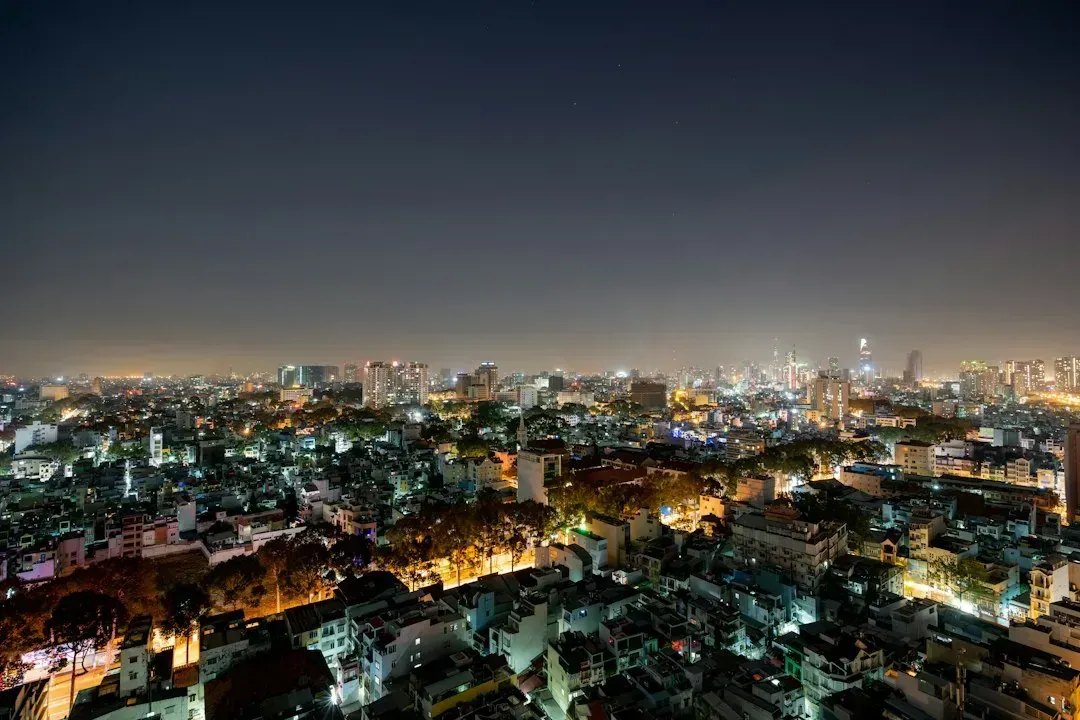
Light pollution in the United States isn’t just a story about cities versus countryside. It’s shaped by cloud patterns, state policy, land use, and sheer geography, which is why a state like Texas can hold both some of the worst skies and some of the best within its own borders. The states topping these rankings tend to share three things: low population density, favorable weather, and in some cases, laws that actively protect the darkness overhead. For anyone chasing a proper view of the Milky Way, the research now points to a fairly clear map of where to go, and where to skip.
