


- 9 Items Experienced Skywatchers Bring Along That Beginners Always Wish They’d Packed - November 12, 2026
- I Moved to Tornado Alley in Oklahoma – 7 Things I Did Not Anticipate About Storm Season - November 12, 2026
- VR tool shows how rising seas could flood Fort Lauderdale - November 12, 2026
1. A strong foundation in STEM education
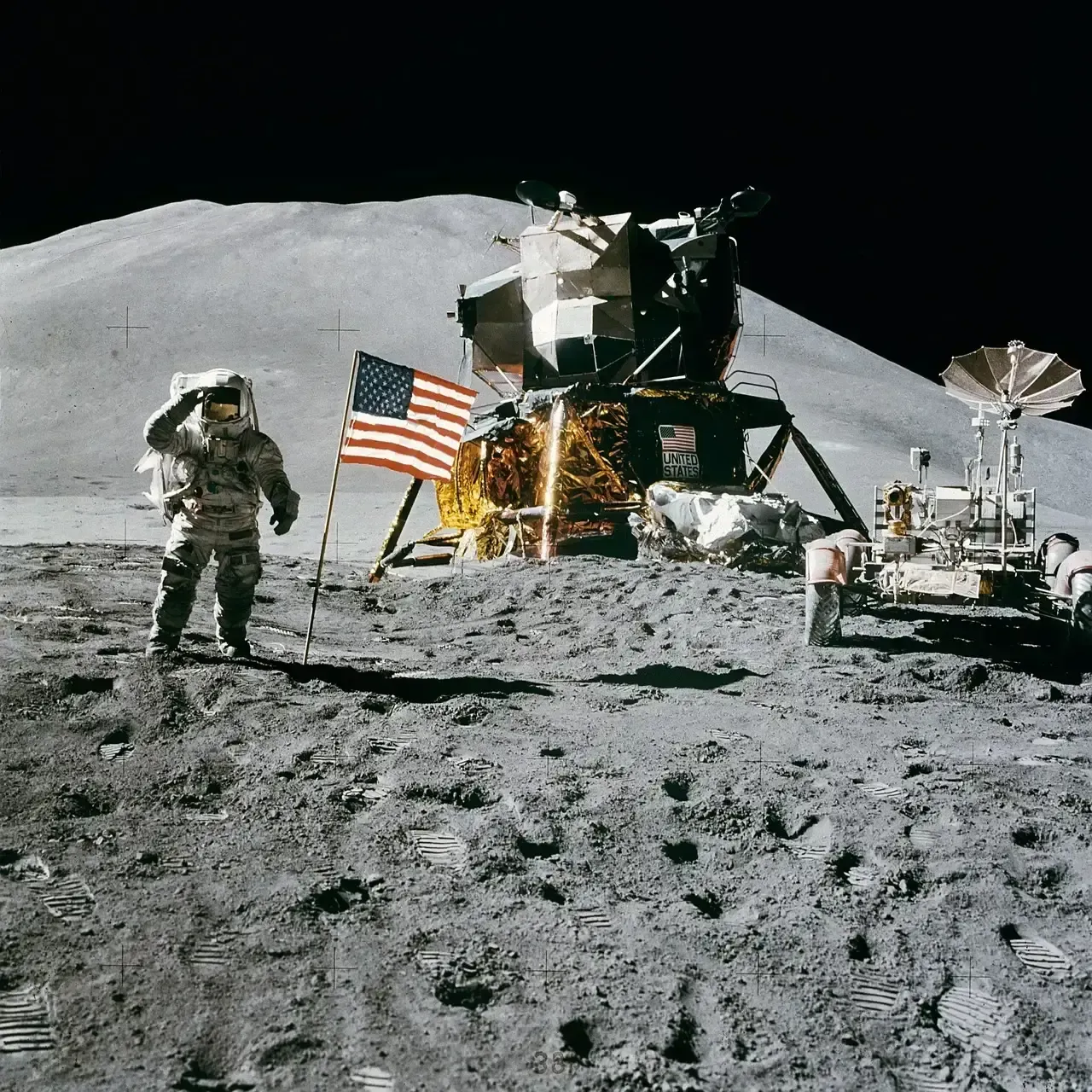
NASA does not budge much on this one. Candidates must have a master’s degree from an accredited institution in engineering, biological science, physical science or mathematics. This isn’t a box-checking exercise either, since the coursework tends to show up later when astronauts troubleshoot experiments or repair hardware hundreds of miles above Earth.
What surprises a lot of applicants is how flexible NASA can be about which STEM path someone takes. A background in computer science works, a background in medicine works, even a doctorate in geology has landed people a spot in recent classes. The common thread is technical fluency, the kind that lets a person reason through a problem without a manual in hand.
2. Meaningful professional or flight experience
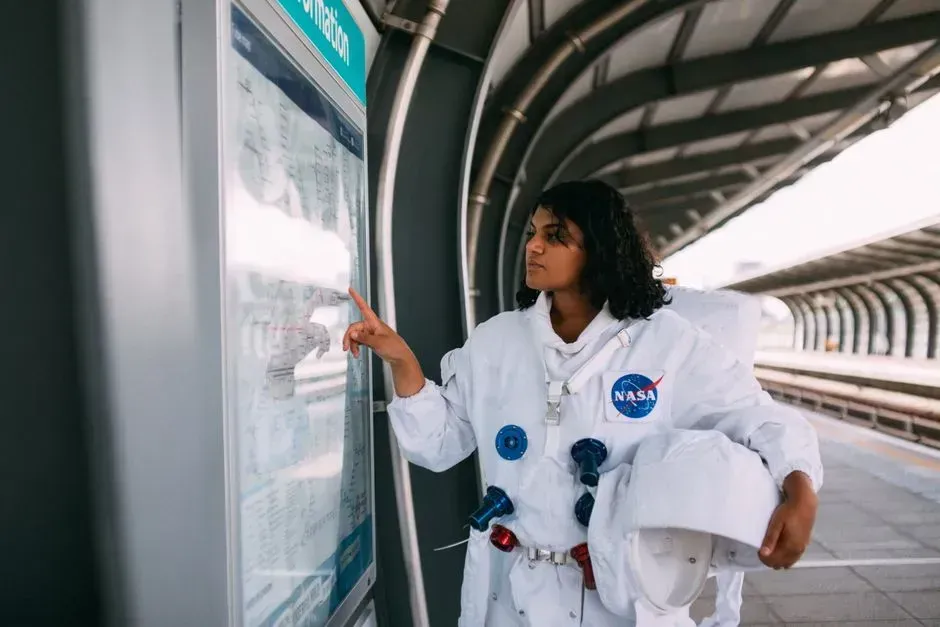
A degree alone rarely gets anyone through the door. NASA expects at least two to three years of related, progressively responsible, professional experience, or at least 1,000 hours of pilot-in-command time in jet aircraft. That experience requirement exists because space missions are, at their core, extensions of real professional work, not classroom exercises. Interestingly, teaching counts too. Teaching experience, including experience at the K-12 levels, is considered to be qualifying experience. It’s a detail that surprises people, but it makes sense once you consider how much of an astronaut’s job involves explaining complex science to the public and to younger crew members.
3. Excellent physical and medical health
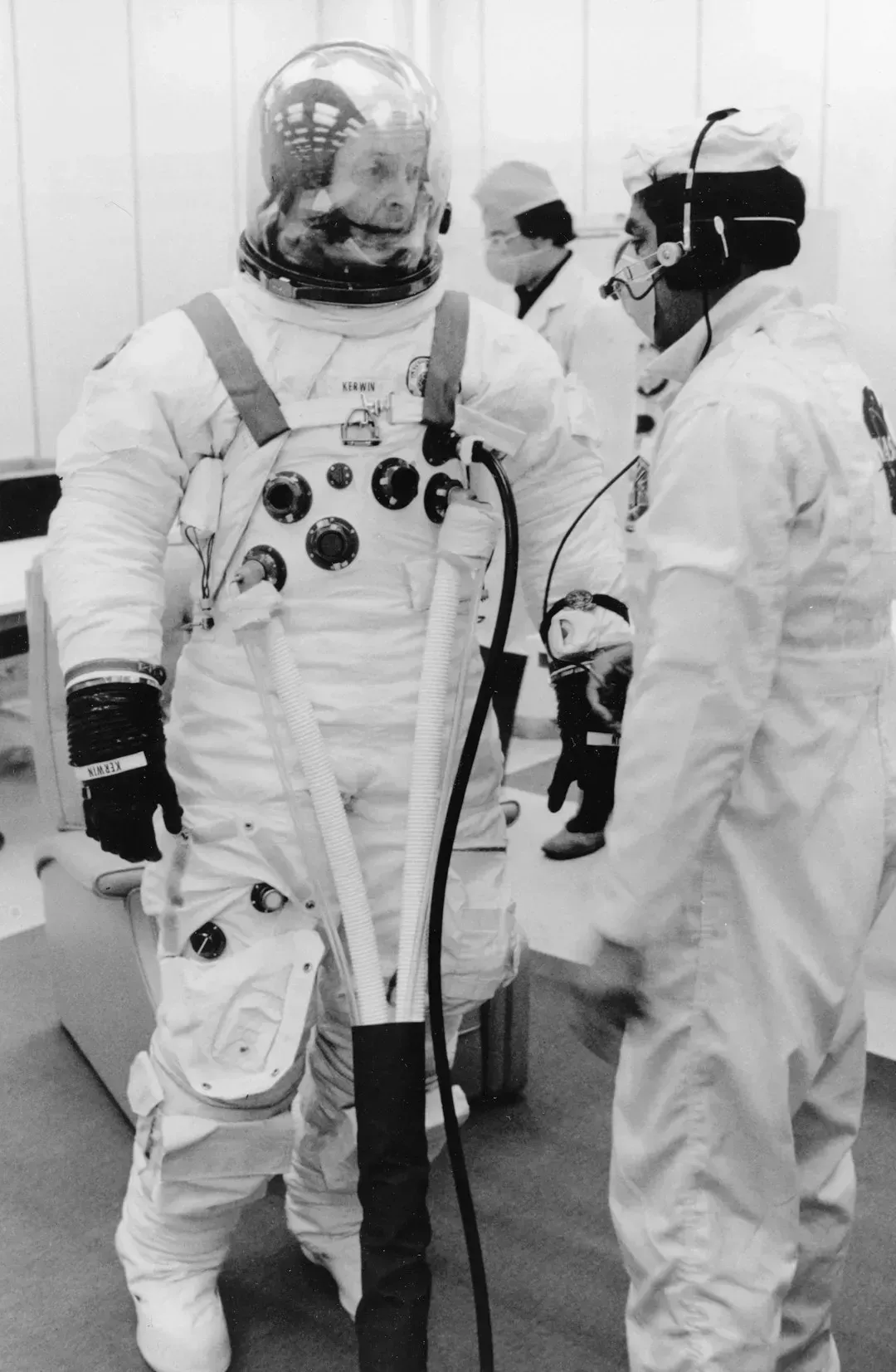
Spaceflight is brutal on the human body, so the physical bar is high and specific. Candidates need vision that is correctable to 20/20, each eye separately, along with blood pressure not to exceed 140/90 measured in a sitting position. These aren’t arbitrary numbers, they reflect decades of medical data on what the human body can tolerate during launch, microgravity, and reentry. There’s also a height consideration tied directly to spacecraft engineering. Standing height generally needs to fall between about 62 and 75 inches (157–190 cm), to fit spacecraft and suits. A candidate could ace every interview and still get ruled out if they physically can’t fit safely inside a capsule seat or a pressurized suit.
4. Genuine composure under pressure
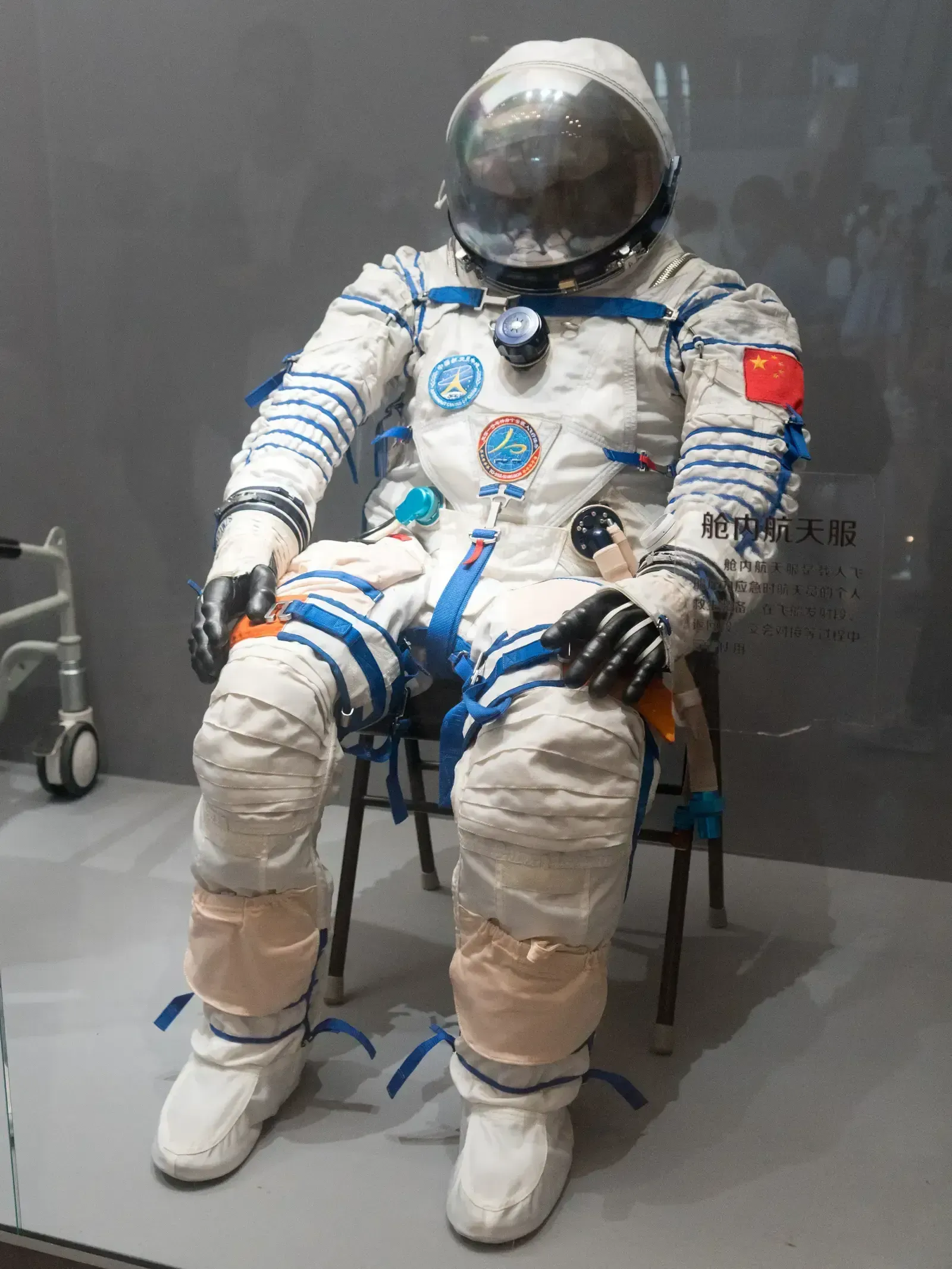
This is one of those qualities that’s nearly impossible to fake during an interview, which is exactly why NASA digs for it. During the original 1959 selection, candidates were asked questions that had no correct answers, deliberately placed in situations that created a sense of threat, and closely observed to see how they reacted. That approach set the tone for how the agency still evaluates people today. The stakes have only grown since then. A crew member who freezes or panics during a depressurization alarm or an equipment failure puts the entire mission at risk, so the ability to stay level headed when things go sideways carries enormous weight in the selection process.
5. Real teamwork and interpersonal skill
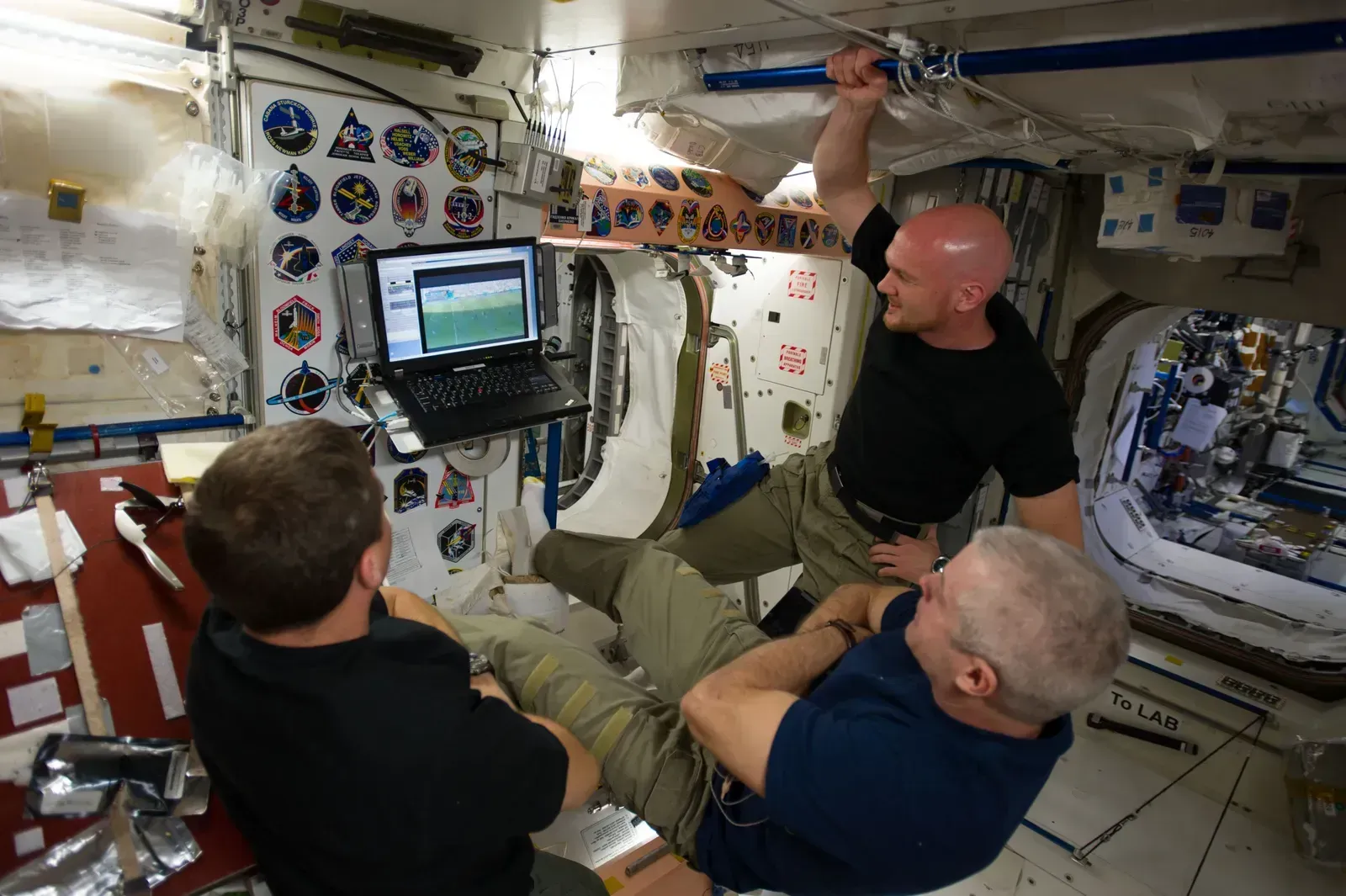
Space missions are cramped, isolated, and long. A crew that can’t get along is a crew that eventually falls apart, which is why interpersonal compatibility gets scrutinized just as heavily as technical skill. Agencies now weigh teamwork, composure, curiosity and the rare ability to stay functional when the stakes feel cosmic as decisive factors, not afterthoughts. This isn’t about being universally likable. It’s about being someone who can disagree with a crewmate over a procedure, work through it calmly, and still trust that person completely during a spacewalk an hour later.
6. Adaptability across unfamiliar situations
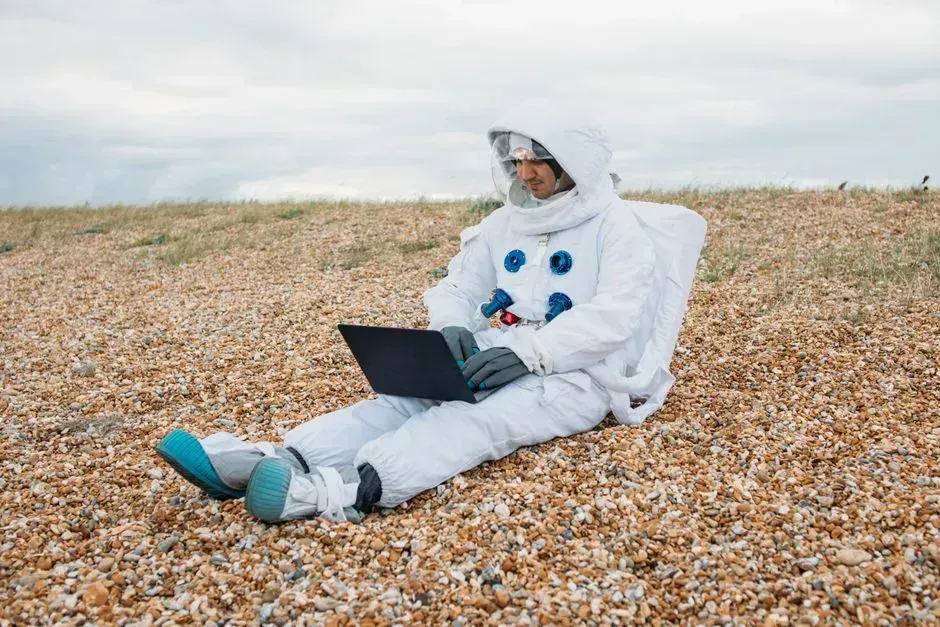
Modern missions ask astronauts to shift roles constantly, sometimes within the same day. One hour they’re running a biology experiment, the next they’re operating a robotic arm or fixing a broken filtration system. That range of duties demands people who don’t get rattled by switching gears on short notice. The agency’s evolving mission set has only made this trait more important. With plans extending toward the Moon and eventually Mars, new astronauts will fly farther into space than ever before on lunar missions and may be the first humans to fly on to Mars, meaning today’s candidates need to be comfortable with far more uncertainty than earlier generations ever faced.
7. Sharp problem solving under uncertainty
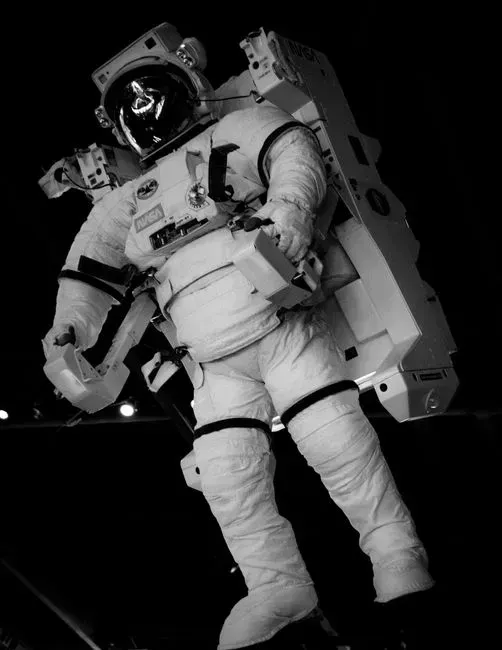
Space doesn’t offer do-overs, and Earth-based mission control isn’t always fast enough to help in real time. Candidates are evaluated on how they think through problems that don’t have a rehearsed answer, the same kind of scenario testing that dates back to the earliest astronaut selections. This quality tends to show up subtly during interviews and simulations rather than through any single dramatic test. Selectors watch how someone approaches an ambiguous technical puzzle, whether they ask good clarifying questions, and whether they stay methodical instead of jumping to conclusions.
8. A track record of leadership
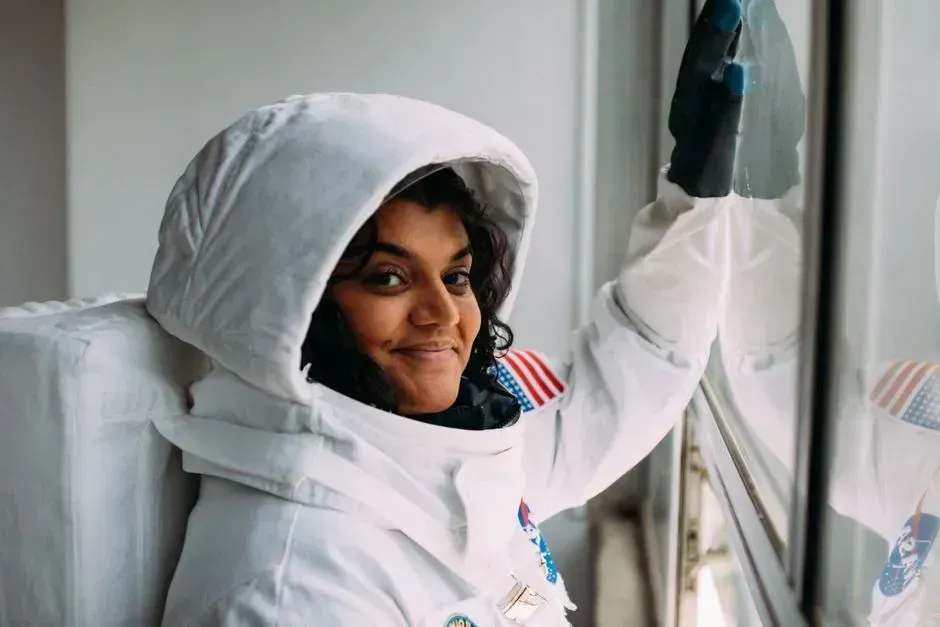
Not every astronaut needs to have commanded a squadron or run a research lab, but NASA does look closely at how candidates have led others, even in modest settings. Many selected astronauts arrive with backgrounds as current or former jet pilots, with thousands of flight hours, many of them high ranking commissioned officers in the Navy, Air Force, or Marines. Leadership shows up in less obvious résumés too, among scientists who ran field expeditions or doctors who managed hospital teams under pressure. What matters is evidence that a person can take responsibility, make calls under stress, and earn the confidence of a group.
9. Genuine, sustained curiosity
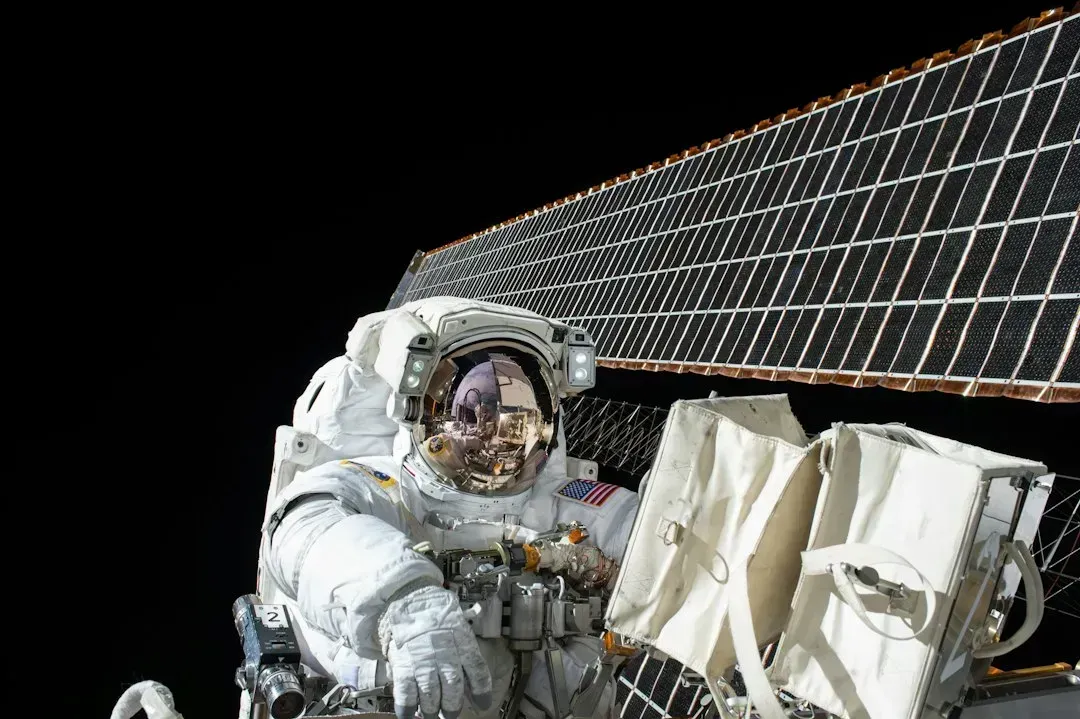
Curiosity sounds like a soft trait, but it’s one of the clearest predictors of who thrives during years of training and months in orbit. Selection panels increasingly treat curiosity as a decisive quality rather than a nice bonus, because astronauts who stay intellectually engaged tend to handle the monotony of long missions far better than those who don’t. It also plays into the public role astronauts take on once selected. The backgrounds of NASA’s most recent astronaut candidates include test pilots, engineers, medical professionals, a geologist, and more, each bringing a different flavor of curiosity that keeps the corps intellectually diverse.
10. Psychological resilience for isolation
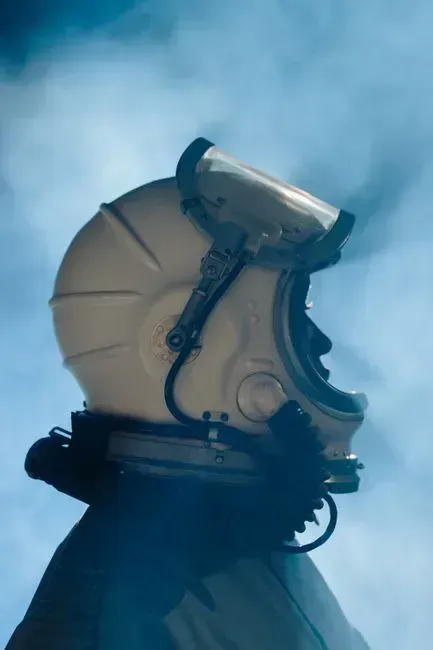
Long-duration missions mean months away from family, familiar routines, and open skies. NASA’s medical and psychological screening pays close attention to how well a person handles isolation without their mental state deteriorating over time. This matters more now than ever given how demanding upcoming missions will be. Recent Artemis testing already pushed boundaries, with a crew traveling 252,756 miles from Earth, farther than anyone in history had ever gone, a distance that magnifies both the physical and psychological toll of spaceflight. Candidates who show they can maintain steady mental health during extended isolation stand out clearly from those who simply perform well in short bursts.
Every one of these qualities gets tested repeatedly throughout the selection process, from paper screening through interviews, medical evaluations, and simulator exercises. NASA’s astronaut corps currently stands at 48 active members, a small and carefully built group drawn from 370 people selected since 1959. The bar keeps rising with each class, shaped by the specific demands of missions that now stretch toward the Moon and, eventually, Mars.