
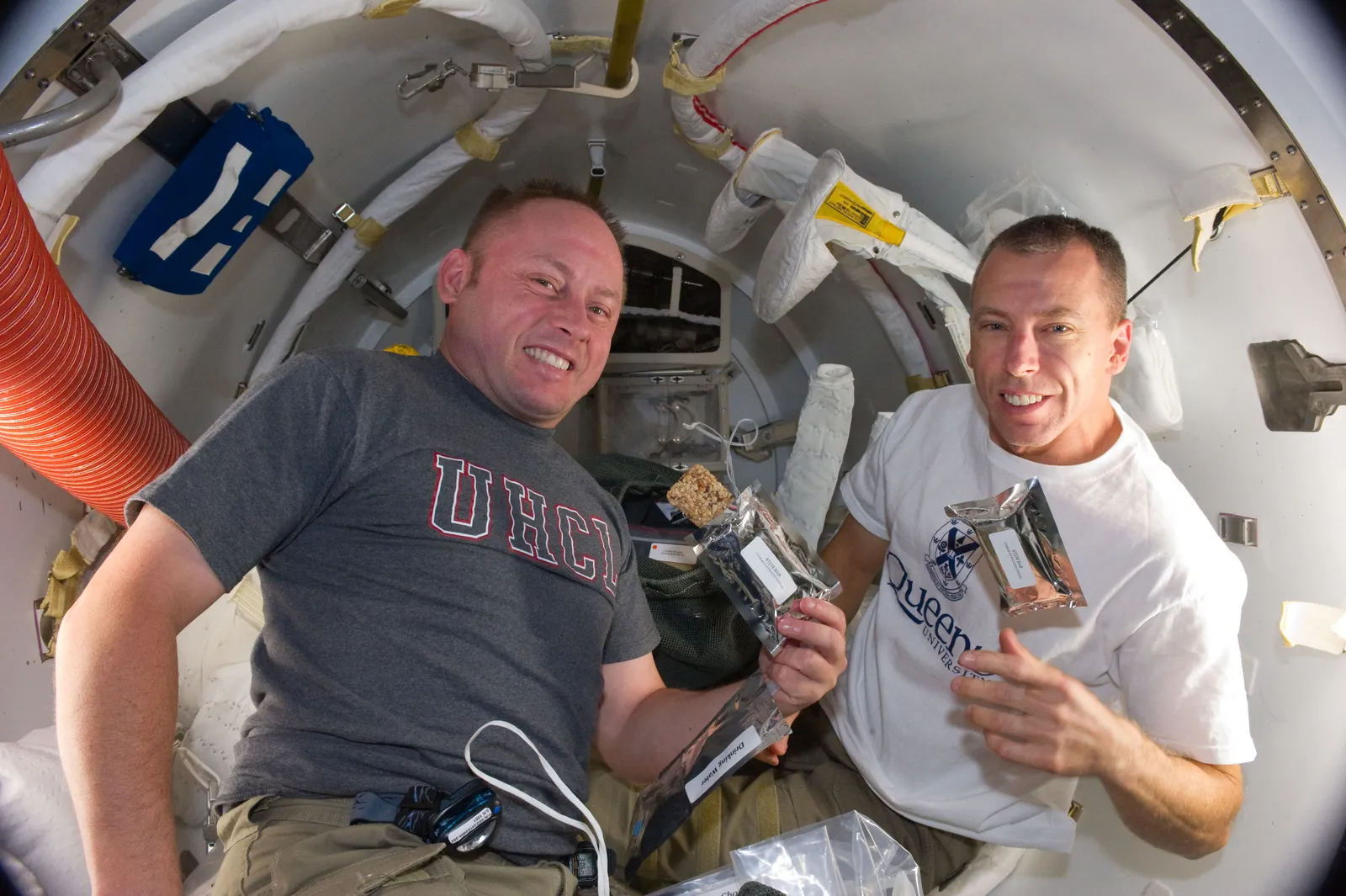
A standard menu built around choice, not rationing
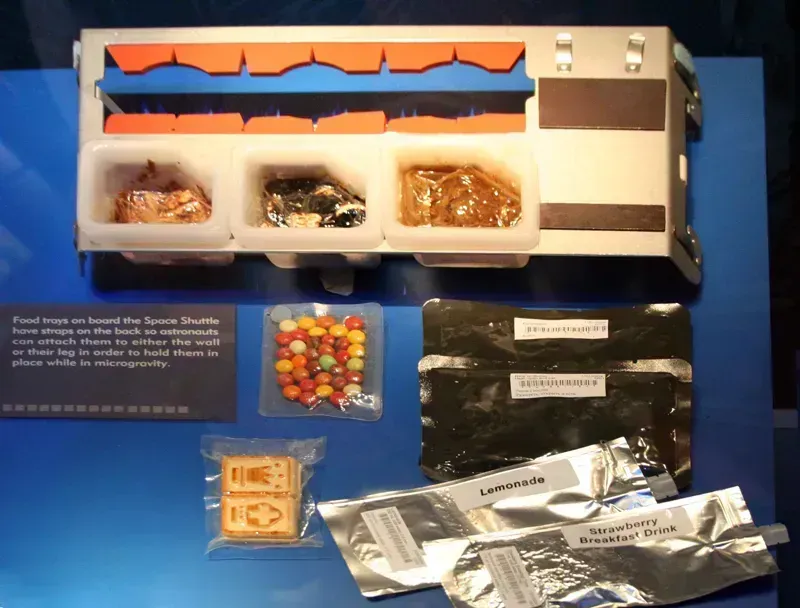
Contrary to the old image of squeezing paste from a tube, ISS crew members actually pick their meals from a fairly extensive rotating list. Crewmembers can choose from about 200 different items for their standard menu that can be augmented with some personal choices to include commercial off-the-shelf items. That’s not a one-time selection either. Food is essentially treated like a pantry, and crew members decide day to day what appeals to them.
a standard menu allows each astronaut to have three meals and one snack a day, and food is stored in a pantry format so that astronauts can choose what to eat each day. Dietitians aren’t just handing out random packets either. Their food intake is tracked, and dietitians provide recommendations to ensure they are meeting their nutritional requirements, as needed.
The classic morning plate: eggs, sausage, and a tortilla
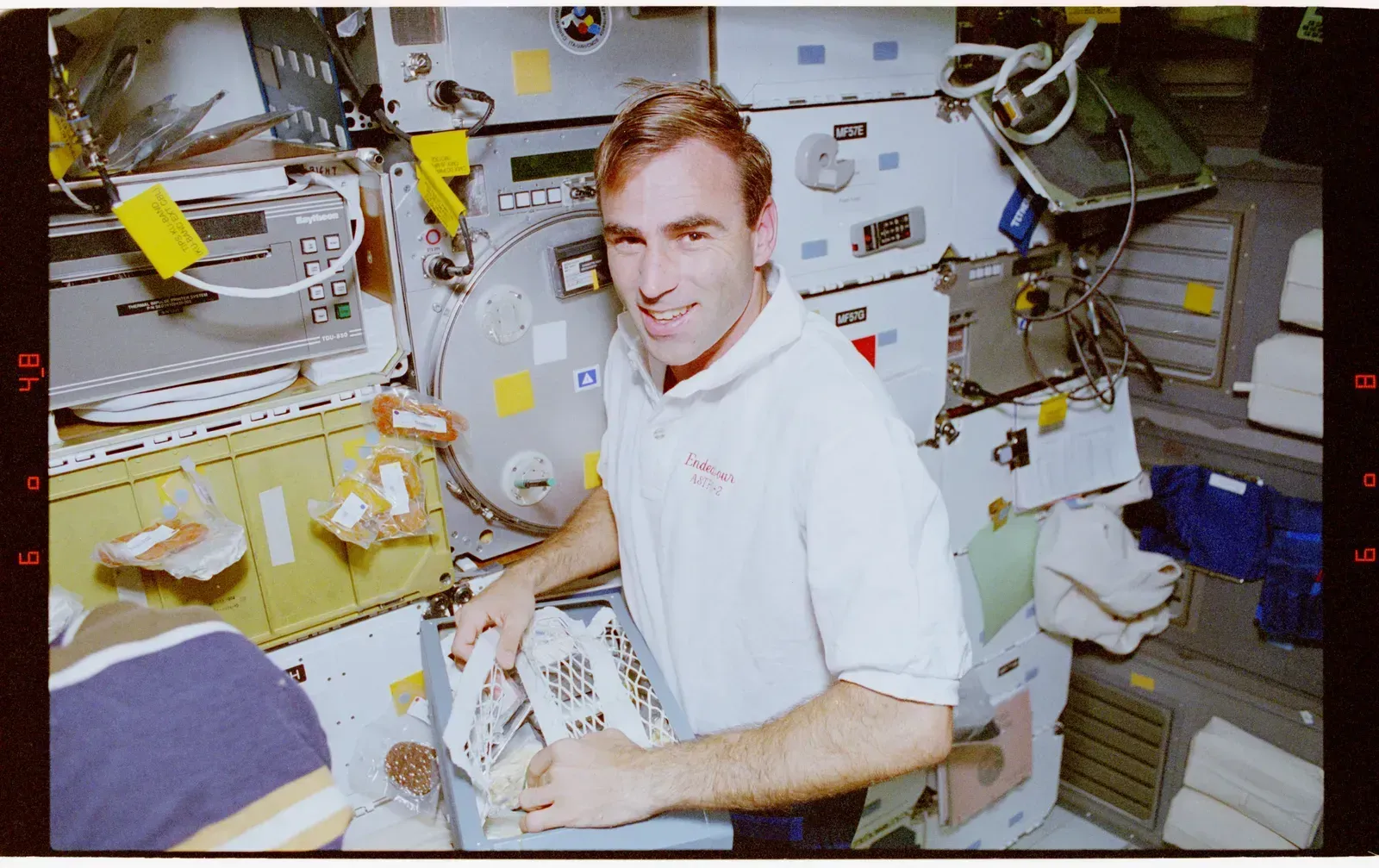
If there’s a breakfast dish that shows up again and again in crew photos and menu descriptions, it’s rehydrated scrambled eggs paired with a savory sausage patty. A typical breakfast snapshot includes rehydrated scrambled eggs, a savoury sausage patty, and a tortilla. It’s a combination that travels well, rehydrates evenly, and doesn’t fall apart in someone’s hands while they’re floating near a workstation.
Older NASA menu descriptions echo the same basic formula. One breakfast includes eggs, bacon, toast and coffee. The exact protein source shifts a bit mission to mission, sausage one week, bacon another, but the shape of the meal stays remarkably consistent across expeditions.
Why the tortilla replaced the bread basket
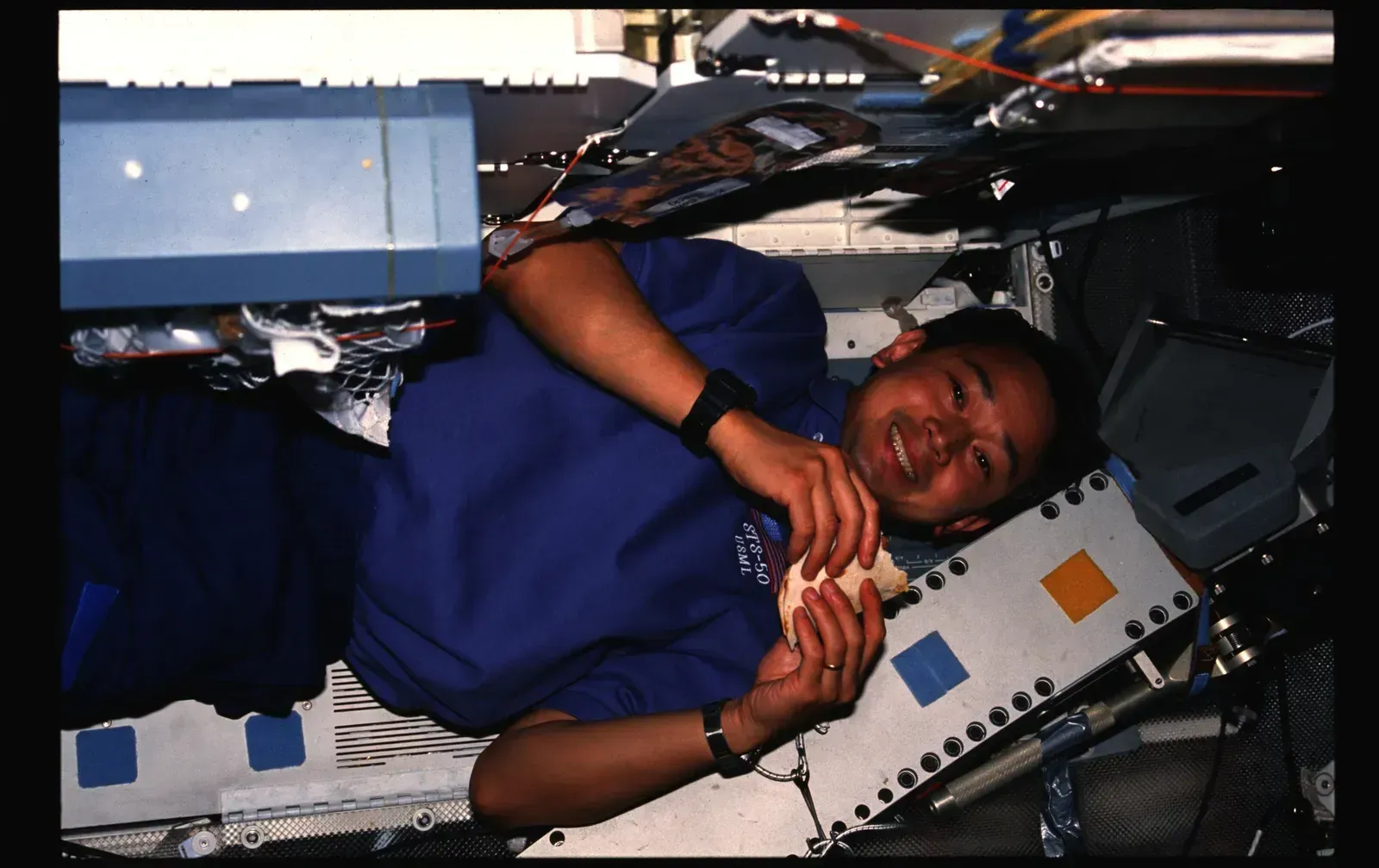
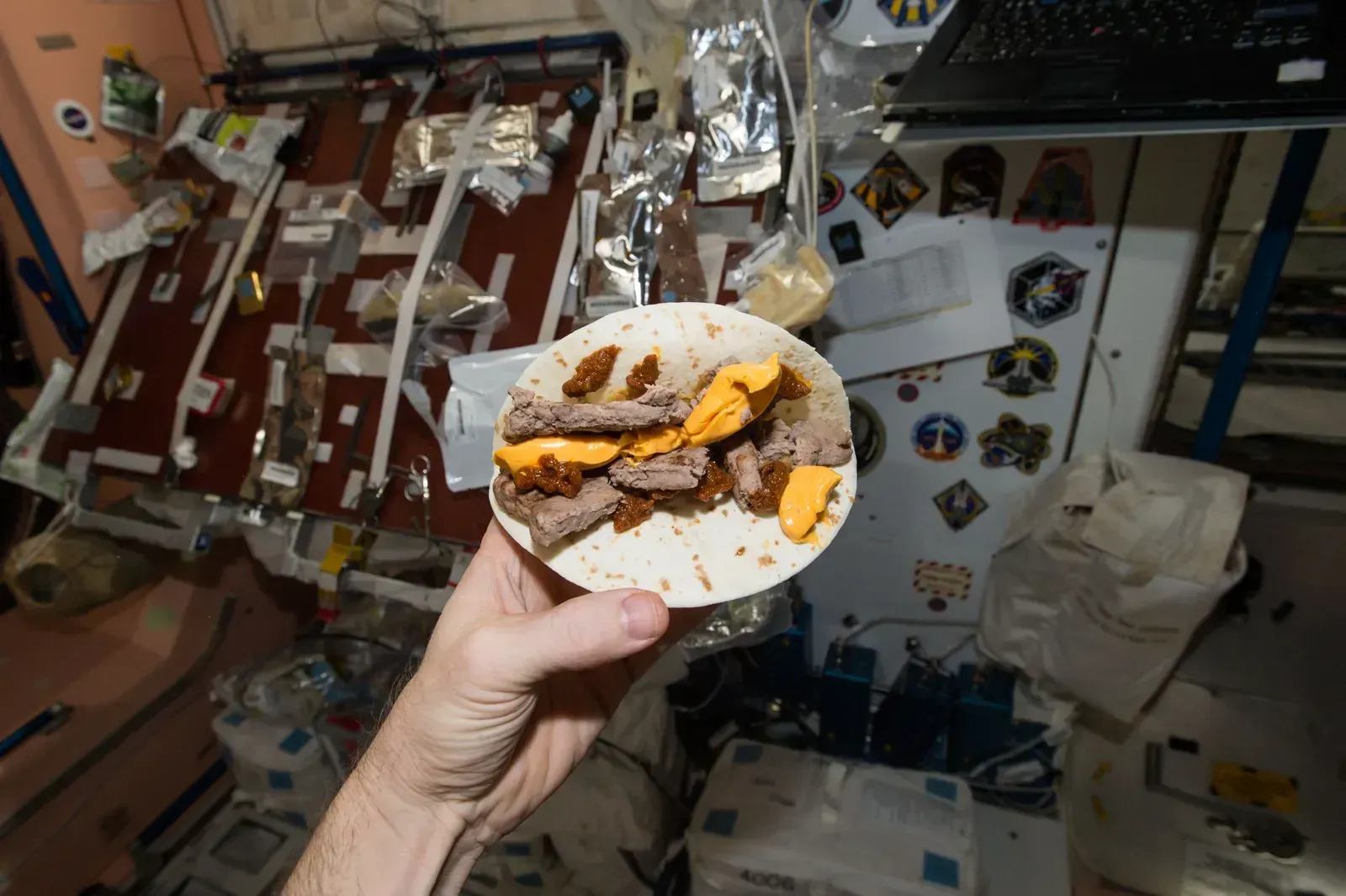
Bread might seem harmless on a breakfast tray, but on a space station it’s actually a small hazard. Crumbs don’t just fall to the floor and get swept up later. They float, drift into vents, and can even interfere with sensitive equipment. In November 1985, a crewmember aboard Atlantis requested that tortillas be included in his food supply, and his fellow crewmembers noticed that the tortillas, unlike regular bread, didn’t create crumbs and could be used to make sandwiches or hold other food items.
That single request changed space food culture. Since that mission, tortillas have been a favorite of astronauts and are standard fare aboard ISS, with crewmembers using them to make breakfast burritos, hamburgers, and even peanut butter and jelly sandwiches. The demand hasn’t slowed down either. In 2024, ISS crew members ate over 3,000 tortillas. That’s not a rounding error. That’s a genuine staple food, decades after it was first flown almost as an afterthought.
Rehydrating breakfast without a kitchen sink
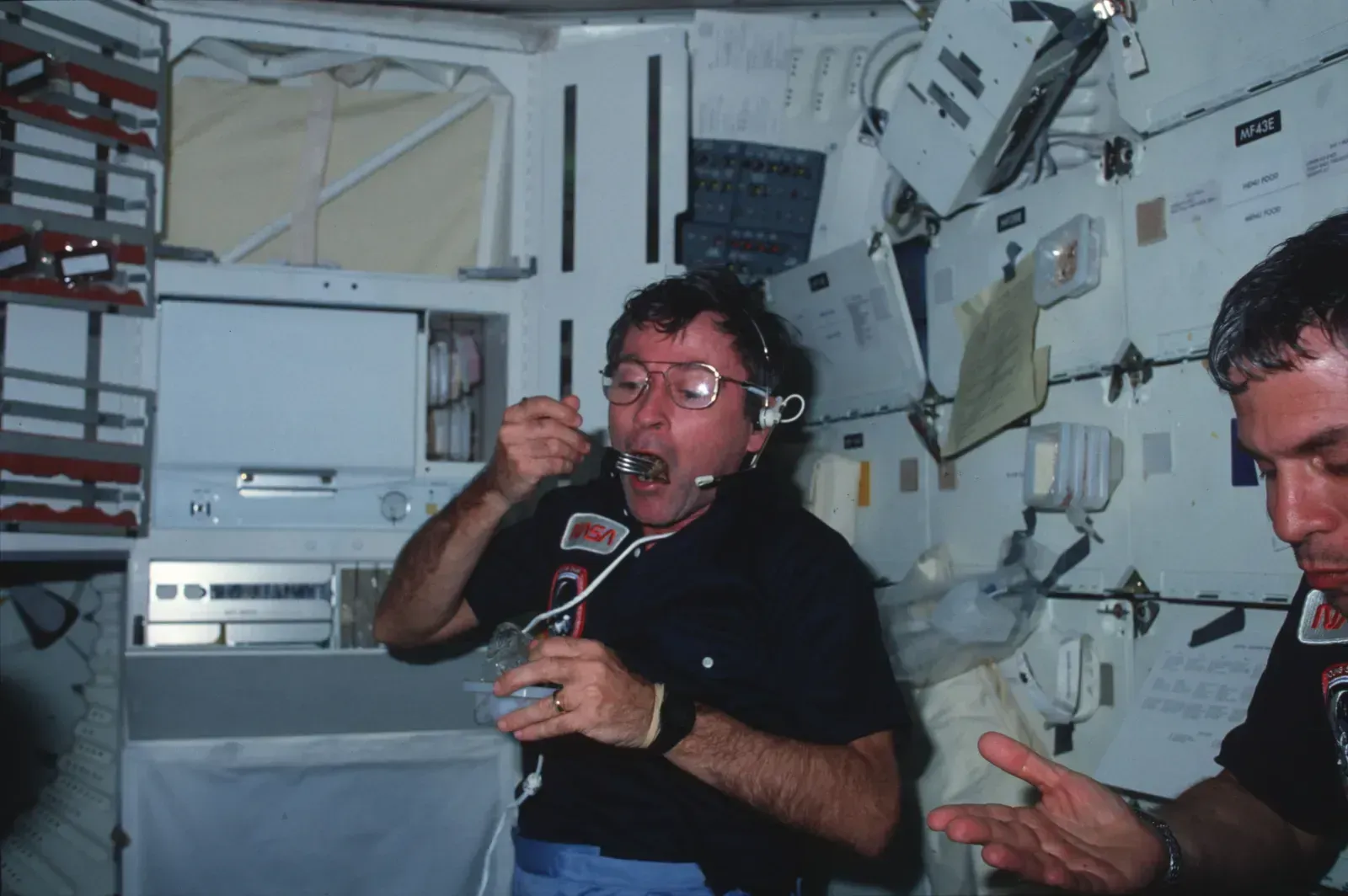
None of this food arrives ready to eat. Most breakfast items are dehydrated first to save weight and extend shelf life, then brought back to life with hot water right before the meal. Rehydratable food comes in plastic packages designed to allow a small needle from the water dispenser to be inserted in.
The water itself has an unusual backstory too, though astronauts seem largely unbothered by it. The water aboard the ISS is recycled from the astronauts’ urine, sweat, water vapour from their breath and wash water. Once the eggs or granola are rehydrated, the process gets simple again. Crew members cut the meal packaging with scissors and eat the meal from the package, drinking using a specially adapted straw.
Coffee, tea, and the drinks that make mornings feel normal
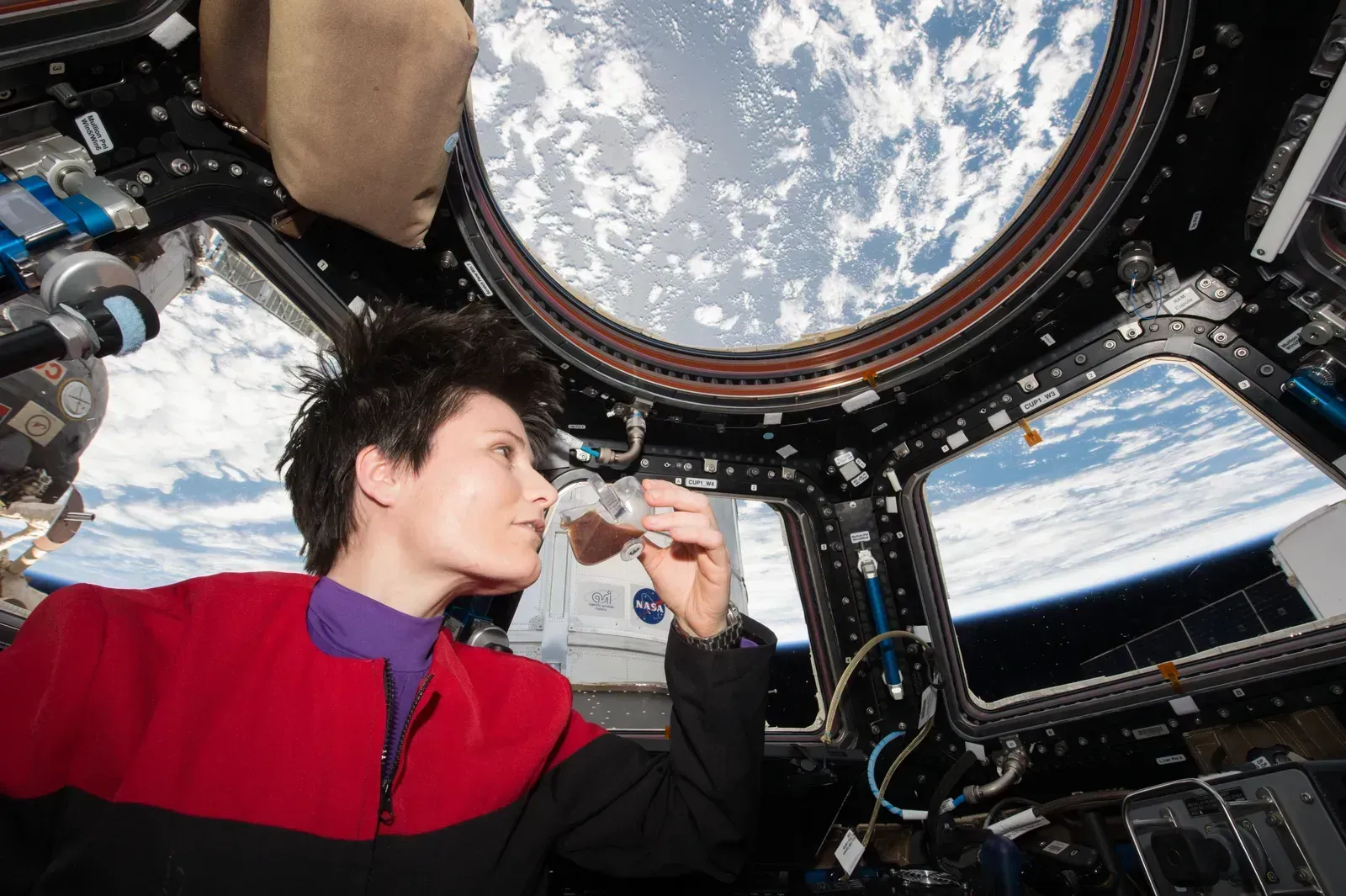
A hot drink does a lot of psychological heavy lifting when you’re thousands of miles from home. Coffee shows up consistently in breakfast descriptions, alongside options like Kona blends and Earl Grey tea. A typical breakfast has included items like granola with raisins, a rehydratable breakfast roll, pears, a vanilla breakfast drink, Kona coffee, and Earl Grey tea with sugar.
These aren’t luxury add ons squeezed in for morale points, though morale certainly benefits. They’re part of the standard rotation, prepared the same rehydration way as everything else. A crew member simply adds hot water to a pouch, inserts a straw, and drinks it more or less how they would at a kitchen table, just without gravity pulling the liquid down on its own.
Personal preference containers add a taste of home
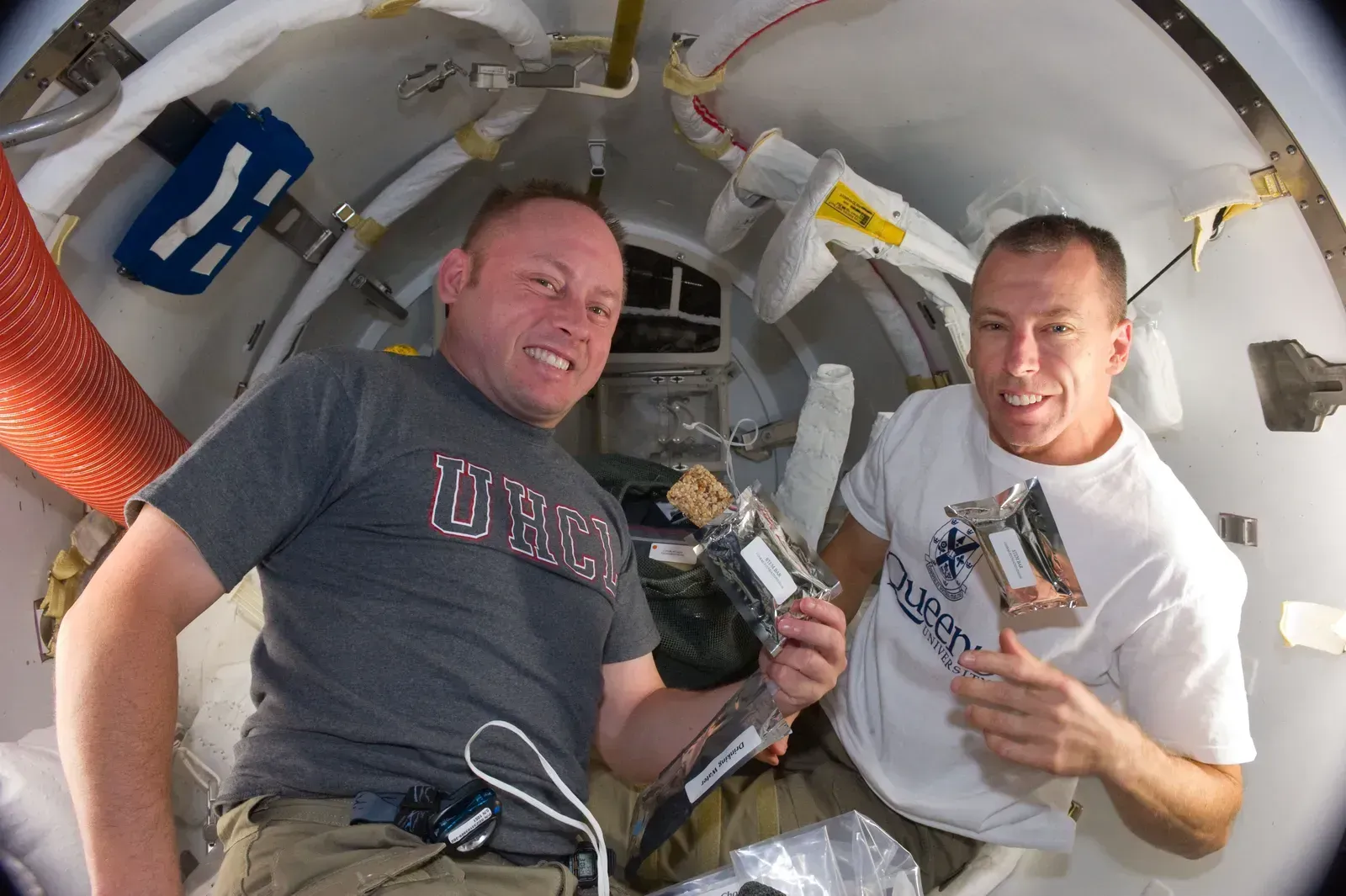
Not every breakfast item comes from the shared standard menu. Astronauts also get a smaller allotment reserved just for their own favorites, chosen months before launch. Astronauts on the ISS have two types of meals, a standard menu that makes up about three quarters of what they eat, and preference containers making up the rest, which include some of their personal favorites.
Getting those favorites approved isn’t casual either. Astronauts go through four food-tasting sessions before liftoff, sampling up to 50 items to create their preference menus, and using a 1-9 hedonic scale, only foods that score 6 or higher make the cut. That level of scrutiny for breakfast cereal or a granola bar might sound excessive, but on a six-month mission, small comforts matter more than they would on Earth.
Fresh food is the rarest breakfast luxury of all
Packaged and rehydrated meals dominate daily life on the station, but every so often a cargo resupply brings something genuinely fresh. These deliveries are treated less like routine cargo and more like a small event. Cargo spacecraft can deliver fruits and vegetables, sometimes within days of launch, and these items are often eaten soon after arrival for maximum quality.
Apples and oranges rarely last long once they’re unpacked. Crew members commonly describe fresh apples, oranges, lettuce, and similar items as highly valued treats after weeks of packaged meals. A piece of fresh fruit at breakfast, something most people barely think twice about, becomes something closer to a small celebration in orbit.
Why food tastes different, and spicier, in microgravity
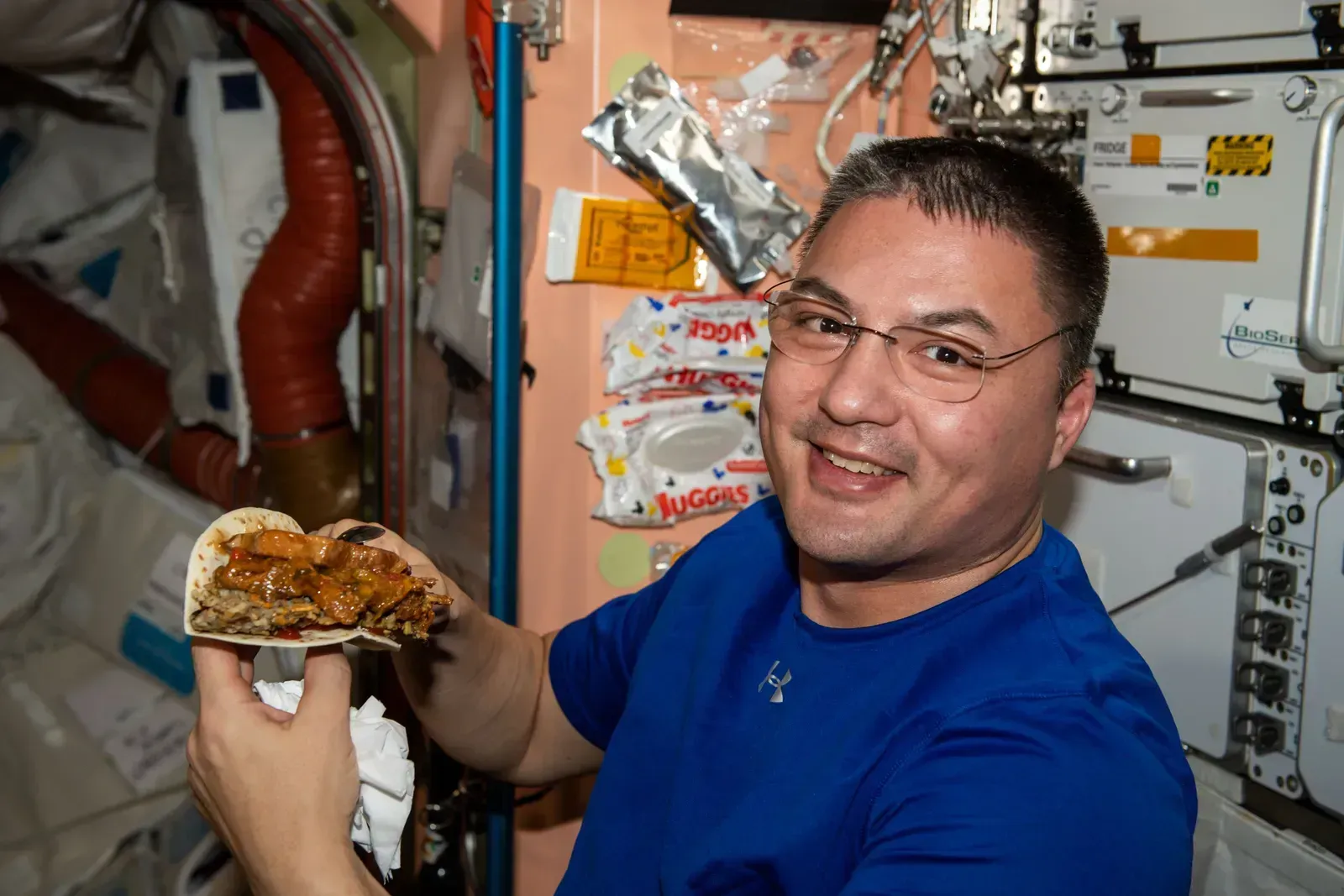
Several astronauts have reported that their sense of taste shifts once they reach orbit, and it’s not just in their heads. Some astronauts have reported that their tastes changed, and that in space they tended to like spicier foods, related to congestion similar to a stuffed nose during a cold, caused by fluid redistribution in the body in microgravity. That congestion tends to fade with time. Most ISS crew members say that this is noticeable only in the early days of the mission, and that after a week or two, foods taste great.
This is part of why bolder flavors, hot sauce, extra seasoning, spicier sausage, tend to be popular breakfast additions rather than an afterthought. Because microgravity dulls taste and smell, astronauts crave bold, spicy flavors, and hot sauce is a staple among off-the-shelf favorites they buy at local stores back home.
Breakfast as a shared ritual, not just fuel
Meals on the ISS aren’t eaten in isolation at separate workstations. There’s an actual gathering point, and breakfast tends to be one of the two meals crew members share together most consistently. Space station crew members usually eat breakfast and dinner together.
That social dimension matters more than it might seem from the outside. Food plays a critical social and psychological role during an astronaut’s stay on the ISS, and crew members have the opportunity to supplement standard menu choices with personal favorites which provide them comfort while away from home. A recent NASA image from March 2024 captured this well, showing Expedition 70 Flight Engineers Mike Barratt, Matthew Dominick, and Jeanette Epps enjoying breakfast on a Sunday morning inside the International Space Station’s Unity Module.
International flavors reach the breakfast table too
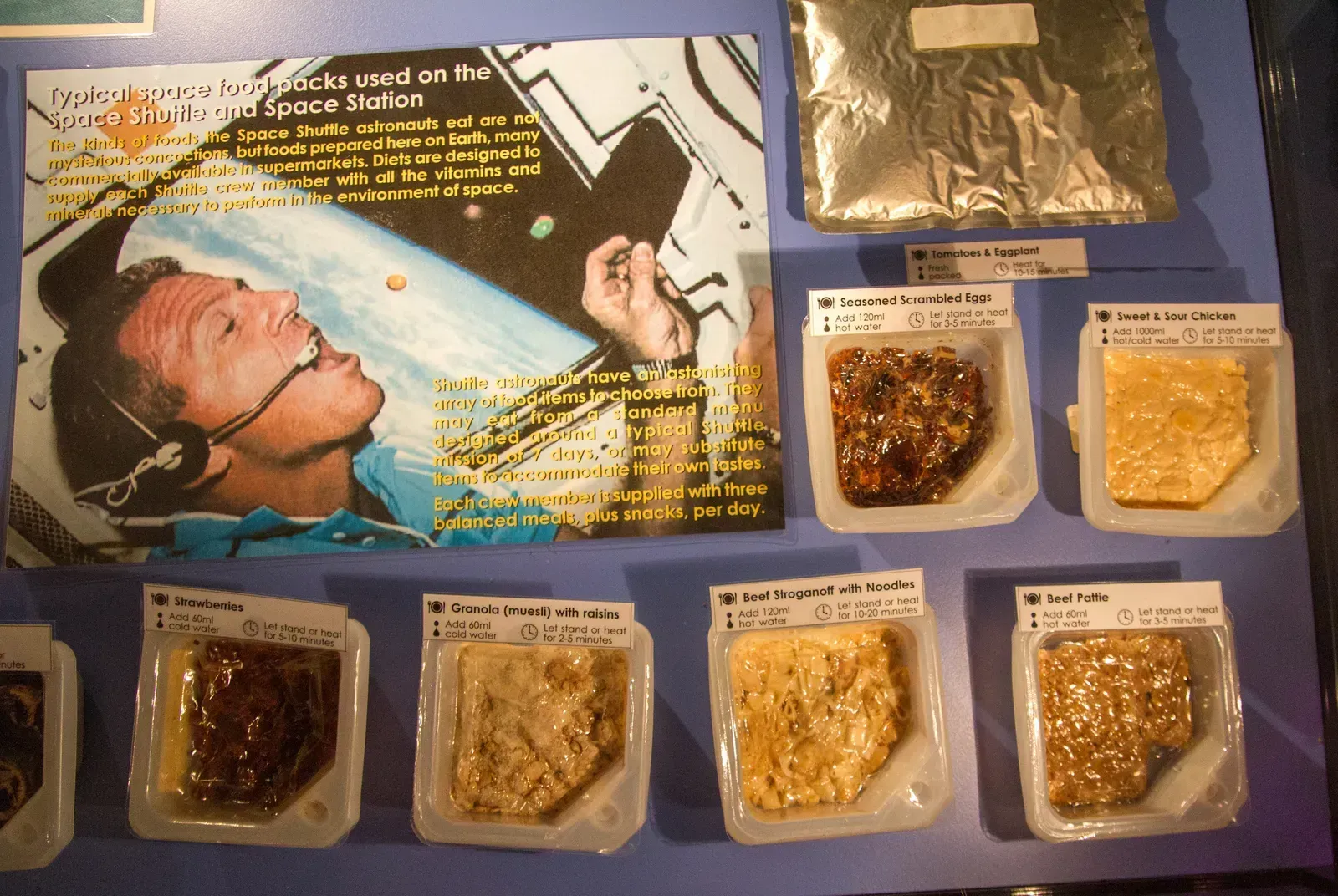
The ISS isn’t a single nation’s kitchen. Russian, American, Japanese, and European food systems all feed into what ends up on a crew member’s tray, and that includes breakfast. Astronauts from partner agencies such as the European Space Agency, the Japan Aerospace Exploration Agency, and the Canadian Space Agency often bring their own specialties to supplement the standard American and Russian menus.
Canada, for instance, has steadily added its own contributions over the years. Over the course of several astronaut missions the CSA has added a number of Canadian foods to on-orbit menus. The result is a morning menu that, while still built around efficiency and shelf stability, carries a noticeably international character depending on who’s currently on board.

- I Asked AI and a Waste Auditor How to Cut My Household Trash – Where They Disagreed - November 12, 2026
- Einstein’s equations suggest gravity can reconnect like the sun’s magnetic field - November 12, 2026
- This Map Shows Which States Get the Most Severe Storms Each Year – And It’s Not What You’d Expect - November 12, 2026
