
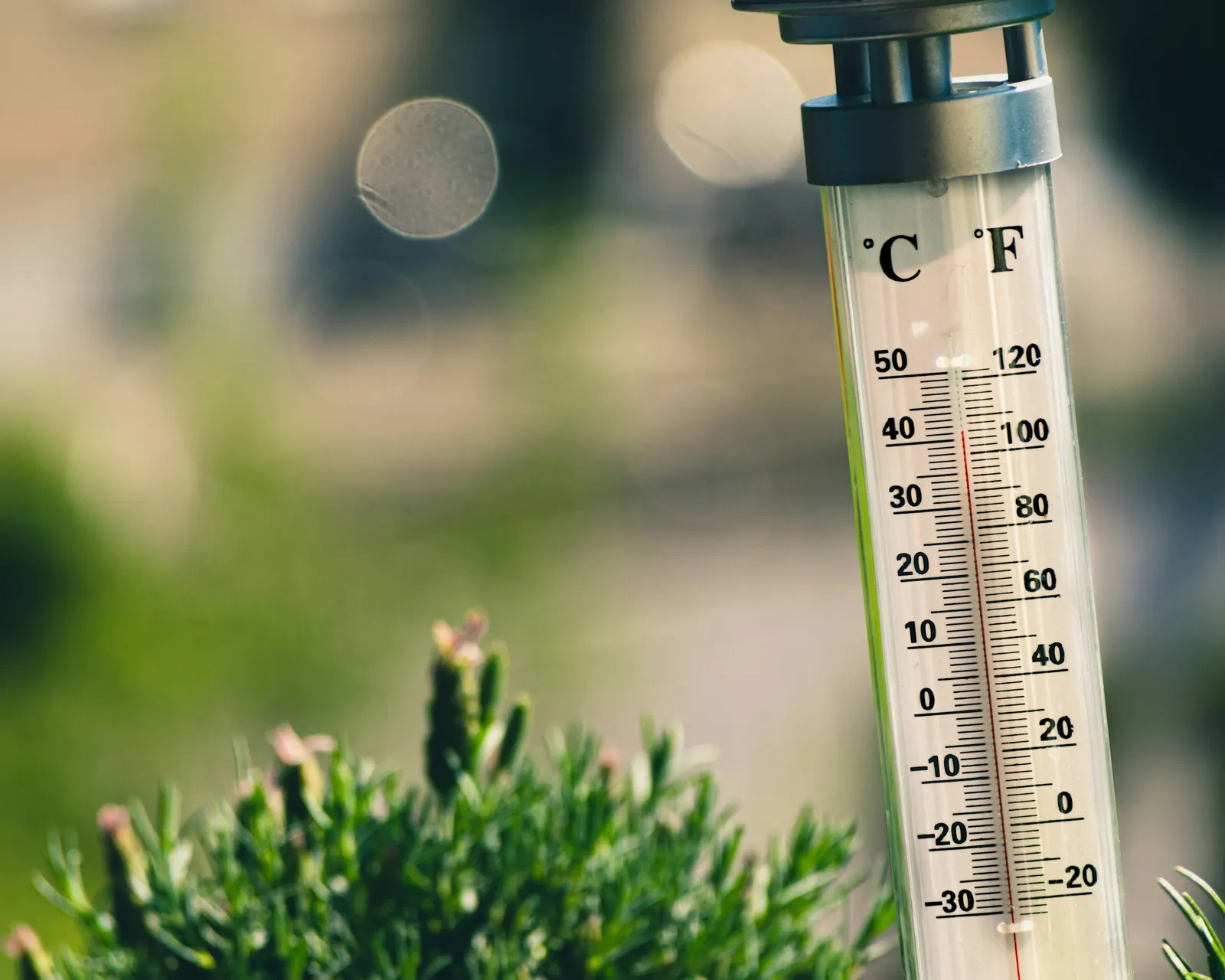
Most of us check the temperature and think that’s the whole story. In hot weather it isn’t. Humidity decides how well your body can shed heat, and wet-bulb temperature is the measure that captures heat and humidity together.
The number matters more as the planet warms. Researchers have long pointed to a wet-bulb reading of 35°C as a limit for human survival. Recent studies, though, suggest that serious danger can start well below it.
What Wet-Bulb Temperature Actually Measures
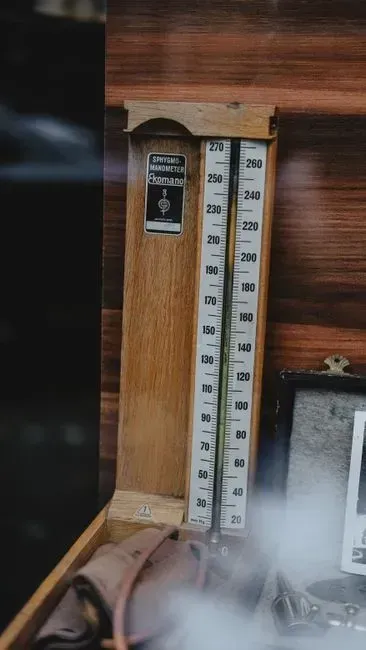
Wet-bulb temperature is a combined measure of heat and humidity. It reflects how much a person could cool off by sweating, since evaporation is the body’s main cooling tool. The drier the air, the lower the wet-bulb reading is compared with the ordinary air temperature.
It differs from the dry-bulb reading on a standard thermometer, which ignores moisture in the air. On a muggy day, the two numbers sit close together. In a desert, they can be far apart.
Why 35°C Became the Famous Threshold
The logic starts with skin temperature. Human skin temperature averages close to 35°C (95°F), so wet-bulb temperatures above that would in theory prevent people from dispelling internal heat. Without that heat loss, fatal consequences could follow within a few hours.
As a result, a wet-bulb temperature of 35 degrees Celsius sustained for six hours has served as a benchmark for the outer edge of human heat survivability in climate science. Notably, this benchmark stems largely from thermodynamic theory, not empirical human data.
What Lab Experiments Found
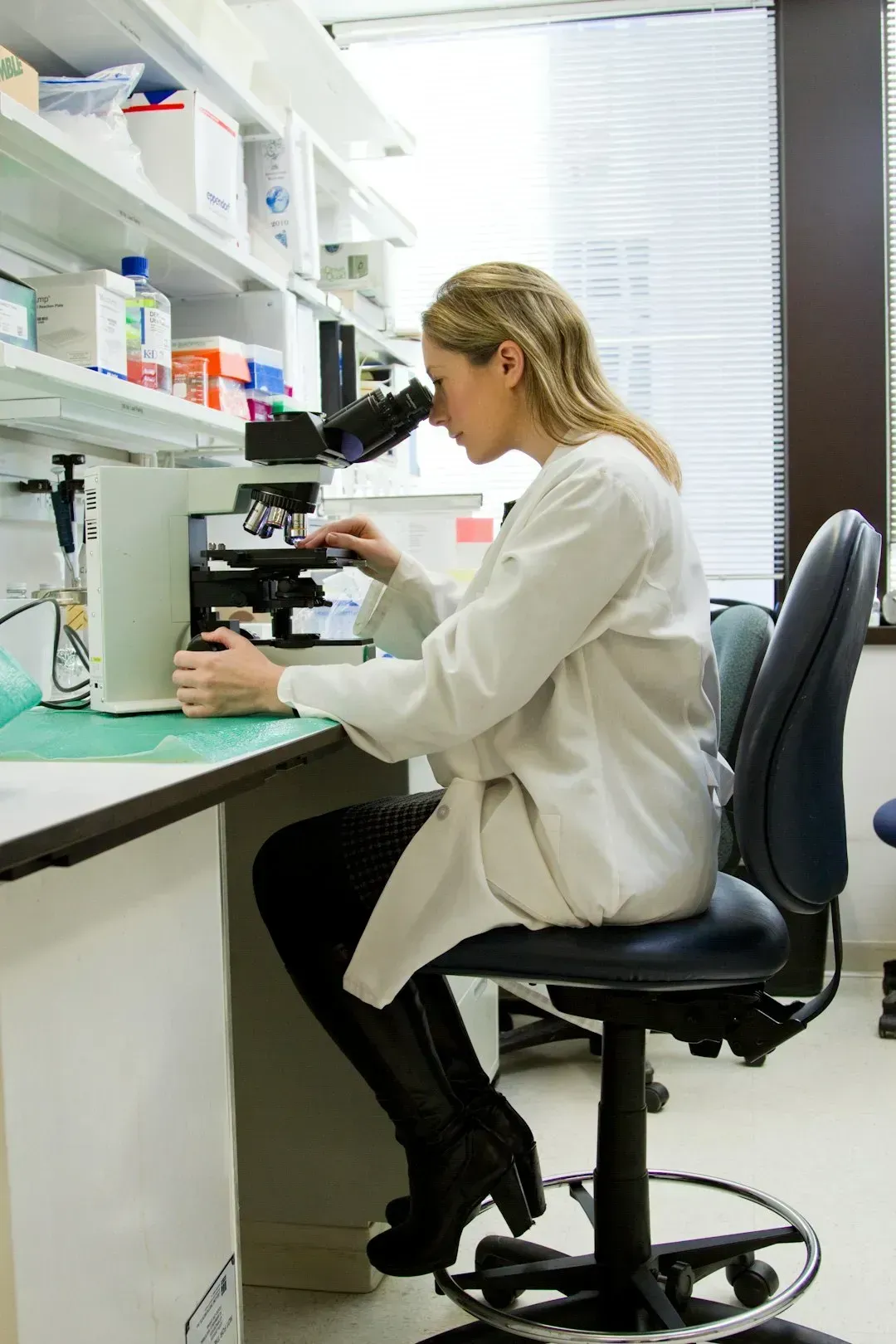
Researchers have been testing the theory on real people. A preprint posted in 2025 from the PSU HEAT Project studied thirty-six healthy young adults, 20 males and 16 females. It is a preprint, so it hasn’t gone through full peer review.
At 35°C, projected tolerance times to life-threatening hyperthermia were 7.1 to 7.7 hours in males and 8.3 to 8.6 hours in females. That partly supports the six-hour idea, but only for young, healthy, hydrated, resting people. Earlier work found that no subject’s critical wet-bulb temperature reached the 35°C limit.
Why Real Limits May Be Lower
The thresholds people actually face vary a lot. One review of prior studies noted that reported critical wet-bulb thresholds range from 24.1°C to 34.6°C, depending on environmental conditions and study design. Age, activity and sun exposure all shift the line.
A 2023 PNAS study argued for lower tolerance based on empirical data, and it described sub-Saharan Africa as a possible future hotspot of readings at or above 35°C. Some summaries of related research cite a safe-endurance figure closer to 31°C. Treat that figure cautiously, since it comes from secondary coverage.
Is Wet-Bulb Temperature a Perfect Metric?
No. One widely cited analysis put it plainly: wet-bulb temperature is not a particularly accurate metric for human heat stress. It leaves out direct sunlight, wind and clothing.
Another study in Nature Communications found that physiology-based survival limits show a vast underestimation of risks by the 35°C model in hot-dry conditions. In other words, a dry heat wave can be deadly even when the wet-bulb reading looks modest.
Who Is Most at Risk
Risk isn’t spread evenly. The Nature Communications study applied its approach to young and older adults, in sun or shade. Older people tend to cool less efficiently, so their limits are lower than those of young volunteers.
Place matters too. Regions identified as vulnerable include the Middle East, South Asia, the North China Plain, sub-Saharan Africa, and Mexico, where access to cooling, healthcare, and early warning systems remains limited.
Real Heat Waves Against the Thresholds

A recent report on new research says that deadly conditions occur before the 35°C mark is reached. The summary notes that in all six events studied, conditions exceeded HEAT-Lim’s non-survivable thresholds for older people in direct sun. I’d read this as a sign that past heat disasters may have been closer to the edge than the headline number implied.
This fits a wider point. A threshold built for resting, healthy people in the shade says little about a farmworker, a child or a person in a home without air conditioning.
Staying Safe When Humidity Climbs
Experiments suggest behavior counts. The PSU preprint reported that hydration and behavioral cooling extend survival beyond the six-hour theoretical limit. Drinking water, resting, shade and cooling the skin all help.
Still, these are lab findings in healthy adults, not a promise for everyone. Communities need cooling centers, early warnings and better building design. Individuals should treat high humidity as a real danger, especially for older relatives.
Conclusion
Wet-bulb temperature is useful because it shows how heat and humidity together limit the body’s ability to cool. The 35°C figure is a helpful reference, but it isn’t a safe line below which everyone is fine. Evidence from 2023 to 2025 suggests that risk begins earlier for many people, and that it depends on age, sun, activity and access to cooling.
The practical lesson is simple: when humidity rises, take the heat seriously long before any single number is crossed.

- The Shoreline Sucked Dry in Seconds – 5 Tsunami Signals Beachgoers Mistake for Low Tide - November 14, 2026
- 9 Dark-Sky Destinations Around the World Where the Stars Look Unreal - November 14, 2026
- The Fault Line That Never Slips – 7 Locked Seismic Zones Overdue for a Massive Release - November 14, 2026
