


- Phantom Energy Sucking Power 24/7 – 7 Home Electronics Quietly Inflating Utility Bills - November 14, 2026
- A Million-Mile Storm Raging for Centuries – 6 Violent Weather Wonders in Our System - November 14, 2026
- Animals Flee Hours Before the Tremor – 7 Natural Warnings Before Disasters Strike - November 14, 2026
Most people already know they should save water, yet the advice out there tends to be vague. Turn off the tap, take shorter showers, don’t waste it. True enough, but not exactly actionable. What actually moves the needle on a household’s water use often has little to do with willpower and a lot to do with a handful of specific, repeatable habits.
The good news is that the habits with the biggest payoff aren’t complicated or expensive. Below are six that hold up under scrutiny, backed by data from the EPA and other credible sources, rather than guesswork or wishful thinking.
1. Fix leaks before they become invisible money down the drain
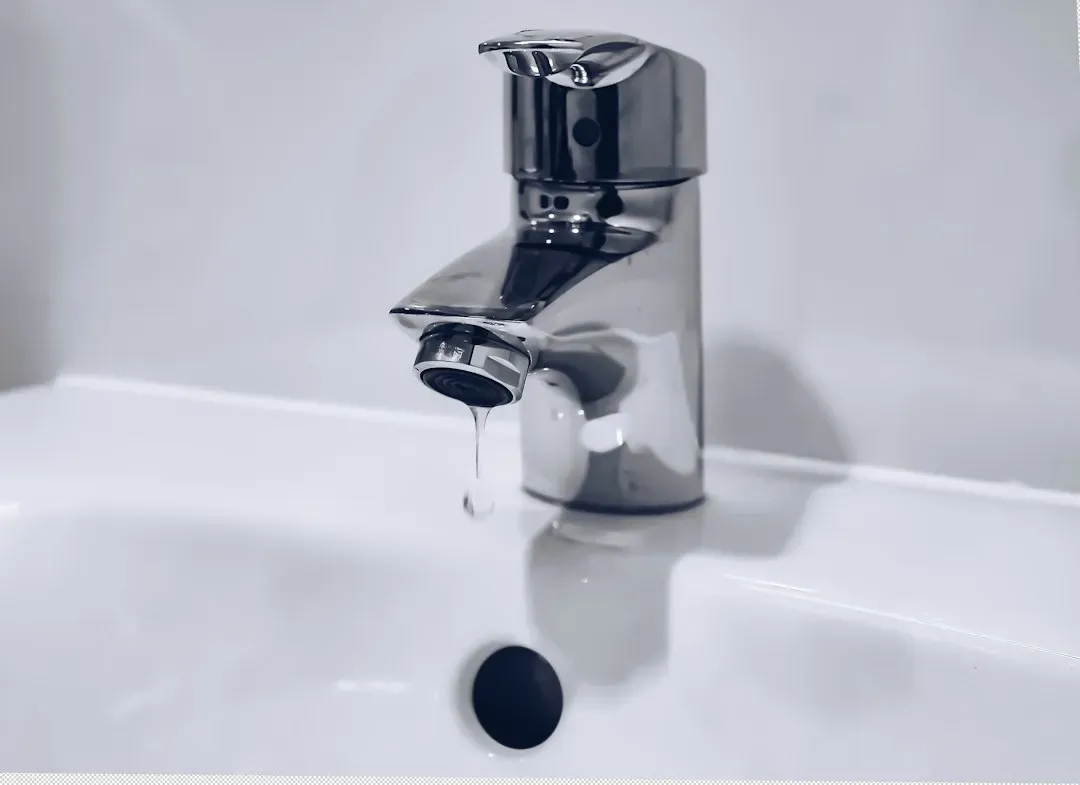
A dripping faucet feels like a minor annoyance, but the numbers say otherwise. The average family can waste 180 gallons per week, or 9,400 gallons of water annually, from household leaks. That is not a rounding error. That’s equivalent to the amount of water needed to wash more than 300 loads of laundry.
Toilets are usually the worst offenders since a silent leak can run for months without anyone noticing. Leaks inside the toilet can waste up to 300 gallons of water a day, and can be detected by adding a few drops of food coloring to water in the toilet tank; if the colored water appears in the bowl, the toilet is leaking. Nationally, the scale is staggering. Household leaks can waste approximately nearly 900 billion gallons of water annually nationwide. A quarterly check of faucets, tanks, and supply lines under sinks costs nothing but a few minutes.
2. Swap in a low-flow showerhead instead of just shortening showers
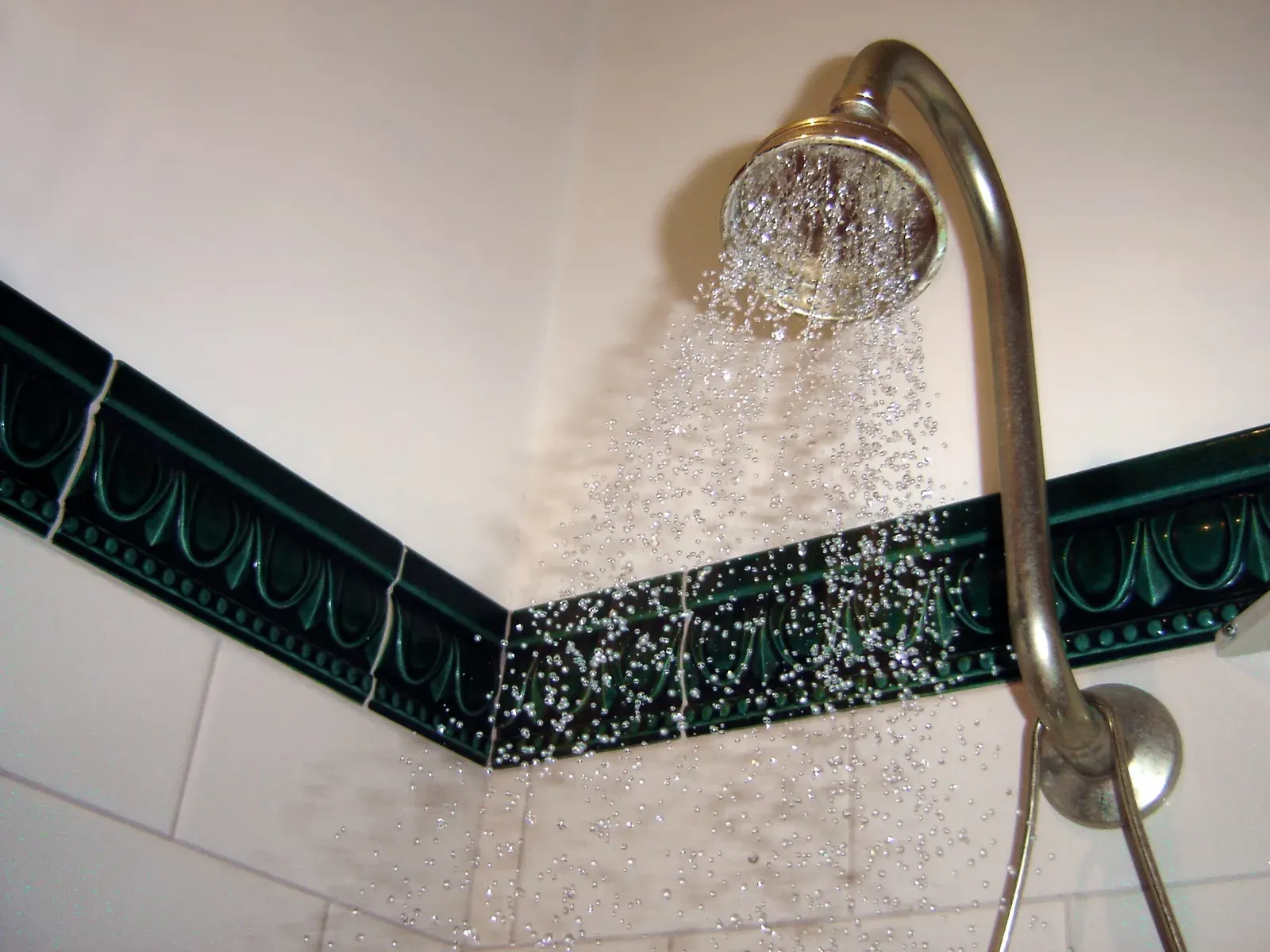
Cutting shower time helps, but changing the fixture itself tends to deliver steadier, longer-term savings without requiring daily discipline. In the United States, the conventional showerhead uses 2.5 gallons per minute and the average person in the United States takes an 8-minute shower, an average water consumption of approximately 20 gallons per shower. Multiply that across a household and the numbers add up fast.
Switching to a WaterSense-certified model changes the math meaningfully. A reduced flow showerhead meeting EPA’s WaterSense standards must demonstrate use of no more than 2.0 GPM, which could reduce the water consumption of average family in the United States by 2700 gallons. The upgrade also pays for itself quickly, since low-flow showerheads carry a 1-2 year payback period and installation typically takes less time than a trip to the hardware store.
3. Only run the dishwasher and washing machine with full loads

Running appliances at half capacity is one of those habits that feels harmless in the moment but quietly wastes a surprising amount of water over a year. Waiting until the dishwasher is genuinely full, rather than running it out of habit every evening, is a simple behavioral shift with a measurable payoff. Running the dishwasher only when it’s full can eliminate one load of dishes per week and save the average family nearly 320 gallons of water annually.
The same logic applies to laundry, since older top-loading washers use significantly more water per cycle than newer efficient models. Newer dishwashers and clothes washers use water much more efficiently than older models. Batching loads, whether dishes or laundry, isn’t glamorous advice, but it is one of the few habits that requires zero equipment and zero cost to start today.
4. Turn off the tap during small routine tasks
Brushing teeth, shaving, and rinsing produce with the water running continuously is one of those habits that people rarely think about, yet it adds up quietly across a year. Turning off the tap while brushing your teeth can save 8 gallons of water per day and, while shaving, can save 10 gallons of water per shave. Neither task actually requires continuous water flow, just a quick pause between wetting and rinsing.
The cumulative effect of this one small habit is bigger than most people expect. Assuming you brush your teeth twice daily and shave 5 times per week, you could save nearly 5,700 gallons per year. It costs nothing, requires no new hardware, and takes about a week to become second nature.
5. Upgrade to a WaterSense toilet rather than relying on old models
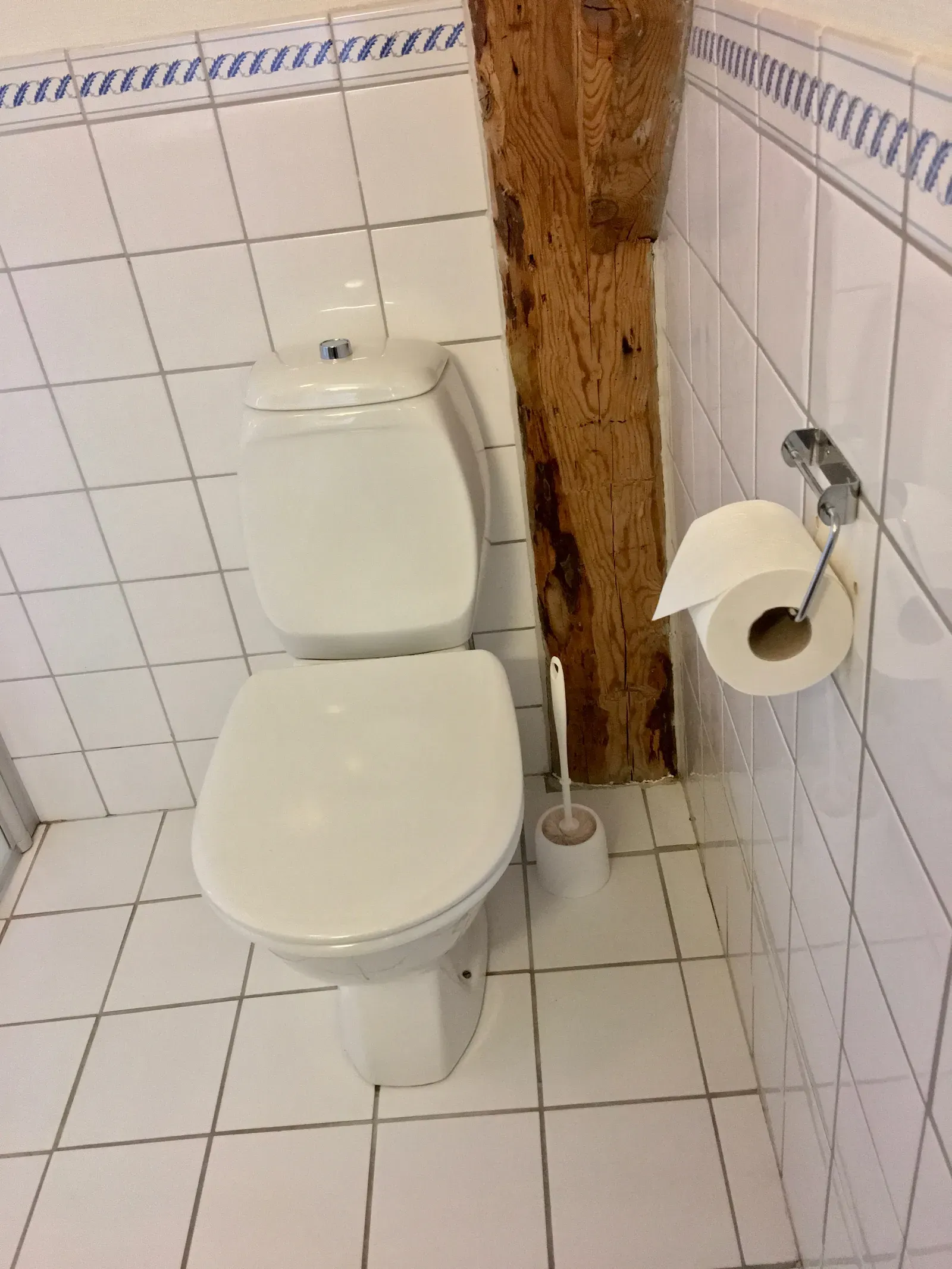
Toilets are typically the single largest source of water use inside a home, which makes them one of the highest-leverage places to intervene. Older toilets use up to six gallons per flush, whereas low-flow toilets (or any toilet manufactured after 1994) use 1.6 gallons or less. That difference, multiplied by every flush in a household over a year, becomes substantial.
The EPA’s own figures make the case clearly. The average family can save 13,000 gallons of water and $130 in water costs per year by replacing all old, inefficient toilets in their home with WaterSense labeled models. Dual-flush models push savings even further, since modern dual-flush toilets can save a family of four up to 14,600 gallons annually compared to older 3.5 GPF models. For homeowners still running fixtures installed before the mid-1990s, this is often the single most impactful upgrade available.
6. Rethink irrigation instead of just watering less often
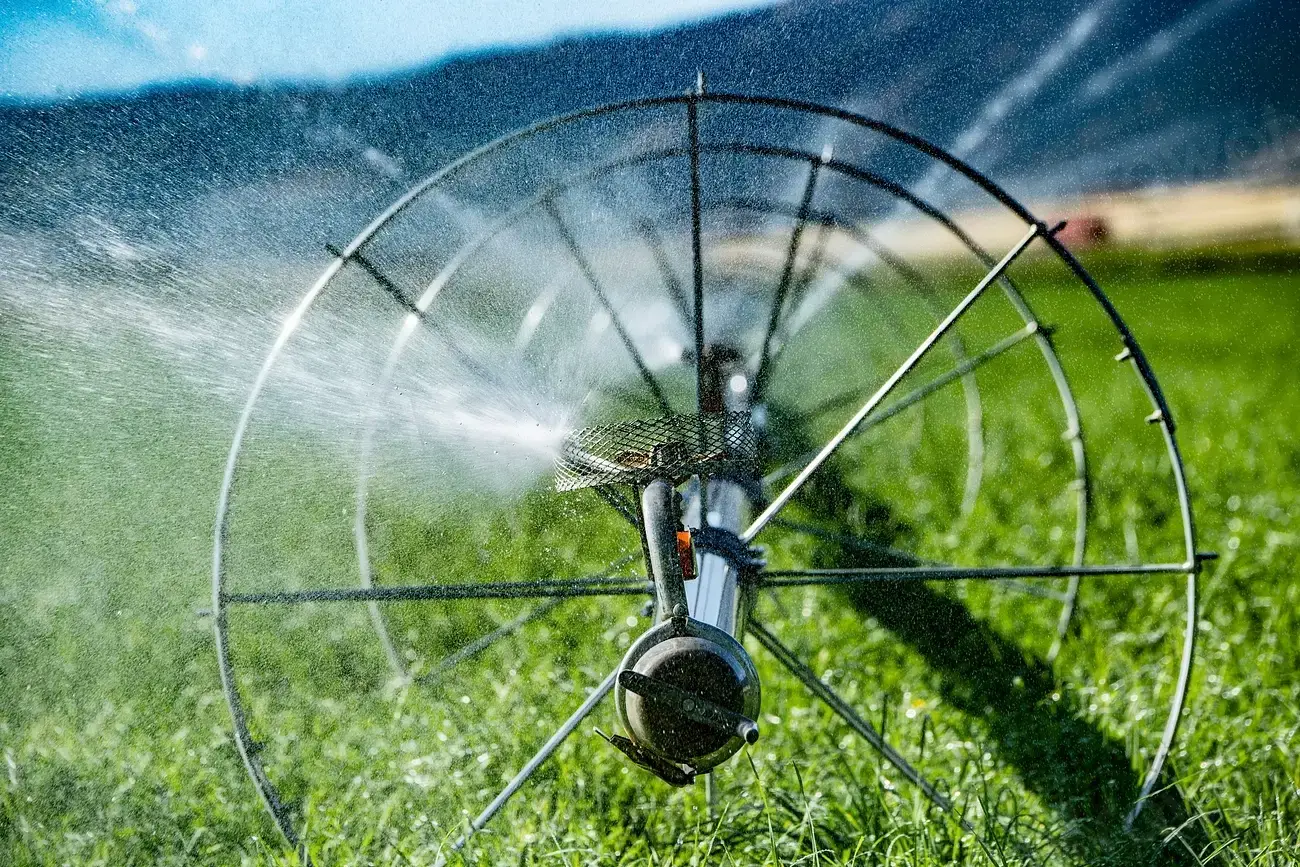
Outdoor water use gets less attention than showers and faucets, but it often represents the biggest slice of a household’s total consumption, especially in warmer climates. Around 30 to 40 percent of water used in U.S. households goes toward outdoor purposes, including watering lawns, gardens, and landscaping. In drier regions, that share climbs even higher.
Rather than simply cutting back on watering, which can stress lawns and gardens, upgrading the irrigation system itself tends to produce more reliable results. Replacing a clock-based controller with a WaterSense labeled irrigation controller can reduce an average home’s irrigation water use by up to 30 percent and can save an average home up to 15,000 gallons of water annually. For anyone in an arid climate where outdoor use dominates the water bill, this single change often outperforms every indoor habit combined.
None of these six habits require a dramatic lifestyle overhaul or a large upfront investment. Most cost little, some pay for themselves within months, and all of them chip away at a number that adds up quietly in the background of daily life. Layered together, they represent a realistic, evidence-backed approach to using less water without giving up comfort or convenience.
