


- The Planet Where It Rains Liquid Glass – 7 Alien Worlds Defying Known Physics - November 14, 2026
- Stars Consuming Entire Worlds – 6 Planetary Systems Swallowing Their Own Worlds - November 14, 2026
- The Ground Liquefies Like Water – 6 Silent Fault Lines Geologists Watch Closely - November 14, 2026
Clean air is one of those things most visitors never think about until they’re standing on a mountain overlook and realize they can see for a hundred miles in every direction. The National Park Service has spent decades tracking ozone levels, visibility, and pollutant deposition across its properties, and the data tells a clear story: some parks enjoy air that’s about as pure as anything left in the continental United States, while others struggle with haze drifting in from distant cities and industrial zones.
This list draws on NPS air quality monitoring programs, Class I area protections under the Clean Air Act, and geographic factors like remoteness and elevation that tend to correlate with cleaner air. Rather than a single definitive numerical ranking (the Park Service itself avoids strict rankings because monitoring methods vary by site), this gallery highlights ten parks widely recognized for exceptional air quality based on available research and monitoring data.
1. Theodore Roosevelt National Park, North Dakota
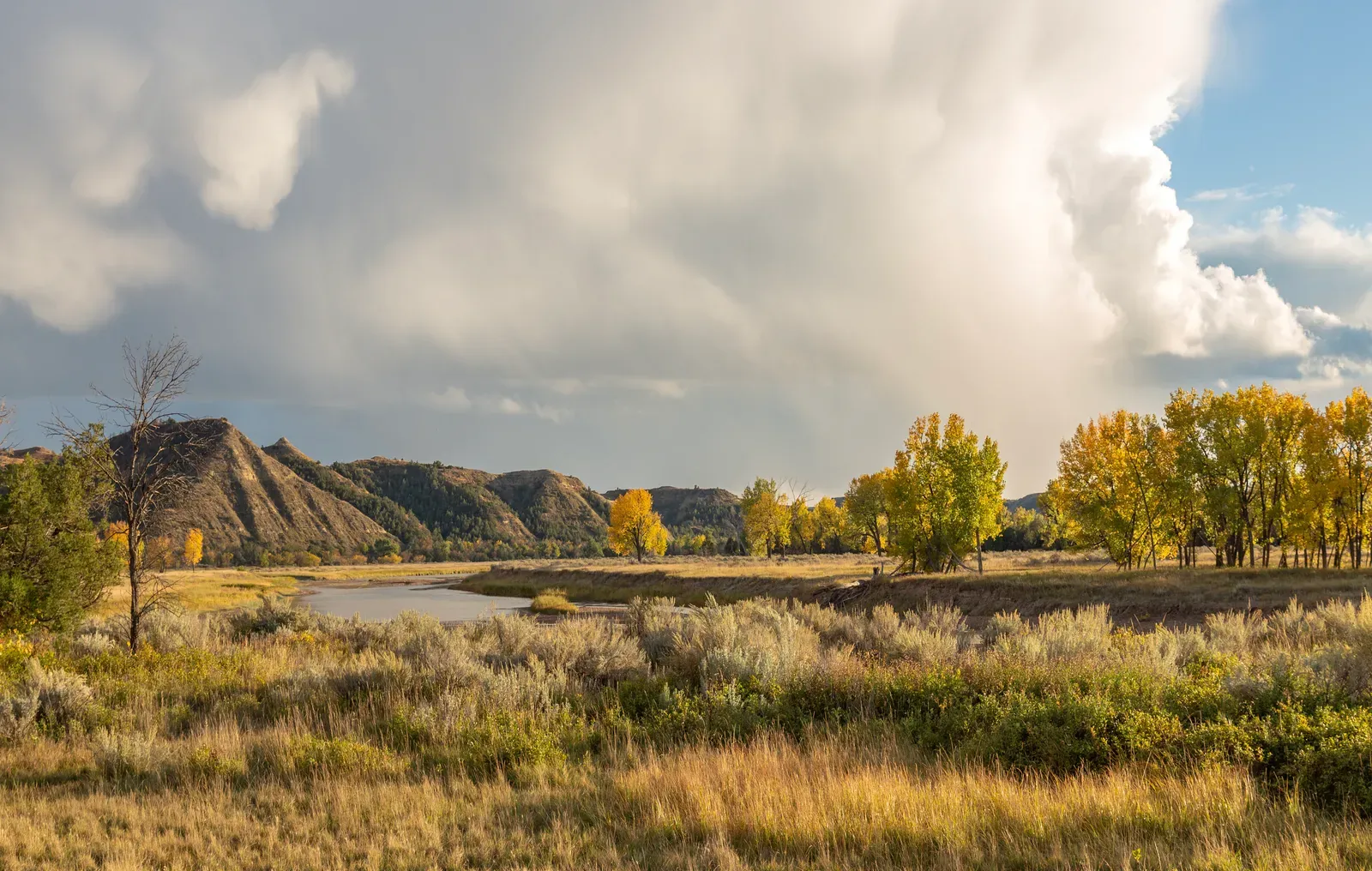
Theodore Roosevelt National Park has some of the best air quality in the national park system. A National Park Service study published in 2009 revealed that during the sampling period from 1998 to 2007, the park’s air quality was both better than most other parks and, equally important, not changing in quality. That kind of stability matters just as much as the raw numbers, since it means the badlands landscape isn’t slowly degrading under a haze of pollution.
The park sits far from major industrial corridors, and its rolling badlands terrain doesn’t trap pollutants the way some mountain valleys do. Theodore Roosevelt heartily enjoyed the fresh air in Dakota while visiting here in the 1800s, having suffered severely with asthma as a child and young adult living in New York City, but found that he could breathe easier while in the West. That personal experience is often cited as part of what shaped his conservation philosophy.
2. Denali National Park and Preserve, Alaska
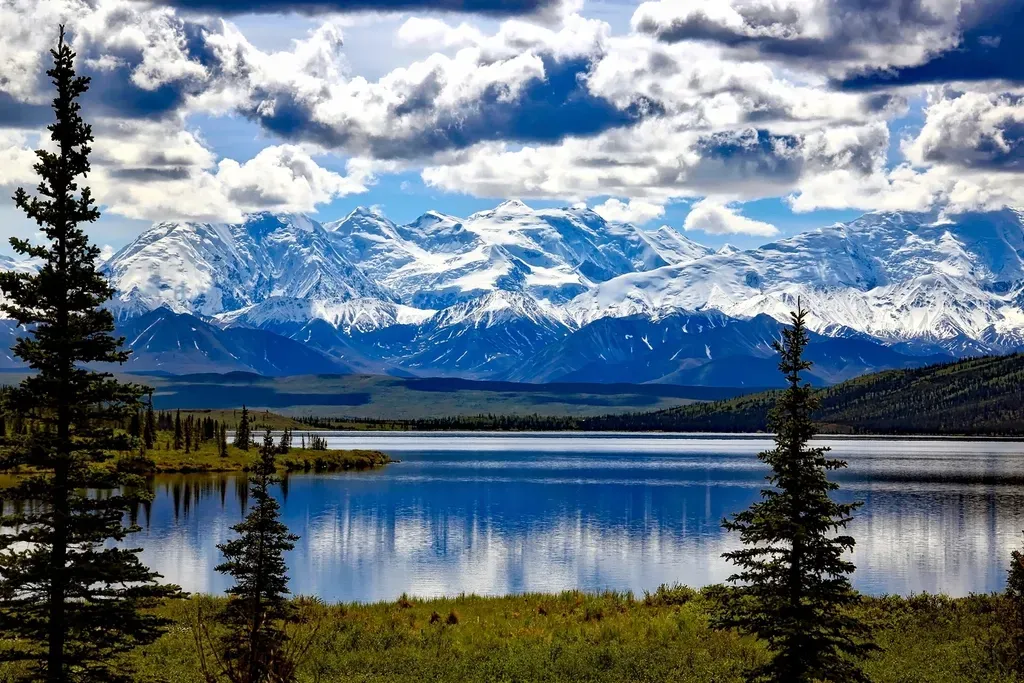
Denali consistently ranks alongside Theodore Roosevelt at the very top of NPS air quality assessments. The only other park that recorded better overall air quality was Denali National Park in Alaska, according to the same NPS comparative study. Given the park’s six million acres of largely roadless wilderness, that finding isn’t surprising.
Denali’s remoteness from population centers and heavy industry means the air arriving at its glaciers and tundra has traveled long distances without picking up much in the way of pollutants. Visitors on clear days can see Denali’s summit from more than a hundred miles away, a visual testament to how little haze accumulates in this part of interior Alaska.
3. Gates of the Arctic National Park and Preserve, Alaska
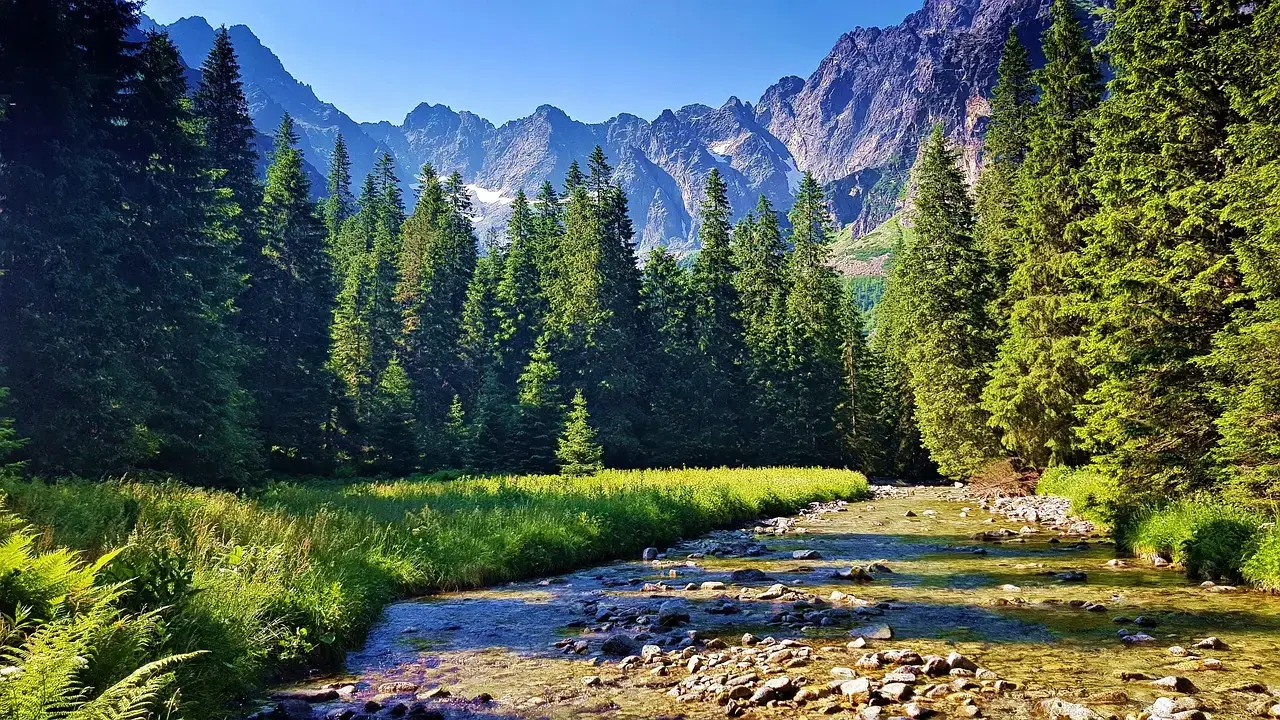
Located in the remote Brooks Range of northern Alaska, Gates of the Arctic is the second largest and northernmost national park in the US. The park sits entirely north of the Arctic Circle and is devoid of roads and trails, receiving only a tiny fraction of the visitation seen at parks like Great Smoky Mountains. With virtually no local emission sources and no road access at all, this park represents about as pristine an air environment as exists anywhere in the park system.
The absence of infrastructure means there’s essentially nothing generating pollution within the park boundary itself, and prevailing wind patterns across the Arctic tend to keep long-range pollution transport to a minimum compared to more populated latitudes. Backcountry travelers here often describe skies so clear that stars and the aurora become the dominant nighttime feature, unclouded by any haze.
4. Isle Royale National Park, Michigan
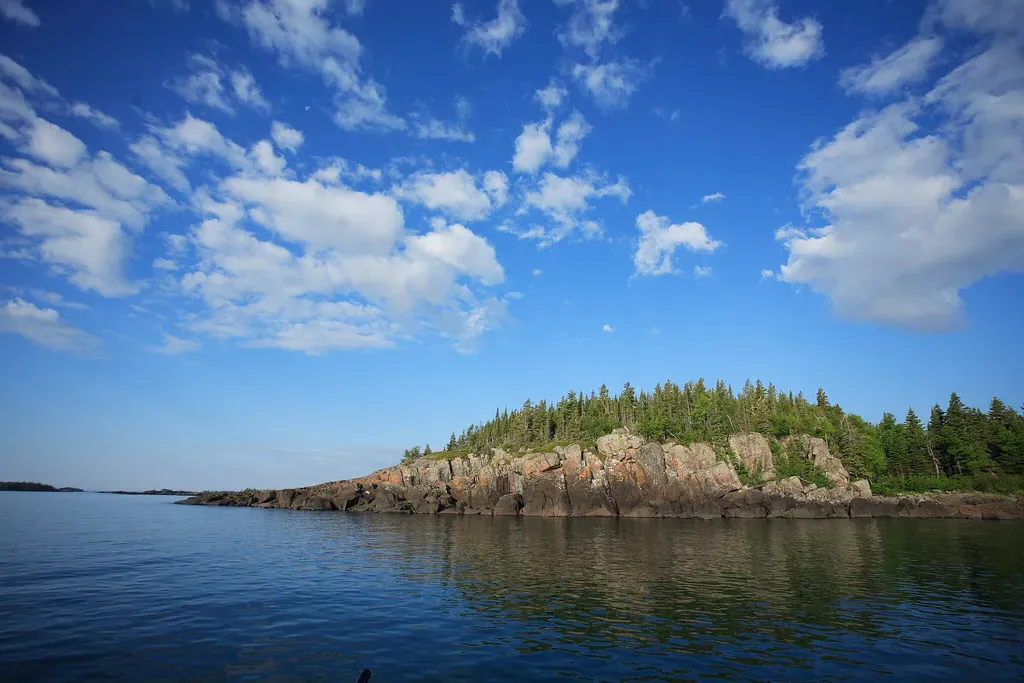
Isle Royale National Park sits deep in the embrace of Lake Superior, far removed from any developed shorelines, and is accessed solely by ferry or seaplane. This isolation in the middle of the largest freshwater lake in North America gives the park a natural buffer against the industrial and urban pollution sources that affect much of the Midwest and Northeast.
No wonder Isle Royale has achieved the trifecta of protective designations as National Park, Wilderness, and Biosphere Reserve. The surrounding cold waters of Lake Superior also help moderate local air conditions, and with minimal visitation and no roads on the island itself, there’s little to disrupt the clean air moving across the water.
5. Great Basin National Park, Nevada
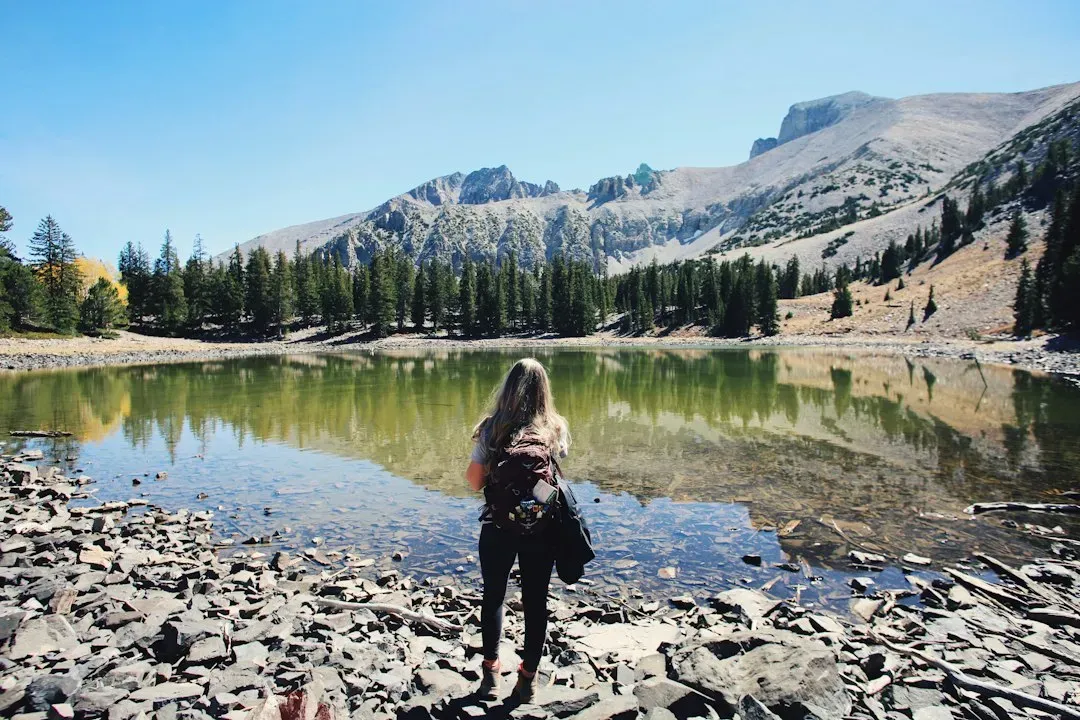
In Great Basin National Park, situated in eastern Nevada, the 13,000-foot Wheeler Peak provides hiking and climbing opportunities while the dark, unpolluted skies are perfect for stargazing. That same lack of light pollution tends to go hand in hand with a lack of particulate pollution, since both stem from the absence of nearby urban development.
Sitting in the rain shadow of the Sierra Nevada and Cascade Mountains, it is a temperate desert with hot, dry summers and snowy winters, and because of its drastic elevation changes from valleys to peaks, the region supports an impressive diversity of species. The park’s isolation in a sparsely populated stretch of Nevada, far from major highways and cities, keeps its air remarkably clear across most of the year.
6. Voyageurs National Park, Minnesota

Minnesota’s Voyageurs National Park is a water-based wonderland, perfect for canoeing and boating enthusiasts, with interconnected lakes and lush forests that offer a unique and peaceful escape. The park’s location along the Canadian border, well away from major metropolitan pollution sources, helps it maintain generally favorable air quality readings.
Because so much of Voyageurs is water and boreal forest rather than roadway or development, there are few local sources of vehicle exhaust or industrial emissions within the park itself. The dense tree cover across the region also plays a role in filtering airborne particulates, contributing to the crisp visibility that draws paddlers back season after season.
7. North Cascades National Park, Washington
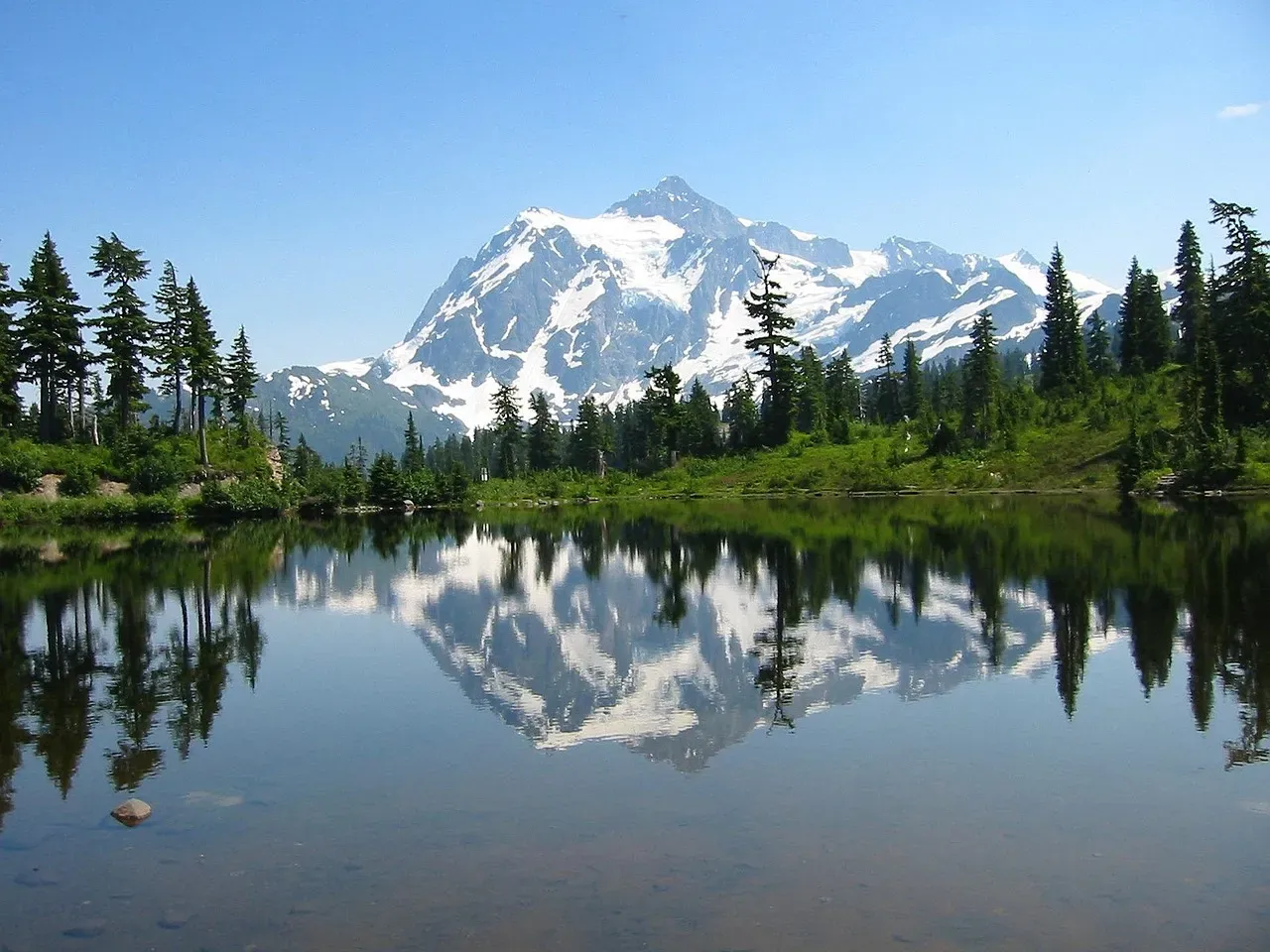
North Cascades has the highest number of glaciers in the lower 48 states, with some 300 clinging to craggy peaks, and it’s less than a three-hour drive from Seattle into a vast wilderness. Despite its proximity to a major metropolitan area, the park’s rugged, largely undeveloped terrain limits the amount of local pollution generation.
Prevailing westerly winds off the Pacific Ocean tend to bring in relatively clean marine air before it reaches the high peaks of the North Cascades, and the park’s Class I air quality designation under the Clean Air Act provides additional regulatory protection against nearby industrial encroachment. The result is a park where jagged, glacier-covered summits remain visible on clear days without the haze that affects some other western ranges.
8. Kobuk Valley National Park, Alaska
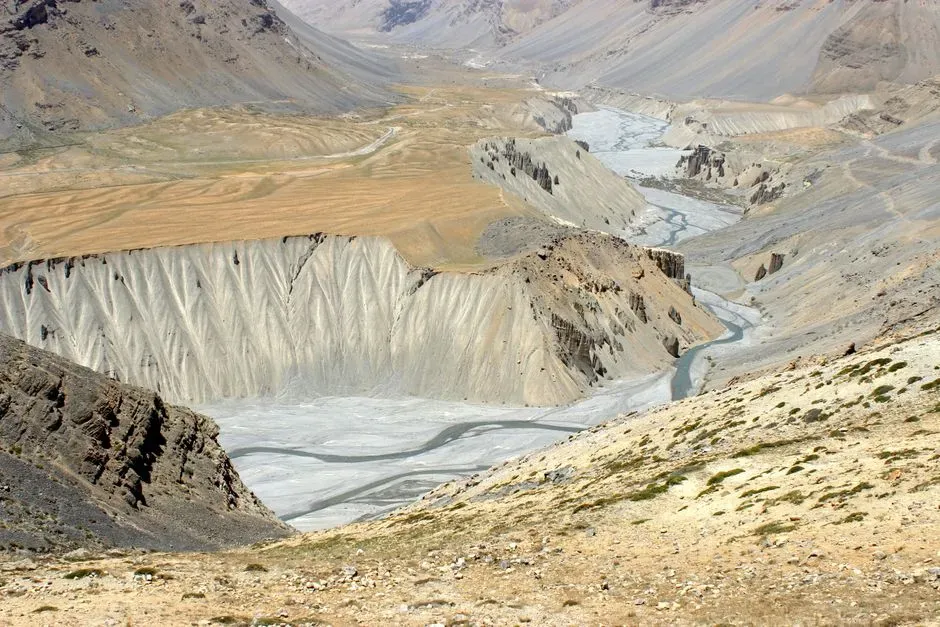
Kobuk Valley is remote even by Alaska standards, offering flightseeing over Arctic tundra, braided rivers, and the surreal golden dunes of the Great Kobuk Sand Dunes. With essentially no permanent infrastructure and only a handful of visitors reaching the park each year by air, local pollution sources are practically nonexistent.
The park’s location above the Arctic Circle places it far from the industrial corridors of the Lower 48, and its low visitor numbers mean there’s minimal vehicle traffic or development to affect air quality. For travelers who do make the journey, the payoff is often described as extraordinarily crisp, clean air paired with sweeping views across the tundra.
9. Wrangell-St. Elias National Park and Preserve, Alaska
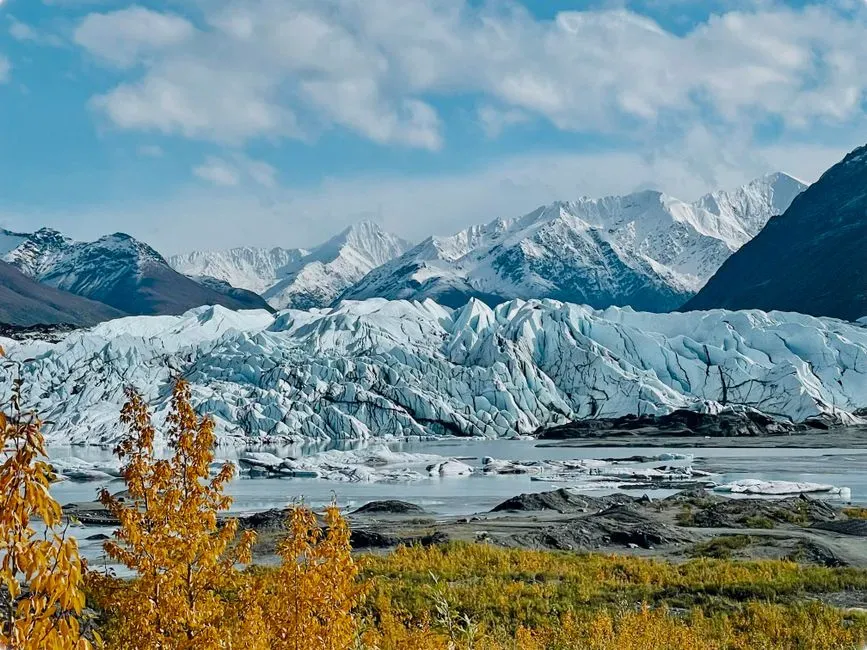
The 8.4 million acres here offer natural splendor largely untouched by humans, with no roads, trails, or established campsites, serving as the domain of enormous herds of caribou, musk ox, moose, wolves, and grizzly bears. As the largest national park in the United States, its sheer scale means most of its interior is buffered from any outside pollution sources by hundreds of miles of wilderness.
Glaciers and towering peaks dominate the landscape here, and the clean, cold air moving off the Wrangell and St. Elias mountain ranges rarely encounters the kind of urban or industrial haze that affects parks closer to population centers. The park’s designation as a Class I area under the Clean Air Act also affords it some of the strongest legal protections against future air quality degradation available to any NPS unit.
10. Big Bend National Park, Texas
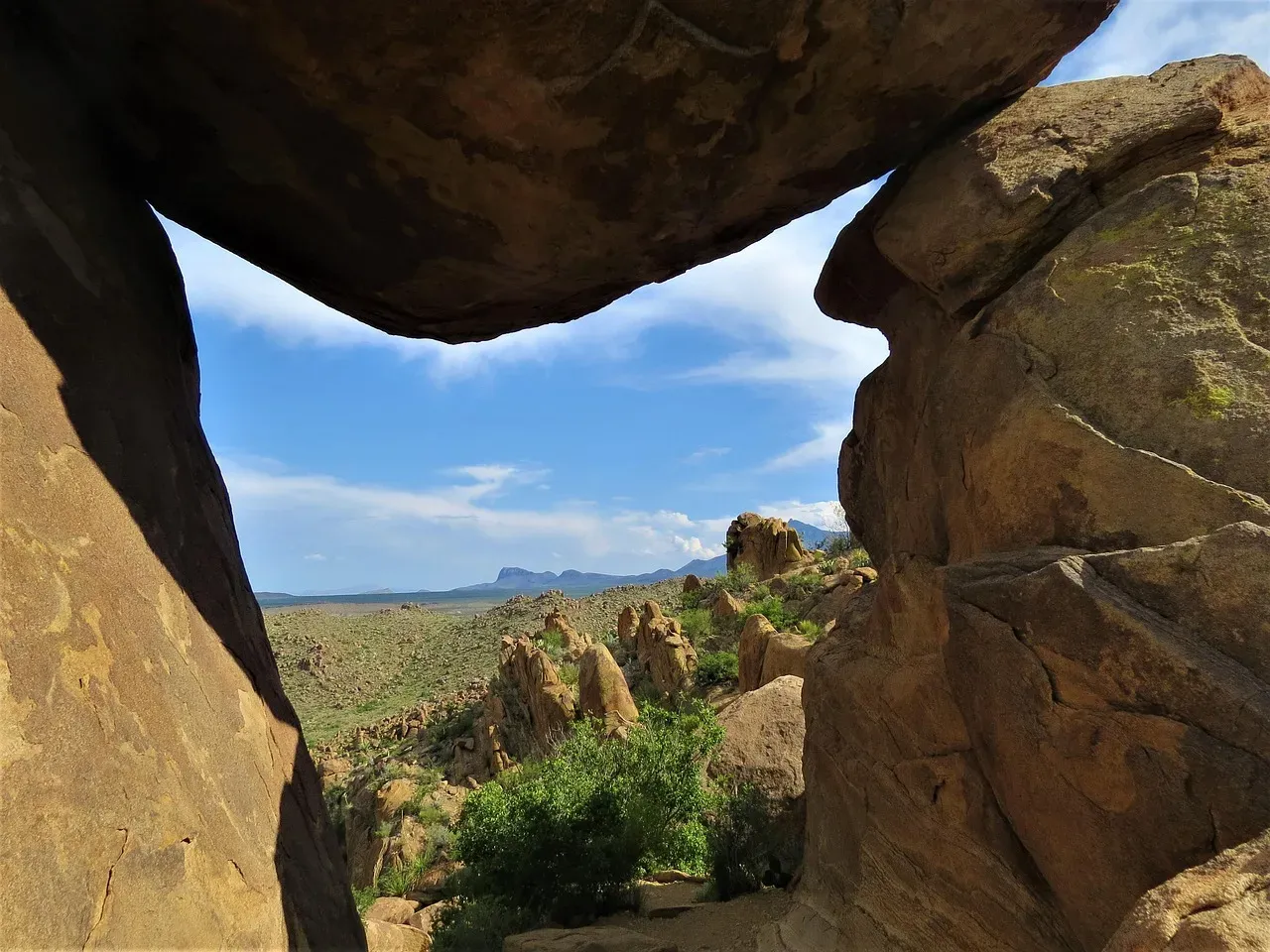
Big Bend sits in one of the most remote corners of the continental United States, tucked along a bend in the Rio Grande far from major cities. Its desert mountain setting historically supported some of the clearest long-distance visibility in the entire park system, though the park has faced periodic challenges from pollution drifting in from industrial sources across the border and from Texas power plants.
As one of the 48 Class I areas identified by the NPS Park Air Profiles program, Big Bend receives the highest level of legal protection for air quality and visibility available under federal law. These areas have the highest level of legal protection for air quality, visibility, and resources that could be affected by a change in air quality, known as air quality related values. On its best days, visitors can still see dramatic desert vistas stretching for well over a hundred miles, a reminder of what the park’s air quality can achieve when regional pollution sources are quiet.
It’s worth noting that air quality in national parks isn’t static. NPCA has released its 2024 “Polluted Parks” report, showing that a large majority of national parks suffer from some degree of air pollution, and between 2000 and 2023, haze levels improved significantly across the system thanks to decades of Clean Air Act enforcement. Even so, the parks featured here stand out precisely because of their remoteness, elevation, or legal protections, factors that continue to shield them from the industrial haze affecting many of their more accessible counterparts.
For anyone chasing that rare, crystal-clear mountain view or a sky untouched by smog, these ten parks remain some of the best bets left in the country. The air alone is worth the trip.
