

Dogs can’t tell us when they’re too warm, so they show us. The signs are usually small at first, such as a slower walk, a longer drink, or a sudden interest in the bathroom tile.
Knowing what’s ordinary and what isn’t makes a real difference when temperatures climb. Here are eight behaviors many dogs show during hot spells, and what each one usually means.
Heavy, Fast Panting
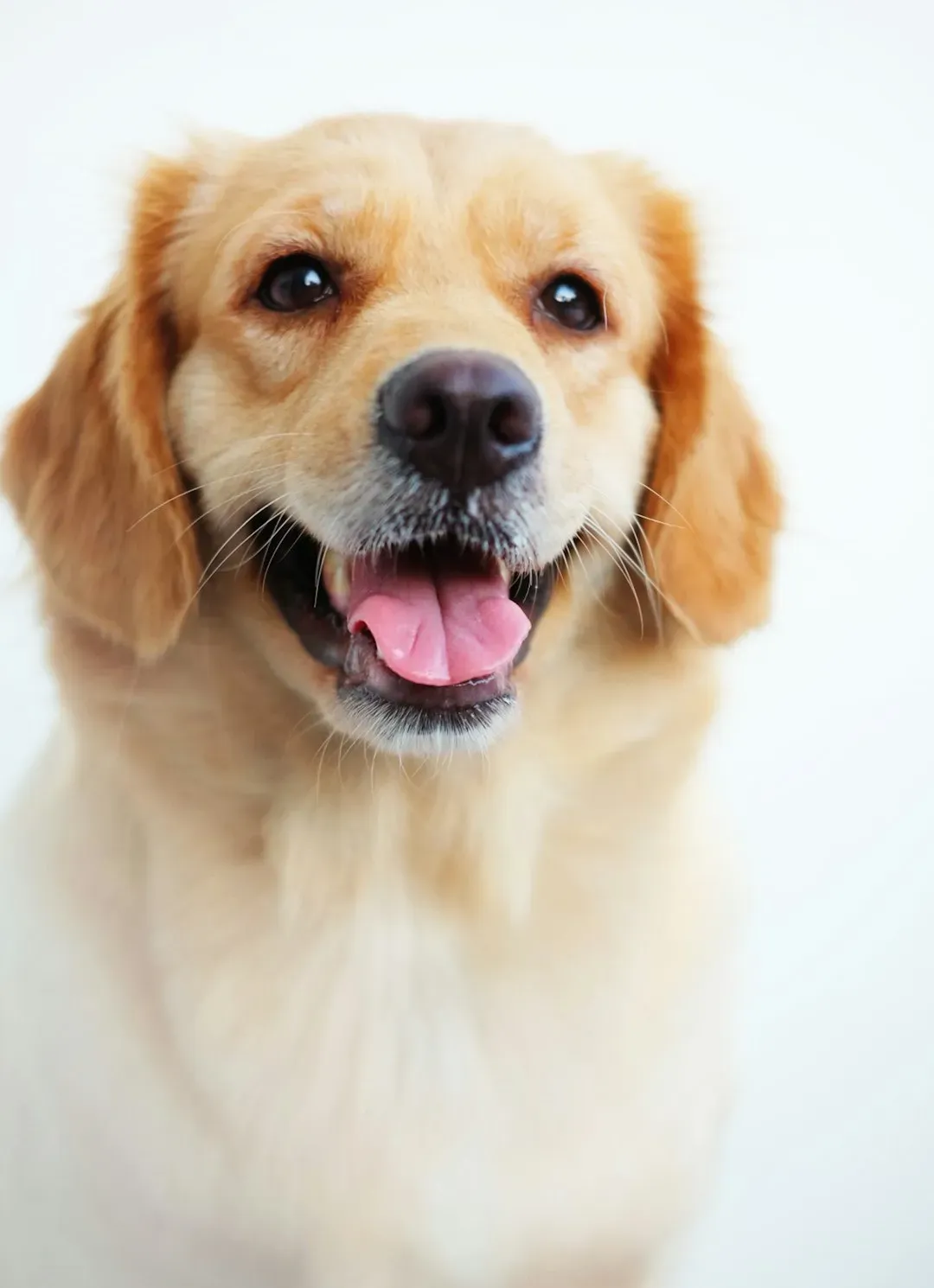
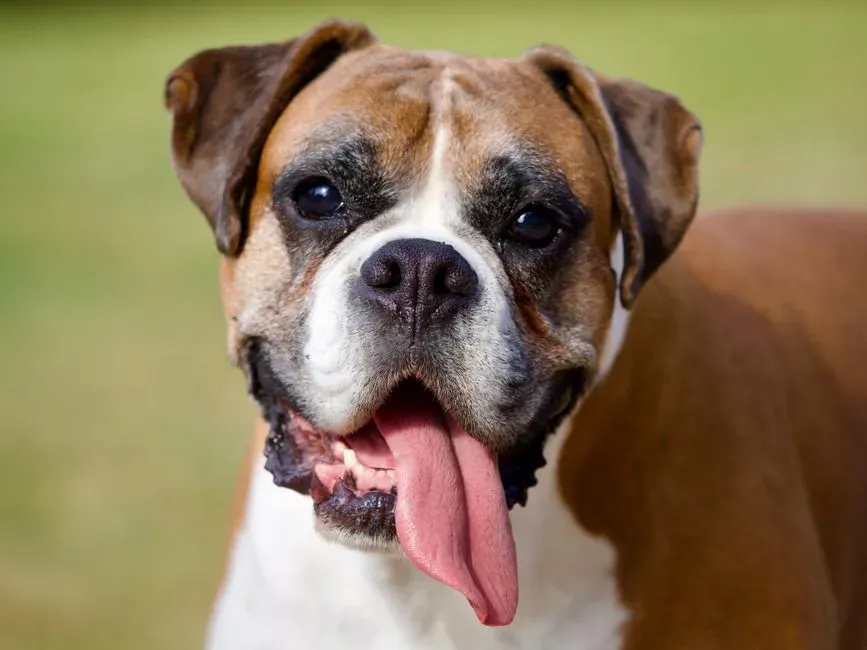
Panting is a dog’s main way of shedding heat. Dogs have only a limited number of sweat glands, mostly in the paw pads, so they rely on moisture evaporating from the tongue and airways. In a heat wave you’ll often see the panting start sooner and last longer than usual.
Some panting is normal, but it deserves attention when it turns loud, frantic, or doesn’t ease after rest in a cool place. Flat faced breeds such as bulldogs and pugs struggle more, because their shortened airways make panting less efficient. Veterinary groups consistently list these breeds among those at higher risk of heatstroke.
Hunting for Shade and Cool Surfaces
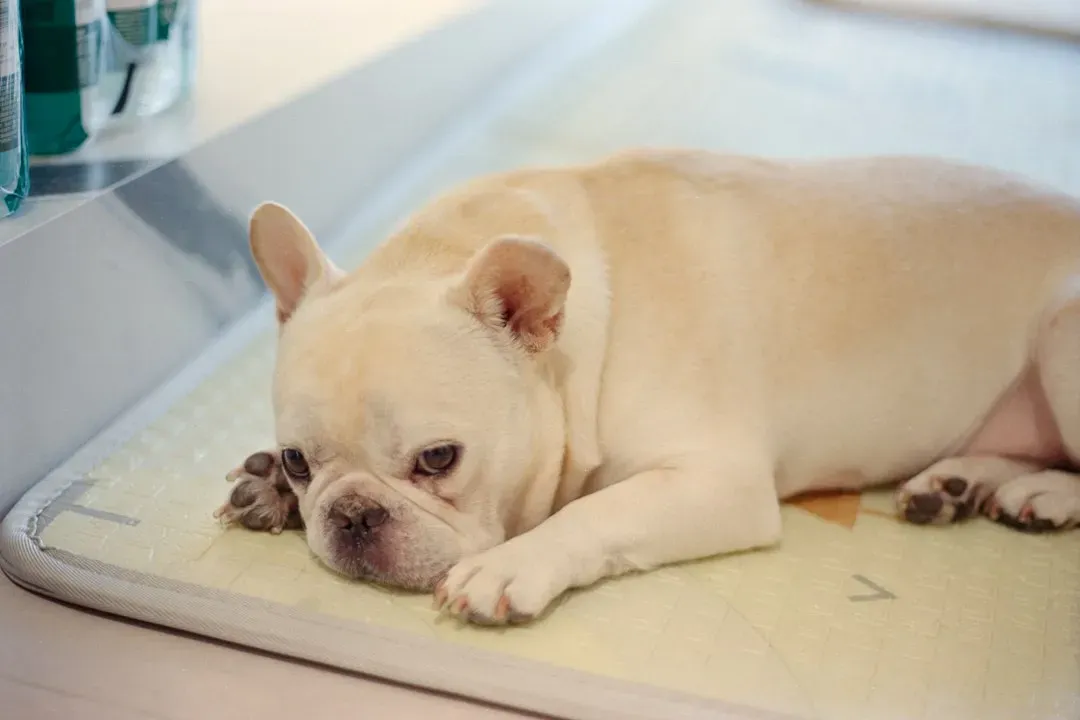
Many dogs head straight for tile, basement floors, or the spot under a tree. Some will flop onto a bathroom floor or press their belly against a cold surface. This is sensible behavior, since the belly has thinner fur and gives off heat more readily.
It’s worth helping them out. Shaded areas, cool indoor rooms, and cooling mats can all give a dog somewhere to retreat. If your dog keeps refusing to go outside at all, that’s usually a good sign the heat is more than they want to deal with.
Drinking Far More Water
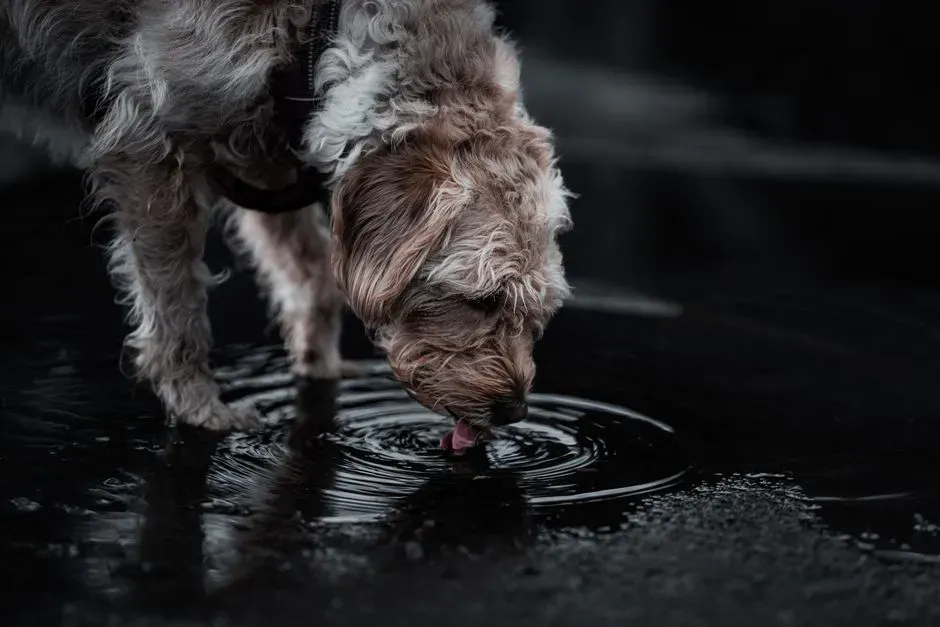
A dog that empties its bowl twice as fast is probably trying to make up for lost fluid. Panting loses a lot of moisture, so thirst naturally rises in hot weather. Fresh, clean water should be available all day, both indoors and outside.
Pay attention to changes in either direction. Constant, intense drinking can sometimes point to a health problem separate from the weather, while a dog that refuses water in the heat may be getting into trouble. Either one is worth a call to your vet if it continues.
Unusual Tiredness and Low Energy
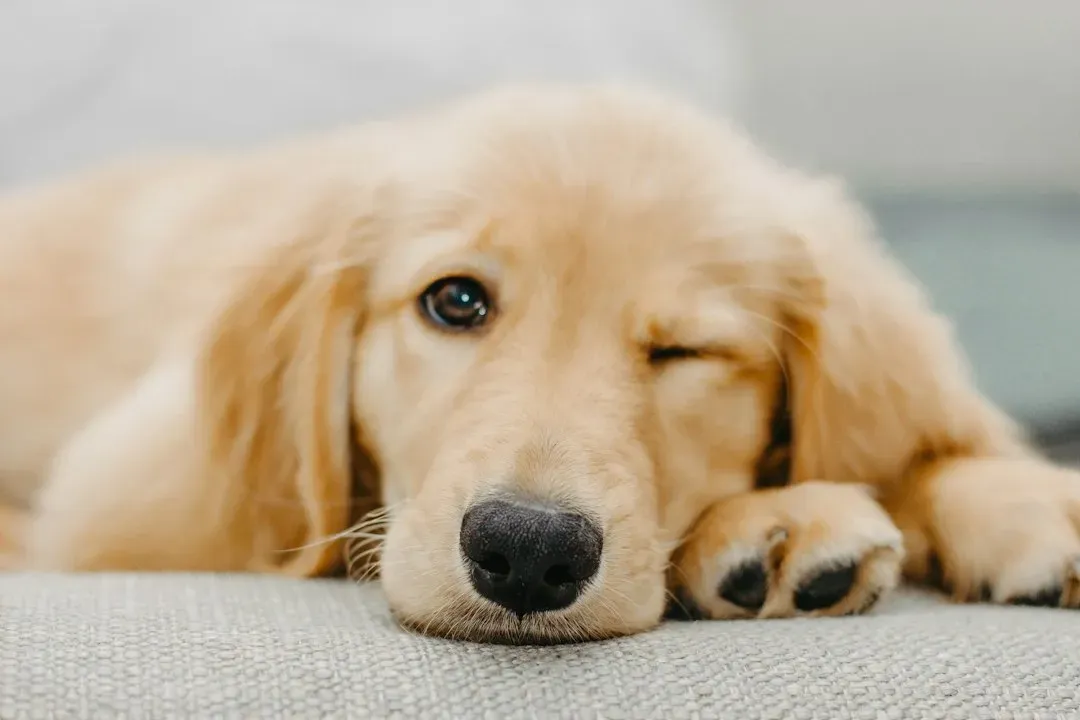
Even the most energetic dog may lag behind on walks during a heat wave. They may stop often, lie down mid walk, or simply not want to play. That drop in activity is the body’s way of limiting the extra heat created by exercise.
It’s best to listen to it. Walk early in the morning or late in the evening, and keep outings short. Weakness that seems extreme, or a dog who is wobbly and unresponsive, is a different matter and needs urgent veterinary care.
Sprawling Out in Odd Positions
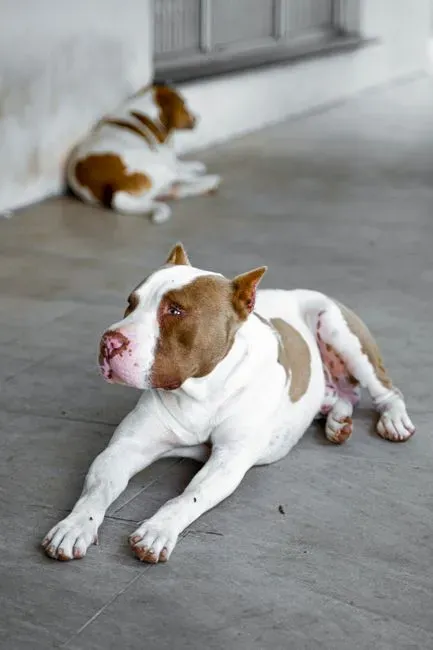
You might notice your dog stretched flat on their side or belly, legs splayed, instead of curled up. Dogs often curl to conserve warmth, so a wide open posture generally signals they’re trying to release it. It looks silly, but it’s a practical choice.
This sprawl is usually harmless when the dog is otherwise alert and breathing comfortably. It becomes concerning if it comes with rapid breathing that won’t settle, glassy eyes, or a reluctance to get up. Context matters more than the pose itself.
Eating Less
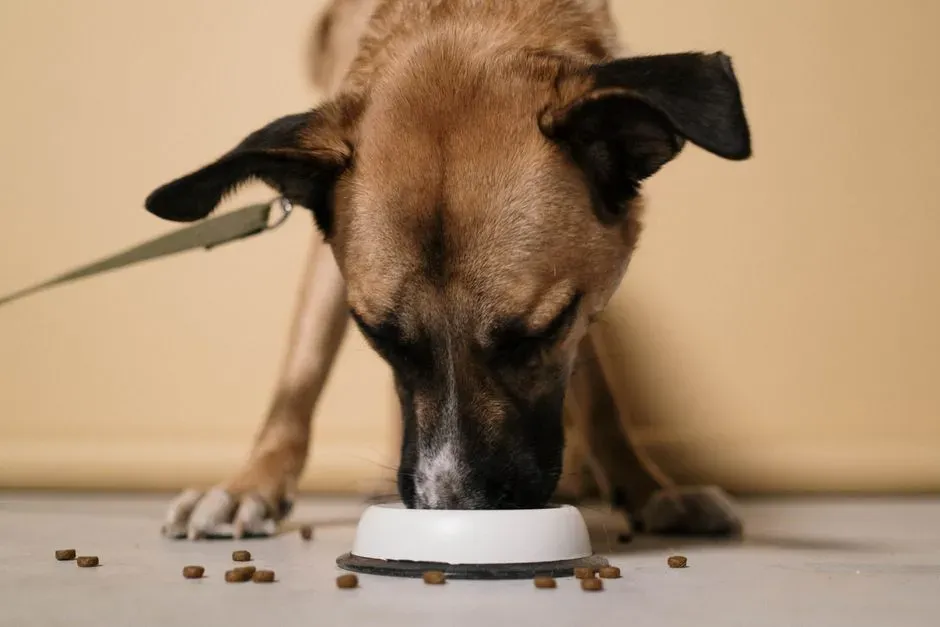
Appetite often dips in hot weather. Digestion produces body heat, and many dogs seem to sense that a big meal won’t help them feel better. Skipping a bit of breakfast on a scorching morning isn’t unusual.
Offering meals in the cooler parts of the day can help. Some owners add a little water to food to increase fluid intake. If a dog refuses food for more than a day, or also seems unwell, a vet check is the safer route.
Drooling More Than Normal
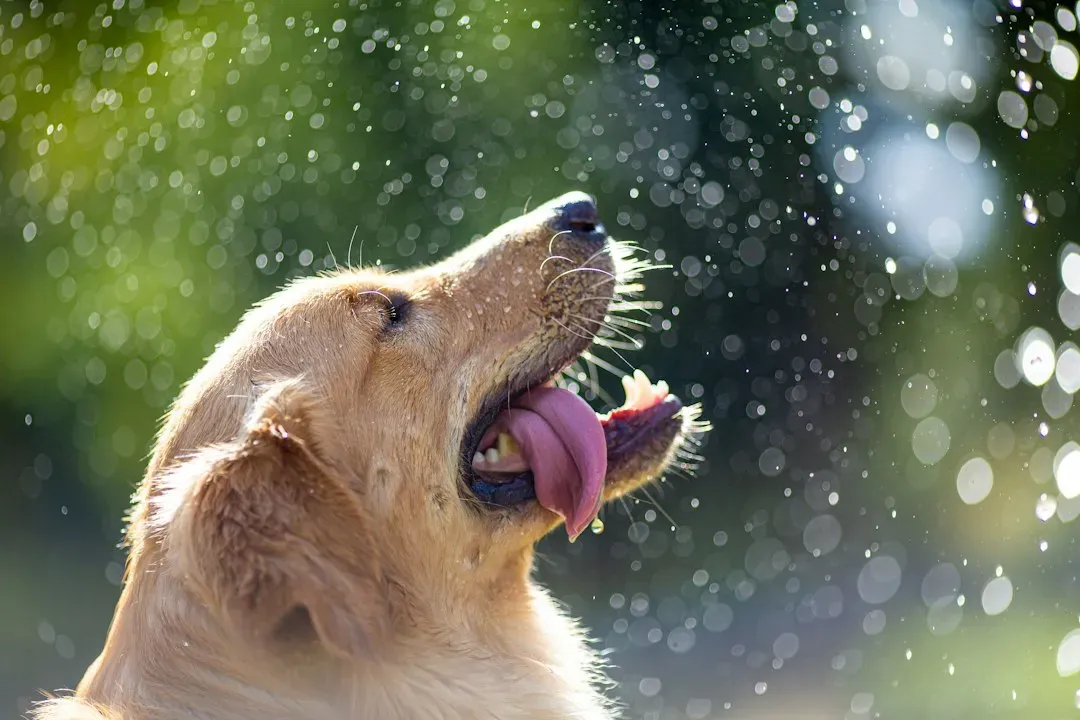
A bit of extra saliva can come with heavy panting, especially in breeds that already drool. Thick, ropey, or sudden drooling in a dog who normally stays dry is a different story. It’s one of the commonly listed early signs of heat stress.
Look at the rest of the picture. Bright red gums, vomiting, stumbling, or collapse alongside drooling point toward heatstroke, which is an emergency. A dog’s normal temperature is around one hundred one to one hundred two and a half degrees Fahrenheit, and readings above about one hundred four are considered dangerous.
Restlessness and Changed Routines
Heat can make dogs fidgety. They may pace, move from room to room, dig a hole in the yard to lie in, or struggle to settle for sleep. Some will switch their routine entirely, napping through the afternoon and becoming active only after sunset.
Digging is a classic example, since fresh soil beneath the surface is cooler than the air above. Giving a dog a shaded, cool place to rest often calms the pacing. Restlessness that comes with heavy panting or distress, though, is a cue to cool the dog down gradually with lukewarm water and contact your vet.

- Einstein’s equations suggest gravity can reconnect like the sun’s magnetic field - November 12, 2026
- This Map Shows Which States Get the Most Severe Storms Each Year – And It’s Not What You’d Expect - November 12, 2026
- 6 Space Foods That Never Made It Back Down to Earth’s Grocery Shelves - November 12, 2026
