

- Inside NASA’s 52-Story Building Where Moon Rockets Are Assembled - November 4, 2026
- Which U.S. states face the highest extreme weather risk for homeowners? - November 4, 2026
- Human emissions may delay the next ice age, but scientists warn of climate risks - November 4, 2026
Most people think of a takeout box as something you use once and then toss. The better question is where it goes afterward. Recycling can’t rescue many food soiled containers, so a growing number of restaurants, campuses and cities are skipping the disposable box altogether.
Reusable takeout programs look simple from the customer’s side. Behind the counter there’s a system of tracking, washing and accountability that decides whether the idea works. Here’s how the pieces fit together.
The Closed Loop Behind Every Program
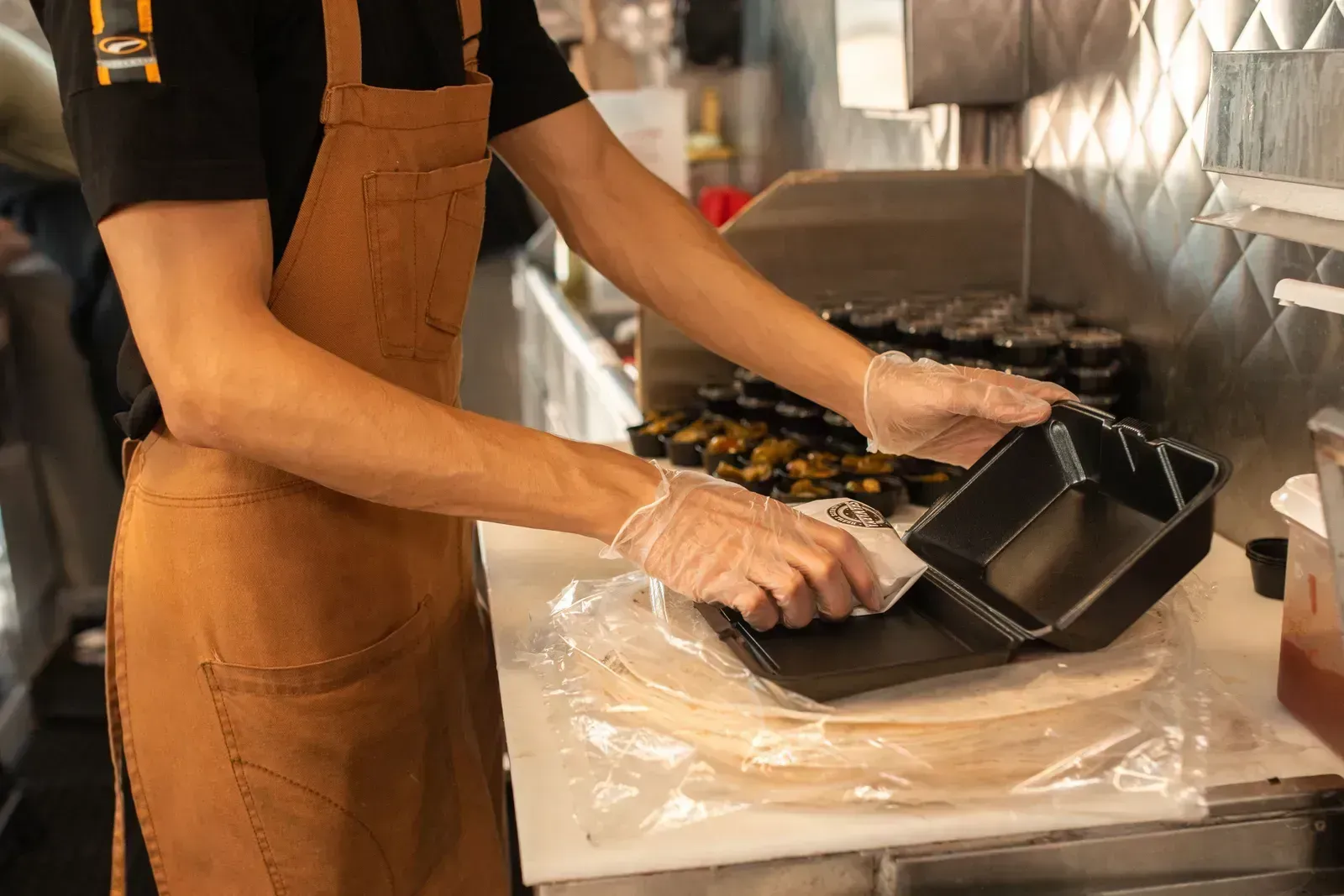
At heart, a reusable program replaces a one way trip with a circuit. Takeout food goes out in durable, food safe containers that customers return for commercial washing and reuse. One industry guide sums up the cycle as serve, collect, sanitize, restock.
That framing matters because a sturdier box on its own isn’t a program. It isn’t just buying sturdier to go boxes. The loop only works if someone collects the used containers and cleans them properly.
The Deposit Model
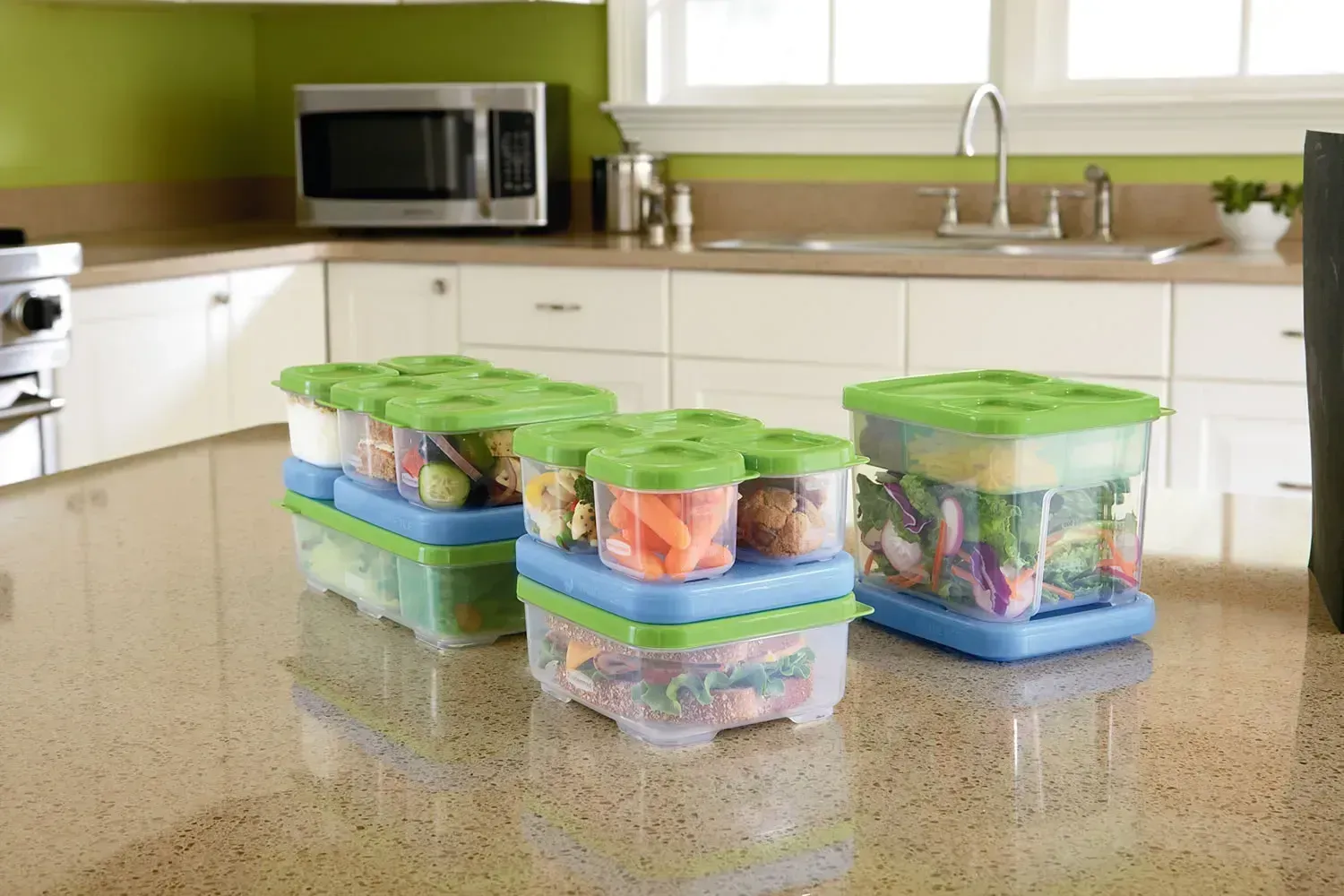
The oldest way to get containers back is to charge a refundable deposit. At La Veracruzana, a Mexican restaurant with several locations in western Massachusetts, customers have to request the service and pay $10 up front as a deposit and incentive to return the container. The restaurant uses the OZZI system through the ReThink Disposable program.
A campus example from Michigan used a lower price. Each Go Blue Box customer paid a $5 deposit, then could swap a used container for a clean one, a program token, or a refund. Letting people exchange instead of only refunding keeps the process quick for repeat users.
Library Style Tracking With QR Codes
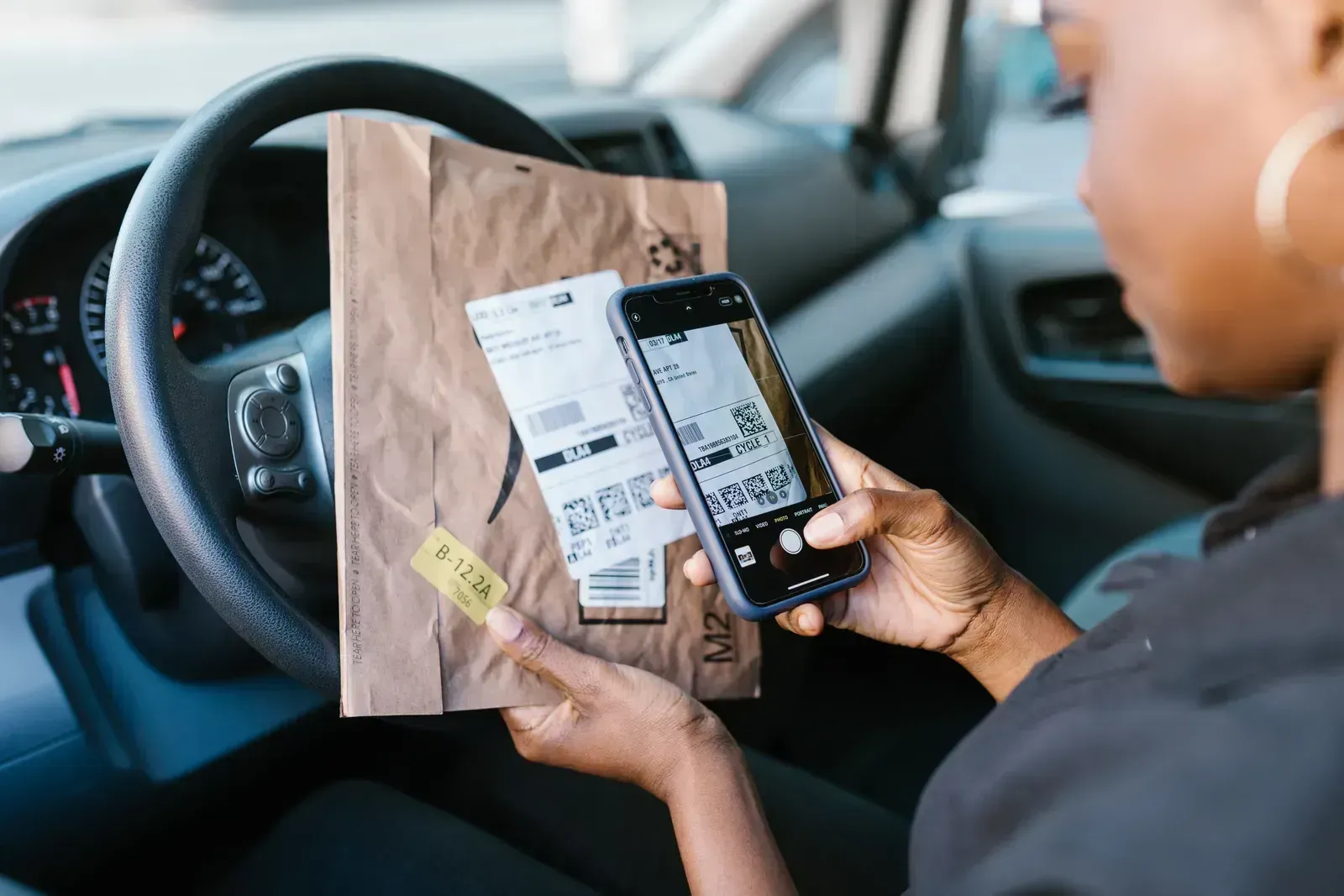
Some programs skip the deposit and borrow tricks from libraries. At the University of Pittsburgh, every Usefull container carries a QR code linked to an app that’s scanned when a student leaves the dining facility. The app manages check outs, sends return reminders and tracks everything.
Late returns carry a small fee, just as an overdue book would. After ten months, about 7,000 reusable containers had been checked out, diverting over 670 pounds of waste from the landfill. The company behind it says return rates top ninety nine percent across its twenty campuses, though that figure comes from the vendor itself.
Deposit Free Systems and Smart Return Bins
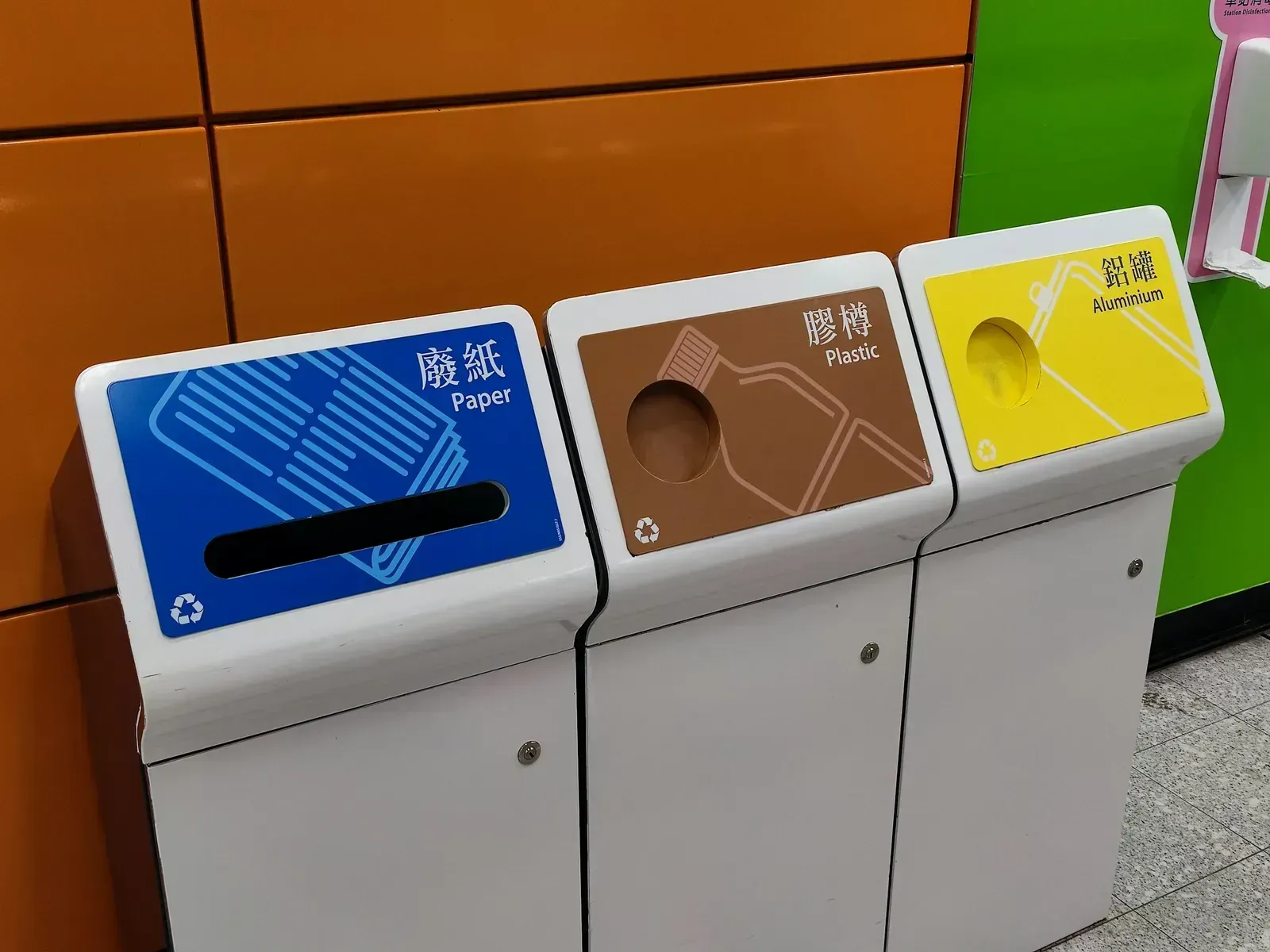
Deposits can slow down a lunch rush, so some vendors try to remove them. Reusables.com describes a system in which people borrow reusable food and beverage products at the point of purchase and return them through drop points, often Smart Return Bins. The company argues that return rates on deposit first programs regularly fall below eighty percent. That’s a vendor claim, so treat it as a marketing point rather than a neutral finding.
Accountability still exists. A charge is only applied if a container isn’t returned within a set window, and customers get up to thirty days after that to return it for a full refund. In effect, the deposit becomes a possible fee instead of an upfront payment.
Plastic or Stainless Steel
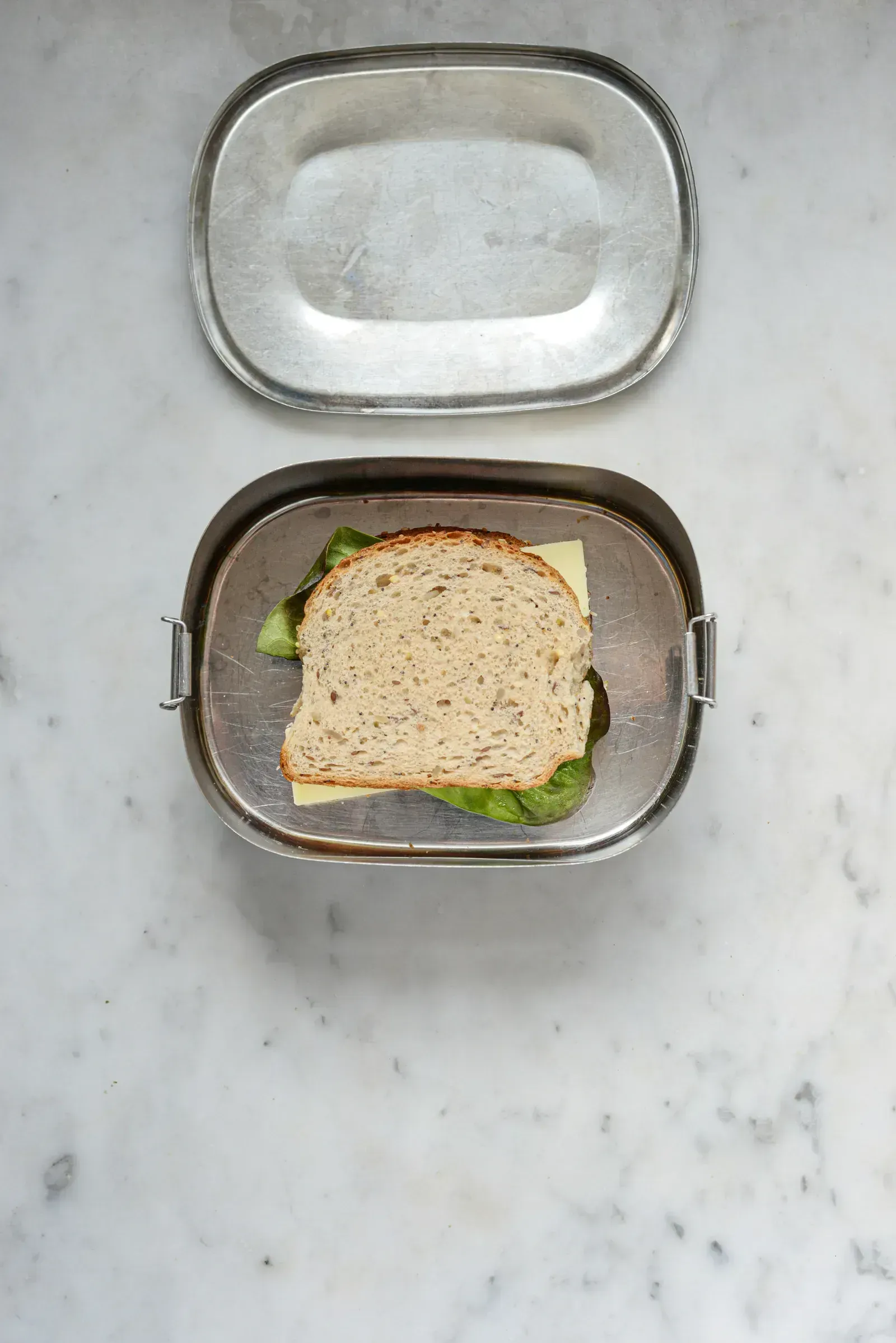
The container material shapes cost, weight and durability. Many systems, including OZZI, use number five plastic, while Lexington’s Zero To Go pilot uses stainless steel containers with silicone lids. OZZI’s website says its containers are BPA free and made of twenty to thirty percent recycled materials.
One local columnist argued that stainless steel is probably a better option for reusable take home containers. That’s an opinion, not a settled verdict. Steel costs more upfront and plastic is lighter, so operators weigh both.
Food Safety Rules
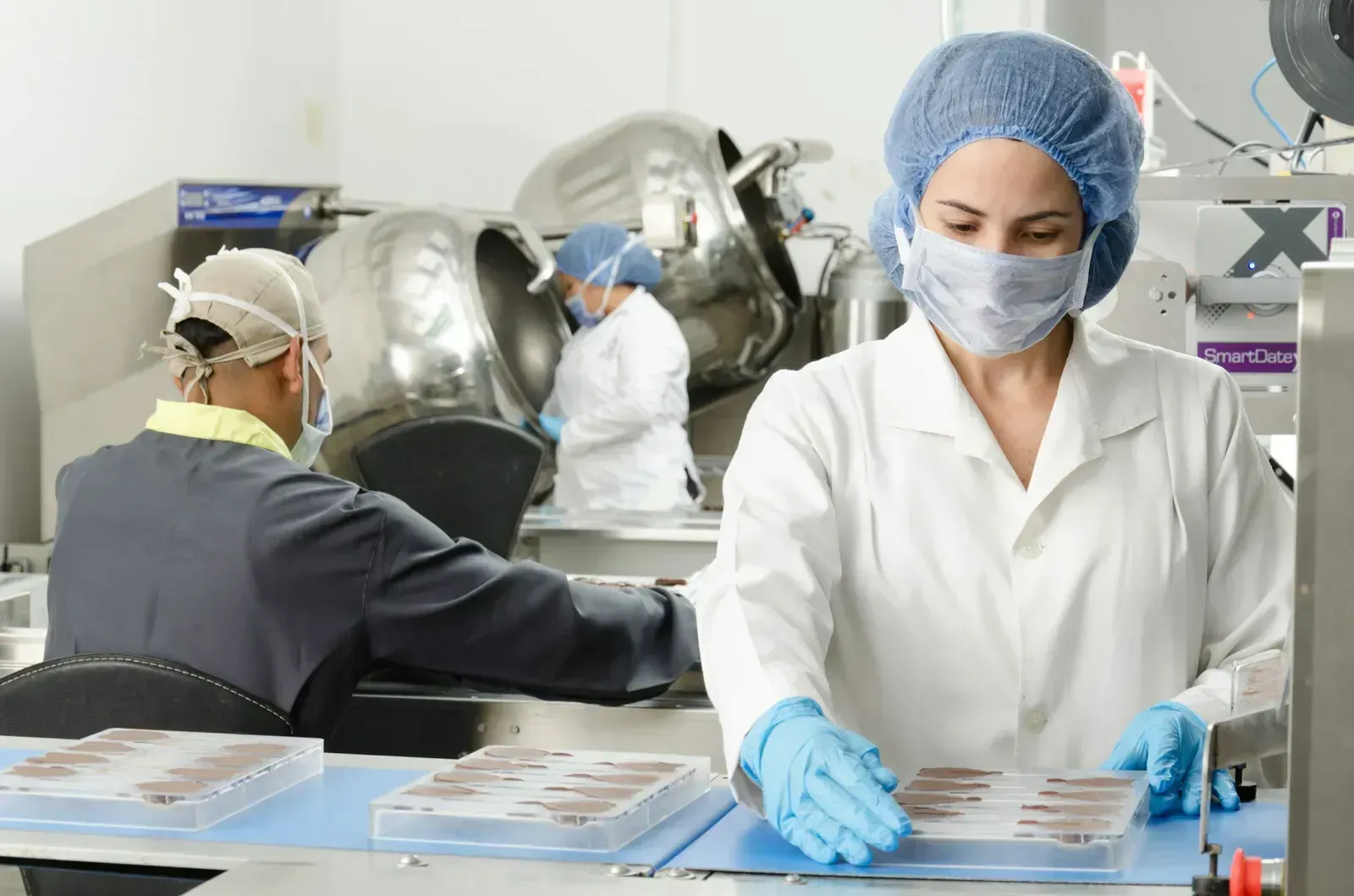
Washing is where regulators pay the closest attention. One program guide notes that the FDA Food Code 2022, section 3-304.17, explicitly permits refilling returned containers under certain conditions. Restaurants still need a documented process for cleaning and handling.
Customer owned containers have their own rules. Oregon’s law lets restaurants accept customers’ reusable food containers for takeout orders while meeting state health guidelines. Containers must be visibly clean and durable, and customers can’t use personal containers for buffets, salad bars or other unpackaged, temperature controlled foods.
When a Reusable Box Actually Beats a Disposable One
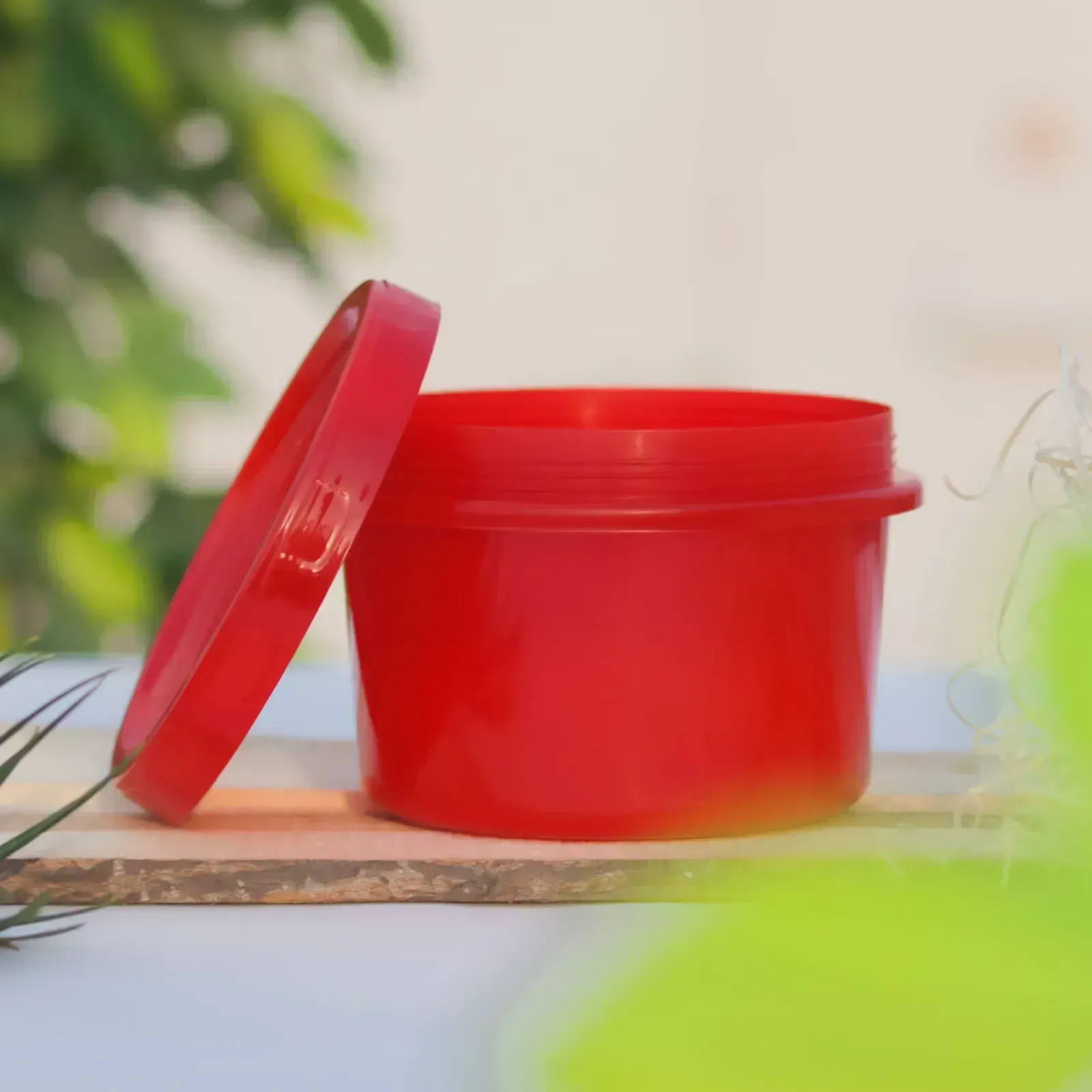
Reuse isn’t automatically greener, because making and washing a durable container takes resources. A program guide cites University of Michigan research putting the environmental break even point at roughly four to thirteen uses. Before that, the disposable box can come out ahead.
This is why return rates matter so much. A container that disappears into a kitchen cupboard never pays back its footprint. Petaluma’s citywide cup project is a useful marker, since it returned over 220,000 cups, a return rate just over half that still exceeded the system’s break even threshold.
Who Runs the Dishwashing
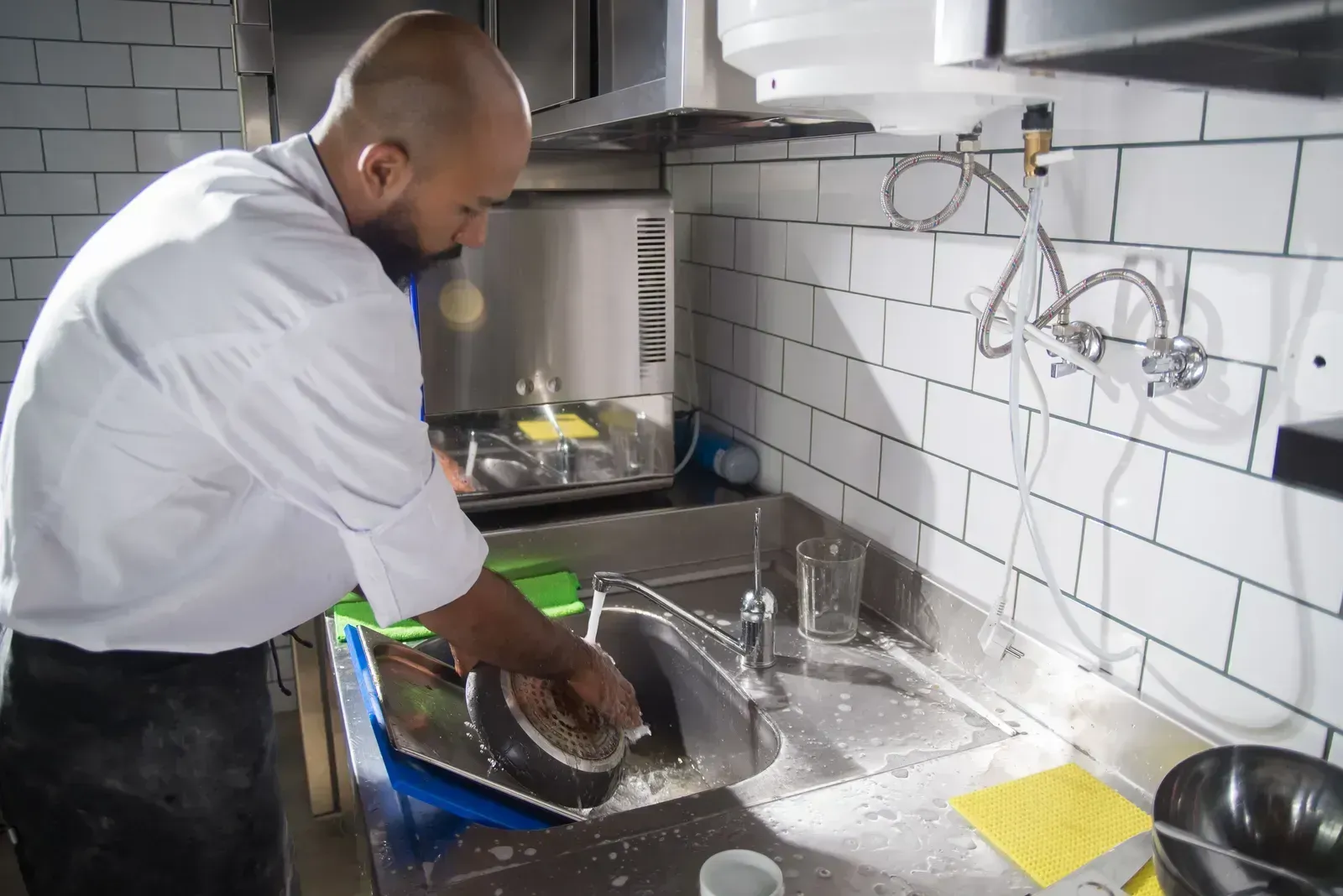
Restaurants generally pick from three setups. These are an in house deposit system, an app based checkout system, or a third party reuse service. Each model trades off control, labor and cost differently.
Colleges often start small. A Pitt staffer described a gradual approach that begins in residential dining before expanding. For anyone building a program, the most important detail is the accountability system, since you need to make sure people return used containers.
Laws That Push Reuse Forward
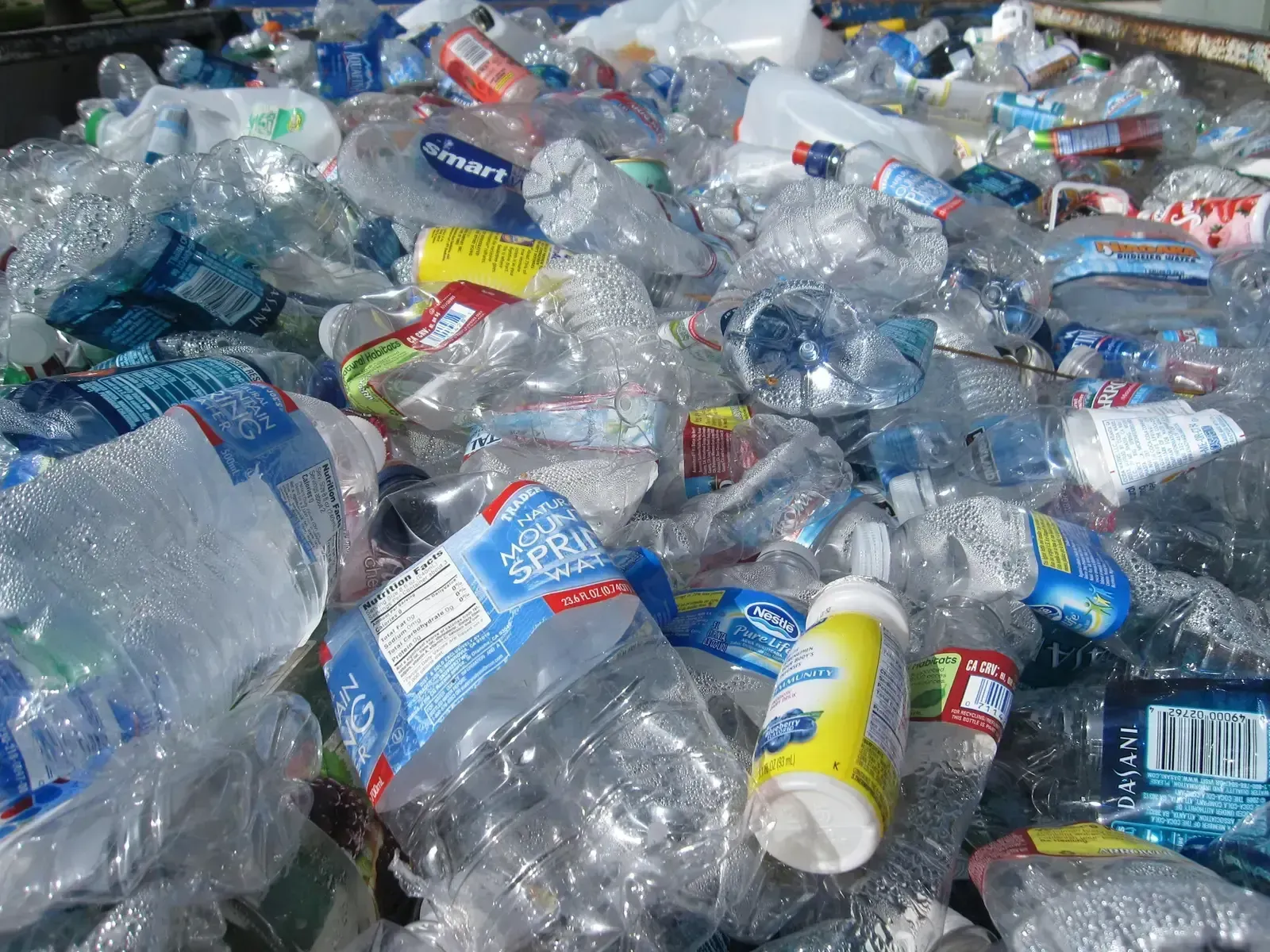
Policy is nudging the economics. California’s SB 54 requires producers to reduce single use plastic packaging, including foodware, by twenty five percent by 2032. At least four percent of that reduction must come from refillable or reusable packaging.
Oregon’s approach pairs rules with fees. Seven states had enacted packaging producer responsibility laws, and Oregon began charging annual fees in July 2025. Oregon also passed a foam ban in 2023, with provisions that took effect on January 1, 2025.
What to Watch Next
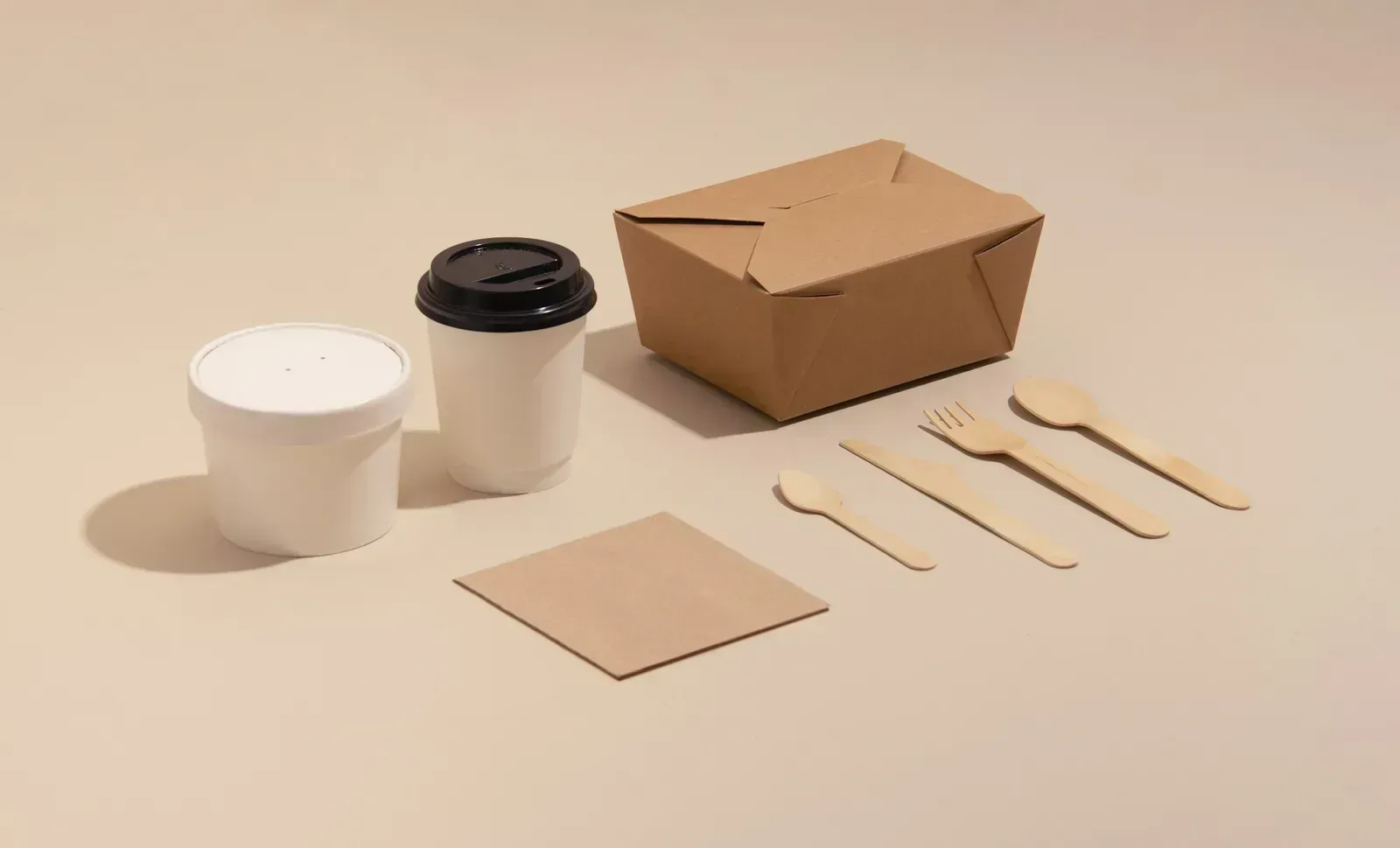
California’s producer program is targeted for launch in January 2027. Annual fees there are due to start in January 2027, after a one time early fee in 2026.
In Oregon, regulators have also proposed new packaging exemptions that include leased reusable containers. Rules like these will help determine how many restaurants find reusable containers worth the effort.
