


- The Planet Where It Rains Liquid Glass – 7 Alien Worlds Defying Known Physics - November 14, 2026
- Stars Consuming Entire Worlds – 6 Planetary Systems Swallowing Their Own Worlds - November 14, 2026
- The Ground Liquefies Like Water – 6 Silent Fault Lines Geologists Watch Closely - November 14, 2026
Picture a standard bathtub filled to the brim, holding roughly 300 liters. Now imagine that single tub contains every drop of water on the planet, from the deepest ocean trench to the rain in a cloud over your street.
It’s a handy way to shrink a number too big to grasp into something you could almost reach out and touch. The scaled-down version also shows how little of that water you could actually pour into a glass.
Setting the Scale of the Tub
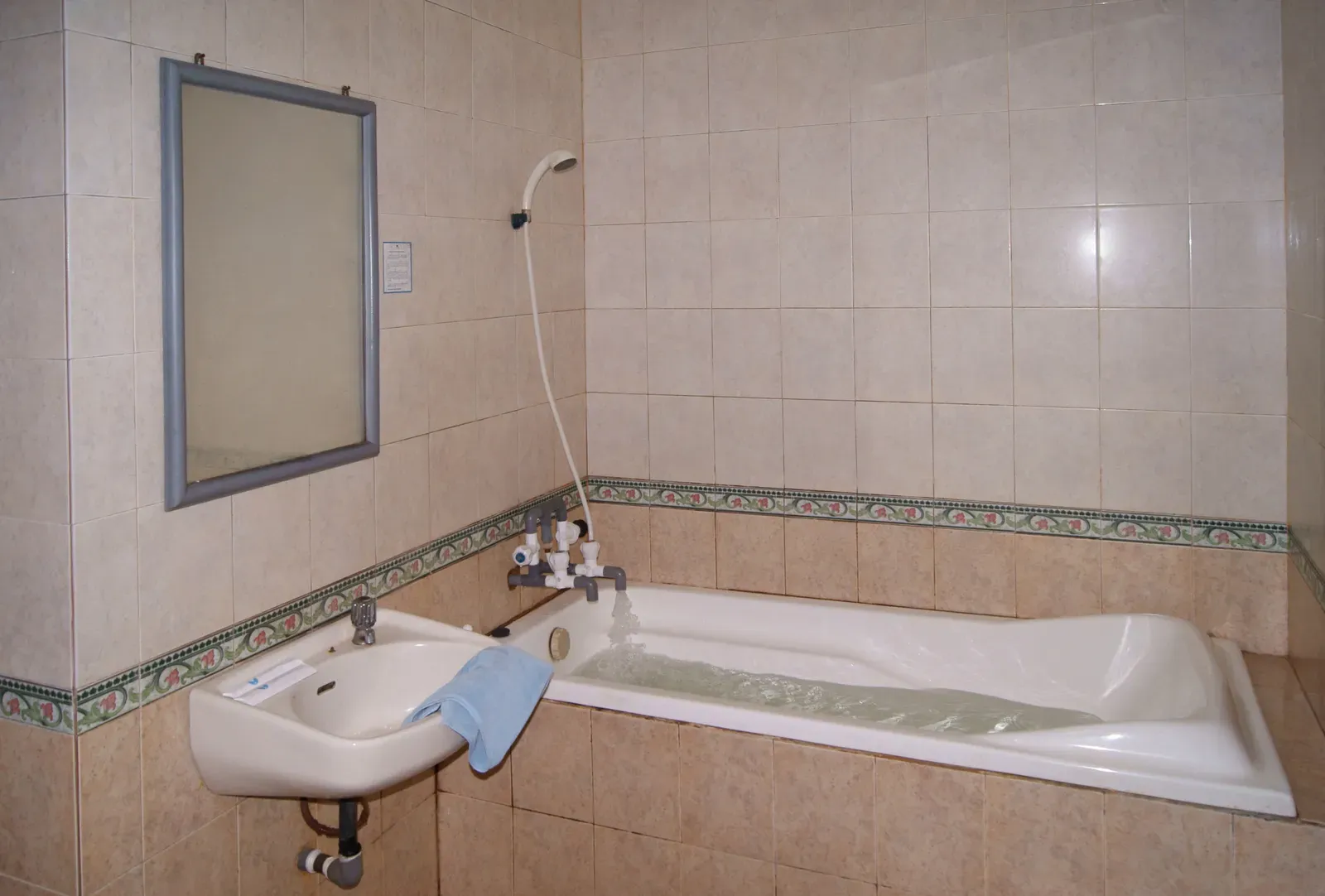
Scientists estimate that Earth holds around 1.4 billion cubic kilometers of water. That figure, widely cited by the U.S. Geological Survey, includes oceans, ice, groundwater, lakes, rivers, soil moisture and the atmosphere.
Shrinking it to a 300 liter bathtub keeps the proportions intact, so every share below is simply the real-world share scaled down. Bathtub sizes vary, so treat the liter figures as rounded illustrations rather than exact measurements.
The Oceans Fill Nearly the Whole Tub
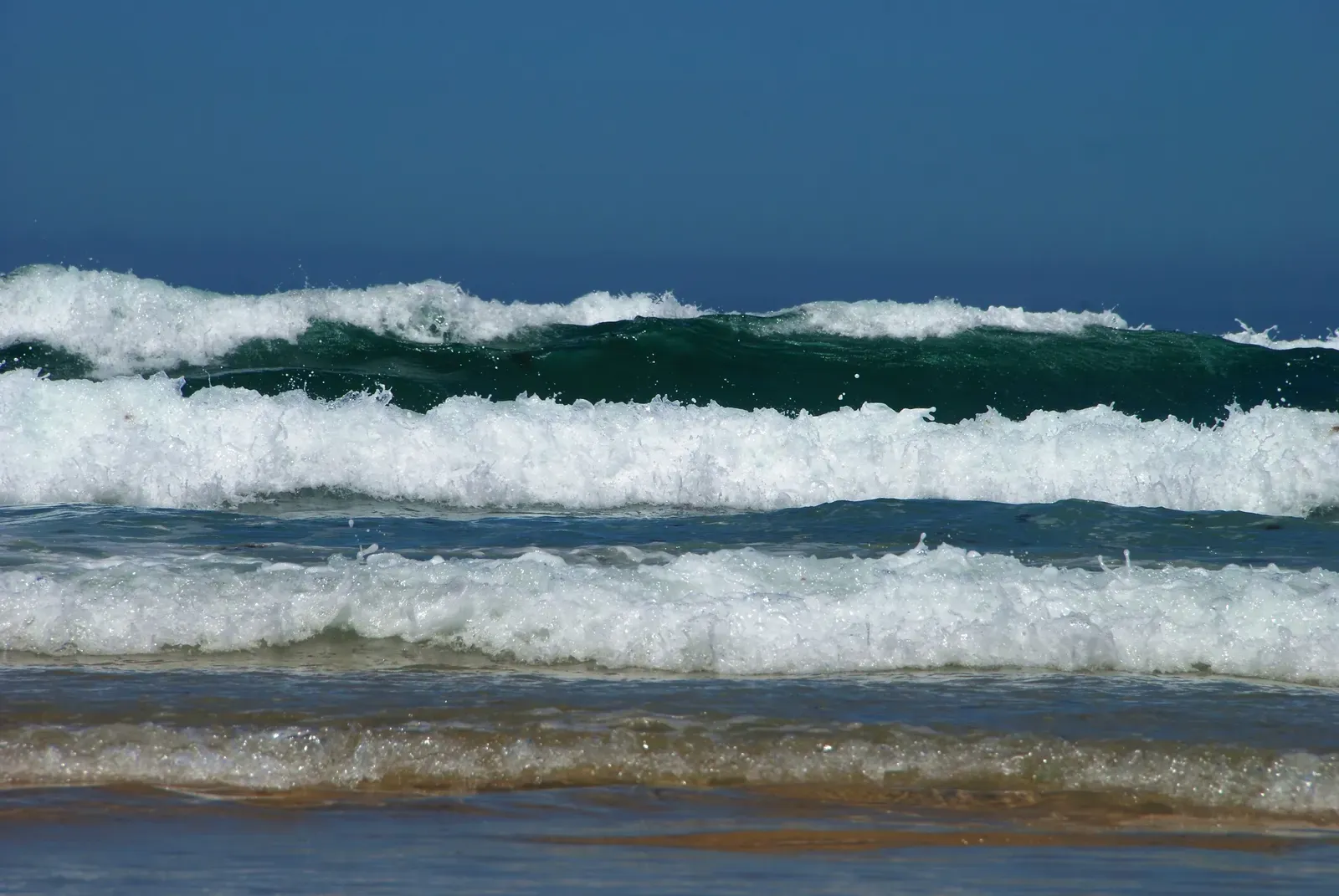
About ninety-six and a half percent of Earth’s water sits in the oceans, according to the USGS. In our tub, that’s close to 290 liters of salty water, enough that only a thin sliver is left over for everything else.
Seawater isn’t drinkable in the ordinary sense. Its salt content is far higher than your body can safely process, and drinking it would pull water out of your cells rather than hydrate you. So almost the entire tub is off the menu from the start.
Freshwater Is a Small Corner
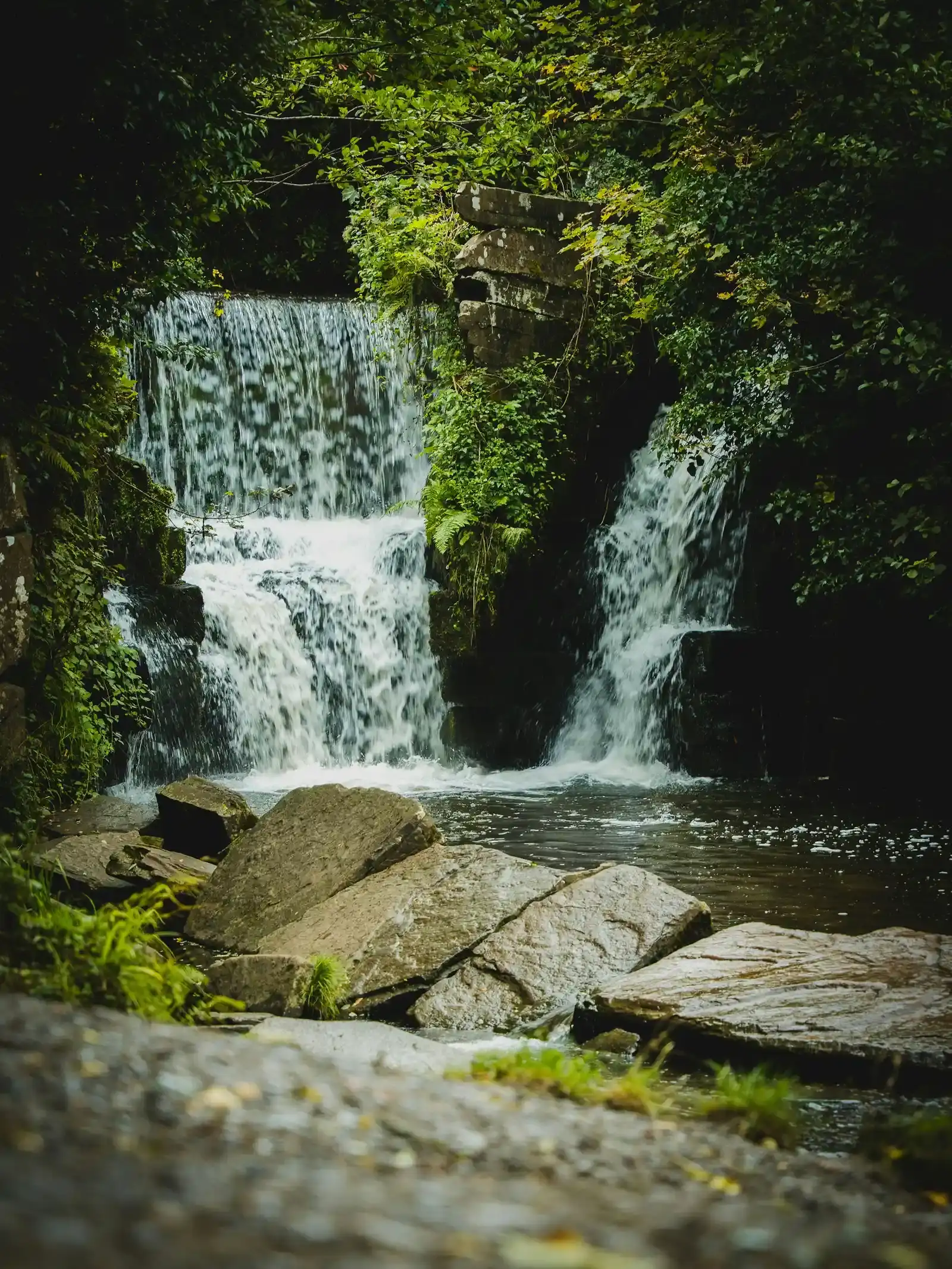
Freshwater makes up only about two and a half percent of all water on Earth. Scaled to the tub, that’s around seven and a half liters, roughly the amount in a large bucket.
That’s the maximum you could even consider drinking, and it’s already generous. Most of it isn’t sitting in any form you can easily reach.
Most Freshwater Is Locked in Ice
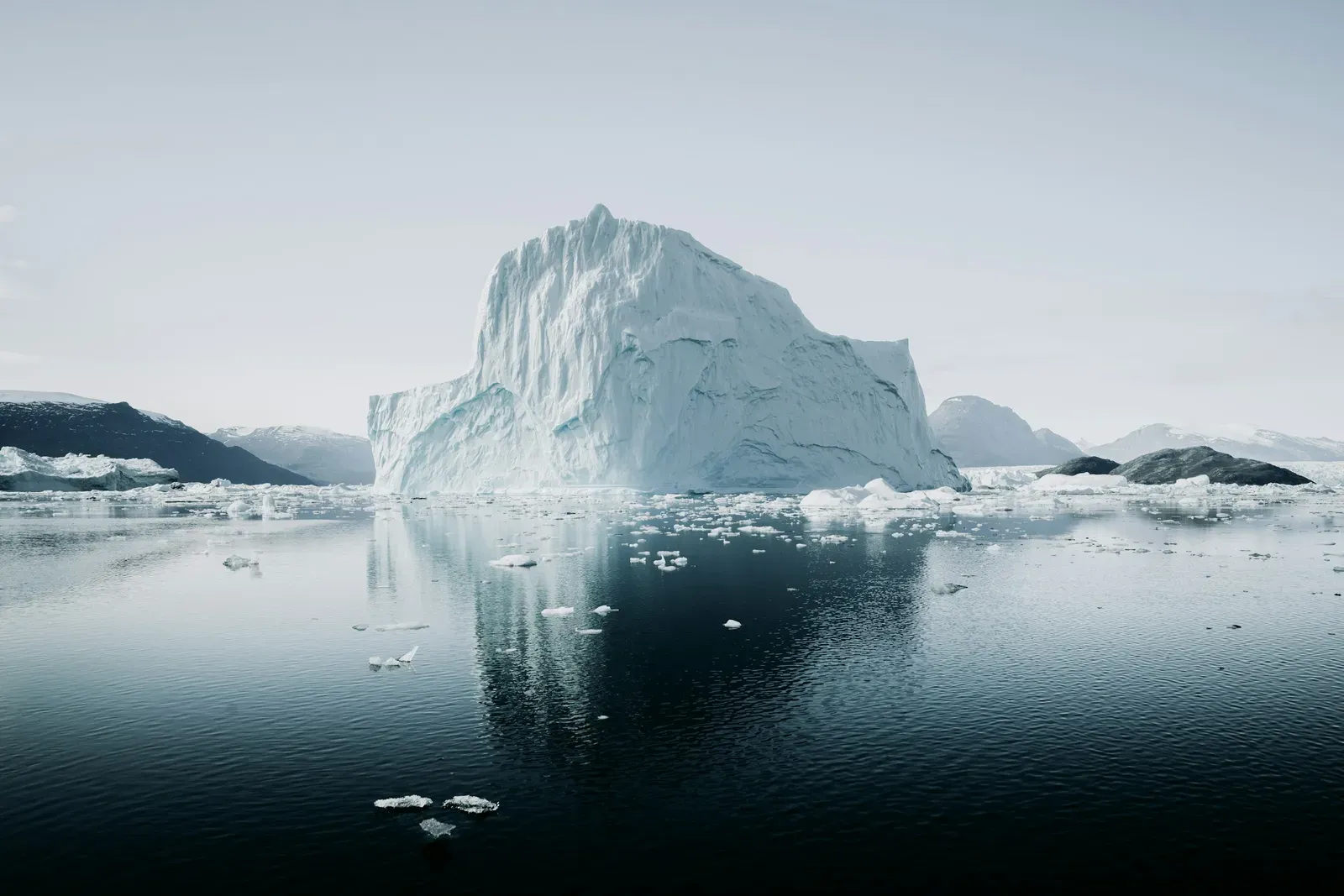
Glaciers, ice caps and ice sheets hold roughly two thirds of the world’s freshwater. In the tub, that’s about five liters frozen solid, mostly in Antarctica and Greenland.
Technically it’s clean water, yet it’s far from taps and cities. Ice melts into oceans over long timescales, and it’s a major reason scientists track ice loss so closely. For drinking purposes, it’s essentially out of reach.
Groundwater Holds Most of the Rest
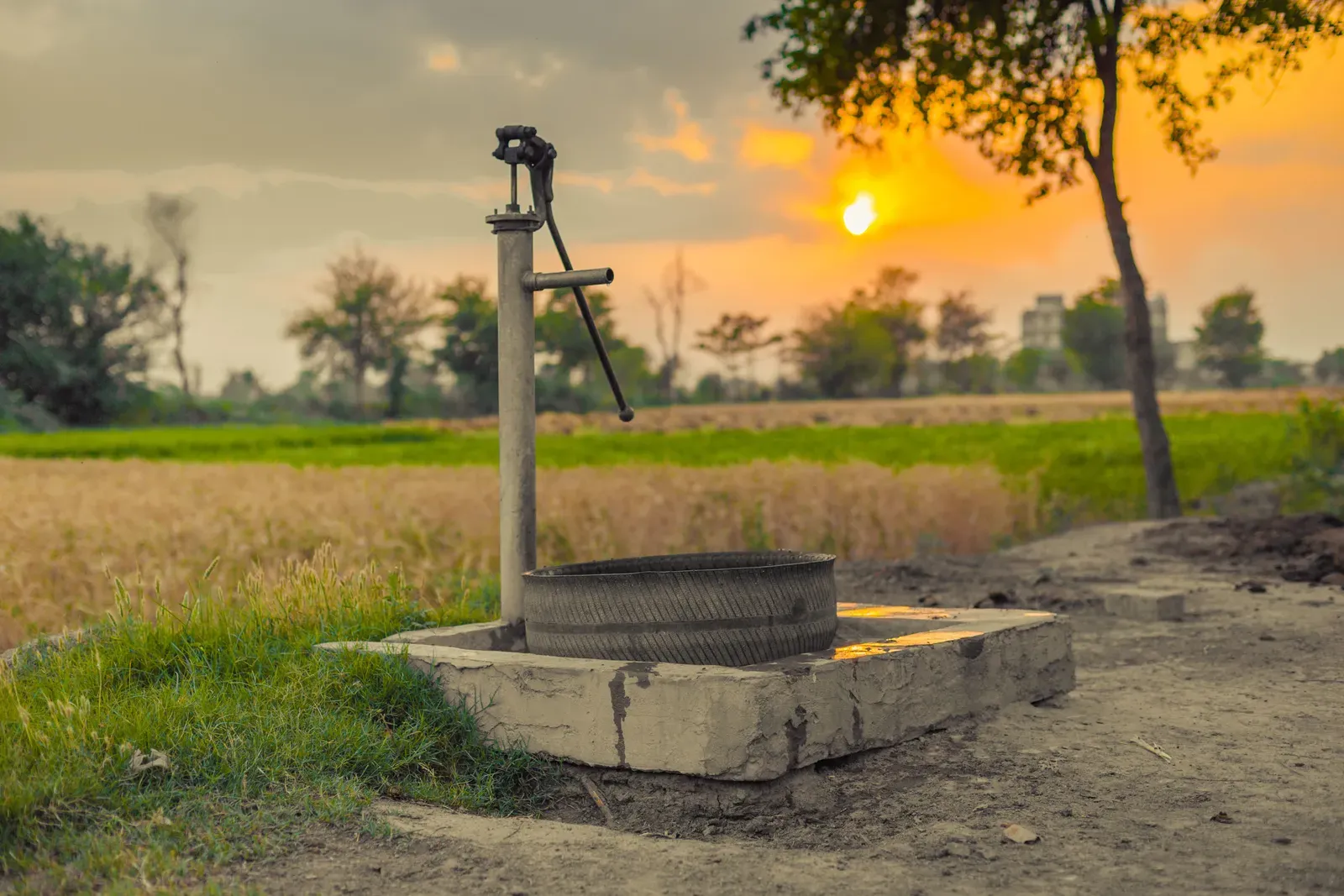
Close to a third of freshwater is stored underground, in aquifers and soil pores. That works out to a little over two liters of our tub, a few big bottles’ worth.
People rely on it heavily, since wells and springs supply drinking water across much of the world. Still, it’s hidden, uneven in distribution, and slow to refill in many regions. Pumping it faster than nature replenishes it is a known problem in several places.
Lakes and Rivers Are Just a Few Spoonfuls
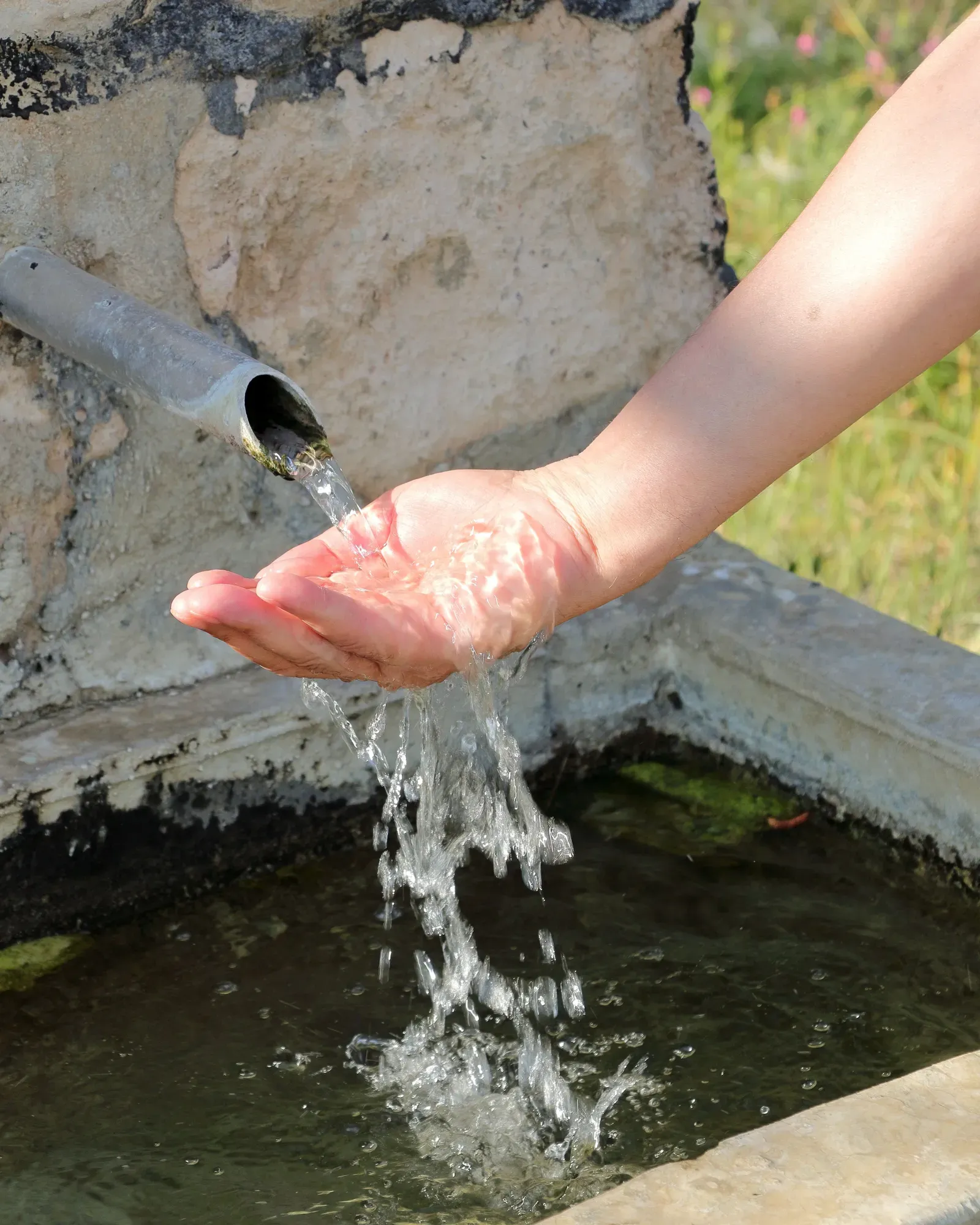
This is where the bathtub comparison gets striking. USGS figures put freshwater lakes at well under a hundredth of a percent of all water, which scales to roughly four teaspoons in the tub.
Rivers are even smaller, at a tiny fraction of that. In the bathtub they’d amount to about a dozen drops. Yet these are the sources most of us picture when we think of drinking water, and many cities draw heavily from them.
Drinkable Does Not Mean Easy to Reach
Add up the pieces that people can realistically tap, mainly groundwater plus lakes, rivers and a bit of other surface water, and you land at only a tiny share of the tub. Depending on how you count, that’s a couple of liters at most, and the easily accessible surface portion is far smaller.
Water also exists as soil moisture, swamp water and atmospheric vapor, which are hard to capture. So the real answer to the title is that something like one percent of the tub is potentially drinkable freshwater, and a much smaller portion is easy to use. The exact split depends on how researchers define accessible.
Safe Water Is a Separate Problem
Even water that exists nearby may not be safe. A 2025 report from the World Health Organization and UNICEF found that roughly 2.1 billion people still lacked safely managed drinking water in 2024, meaning water that’s on premises, available when needed, and free from contamination.
Pollution, poor sanitation and infrastructure gaps are the main reasons. So the bathtub measures how much water is naturally fresh, not how much is clean at the tap.
Can Desalination Open the Rest of the Tub?
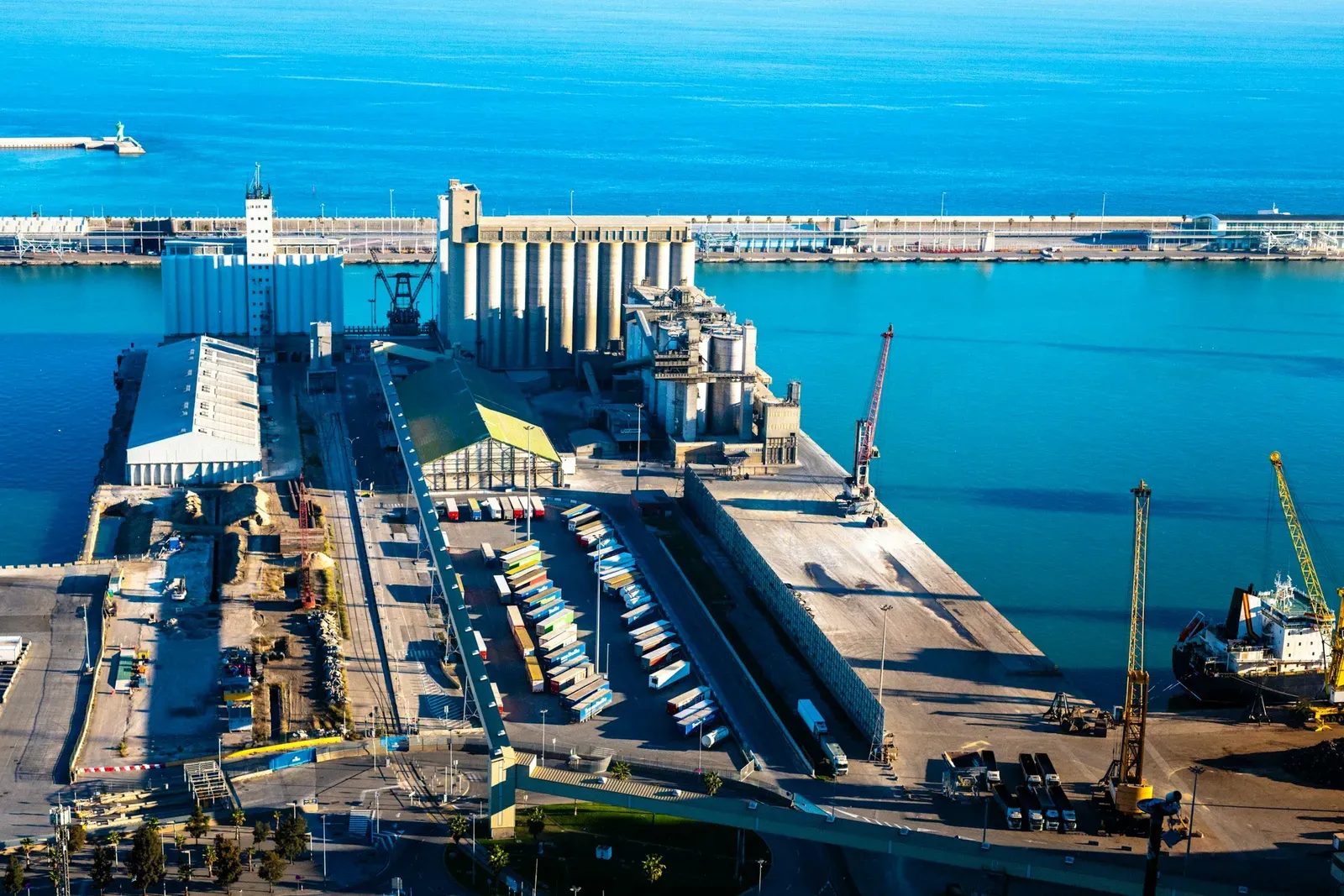
Desalination turns seawater into freshwater, and it’s already used in dry, wealthy regions such as parts of the Middle East. In principle, it makes the big 290 liter portion of the tub usable.
The catch is cost and energy. Removing salt takes significant power, and the leftover brine has to be handled carefully to limit harm to marine life. For that reason it supplements other sources rather than replacing them, and it’s mostly used where alternatives are scarce.
