

Most people picture a heatwave as a stretch of scorching days on land. The ocean has its own version, and it can last for months while barely showing on the surface. Divers often notice it first, when reefs that were colorful the week before begin to turn pale.
Over the past few years, these warm water episodes have moved from a niche research topic to a regular headline. The science behind them is fairly clear, and the numbers from 2023 through 2026 show why reef scientists are paying such close attention.
What Scientists Mean by a Marine Heatwave
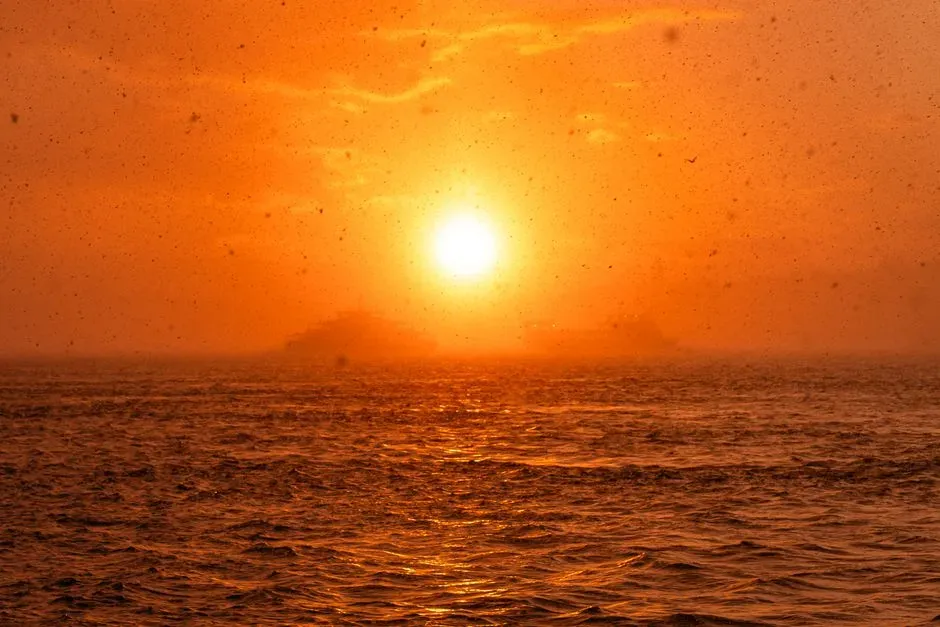
Marine heatwaves are intense and prolonged episodes of unusually warm ocean temperatures. The most widely used technical definition looks at daily sea surface temperatures. A common threshold is a period when temperatures exceed the 90th percentile of a 30 year average for at least five consecutive days.
In plain terms, the water has to be warmer than it has been on roughly nine out of ten comparable days. Once an event is identified by NOAA’s Marine Heat Watch service, it is ranked by intensity from 1 (moderate) to 5 (beyond extreme). Definitions are still debated, partly because commonly used ones can produce a permanent heatwave state in regions that keep warming.
Natural Triggers Behind the Heat
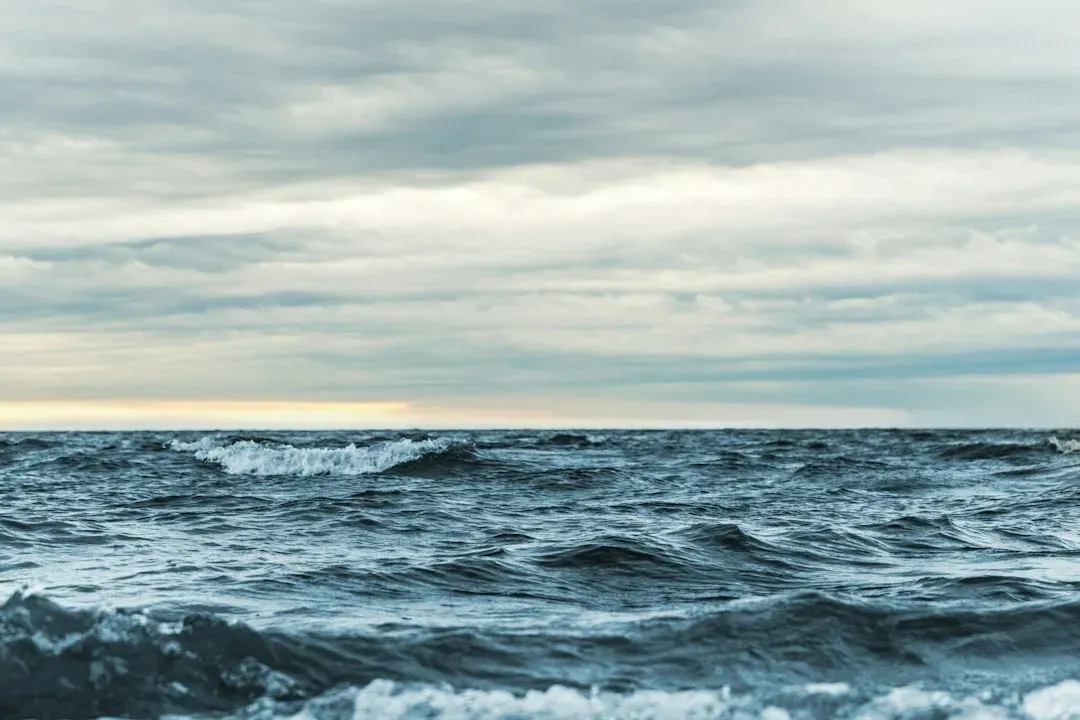
Winds matter more than most people expect. They churn the sea and mix cooler deep water with warmer surface water. When winds drop or disappear, that mixing is less likely to happen, and the surface layer can keep heating under strong sun.
Large climate patterns play a part too. El Niño is the best known cause, as slowing winds help push sea temperatures up. Regional shifts in currents can also reshape local conditions for years, as seen in the Gulf of Maine, where a change in nearby currents around 2010 cascaded into altered circulation and temperatures.
How Human Driven Warming Raises the Baseline
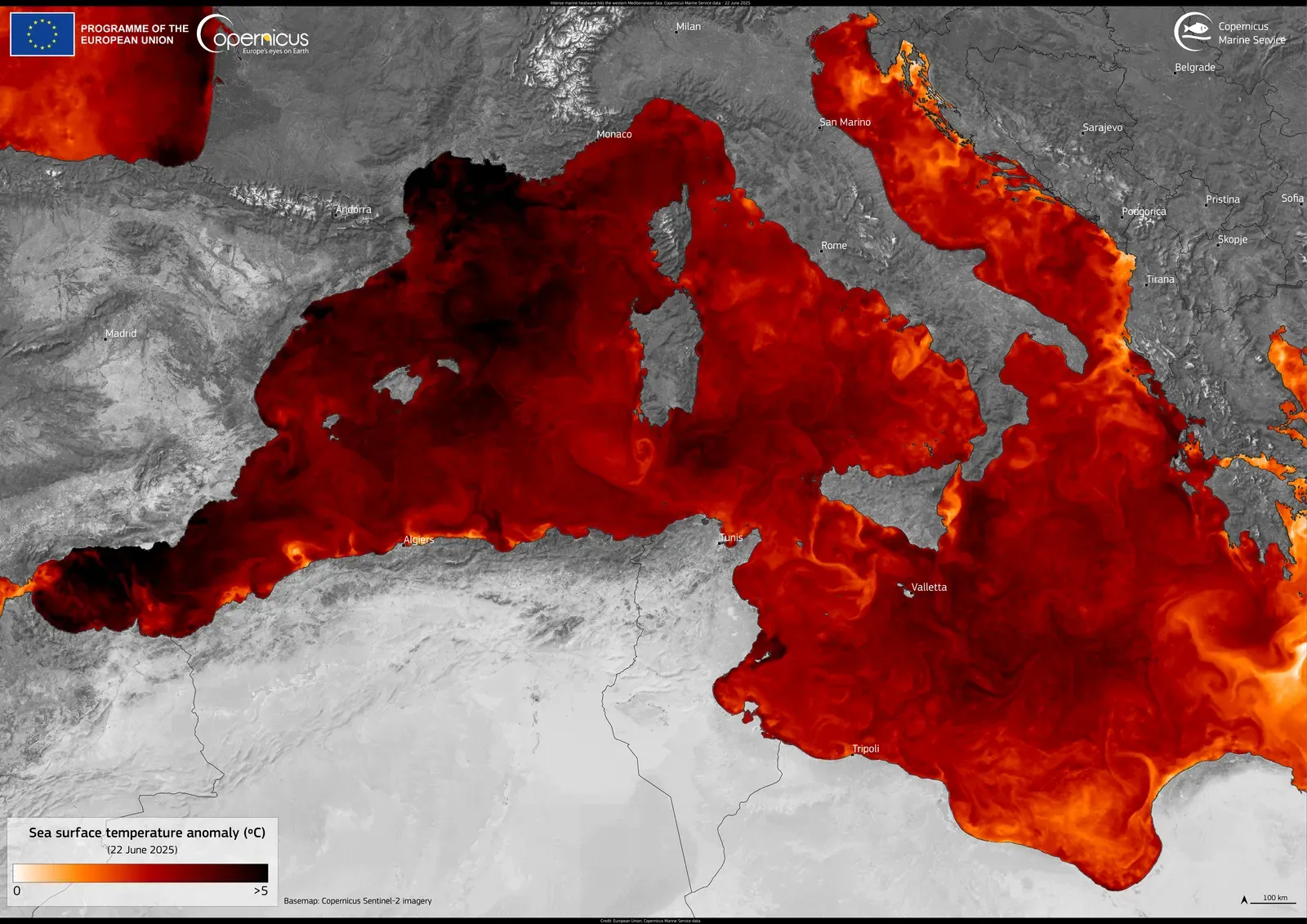
Natural swings still start most events, yet they now unfold on a warmer background. The ocean absorbs approximately 90 percent of the excess heat trapped by greenhouse gas emissions. As a result, naturally occurring marine heatwaves are now more severe.
A study in PNAS put numbers on the effect. It found that global warming is responsible for at least 70 percent of the observed intensity of marine heatwaves across half of the ocean’s surface. The paper’s title also points to a threefold increase in persistence and a rise of about one degree Celsius in intensity.
The Extraordinary Year of 2023
In 2023, the global ocean ran hot in a way that surprised even specialists. Researchers described the most intense and widespread marine heatwaves ever recorded, with some events persisting for more than 500 days. Disruption reached across 96 percent of the ocean.
NOAA scientists coined a term for the strongest of these events, calling them super marine heatwaves. They linked the record sea surface temperatures to a long term warming trend from greenhouse gases, a shift in a multidecadal Pacific, Atlantic and Arctic mode, and the move from La Niña to El Niño.
Oceans Kept Absorbing Heat in 2025

The heat did not fade with the headlines. A study published in January 2026 found that the ocean absorbed more heat in 2025 than in any year since measurements began in the 1960s.
The numbers were stark. According to the Institute of Atmospheric Physics, accumulated ocean heat rose by around 23 zettajoules in 2025, up from 16 in 2024. Several independent groups, including NOAA’s NCEI and Copernicus Marine, confirmed the finding.
Why Heat Makes Corals Turn White
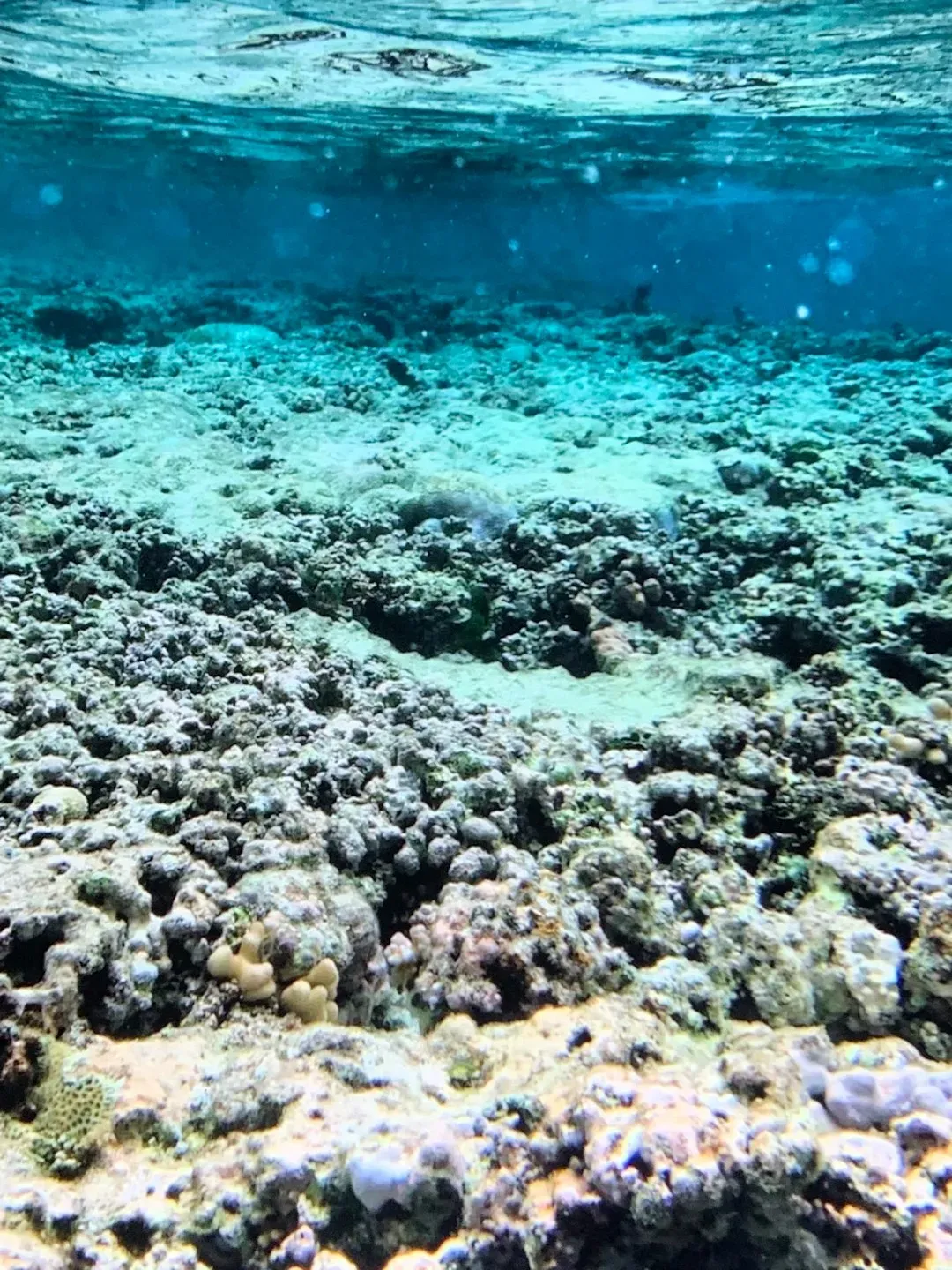
A coral is really a partnership. A tiny animal related to jellyfish builds the hard structure, while even tinier algae turn sunlight into the energy the animal needs. That arrangement works within a narrow temperature range.
When the water gets too warm, the partnership breaks down, and the coral expels its algae and turns white. Bleached coral isn’t dead yet. Still, without its algae it grows more slowly, reproduces less, and can die if the heat is intense or lasts too long.
The Fourth Global Bleaching Event
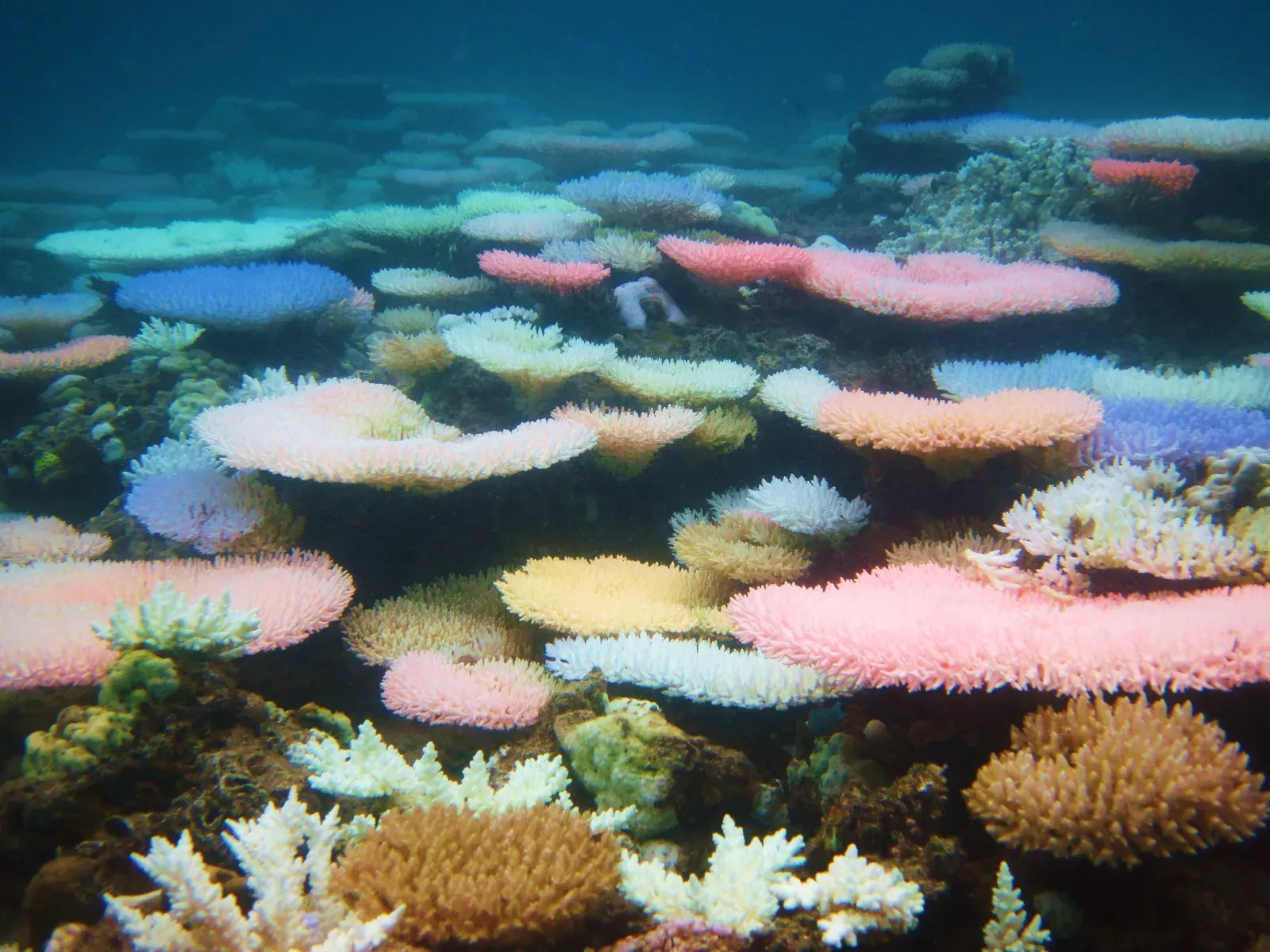
NOAA confirmed the fourth global bleaching event on April 15, 2024. Its final tally is sobering. From early 2023 to mid 2025, bleaching level heat stress affected 84 percent of the world’s reef area, in the Pacific, Atlantic and Indian Oceans. Mass bleaching was documented in at least 83 countries and territories.
Each event has outgrown the last. About one fifth of reefs faced bleaching level heat in 1998, rising to 37 percent in 2010 and 68 percent from 2014 to 2017. In June 2026, NOAA experts said the record breaking event likely concluded in mid 2025.
Local Losses in Florida and Western Australia
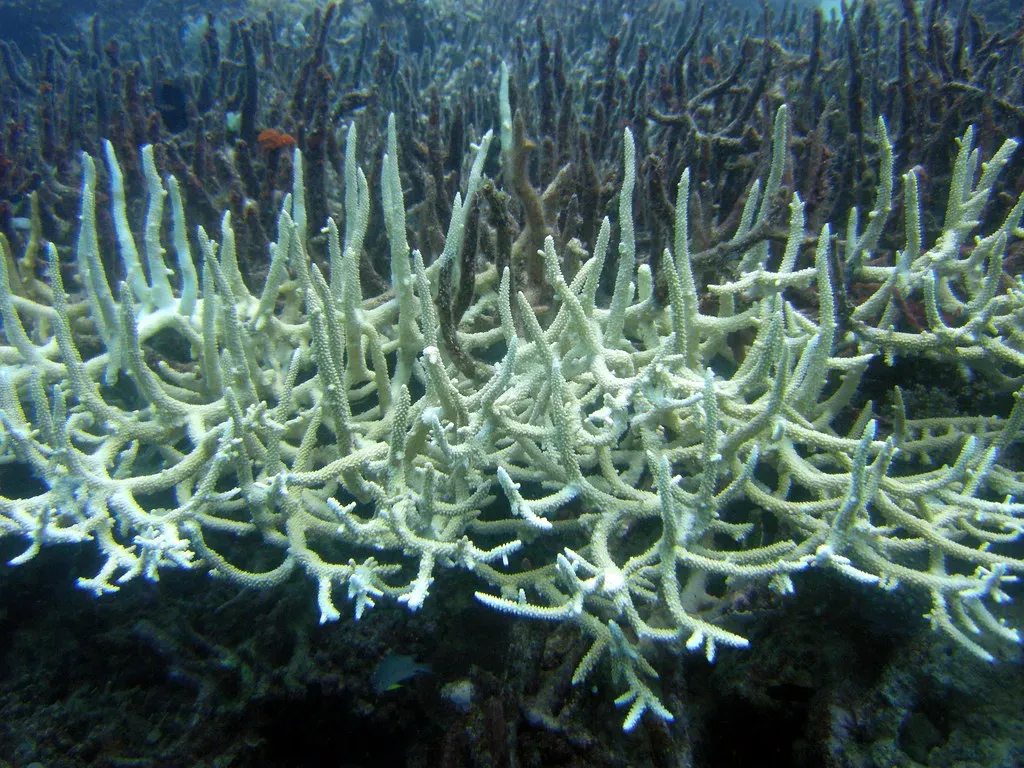
Regional stories show what the global figures can hide. In summer 2023, the Florida Keys and the Caribbean experienced mass bleaching during a record marine heatwave, with water temperatures exceeding 38 degrees Celsius. A November 2025 paper from NOAA Coral Reef Watch in Science reported heat driven functional extinction of Caribbean Acropora corals from Florida’s Coral Reef.
On the other side of the world, Western Australia took a heavy hit in early 2025. NOAA said that event likely bookended the fourth global event. Meanwhile, research in northeastern Peninsular Malaysia tracked species by species bleaching to measure mortality, a reminder that outcomes vary even on one reef.
Reef Protection, Resilience and the Outlook
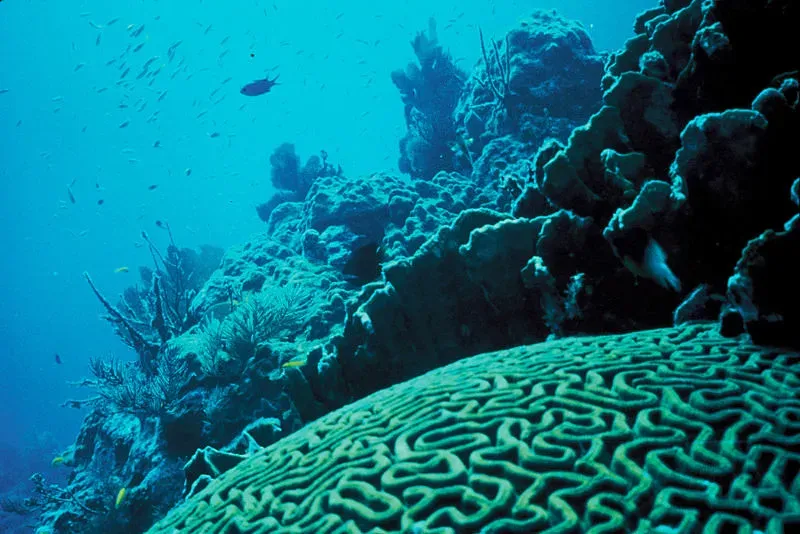
Reefs do far more than look good. Healthy reefs dissipate 97 percent of wave energy that would otherwise erode beaches, and Florida’s reefs protect more than 675 million dollars in property and economic activity each year. That is why losses reach beyond marine life.
Some reefs did survive the heat, and researchers are investigating why certain coral communities endured while others bleached severely. The outlook is less comforting. NOAA’s Derek Manzello noted that reefs will now bleach on a near annual basis, making it harder to define when global events begin and end.

- 9 Wildfire-Season Routines Many California Residents Follow - November 10, 2026
- Most US states face earthquake risk as major fault lines span the country - November 10, 2026
- The Joplin Tornado of 2011 Killed 158 People and Led to New Warning Language - November 10, 2026
