


- Phantom Energy Sucking Power 24/7 – 7 Home Electronics Quietly Inflating Utility Bills - November 14, 2026
- A Million-Mile Storm Raging for Centuries – 6 Violent Weather Wonders in Our System - November 14, 2026
- Animals Flee Hours Before the Tremor – 7 Natural Warnings Before Disasters Strike - November 14, 2026
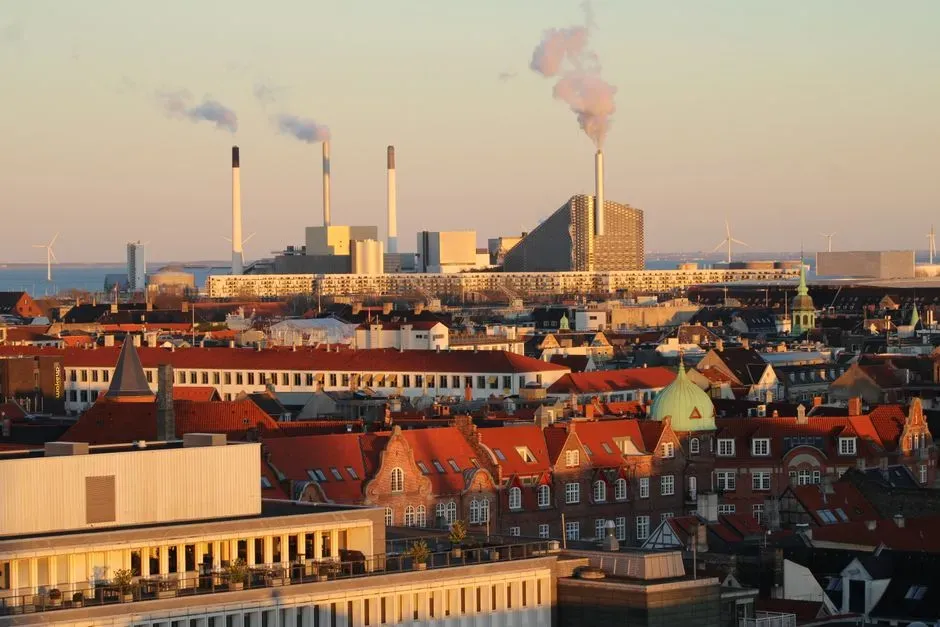
Denmark isn’t known for mountains, yet on the Amager waterfront in Copenhagen you can ski down the roof of a power plant. The building is officially called Amager Bakke, and most people know it as CopenHill. It treats household and business waste and gives the city something to do on weekends.
The idea sounds like a gimmick, but it grew out of a real design competition and a real push for greener infrastructure. Here’s how the pieces fit together, what’s on the roof and walls, and where the project has run into limits.
A Power Plant With a Playground on Top
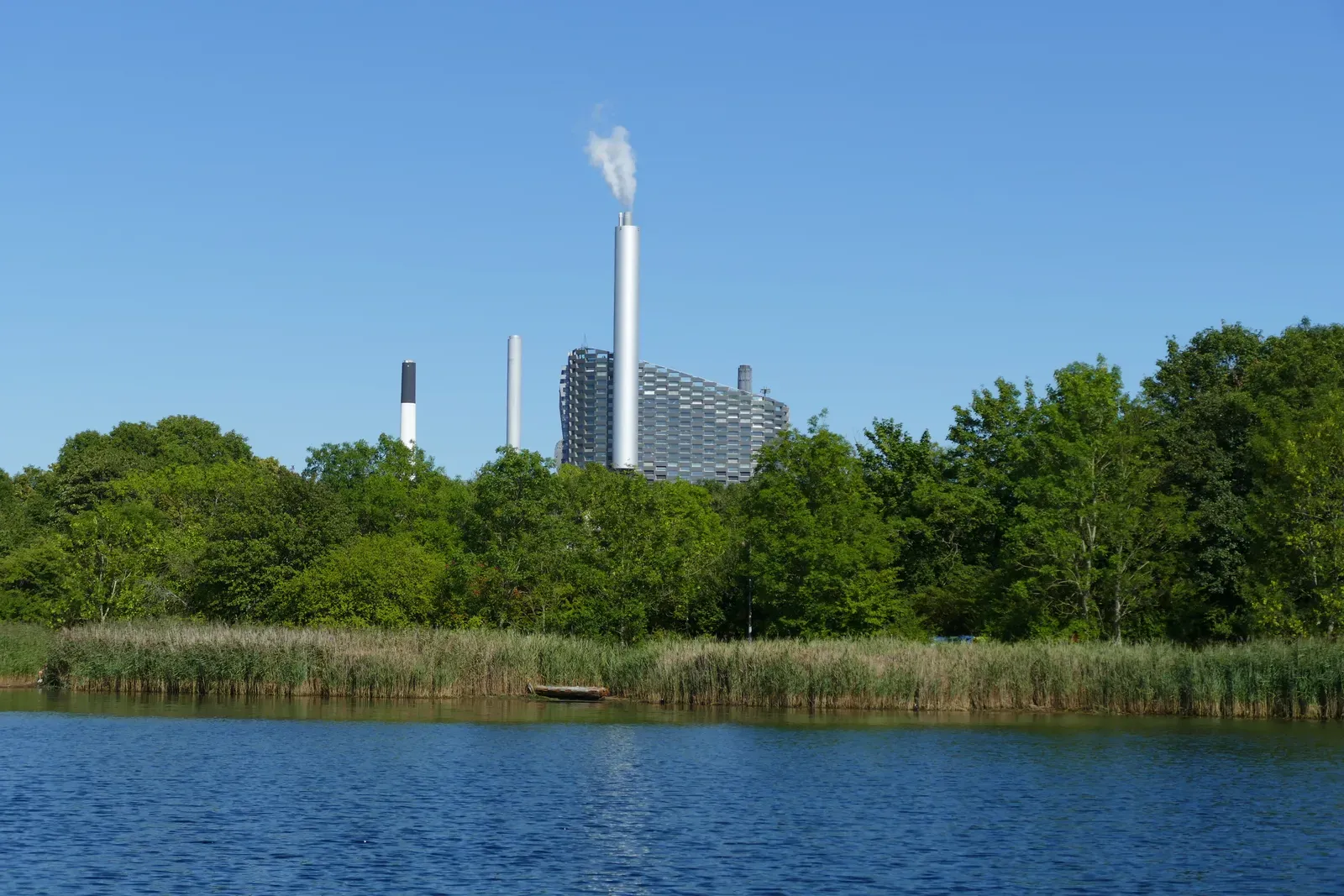
CopenHill is a waste-to-energy plant. The architects, BIG, describe it as a new breed of plant topped with a ski slope, hiking trail and climbing wall. The roof is the recreation area, and the plant works underneath it.
The complex is large. BIG’s description gives the plant 41,000 square meters, with a 10,000 square meter green roof that carries the ski slope and hiking trail, plus 7,000 bushes and 300 trees. The slope is part of the building’s shape, not something added afterward.
The Story Behind Amager Bakke
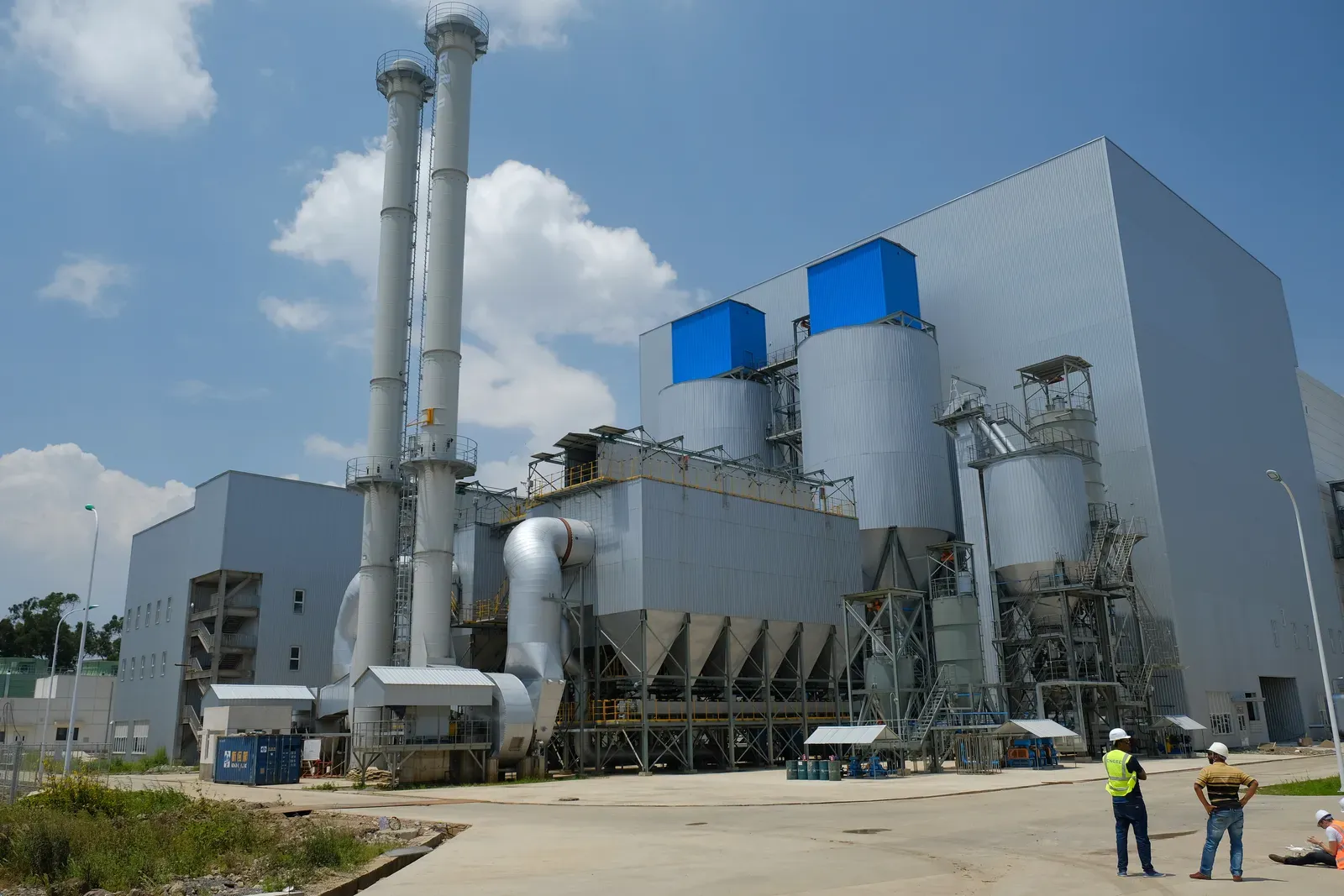
The new plant replaced an old one. It took over from the Amagerværket facility, which had served the city for more than 45 years. BIG’s design won an international competition in 2011.
The first stone was laid on March 4, 2013. The plant officially opened on March 30, 2017. The recreation features came later, which the next section covers.
Hedonistic Sustainability as a Design Idea
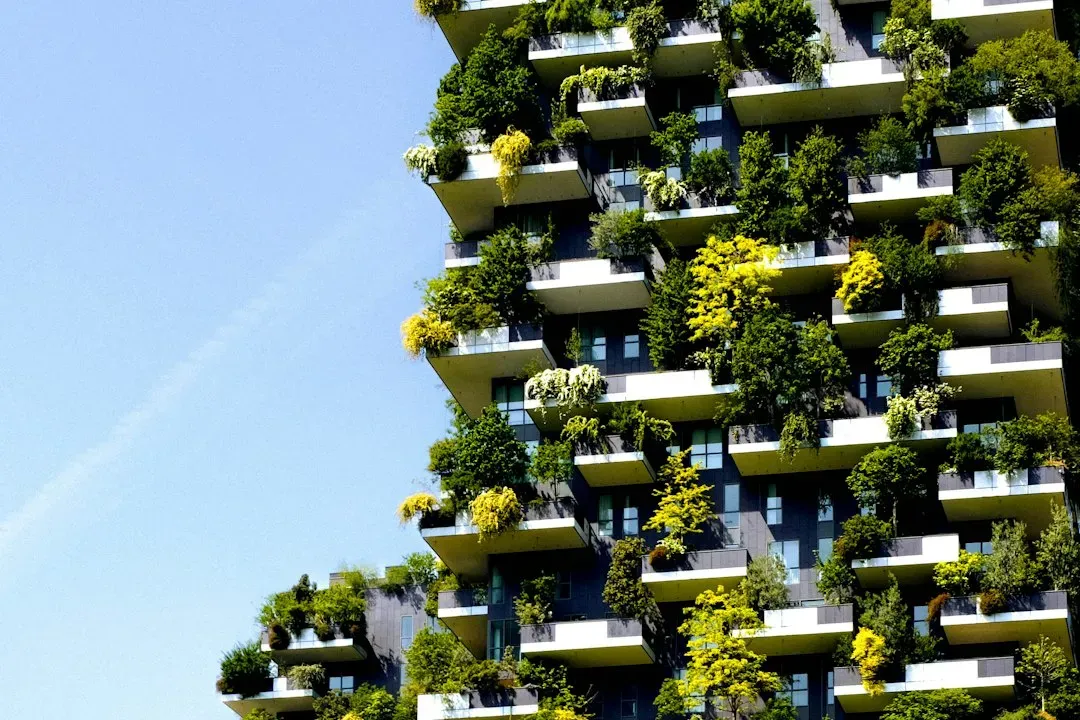
BIG uses the phrase “hedonistic sustainability” for the project. The firm tied it to Copenhagen’s goal of becoming the world’s first carbon-neutral city by 2025. The idea is that green infrastructure should be enjoyable as well as useful.
That’s a design philosophy, not a measured result. The plant’s climate record is more complicated, as a later section explains. Still, putting a public attraction on top of an industrial building changed how many people think about waste facilities.
Skiing on the Roof
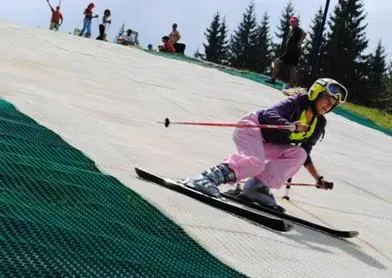
The slope is synthetic. It’s covered in Neveplast and is about 450 meters long. Another source puts it at roughly 400 to 450 meters, with different inclines and ski lifts. Treat the length as approximate.
Because it isn’t snow, it works all year. Cable and magic carpet lifts take visitors to the top. Reviewers note that skiing on an artificial surface feels different from natural snow.
The Climbing Wall and the Hiking Trail
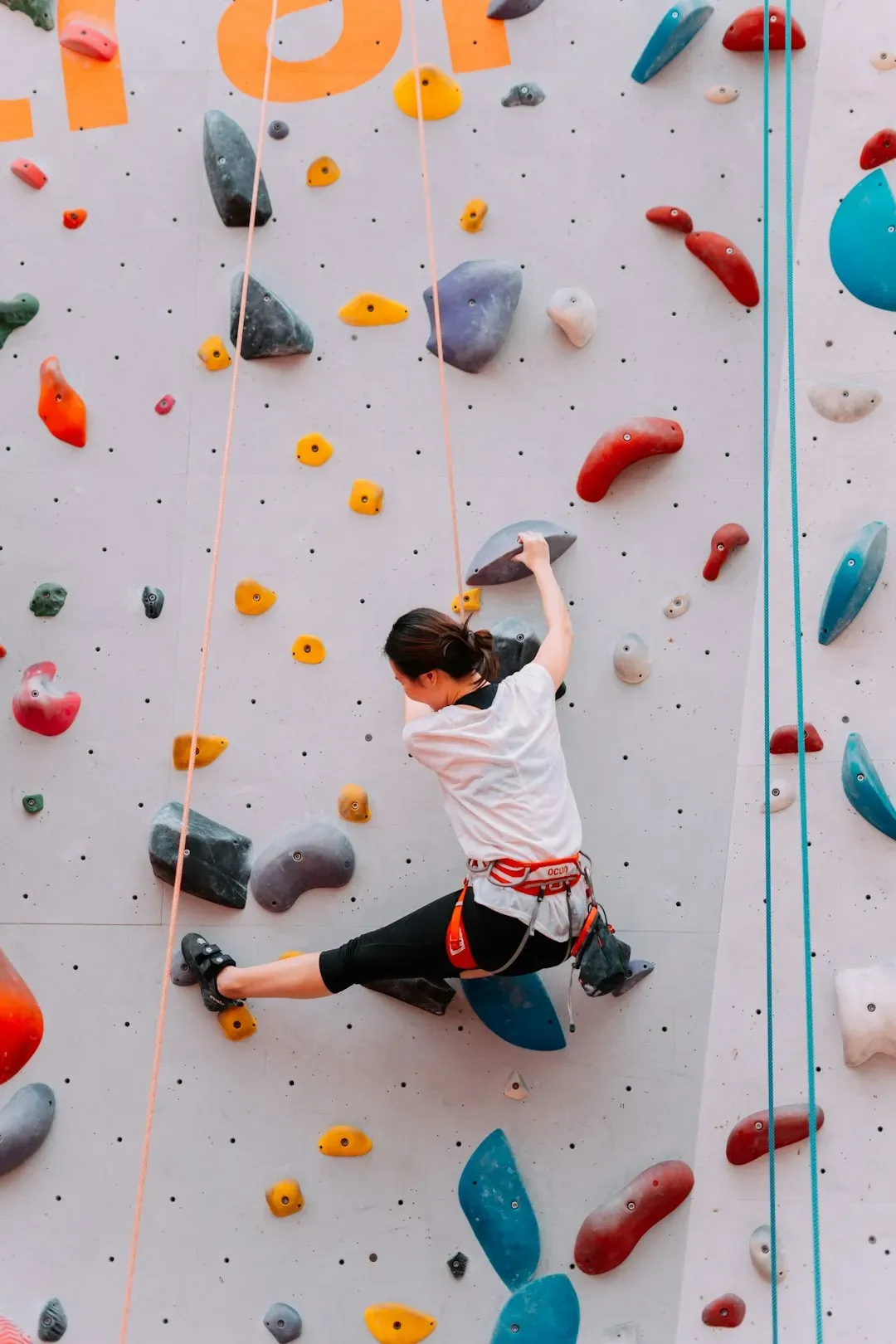
The north face of the building holds a climbing wall. It’s described as the tallest artificial climbing wall in the world, at 85 meters tall and 10 meters wide. Other sources give slightly lower heights, such as 80 or 82 meters, so the exact figure varies by source.
The roof also has a hiking and running trail. The trail is lined with trees and winds across the building’s roof. A traveler’s review says admission to climb is free, but skiing costs money. Check current prices and rules before you go.
Practical Problems on the Wall
A building shared by skiers, walkers and climbers has some awkward spots. One climbing site notes that falling objects from climbers could hit passing skiers and hikers. A catch net was installed.
The net proved too small for multipitch routes, and dropped items often landed 5 to 8 meters beyond it. That site says multipitch climbing was restricted to before 9 a.m. That account comes from a climbing blog, so rules may have changed since.
Recognition and Visitor Numbers
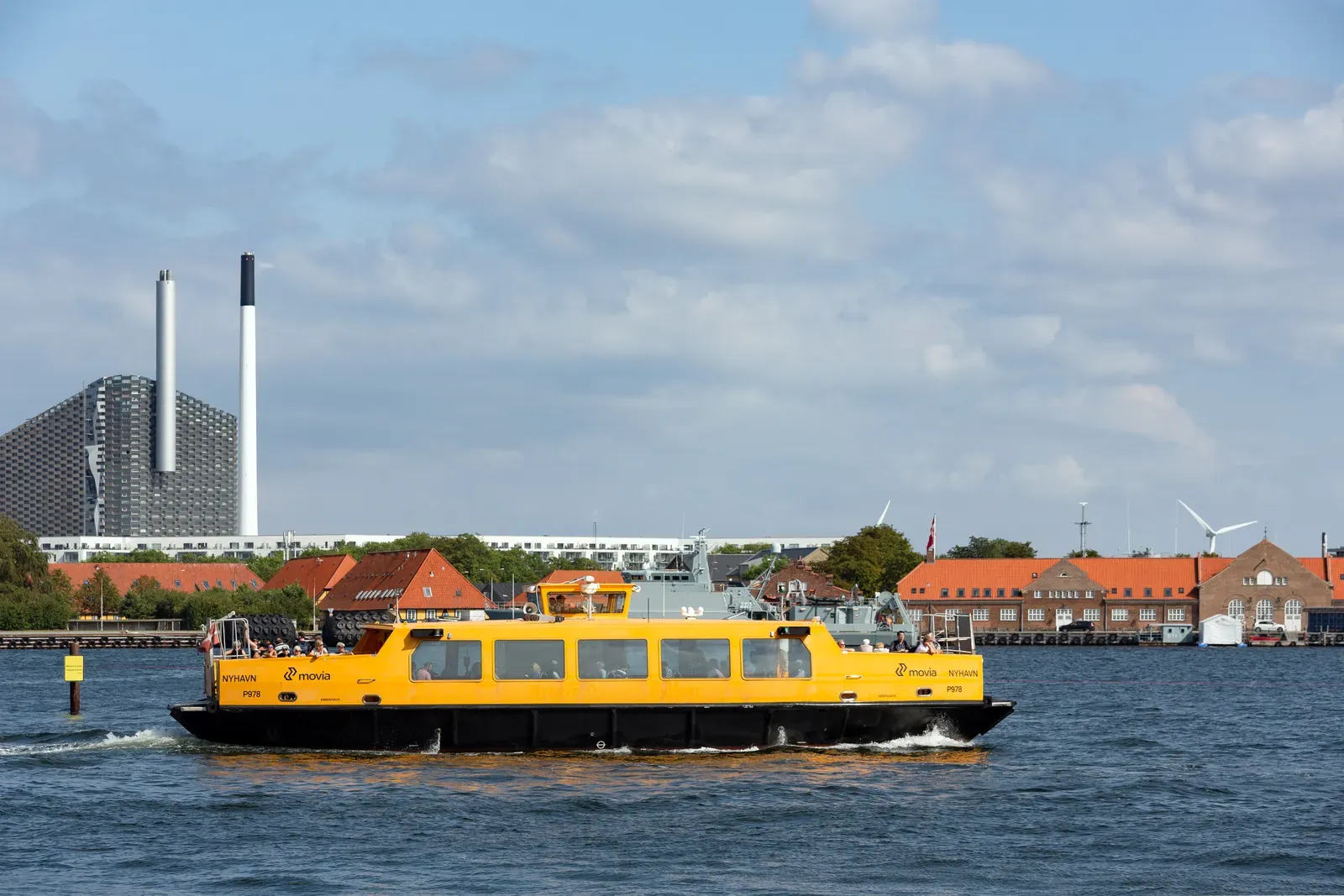
The building has won major recognition. CopenHill was named World Building of the Year 2021 at the World Architecture Festival. The recreational parts opened in December 2018.
Early estimates put attendance at 42,000 to 57,000 visitors a year. Those were projections, not counts, so don’t read them as actual numbers. Also, the building cost about $670 million, and another source puts it at 4 billion Danish kroner.
The Climate Question
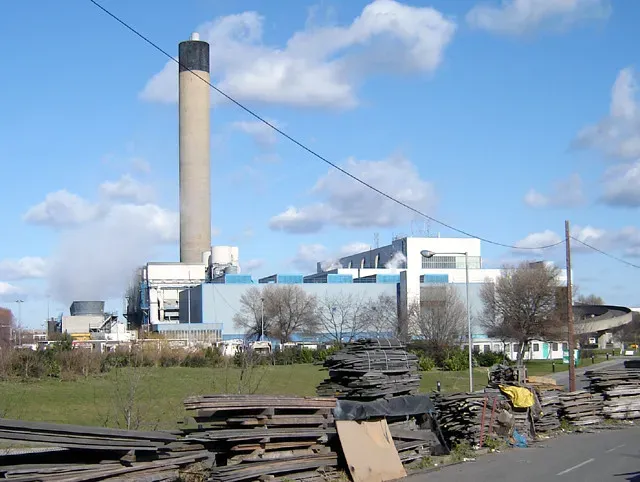
The plant’s emissions and fuel are a separate issue from the ski slope. It was designed to burn 400,000 tons of municipal solid waste a year. Promotional material says advanced filtration is meant to nearly eliminate harmful emissions and odors.
Carbon capture was part of the plan. The operator, Amager Resource Center, was found ineligible for national carbon capture funding in 2022. So the plant’s climate story is still unfinished, whatever happens on the slope.
Conclusion
CopenHill shows that an industrial building can also be a public space. The slope, trail and wall are real and popular, and the design has won awards. The climate case depends on the plant’s operation and the carbon capture it hasn’t yet secured funding for.
The roof is worth a visit, and the open questions underneath are worth keeping in mind while you’re up there.
