

The Atlantic hurricane season runs from June 1 through November 30, and it’s still not over as of mid October. Most of the damage tends to come late in the season, so there’s still time to get a house ready.
For homeowners over 60, preparation involves more than boards and batteries. It also means thinking about medications, mobility, money, and who will check in when the lights go out. The steps below are practical and can be done a little at a time.
Understand What the 2026 Forecast Does and Doesn’t Mean
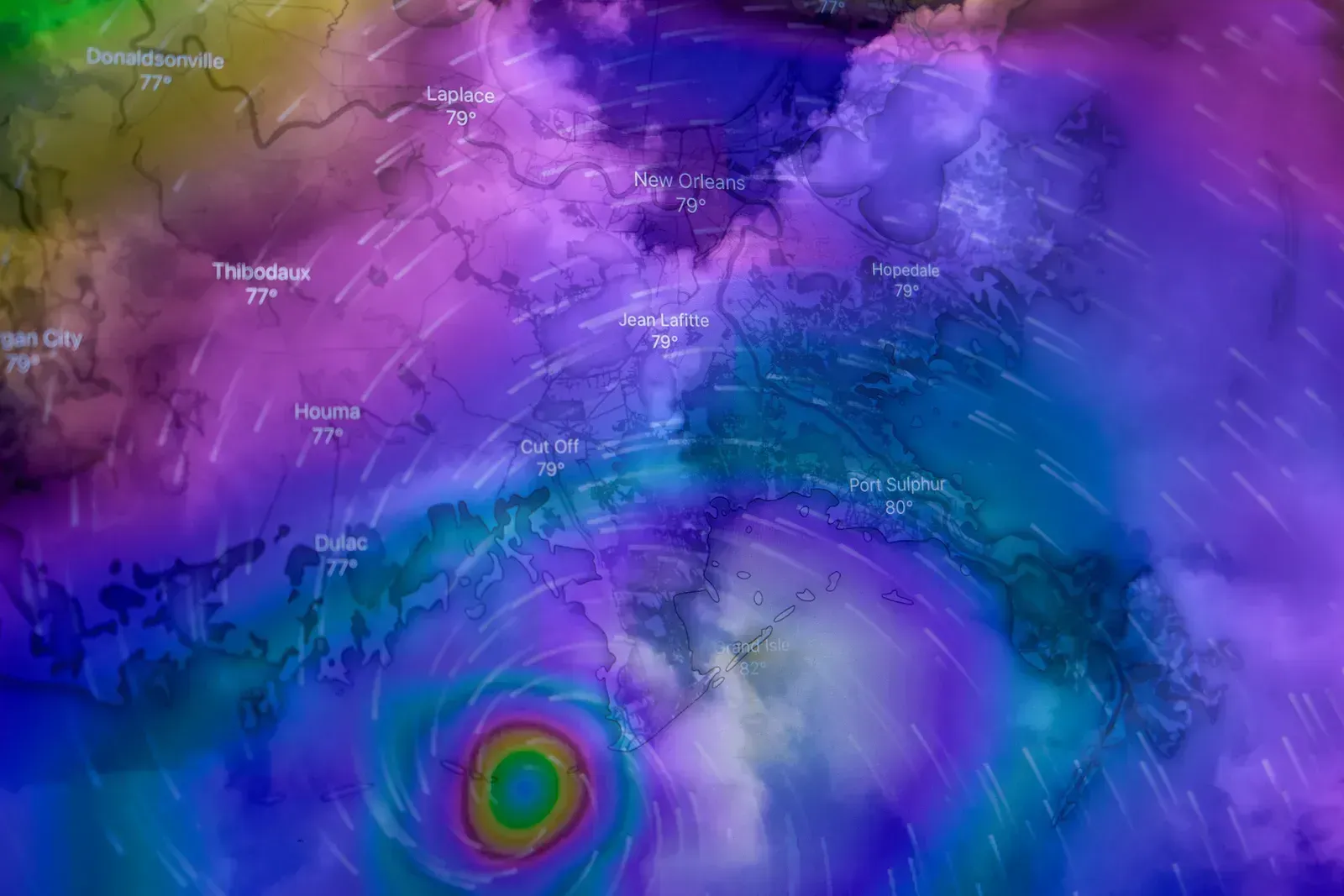
NOAA’s 2026 forecast called for a below normal Atlantic hurricane season, with fewer named storms and hurricanes than average. El Niño commonly increases upper level winds over parts of the Atlantic, which can disrupt tropical cyclone organization.
That’s useful context, but it isn’t a promise for your street. NOAA stresses that its outlook describes overall Atlantic activity and is not a landfall forecast for any individual location. Most activity is expected in August, September, and October.
Know Your Risk From Water and Wind
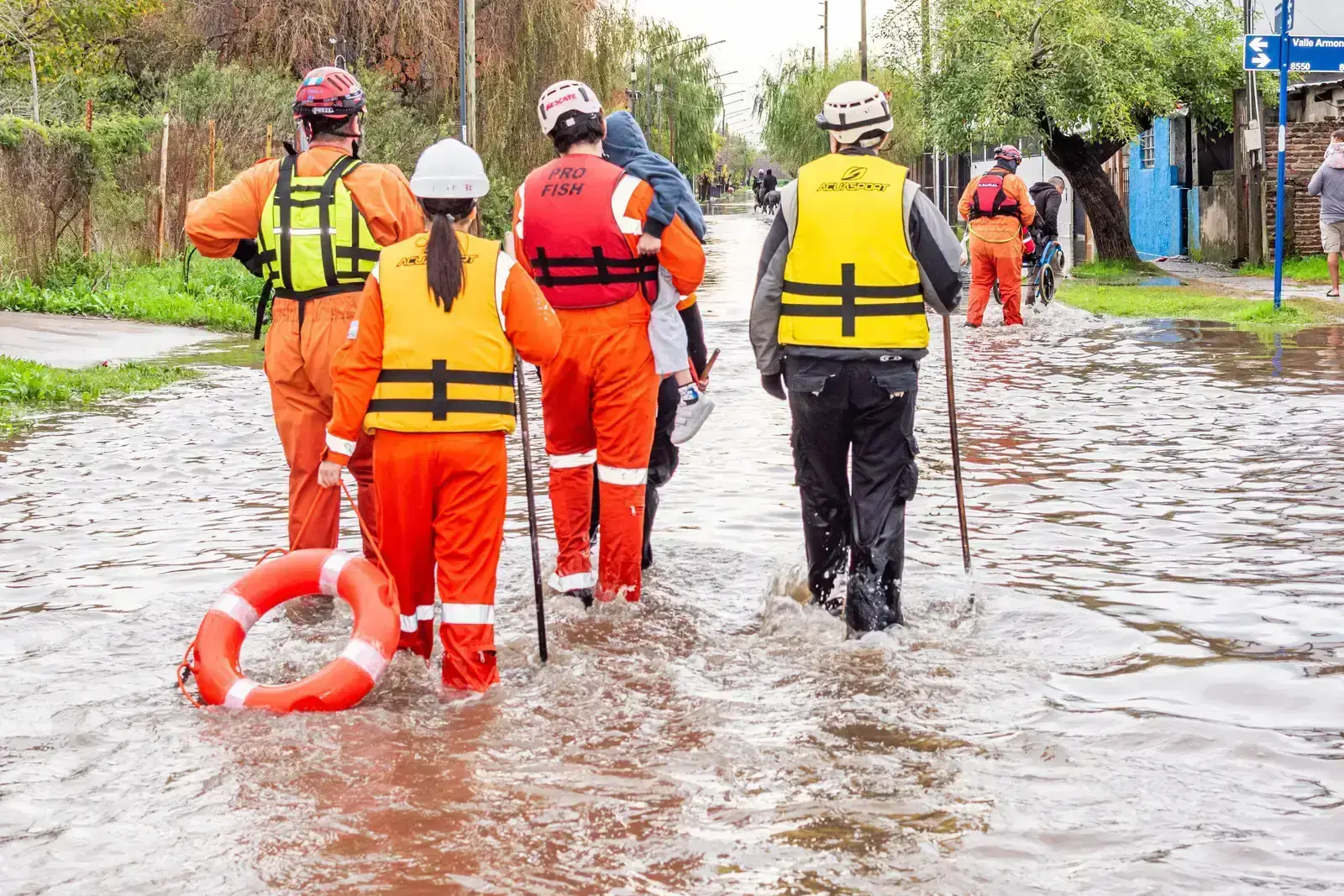
Before buying anything, find out which hazards apply to your address. A useful set of questions is whether you live in an evacuation zone, a flood zone, or a wind borne debris region. Your county emergency management office can usually answer these.
Water is often the bigger threat. Storm surge can build walls of water up to 20 feet high and reach 50 to 100 miles inland. If your zone is told to leave, that decision is made long before the wind arrives.
Check Your Insurance Before a Storm Is Named

Sit down with your policy and an agent well ahead of time. Standard homeowners insurance does not cover flooding, so a separate flood policy matters if you’re in a risk area. Ask about your hurricane deductible too, since it’s often a percentage of your home’s value rather than a flat amount.
The scale of recent losses explains the caution. Hurricanes Helene and Milton in 2024 combined for over $6.6 billion in insured losses and hundreds of thousands of claims, according to one Florida legal source. Photograph each room and keep copies of the policy somewhere safe, away from the house if possible.
Strengthen Doors, Windows, and the Garage

Openings are where wind gets in. Hurricane resistant doors should have at least three hinges and a one inch dead bolt. Sliding glass doors need protection just like windows.
Don’t overlook the garage door. A reinforced garage door is often the failure point that pressurizes a house and lifts the roof. You don’t have to do everything in one year. Spreading upgrades across several years is a sensible way to manage cost, and shutters you can close from inside are easier on aging knees and backs than panels you must hang from a ladder.
Reinforce the Roof and Tidy the Yard
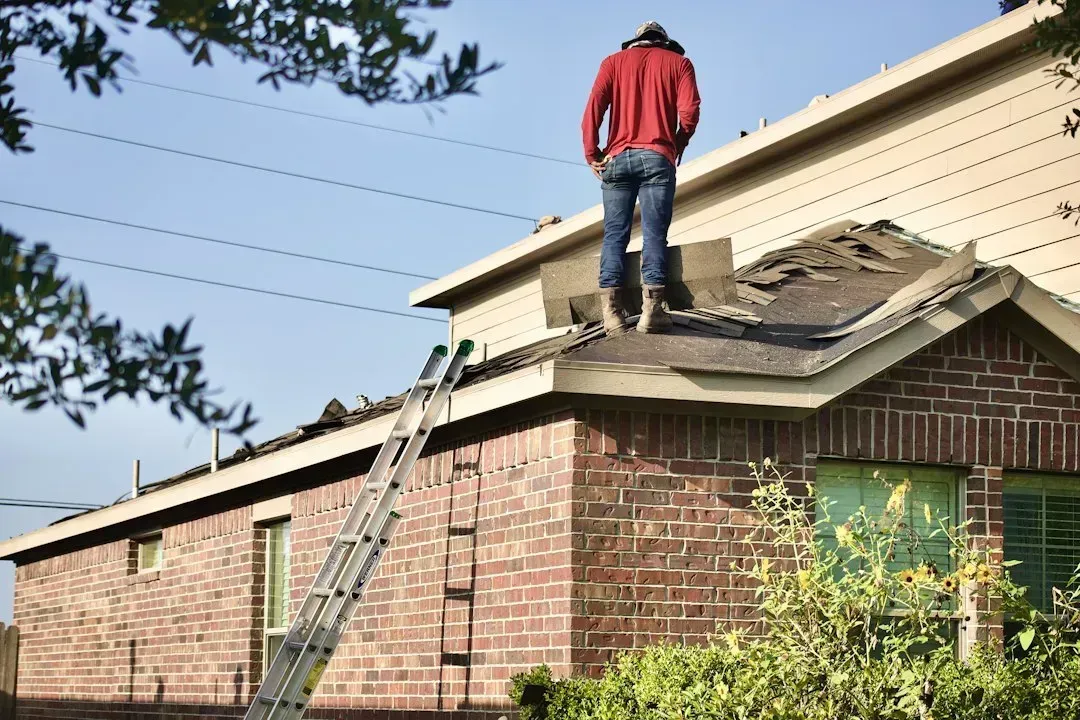
Straps or hurricane clips can secure roof connections, and gable end roofs benefit from added bracing. A licensed roofer can tell you whether your roof is a good candidate and what it would cost.
Outdoors, the goal is fewer projectiles. Remove weak trees and trim branches and shrubs. Bring smaller items indoors, and hire help for heavy lifting or tree work rather than risking a fall.
Stock Medications, Water, and Easy Food

Medication is the first priority. Keep at least a week’s supply on hand, and ask your pharmacy about an early refill if a storm is forecast. Refrigerated medicines like insulin need a cooling plan, so ask your pharmacist how long they stay safe without power.
For the pantry, think simple. A few gallons of water and food that needs no cooking, built up gradually over normal shopping trips, is a manageable approach. Add a flashlight, spare batteries, and any supplies for hearing aids or mobility devices.
Plan for Power Outages and Communication
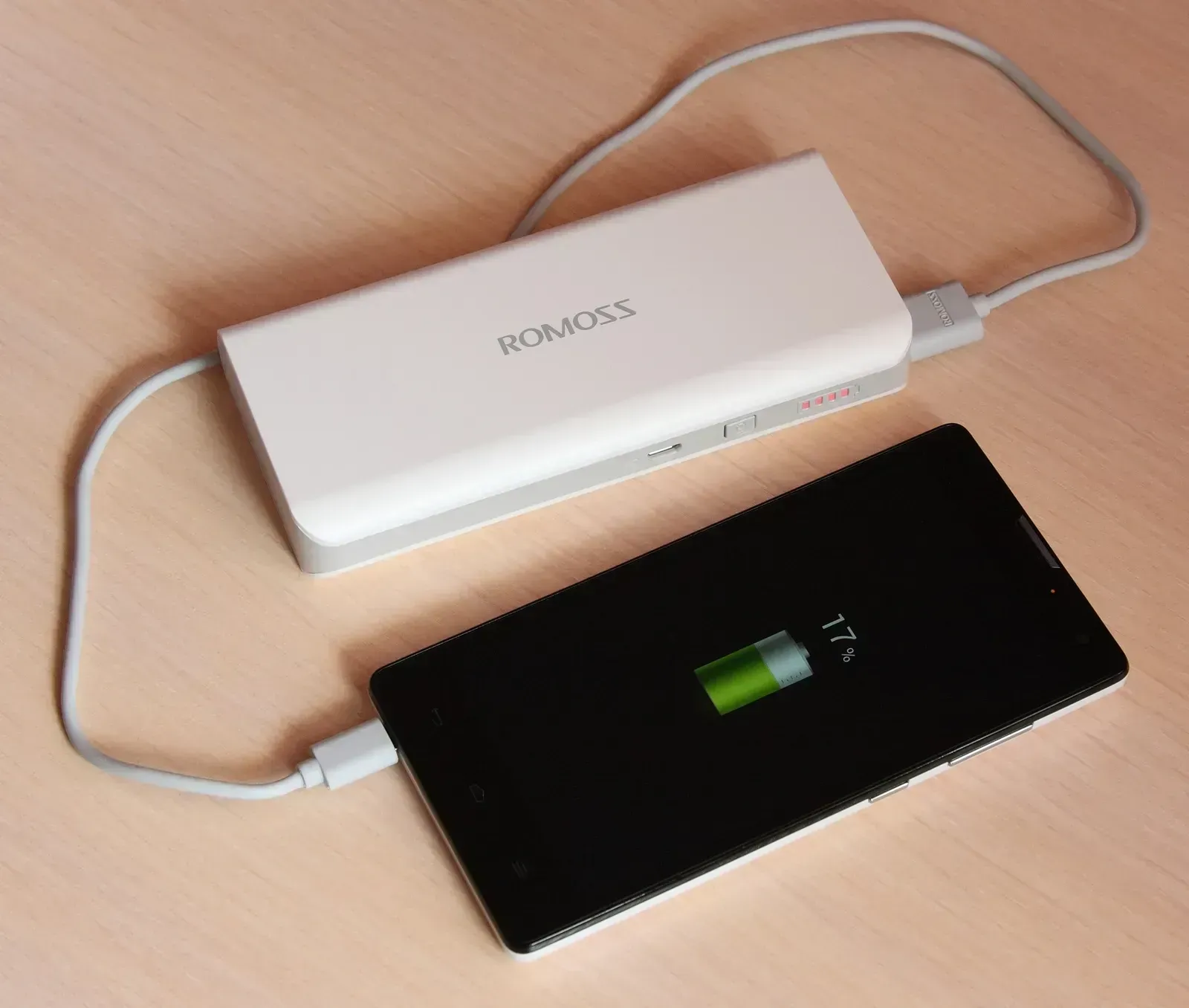
A charged phone and one inexpensive backup battery pack, kept charged, means a call for help is always possible. If you rely on medical equipment that needs electricity, tell your utility company in advance. Many utilities keep priority lists, though the rules vary by area.
Keep contacts, medications, doctors, and conditions on paper, in case devices die. A family communication plan should also include an out of state contact. Agree on who will check on you and how often.
Decide Early Whether You’ll Stay or Go
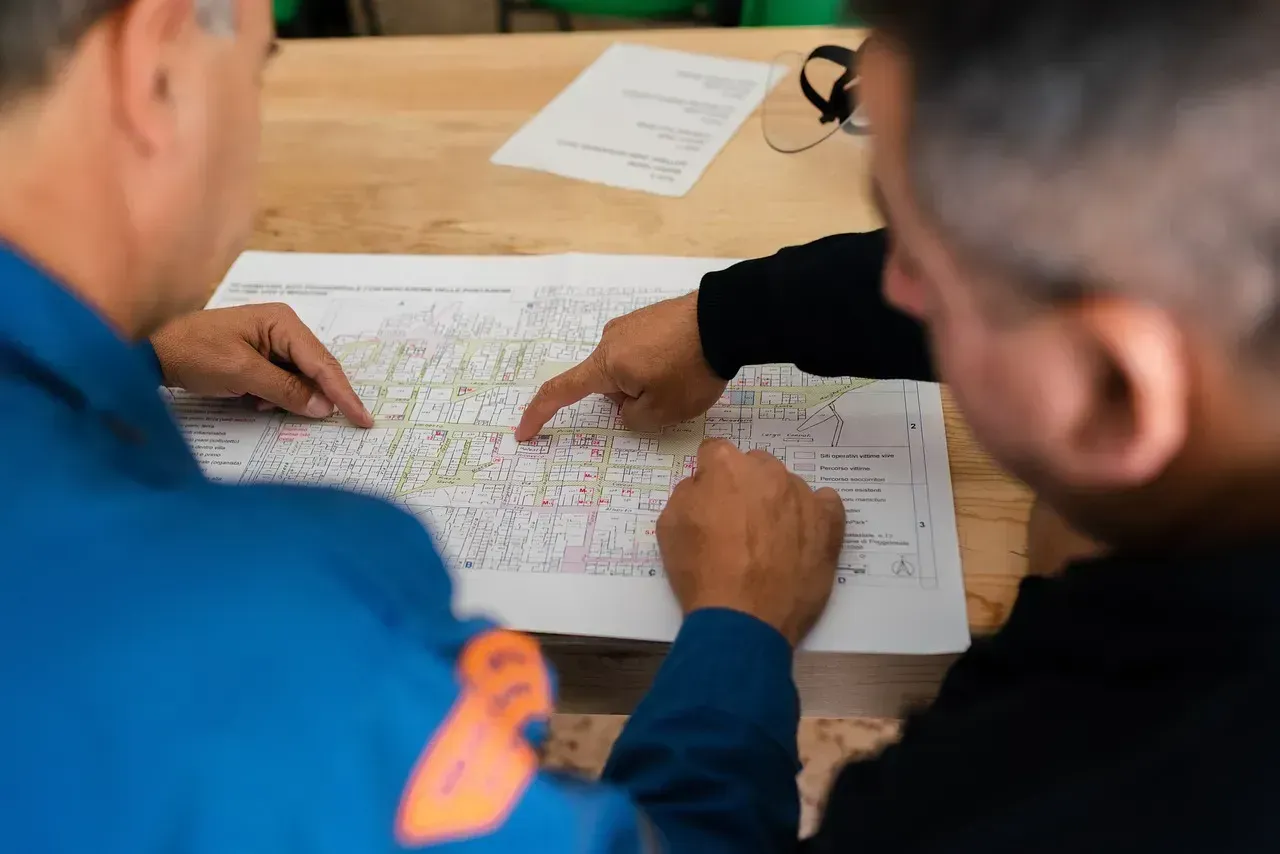
Leaving is much harder once traffic builds and fuel runs short. A workable plan includes a packed bag, a route, a destination, and a deadline to leave by. If you have mobility limits, ask your local emergency office about transportation help and special needs shelters before you need them.
Choose a destination that suits your health. A relative’s home inland may work better than a crowded public shelter. Fill your gas tank, and keep some cash on hand, since card machines can fail during outages.
Gather Documents and Know the Warning Terms
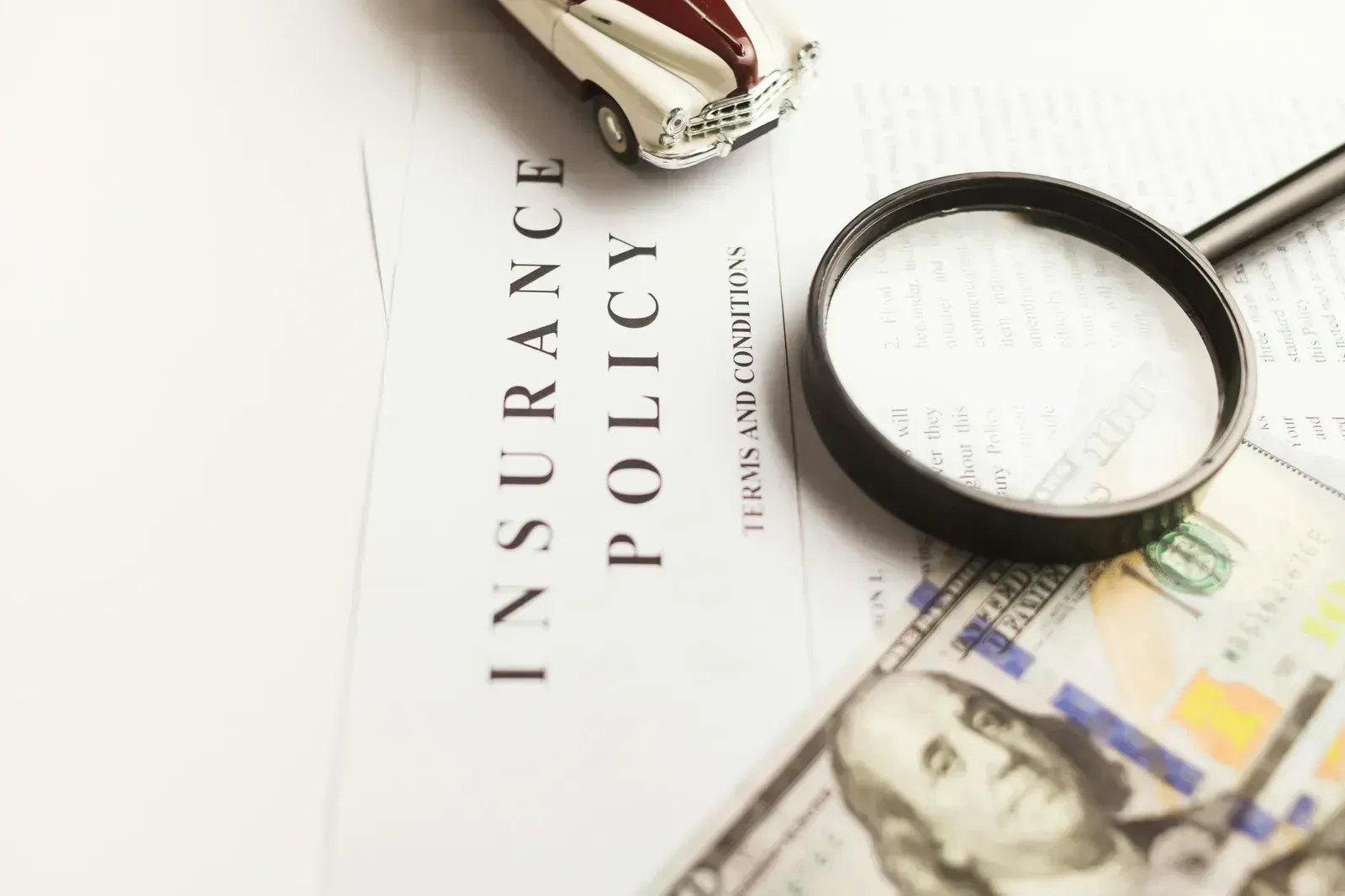
Put identification, insurance policies, medical records, and property documents in one waterproof folder. Digital copies stored securely online give you a backup if the paper ones are lost. Keep the folder where you can reach it in a hurry.
Learn the difference between a watch and a warning, and sign up for local alerts. Keep monitoring the National Hurricane Center’s forecasts and advisories throughout the season. NOAA notes it only takes one storm to cause a disaster, and a landfall’s location and intensity can’t be predicted months ahead.

- The Shoreline Sucked Dry in Seconds – 5 Tsunami Signals Beachgoers Mistake for Low Tide - November 14, 2026
- 9 Dark-Sky Destinations Around the World Where the Stars Look Unreal - November 14, 2026
- The Fault Line That Never Slips – 7 Locked Seismic Zones Overdue for a Massive Release - November 14, 2026
