

Wildfire comes up in nearly every conversation about leaving California. It rarely comes up as the only reason, but it often tips the decision. Moving guides and local reporting suggest that many newcomers end up swapping one fire problem for a different one.
This article doesn’t rely on made up testimonials. It sticks to the themes that recur in relocation guides and to documented fire and weather records from 2024 through 2026. Together they show what people moving north tend to notice, and where the comparison holds up.
A Different Kind of Fire Problem
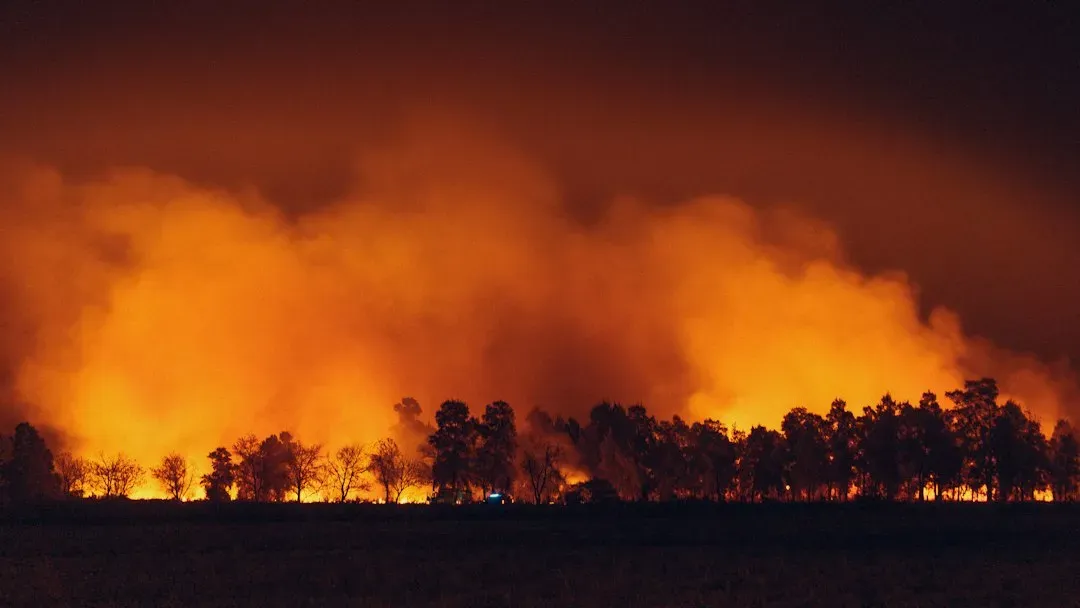
One 2026 relocation guide sums up a common view of the trade. California’s risk is described as structural, meaning homes burn, while eastern Idaho’s risk is mostly August air quality from fires elsewhere. That framing matches how many movers describe the change.
It isn’t a promise of safety, though. The same guide limits the claim to the populated valleys of eastern Idaho, not the whole state. Fire exposure in Idaho depends heavily on where you buy, especially near foothills and forest edges.
What California Fire Risk Looked Like in 2025
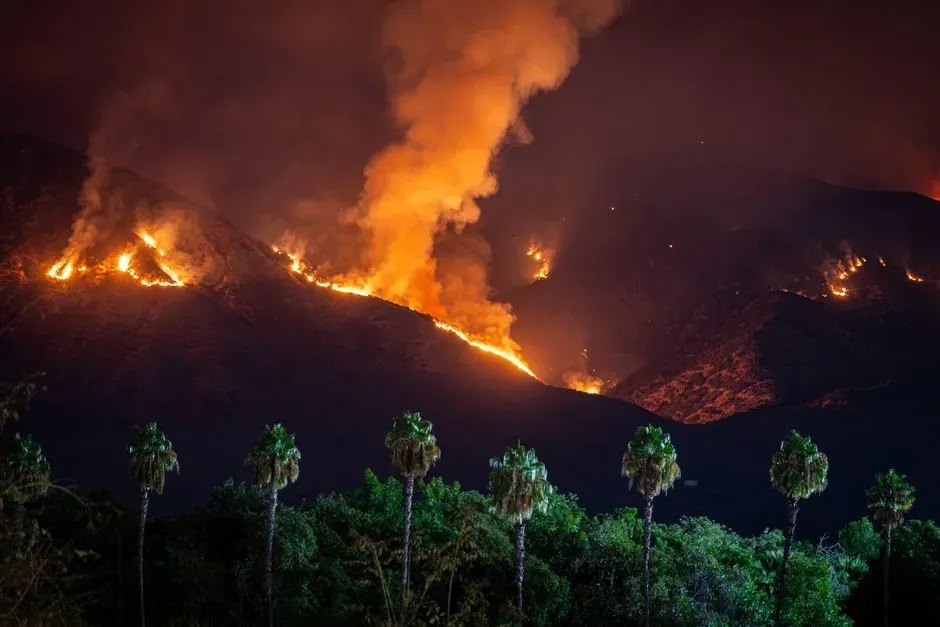
The January 2025 Los Angeles fires remain the clearest reference point for many people who left. The Palisades Fire spanned 23,448 acres and destroyed 6,837 structures, claiming 12 lives. The Eaton Fire destroyed 9,418 structures in Altadena and Pasadena, making it the second most destructive fire in California history.
Part of what unsettled residents was the timing. The fires struck outside the usual peak season for Southern California, after a prolonged winter drought and amid dangerously high winds. For people who had assumed fire was a late summer worry, that was a hard lesson.
How 2026 Has Gone in California
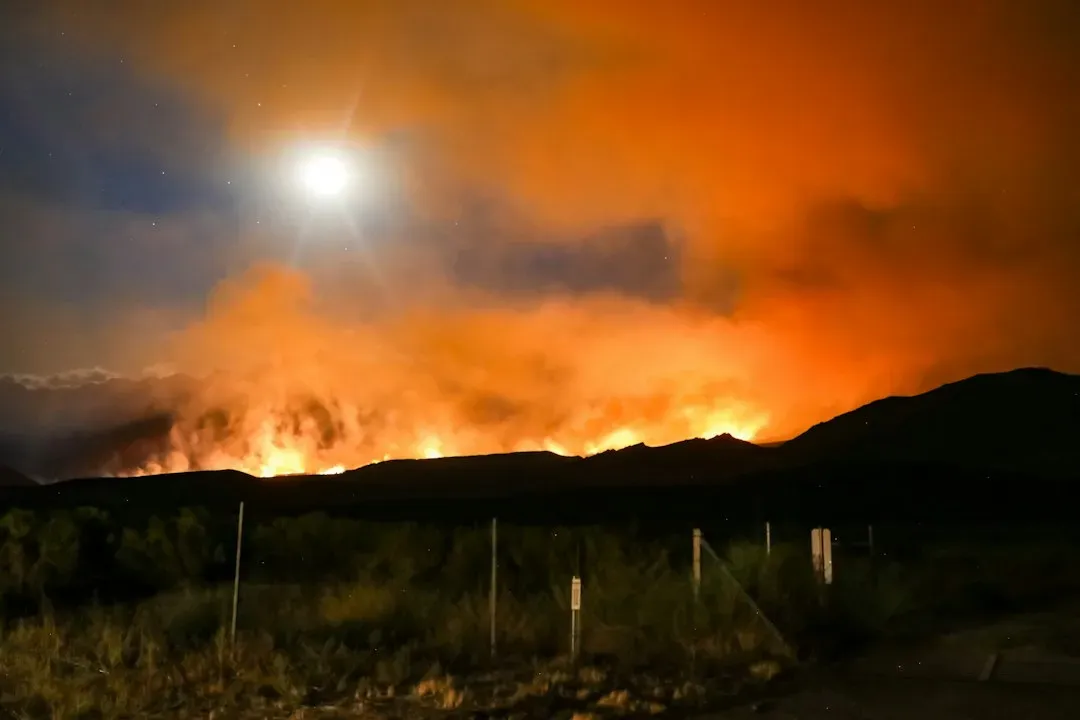
California’s 2026 season has been smaller by acreage so far. One running tally lists 5,701 fires and about 328,950 acres burned, with one death and 157 structures destroyed. Compared with the previous year, that is a quieter picture.
Even so, evacuations have kept happening. The Sandy Fire in Simi Valley prompted mandatory evacuation orders for more than 23,000 people. Those tallies are still changing, so the final numbers may differ.
Why Insurance Keeps Coming Up
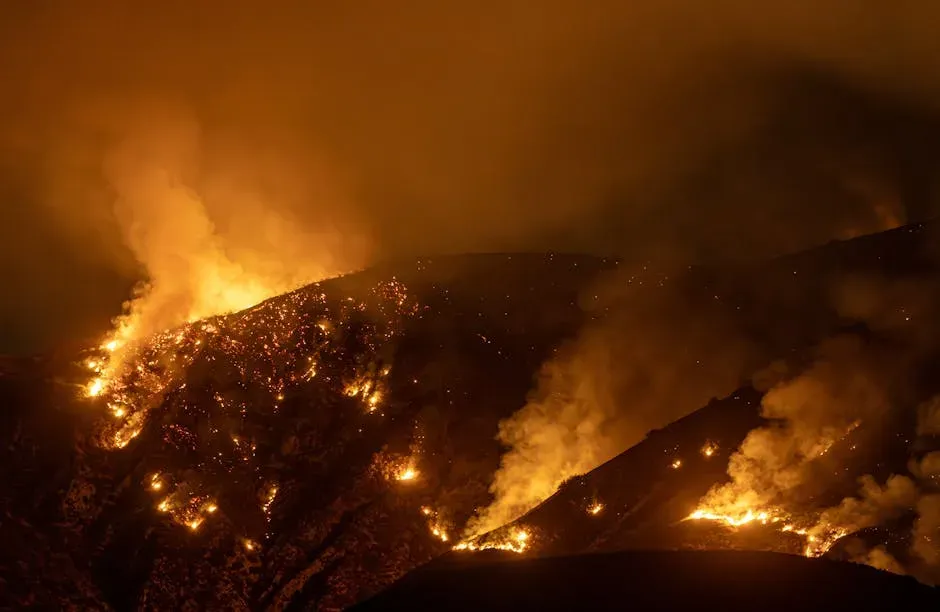
Many people who left say cost and coverage mattered as much as flames. After severe fires and huge insured losses, insurers have raised premiums or pulled back from high risk areas of California. That can leave households leaning on the state’s insurer of last resort.
The numbers behind the worry are large. Preliminary estimates put losses from the Palisades and Eaton fires between 76 and 131 billion dollars, with insured losses up to 45 billion. The California FAIR Plan offers less complete coverage than private insurers.
Idaho’s Heavy Fire Year in 2024
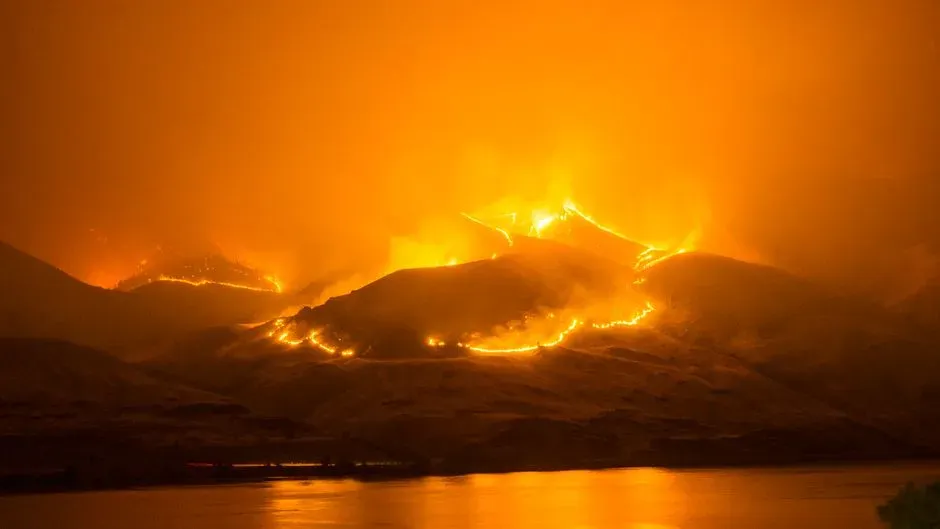
Idaho isn’t a quiet refuge. By October 1, 2024, nearly 826,000 acres had burned, the highest total since 2012, mostly across the Boise and Payette National Forests. That season followed a pattern of wet winters that grew brush, which later dried out.
For newcomers, the lesson is that fire in Idaho swings widely from year to year. In 2023, only 87,801 acres burned, far below the ten year average of about 600,000. A mild year can give a false sense of the norm.
What Idaho’s 2026 Season Has Shown
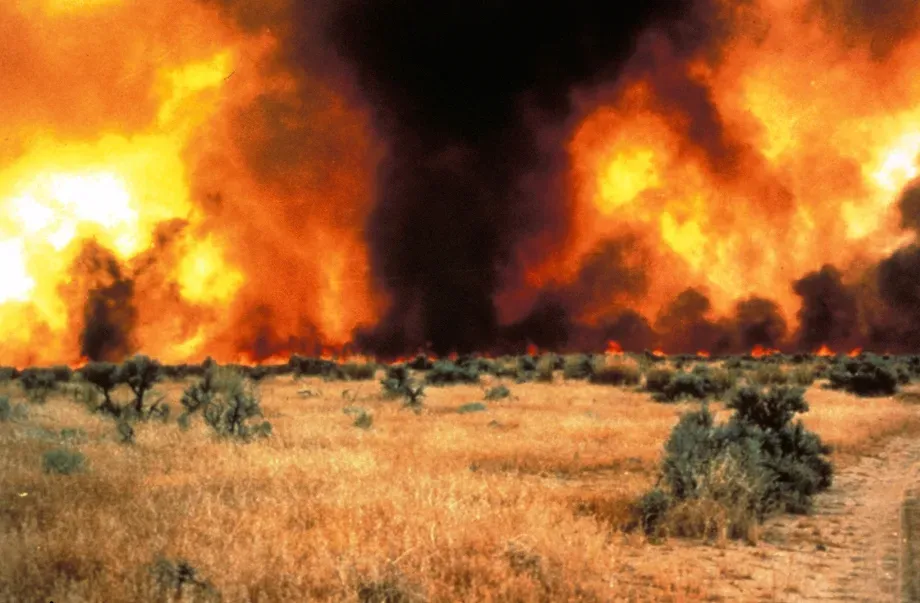
This year has been a busy one. Nearly 700,000 acres had burned across Idaho by late summer, and state officials expected fire risk to stay high through September. The Claremont Fire spread through the Boise Foothills in July 2026.
Dry conditions set the stage. A forecaster said much of southern Idaho was in moderate to extreme drought going into the season, compared with only moderate drought the year before. Idaho officials also reported that 227 wildfires on state lands cost more than 47 million dollars, and nearly all were caused by people.
Smoke Blowing In From Oregon
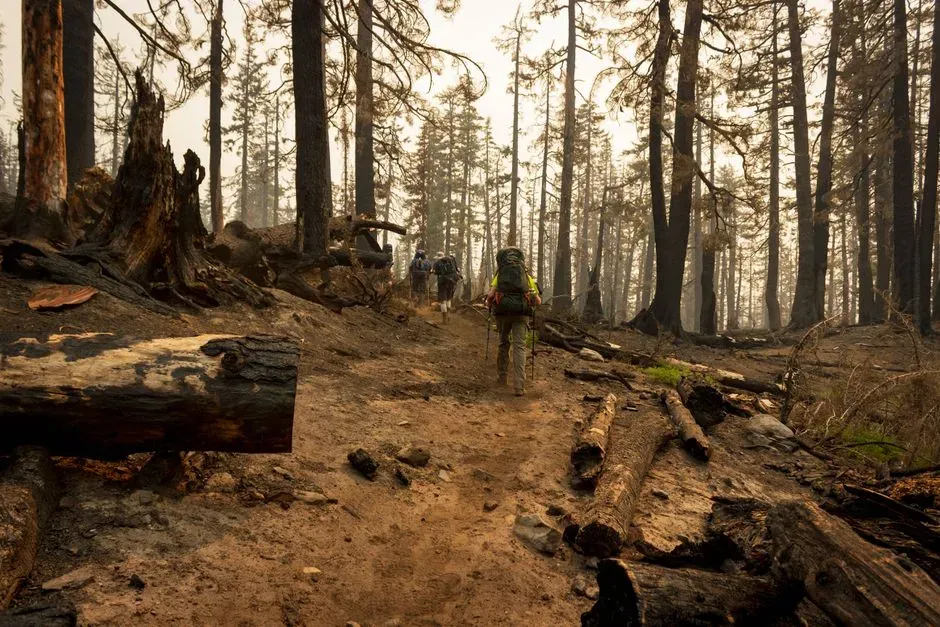
For many Boise area residents, the daily experience of fire is smoke. In the summer of 2026, several large fires in eastern Oregon kept producing plumes that could move into Idaho. A large area of high pressure kept conditions hot and dry and held a southwest wind pattern in place.
Oregon’s season has been severe. Its cumulative acreage passed two million, surpassing the 2024 record of 1.93 million acres. Idaho’s air quality can therefore suffer even when nothing nearby is burning.
Winters and Inversions in Idaho
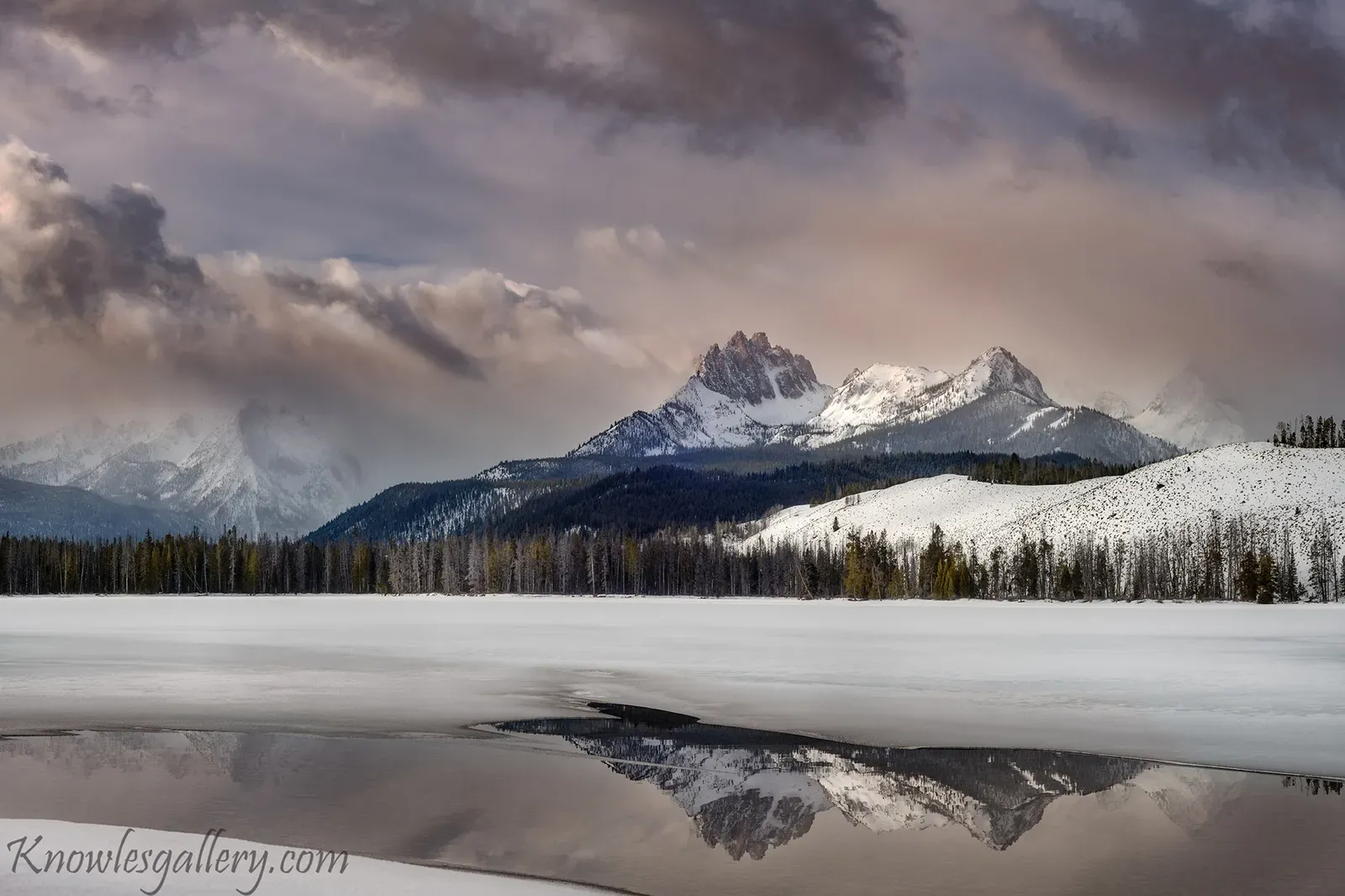
Weather is the other half of the comparison. One relocation guide warns that winter brings weeks of freezing temperatures and inversion fog that traps cold air in the Treasure Valley, while August and September smoke can close outdoor life for stretches. Californians used to mild coastal winters often mention that adjustment first.
There is a sunnier side. One guide says eastern Idaho gets more clear winter days than the Bay Area gets clear summer ones. Its practical advice for the cold season is plain: a real winter coat, real boots, an all wheel drive vehicle, and a humidifier for sleep.

- The Shoreline Sucked Dry in Seconds – 5 Tsunami Signals Beachgoers Mistake for Low Tide - November 14, 2026
- 9 Dark-Sky Destinations Around the World Where the Stars Look Unreal - November 14, 2026
- The Fault Line That Never Slips – 7 Locked Seismic Zones Overdue for a Massive Release - November 14, 2026
