

In 2025, Danish onshore and offshore turbines produced about 19 terawatt-hours of electricity. According to Energinet’s Electricity Market Report 2025, that equaled 60 per cent of all electricity produced inside the country. No other country gets a bigger share of its domestic generation from wind.
That didn’t happen by luck, and it didn’t happen overnight. It came from decades of policy choices, grid engineering and cooperation with neighbors. The story starts in the 1970s.
A Small Country With a Long Wind Habit
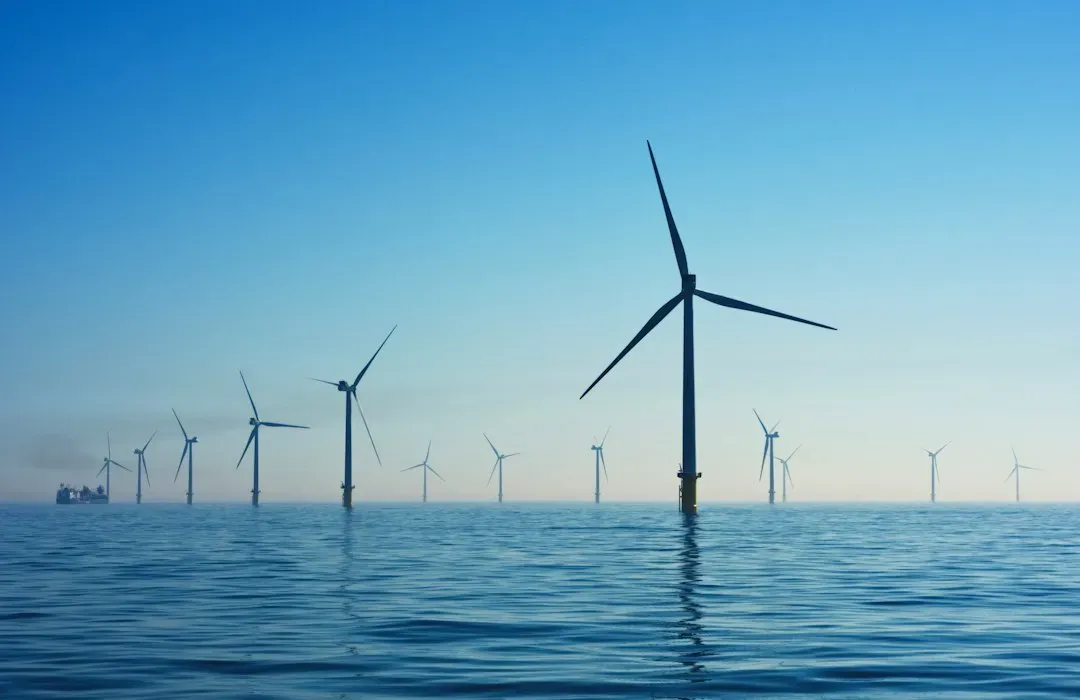
Denmark invested in wind power development in the 1970s and has had the highest wind share in the world ever since. The push came from a country with few domestic energy resources and a strong appetite for alternatives to imported fuel.
Public sentiment mattered as well. The Danish anti-nuclear movement’s smiling-sun logo, “Atomkraft, Nej Tak”, spread worldwide, and renewable alternatives were promoted by the Danish Organisation for Renewable Energy. Wind turned into the practical answer to a political question.
Policy That Cleared the Path
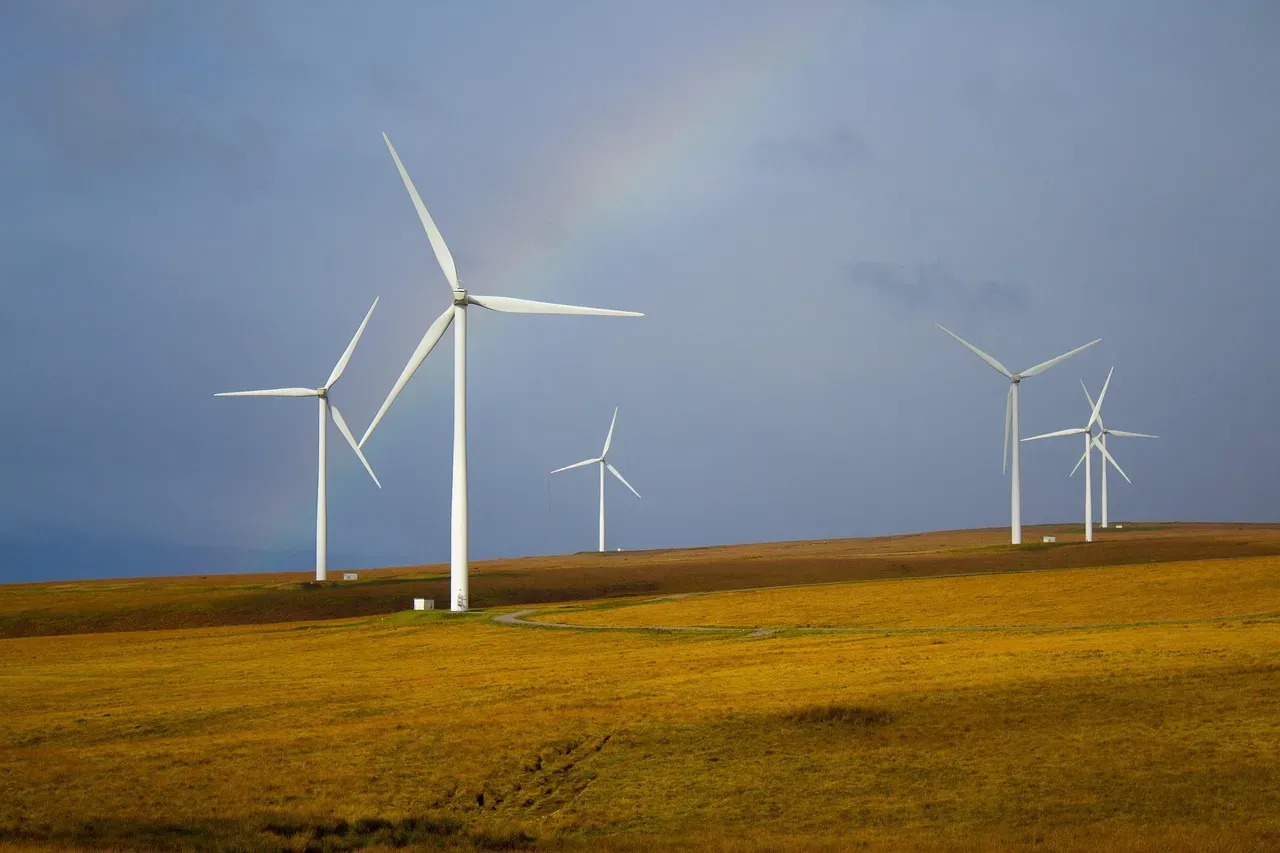
Early targets gave the industry something to aim for. Denmark adopted a target of cutting carbon emissions by 22% from 1988 levels by 2005. Wind was a major tool for getting there.
Planning rules helped too. Authorities deliberately streamlined wind power planning to minimise hurdles. Fewer bottlenecks meant developers could build with more certainty, which in turn drew investment.
How the Share Climbed Over Time
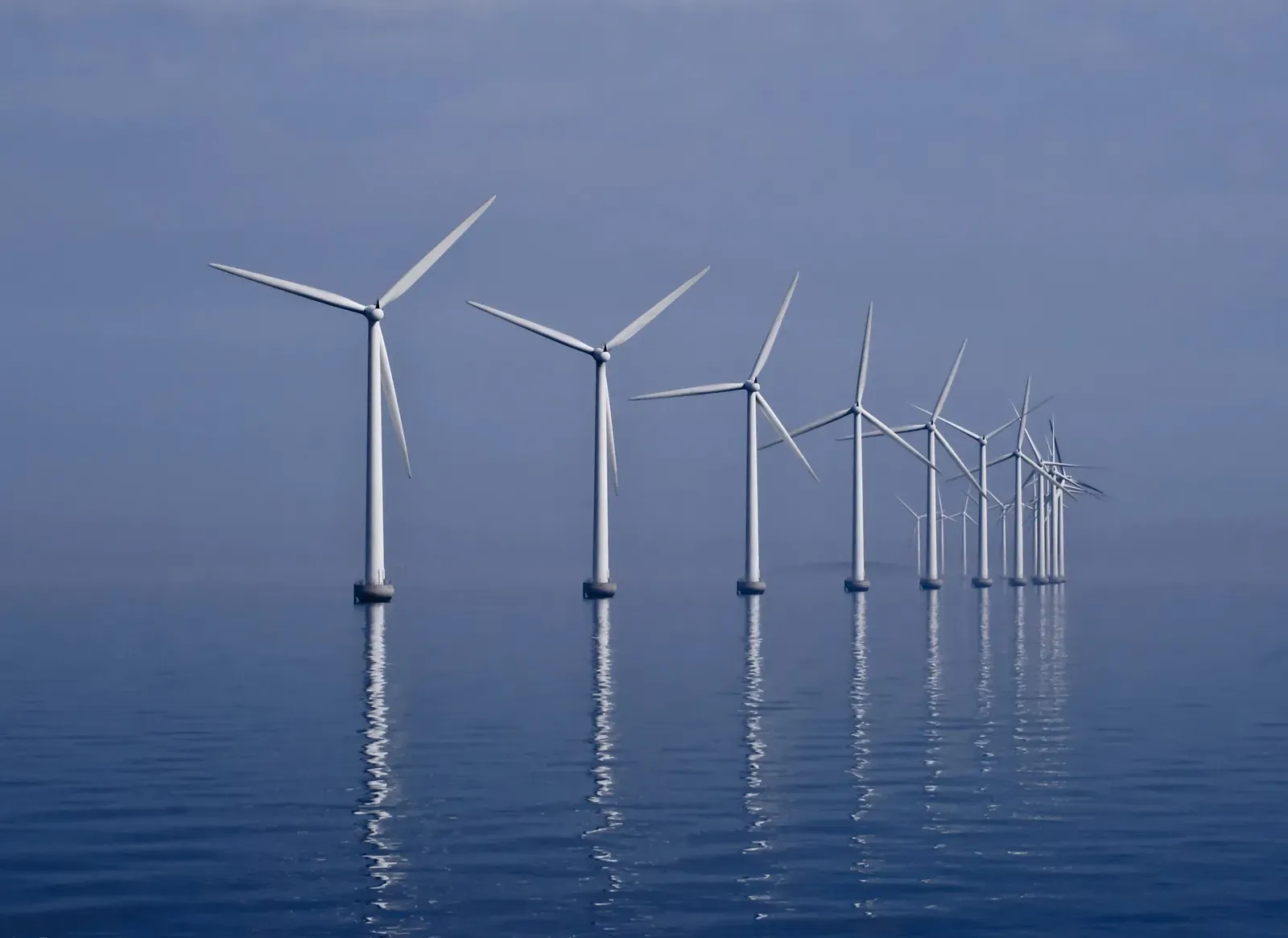
The growth curve is steep. Wind made up 59.3% of electricity generation in 2024, up from 56% in 2020, 20% in 2010 and 11% in 2000. Along the way, wind accounted for 47% of production in 2019, compared with 41% in 2018.
Offshore farms drove part of that rise. Horns Rev 3 came online in the North Sea in 2019, and offshore’s share of electricity rose from 14% to 18% that year, while onshore accounted for 29%. Each large project moved the national figure noticeably.
The Numbers for 2024 and 2025
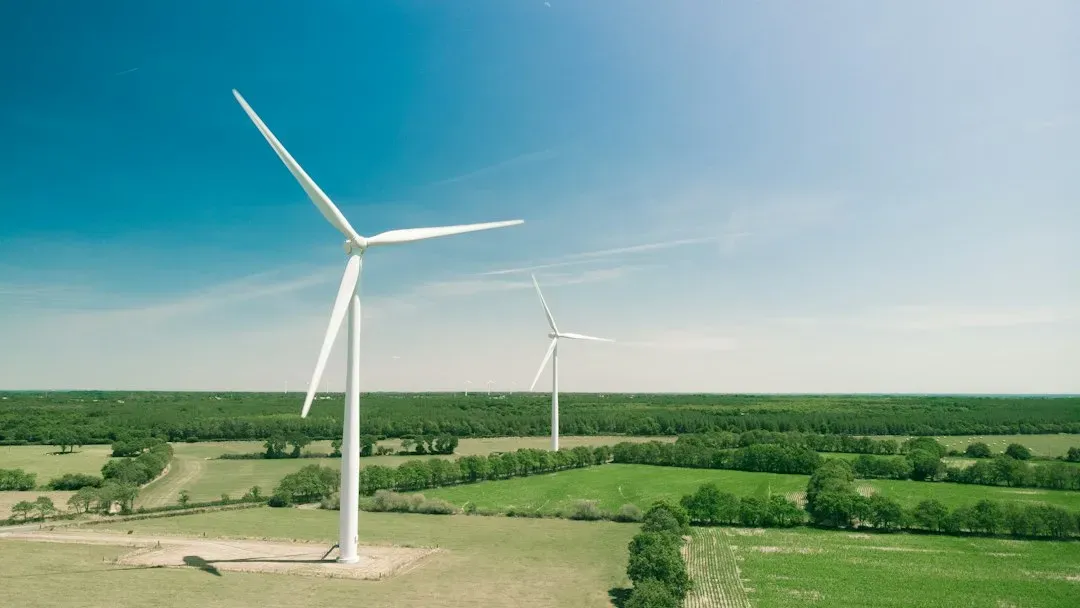
Recent figures show a mature system. In 2024, total generation was 35.3 TWh, with wind at 20.6 TWh, about 58%, followed by biofuels and waste at 23% and solar at 11%. Coal and natural gas made up a small remainder.
Then 2025 turned out to be a weak wind year. Danish turbines produced 1.5 terawatt-hours less electricity than in 2024. Even so, Energinet puts wind at 59.3 per cent of production in 2024 and 58.7 per cent in 2025.
What “Over Half” Actually Measures
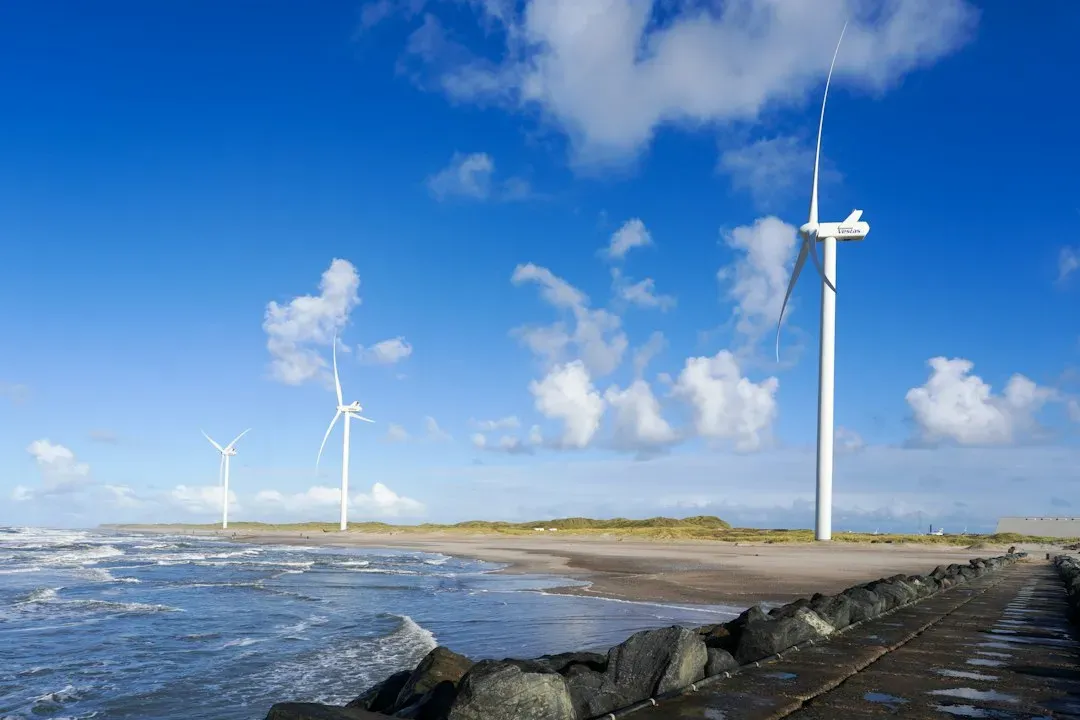
The headline figure needs context. Energinet describes wind’s share of electricity generated in Denmark, not the share of every unit used by Danish homes, trains, offices and factories. Imports and exports change the picture.
One analysis of the 2025 data makes the gap clear. It estimates wind supplied 58.7 per cent of Denmark’s production in 2025, but about 41.4 per cent of the electricity consumed in the country after imports and exports were traced. Over a longer window, wind supplied about 57% of consumption from September 2025 to August 2026, according to lowcarbonpower.org. The measures differ, so it’s worth checking which one a source uses.
Neighbors as a Safety Net
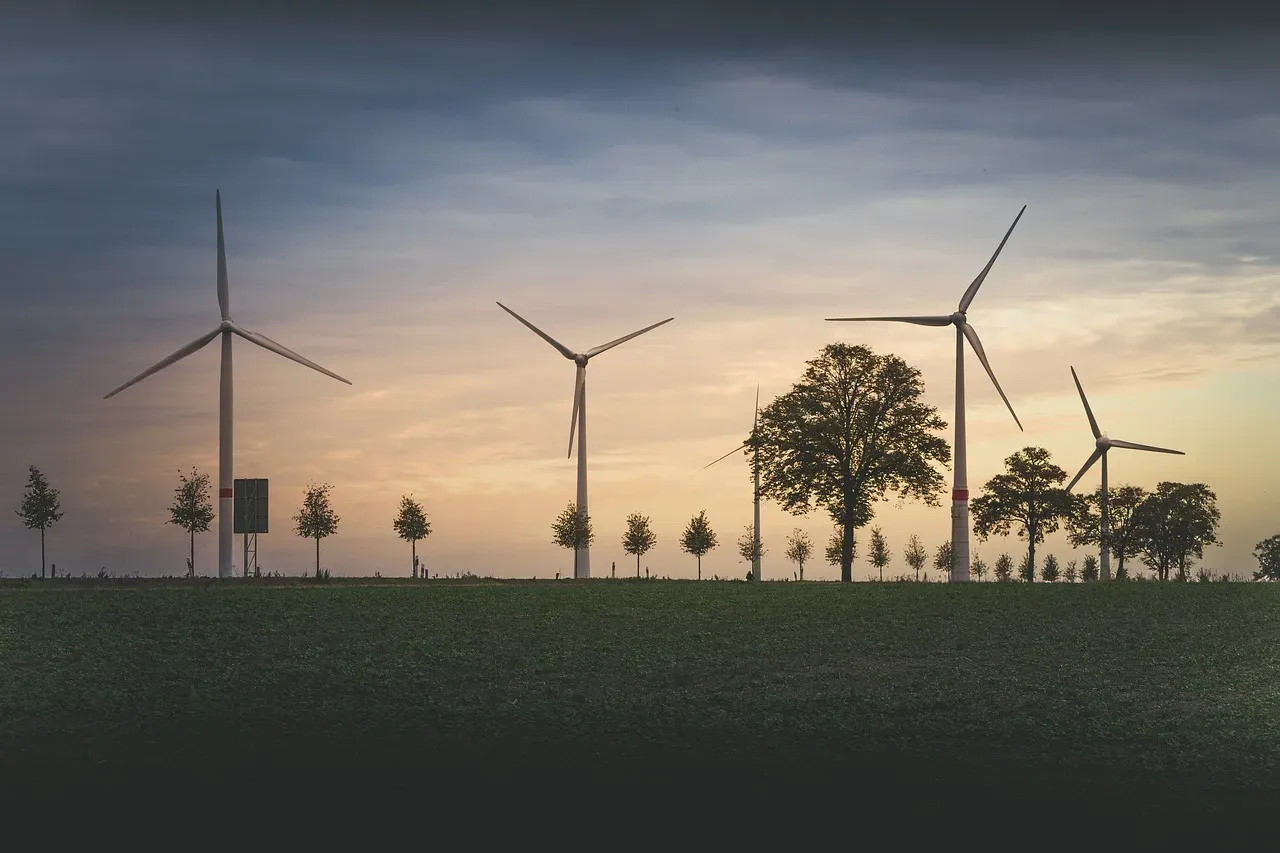
Wind isn’t steady, and Denmark doesn’t pretend otherwise. The country is tightly connected to Norway, Sweden and Germany, with power crossing borders as weather, demand and prices change. When the air goes still, imports fill the gap.
The Norway link is especially useful. Wind turbines depend on over 30 GW of hydro capacity in Norway, about 1.6 GW of which can be dispatched promptly when wind is unavailable in West Denmark. Surplus Danish wind, in turn, can be exported when it’s blowing hard.
Grid Operators and Major Players
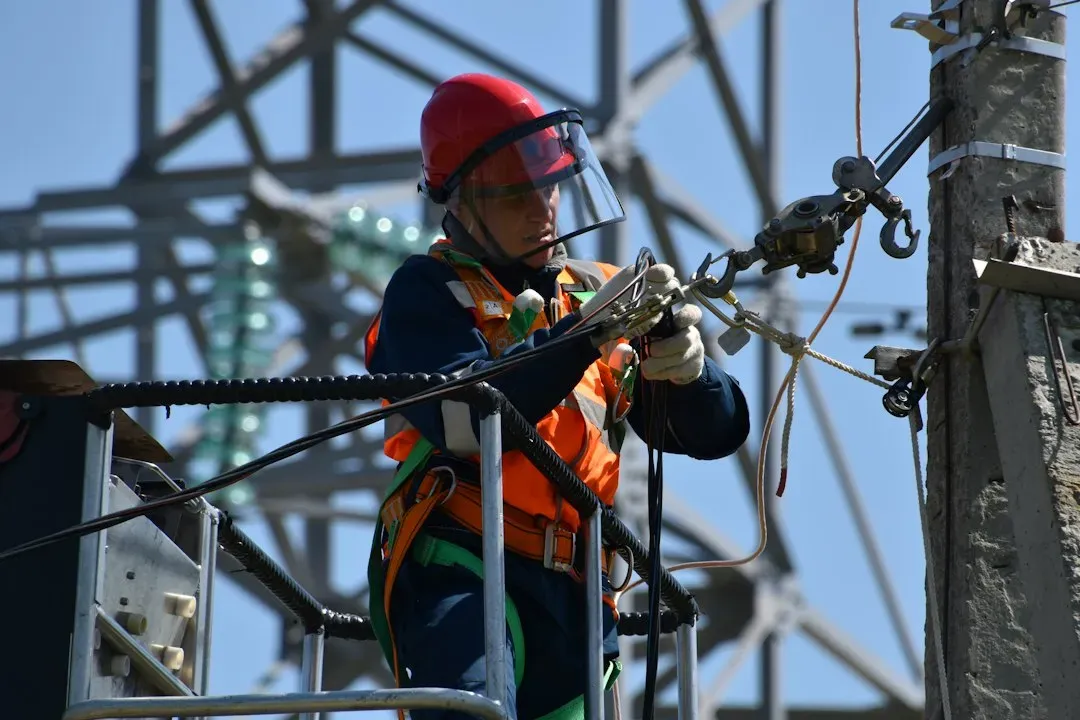
Keeping this running takes a dedicated operator. Energinet is the transmission system operator and owner of the main electrical infrastructure, having taken over in 2005 from Elkraft in the east and Eltra in the west. Interestingly, East and West Denmark are connected only through a 600 MW DC cable completed in 2010.
On the commercial side, Ørsted is the main power producer, 50% government-owned, with significant offshore wind capacity. Denmark is also home to turbine maker Vestas. A domestic industry gives the country both expertise and an economic stake.
Solar and Biofuels Fill In
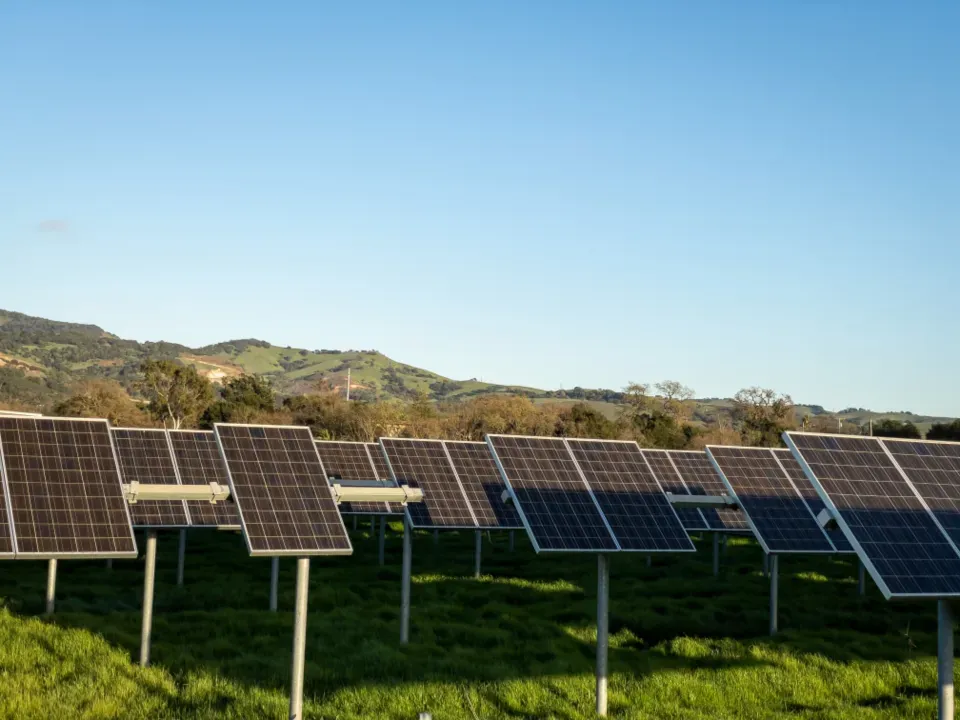
Wind doesn’t work alone. Energinet says solar’s share of domestic production climbed from 10 per cent in 2024 to 14 per cent in 2025. That rise helped offset some of the weak wind output.
Capacity is growing as well. Solar reached 4,832 MW of grid-connected PV capacity at the end of September 2025. Biofuels remain a firm source too, providing about 19% of consumption in the twelve months to August 2026, per lowcarbonpower.org.
Targets, Prices and Open Questions
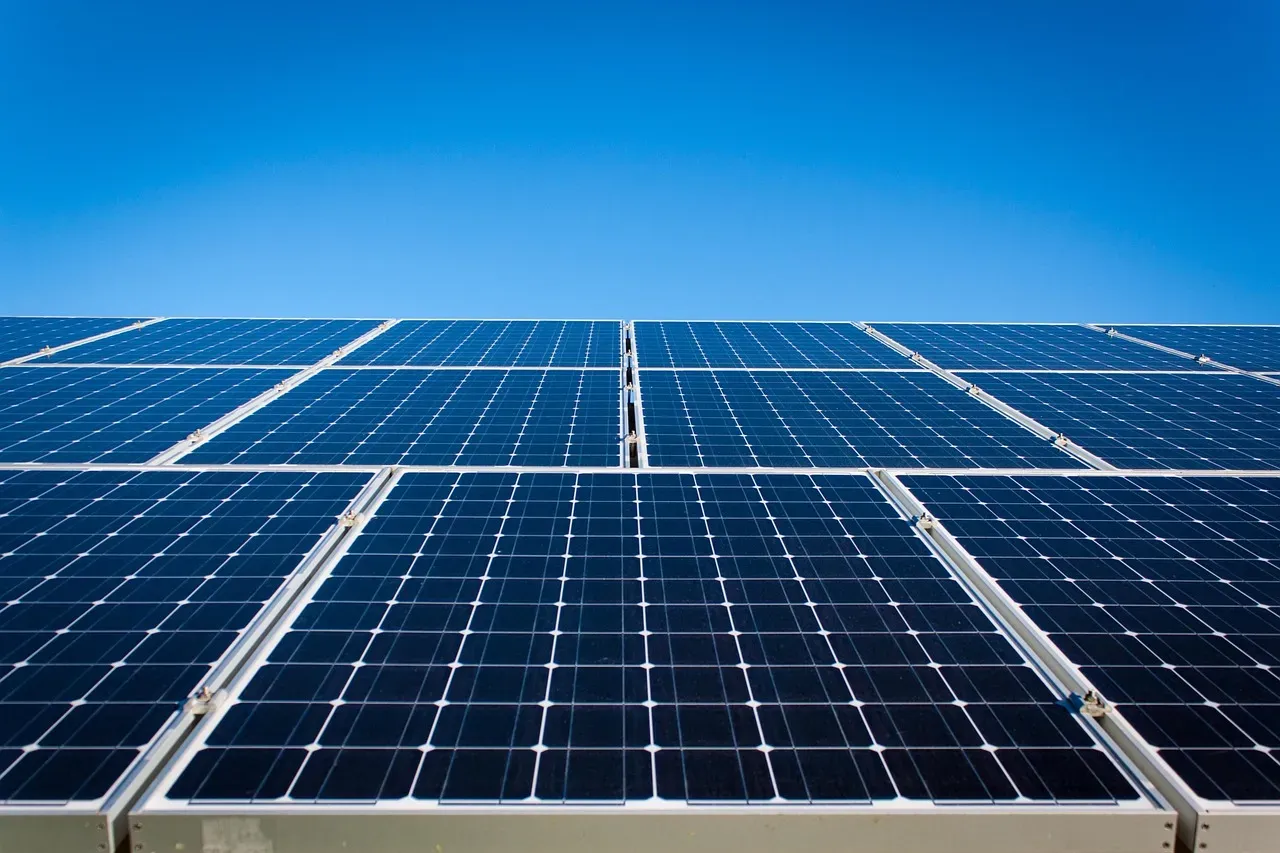
The official ambition is a clean grid. Wind contributes to the government’s target of 100% renewable power generation by 2030. The cost side matters too, since household electricity prices including taxes were €0.33 per kWh in the second half of 2025.
A policy debate has also opened. Parliament resolved in 1985 that nuclear plants would not be built, and in mid-2025 Denmark began a formal process to consider lifting that moratorium. No decision to build has been reported in the sources reviewed here.

- Asteroid 2024 YR4 Once Had a 3% Chance of Hitting Earth – How Astronomers Ruled It Out - November 12, 2026
- How and When to Watch the Orionid Meteor Shower This October - November 12, 2026
- Blue whales vanish from the Galápagos, and scientists suspect El Niño - November 11, 2026
