

Switching to an electric vehicle is often framed as a straightforward financial win. Lower fuel costs, fewer oil changes, and the appeal of a cleaner ride make for a compelling pitch. The full financial picture, though, is considerably messier than the showroom math suggests.
EV adoption has actually cooled slightly in recent years. According to S&P Global Mobility, electric vehicles made up about 7.4% of new car and light truck registrations in 2025, slipping from the record 8% reached the year before. The dip suggests that sticker shock and real-world costs are giving some buyers pause. These are costs that analysts have been flagging for a while, yet they still tend to catch new owners off guard.
The Purchase Price Gap Is Larger Than Most People Realize
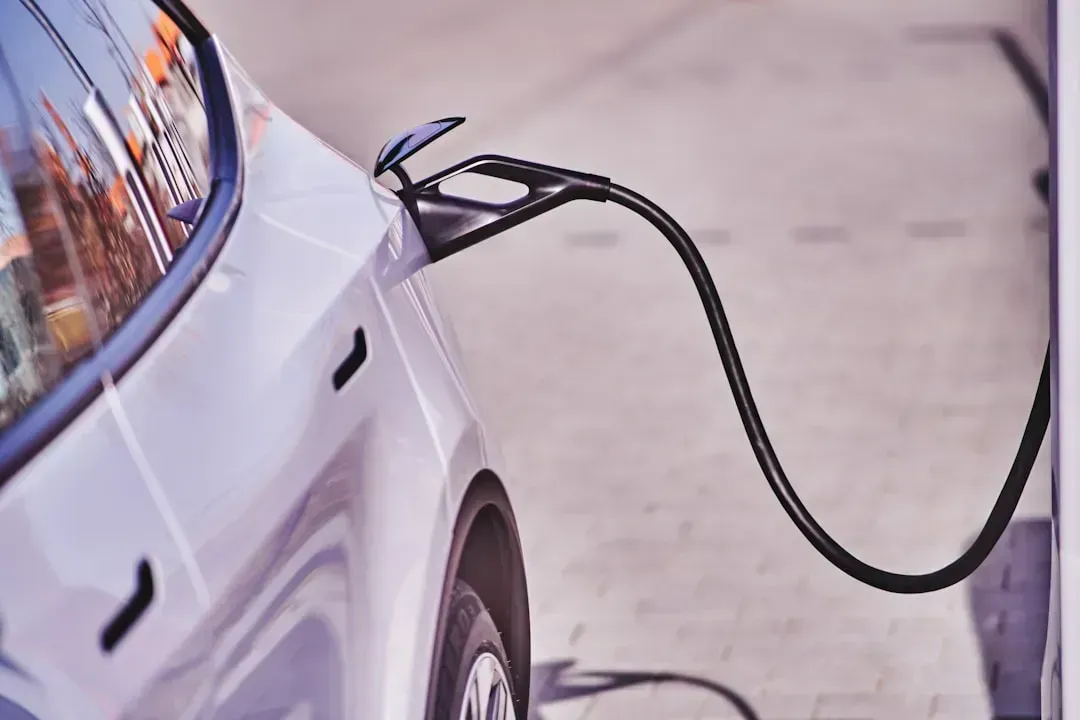
Before getting the keys for an electric vehicle, some buyers notice that EVs cost more than their internal combustion engine counterparts. According to Kelley Blue Book, the average price of an EV was around $58,000 to $59,000 in late 2025. That’s about $10,000 more than the $48,000 to $49,000 industry average for gas vehicles. That gap doesn’t disappear because of a tax credit. It simply shifts the financing math.
Per Edmunds data from mid-2024, there is roughly a 42% price gap between the average ICE and EV MSRP. Compact SUVs saw an enormous gulf between gasoline power and electric equivalents. Pickups had the smallest gap, but it was still close to 18%. The $7,500 federal tax credit closes some of this gap, but it falls well short of covering these numbers.
Home Charging Installation: A Bill Nobody Talks About Before the Purchase
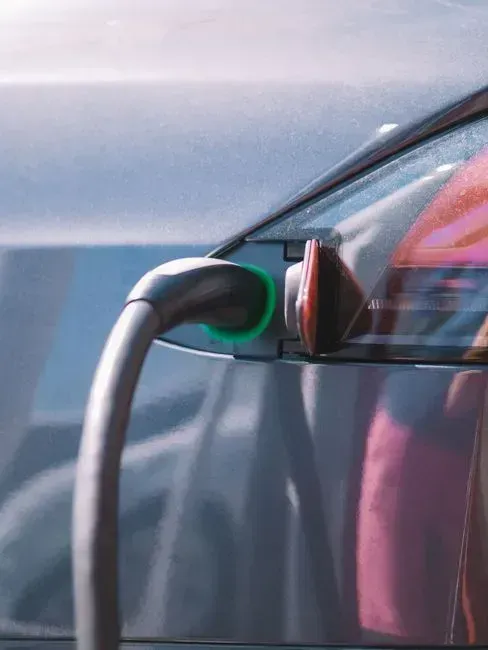
Unlike gas cars, EVs require access to a charger, and home charging installation expenses can be significant. While a standard wall outlet can charge an EV, it’s extremely slow. Most owners opt for a Level 2 home charger, which speeds up charging but requires professional installation. This cost rarely appears in the glossy comparisons circulating online.
Most U.S. homeowners pay roughly $1,200 to $3,000 for a professionally installed Level 2 home charger in 2025 to 2026, before incentives. Simple installs land under $1,500, while complex jobs that need a panel upgrade and long wiring runs can climb to $4,000 or more. If a home requires a service upgrade to 200 amps, costs can increase by an additional $1,500 to $3,000 on top of that.
Public Charging Costs Far More Than Charging at Home
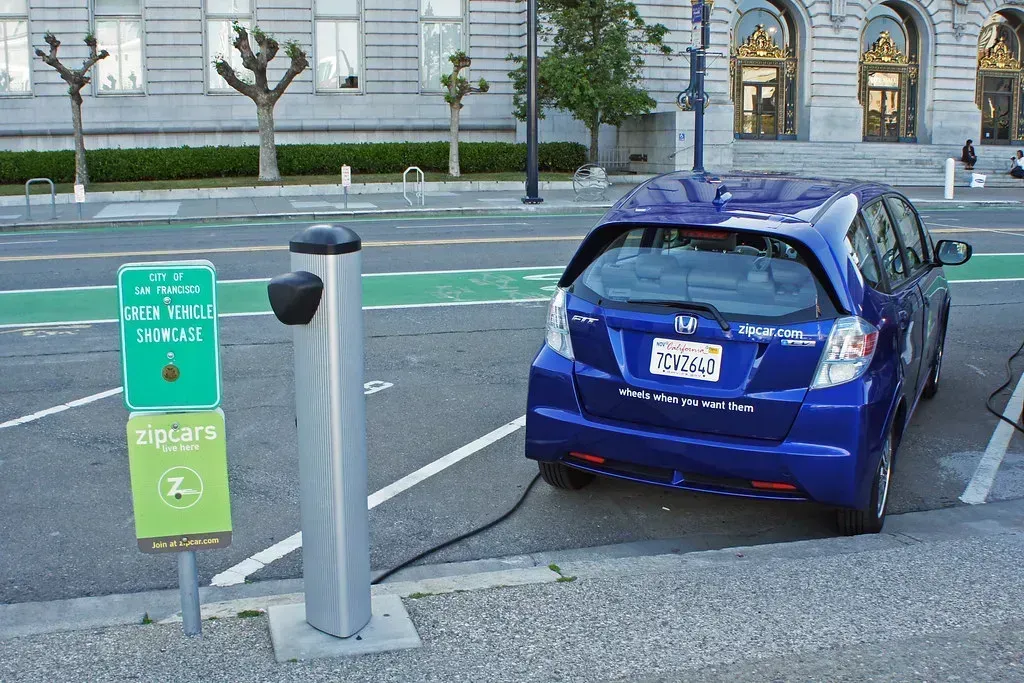
Public charging can cost two to three times more than charging at home, a downside many EV shoppers overlook. For drivers who live in apartments or rely heavily on fast chargers during road trips, the assumed fuel cost advantage erodes quickly. The math that looks clean on paper assumes you’re plugging in overnight at a home rate.
DC fast charging can bring most EVs up to 80% in under 25 minutes, but can also cost nearly 50 cents per kWh, which can be more expensive than gas in certain areas. Public charging has yet to reach the convenience of filling a gas tank. Ultimately, charging in public will either be inconvenient due to time spent waiting, or fail to provide the cost advantage that makes EVs attractive.
Insurance Premiums Are Noticeably Higher

On average, insurance premiums for EVs are about 25% higher than for a gas car. One reason is that electric vehicles can cost more to repair and replace, which bumps up insurance costs. This is a recurring expense that compounds quietly over the life of ownership, not a one-time purchase cost.
According to Bankrate, EV insurance premiums are 10% to 30% higher than gas-powered vehicles. In 2024, LexisNexis Risk Solutions determined that claim frequency for EVs was 17% higher than for passenger vehicles overall. EV insurance runs higher because repair costs are elevated due to specialized components, fewer certified repair shops, and more expensive parts.
Battery Degradation and the Long Shadow of Replacement Costs

The EV battery loses efficiency like any other battery. Most EVs have warranties for 8 to 10 years or 100,000 miles, but degradation can begin much earlier, which reduces range and performance. Most EV batteries lose roughly 1 to 2% of capacity per year, though this depends on climate and usage. Over a decade, that means a meaningful reduction in the range you paid for on day one.
Battery replacement costs in 2025 range from $5,000 to $20,000 depending on pack size. Vehicles relying on DC fast charging above 100 kW for more than 12% of sessions degrade at up to 3.0% per year, double the rate of AC-primary users. High-voltage DC charging generates internal cell heat rapidly, which accelerates chemical aging. How often you use fast chargers, in other words, is a financial decision as much as a convenience one.
Steeper Depreciation Than Most Buyers Expect
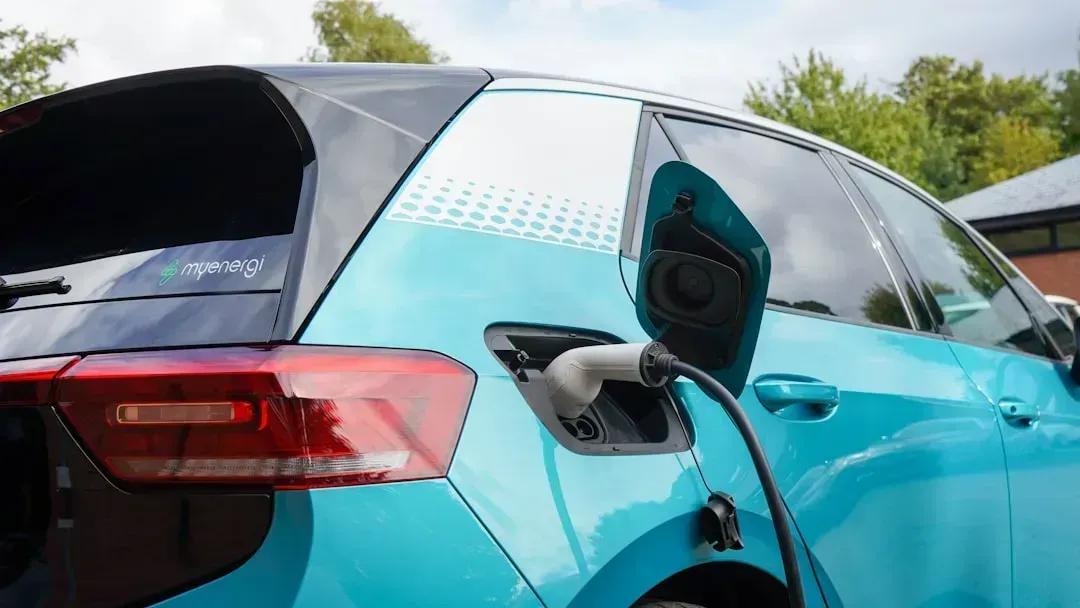
Over the last five years, used EVs have shown deeper and more volatile depreciation than most gas models, with several battery-electric nameplates shedding around 60 to 70% of their original MSRP after five years. That’s painful if you bought new, but it has created unusually attractive prices in the used market. The volatility cuts both ways depending on when you’re buying or selling.
Rapid tech upgrades mean each new EV generation brings longer range, faster charging, and better software, making earlier models feel outdated more quickly. Shoppers still fear expensive battery replacement, even though real-world degradation is typically moderate when packs are cared for. Policy and pricing changes, including automaker price cuts, expiring tax credits, and shifting state incentives, have repeatedly reset both new and used EV values.
State Registration Fees Are Quietly Growing
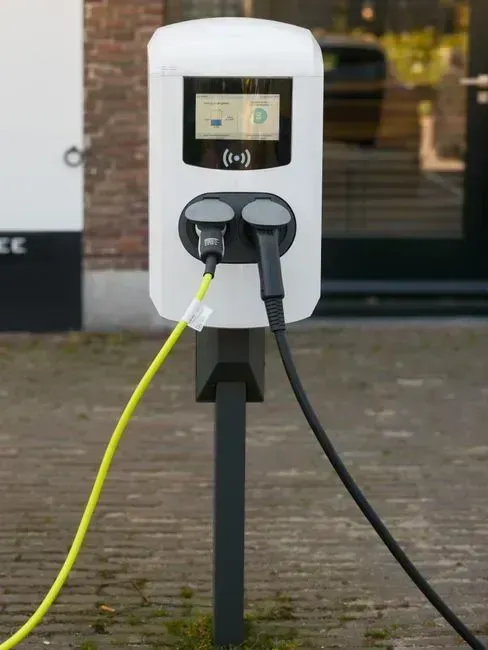
When you drive an EV, you don’t pay gas taxes, even though you still use the roads. Lawmakers see an imbalance: gas drivers pay at the pump, EV drivers mostly don’t. To close that gap, many states add a special registration fee for EVs and sometimes plug-in hybrids. This is one of those costs that shows up as a line on your renewal notice without any advance warning.
States including Alabama, Arkansas, Ohio, Texas, West Virginia, and Wyoming charge $200 annual EV fees, and Pennsylvania set its fee at $200 in 2025, rising to $250 in 2026. In a few states, especially if you drive fewer miles than average, the EV fee can overshoot what your gas taxes would have been. Some states layer multiple surcharges on top of each other: a base registration increase, plus a separate EV fee, plus county or local road charges.
Repair Costs and the Specialist Problem
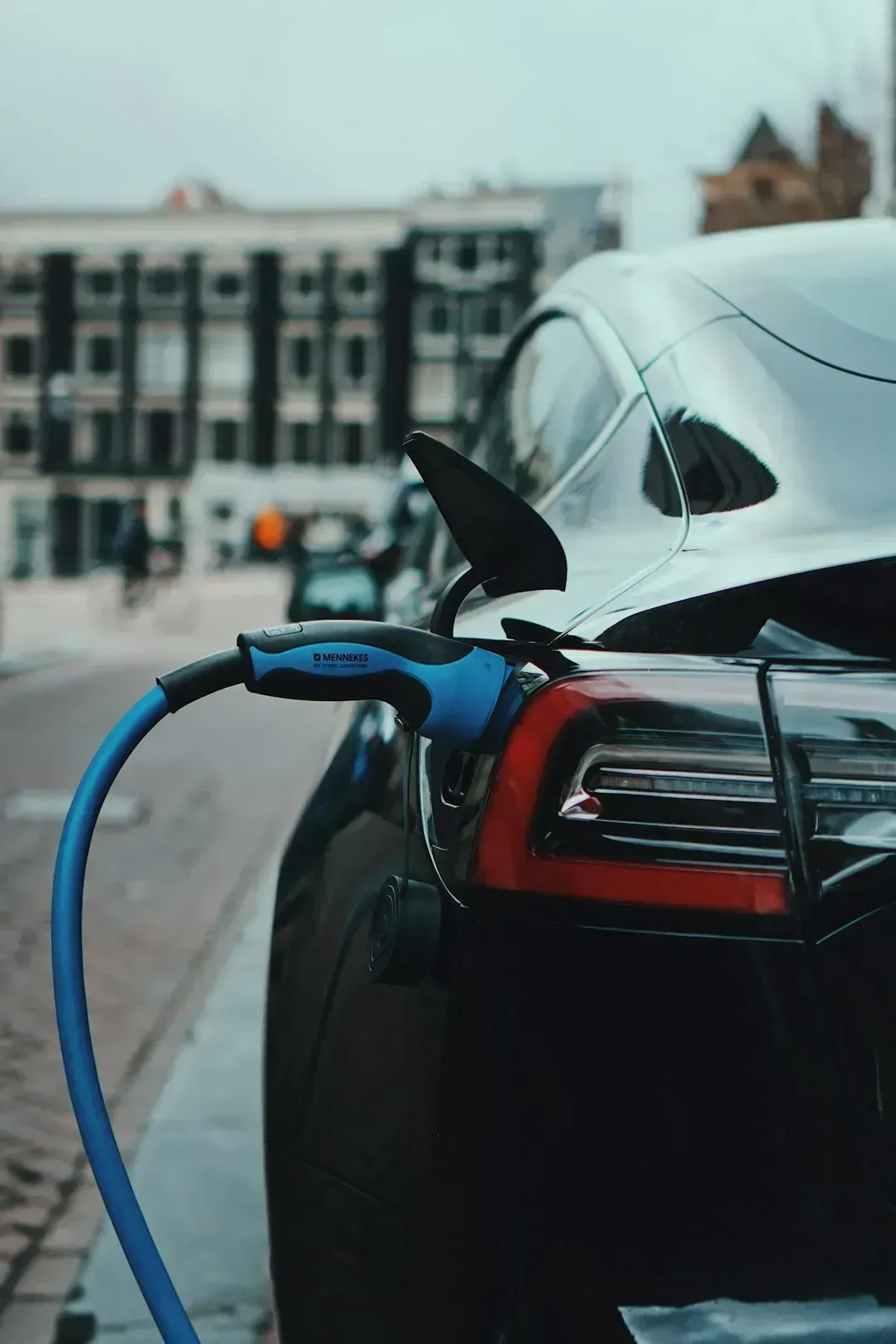
While EVs have fewer moving parts, they aren’t immune to repair costs. In some cases, repairs can be more expensive than those for gas-powered cars. Not all technicians are trained to work on EVs, so owners need to find specialized repair centers for maintenance. This leads to fewer options and longer wait times for repairs.
EV components such as battery management systems, electric motors, and regenerative braking systems require specialized parts and expertise. These parts are typically more expensive, at least for now, due to limited availability and the absence of aftermarket suppliers. Labor rates are also higher, driven by the advanced training technicians need to work on EVs.
The Real-World Range Gap Nobody Advertises
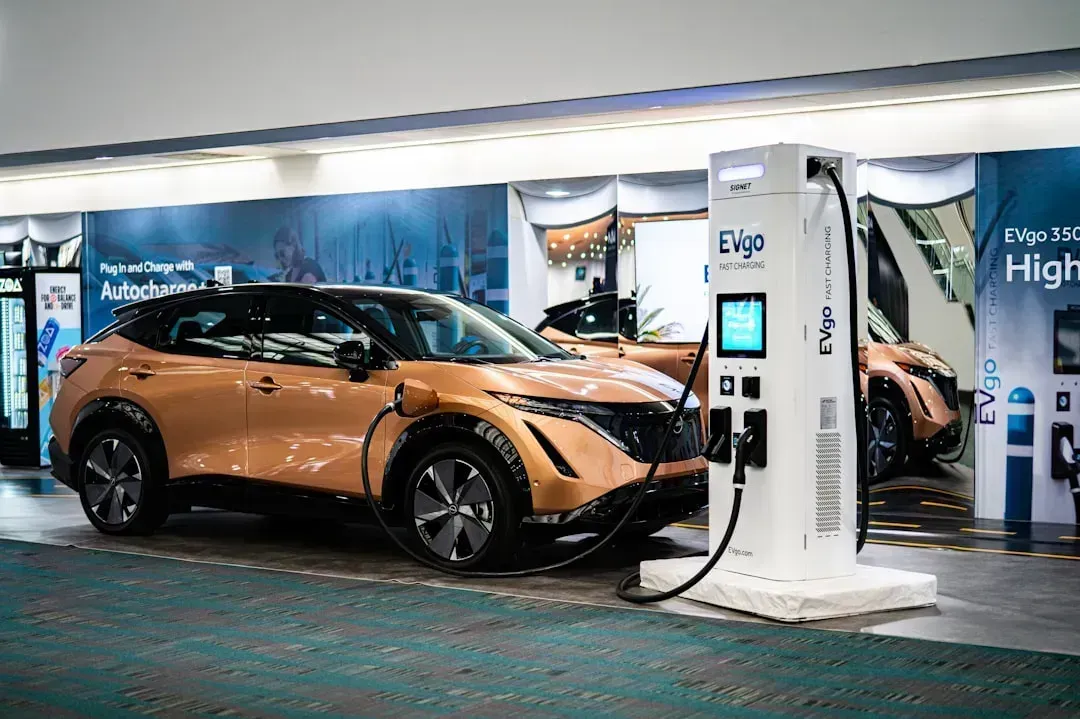
The odds are you will never achieve an EV’s promised range estimations. Although as an electric car owner you may feel disappointed by what seems to be inflated range estimations, there’s a clear reason for it. Carmakers and the government base those estimations on the absolute best driving conditions. Hilly terrain, extreme temperatures, using air conditioning, and aggressive acceleration all diminish range.
Heat accelerates the chemical reactions that break down lithium-ion cells. EVs operating in hot climates degrade 0.4% faster per year than those in mild conditions. Cold weather squeezes range from the other direction, reducing battery output when temperatures drop sharply. Both factors mean the advertised range is a ceiling, not a floor, and planning long trips requires a more conservative mental model than most buyers initially apply.

- The Shoreline Sucked Dry in Seconds – 5 Tsunami Signals Beachgoers Mistake for Low Tide - November 14, 2026
- 9 Dark-Sky Destinations Around the World Where the Stars Look Unreal - November 14, 2026
- The Fault Line That Never Slips – 7 Locked Seismic Zones Overdue for a Massive Release - November 14, 2026
