


- The Planet Where It Rains Liquid Glass – 7 Alien Worlds Defying Known Physics - November 14, 2026
- Stars Consuming Entire Worlds – 6 Planetary Systems Swallowing Their Own Worlds - November 14, 2026
- The Ground Liquefies Like Water – 6 Silent Fault Lines Geologists Watch Closely - November 14, 2026
Everyone who’s ever lived somewhere humid knows the sales pitch for Arizona: it’s hot, sure, but it’s a dry heat. You picture yourself stepping outside on a 100-degree afternoon and actually feeling fine. Breathable. Bearable. The sweat evaporates before you even notice it. That part, at least, turns out to be largely true.
What nobody quite prepares you for are the dozen other surprises that come with desert living – some delightful, some genuinely unsettling, and a few that will make you reconsider every assumption you carried in from wherever you came from. Here are nine of them.
1. The Dehydration Sneaks Up on You Precisely Because It’s Dry
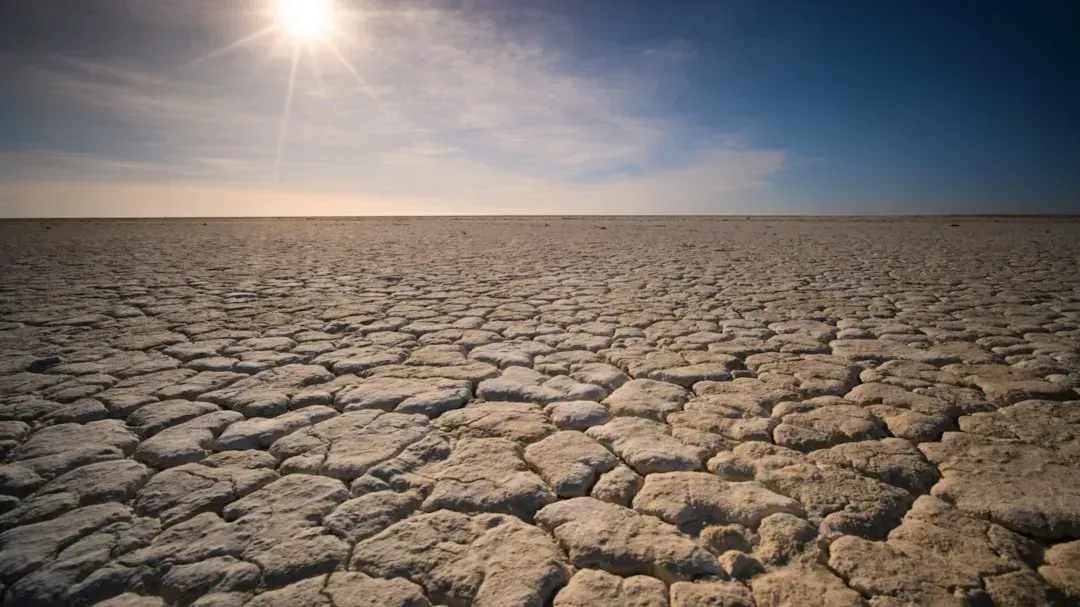
The desert climate in Arizona is extremely dry, which means your body loses moisture faster than you realize. Many people underestimate the risk because sweat evaporates so quickly, making you feel less overheated than you actually are. That’s the cruel irony of the dry heat: the very thing that makes it feel tolerable is also masking how much fluid you’re burning through.
By the time you feel thirsty, your body is already dehydrated. Drinking water throughout the day is essential, and adding electrolytes helps maintain proper balance during extreme heat exposure. New arrivals routinely learn this lesson the hard way, usually around their second or third week in July.
2. The Summer Electric Bills Are Genuinely Shocking
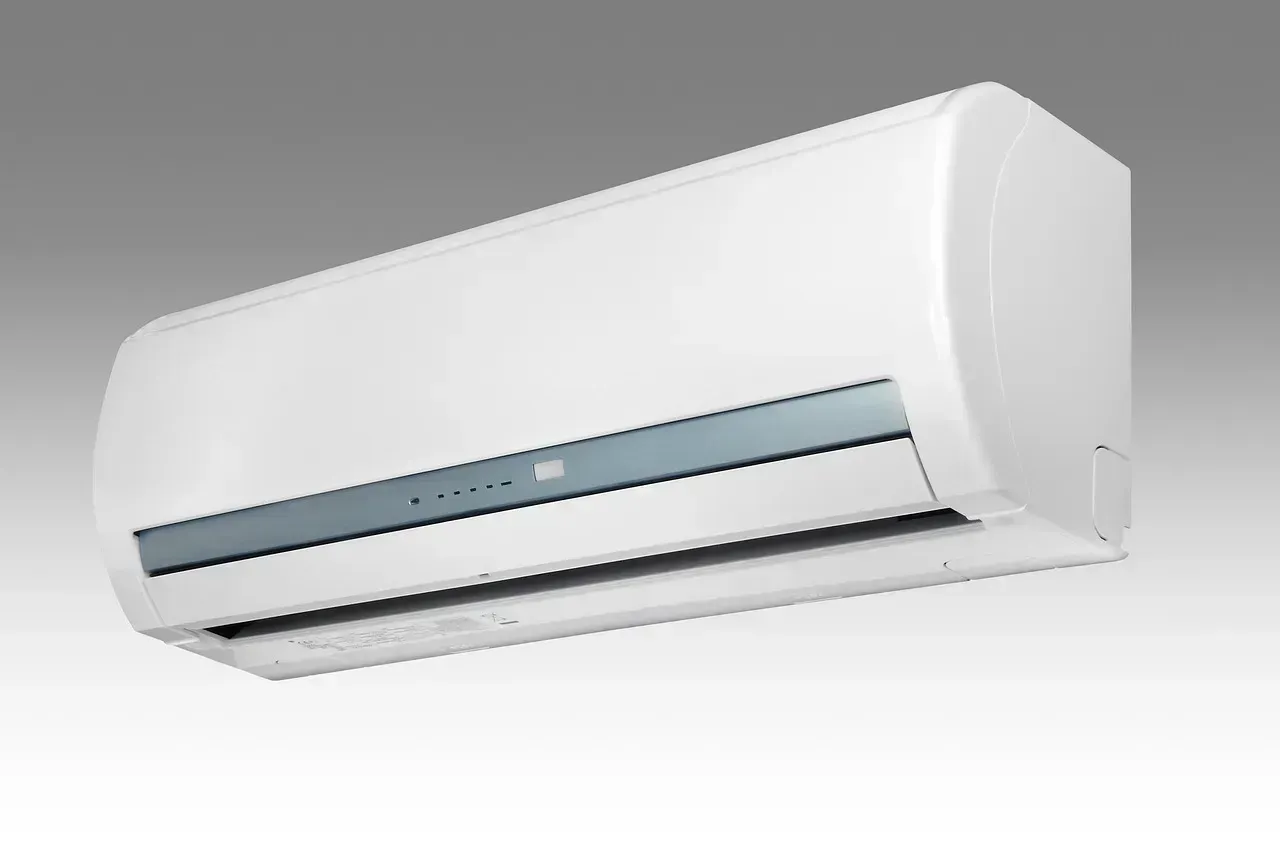
The U.S. Energy Information Administration reports Arizona’s summer bills average between $200 and $250 per month, running roughly 40 to 70 percent above the national average. For larger homes in Phoenix, the numbers climb higher still. Cooling alone accounts for about a quarter of household energy use in Arizona, which is roughly quadruple the national average, according to the EIA.
During Arizona’s brutal summer months, when temperatures exceed 115°F for extended periods, air conditioning systems work overtime to maintain comfortable indoor temperatures – and this increased demand occurs precisely when utilities implement their highest rates and peak-hour pricing. Budgeting for this spike before your first June bill arrives is not optional; it’s survival planning.
3. The Monsoon Season Is Nothing Like a Little Rain
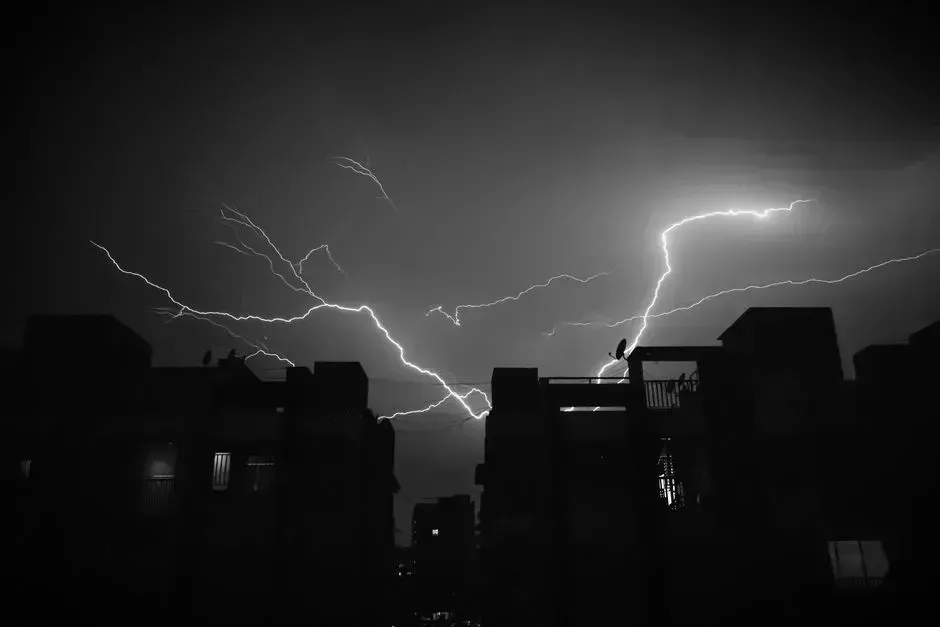
The North American Monsoon is a seasonal shift in atmospheric circulation that draws moisture from the Gulf of Mexico and the Gulf of California into the interior American Southwest. When this moisture collides with the superheated air rising from the desert floor, it produces some of the most spectacular and violent storms in the continental United States. Nobody tells you this when you’re googling the average July temperature.
The speed of development is remarkable. A clear sky at 3 p.m. can become a full severe thunderstorm by 5 p.m. The desert offers no gradual build – it goes from nothing to everything in under two hours. Summers bring monsoon season, the worst of which hits between June and August, though it can extend from May to September.
4. Haboobs Are Real and They Will Stop Your Car on the Freeway
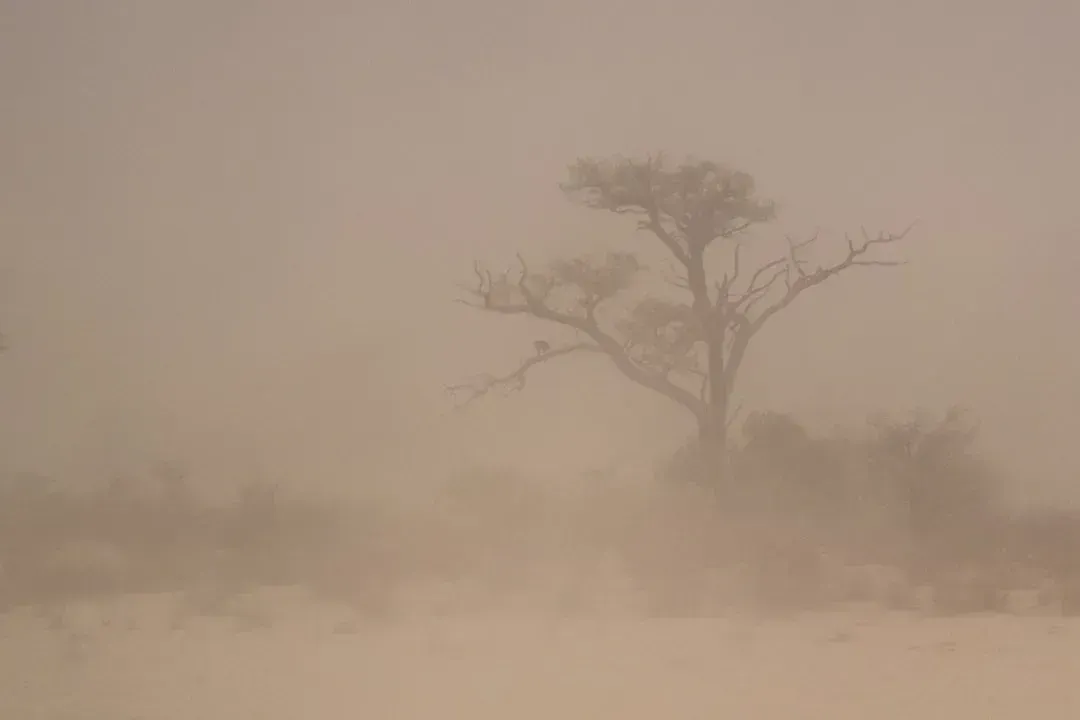
A haboob forms when a thunderstorm’s downdraft hits the desert floor and kicks up loose sand and dust in a dense, rolling wall that advances at speeds of 30 to 60 mph. The wall can reduce visibility to zero feet in seconds. The word itself sounds almost theatrical until you’re sitting in traffic watching a brown wall the size of a mountain range moving toward you.
Wind speeds reaching 60 miles per hour can cause a wall of dust as high as 10,000 feet, according to NOAA, though these storms are typically brief, lasting between 10 and 30 minutes. According to Maricopa County Emergency Management, one to three of these dust storms typically hit the Valley every year. Brief or not, a haboob leaves a fine layer of grit on absolutely everything you own.
5. Valley Fever Is a Local Health Risk Most Newcomers Have Never Heard Of
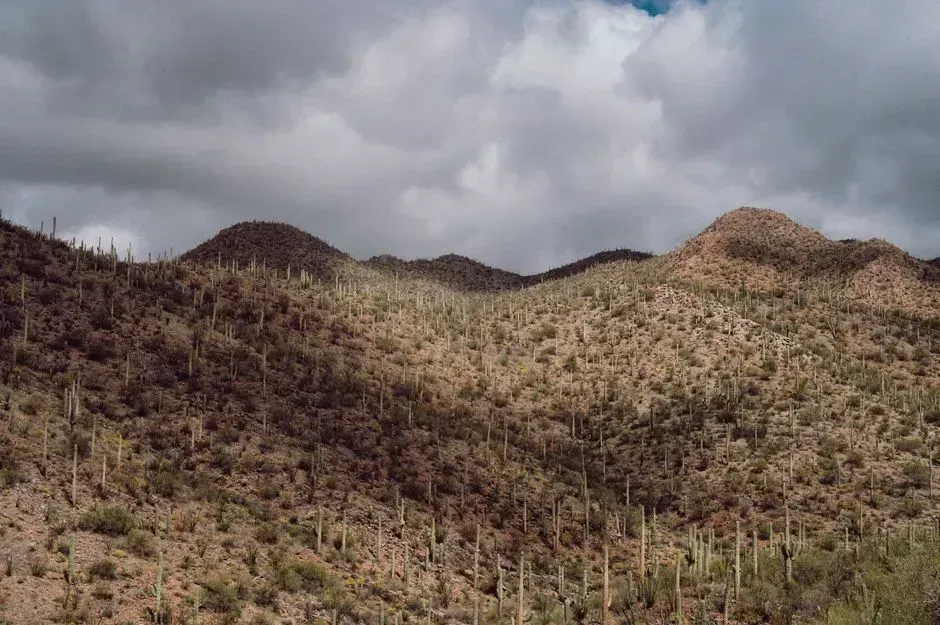
Valley fever is a lung infection caused by a fungus found in Arizona’s soil, with symptoms that may include fever, cough, and shortness of breath. It is often misdiagnosed without specific testing. Many new residents spend weeks treating what they assume is a stubborn cold or a respiratory bug before anyone thinks to test for it.
In 2024, cases in Arizona exploded, hitting their second-highest total ever, with more than 15,000 infections reported – a roughly 37 percent increase over 2023. Most people who get Valley fever don’t need treatment, though antifungal drugs are used for serious infections. Still, knowing the disease exists before you move is far more useful than finding out after you’ve already had it for a month.
6. Flash Floods Can Kill You in a Bone-Dry Wash
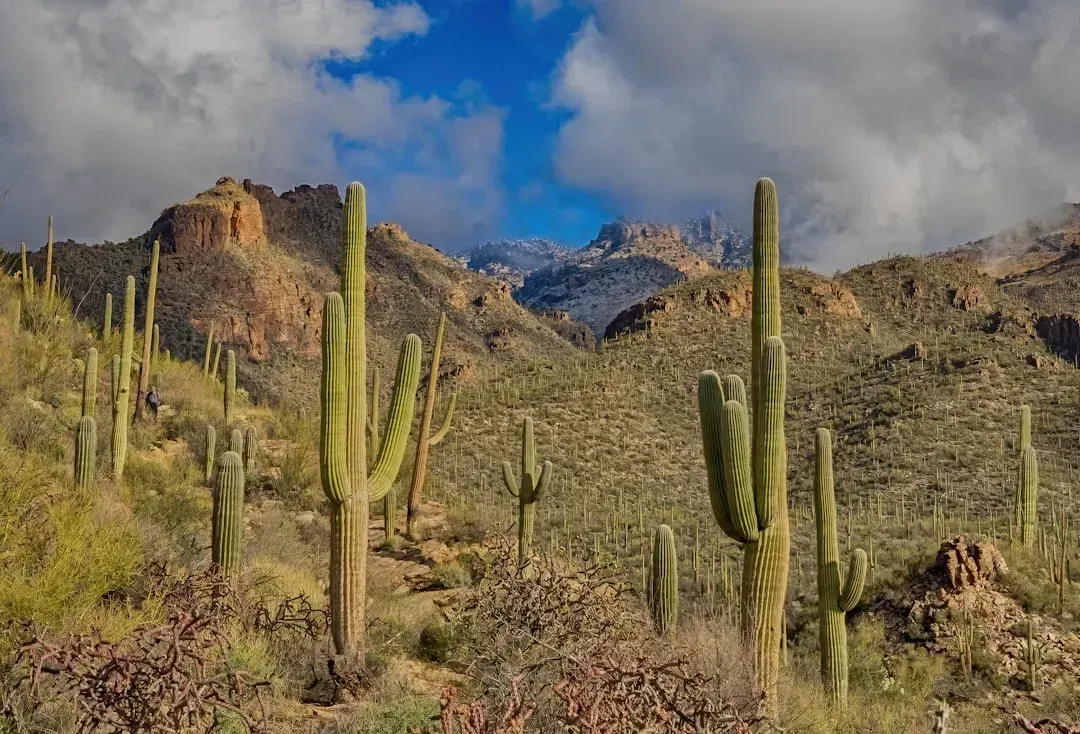
The Sonoran Desert’s hardpan soil, which has been sun-baked to near-impermeability, cannot absorb rainfall fast enough when a storm dumps three inches in thirty minutes. Water sheets across the surface, channels into dry washes and arroyos, and within minutes can turn a bone-dry creek bed into a churning, debris-filled torrent moving at 20 to 30 feet per second. The storm causing it might be happening miles away, completely out of sight.
Arizona even has a law called the “Stupid Motorist Law” – Arizona Revised Statute 28-910 – which allows counties to bill drivers who drive around barricades and into flooded roadways for the cost of their rescue. The fee can reach $2,000 or more. The law was enacted in 1995 after rescue costs from preventable water rescues became a significant public expense. The desert teaches humility, often at legal and financial cost.
7. Water Scarcity Is Already a Real, Present Problem
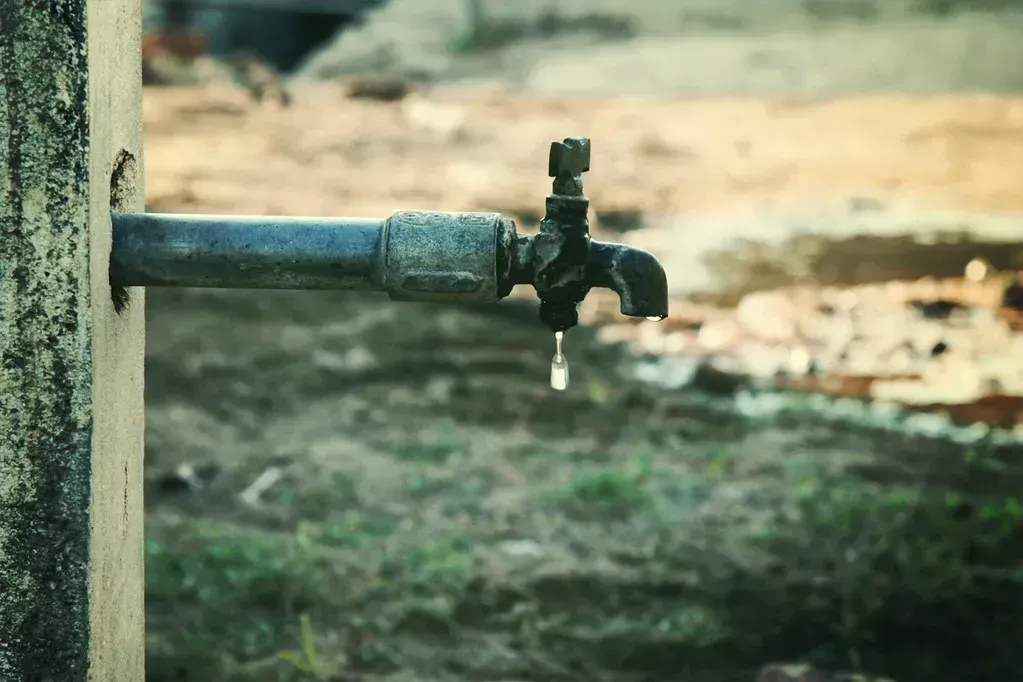
Water scarcity is expected to be a key issue for Arizona over the next few decades, with the state losing a portion of its Colorado River water allocation in 2026 due to a drought the likes of which the Southwest hasn’t seen in 1,200 years. Arizona is also depleting its groundwater at alarming rates, and water scarcity has already limited homebuilding.
Most of the state is a desert, so drought issues are commonplace – and this challenge is predicted to get even worse. Water-conscious landscaping, drought-tolerant plants, and a genuine rethinking of how much water a household actually needs are all things you’ll start caring about pretty quickly once you’re here.
8. Scorpions Are Not a Myth People Tell Outsiders
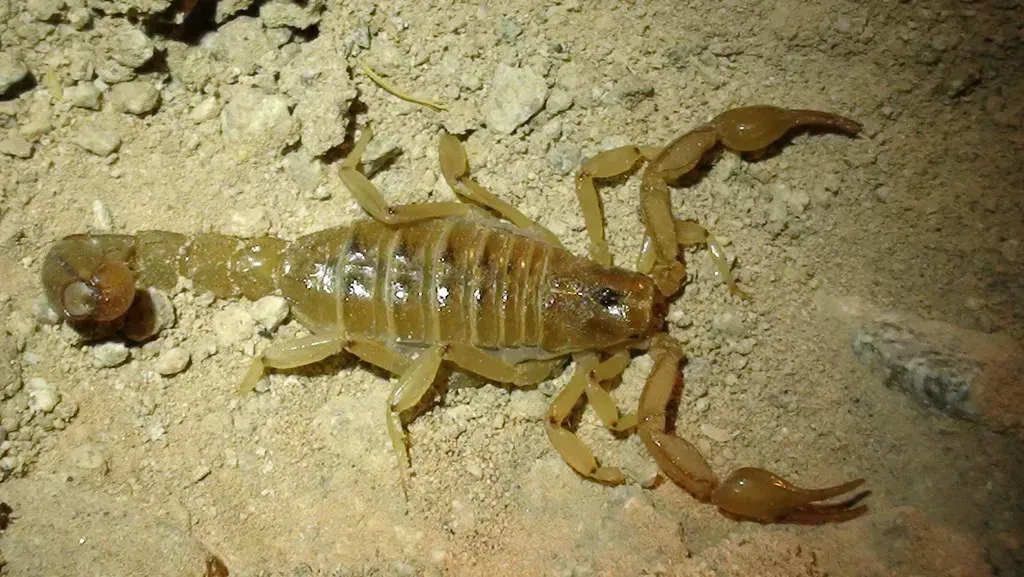
Before moving, you may assume scorpion warnings are the Arizona version of telling tourists to watch out for alligators in Florida – technically true, but exaggerated for effect. They are not exaggerated. Bark scorpions, the most venomous scorpion species in North America, are native to the Sonoran Desert and are especially common in Maricopa County. They’re small, pale, and essentially invisible against concrete.
The most important habits to develop quickly: shaking out shoes before putting them on, never walking barefoot outside at night, and checking underneath anything that’s been sitting on the ground. Arizona scorpion activity in 2025 and 2026 has been on the rise. UV flashlights, which make scorpions glow bright green in the dark, are a common household item for new residents within the first month.
9. The Urban Heat Island Makes Phoenix Nights Warmer Than You’d Expect
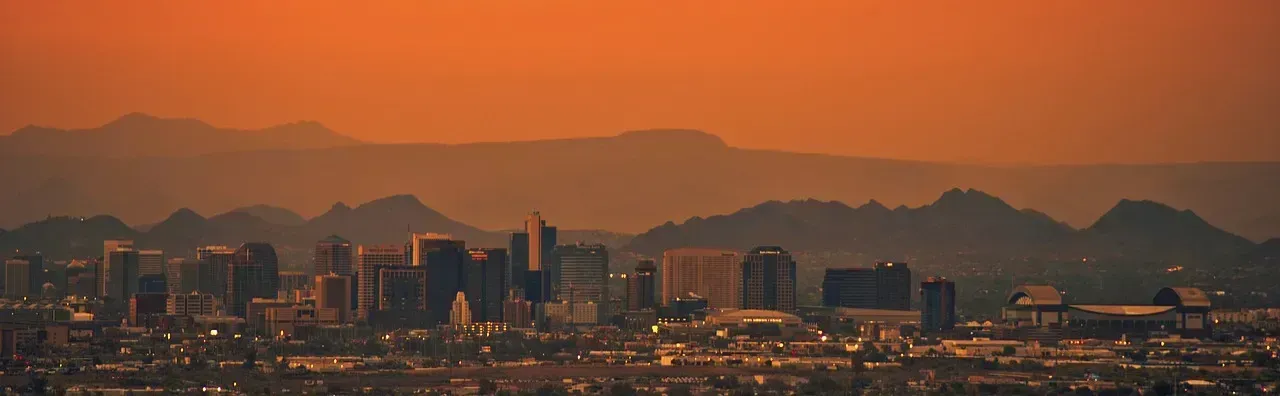
Concrete-heavy cities like Phoenix trap heat, making nights warmer and cooling harder, especially in low-income areas. After weeks of 115-degree afternoons, you might expect the desert nights to bring serious relief. Sometimes they do. In the urban core, though, roads and buildings radiate stored heat long after the sun goes down, and temperatures can stay well above 90°F past midnight.
Dry air leads to dry ground, and without moisture in the soil to absorb some of the sun’s energy, temperatures climb even faster. Trees and vegetation tend to be sparse in the Phoenix Valley, and vegetation normally absorbs solar energy and leads to cooler surroundings. The practical implication: your AC runs overnight too, and your electricity bill doesn’t get a break just because the sun has set.
Arizona genuinely delivers on its central promise – the dry heat is more tolerable than the humid summers most newcomers are escaping. What it doesn’t advertise is the full package that comes with it: the biology, the physics, the infrastructure strain, and the occasional wall of dust moving toward you at highway speed. None of it is a reason not to go. It’s just worth knowing before the moving truck arrives.
