

- The Planet Where It Rains Liquid Glass – 7 Alien Worlds Defying Known Physics - November 14, 2026
- Stars Consuming Entire Worlds – 6 Planetary Systems Swallowing Their Own Worlds - November 14, 2026
- The Ground Liquefies Like Water – 6 Silent Fault Lines Geologists Watch Closely - November 14, 2026
Something extraordinary is quietly reshaping the map of urban America and, in a broader sense, the world. While the iconic skylines of New York, Tokyo, and London still dominate the conversation about global cities, a new class of place is emerging beneath the radar – fast-growing towns whose population curves are bending so sharply upward that urban planners are scrambling to keep up. These are communities that, a generation ago, were defined by cattle ranches, farmland, or sleepy downtown squares. Today they are hosting Costcos, new hospital campuses, and master-planned neighborhoods that stretch to the horizon.
Oxford Economics forecasts there will be 67 megacities around the world by 2050, up from 44 today, with the population of those megacities expected to increase by 266 million – roughly half of the total population growth across all major global cities. The towns and small cities featured here are not yet megacities, and most won’t reach that specific threshold by 2050 on their own. What they represent is something arguably more interesting: places whose growth trajectories are rewriting what we think a “city” looks like – and where the future is already under construction.
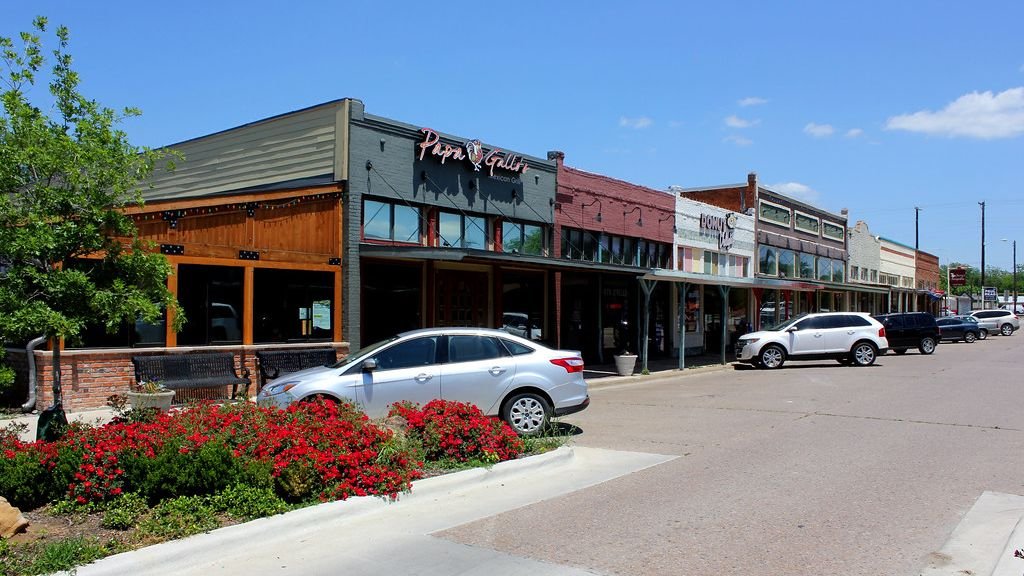
Celina, Texas: The Town That Became a National Headline
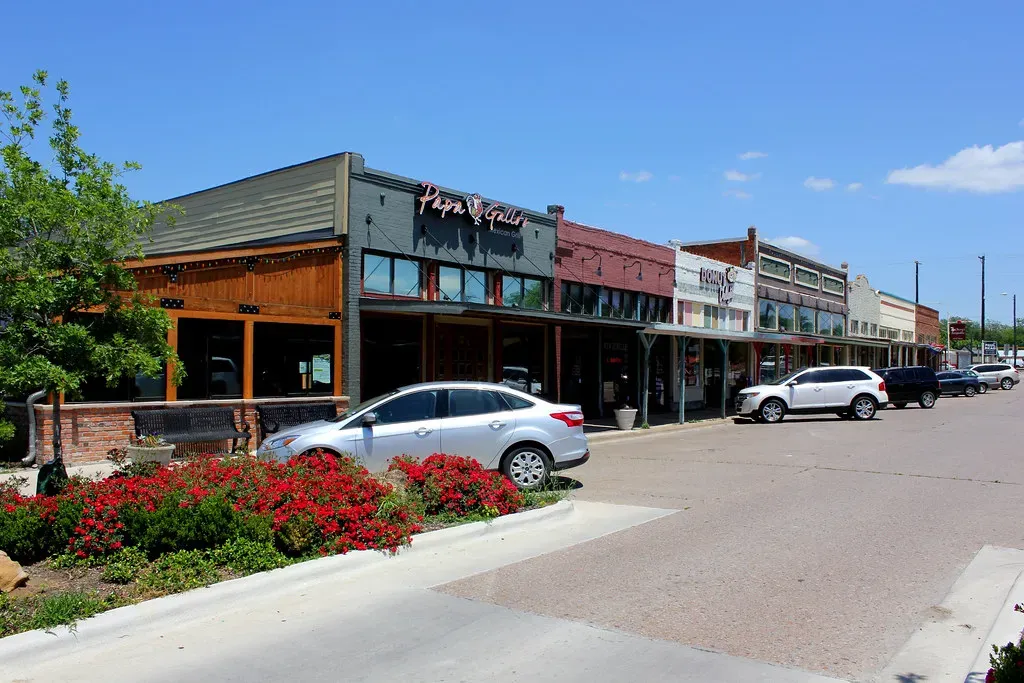
Celina, located about 35 miles north of downtown Dallas, grew by 24.6% between July 2024 and July 2025 – the fastest rate of any U.S. city with a population over 20,000, and it held the same title the year before. That kind of back-to-back record is rare in demographic data. Celina’s 2026 population sits at around 72,000, but the city has grown by over 300% since the 2020 census, which recorded just 18,033 residents.
Local officials project Celina’s population could reach 350,000 by the year 2050 as growth continues. That is not a megacity by any strict definition, but it represents a transformation almost without parallel in modern American urban history. Bulldozers have long outnumbered cattle in Celina, where sprawling new neighborhoods are rising almost overnight – a boom that reflects the explosive growth reshaping North Texas as families push beyond city hubs in search of more affordable housing, better schools, and more space.
Princeton, Texas: The Fastest Single-Year Growth Story in America
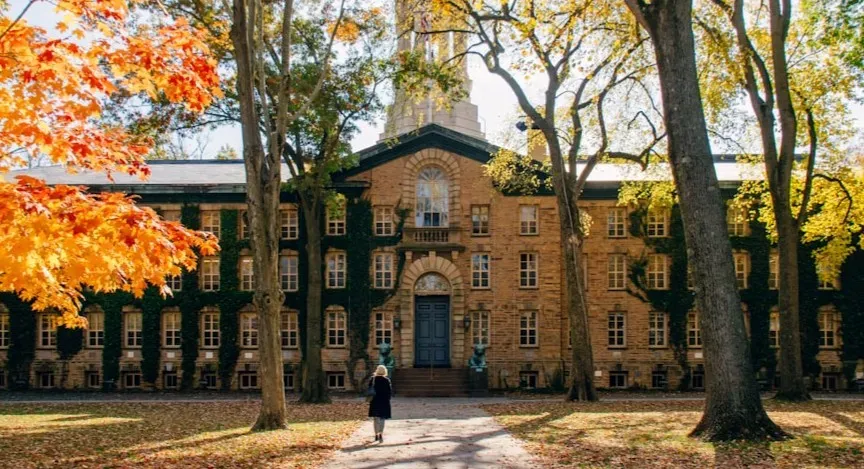
Princeton, Texas, a suburb of Dallas, was the fastest-growing city in the United States in 2024, increasing its population by nearly one-third in just one year, and more than doubling it since 2020 – from roughly 17,000 to 37,000. That kind of growth rate, if sustained, would see a town transform into a genuine regional hub within a single generation. Princeton’s population jumped 30.6% in just a year, drawing newcomers with affordable homes and short commutes, a mix of value and access that has turned this town into a hot commodity.
Nearly every fast-growing city on the national list offers significantly lower housing costs than the nearest major metro area, and the Dallas suburbs leading the ranking provide new construction at prices far below central Dallas or Plano. Princeton fits this pattern perfectly. Among the 15 fastest-growing cities in the U.S. in 2025, six were in the Dallas-Fort Worth suburbs alone: Celina, Princeton, Melissa, Anna, Forney, and Greenville. The convergence of that many boom towns in one region makes the north Dallas corridor one of the most significant urban growth zones on the planet right now.
Fulshear, Texas: Houston’s Quietly Exploding Neighbor
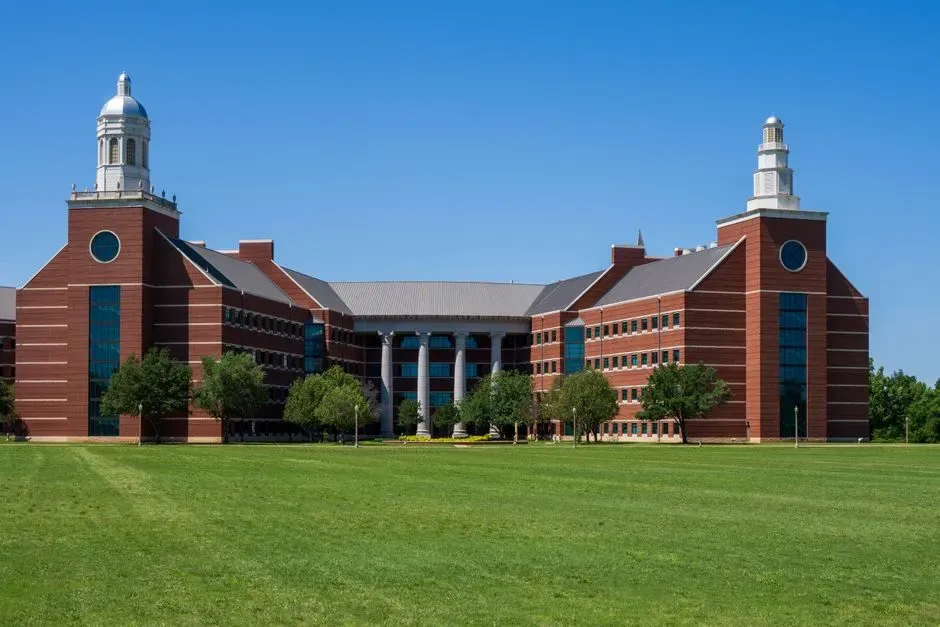
Once a rural outpost, Fulshear has become one of the Houston area’s most desirable suburban communities, with master-planned developments, strong schools, and abundant new construction accelerating its population boom. Right behind Celina in the 2025 growth rankings was Fulshear, which posted 21% growth year-over-year. For a town that barely registered on regional maps a decade ago, that is a staggering pace of change.
Fulshear sits about 30 miles from downtown Houston and by any traditional measure of urban geography isn’t exactly a suburb of anything – but Texas doesn’t put a ceiling on growth. That permissive approach to development, combined with proximity to one of the country’s largest metro economies, gives Fulshear a structural advantage that few small towns anywhere in the world can match. The Houston-Pasadena-The Woodlands metro increased by over 198,000 people between 2023 and 2024, second only to the New York metro in numeric growth. Fulshear sits right in the path of that wave.
Raleigh, North Carolina: The Research Triangle’s Rising Star
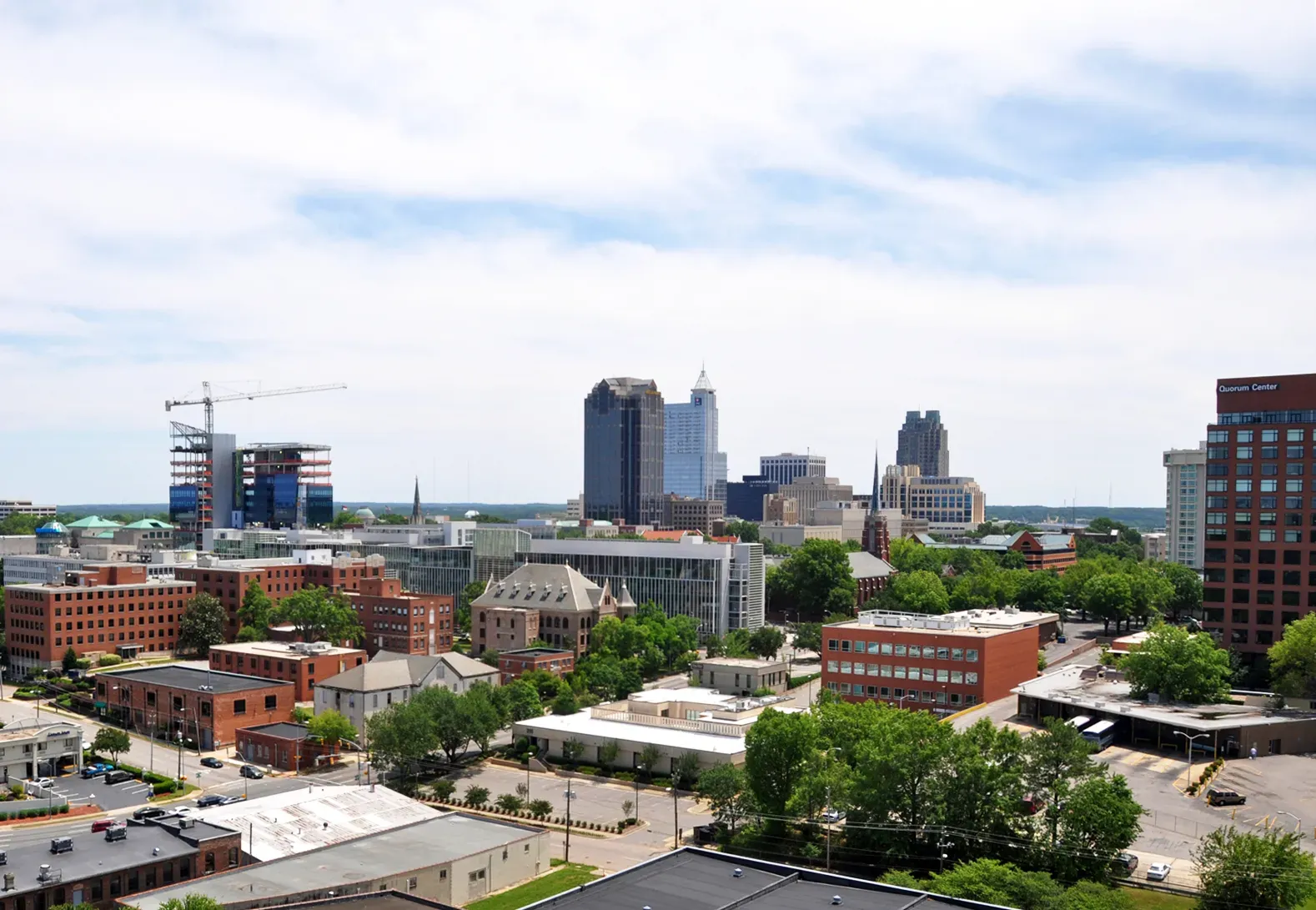
Raleigh, North Carolina, crossed the 500,000-population threshold between 2024 and 2025, bringing the total number of U.S. cities with 500,000 or more residents to 39 nationwide. That milestone matters because Raleigh was not long ago a mid-sized Southern city overshadowed by Charlotte. Now it is one of the fastest-ascending urban centers in the eastern United States. The Capital Region around Raleigh is projected to grow by some 950,000 people over the next 30 years, from just over 1 million up to 2 million people.
Wake County, home of Raleigh, could double in population between 2010 and 2050, according to projections from NC State University researchers. The engine behind this growth is Research Triangle Park, one of the most productive technology and life sciences hubs in the country, which continues to attract major corporate investment. The question for Raleigh is not whether it will grow, but how – with challenges around housing, transit, climate, and energy all converging on a city whose mayor has publicly acknowledged that “growth is the defining issue.”
Fort Mill, South Carolina: The Charlotte Metro’s Breakout Town
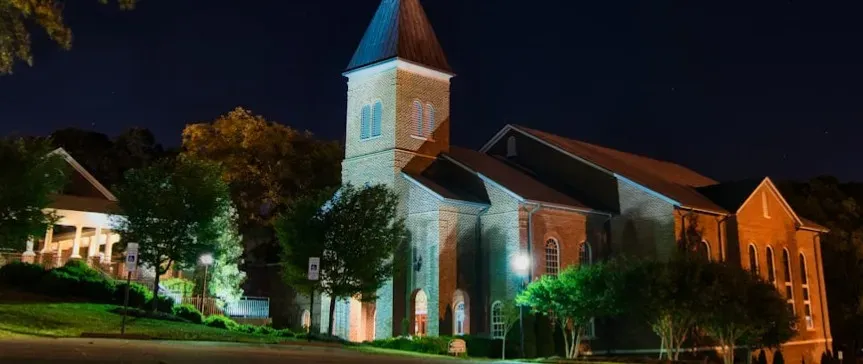
Charlotte gained more residents than any other U.S. city between 2024 and 2025 – yet among cities with a population of 20,000 or more, Charlotte was only the seventh fastest-growing city in its own metro area. The fastest was Fort Mill, South Carolina, about 20 miles from downtown Charlotte, which grew by 6.8% to a population of 38,673, ranking 20th nationally. Fort Mill’s story is a classic one: a small town elevated by proximity to a booming anchor city.
Even where the largest cities maintained strong growth, they were often outpaced by smaller cities in the outer portions of the same metro area. Fort Mill is perhaps the clearest illustration of this dynamic anywhere in the American South. With Charlotte’s population continuing to swell and housing costs there rising steadily, Fort Mill offers lower costs, new construction, and easy access across the state line. Jasper County, South Carolina, had the fastest-growing housing stock of any county in the nation for the second year in a row in 2025 – and by a wide margin – growing at 8.3%, with the gap between it and the next-fastest county being roughly equal to the distance between second and eighteenth place.
Boise, Idaho: The Mountain West’s Most Watched City
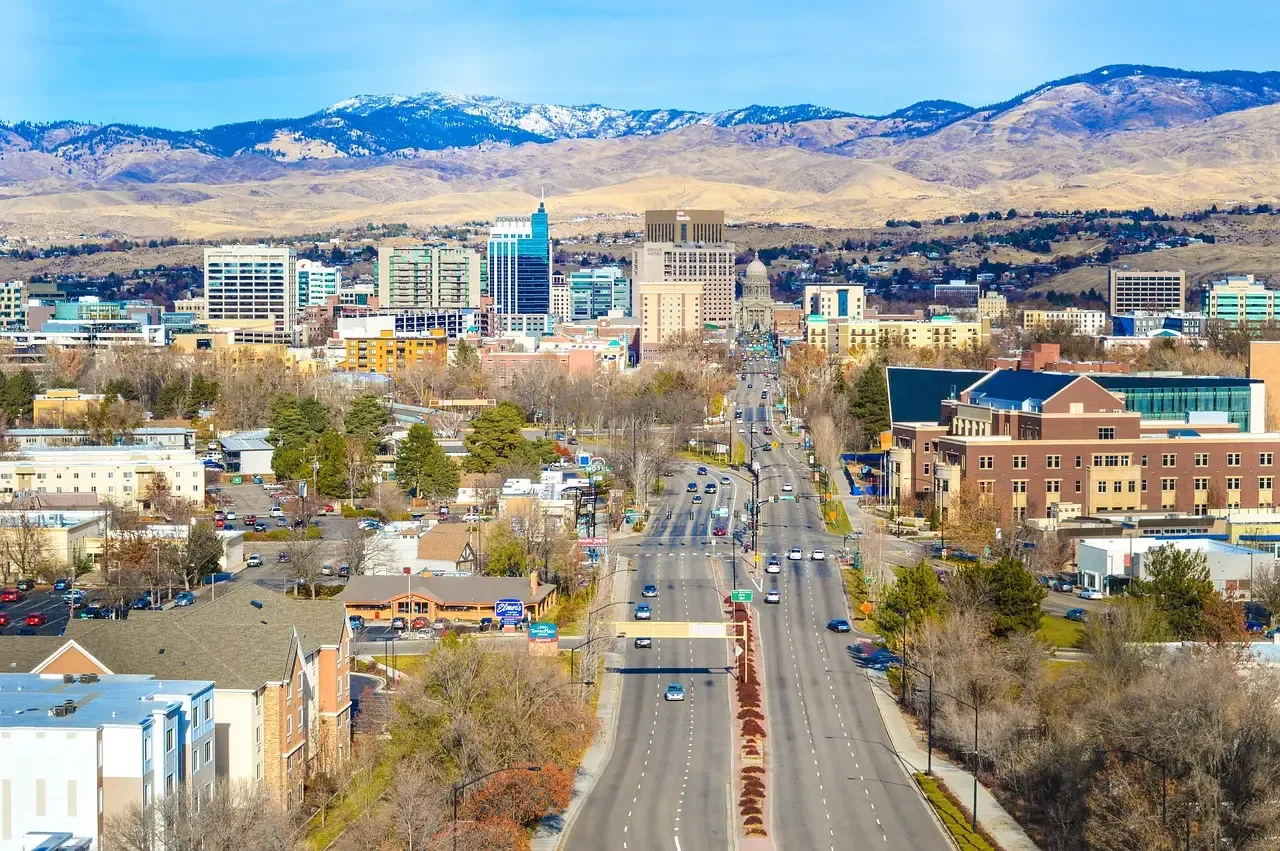
Boise was the fifth fastest-growing city in the United States in 2022 and 2023, and is expected to see 37% population growth between 2022 and 2050, with a predicted total metro area population of 1.1 million people, adding about 15,000 people annually. For a city that most Americans once associated primarily with potatoes and ski trips, those numbers represent a profound shift in its national profile. Boise shot up 3.0% in growth rate, making it the quickest-growing major metro outside the South.
Remote and hybrid work have enabled families and professionals to live farther from urban cores, with people who once felt tied to dense city environments increasingly choosing small-city lifestyles that offer space, affordability, and community. Boise has captured that trend more completely than almost any other Western city. Idaho led all states with 2.1% housing unit growth in 2025, followed by Arizona at 2.0% and South Carolina at 1.9% – a pattern that reflects just how aggressively the Gem State is building to accommodate its population surge. Boise’s challenge now is managing a growth narrative it didn’t fully choose.
Ocala, Florida: The Sunbelt’s Surprise Frontrunner
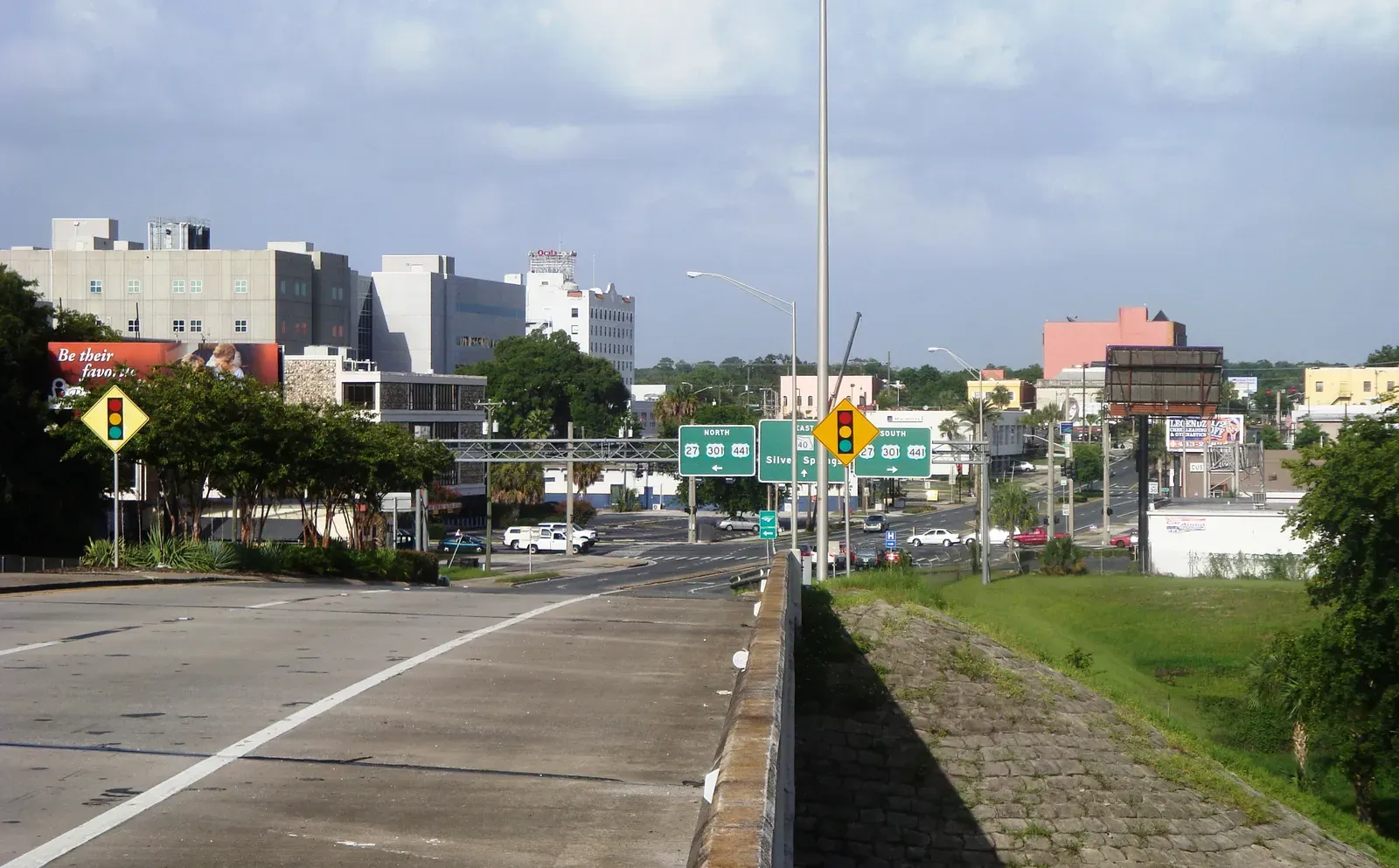
Florida added over 467,000 residents between 2023 and 2024, and Ocala led the entire nation as the fastest-growing metro area in that period, growing by 4%. Ocala is a city that most national trend-watchers have largely overlooked in favor of flashier Florida markets like Miami or Tampa. Yet its combination of relative affordability, warm climate, and improving infrastructure has quietly made it one of the most compelling urban growth stories in the Southeast.
The latest census data reflects historic trends that are expected to continue, including growth across the South and West – though popular destinations such as Florida and Texas are seeing a slowdown in in-migration compared to pandemic levels. Even with that moderation, Ocala’s trajectory remains steep. Looking toward the future, climate change is one of the most important factors when considering how accurate these predictions will be, with some models projecting an 8-to-30-inch rise in sea level by the 2050s, which would drastically impact coastal Florida cities. Ocala’s inland location, sitting well away from the coastline, may ultimately become one of its greatest long-term competitive advantages.
Gwagwalada, Nigeria: The World’s Fastest-Growing Urban Center
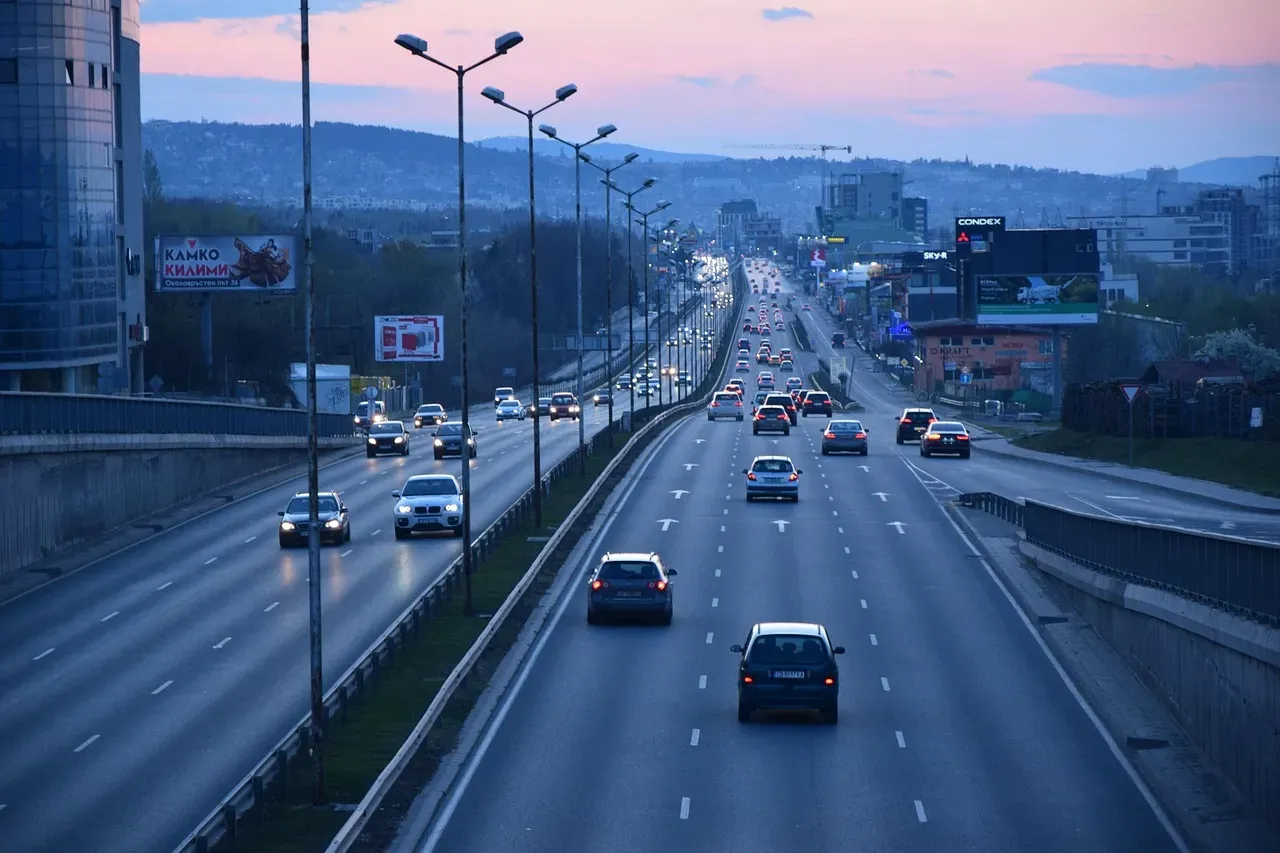
Gwagwalada is located about 45 kilometers southwest of Abuja, Nigeria’s capital, and is projected to have the largest population increase on the African continent – making it the fastest-growing urban center in the world. This is the global dimension of the small-town-to-megacity story, and it operates on a completely different scale than the American examples. The fastest-growing megacities in the world will most certainly be in Africa, fueled by sky-high rates of natural population change reflecting the younger age profile of their residents.
Urbanization is set to increase to two-thirds of the global population by 2050, driven mostly by sharp increases in sub-Saharan Africa and Asia. Cities like Gwagwalada sit at the epicenter of that transformation. Almost all of these fast-growing cities face infrastructural challenges as their most prominent concern, indicating a lot of work ahead for governments and major stakeholders. The risk is real, but so is the opportunity. Nigeria’s urbanization story – and Gwagwalada’s place within it – may well be the defining urban narrative of the coming decades, dwarfing even the remarkable growth unfolding across Texas and the American Sunbelt.
