

A fire pit or wood stove feels like the simplest kind of technology. You light it, and heat comes out. What goes up the chimney depends heavily on what you put in.
Clean, dry, untreated firewood burns imperfectly, but many everyday materials burn far worse. Some release toxic gases, others leave ash with concentrated metals, and a few do both. Here are eight common materials that people burn, sometimes without a second thought.
Pressure Treated Wood
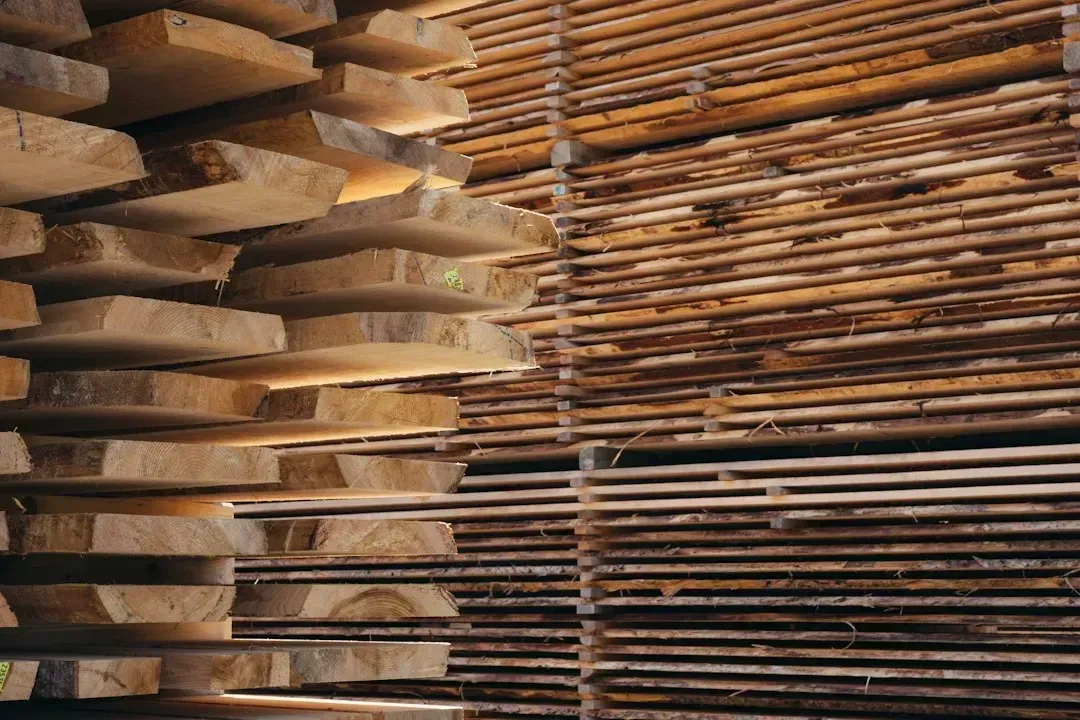
Lumber sold for decks, fences, and garden beds is infused with preservatives to resist rot and insects. Older stock, made before the residential phase out in the United States in the early 2000s, often used chromated copper arsenate. Burning it can release arsenic, and the ash becomes a concentrated source of that metal.
Newer treatments rely mostly on copper compounds, which are less alarming but still not meant for combustion. The U.S. Environmental Protection Agency advises against burning treated wood in open fires and residential stoves. Ash should never be spread on gardens or used as a soil additive.
Glossy and Coated Paper

Magazines, catalogs, and shiny packaging carry a mineral coating, often clay or calcium carbonate, plus inks and binders. Plain newsprint burns fast and cleanly by comparison. Coated stock tends to smolder and leave more residue, and it can produce more smoke.
The exact emissions depend on the ink and coating, and the risk is less dramatic than some online claims suggest. Still, wood stove guidance from environmental agencies generally says to avoid burning colored or coated paper. It clogs flues with deposits and adds particles to the air for very little heat in return.
Plastics, Especially PVC
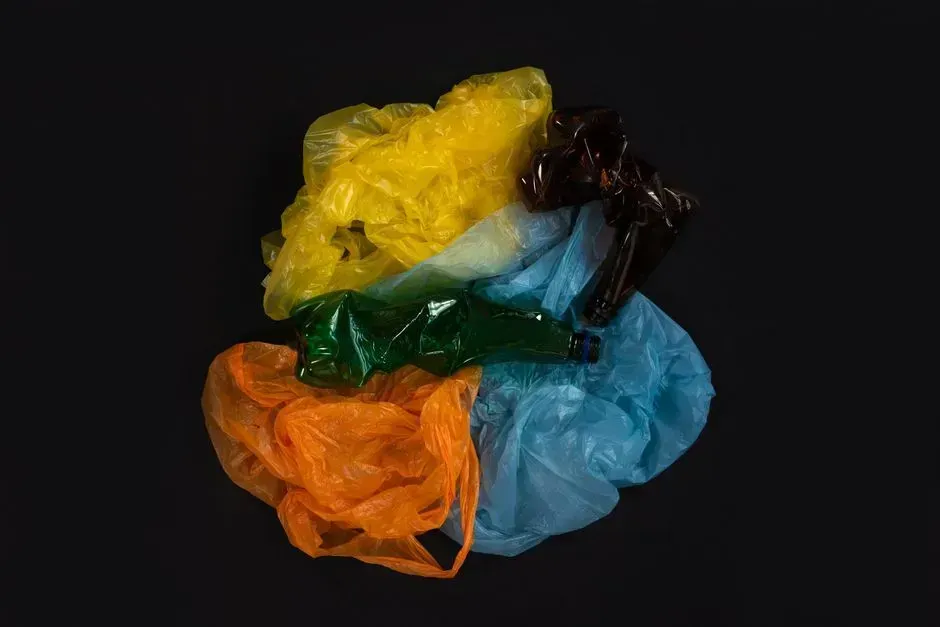
Plastic bags, bottles, and packaging are made from petroleum, so they burn hot and sooty. Polyvinyl chloride, used in pipes, siding, and some packaging, is the worst offender because it contains chlorine. Burning it can produce hydrogen chloride gas and dioxins.
The EPA has long identified backyard burning of household trash as a notable source of dioxins. Those compounds persist in the environment and build up in the food chain. Low temperature open fires, like burn barrels, tend to make the problem worse.
Painted or Stained Wood
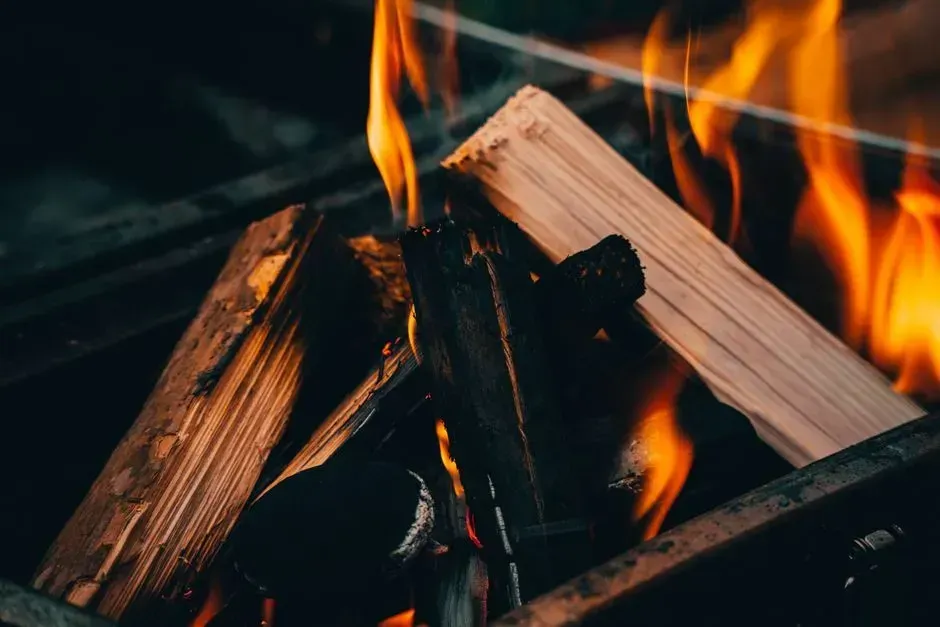
Old furniture, trim, and scrap boards look like ideal kindling, yet their coatings go up in smoke with the wood. Paint made before lead was banned in U.S. household paint in 1978 can contain that metal. Burning it can release lead into the air and concentrate it in ash.
Modern paints and varnishes bring their own mix of solvents, pigments, and resins. Even without lead, the smoke from burning finishes contains more irritants than clean wood smoke. The safer route is taking scrap to a proper disposal site.
Tires and Rubber
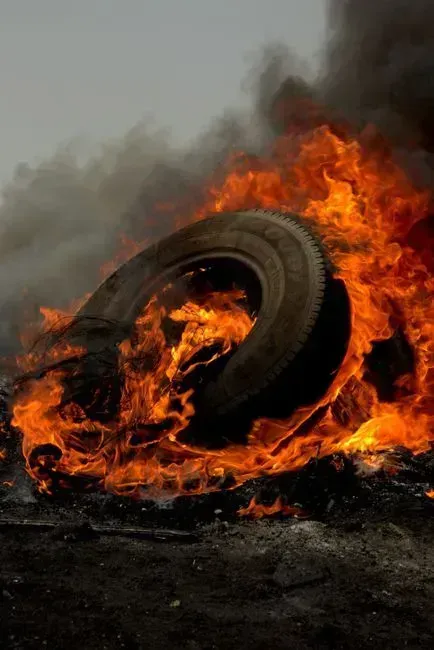
Tires burn with a heavy, black, oily smoke. They contain synthetic rubber, carbon black, and additives, and the fumes include polycyclic aromatic hydrocarbons, benzene, and fine particles. Some of these compounds are linked to cancer with long exposure.
Tire fires are also hard to extinguish, and they can leave oily runoff that contaminates soil and water. Burning tires is illegal in many places for good reason. Recycling programs turn them into products like road surfacing and playground material instead.
Polystyrene Foam

Foam cups, takeout containers, and packaging blocks are mostly air held in polystyrene plastic. When burned, the material produces dense black smoke rich in soot. It also releases styrene and other aromatic compounds.
Styrene is a chemical that health agencies classify as a possible or probable human carcinogen, depending on the organization. The foam melts and drips as it burns, which makes fires harder to control. It is a poor fuel for any fire pit.
Synthetic Fabrics and Carpet
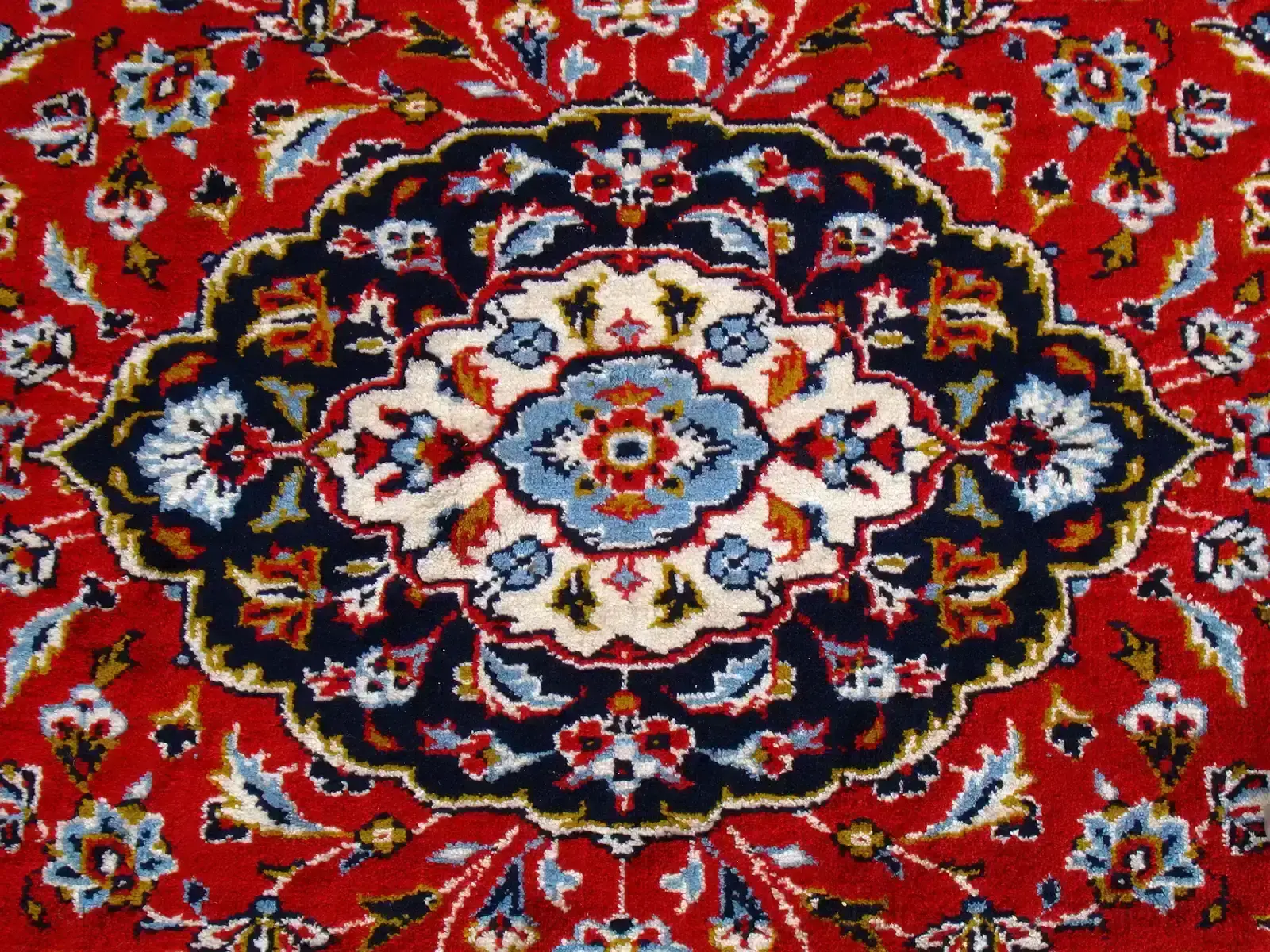
Polyester, nylon, and acrylic are all plastics spun into fibers. Burning them creates thick smoke and can release gases such as carbon monoxide and hydrogen cyanide. Nylon and other nitrogen containing fibers are known for producing cyanide compounds.
Carpet and upholstery add foam padding, backing, and flame retardant or stain resistant treatments to the mix. Fire safety research on house fires shows that synthetic furnishings produce toxic smoke quickly. Clothing scraps and old rugs should go to textile recycling or the trash instead.
Plywood, Particleboard, and Laminates
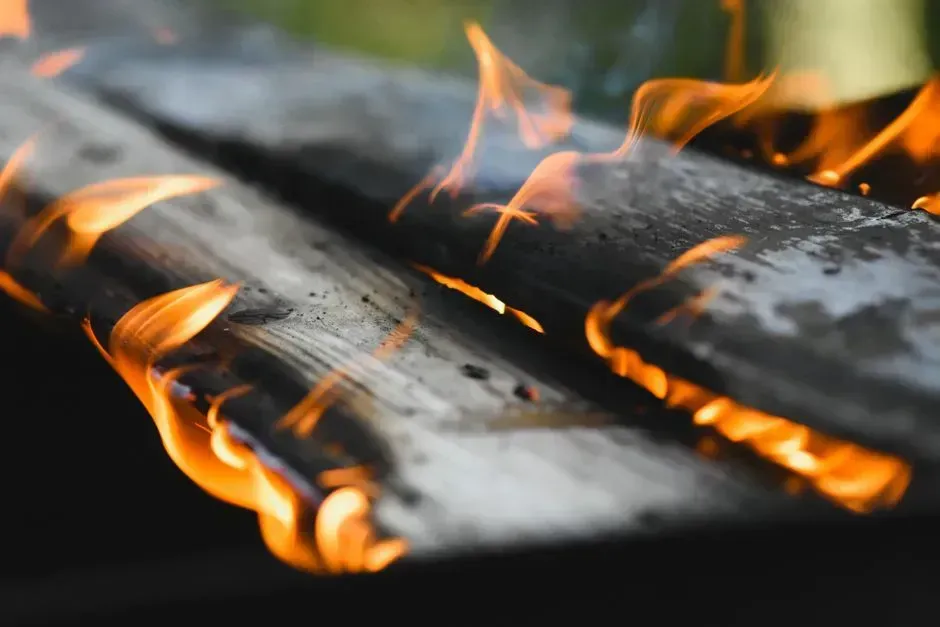
Engineered wood is made by gluing chips, fibers, or thin layers together. Many adhesives contain formaldehyde based resins, and burning the boards can release formaldehyde along with other irritating compounds. Laminates and veneers add plastic and printed layers on top.
Formaldehyde is classified as a human carcinogen by the International Agency for Research on Cancer. Offcuts from cabinets and shelving may look like tidy fuel, yet the smoke is harsher than that from solid wood. Sticking to seasoned, untreated logs is the simplest way to keep a fire cleaner.

- I Asked AI and a Waste Auditor How to Cut My Household Trash – Where They Disagreed - November 12, 2026
- Einstein’s equations suggest gravity can reconnect like the sun’s magnetic field - November 12, 2026
- This Map Shows Which States Get the Most Severe Storms Each Year – And It’s Not What You’d Expect - November 12, 2026
