

1. Furniture
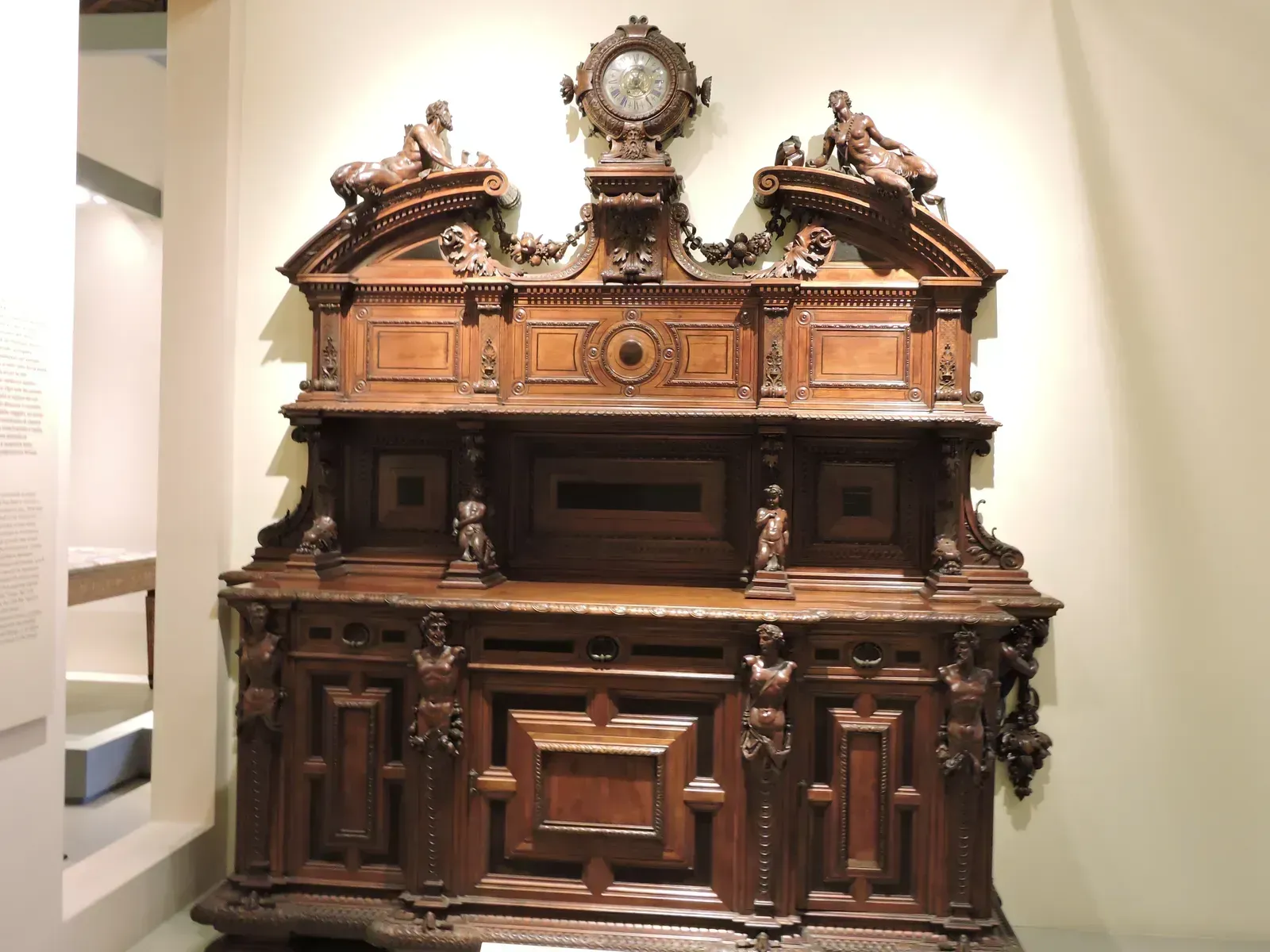
Solid furniture is often the biggest single category in an estate, and it’s rarely trash. Tables, chairs, bookshelves, dressers, desks, bed frames, and some upholstered furniture may all be good donation candidates depending on condition, though broken, stained, moldy, or structurally unsafe pieces are better suited for recycling. Solid wood dressers, matching bedroom sets, and vintage dining tables often have resale value that basic flat-pack furniture simply doesn’t.
If the estate includes solid wood pieces, matching bedroom sets, dining sets, vintage items, or well kept accent furniture, selling through estate sales, online marketplaces, or consignment can bring in some value while reducing the volume of the cleanout. For everything else that’s still functional but not worth the hassle of listing, donation is usually the simplest path. Furniture, clothing, kitchenware, and electronics in working condition can typically be donated to organizations like Salvation Army, Goodwill, or Habitat for Humanity ReStore, and some of them offer free pickup.
2. Clothing and textiles

A parent’s closet often holds decades of clothing, linens, and accessories, and most of it is donatable even if it’s out of style. Thrift stores and charity shops generally accept clean, gently used clothing, coats, shoes, and household textiles like blankets and towels. Items that are stained, torn, or too worn for resale can often still go into textile recycling bins rather than the trash, since many municipalities now separate textiles from general waste.
It’s worth checking with the specific charity before dropping off large quantities, since policies vary by location and season. If you’re donating large batches, calling ahead to confirm what your local charity or nonprofit accepts is worthwhile, since organizations like Habitat for Humanity and Goodwill often provide pickup services for larger donations, saving time and hassle. Vintage or designer pieces are sometimes worth a separate look at consignment shops before they go into the general donation pile.
3. Books, media, and paper goods

Bookshelves in an older home can hold hundreds of volumes, and while most won’t fetch much individually, they add up in other ways. Public libraries, secondhand bookstores, and charity shops are usually happy to take boxes of used books, and some libraries run ongoing sales that fund community programs. Specialty or first-edition titles occasionally have real resale value, so it’s worth a quick search before donating anything that looks old or unusual.
Magazines, catalogs, and general paperwork are a different story and typically belong in standard paper recycling rather than donation piles. Sensitive documents like financial statements or medical records should be shredded first, not simply tossed with the rest. Once the useful books are pulled out and the sensitive papers are handled, what’s left is usually straightforward curbside recycling.
4. Electronics
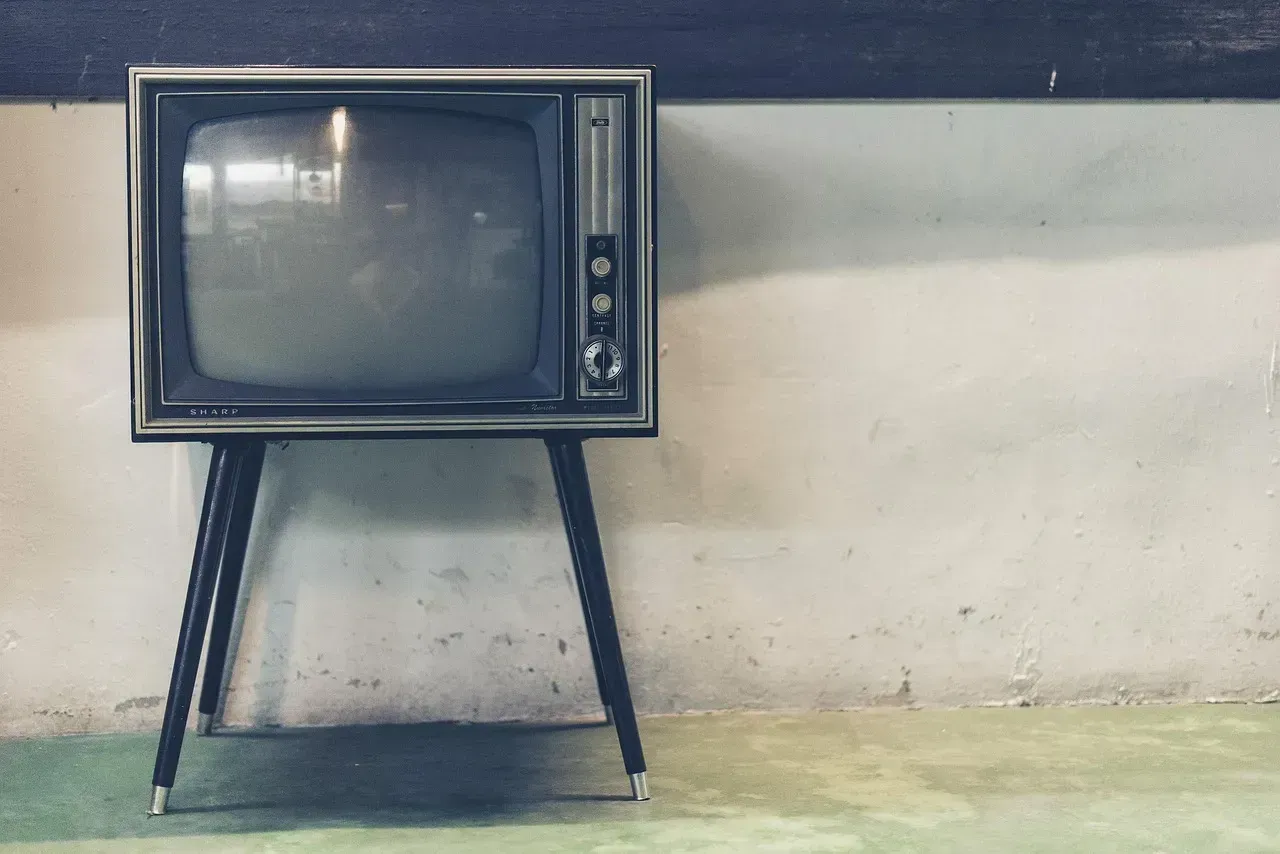
Old televisions, computers, printers, and small appliances sit in a strange middle ground: too outdated to sell for much, but too full of hazardous materials to throw in the regular trash. Only about 15 percent of e-waste in North America was formally collected and recycled as of 2019, meaning the vast majority of electronic waste goes somewhere other than a licensed recycling facility. That statistic makes proper disposal from an estate cleanout more than a courtesy, it’s genuinely one of the more consequential choices in the whole process.
Working laptops, tablets, and smartphones still hold resale value and are worth wiping and listing or trading in before anything else. Older televisions fare worse, since only about 17 percent of e-waste from televisions is recycled globally despite containing valuable materials like copper, aluminum, and rare earth metals. Certified e-waste recyclers and retailer take-back programs are the right destination for anything that no longer functions or isn’t worth reselling.
5. Jewelry, watches, and small collectibles
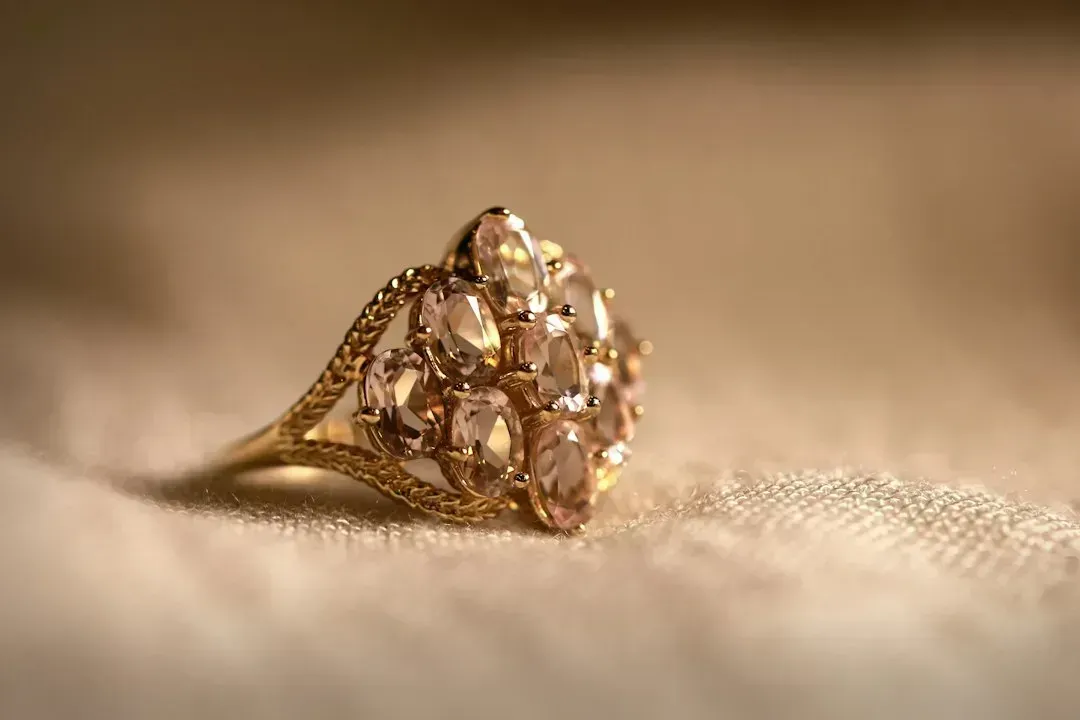
This category deserves a slower look than most, because value here isn’t always obvious at a glance. Costume jewelry usually has minimal resale value but can be donated to thrift stores or theater costume departments. Gold, silver, and gemstone pieces are worth a professional appraisal before anything is sold, since scrap value and collector value can differ significantly.
Watches, coins, and small collectibles like stamps or vintage toys sometimes carry surprising value that a general estate sale might undersell. A specialty dealer or auction house familiar with the specific category, whether that’s mid-century watches or postage stamps, will usually get a better price than a blanket estate sale listing. Anything genuinely low-value but still wearable, like fashion jewelry, is a fine candidate for straightforward donation.
6. Kitchenware and small appliances
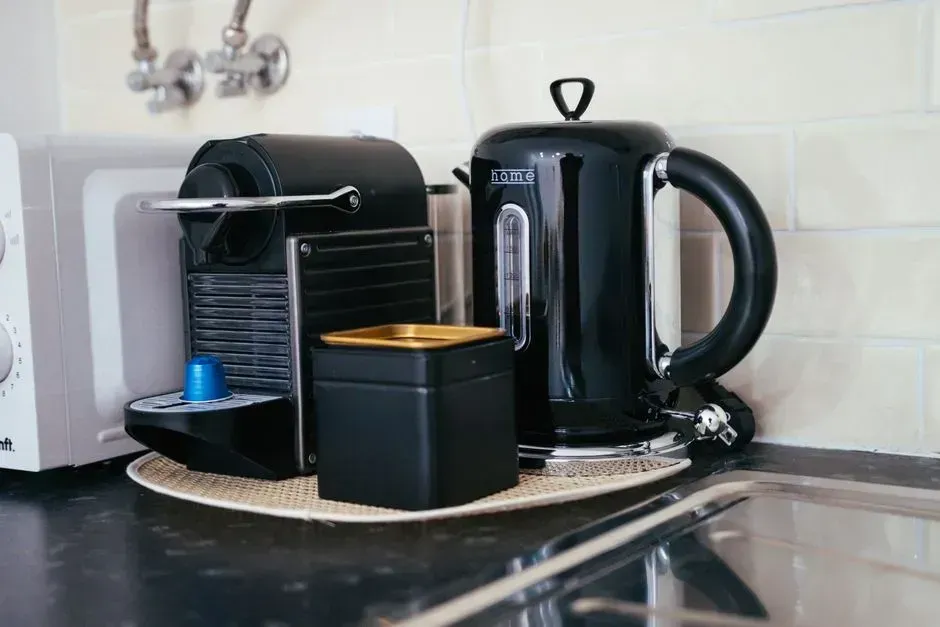
Kitchens accumulate an enormous amount of stuff over a lifetime, from everyday dishware to appliances that barely got used. Kitchenware and electronics in working condition can be donated to Salvation Army, Goodwill, Habitat for Humanity ReStore, or local charities, and this applies just as well to toasters, mixers, and full sets of dishes as it does to furniture. Cast iron pans, vintage Pyrex, and certain branded cookware sometimes have dedicated resale markets that pay more than a general donation bin would suggest.
Chipped dishes, broken small appliances, and mismatched utensils are better candidates for recycling than donation, since most charities can’t resell damaged goods. Metal cookware and appliance parts can often go through scrap metal recycling once they’re no longer usable. Items such as scrap metal, electronics, and old appliances are commonly sent to recycling facilities whenever possible, which keeps them out of landfills even when they’re past their useful life. Sorting a parent’s estate this way, category by category, turns an overwhelming task into a series of manageable decisions. Donation keeps usable goods in circulation and often provides a tax receipt for the estate. Reselling recovers some value for the family, and recycling handles everything that’s reached the end of its life responsibly. None of it undoes the reason for the cleanout in the first place, but it does mean the things left behind get one more useful purpose before they’re gone for good.

- Flood and Cyclone Warnings: What Makes an Early Warning System Effective - October 14, 2026
- Saharan Dust Over Europe: What It Means for Air Quality and Sunsets - October 14, 2026
- Climate Normals: The 30-Year Averages Behind Every “Above Average” Forecast - October 14, 2026
