

Disposable coffee cups seem like they should be easy to recycle. After all, they look like paper and get used by the billions every year. Yet most end up in landfills or incinerators instead of being turned into new products.
The main culprit is a hidden design feature that protects the drink but wrecks standard recycling streams. Understanding the issue helps explain why tossing these cups into regular bins often does more harm than good.
The Hidden Plastic Lining
Most paper coffee cups include a thin polyethylene coating on the inside. This layer keeps hot or cold liquids from soaking through the paperboard. It makes up only about five percent of the cup by weight yet creates a major barrier for recyclers.
Paper mills rely on water to break down fibers into pulp. The plastic does not dissolve in the same way. Instead it forms flakes that interfere with the entire batch of material being processed.
Why Standard Paper Recycling Fails
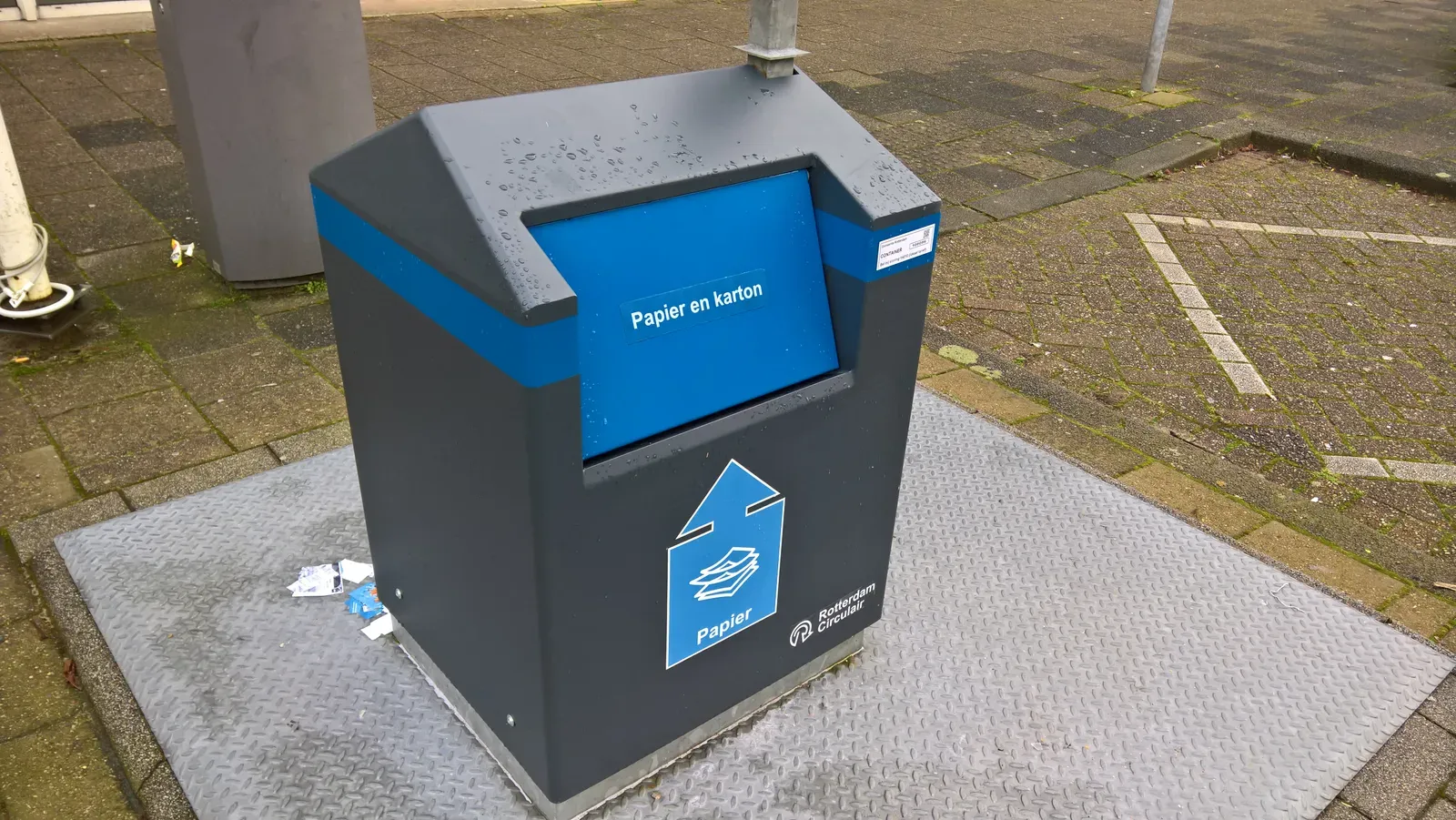
Facilities designed for clean cardboard and office paper cannot easily separate the plastic from the fibers. The coating clogs screens and reduces the quality of any recovered pulp. Many mills simply reject loads that contain coffee cups to avoid costly downtime.
Even small amounts of contamination can lead to entire bales being diverted. This is why curbside programs that accept mixed paper often exclude these cups by rule. The process works best with single-material items that behave predictably in the pulper.
Contamination and Equipment Risks
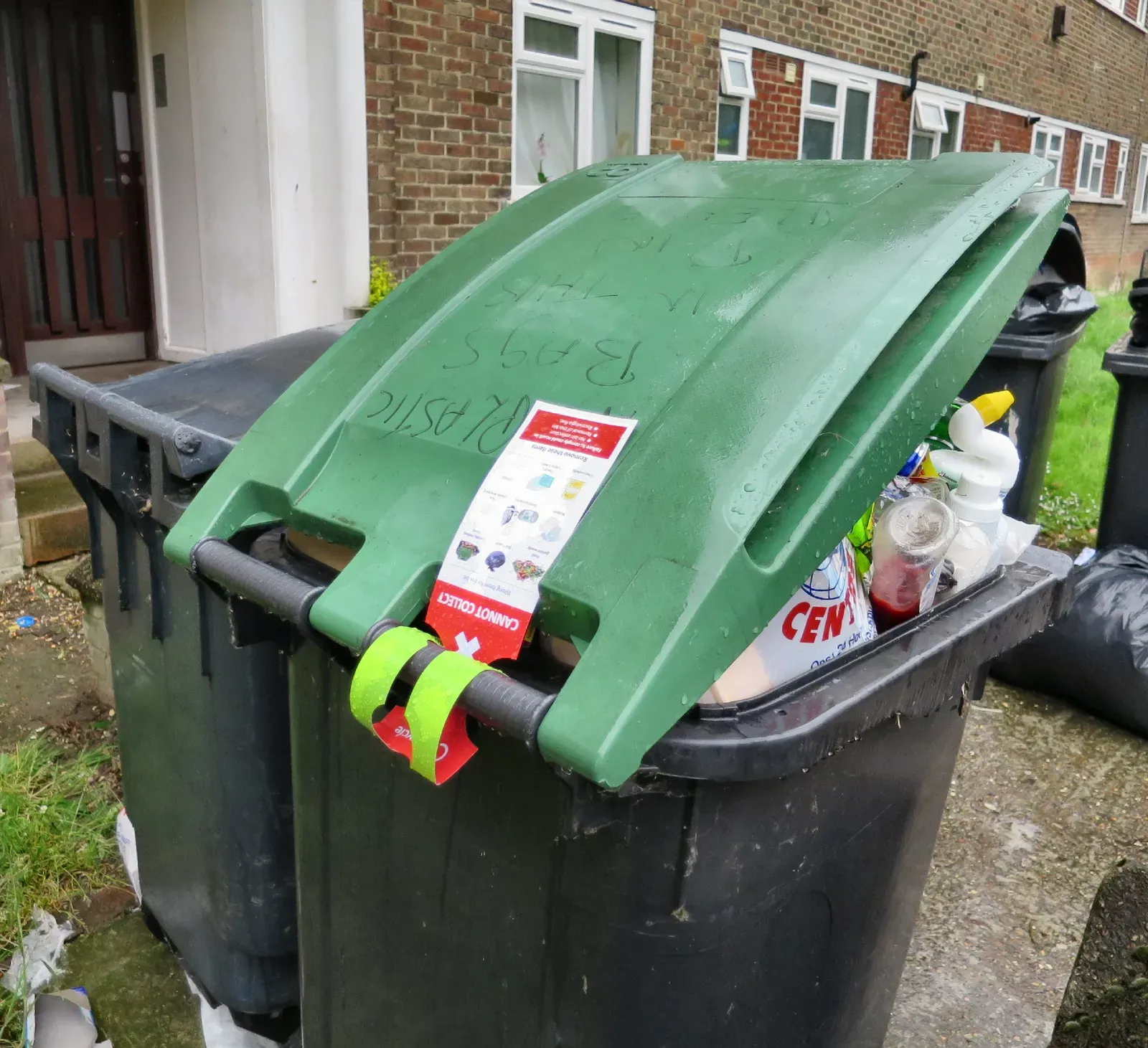
Food residue and liquid left in cups add another layer of difficulty. Greasy or sugary remnants lower the value of any fiber that might be recovered. Processors prefer materials that arrive relatively clean and uniform.
Specialized equipment exists to peel away the lining in some advanced plants. These systems remain rare and expensive to operate at scale. Most municipal recycling centers lack the investment needed to handle coated cups routinely.
Low Actual Recycling Rates Worldwide
Global estimates show that only about one percent of disposable coffee cups get recycled. In the United Kingdom the figure sits near one in four hundred cups. The United States sees rates under five percent for similar items.
These numbers reflect both the technical challenges and the economics of collection. Haulers and mills prioritize higher-value streams like aluminum cans and clear plastic bottles. Coated cups rarely justify the extra handling costs.
Even Plastic Cups Face Barriers
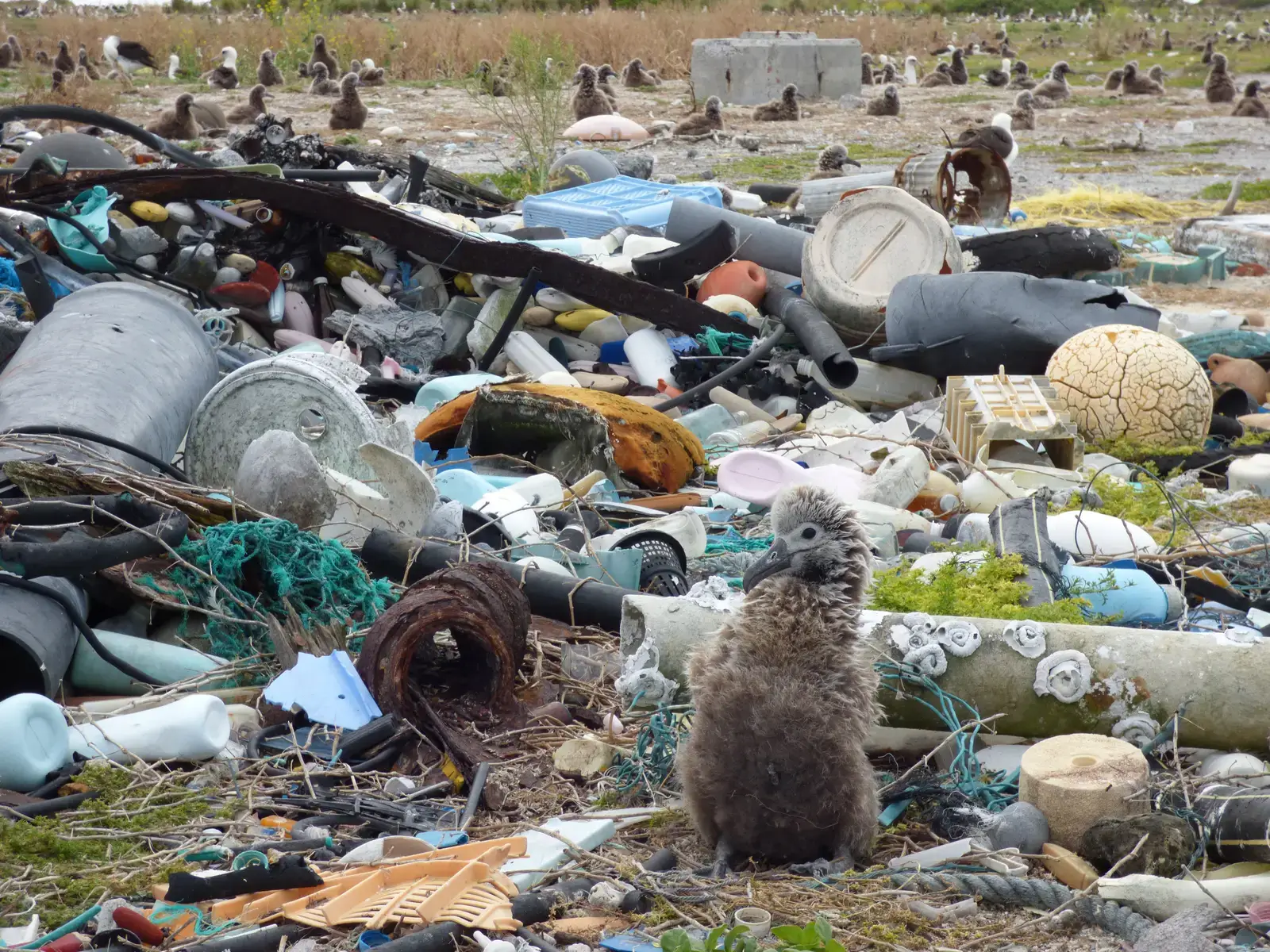
Some cold-drink cups made entirely of polypropylene carry “widely recyclable” labels. Recent tracking studies in 2026 found that none of the monitored cups reached actual reprocessing facilities when placed in store bins. Most traveled instead to landfills or incinerators.
Access to a collection program does not guarantee the material finds a buyer or processor. Few facilities handle this type of plastic at volume. The gap between collection and true recycling remains wide for these items as well.
Consumer Confusion and Bin Contamination
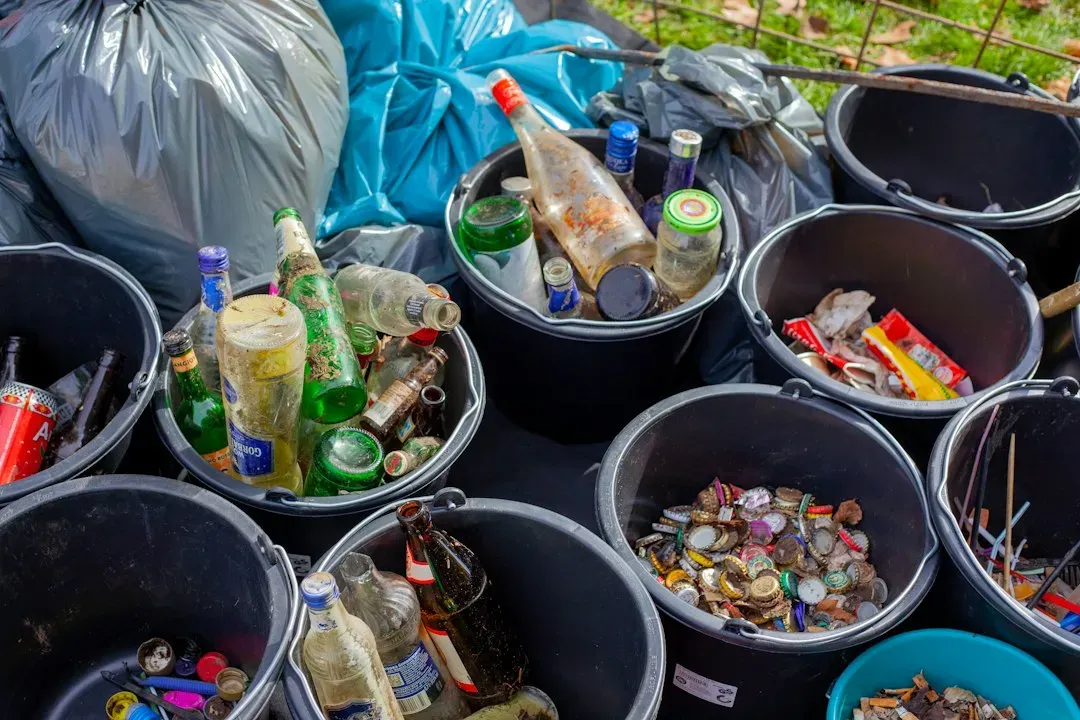
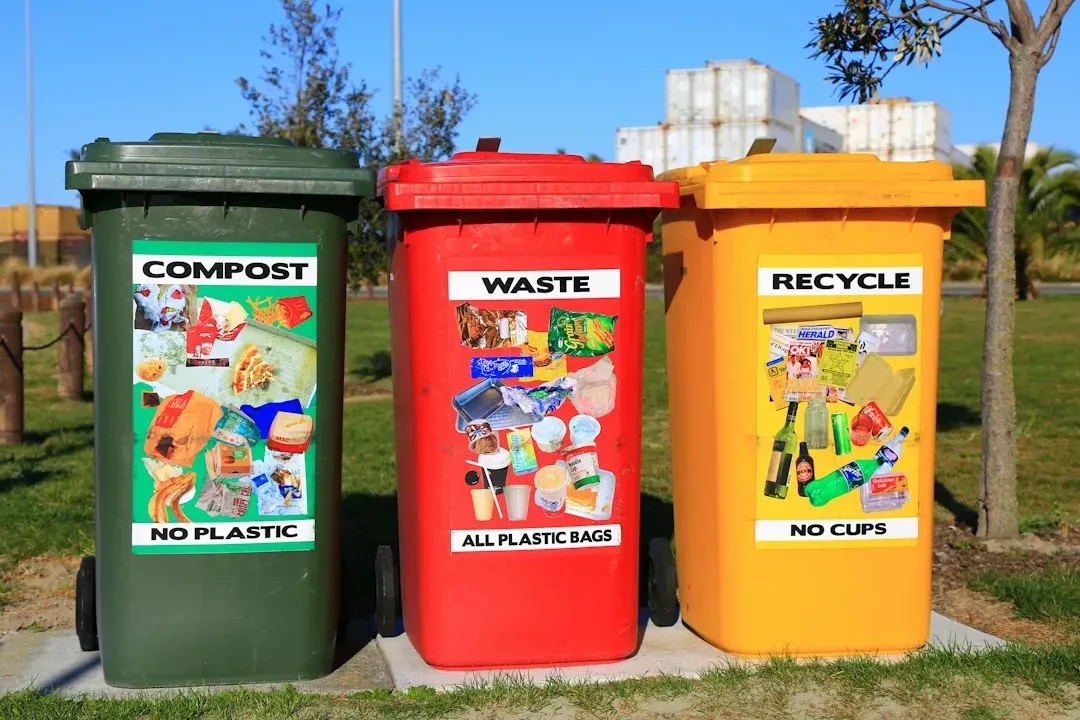
People naturally assume a paper-looking cup belongs with other paper products. Placing them in the wrong stream risks contaminating loads that would otherwise be recycled successfully. One misplaced cup can lead to rejection of an entire truckload in strict programs.
Clear signage and education campaigns help in some cities. Still, habits formed over years of mixed messaging prove hard to change. Many well-intentioned efforts end up creating more problems downstream.
Specialized Programs and Their Limits
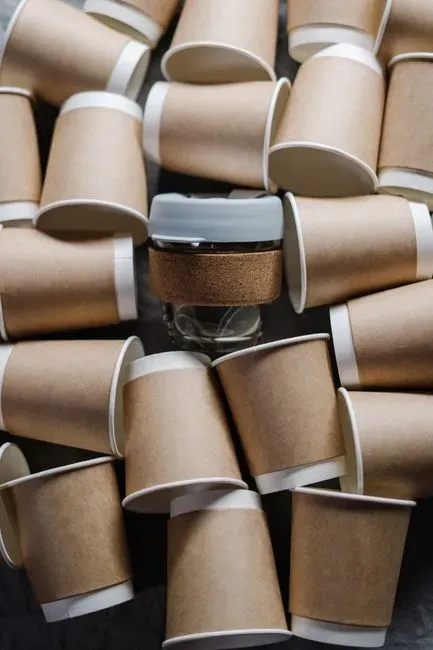
A handful of dedicated collection points accept coffee cups for separate processing. These programs often require the cups to be rinsed and sometimes flattened before drop-off. Participation rates stay low because the extra steps feel inconvenient.
Even when collected, the material must travel to one of the limited mills equipped to handle the coating. Geographic gaps mean many cups collected in one area still end up discarded after sorting. Scale remains the persistent obstacle.
Looking Ahead to Better Solutions
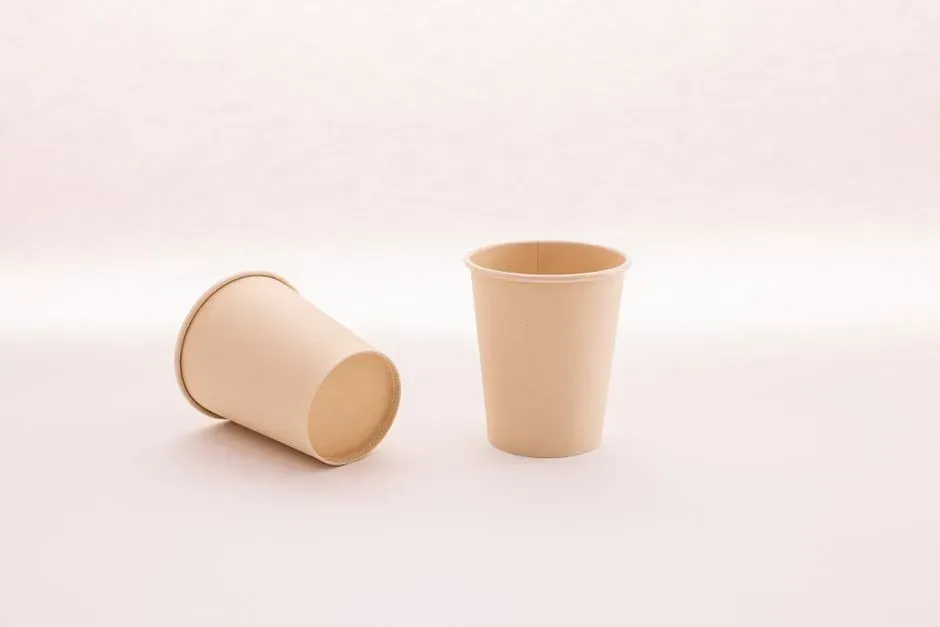
Manufacturers continue testing aqueous coatings and plant-based alternatives that might integrate more cleanly with existing systems. Some newer designs aim to be fully compostable in industrial facilities. Success depends on matching the cup to local waste infrastructure.
Broader shifts toward reusable cups and reduced single-use packaging offer the most direct path forward. Policy changes and corporate commitments are slowly increasing pressure on the industry. Real progress will require coordinated effort across the supply chain.
Conclusion

The plastic lining that makes disposable coffee cups practical also makes them incompatible with most regular recycling bins. Small design choices carry large consequences when multiplied by billions of uses each year.
Knowing the limits of current systems empowers better decisions at the counter and the curb. Every cup kept out of the wrong bin helps protect the streams that do work reliably.

- Blue whales vanish from the Galápagos, and scientists suspect El Niño - November 11, 2026
- 8 Famous Battles That Were Decided by the Weather - November 11, 2026
- Black Sunday 1935: 9 Photos From the Worst Dust Storm of the Dust Bowl Era - November 11, 2026
