


- Record planetary extremes loom as the world’s largest climate summit begins - November 12, 2026
- Will travel insurance cover weather-related flight delays and cancellations? - November 11, 2026
- 8 Cities Where the Weather Changes So Fast Locals Carry Everything - November 11, 2026
Fall brings a gradual chill across the United States, and the first frost marks a key shift for gardeners, farmers, and anyone who enjoys the outdoors. Dates vary widely depending on location, with northern and higher elevation spots seeing frost weeks or even months earlier than southern or coastal areas. These expectations draw from long term NOAA climate normals covering 1991 through 2020, which provide reliable median dates for when temperatures first reach 32 degrees Fahrenheit.
Actual timing can shift by a week or two in any given year due to weather patterns, yet the averages offer a solid planning guide. Cities in the far north often cross that threshold in September, while many in the South wait until November or December. Coastal influences and urban heat islands sometimes delay the event further in places like New York or Los Angeles.
Northern Plains and Early Freeze Zones
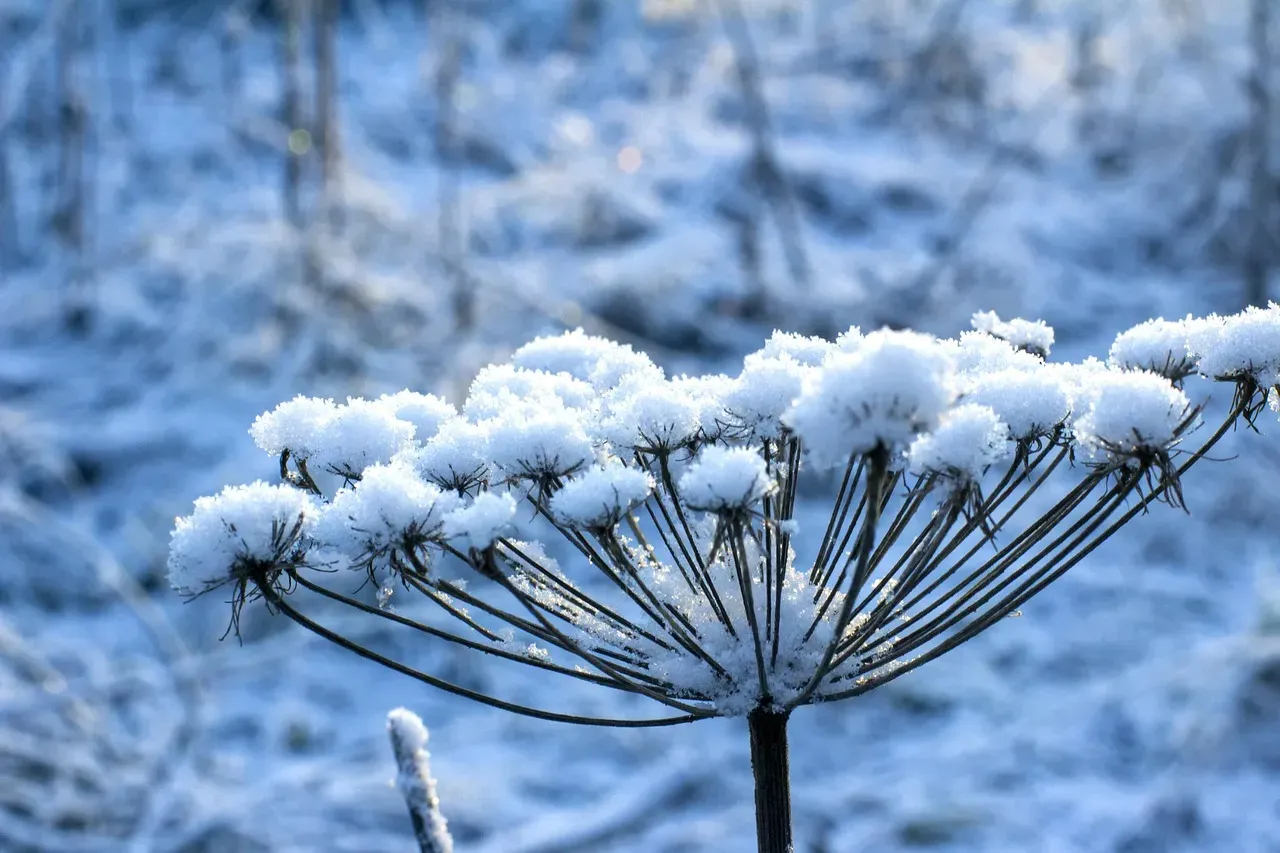
Fargo typically records its first frost around late September according to NOAA records. Residents there prepare outdoor plants well before October arrives. The short growing season shapes local agriculture in noticeable ways each year.
Billings follows a similar early pattern with median dates near the start of October. Cold air masses from Canada often trigger these freezes. Gardeners in these spots learn to harvest tender crops promptly to avoid damage.
Midwest Heartland Patterns
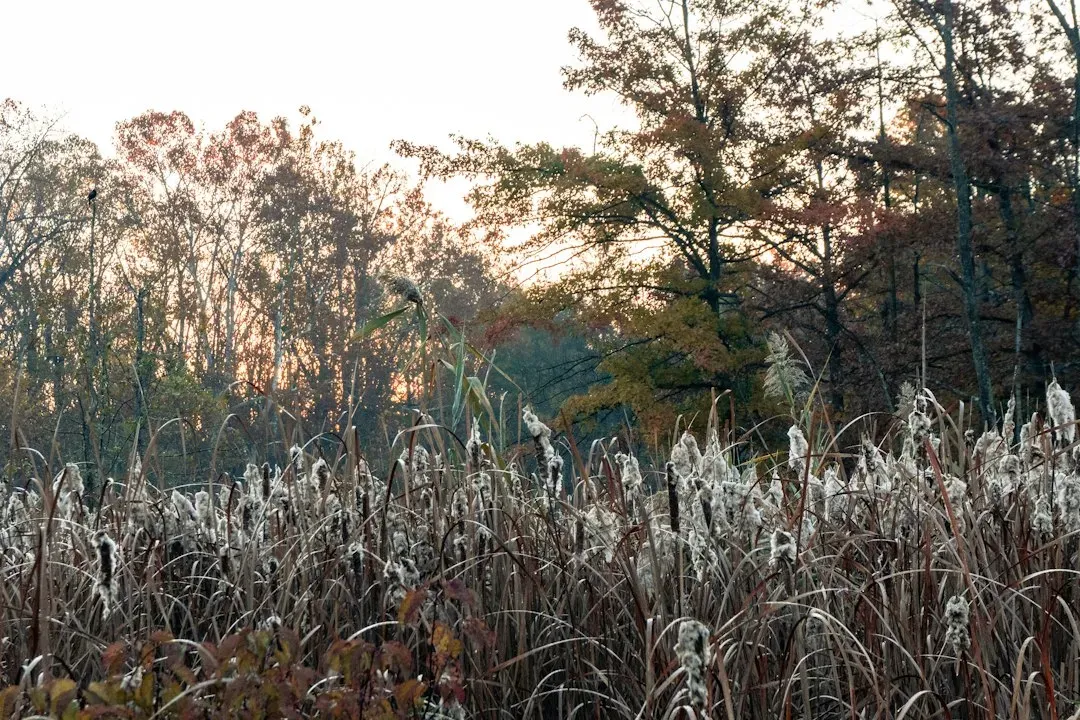
Minneapolis usually sees its first 32 degree reading in mid October based on historical data. Chicago tends to follow shortly after toward the end of the month. These dates help farmers time their final harvests of corn and soybeans.
Indianapolis and Detroit align closely with late October averages as well. Clear nights after cold fronts bring the frost risk into focus. Local extension services often issue reminders around these periods for sensitive vegetation.
Mountain West Timing
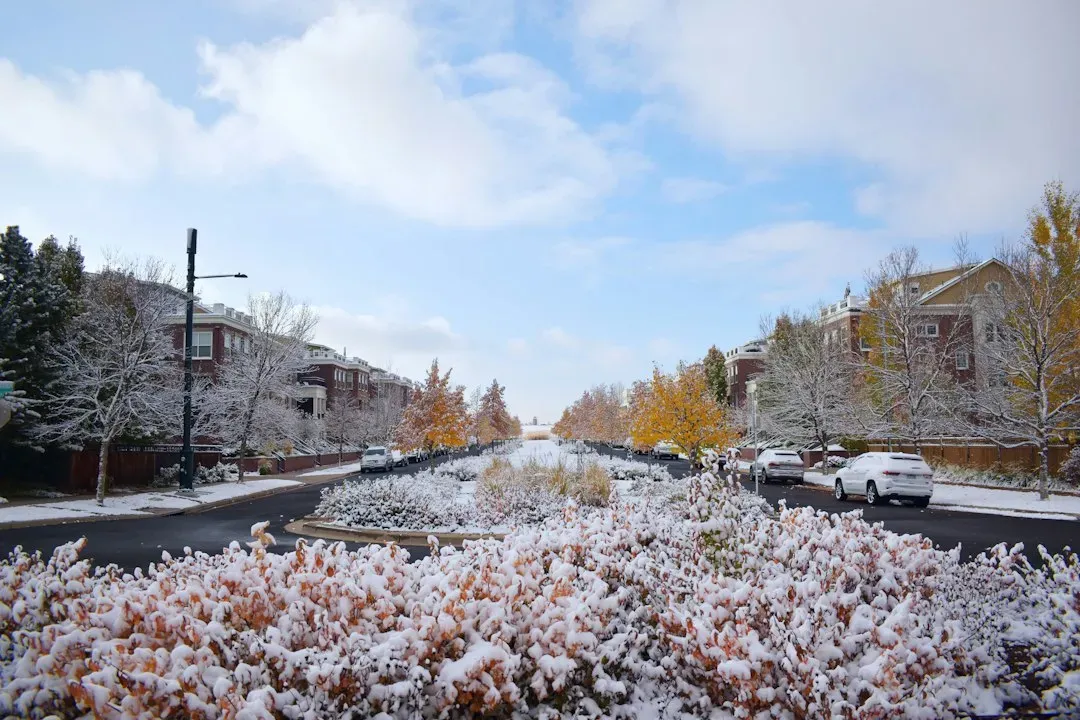
Denver experiences its median first frost in early October per NOAA normals. Salt Lake City runs a bit later into the same month. Elevation plays a major role in accelerating the cooling process here.
Boise shares a comparable window around mid October. Higher terrain nearby can freeze even sooner. Travelers through these regions notice the rapid change in foliage color as a result.
Northeast City Expectations
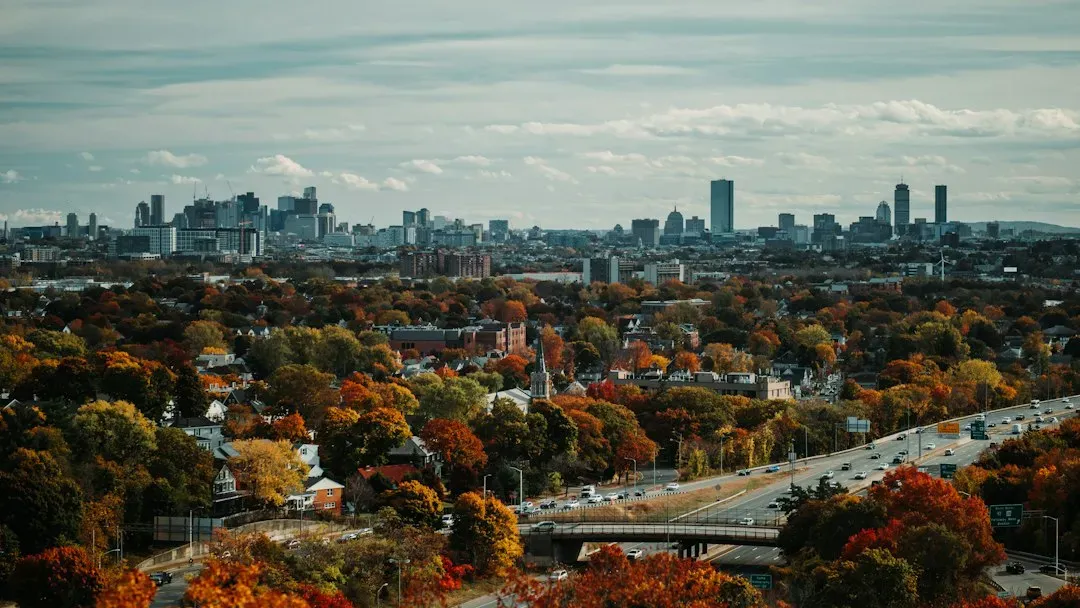
Boston averages its first frost in early November according to long term records. New York City tends to hold off until mid November thanks to urban effects and proximity to the ocean. These later dates extend the outdoor season for many residents.
Philadelphia falls in a similar mid November range. Coastal moderation keeps temperatures milder longer than inland spots at the same latitude. People often enjoy extra weeks of mild weather before frost arrives.
Mid Atlantic and Nearby Areas
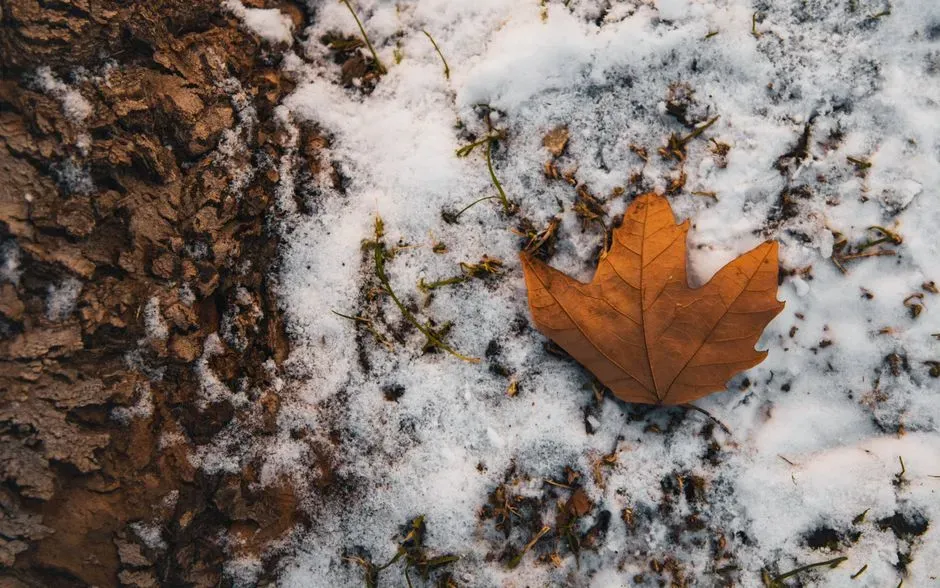
Baltimore and Washington typically reach freezing conditions around late October or early November. Richmond follows closely with early November medians. These cities balance northern chill with southern warmth in their climate patterns.
Charlotte in North Carolina aligns with early November averages as well. The transition feels gradual compared to more northern locations. Local weather services track these shifts carefully each season.
Southern and Southeastern Regions
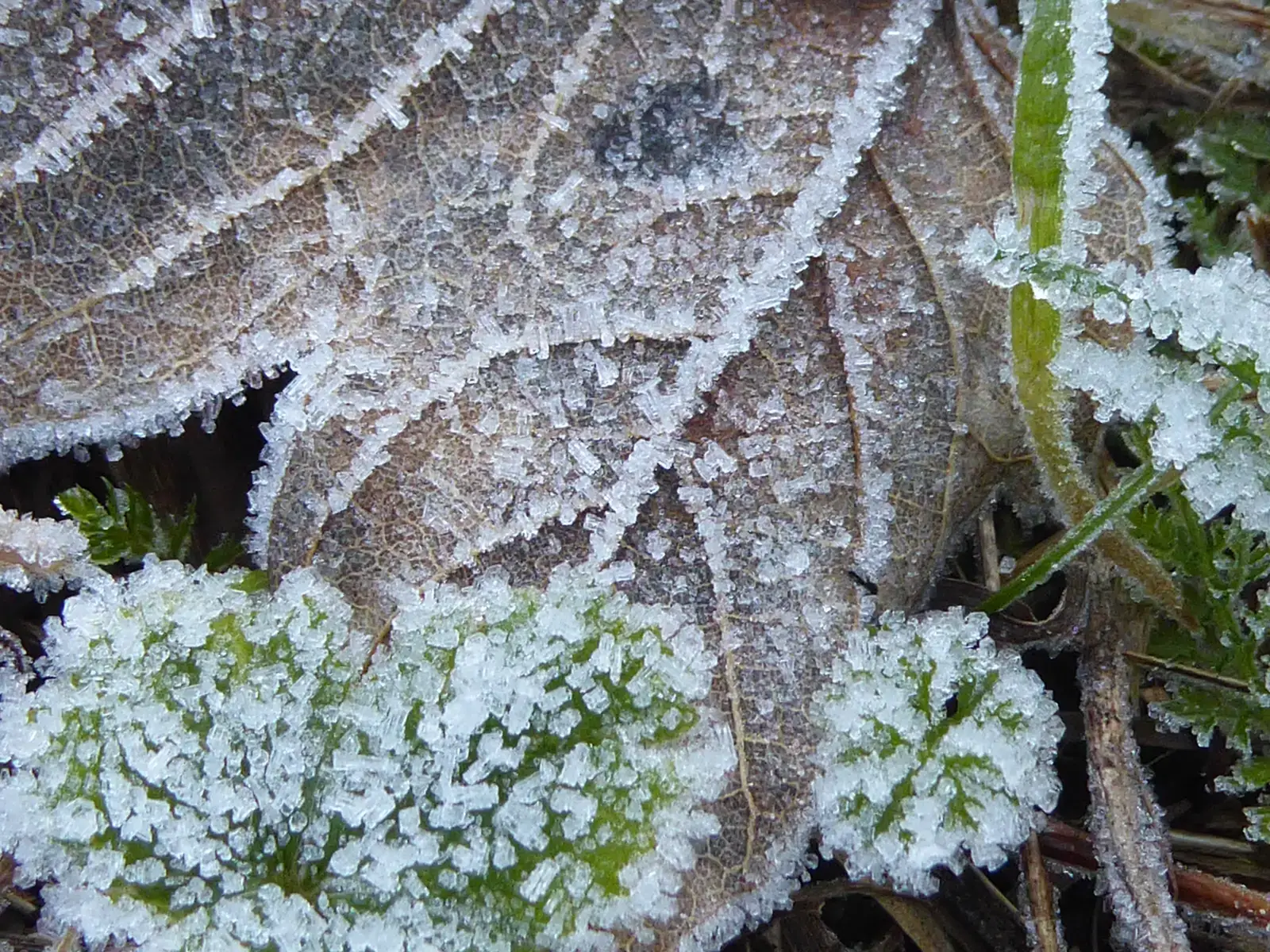
Atlanta usually records its first frost in mid November based on NOAA data. Nashville tends to see it slightly earlier toward the start of the month. These dates still allow for extended growing periods in many gardens.
Birmingham and Jackson follow similar mid to late November timelines. Warmer air from the Gulf often delays the event compared to northern states. Farmers here focus on cool season crops that tolerate light frosts.
Gulf Coast and Deep South Windows
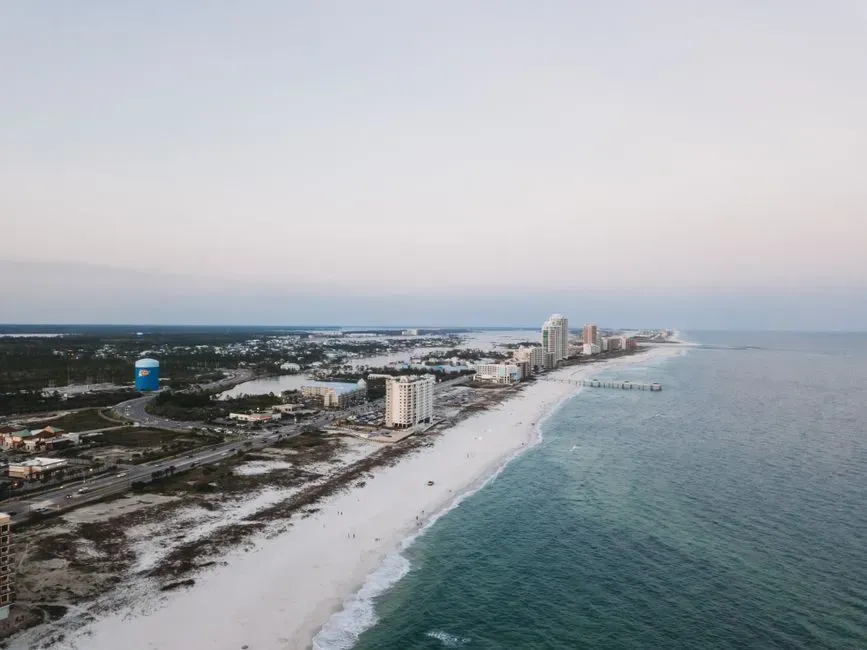
Houston averages its first frost in early December according to climate normals. New Orleans runs even later into the month. Many winters pass without any freeze at all in these spots.
Jacksonville in Florida aligns with mid December expectations. The risk remains low for southern Florida cities like Miami where frost stays rare. This extended warmth supports year round outdoor activities in the region.
Western and Pacific Influences
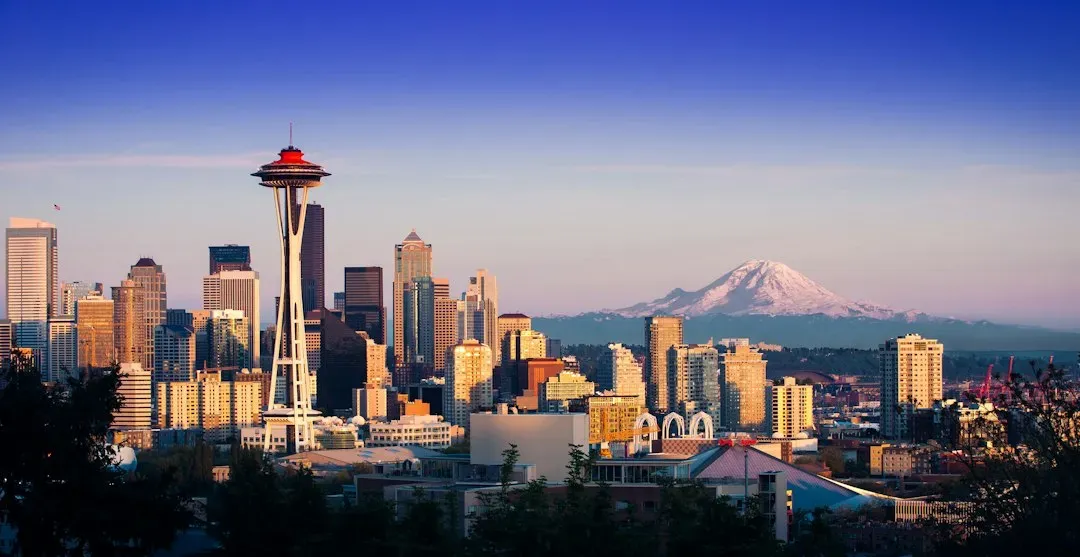
Seattle and Portland often wait until mid November for their median first frost dates. The marine climate keeps conditions milder than inland areas at similar latitudes. Los Angeles and San Diego rarely if ever record freezing temperatures.
These coastal patterns create distinct growing seasons compared to the rest of the country. Residents appreciate the milder winters while still preparing for occasional cool snaps. Microclimates within cities can shift exact timing by a few days.
