

Water heaters dominate the household energy budget
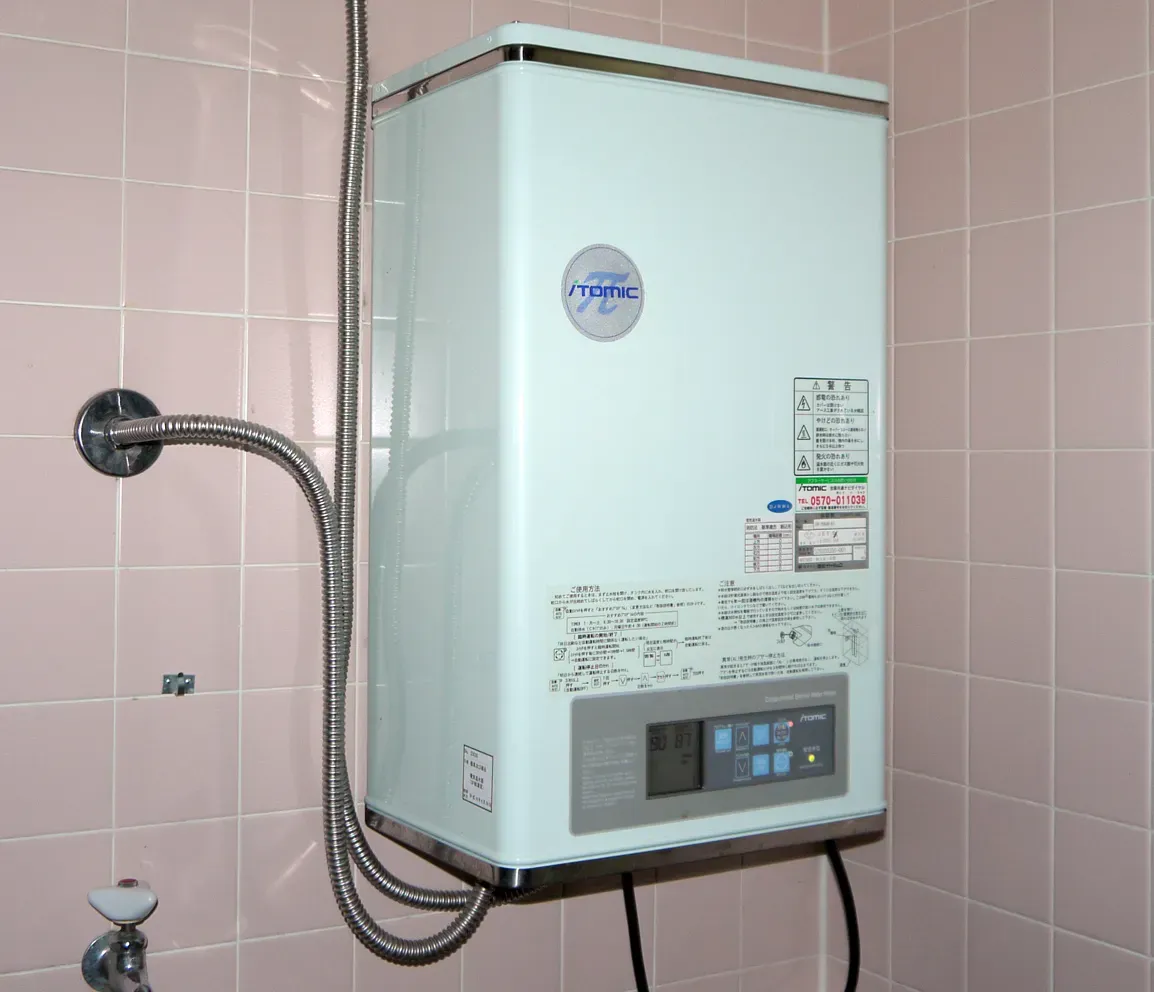
Electric resistance water heaters account for a startling share of home energy use. According to the U.S. Department of Energy, electric water heaters account for approximately 18 percent of residential energy consumption, making them the second largest energy-consuming electric appliance in a home, only surpassed by HVAC equipment. That single number puts water heating in a category almost nothing else in the house can touch.
Put in dollar terms, the average American household spends between $400 and $600 each year on water heating alone, according to Department of Energy figures. Some estimates run even higher depending on tank size and local rates, but the pattern holds everywhere: this one appliance eats a bigger slice of the bill than almost any other single device plugged into the wall.
How many kilowatt hours a water heater actually burns
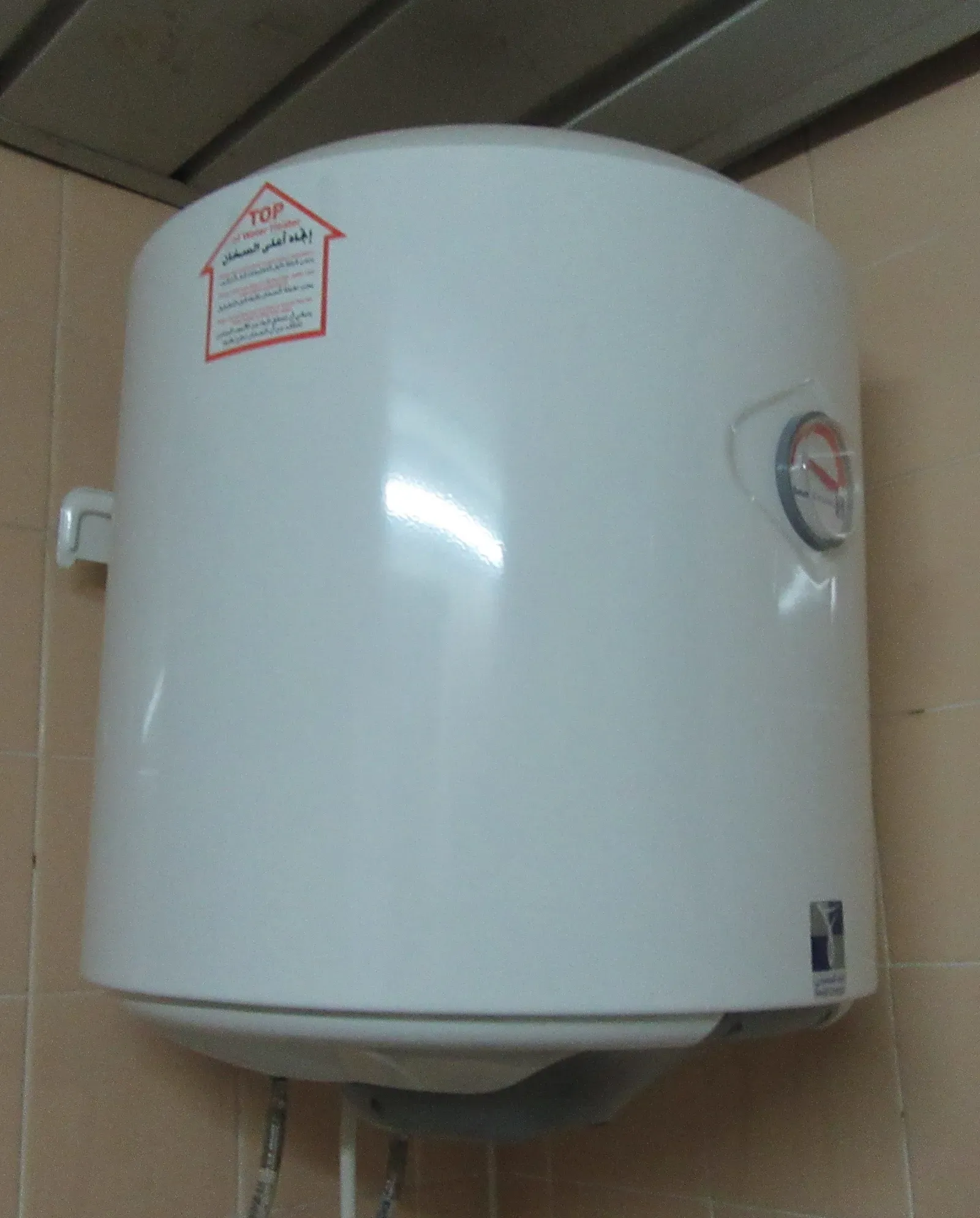
The raw consumption numbers back up the cost figures. The average U.S. household with an electric resistance water heater uses 4,000 to 5,000 kWh per year on water heating, costing 560 to 800 dollars annually at the national average rate of roughly 16 cents per kWh. That’s thousands of kilowatt hours dedicated to nothing but keeping a tank of water hot.
Daily numbers tell a similar story. A standard electric tank water heater typically runs three to five hours a day at three thousand to forty five hundred watts, using roughly nine to fourteen kilowatt hours daily, which works out to somewhere between five hundred and nine hundred dollars a year depending on the rate. Even on the low end of that range, it’s a heavy energy user compared to almost anything else humming in the house.
The refrigerator, by comparison, barely registers

Refrigerators have a reputation as power hogs because they run around the clock, yet the actual numbers are modest. Typical refrigerators use between 300 and 800 kWh per year, and an analysis of 2,450 Energy Star certified fridges found an average annual use of 493 kWh. That’s roughly a tenth of what a household water heater can consume in the same twelve months.
Even older, less efficient units at the top end of that range fall well short of water heating totals. A typical refrigerator uses between 300 and 800 watts of electricity, averaging around 500 watts during operation, which translates to approximately 400 to 800 kWh annually. The fridge simply isn’t in the same league, despite running nonstop every single day of the year.
Televisions use even less than most people assume
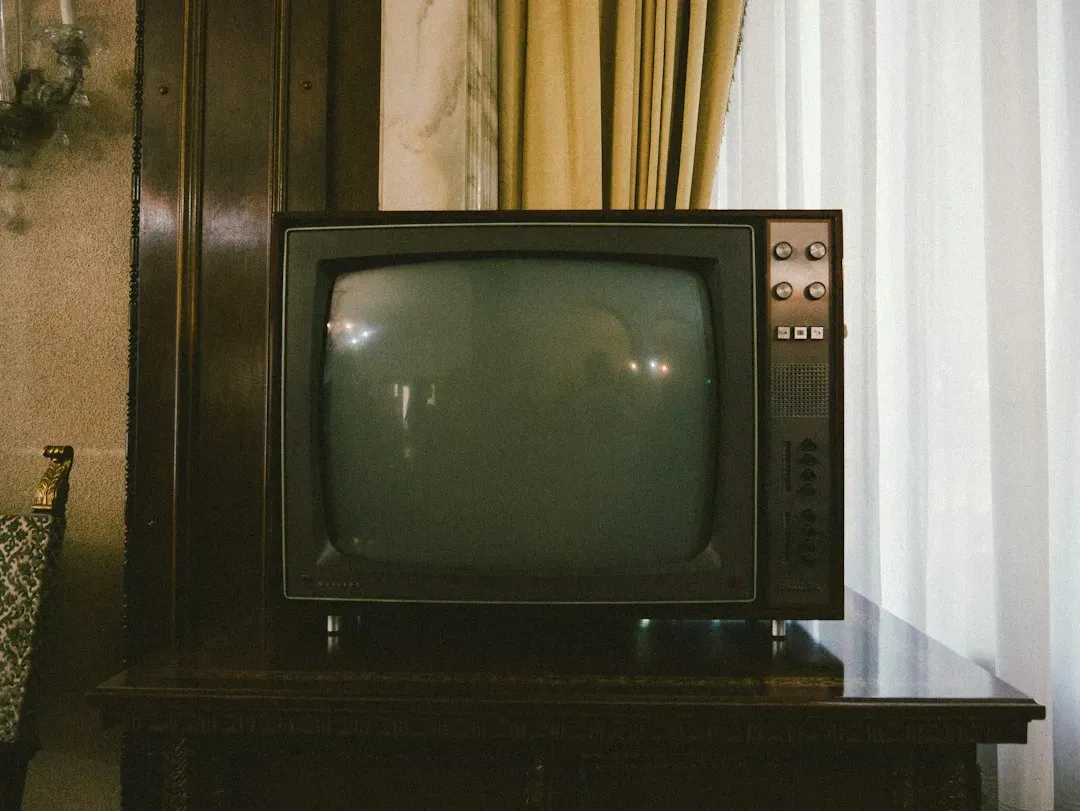
Televisions get blamed for high bills too, especially in households with multiple sets or long viewing hours, but the math doesn’t support the reputation. On average, a single TV consumes around 341 kWh per year, assuming the TV is on for an average of four hours per day and is a moderately sized HD LED model. That’s a meaningful number, but nowhere close to what a water heater burns through.
Older or larger display technologies pull noticeably more power, which is worth knowing if there’s a plasma set still running somewhere in the house. Purdue Extension data lists average annual energy use at 77 kWh for an LCD screen, 123 kWh for a CRT screen, and 441 kWh for a plasma screen. Even the highest of those figures still lands well under a water heater’s yearly total.
Laptops are almost an afterthought in the electricity equation

If refrigerators and TVs look small next to a water heater, laptops practically disappear from the comparison entirely. Under typical daily usage, laptops use about 55.45 watt hours per day, 1.69 kWh per month, and 20.24 kWh per year on average, costing roughly three dollars a year to run. That’s not a typo. A laptop’s entire annual electricity cost is often less than what a water heater burns through in a single day.
Other estimates land in a similar range. A laptop uses around 18 kWh per month, according to one energy provider’s breakdown, with laptops proving the most energy efficient option compared to desktops and gaming PCs, costing about $3.30 per month or $40 per year to run. Either way, the laptop is a rounding error next to the water heater’s four figure kilowatt hour habit.
Adding it all up tells the real story
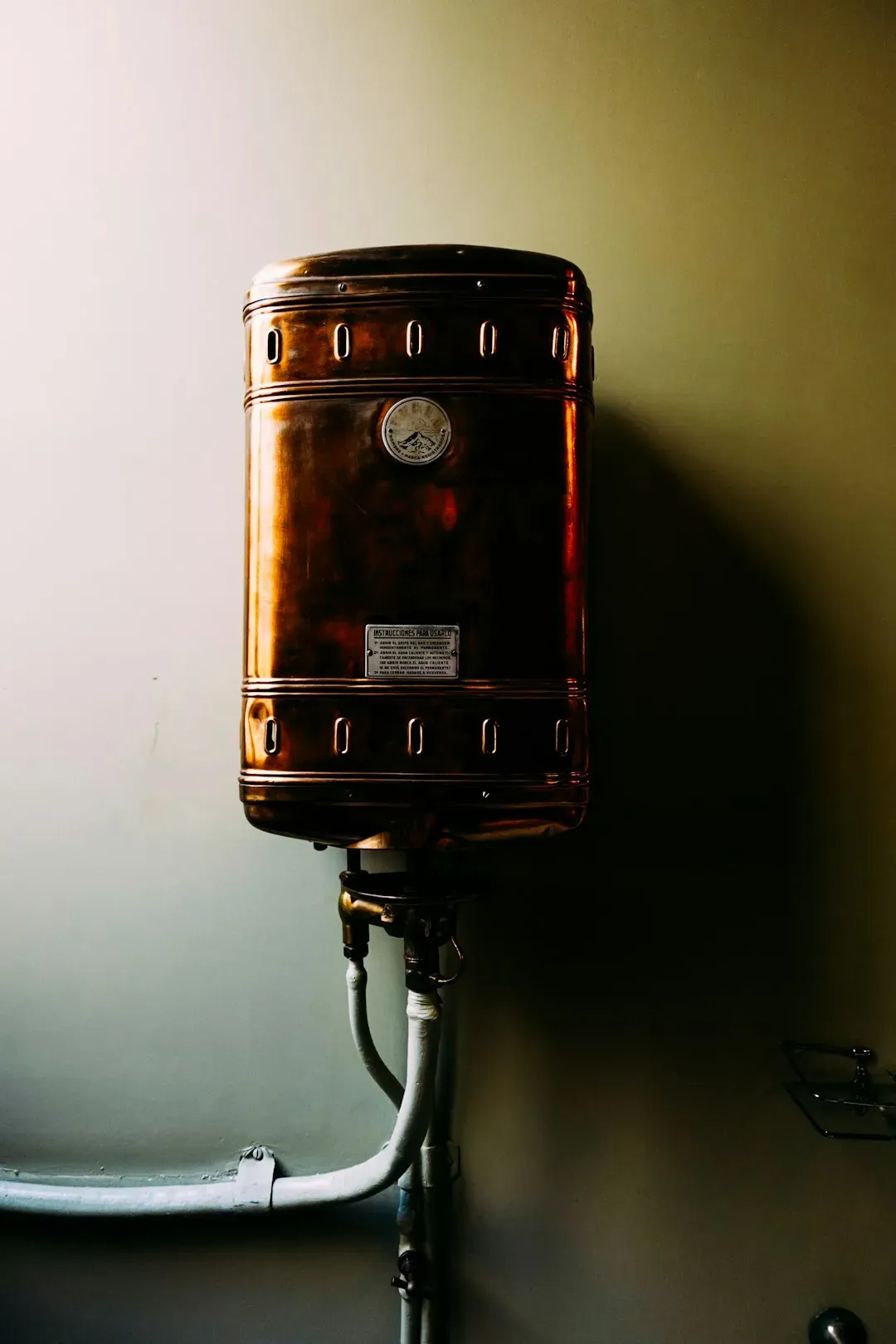
Stack the numbers side by side and the gap becomes impossible to ignore. A water heater consuming somewhere around 4,000 to 5,000 kWh a year dwarfs a refrigerator’s roughly 500 kWh, a television’s roughly 341 kWh, and a laptop’s roughly 20 kWh combined, which together land somewhere in the neighborhood of 860 kWh at most. That means the water heater alone can use nearly five times more electricity than those three common devices put together.
This isn’t a knock on any single appliance’s efficiency. It’s simply a reflection of how much energy it takes to heat water compared to running a compressor, powering a screen, or charging a battery. Heating water is thermodynamically expensive, and there’s no getting around that basic physics no matter how efficient the equipment gets.
Why water heating costs so much more than it looks like it should
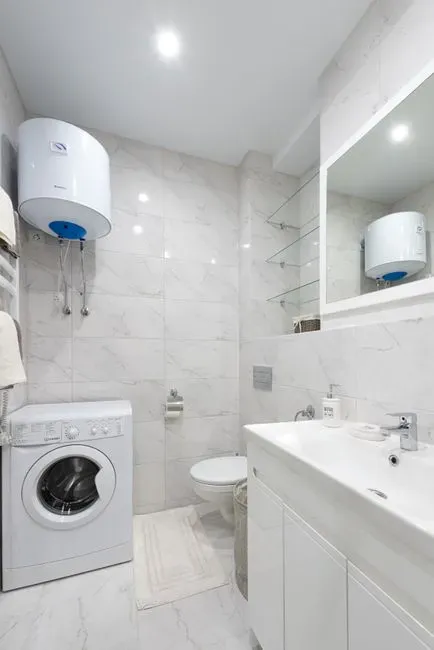
Part of the reason comes down to how water behaves compared to air. Heating water takes three to four times more energy than warming air, thanks to water’s high specific heat. A refrigerator only needs to keep air and surfaces cool inside an insulated box. A water heater has to raise the temperature of gallons of water and then keep fighting heat loss around the clock.
Standby loss makes the gap even wider. A big chunk of that energy use, somewhere between 20 and 45 percent, is standby loss just keeping stored water hot. Even when nobody in the house is running a shower or a dishwasher, the tank is still working to maintain temperature, quietly burning through kilowatt hours in the background.
Household size and climate change the math significantly
Not every household sees the same gap between water heating and everything else. A family of four in Hawaii paying around 40 cents per kWh spends over $1,800 per year on water heating alone, while the same family in Louisiana at 10 cents per kWh pays just $450. Local electricity rates alone can shift the annual cost by a factor of four.
Usage patterns matter just as much as location. A family of four using a 40 gallon unit consumes 10 to 14 kWh daily, with three to four hours of element operation. Larger households, more showers, more laundry loads, and colder incoming water temperatures in winter all push that daily total higher, widening the gap with the fridge, TV, and laptop even further during the coldest months of the year.
Simple changes that actually move the needle
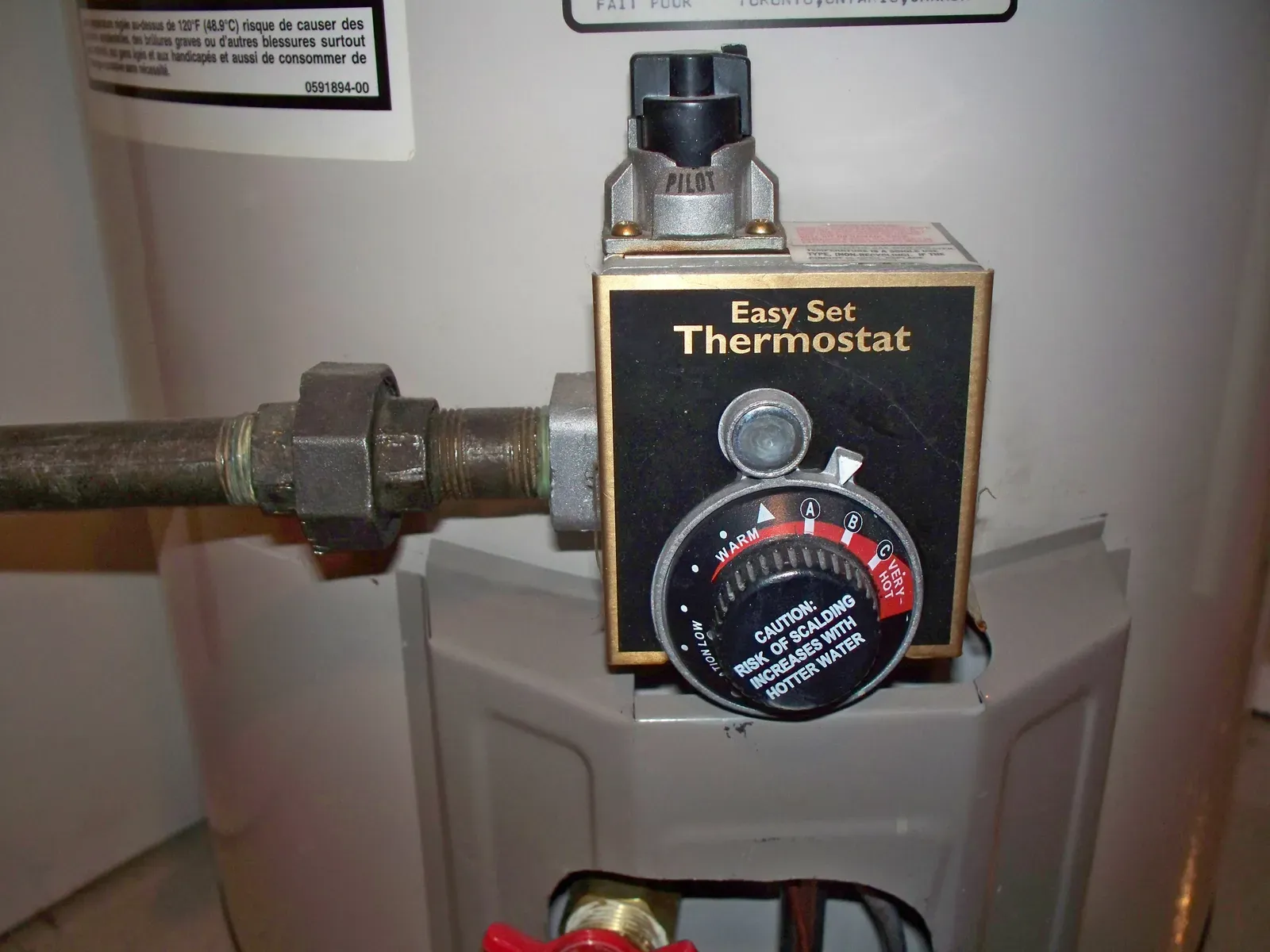
Because the water heater carries so much weight in the energy budget, small adjustments here produce outsized savings compared to fiddling with a TV or laptop’s settings. Turning the water heater’s thermostat down to 120 degrees Fahrenheit is hot enough for safe household use and minimizes expensive standby heat loss. That single change costs nothing and takes a few minutes with a screwdriver.
Insulation offers another easy win. Wrapping older storage tanks in an insulating blanket and insulating exposed hot water pipes helps the system retain heat, meaning it uses less electricity to keep the water warm. Heat pump water heaters go a step further, since they typically use around 60 to 70 percent less energy than a standard tank for the same hot water output, according to multiple efficiency studies, though the upfront cost is higher and the payback period runs a few years.
What this means for your next electric bill

- The Shoreline Sucked Dry in Seconds – 5 Tsunami Signals Beachgoers Mistake for Low Tide - November 14, 2026
- 9 Dark-Sky Destinations Around the World Where the Stars Look Unreal - November 14, 2026
- The Fault Line That Never Slips – 7 Locked Seismic Zones Overdue for a Massive Release - November 14, 2026
