

- Real Estate Analysts Just Changed Their Mind About the Safest Places to Buy – Here’s Why - November 12, 2026
- Black Holes Firing Beams at Near-Light Speed – 5 Cosmic Engines Warping Spacetime - November 12, 2026
- Silent Rogue Worlds Drifting in Total Dark – 6 Planets Ejected From Their Star Systems - November 12, 2026
Arica sits on the Pacific coast of northern Chile, close to the Peruvian border. It is a real city with beaches, a port, and people who go about their daily lives. It also holds a weather record that few places could ever challenge.
The record is well documented, though the story around it keeps changing. In 2026 the city saw rain that, by its own standards, was extraordinary. Here are 14 facts that show what this dry spell was and why it matters.
The Record Stretch Runs From 1903 to 1918
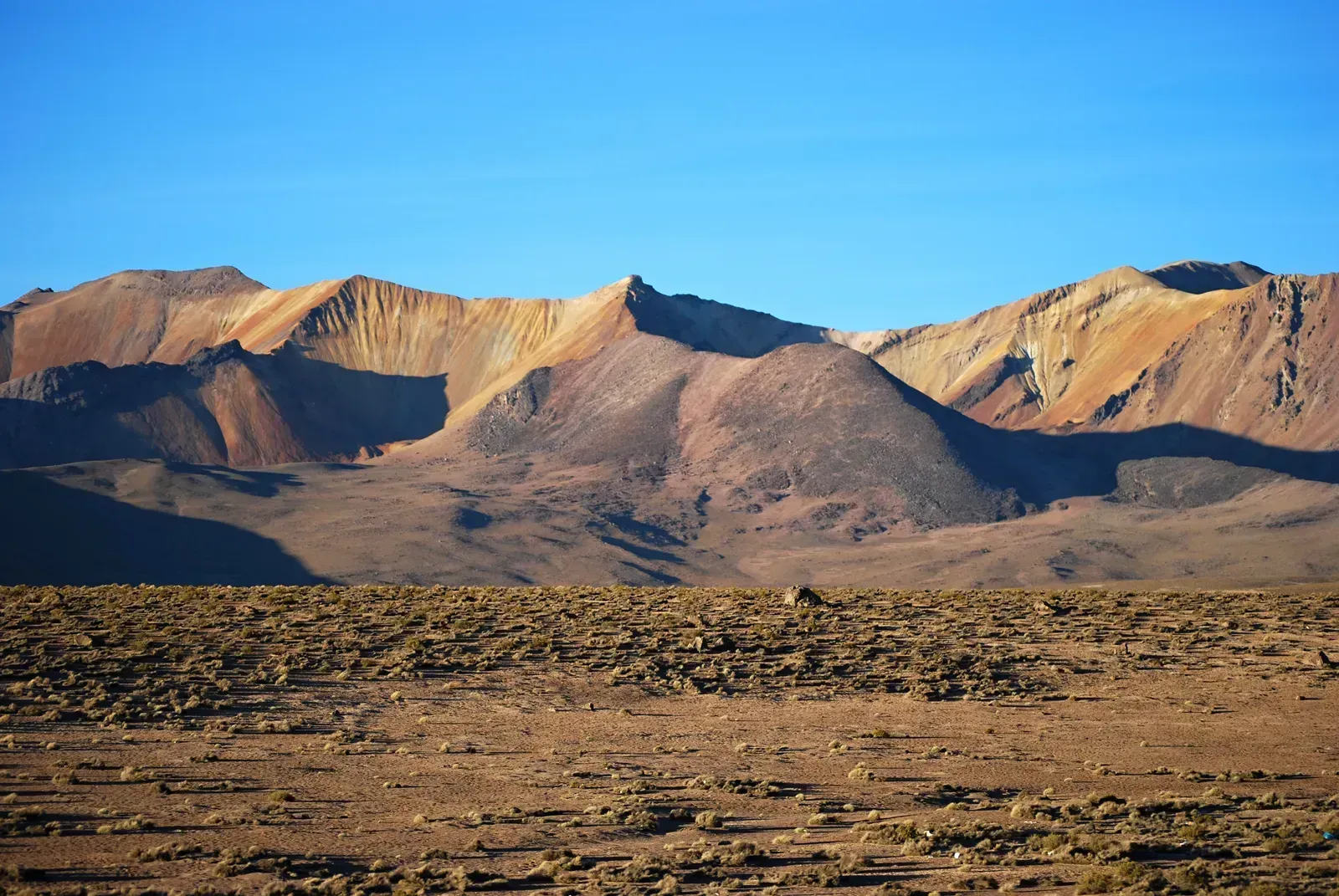
Arica still holds the world record for the longest stretch without measurable rainfall, from October 1903 to January 1918. That is more than 14 years without a single recorded drop.
The wording matters here. The record refers to measurable rain, meaning enough to register on the gauge. It doesn’t claim the air was always perfectly dry.
Counted in Months, It Comes to 173
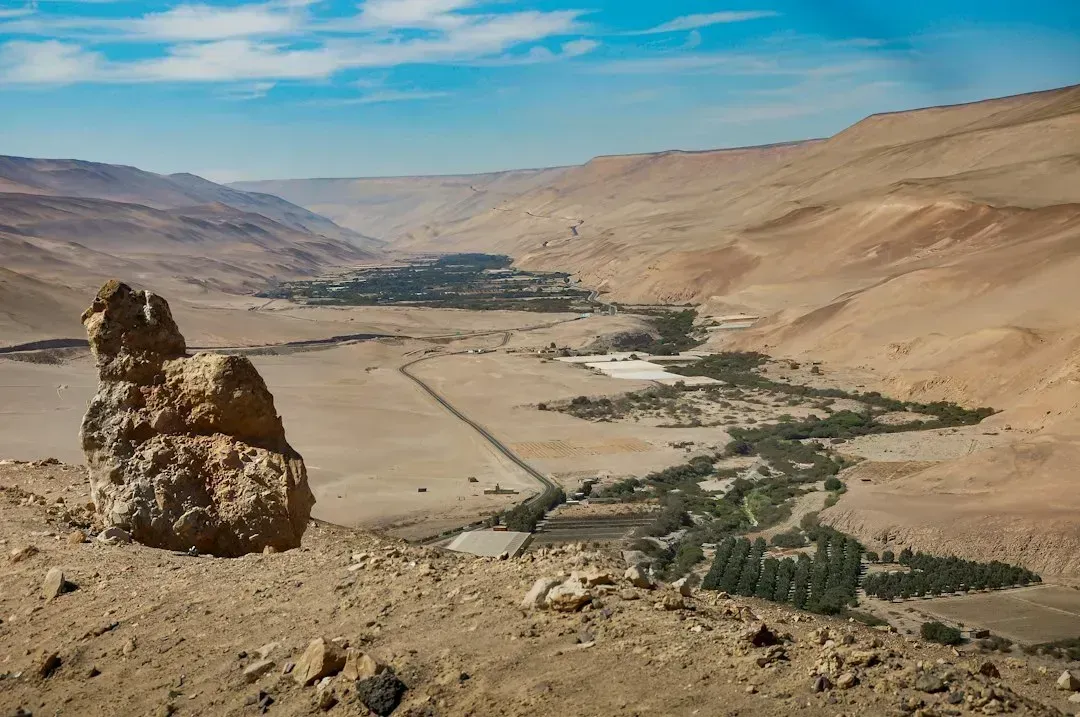
Meteorology sources often give the streak in months rather than years. The Washington Post noted that Arica went 173 months without a drop of rain in the early 20th century. Divide that by twelve and you get a little over 14 years.
Wikipedia’s page on the coastal desert describes it the same way. It says Arica went a record 173 months without measurable precipitation. The consistency across sources is why the figure is so widely repeated.
A City Tucked Into the Northern Atacama
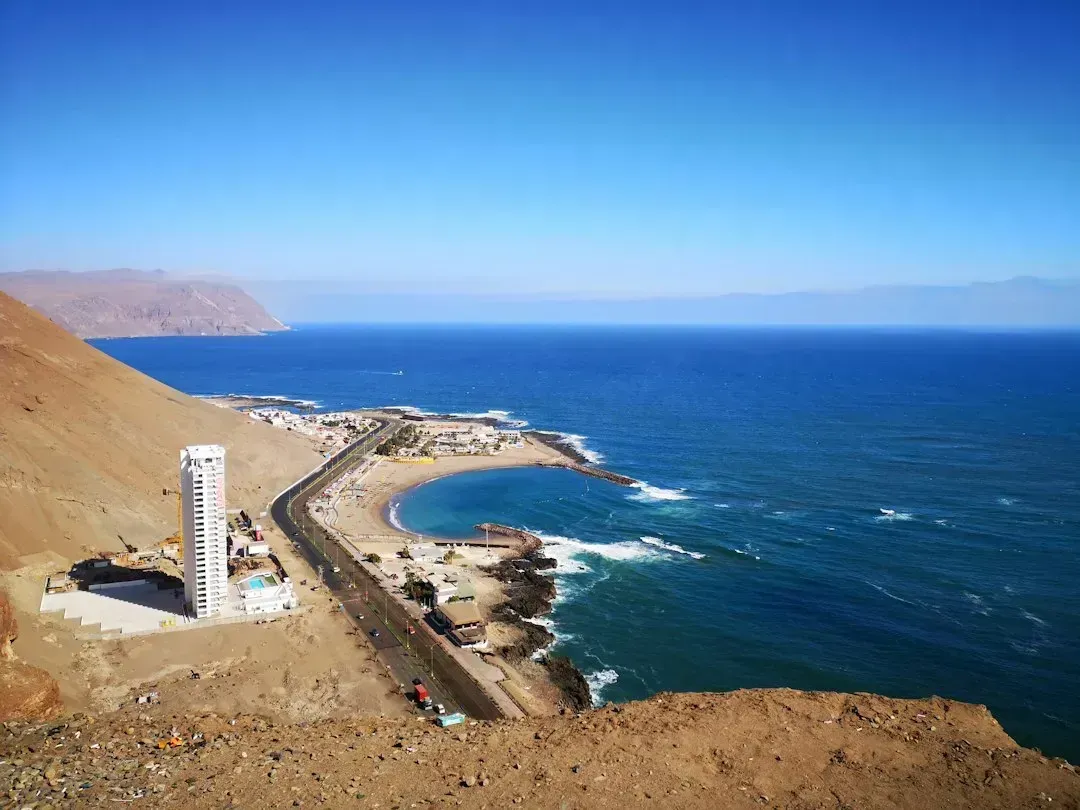
Arica isn’t in some remote outpost. The city lies in the far north of Chile, at about 18 degrees south latitude, on the Pacific coast near the border with Peru. It is a working coastal city rather than a research camp.
That location puts it at the northern edge of the Atacama Desert. The Atacama is the driest non polar desert on Earth. Arica is one of the places where you can see how people live inside that dryness.
The Cold Humboldt Current Does Much of the Work
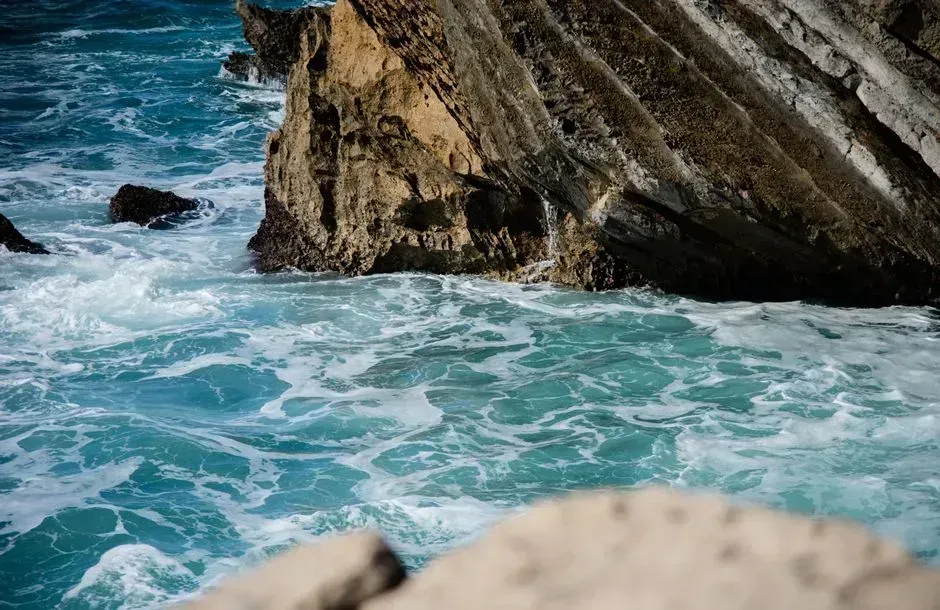
Ocean water off the coast helps explain why rain is so rare. The cold Humboldt Current inhibits the upward air currents that could generate rain clouds. Without that lift, moisture rarely builds into storms.
It’s a slightly odd setup, since the Pacific is right there. Yet a cold ocean next to a warm coast tends to produce stable air, and stable air rarely produces rain.
A Pacific High Pressure System Helps Lock It In
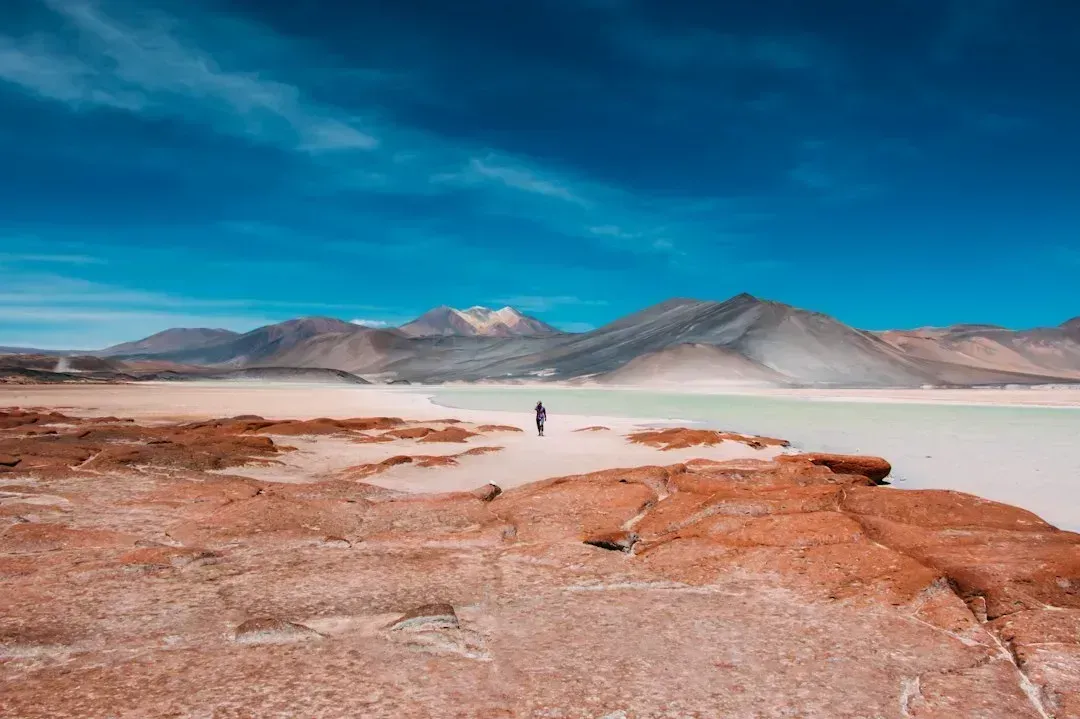
The current isn’t working alone. The Humboldt Current and the Pacific Anticyclone are both essential to keeping the Atacama Desert dry. An anticyclone is a zone of high pressure, and it generally keeps skies settled.
Together, the two features create a lasting barrier. Rain that might otherwise reach the coast is suppressed before it starts.
Normal Rainfall Is Almost Nothing
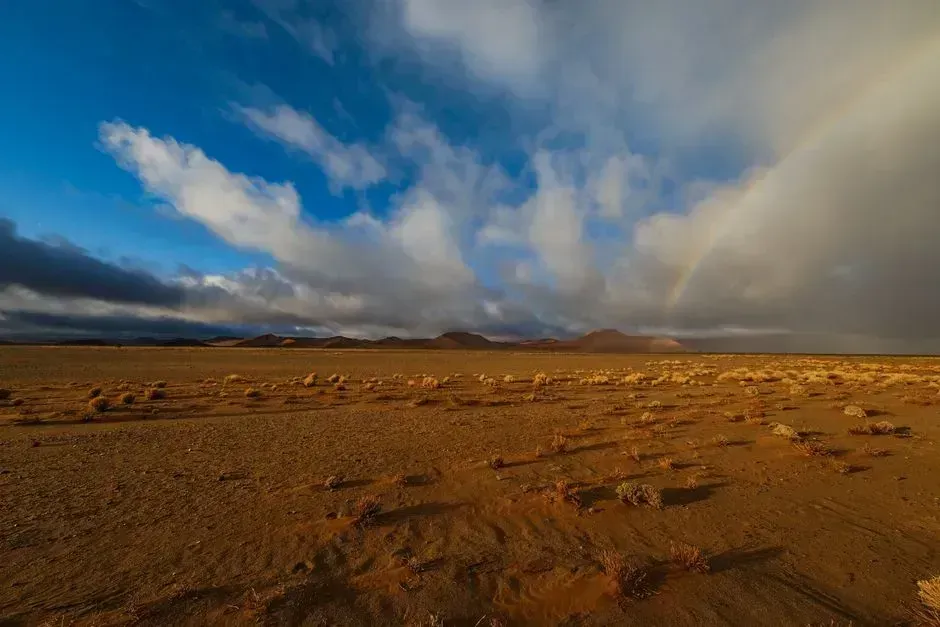
Numbers for Arica’s typical rainfall vary slightly by source and period. One report puts the typical annual average at just 0.76 millimetres. Another dataset lists 0.6 millimetres per year.
Either way, we’re talking about less than a millimetre in an average year. Some travel climate tables round it down further, and one lists precipitation at zero millimetres per year. Those differences come down to rounding and method, not a real dispute.
Fog Appears, but Rain Doesn’t
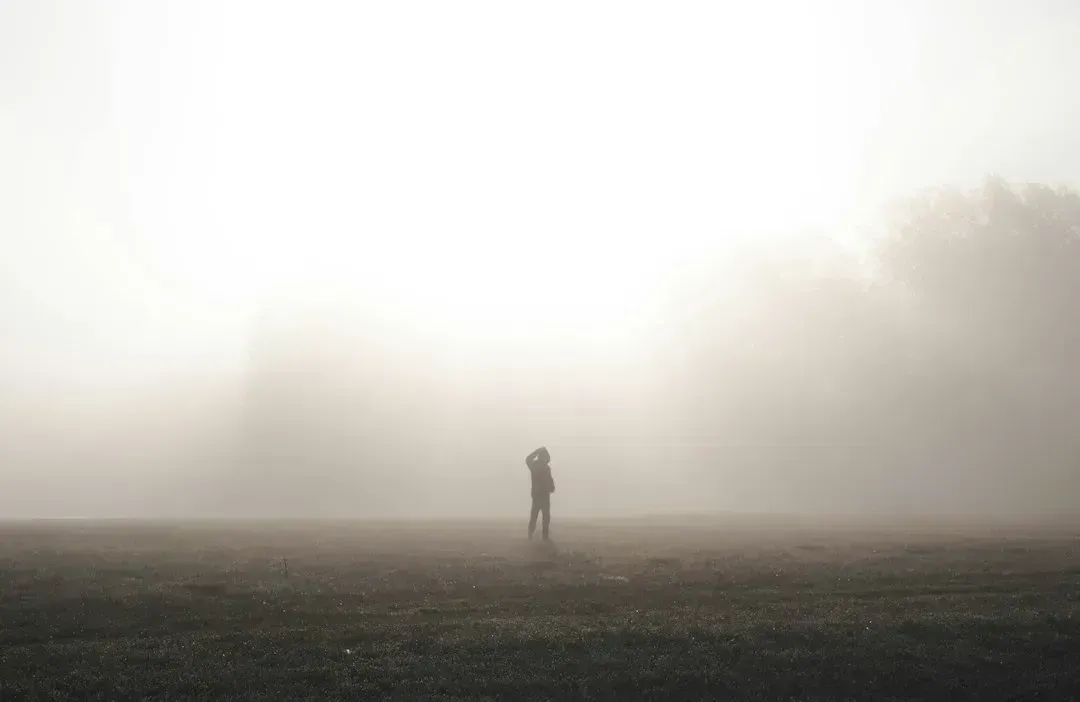
Arica isn’t without moisture entirely. In winter, fog can leave water droplets on the ground, but actual rain hardly ever occurs. Overcast, damp mornings are common even when the gauge stays empty.
This distinction is a big part of how such a record can exist. Fog and mist can wet a surface, but they don’t necessarily count as measurable precipitation.
Water Comes From the Andes, Not the Sky
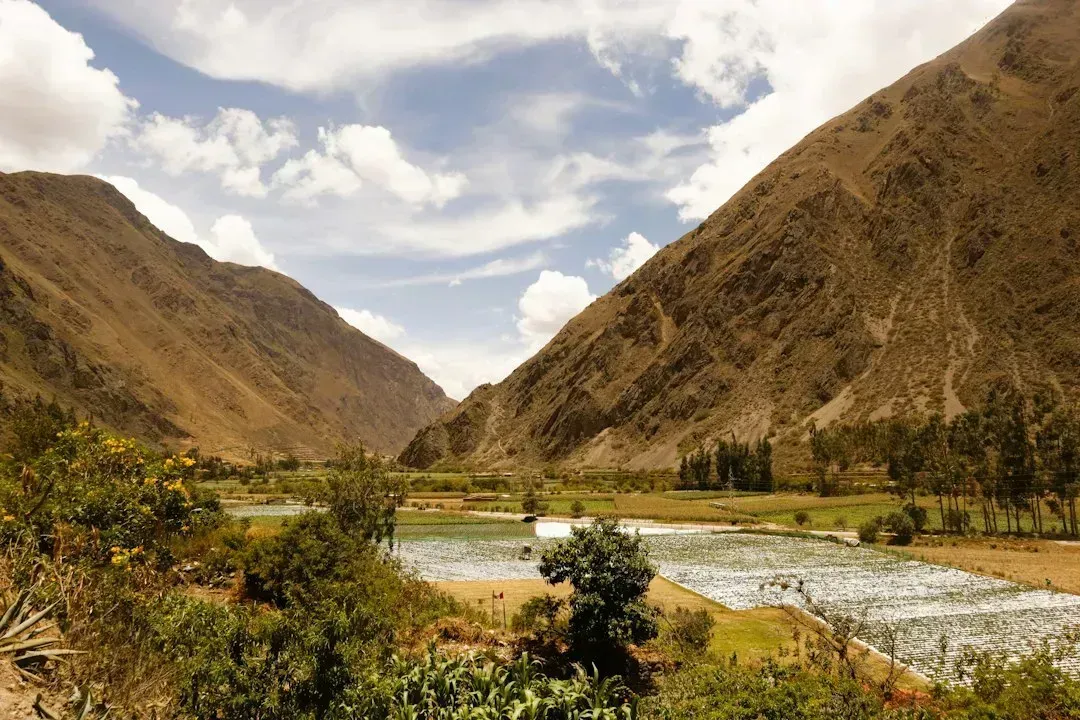
If it almost never rains, where does the city’s water come from? Arica gets its water from the Lluta River, which flows down from the Andes. The supply depends on distant mountain runoff rather than local weather.
The wider region shows similar strategies. Millions of people in very dry cities rely on river water, desalination, or ancient water management systems.
Parts of the Atacama Have Never Recorded Rain
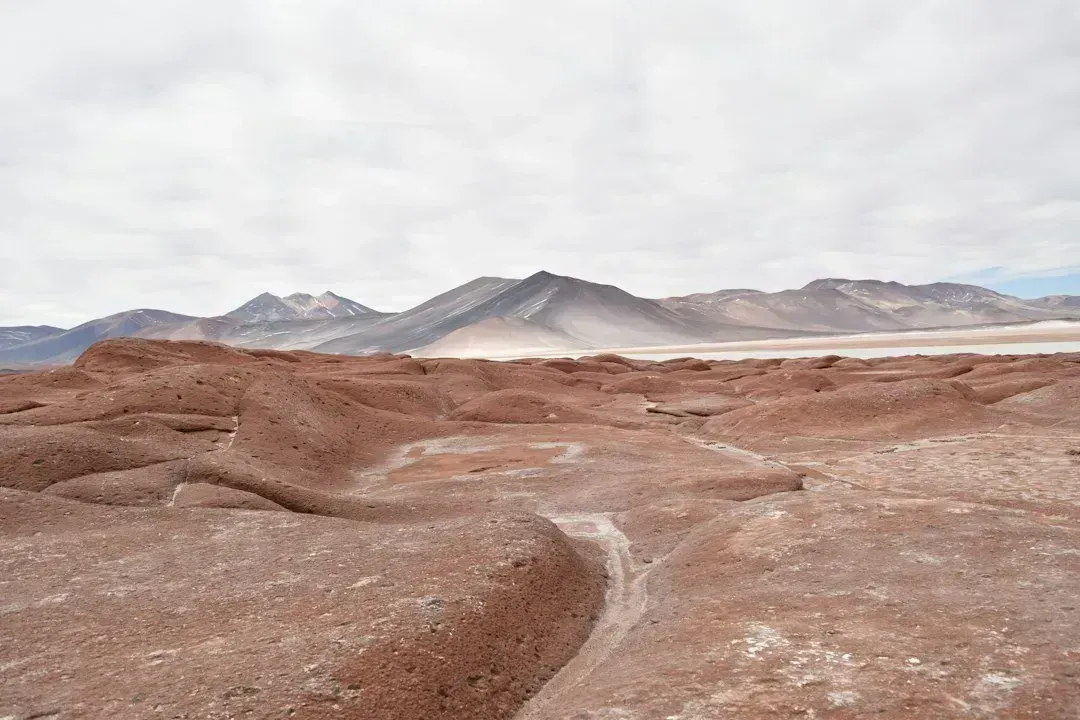
Arica’s streak looks modest next to some of its neighbors. Some weather stations in the Atacama have never received rain. That makes the desert a stark contrast to the coast.
There is also a long historical claim. Evidence suggests the Atacama may have gone without any significant rainfall from 1570 to 1971. That is a suggestion from evidence, not a station record like Arica’s.
March 2015 Brought a Deadly Storm
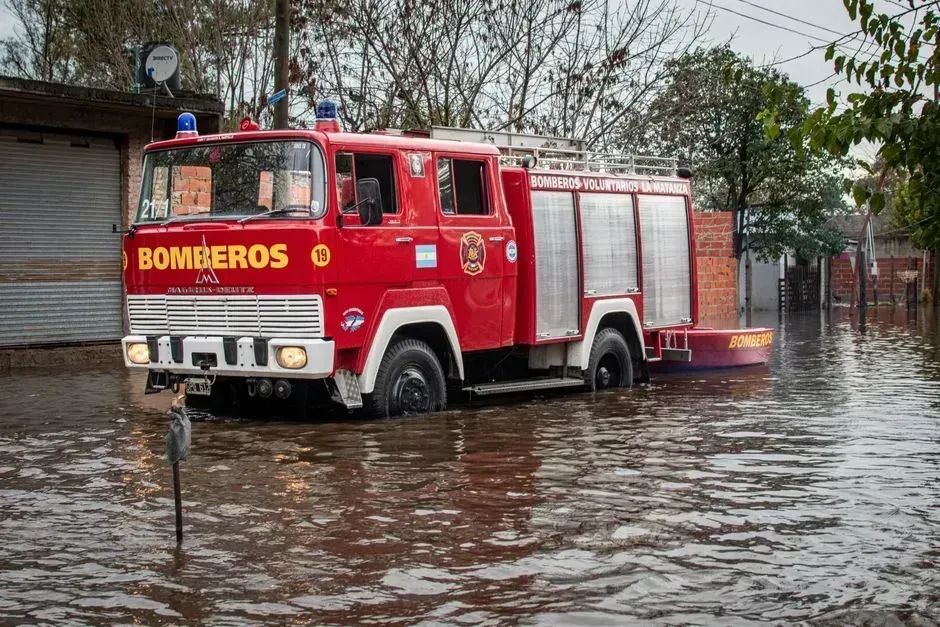
Even the driest places get surprised. In 2015, about 14 years’ worth of rain caused severe flooding in the Atacama and left at least nine people dead. The storm was a reminder that a desert city isn’t built for even light rain.
Reports at the time noted the mechanism. A major high pressure system set up over southern Chile, allowing a rain system to move into the Atacama. The ground simply couldn’t absorb it.
Rare Rain Can Make the Desert Bloom
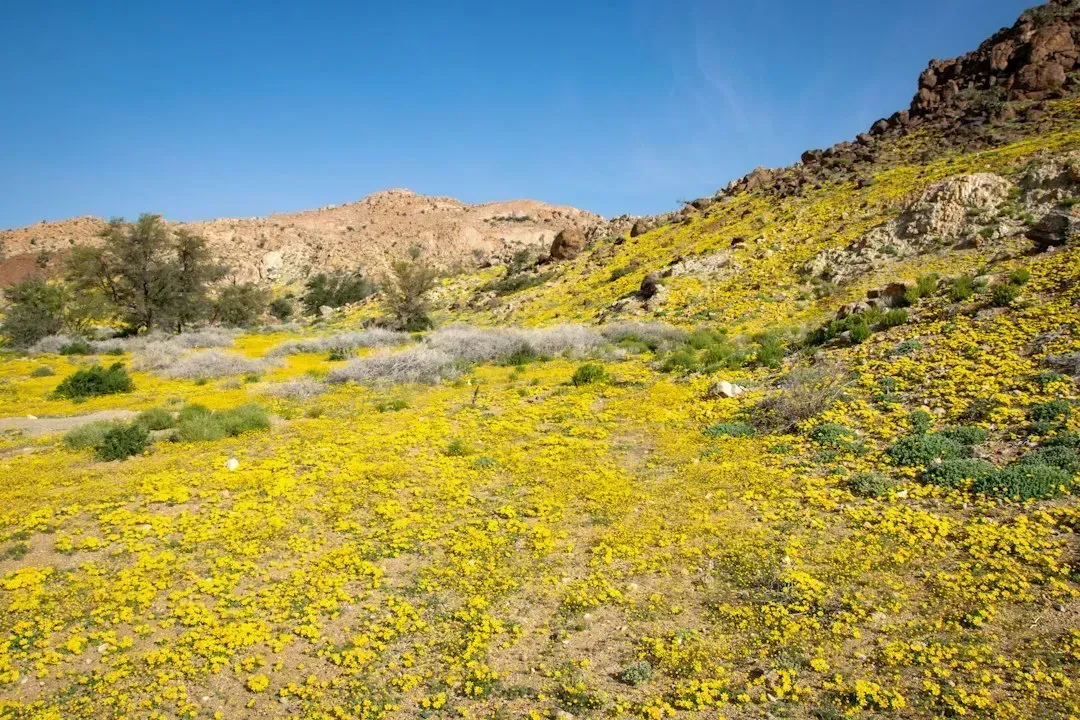
Not every effect of rain is destructive. After rare rains, the desert briefly blooms with flowers in a phenomenon called the flowering desert. Dormant seeds wait in the soil for exactly that moment.
Spanish speakers call the event desierto florido. The blooms are short lived, and they depend on rain arriving in the right amount at the right time.
August 2026 Delivered an All Time Record Downpour

This year, Arica’s weather made headlines again. Between August 16 and 18, the city received 13.4 millimetres of rainfall, enough to shatter its all time annual record. MeteoChile said the event set historic highs across 24, 48, 72, 96 and 120 hour periods.
The yearly total is just as striking. Since the start of the year, the city has recorded 15.1 millimetres, more than in any full year since records began. It sounds small until you compare it with an average of under one millimetre.
El Niño and Flooding Are Part of the 2026 Story
Meteorologists have linked the downpours to a specific driver. They point to a rapidly intensifying El Niño, in which warming of the tropical Pacific alters atmospheric circulation and fuels intense rain along South America’s western coast. Wikipedia also notes that occasional rainfall in this coastal desert is caused by El Niño.
The impact on the ground was serious. Reports say hundreds of homes were damaged in Arica and Iquique, and tens of thousands of people lost electricity. The flooding also affected other parts of northern Chile and southern Peru.
