

A generation ago, a broken toaster or a torn sleeve rarely meant a trip to the trash. People opened it up, patched it, or took it down the street to someone who could. Repair was simply part of running a household.
That habit faded as goods got cheaper and harder to open. Lately, though, younger adults are picking the old skills back up, driven by cost, sustainability and a fair amount of curiosity. Here are eight of them.
Darning and Mending Clothes
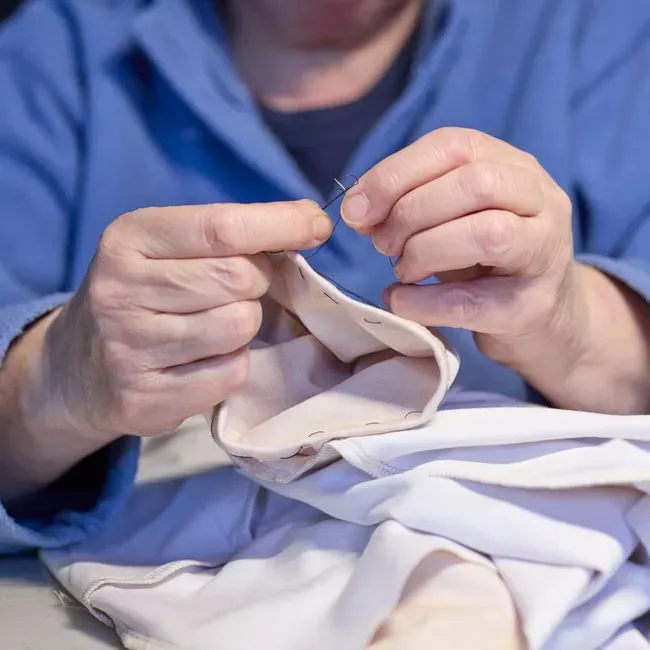
Darning is the careful weaving of thread across a hole, usually in socks or knitwear. Earlier generations did it as a matter of routine, because replacing clothing was expensive and time consuming. A small hole stayed small if you dealt with it early.
Today, visible mending has turned into a craft movement of its own, with bright thread and patches worn proudly. The motivation is practical too, since textile waste is a large environmental problem worldwide. Learning a few basic stitches can add years to a favorite garment.
Sewing On Buttons and Fixing Hems
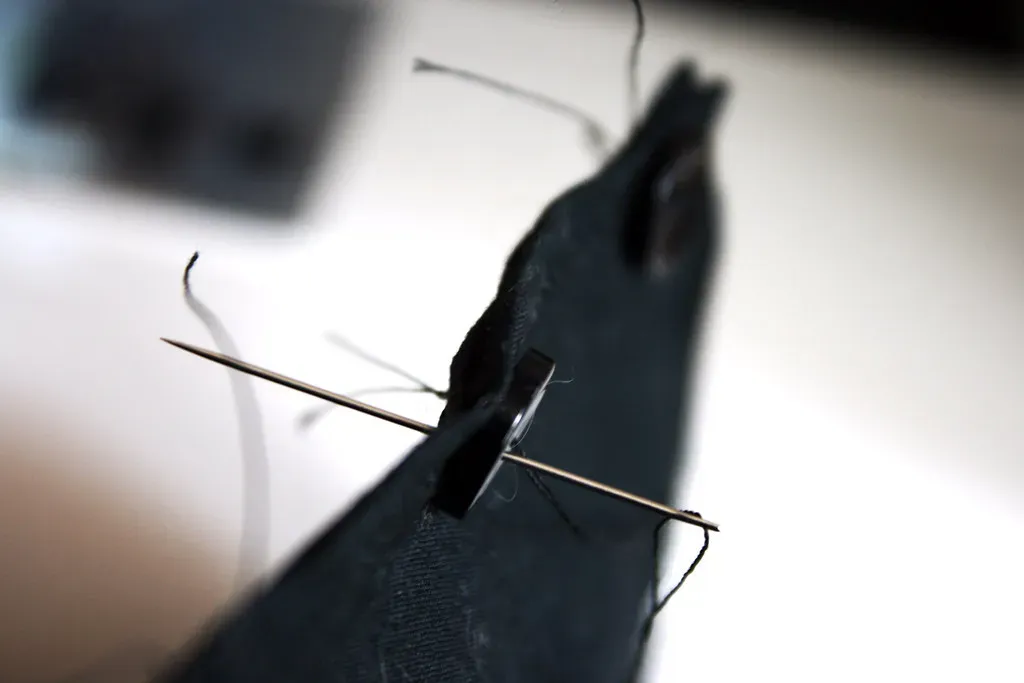
Few skills are as simple as sewing on a button, yet plenty of people now toss shirts for a missing one. Older generations kept tins of spare buttons and thread for exactly this reason. A hem that came loose got a quick handful of stitches, not a trip to the tailor.
Younger adults are relearning these basics through online tutorials and community sewing classes. The payoff is immediate, because a five minute fix saves the cost of replacement. It also builds the confidence to try bigger alterations later.
Repairing Small Appliances
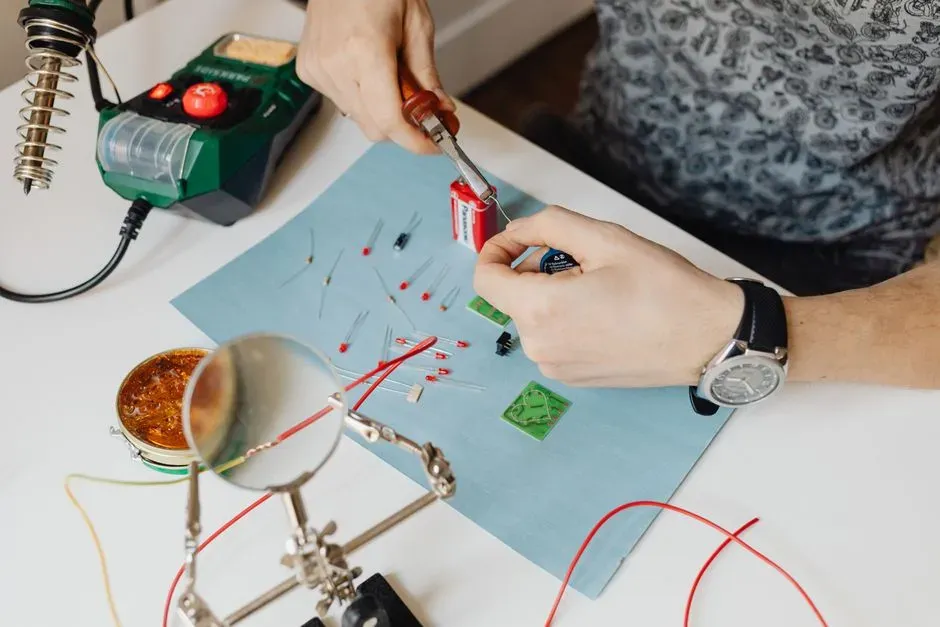
Toasters, lamps, fans and vacuum cleaners were once opened up and fixed at the kitchen table. Often the culprit was a loose wire, a worn belt or a dirty contact. Older generations learned this by watching relatives who simply did not consider the trash an option.
Repair cafés, where volunteers help neighbors fix broken items for free, have spread across many countries, and the Repair Café Foundation in the Netherlands supports a large international network. Right to repair rules are also expanding. The European Union adopted a right to repair directive in 2024, pushing manufacturers to make fixing products easier.
Sharpening Knives and Tools

A dull knife is frustrating and actually more dangerous than a sharp one, because it needs more force. Past generations kept a whetstone or steel on hand and sharpened blades regularly. Garden tools, scissors and axes got the same treatment.
Younger home cooks are rediscovering whetstones, often after watching videos that make the process look approachable. A good knife that is maintained can last for decades. That is a modest, practical way to avoid buying replacements over and over.
Basic Furniture Repair and Refinishing
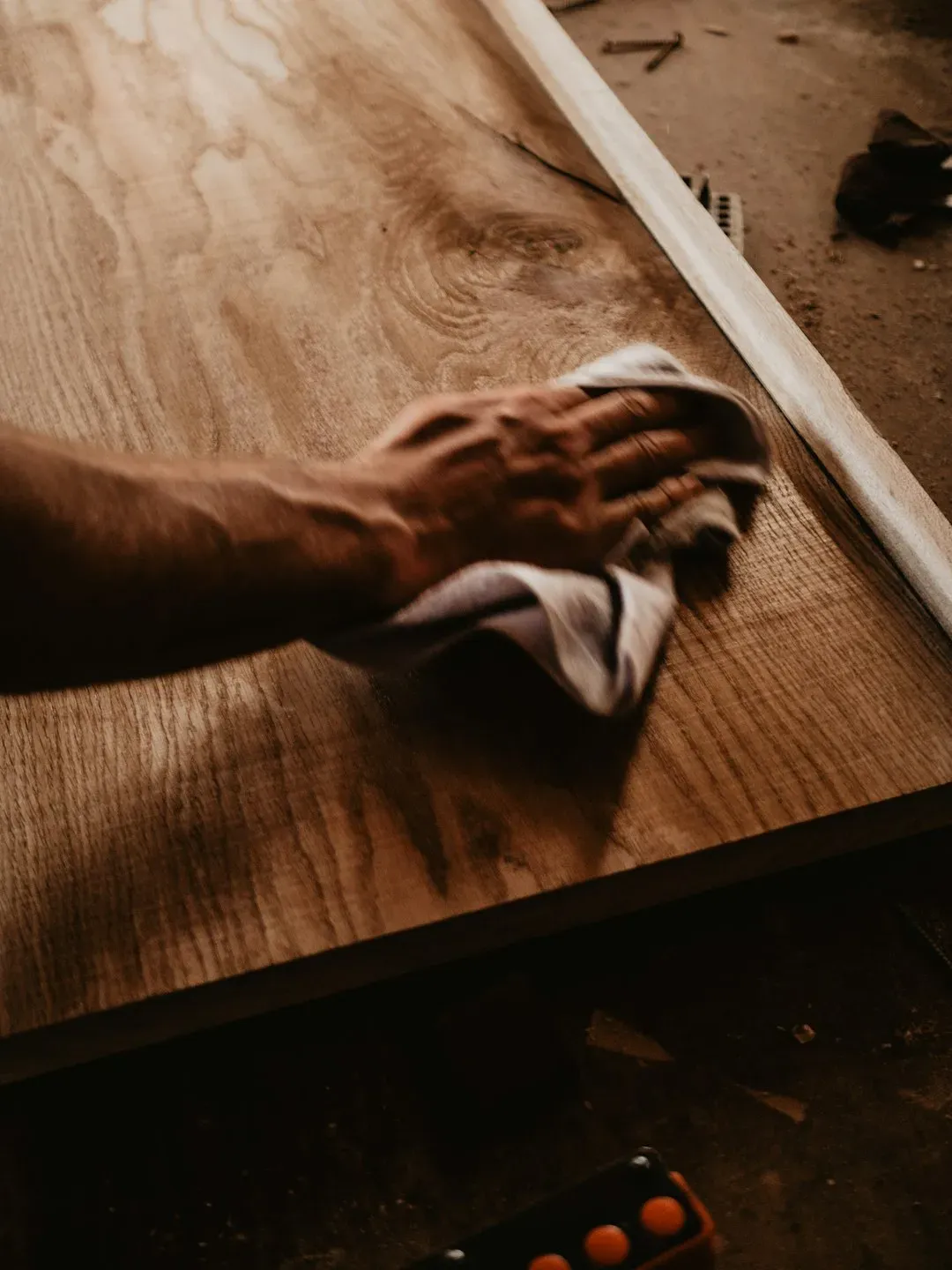
Wobbly chairs were re-glued, loose joints tightened and scratched tables sanded and refinished. Solid wood furniture was built to be repaired, and older generations understood that. A bit of wood glue and a clamp solved most problems.
Many younger adults furnish homes with secondhand pieces, so these skills have become useful again. Refinishing a thrift store find costs far less than buying new, and it keeps bulky items out of landfills. In the United States, furniture makes up a sizable share of household waste, according to the Environmental Protection Agency.
Patching Holes and Painting Walls
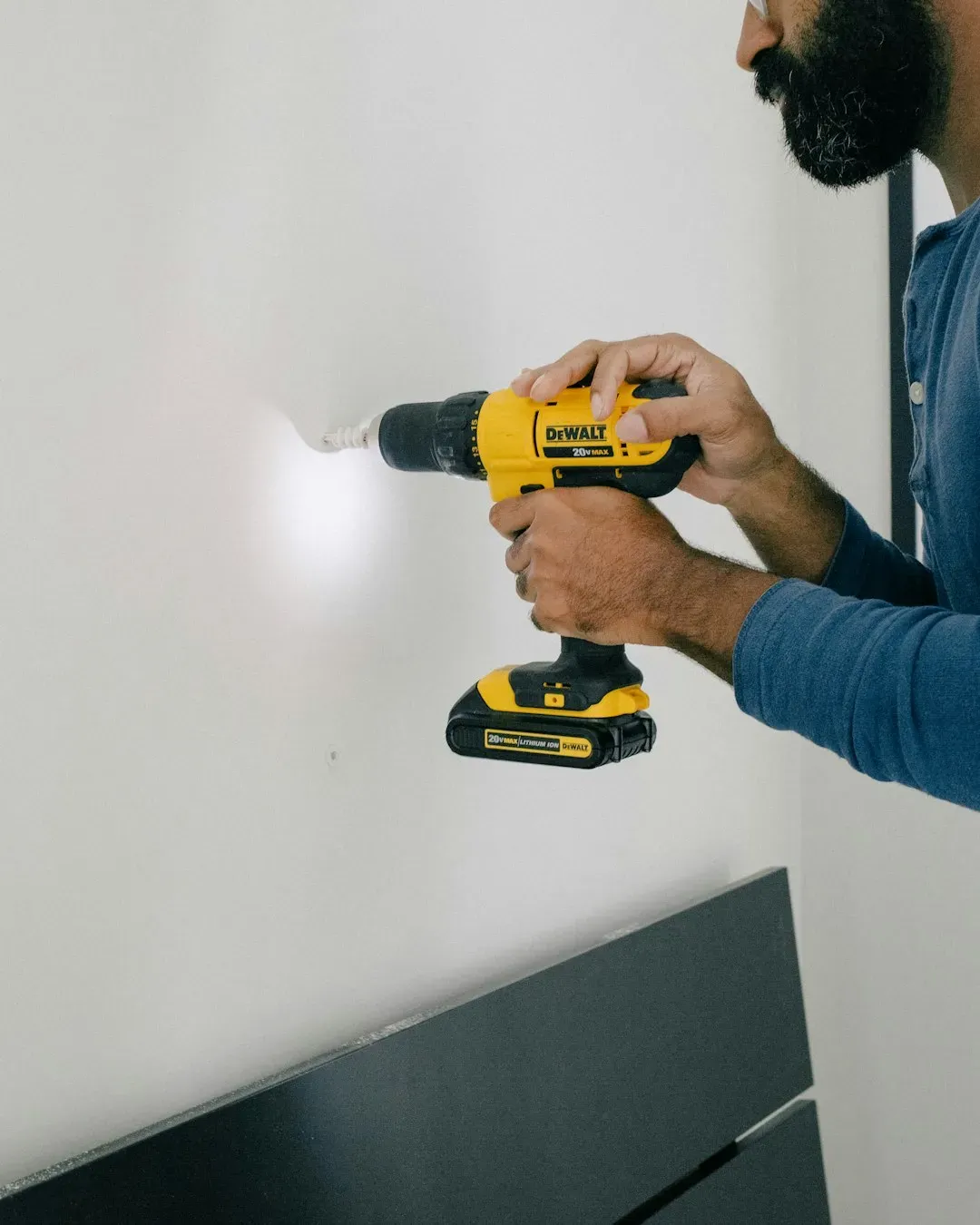
Filling a nail hole, smoothing it and touching up the paint was an ordinary weekend chore. Older homeowners often did their own small drywall repairs rather than hire help. The tools were cheap, and the knowledge passed from parent to child.
Renters and first time buyers now lean on these skills to protect deposits and save money. Spackle, a putty knife and a small sanding block cover most minor damage. Online guides have made the technique easy to learn without a family teacher.
Fixing Leaks and Simple Plumbing
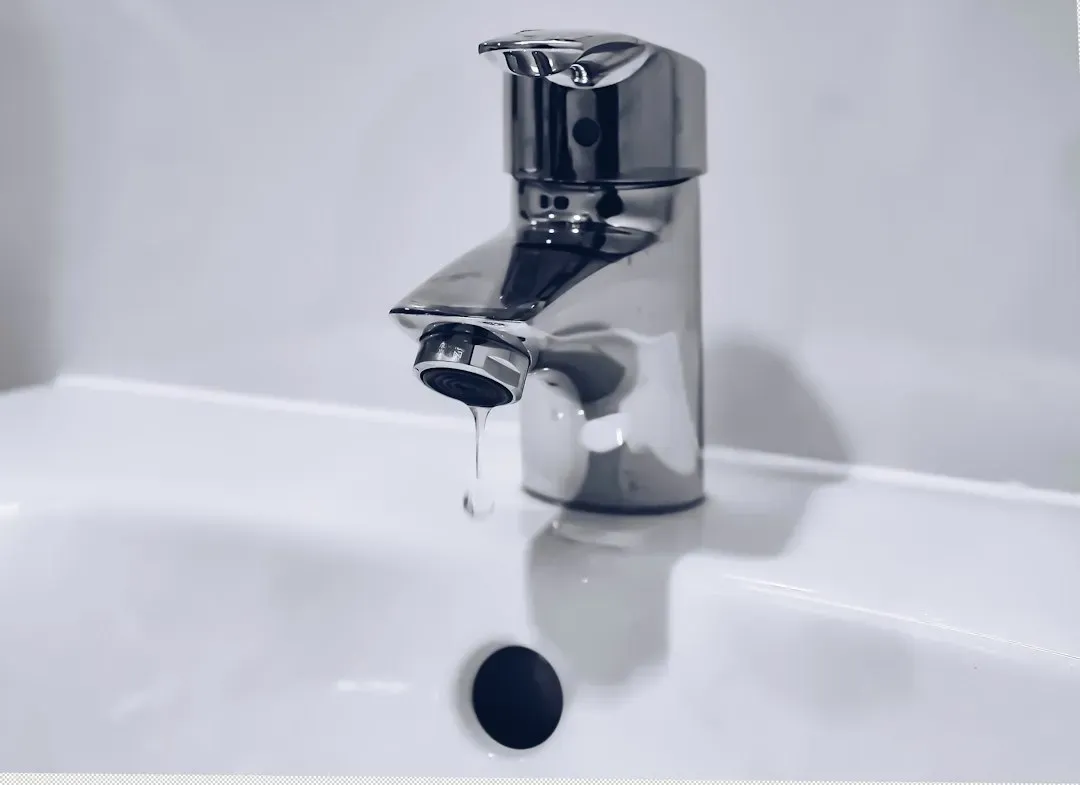
Replacing a washer in a dripping faucet or tightening a loose fitting used to be basic home knowledge. A constant drip may seem trivial, yet it wastes water and money over time. The EPA notes that household leaks can add up to a surprising amount of water lost each year.
Younger adults are discovering that many plumbing jobs are less intimidating than they seem. Swapping a toilet flapper or clearing a clogged trap takes basic tools and a little patience. Knowing where the shutoff valve is can prevent a small problem from becoming a flood.
Repairing Shoes and Leather Goods
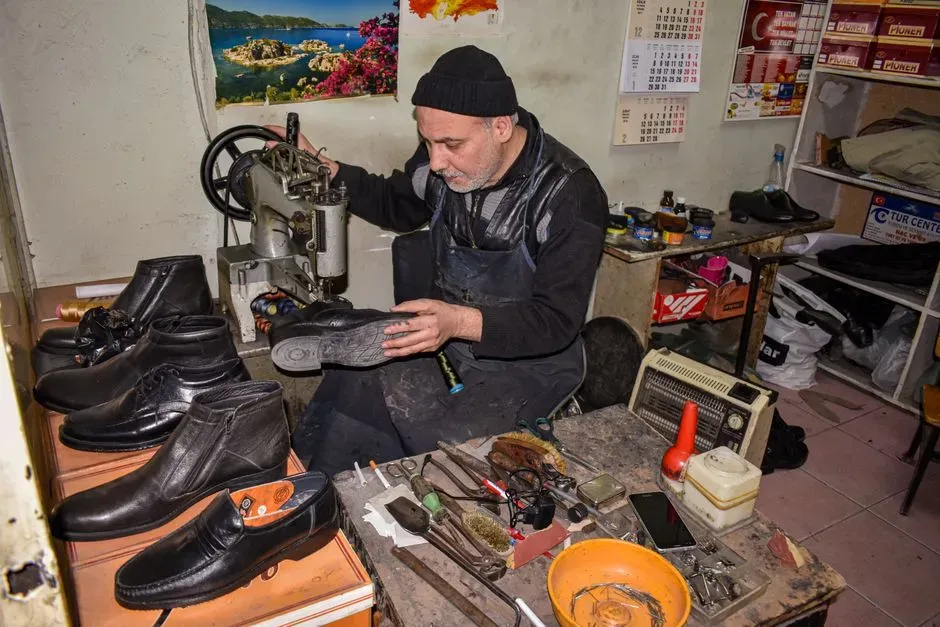
Cobblers were once found in almost every town, and people expected to resole good shoes more than once. At home, many families polished, re-heeled and glued loose soles themselves. Quality leather could last for decades with that kind of care.
Today, a growing number of younger shoppers are choosing repairable footwear and learning to condition leather and replace laces or heel tips. Resoling is usually cheaper than buying a comparable new pair. It is a quiet habit that cuts waste while keeping well-made things in use.

- Crows Remembering Human Faces for Decades – 6 Bird Behaviors Far Smarter Than We Knew - November 15, 2026
- 8 Things Astronauts Do on Their First Day in Orbit That Rookies Find Strange - November 15, 2026
- 11 Everyday Routines That Are Completely Normal on the Space Station but Baffle Everyone on Earth - November 15, 2026
