


- VR tool shows how rising seas could flood Fort Lauderdale - November 12, 2026
- NASA invites students to design a moon base in $1 million challenge - November 11, 2026
- Why Some People Can Feel a Storm in Their Joints, According to Experts - November 11, 2026
Nobody has walked on Mars yet, so researchers do the next best thing. They find places on Earth where the rocks, the cold, the dryness or the isolation echo what a Martian mission would face.
Some of these sites are used to test rovers and drills. Others are used to see how people cope with cramped quarters and long delays in communication. Here are ten of the most important ones.
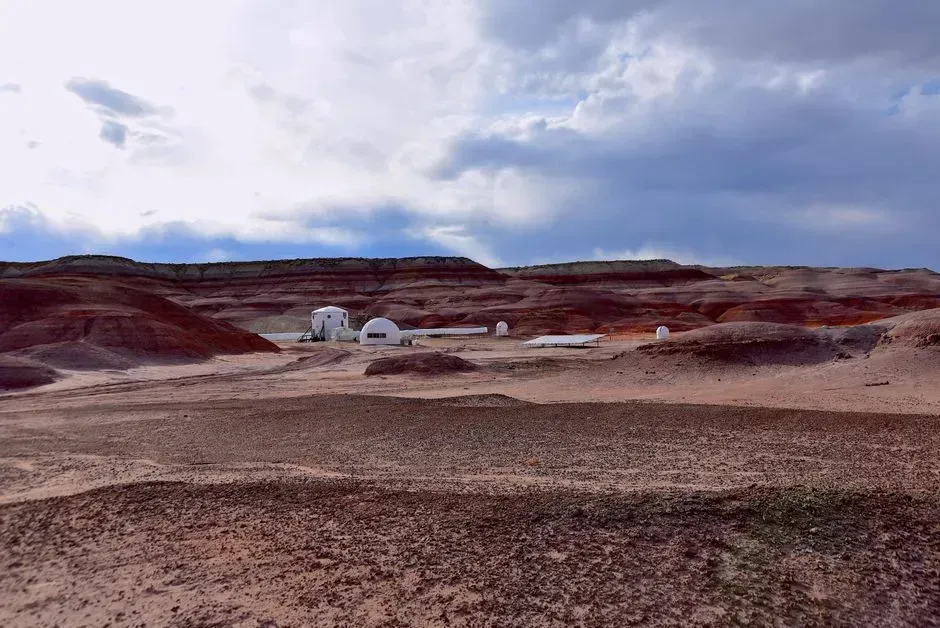
1. Mars Desert Research Station, Utah
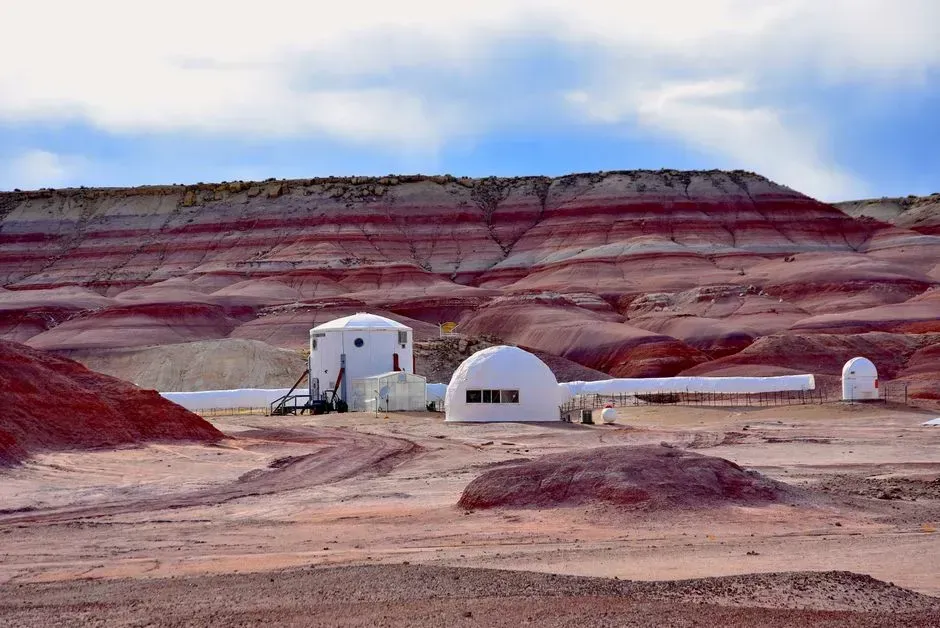
Near the small town of Hanksville, the Mars Society runs a compact habitat in red, barren badlands. The station has hosted volunteer crews since the early 2000s. Crews live there for stretches of days or weeks and follow strict routines.
Members wear mock spacesuits for outdoor work, ration water and run experiments in a small lab. The terrain is a good visual match for Mars, but the real value is behavioral. It shows how small teams handle fatigue, equipment failures and close living.
2. Haughton Mars Project, Devon Island, Canada
Devon Island in Nunavut is a cold, polar desert with almost no vegetation. It also holds the Haughton impact crater, which is roughly twenty kilometers wide and tens of millions of years old. Researchers have worked there since the late 1990s under the Haughton Mars Project.
The crater’s rocks, permafrost and ancient impact features resemble parts of Mars. Teams use the site to test rovers, spacesuit concepts and field methods for exploring geology. The remoteness also means that any mistake carries real logistical cost, which suits a mission rehearsal.
3. Atacama Desert, Chile
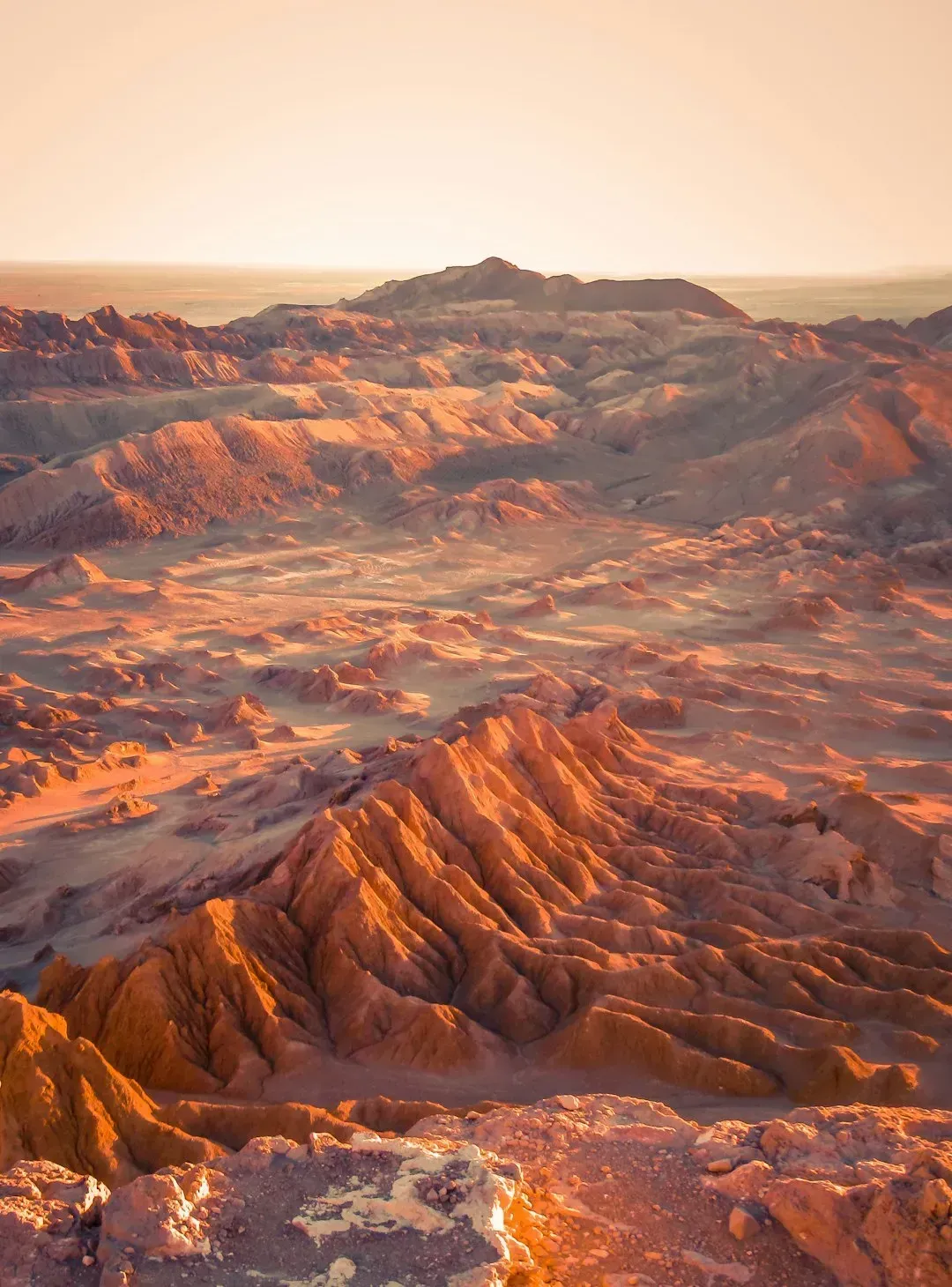
The Atacama is widely described as the driest nonpolar desert on Earth. Some weather stations in its core have gone years with hardly any rain. Its soils hold few microbes and plenty of salts, which makes it a favorite for studying the limits of life.
NASA funded the Atacama Rover Astrobiology Drilling Studies, which tested a rover with a drill that searched for signs of life underground. That work was meant to prepare for missions that need to dig below Mars’s harsh surface. The desert is also used to calibrate instruments that look for organic traces in dry soil.
4. McMurdo Dry Valleys, Antarctica
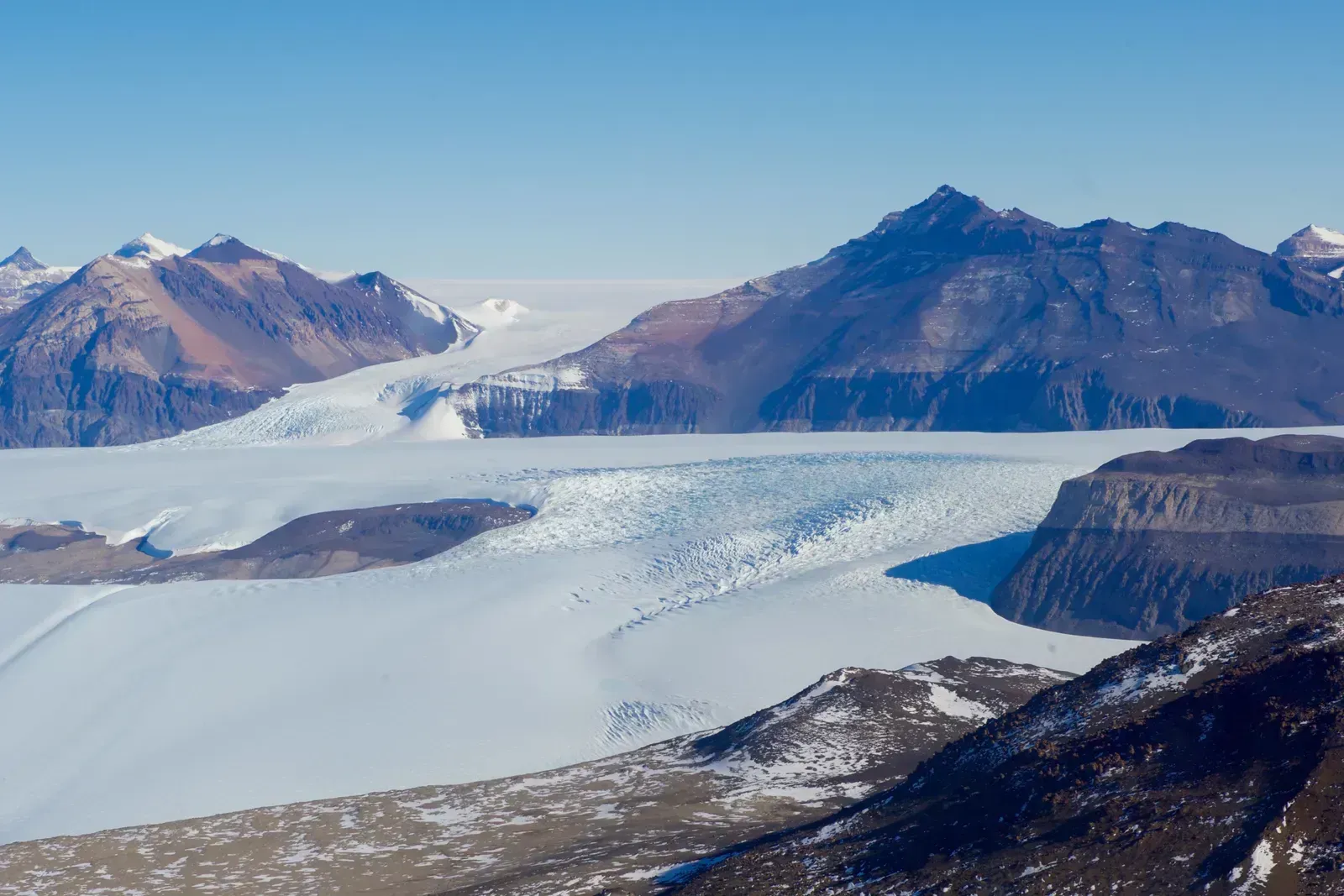
The Dry Valleys are among the coldest and driest ice free regions on the planet. Strong winds, frozen ground and salty ponds create conditions that are rare on Earth but common on Mars. Scientists have studied them since the days of the Viking missions in the 1970s.
Microbes live inside rocks and in frozen soils there, which tells researchers where life might hide on another world. Brine features such as Don Juan Pond are used as comparisons for possible salty liquid water on Mars. Fieldwork here is difficult and expensive, so it is reserved for questions that other analogs can’t answer.
5. Rio Tinto, Spain
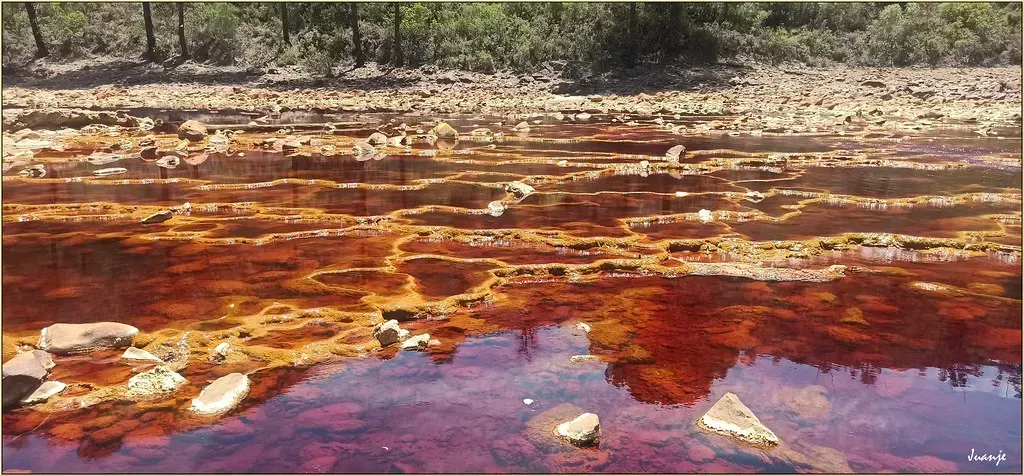
The Rio Tinto in southwestern Spain runs deep red and highly acidic. Its color comes from dissolved iron, and the water flows past minerals such as iron oxides and sulfates that are also known on Mars. Mining in the area dates back thousands of years, though the river’s chemistry is also shaped by microbes.
A project called MARTE drilled into the underground there to look for life in rock beneath the surface. It served as a trial for how a future Mars drill might be operated with limited human help. The site shows that life can thrive in places most of us would call hostile.
6. Mauna Loa, Hawaii
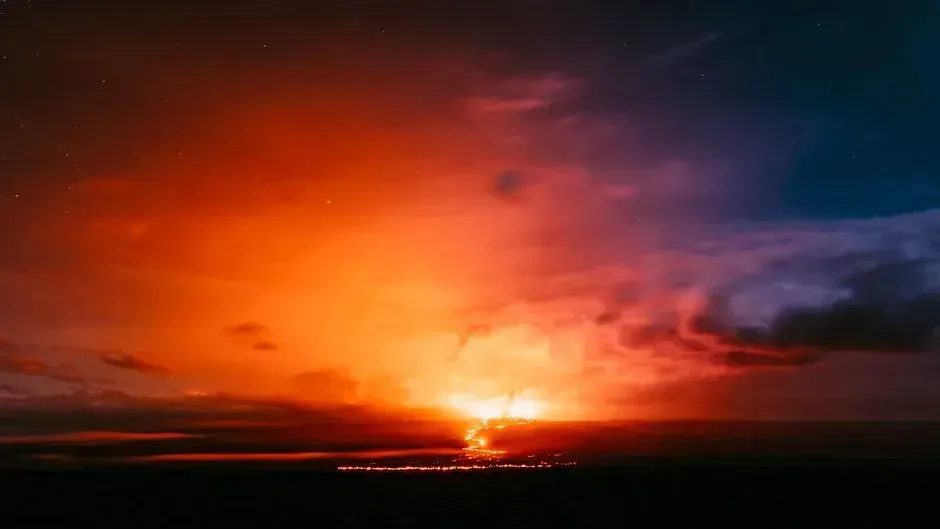
The volcanic slopes of Mauna Loa host the HI-SEAS habitat, short for Hawai’i Space Exploration Analog and Simulation. The terrain is barren, basaltic and often dusty, much like volcanic regions on Mars. Crews live in a dome with limited outside contact.
NASA funded several long missions there, including one that lasted a full year with a six person crew. Researchers studied cooperation, stress and food routines, since meals matter when supply runs are impossible. The basalt around the site also helps geologists practice sampling the sort of rock rovers often find.
7. Danakil Depression and Dallol, Ethiopia
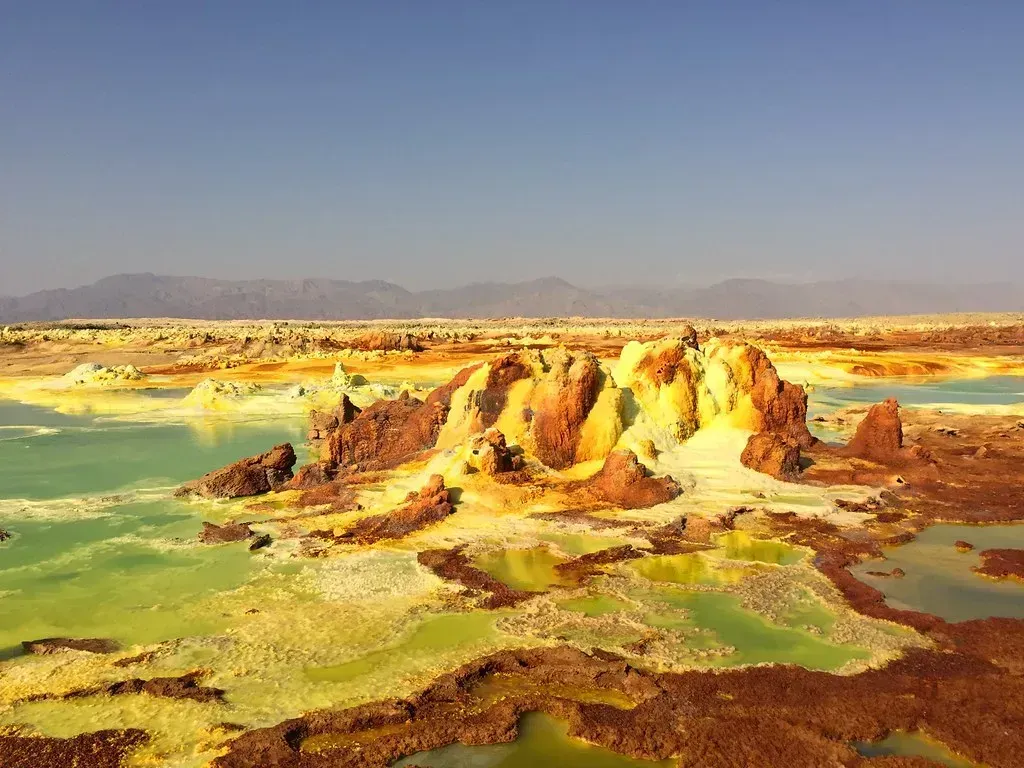
The Danakil Depression is one of the hottest places on Earth, and Dallol sits in its volcanic heart. Hydrothermal pools there are bright yellow, green and orange, and they are extremely acidic and salty. Few places look less friendly to life.
Researchers use the site to explore how life might exist, or fail to, in early Martian hot spring environments. Studies of Dallol have helped define the boundaries of habitability for salt rich, acidic water. It matters because Mars once had volcanic activity and water in some regions, and such settings could have been habitable.
8. Dhofar Desert, Oman
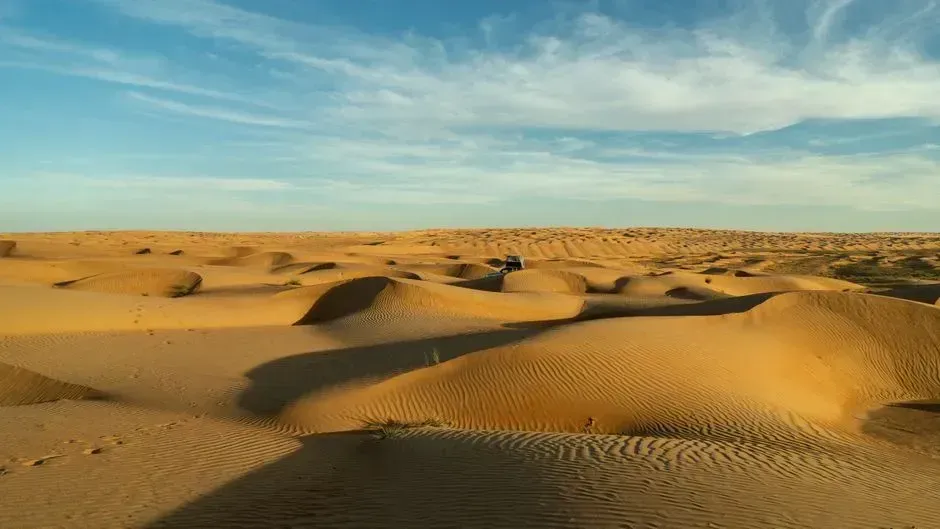
In 2018 the Austrian Space Forum ran its AMADEE-18 mission in the Dhofar region of Oman. A small crew spent about four weeks living in a simulated Mars habitat. They tested spacesuit prototypes, drones and rover systems, plus more than a dozen experiments from international teams.
Oman was chosen for its arid landscape, its rock formations and the ability to tie in geology with logistics. Mission control was placed in Austria, which introduced communication delays similar to what astronauts would face. This made it as much a test of coordination as of equipment.
9. Johnson Space Center, Houston
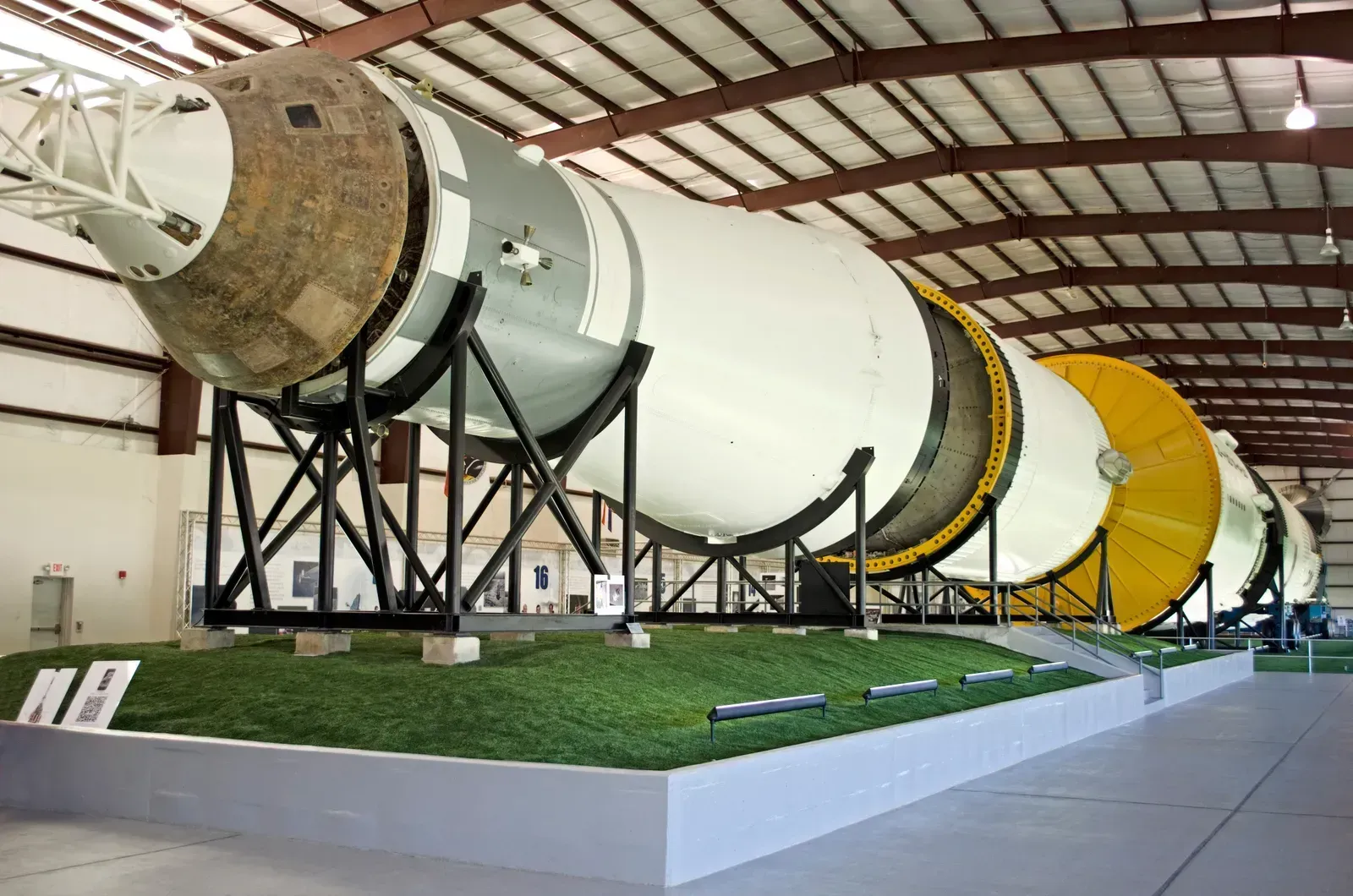
Not every Mars simulation needs red dirt. NASA built a 3D printed habitat of roughly one thousand seven hundred square feet at Johnson Space Center for its CHAPEA project, short for Crew Health and Performance Exploration Analog. It includes sleeping quarters, a kitchen, medical areas and a sandy outdoor space for simulated walks.
The first crew of four entered in June 2023 and stayed for 378 days, exiting in July 2024. Volunteers dealt with resource limits, equipment failures and communication delays. The results feed into planning for food, workload and health on a real mission.
10. Svalbard, Norway
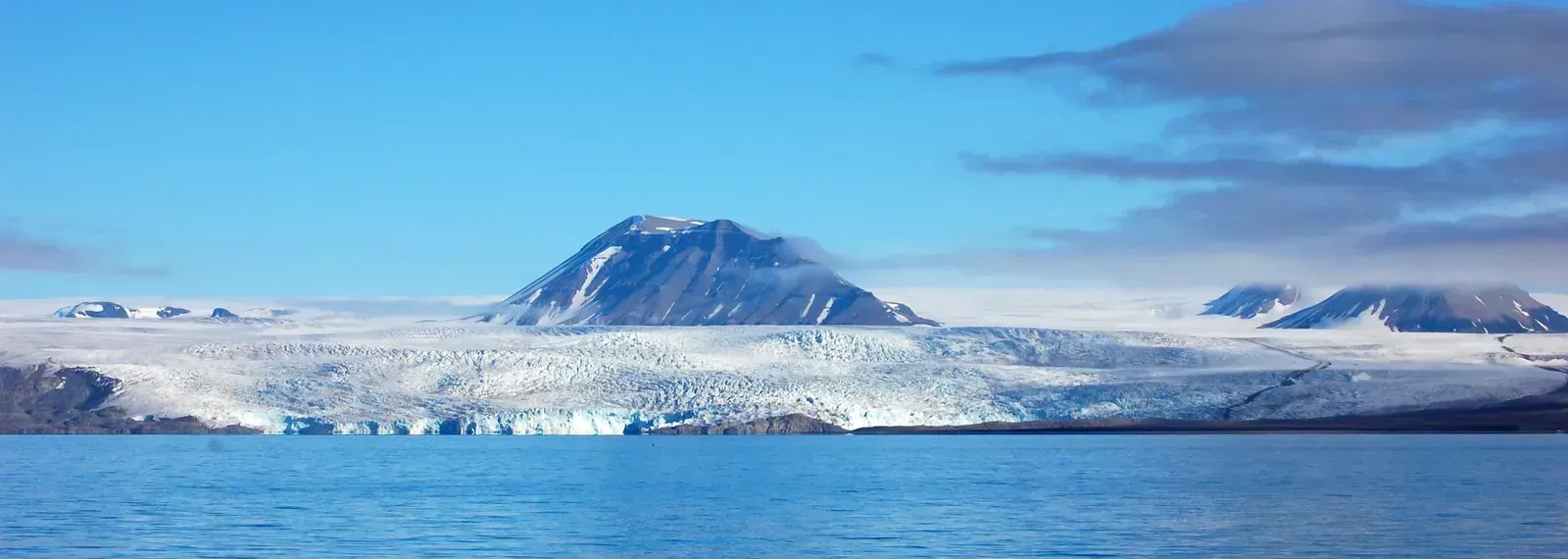
The Arctic archipelago of Svalbard offers glaciers, permafrost and sedimentary rocks, plus hot spring deposits that Mars researchers find useful. Scientists have used the area to test instruments meant for detecting life signs in cold, mineral rich terrain. Some locations there are considered analogs for Martian carbonates and ancient hydrothermal systems.
Teams working in Svalbard have tested rover tools and sampling methods designed for harsh polar field conditions. The Norwegian settlement of Longyearbyen provides research infrastructure that makes access easier than at many remote sites. That mix of rugged geology and workable logistics keeps the archipelago on the list.
