


- 9 Items Experienced Skywatchers Bring Along That Beginners Always Wish They’d Packed - November 12, 2026
- I Moved to Tornado Alley in Oklahoma – 7 Things I Did Not Anticipate About Storm Season - November 12, 2026
- VR tool shows how rising seas could flood Fort Lauderdale - November 12, 2026
The pitch for refurbished gear is simple. Give a phone, laptop, or tablet a second life, and you keep one more device out of the waste stream. The UN’s Global E-waste Monitor puts the scale in perspective: the world’s generation of electronic waste is rising five times faster than documented e-waste recycling.
So I committed to buying refurbished whenever I needed a device. On paper it looked like an easy swap. In practice, a handful of things caught me off guard, and some of them changed how I shop for any electronics at all.
Refurbished Doesn’t Mean the Same Thing Everywhere
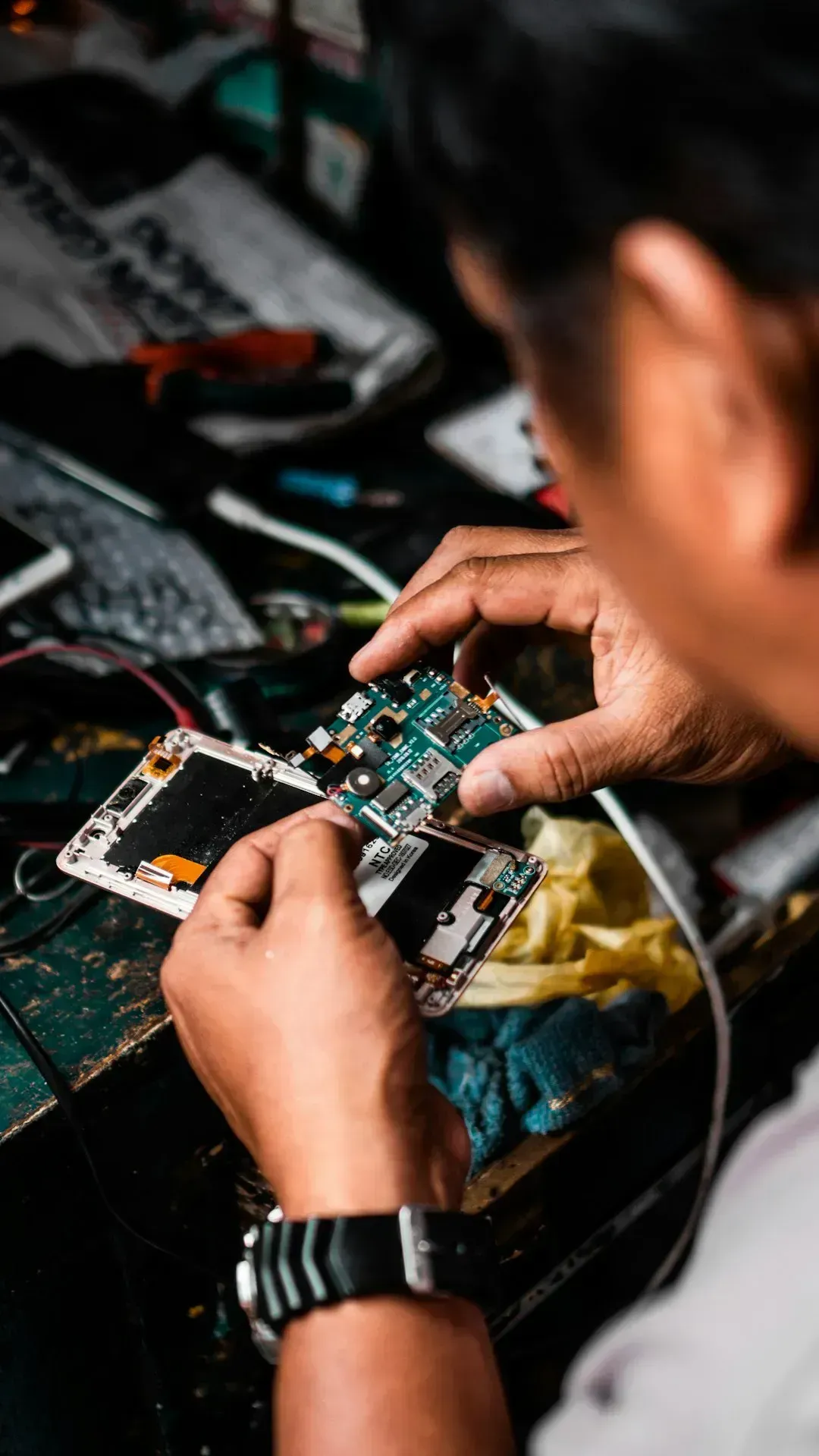
I assumed the word had a standard meaning. It doesn’t. A manufacturer’s certified program, a retailer’s own refurbishing line, and a third party marketplace seller can all use the label, yet the testing, parts, and cosmetic standards behind it differ a lot.
Grades like Excellent, Good, or Fair are usually set by the seller, not by any shared rulebook. One company’s Good might be another’s Fair. I learned to read the grading definitions on each product page before comparing prices.
Battery Health Turned Into the Real Variable
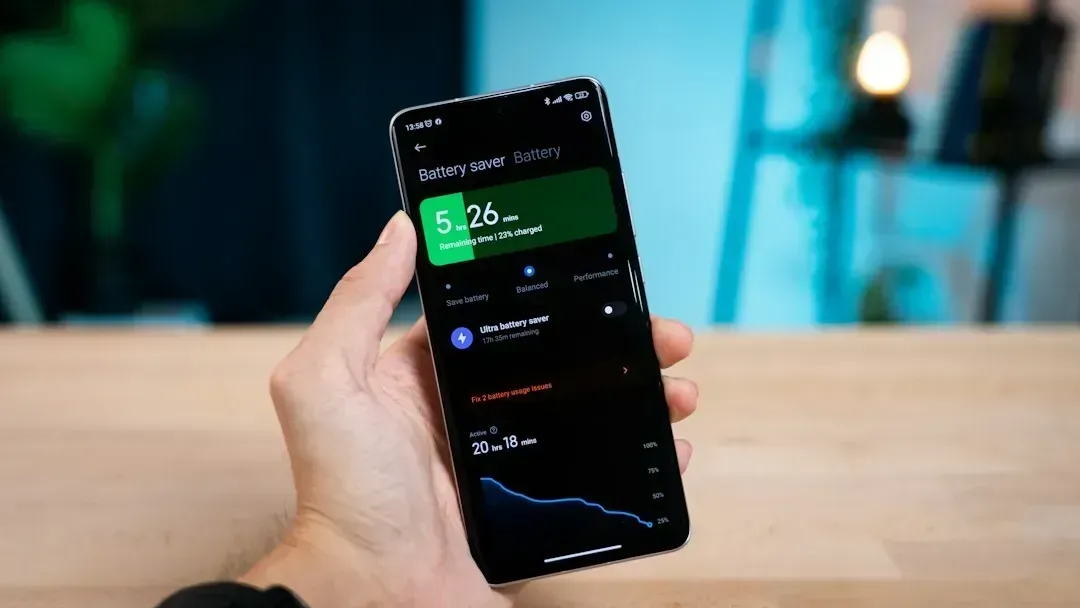
Screens and processors tend to age gracefully. Batteries don’t. Because a battery wears down with every charge cycle, a secondhand device can look perfect and still run out of juice early in the afternoon.
Some programs deal with this directly. Apple’s certified refurbished products, for instance, come with a new battery and outer shell, plus a one year warranty. Many other sellers only promise a minimum capacity level, or say nothing at all, so I started asking about it before buying.
The Warranty Mattered More Than the Discount
Before this experiment, I chose by price. Afterward, I chose by protection. A refurbished device with a short or vague return window can turn a decent saving into a gamble.
Return periods and warranty lengths vary widely between sellers, and marketplace listings are often the thinnest. I now check how long I have to test the device, who handles repairs, and whether the warranty covers the battery. A slightly higher price with a longer guarantee has usually been the better deal.
Software Support Can End Sooner Than the Hardware
This one surprised me most. A laptop can be mechanically fine and still be a poor choice if its operating system is nearing the end of support. Microsoft ended support for Windows 10 on October 14, 2025, which left some older refurbished PCs unable to upgrade to Windows 11 because of hardware requirements.
Phones follow a similar logic. Security updates are what keep a device safe to use, so I began checking a model’s release year and the maker’s update policy before buying. A device that’s cheap but nearly out of updates isn’t really a long term purchase.
The Newest Models Are Hard to Find

Refurbished stock depends on what people trade in and return, so the supply lags behind new releases. If you want the latest model in a specific color and storage size, you may wait or settle. Popular configurations sell out, and the choices can feel random.
That forced me to be more flexible. Looking one or two generations back often turned up excellent options, since the everyday differences between neighboring models are usually small. Patience became part of the shopping process.
My Impact Felt Small Next to the Scale of the Problem
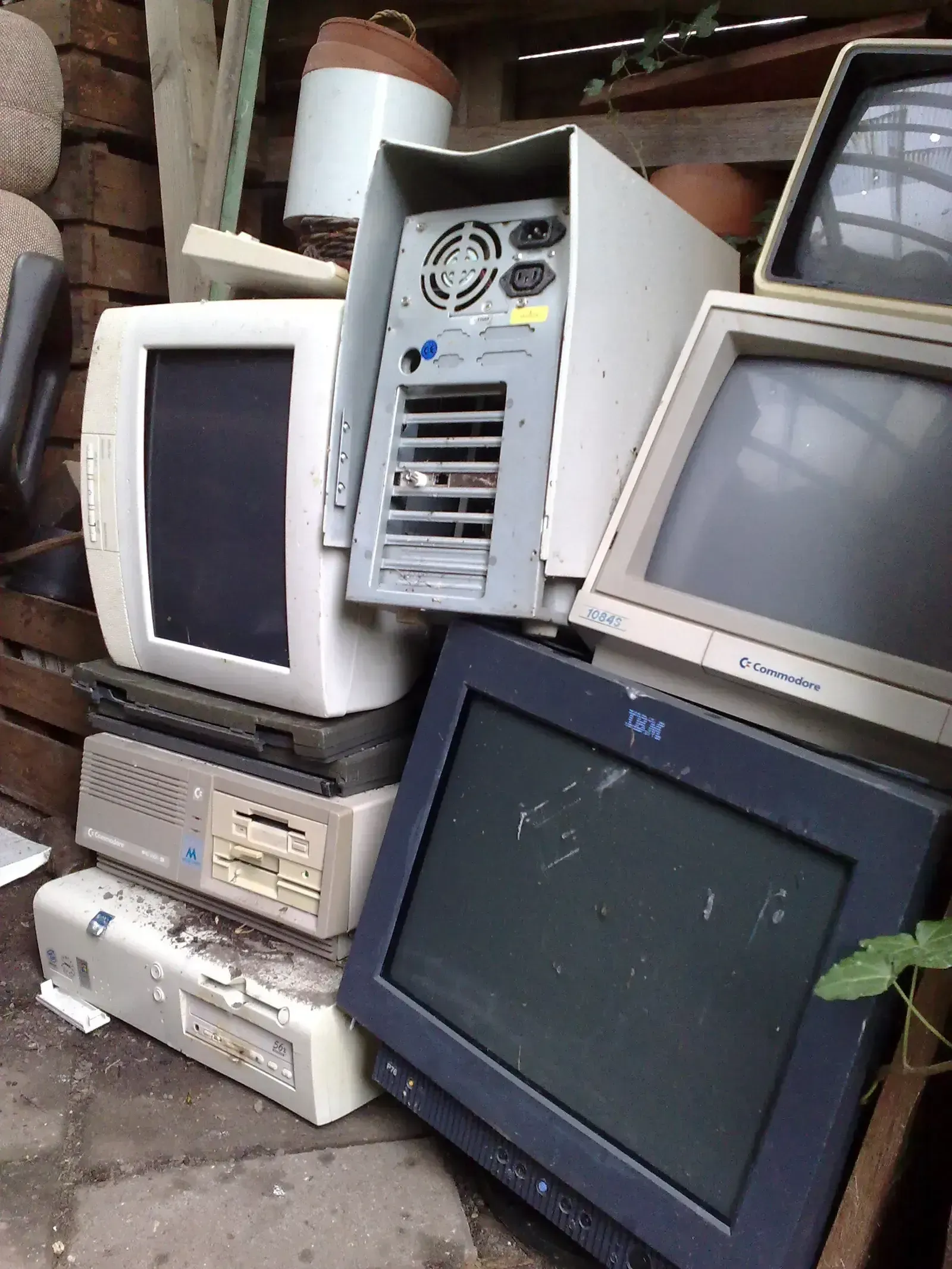
I expected to feel quietly virtuous, and I did, a little. Then the numbers put it in context. A record 62 million tonnes of e-waste was produced in 2022, and less than one quarter of it was documented as properly collected and recycled.
Buying refurbished is still a real step, because it extends the working life of devices that already exist. Yet it only makes a difference alongside other habits, like repairing, keeping devices longer, and recycling through proper channels when they finally fail. The UN projects e-waste will reach 82 million tonnes by 2030, so the effort belongs to more than one shopper.
