

A dry sidewalk, a patch of blue sky overhead, and a low rumble somewhere off in the distance. Most of us would call that a fine reason to finish the walk, the round of golf, or the swim. Forecasters see it differently.
The gap between what feels safe and what actually is safe turns out to be surprisingly wide. Here’s what the science and the safety agencies say about lightning that shows up before the rain does, or without any rain at all.
Thunder Is the Warning, Not the Rain
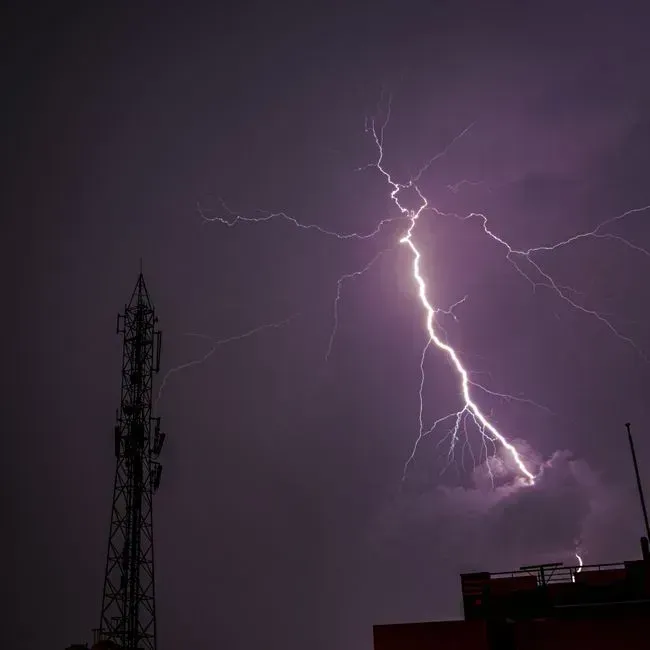
The National Weather Service explains that thunder is the sound caused by a nearby flash of lightning and can be heard for a distance of only about 10 miles from the lightning strike. That detail matters more than it first appears. If you can hear the sound, you’re already inside the range where a strike is possible.
The agency’s advice is blunt on this point: the sound of thunder should serve as a warning to anyone outside that they are within striking distance of the storm. Rain is simply not part of the equation. Lightning belongs to the storm, and the rain is only one of its byproducts.
What a Bolt From the Blue Actually Is
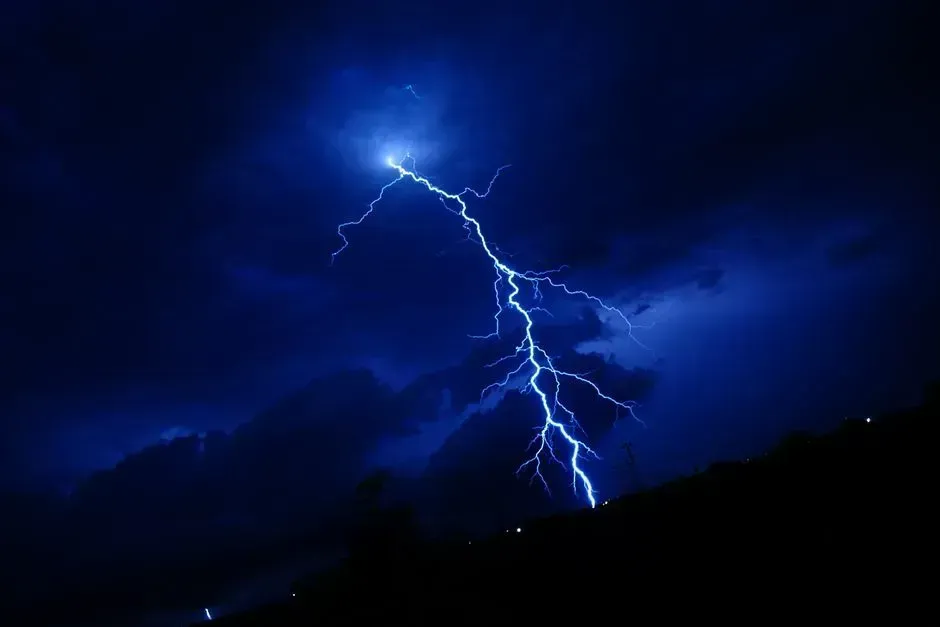
Meteorologists use the phrase “bolt from the blue” for strikes that seem to come from nowhere. According to NOAA and the NWS, these bolts typically originate from rising warm air in the upper part of a thunderstorm and travel many miles horizontally before striking the ground. So the lightning isn’t random, it’s just traveling far from where the storm looks worst.
The Weather Service’s Miami office adds a useful correction. It says terms like dry lightning and bolts from the blue are misleading, because these strikes originate from the side of a thunderstorm. The bolt has a parent storm, even when that storm is out of sight.
How Far Can Lightning Travel?
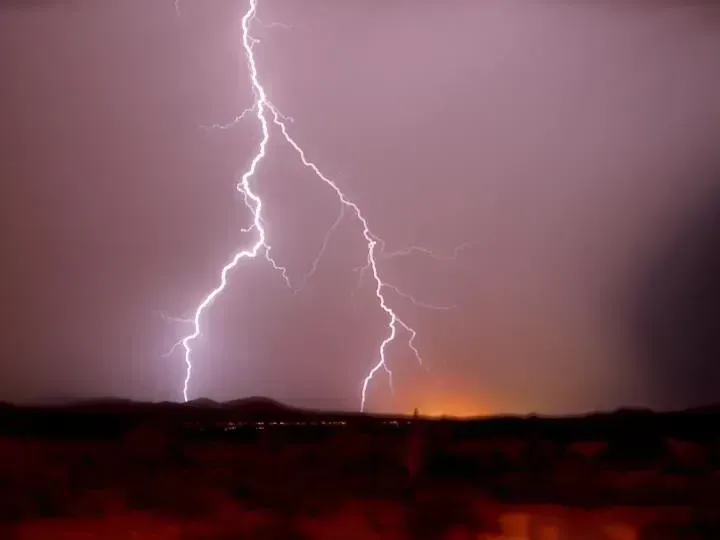
The commonly cited figure is about 10 miles. The National Lightning Safety Council says lightning can strike more than 10 miles from a thunderstorm, well ahead of any rain, or well after the rain has ended. Some strikes may go further still.
Fox Weather quoted an NWS coordinator noting that lightning has been recorded extending upwards of 90 miles within a cloud. That’s flash length inside the cloud, not the distance to the ground, so it shouldn’t be confused with strike range. Still, it shows how large these systems can be.
Why Many Strikes Happen at the Edges of a Storm
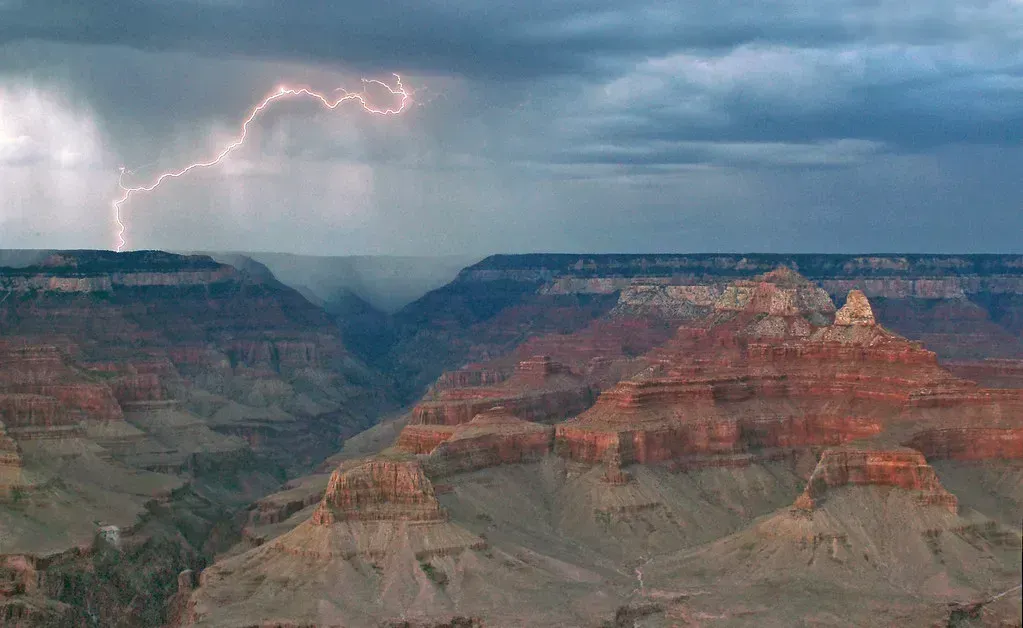
You’d expect danger to peak under the heaviest rain. Yet the weather service says something different: death and injuries from lightning strikes most often occur ahead of thunderstorms or after thunderstorms have seemingly moved away. People tend to relax at exactly the wrong moments.
Weather.com makes the same point, noting that many lightning deaths occur as a storm is approaching before the rain arrives or after the storm has supposedly ended. NOAA goes further, saying that most people struck by lightning each year are in rain free areas. The rain, in other words, isn’t a reliable signal.
A Recent Example From the Beach
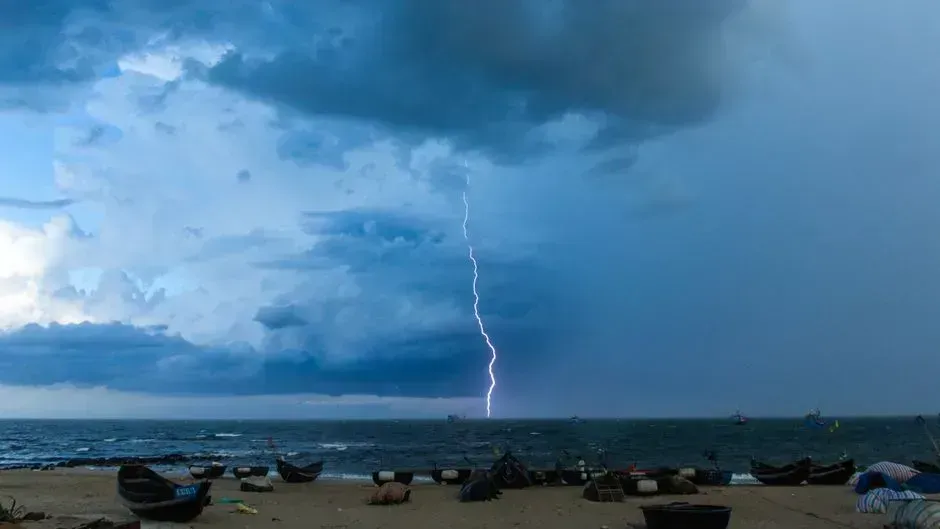
The Miami office of the NWS points to a case from 2024. On August 31, a 24 year old man was swimming next to Naples Pier when a single bolt from an approaching thunderstorm struck the beach and hit him, causing fatal injuries. Another man beside him was also injured.
The office calls this an unfortunate but all too common occurrence of lightning arriving before the rain does. Beaches and open water are especially exposed, since people there often watch the sky for rain rather than listen for thunder.
The Numbers Behind the Risk
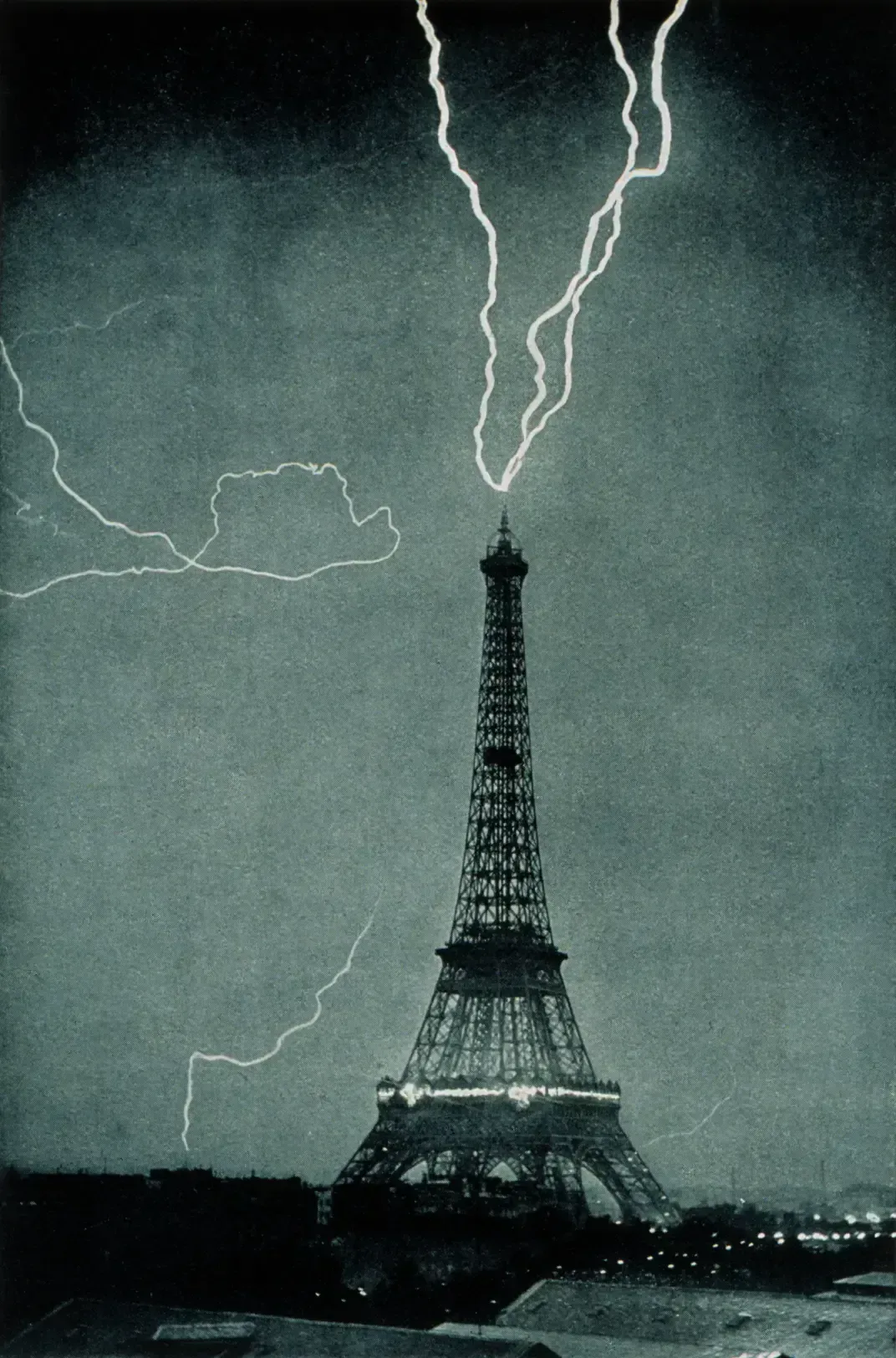
The odds for any one person are low. Weather.com puts the yearly chance of being struck at less than one in a million, though outdoor work or activities can raise it. Volume is the issue, because the United States typically sees 20 to 25 million cloud to ground flashes every year.
Deaths have fallen over time. The NWS says U.S. lightning fatalities dropped from about 55 per year to fewer than 30 since awareness week began in 2001. More recently, Fox Weather reported that 2025 saw 21 reported lightning deaths across the country.
Who Gets Caught Out
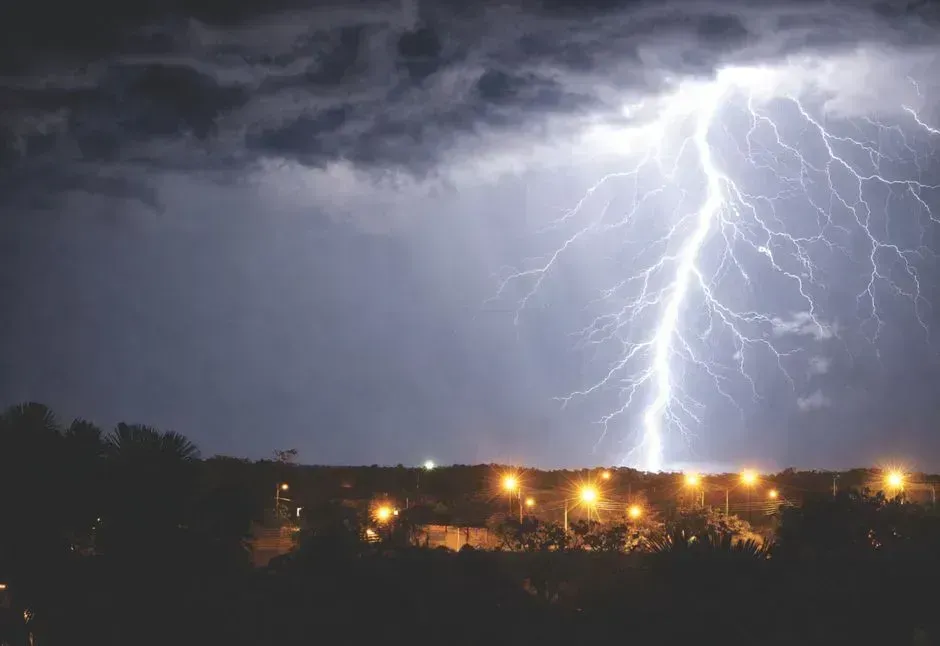
Leisure activities account for most incidents. The NWS says about two thirds of lightning deaths are associated with outdoor recreation. Weather.com reports that water activities lead the list.
Youth sports, hiking, fishing, and beach days all share a habit: people keep going until rain forces them to stop. The NWS urges organizers to plan ahead, be vigilant and know when outdoor activities should be stopped. Deciding the rule before the game starts removes the awkward argument later.
What to Do When You Hear Thunder

The rule is simple. NOAA says to move immediately to a substantial building with electricity or plumbing, or an enclosed, metal topped vehicle with windows up. It also states plainly that there is no safe place outside.
Once you’re inside, don’t rush back out. NOAA recommends you stay in shelter at least 30 minutes after the last sound of thunder, and stay off corded phones, computers and other electrical equipment. If you see a flash, counting the seconds until the thunder and dividing by five gives a rough distance in miles.
Practical Rule to Keep
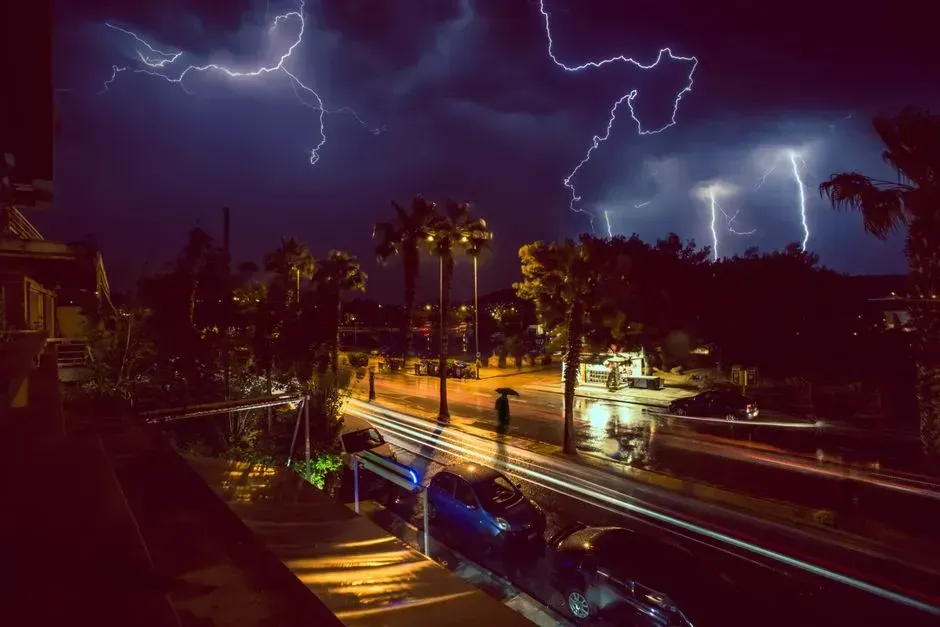
Ignore the rain and the blue sky. If you can hear thunder, lightning can reach you, so get indoors or into a hard topped vehicle and wait 30 minutes after the last rumble.

- The Shoreline Sucked Dry in Seconds – 5 Tsunami Signals Beachgoers Mistake for Low Tide - November 14, 2026
- 9 Dark-Sky Destinations Around the World Where the Stars Look Unreal - November 14, 2026
- The Fault Line That Never Slips – 7 Locked Seismic Zones Overdue for a Massive Release - November 14, 2026
