

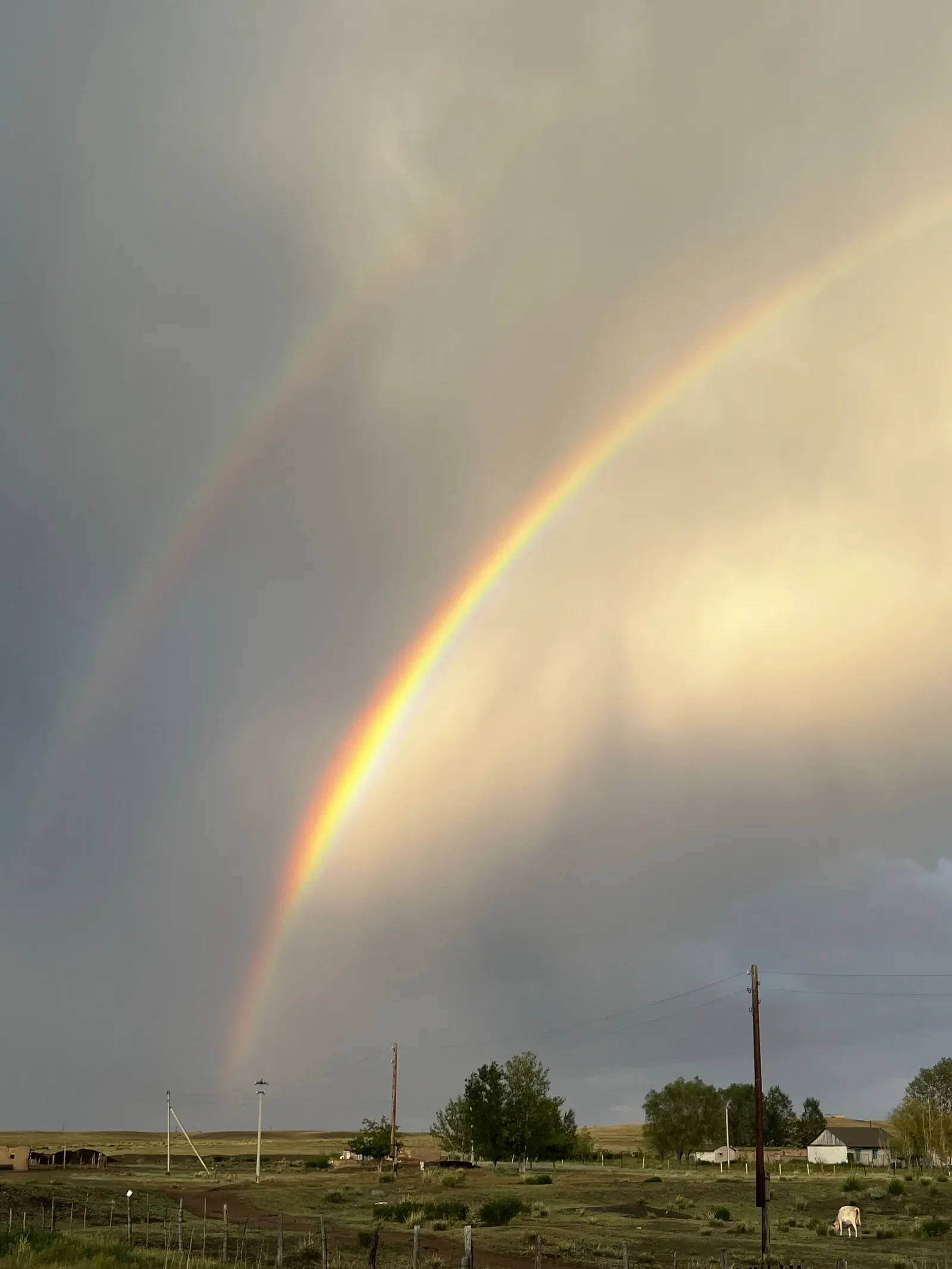
You spot one rainbow arching over a wet field, and then, fainter and higher, a second one appears. It feels like a bonus. Plenty of people assume it’s an echo or a reflection in the sky, though the real explanation is a bit more interesting.
Both bows come from the same sunlight and the same raindrops. The difference lies in what happens to the light inside each drop. Once you follow a single ray through a single drop, the whole pattern starts to make sense.
How a Single Rainbow Gets Made
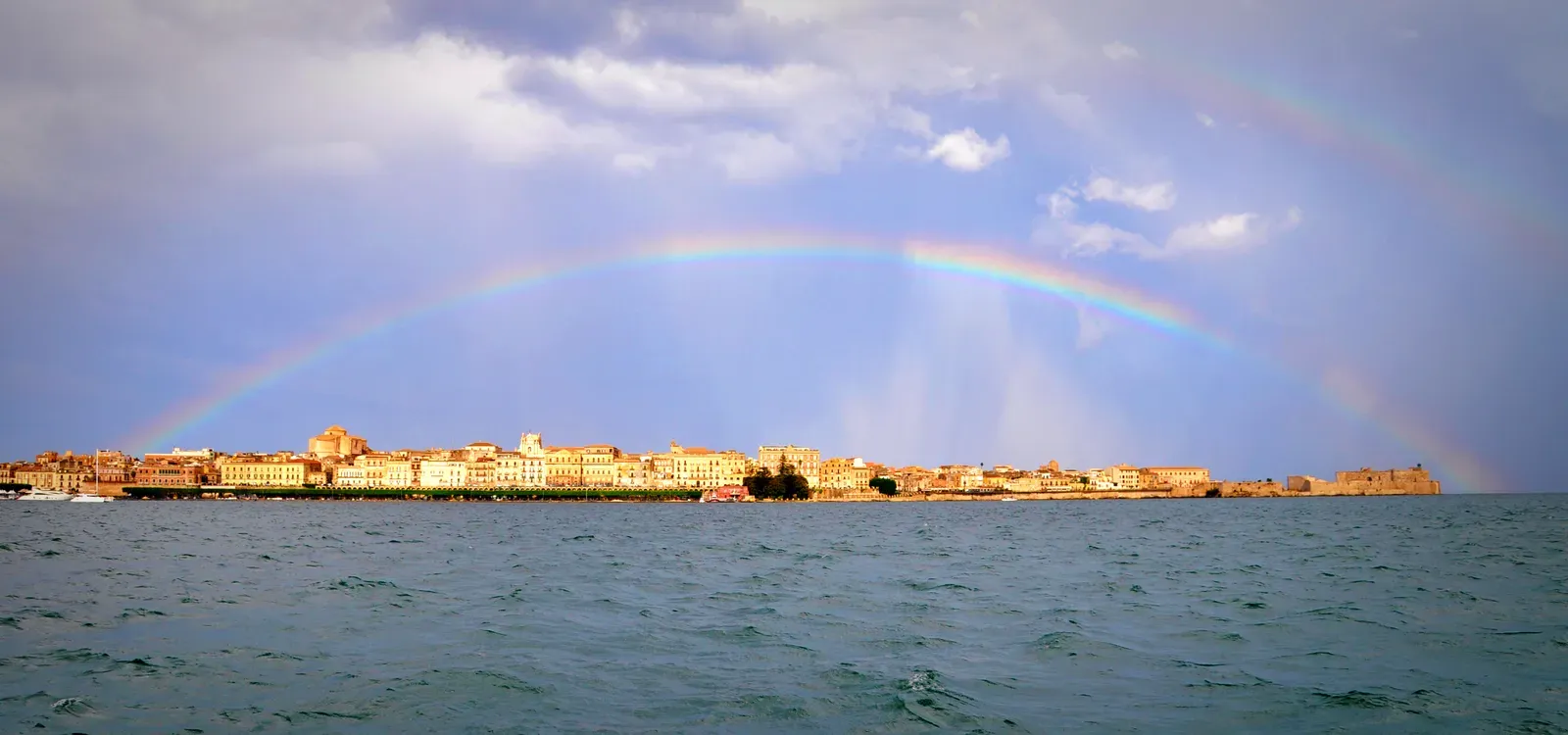
A primary rainbow starts when sunlight enters a raindrop. The light slows down and bends as it passes from air into water, a process called refraction. Because water bends different colors by slightly different amounts, white light spreads into its component colors.
The light then hits the back of the drop and reflects once. It bends again as it leaves the front. Millions of drops doing this at once send each color to your eye from a slightly different angle, and that’s the arc you see.
The Angle That Draws the Bow
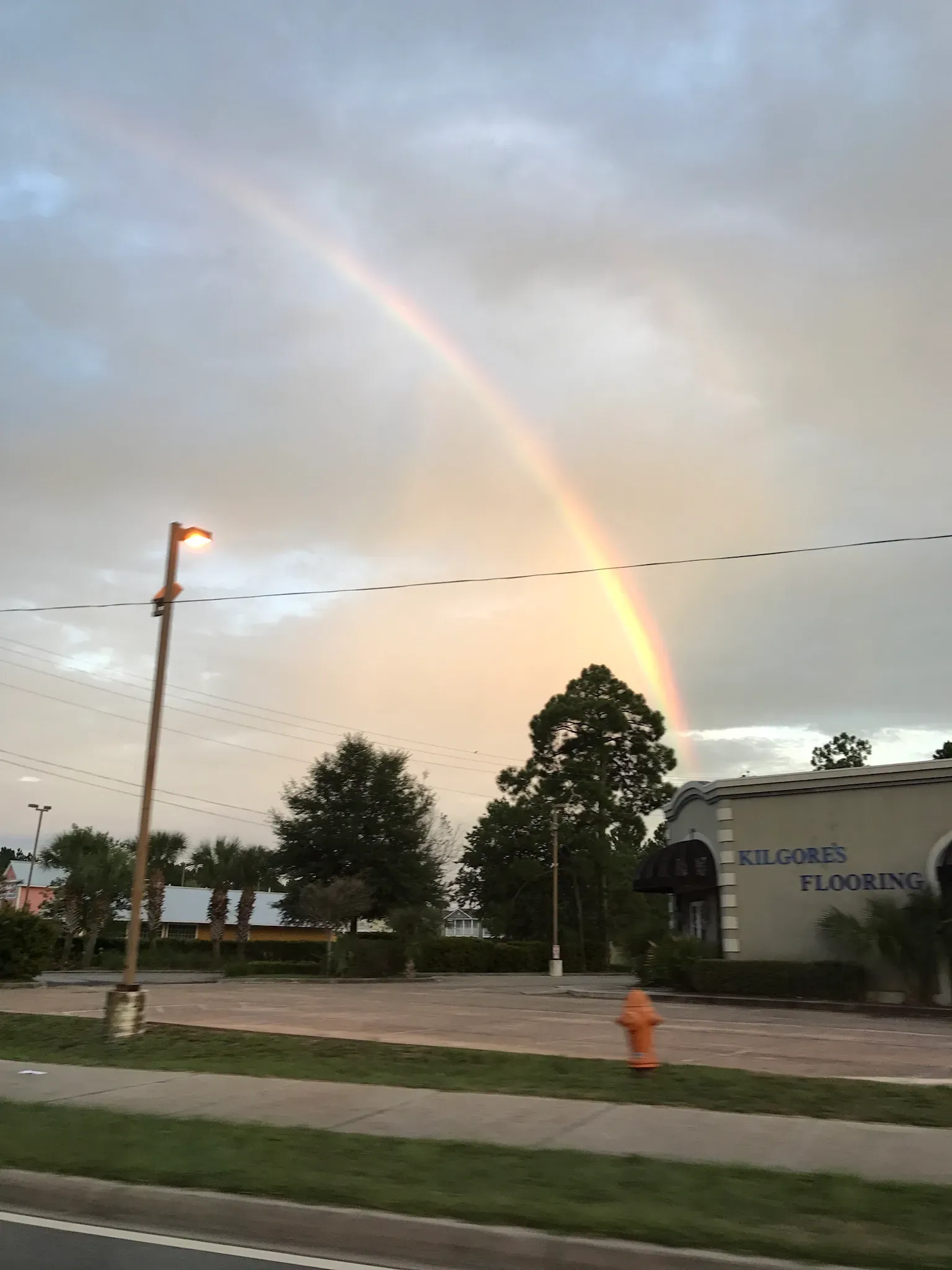
Red light in the primary bow emerges at about 42 degrees from the direction directly opposite the sun. Violet comes out at a slightly smaller angle, around 40 degrees. That’s why red sits on the outside of the arc and violet on the inside.
This is also why you only see a rainbow when the sun is behind you and rain is in front of you. The bow is centered on the antisolar point, the spot directly opposite the sun. Your own shadow’s head points to it, which is a handy trick if you want to find it.
Where the Second Bow Comes From
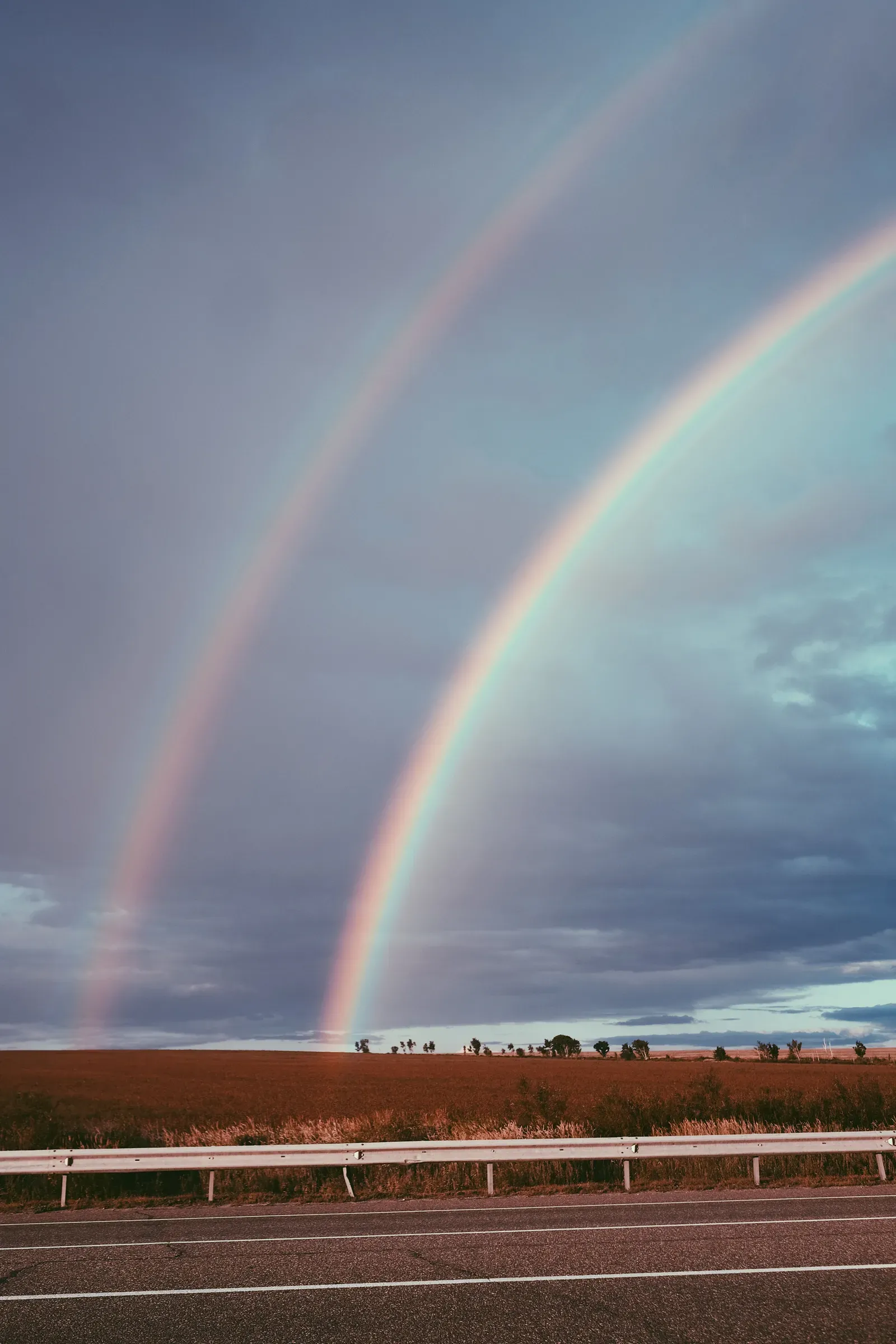
A double rainbow happens when some light reflects twice inside the raindrop instead of once. This secondary bow is produced by those rays, which then exit the drop at a much wider angle. Red in the secondary bow appears at roughly 50 to 53 degrees, and violet at around 53 degrees.
So the second bow sits higher in the sky and is wider than the first. It isn’t a mirror image of the first rainbow. It’s a separate path through the same drops, taken by a smaller share of the light.
Why the Colors Flip
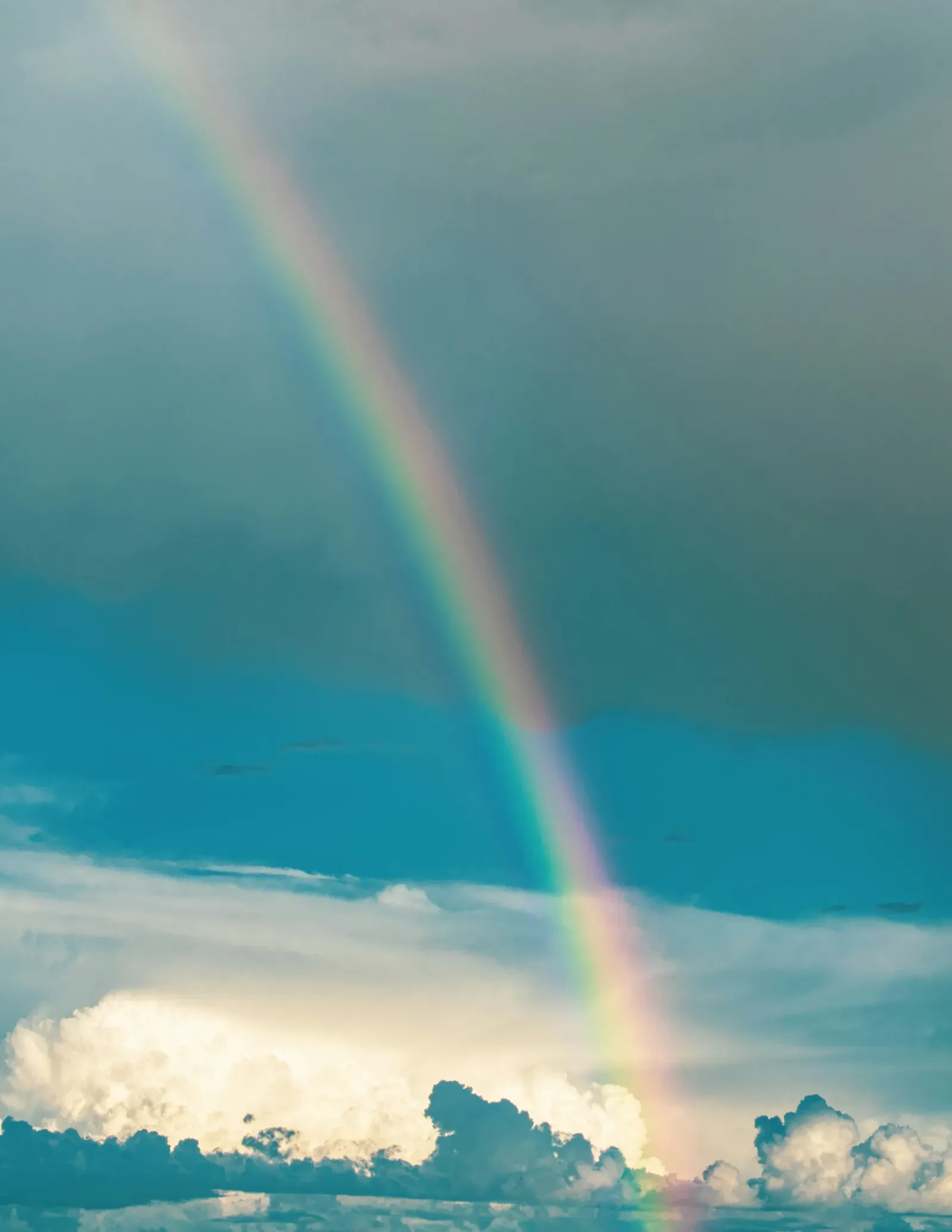
The color reversal is the direct result of that extra reflection. With a second bounce inside the drop, the order in which the colors leave gets flipped. In the primary bow, red is outermost. In the secondary bow, red is on the inside and violet is on the outside.
Think of it as the geometry turning the spectrum around. The first bow runs red to violet from top to bottom, and the second runs violet to red from top to bottom. Next time you see both, check the order, because it’s a quick way to confirm you’re looking at a true secondary bow.
Why the Second Rainbow Is Fainter
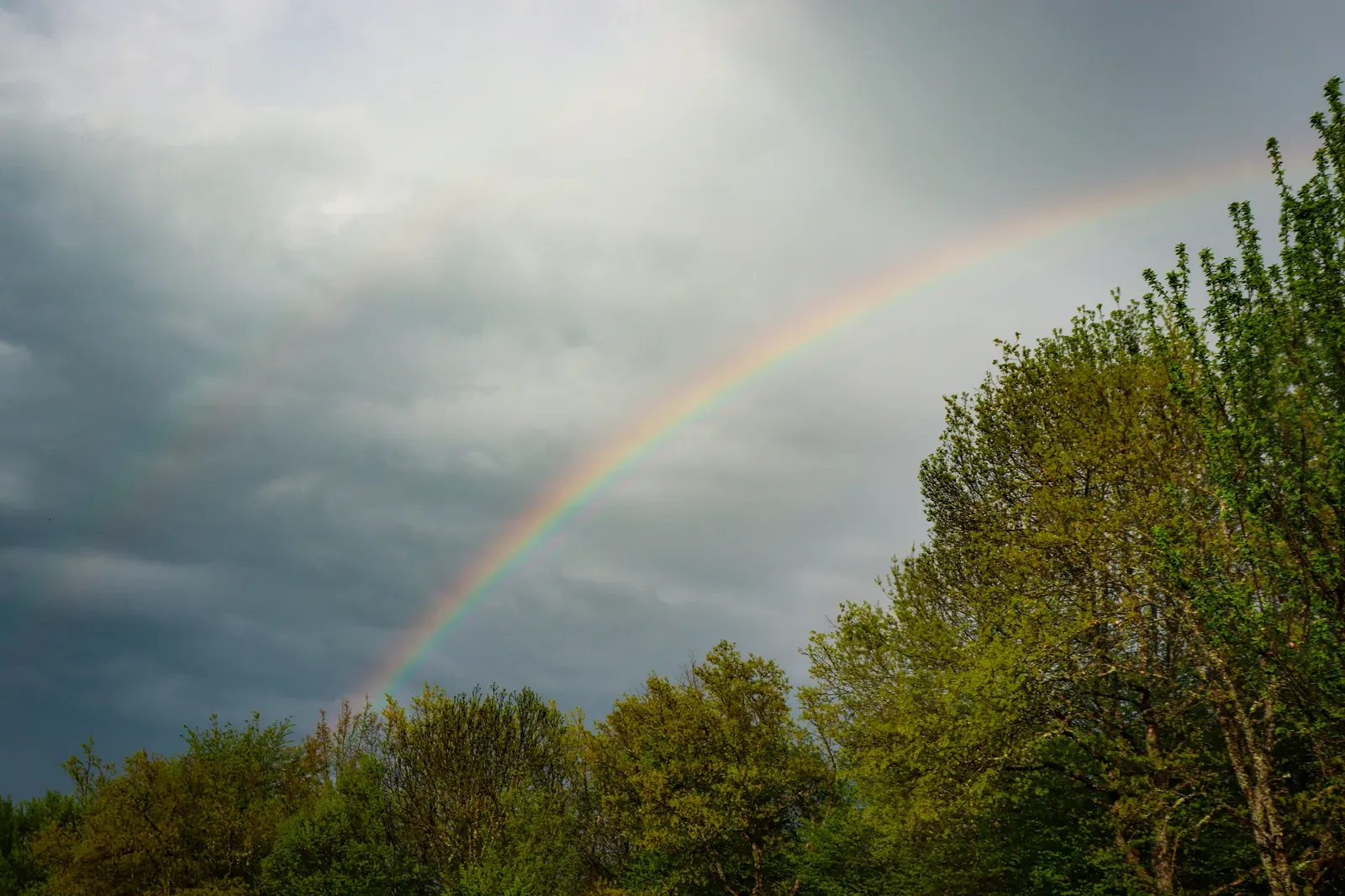
Every time light reflects inside a drop, some of it escapes instead of continuing on. By the time the second bow forms, there’s simply less light left. That makes the secondary bow noticeably dimmer than the primary.
The wider spread of the second bow also dilutes its brightness across a larger area of sky. Because of that, you often need clear viewing conditions and a dark background, like a stormy cloud, to see it well. On a hazy day it may vanish entirely.
Alexander’s Dark Band
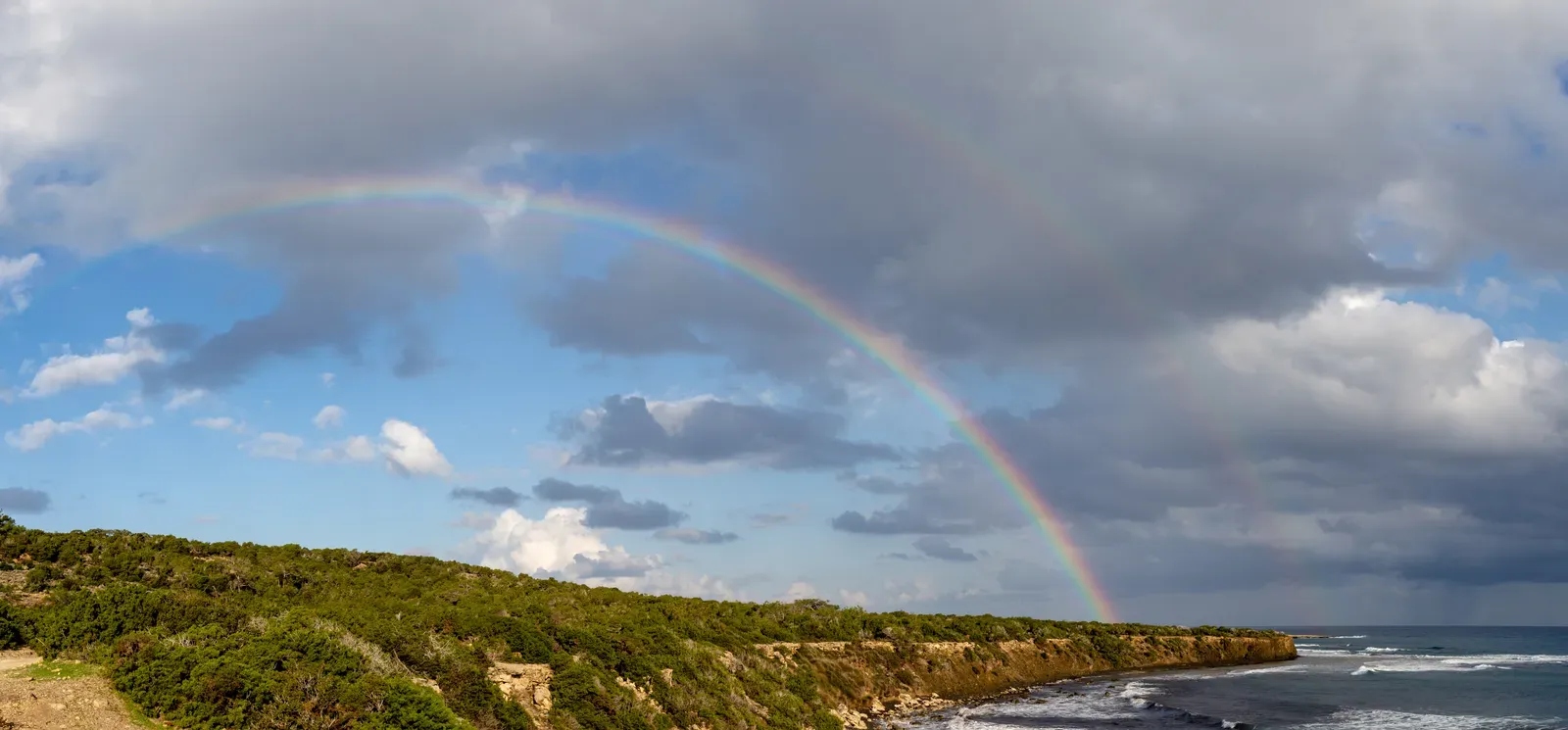
Between the two bows, the sky often looks darker than the sky around them. This region is called Alexander’s dark band, named after Alexander of Aphrodisias, a Greek philosopher who described it nearly 1,800 years ago. It’s not an illusion of contrast alone.
The darkness exists because raindrops don’t send light to that range of angles through either the single or double reflection paths. Light is concentrated near each bow and thins out in between. It’s a neat visual clue that the two arcs are connected physically rather than being unrelated shapes.
What You Need to See One
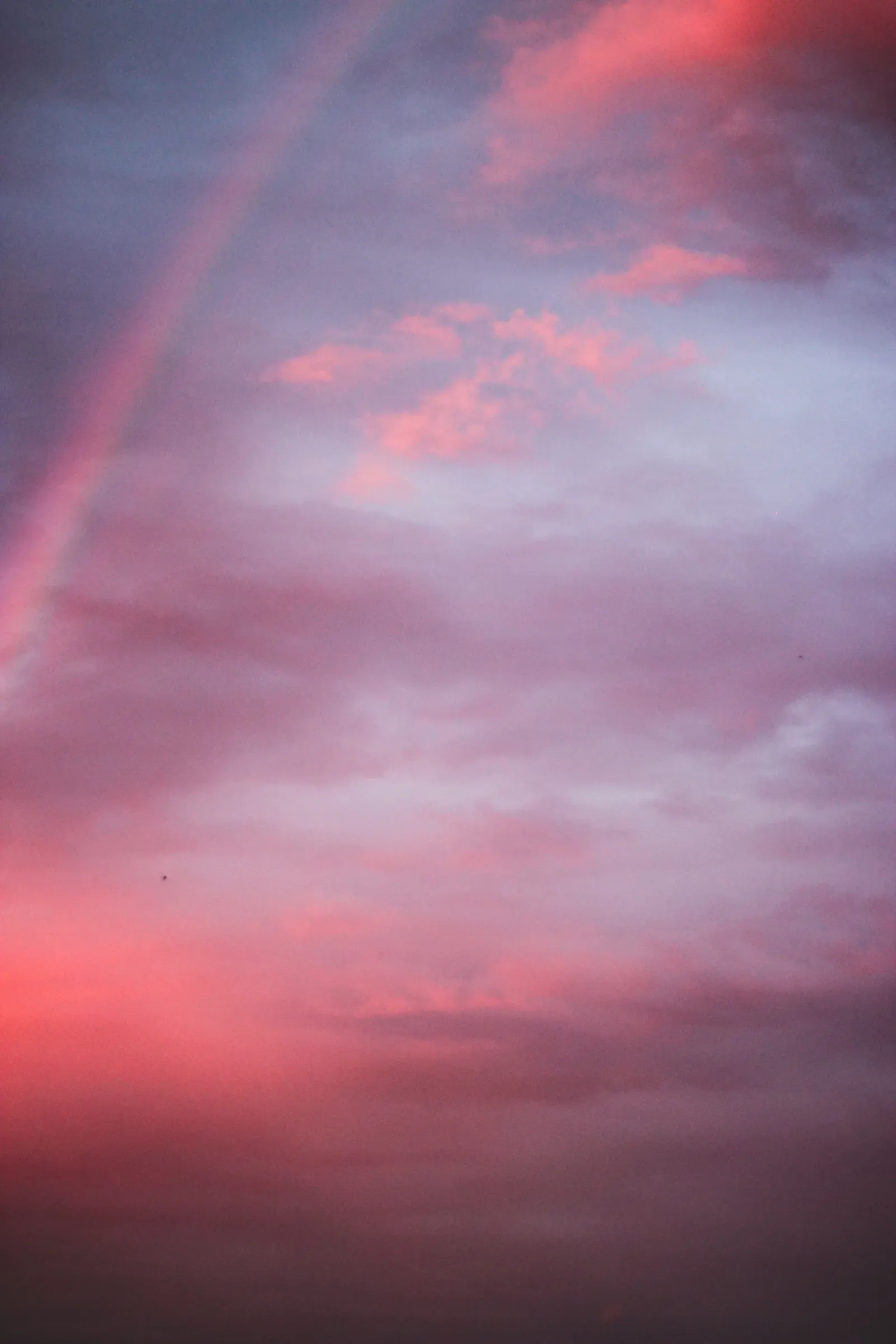
The conditions are the same as for any rainbow, only a bit more demanding. You need the sun low in the sky, since rainbows can’t usually be seen when the sun is higher than about 42 degrees above the horizon. Rain or mist must be falling on the side of the sky opposite the sun, while the sun itself shines through a gap in the clouds.
Late afternoon and early morning showers are the best bet. Large, fairly uniform drops tend to produce brighter and more vivid bows. If you spot one rainbow, glance above it, because the second is often there even when you almost miss it.
Supernumerary Bands and Other Cousins
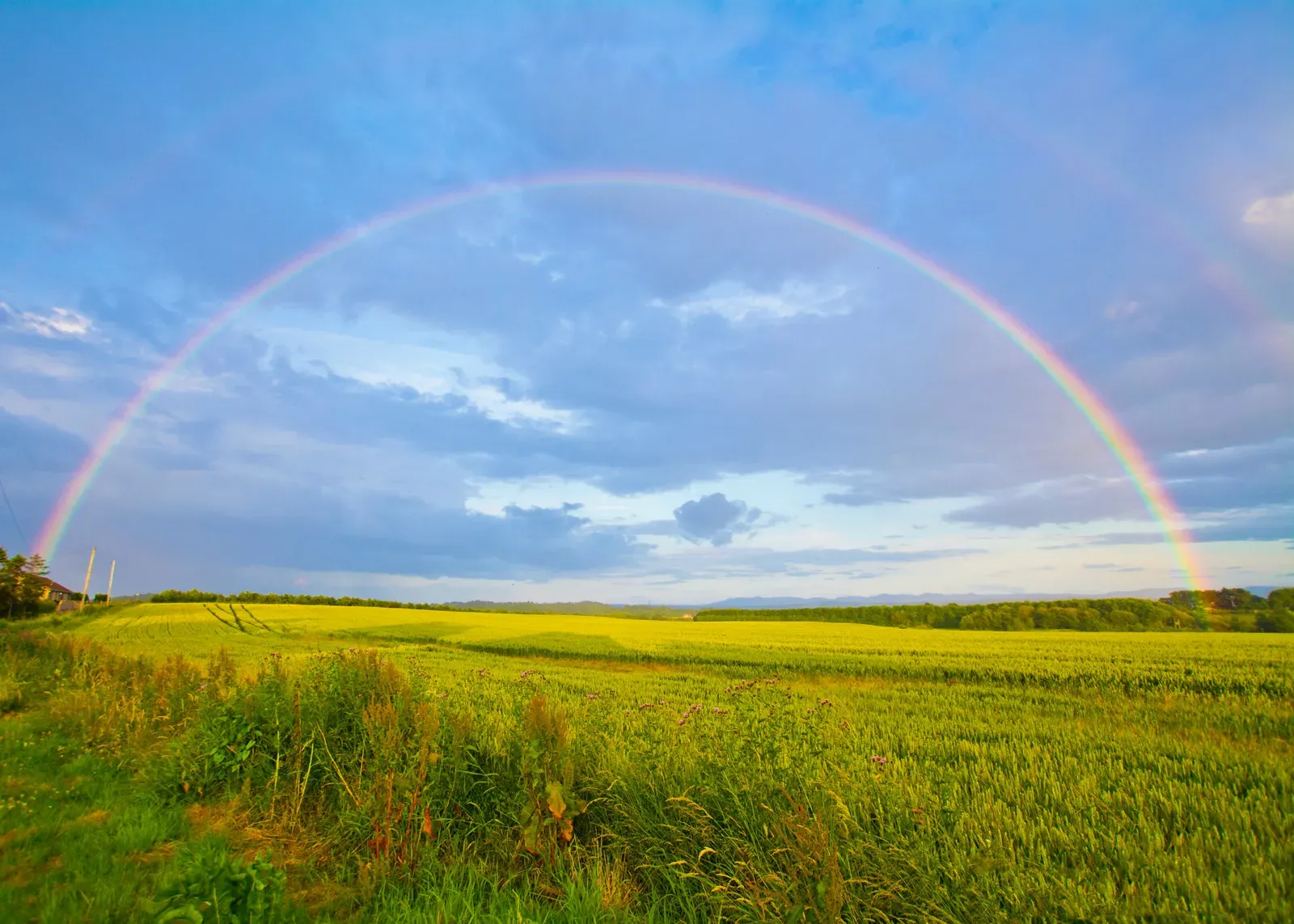
Sometimes you’ll see faint pink and green stripes just inside the primary bow. These are supernumerary bows, and they come from wave interference of light, something a simple ray model can’t explain. They tend to show up when raindrops are small and similar in size.
Double rainbows also differ from twinned rainbows, where two bows split from a single base. Twinned bows are linked to raindrops of mixed sizes and don’t show the reversed color order. So a reversed second arc is the signature of a real double rainbow.
Triple and Higher Order Rainbows
In theory, light can reflect three, four, or more times inside raindrops. Each additional reflection creates another bow, though it grows steadily weaker. The third and fourth order bows appear on the sun’s side of the sky, which makes them hard to see in the glare.
Photographs of tertiary rainbows are rare, but researchers have documented them in published work. Scientists have also captured images of a quaternary bow, and one team reported photographing a quinary bow in 2014. Seeing any of these with the naked eye is extremely unusual.

- 9 Wildfire-Season Routines Many California Residents Follow - November 10, 2026
- Most US states face earthquake risk as major fault lines span the country - November 10, 2026
- The Joplin Tornado of 2011 Killed 158 People and Led to New Warning Language - November 10, 2026
